Barcode Scanner Blockchain Integration |
Barcode scanners have long been a cornerstone of modern business operations, enabling efficient tracking, management, and authentication of products across a wide variety of industries. From retail and logistics to manufacturing and healthcare, barcode scanning systems facilitate the rapid processing of goods, reducing errors and speeding up workflows. However, with the rise of digital threats and the increasing need for transparency in supply chains, there is an emerging need for more secure and tamper-proof methods of tracking product data. Blockchain technology, with its immutable and decentralized ledger system, provides a powerful solution to this problem. Integrating barcode scanning with blockchain ensures that barcode data is not only tracked efficiently but also remains secure and tamper-proof. |
In this detailed explanation, we will explore how barcode scanner blockchain integration works, the benefits it brings, and its application in supply chain management and product authentication. |
|
1. Introduction to Barcode Scanning and Blockchain |
1.1 Barcode Scanning Technology |
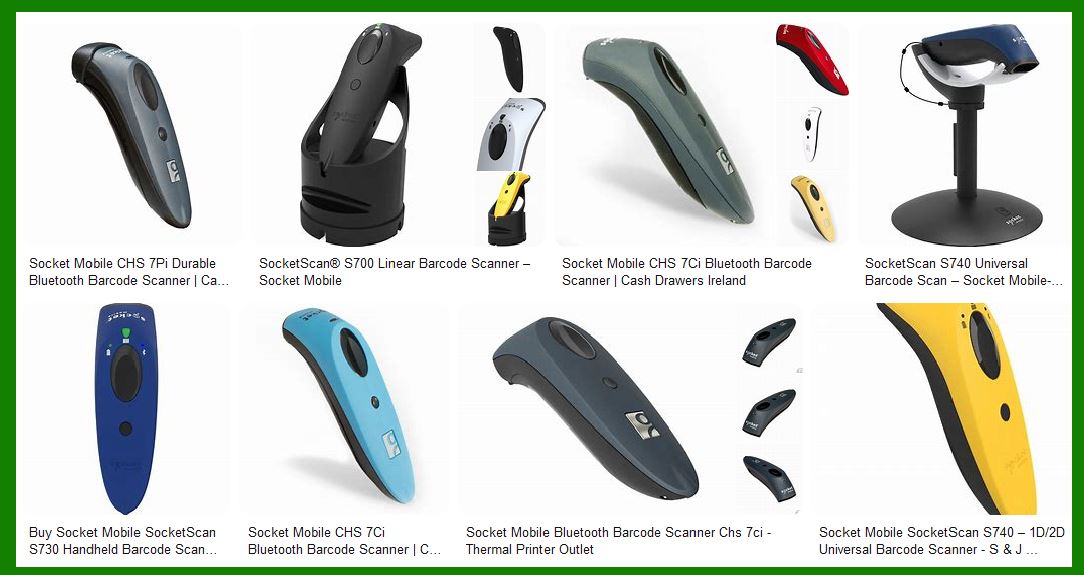
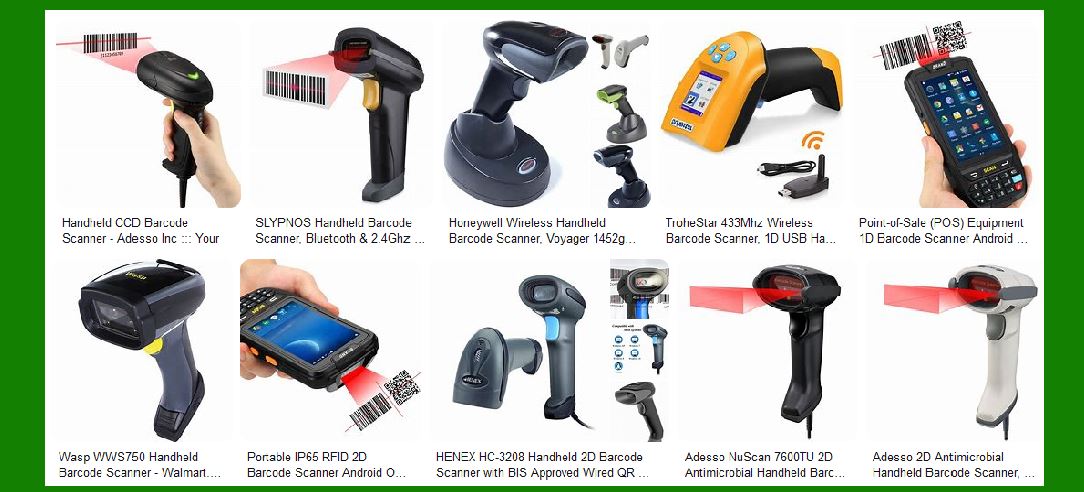
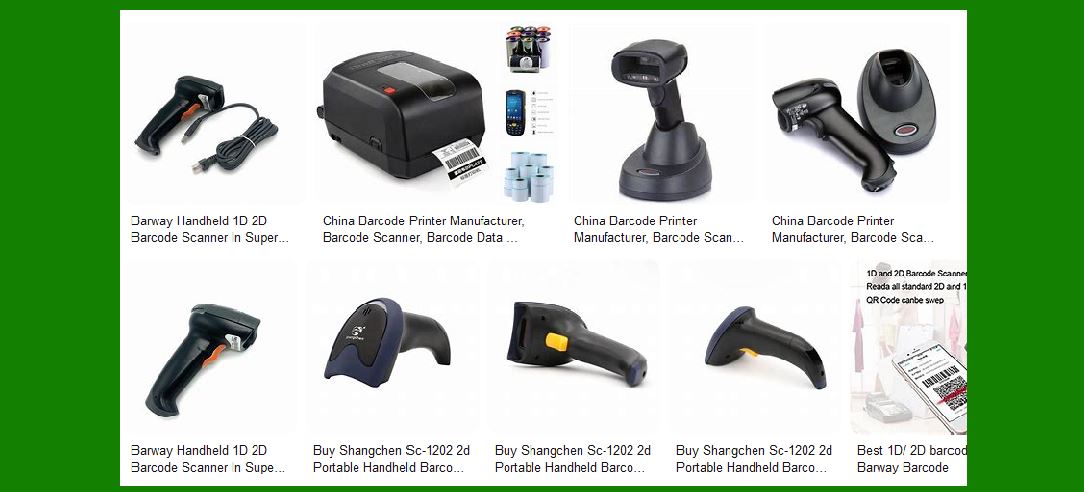
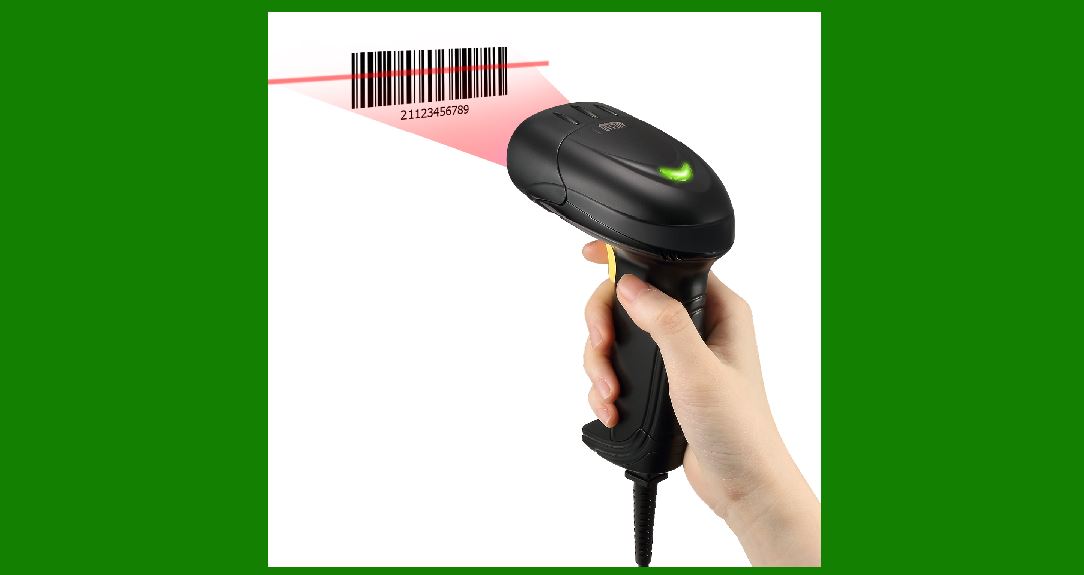
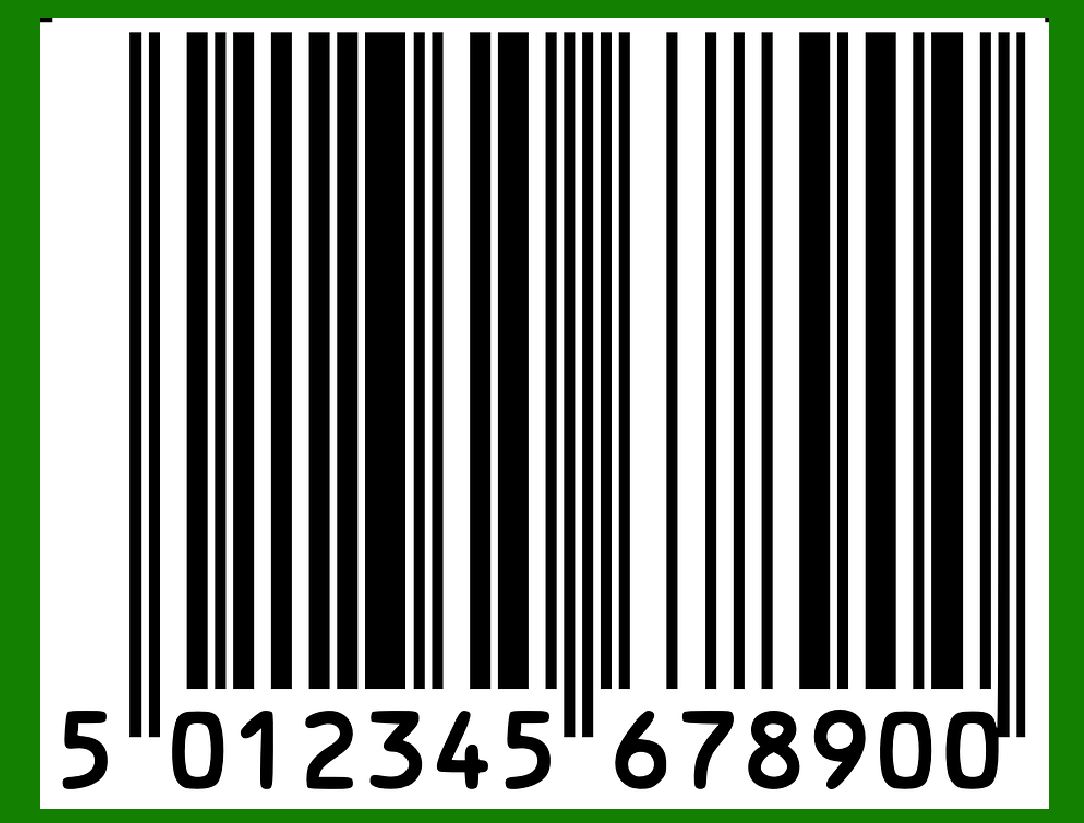
Barcode scanning is the process of capturing data embedded in a barcode, which is a machine-readable representation of information such as a product's identity, price, manufacturer, and more. There are various types of barcodes, such as 1D (linear) and 2D (QR codes), which are scanned using optical scanners. Barcode data is transmitted to a central database, where it can be processed and utilized for inventory management, sales tracking, and more. |
1.2 Blockchain Technology |
Blockchain, on the other hand, is a distributed ledger technology that records transactions in a way that makes them immutable, transparent, and secure. A blockchain is composed of blocks, each containing a list of transactions. Once a block is created and added to the blockchain, it cannot be altered or tampered with. This ensures that any data stored on a blockchain is highly resistant to fraud and manipulation. Blockchain's decentralization means that no single party has control over the entire network, adding an additional layer of security and transparency. |

|
2. The Need for Barcode Scanner Blockchain Integration |
2.1 The Rise of Counterfeiting and Fraud |
In industries like pharmaceuticals, luxury goods, and electronics, counterfeiting and fraud have become increasingly prevalent. Counterfeit products can enter the market undetected, posing significant risks to businesses and consumers alike. For instance, counterfeit drugs can lead to adverse health effects, while fake electronics can damage a company's brand reputation. Traditional barcode scanning systems, while efficient, are vulnerable to manipulation, as barcodes can be easily copied, modified, or replaced. |
2.2 Supply Chain Transparency and Traceability |
Modern supply chains involve multiple stakeholders, including manufacturers, suppliers, distributors, and retailers. Tracking a product's journey from its point of origin to the final consumer has become an important focus for businesses that want to ensure product integrity and maintain customer trust. Blockchain offers an ideal solution to enhance the transparency and traceability of product data, as all parties involved in the supply chain can access and verify the information stored on the blockchain. |
2.3 The Need for Enhanced Security |
Data integrity and security are paramount in today's digital world. Barcode data, when combined with blockchain, ensures that any information related to the product is secured from the point of origin and remains unaltered throughout its entire journey across the supply chain. Blockchain records are immutable, meaning once barcode data is added to the blockchain, it cannot be changed or tampered with, ensuring that the data remains accurate and trustworthy. |
|
3. How Barcode Scanner Blockchain Integration Works |
3.1 Step 1: Scanning the Barcode |
The first step in the barcode scanner blockchain integration process is scanning the barcode on the product. This can be done at any point in the product's lifecycle, from manufacturing to distribution to the final point of sale. The barcode scanner captures the data embedded in the barcode and transmits it to a central system. |
3.2 Step 2: Creating a Blockchain Transaction |
Once the barcode data is captured, it is used to create a blockchain transaction. This transaction can include the product's details such as its serial number, production date, manufacturing location, and other relevant information. The transaction is then sent to the blockchain network, where it will be verified by participants in the network before being added to a block. |
3.3 Step 3: Verification and Consensus |
In a blockchain network, multiple participants (often called nodes) validate the transaction to ensure its authenticity. Consensus algorithms, such as Proof of Work (PoW) or Proof of Stake (PoS), are used to ensure that the transaction is legitimate and meets the network's requirements. Once consensus is reached, the transaction is included in a block. |
3.4 Step 4: Storing Data on the Blockchain |
Once a block is created, it is added to the blockchain, creating an immutable record of the product's barcode data. This data is now part of the blockchain and cannot be altered or tampered with. Each participant in the blockchain network has access to the blockchain, allowing them to verify the product's data at any point in its lifecycle. |
3.5 Step 5: Tracking and Monitoring |
With barcode scanner blockchain integration, all stakeholders in the supply chain can track and monitor the product's movement and status in real-time. As the product moves through different stages of the supply chain, additional transactions can be added to the blockchain to record information such as shipping, storage, and handling. This provides full traceability of the product's journey from its origin to the end consumer. |
|
4. Benefits of Barcode Scanner Blockchain Integration |
4.1 Enhanced Security |
One of the key advantages of integrating barcode scanning with blockchain is the enhanced security it provides. Blockchain's decentralized and immutable nature ensures that once a barcode transaction is recorded, it cannot be altered or erased. This prevents fraud and tampering of product data, which is particularly valuable in industries susceptible to counterfeiting. |
4.2 Increased Transparency |
Blockchain technology offers transparency by providing a shared, immutable ledger accessible to all authorized parties. For supply chains, this means that each participant can verify the authenticity and status of products at any point in the supply chain. This transparency builds trust among stakeholders and end consumers, who can be confident that the product they are purchasing is genuine and has not been tampered with. |
4.3 Improved Traceability |
By recording all barcode data on the blockchain, businesses can track products at every stage of their journey. If a product is recalled, for instance, the blockchain allows for quick identification of affected batches, minimizing the scope of the recall and ensuring that all affected products are removed from the market. |
4.4 Streamlined Processes and Cost Savings |
Blockchain integration with barcode scanning can streamline supply chain processes by reducing the need for intermediaries and manual verification. With accurate and up-to-date data accessible in real-time, businesses can optimize inventory management, reduce human errors, and increase efficiency. This leads to cost savings and improved operational performance. |
4.5 Improved Customer Confidence and Loyalty |
When consumers can verify the authenticity and origin of a product through blockchain, it enhances their confidence in the brand. Customers who trust a brand's commitment to quality and transparency are more likely to remain loyal and make repeat purchases. Additionally, blockchain can be used for loyalty programs, allowing businesses to reward customers with verifiable, secure tokens. |
|
5. Use Cases for Barcode Scanner Blockchain Integration |
5.1 Supply Chain Management |
In global supply chains, products often pass through multiple stages and various hands before reaching the end consumer. Barcode scanner blockchain integration ensures that each stage of the product's journey is securely documented, providing traceability, verifying authenticity, and enabling quicker responses to potential issues. For example, if a batch of perishable goods is delayed, the system can flag the product for inspection, reducing the risk of spoilage. |
5.2 Product Authentication |
Barcode scanner blockchain integration is particularly useful for industries where counterfeiting is a serious problem. By linking each product's barcode to an immutable blockchain record, consumers and retailers can instantly verify whether a product is genuine. This is especially important in industries like pharmaceuticals, where counterfeit drugs can have dangerous consequences, or in luxury goods, where counterfeit products can undermine brand reputation. |
5.3 Retail and E-commerce |
For retailers and e-commerce platforms, integrating barcode scanning with blockchain technology can offer customers a way to verify product authenticity directly through the platform. This can be especially valuable for high-value items, such as designer fashion, electronics, or collectibles. Blockchain integration offers an added layer of trust that can differentiate a retailer in a competitive market. |
5.4 Healthcare Industry |
In the healthcare industry, where counterfeit drugs and medical devices can be life-threatening, barcode scanner blockchain integration can help ensure that products are authentic and have been stored and handled appropriately. By scanning barcodes and recording data on the blockchain, healthcare providers can track drugs from manufacturer to patient, ensuring they meet regulatory standards and are safe for use. |
5.5 Manufacturing and Warranty Tracking |
For manufacturers, barcode scanner blockchain integration can help track product quality, detect defects early, and manage warranties. By linking a product's barcode to its blockchain record, manufacturers can offer customers a secure and transparent way to access warranty information, track product recalls, and verify repairs. |
|
6. Challenges and Considerations |
6.1 Implementation Costs |
Integrating barcode scanning with blockchain technology can involve significant upfront costs, particularly for businesses that are not already using blockchain. These costs may include investment in blockchain infrastructure, staff training, and system integration. However, the long-term benefits of improved security, transparency, and efficiency often outweigh the initial investment. |
6.2 Scalability |
Blockchain technology, while powerful, can face scalability challenges when processing large volumes of transactions. Depending on the consensus mechanism used, blockchain networks can become slow and costly as more participants join. Solutions such as off-chain transactions, layer-two scaling solutions, and blockchain interoperability are being developed to address these issues. |
6.3 Standardization and Interoperability |
For barcode scanner blockchain integration to work across industries, standardization of barcode formats and blockchain protocols is essential. Without a common framework, businesses may face challenges in ensuring that their systems are compatible with those of other stakeholders in the supply chain. |
|
7. Conclusion |
Barcode scanner blockchain integration is a powerful innovation that enhances the security, transparency, and traceability of product data. By combining the efficiency of barcode scanning with the security of blockchain, businesses can combat fraud, improve supply chain visibility, and build greater customer trust. While challenges such as implementation costs and scalability remain, the potential benefits of this integration are clear. As blockchain technology continues to mature, we can expect barcode scanner blockchain integration to become an increasingly important tool in modern business operations. |
|
Which companies or institutions have already applied this Barcode Scanner Blockchain Integration technology in practice? |
Several companies and institutions have already started applying barcode scanner blockchain integration in practice, particularly in industries like supply chain management, logistics, retail, pharmaceuticals, and luxury goods. The integration of blockchain with barcode scanning enables real-time tracking, data security, and traceability, which are critical for these sectors. Here are some examples of organizations and initiatives that have implemented this technology: |
1. Walmart |
Sector: Retail and Supply Chain Management |
Blockchain Application: Walmart, in collaboration with IBM, has been using blockchain to enhance food traceability through its 'Food Trust' blockchain platform. The platform integrates with barcode scanning systems to track products from farm to store, ensuring transparency, safety, and rapid responses in case of food recalls. |
Barcode Scanner Integration: Walmart's system scans product barcodes at various stages of the supply chain, storing data on the blockchain. This provides a tamper-proof record of product origin, quality checks, and transport conditions. |
Impact: Walmart's blockchain system has significantly reduced the time required to trace the origin of food items from days to seconds, enhancing safety and efficiency. |
2. Maersk and IBM (TradeLens) |
Sector: Shipping and Logistics |
Blockchain Application: Maersk, in partnership with IBM, developed TradeLens, a blockchain-based shipping solution that improves transparency and efficiency in the global supply chain. The system leverages barcode scanning to track shipments, containers, and products as they move across borders. |
Barcode Scanner Integration: Barcode scanners capture real-time data about goods in transit and integrate it with blockchain records, ensuring a transparent, immutable trail for each shipment. Customs, ports, and logistics companies are all able to access this data, reducing paperwork and administrative overhead. |
Impact: TradeLens has improved supply chain visibility, helping to reduce shipping delays, avoid counterfeit products, and streamline operations. |
|
3. De Beers (Tracr) |
Sector: Diamond Industry |
Blockchain Application: De Beers, the global leader in diamond production, launched Tracr, a blockchain platform designed to track diamonds from the mine to the retail store. The platform ensures that diamonds are ethically sourced and not conflict diamonds. |
Barcode Scanner Integration: Tracr integrates barcode scanning with blockchain to capture data about each diamond, including details about its mining, cutting, and certification. The barcode is linked to the blockchain record, creating an immutable, transparent trail of the diamond's journey. |
Impact: The Tracr platform offers consumers confidence that the diamonds they purchase are ethically sourced, and it helps combat the problem of conflict diamonds in the industry. |
4. Pfizer |
Sector: Pharmaceuticals |
Blockchain Application: Pfizer, a leading global pharmaceutical company, has been exploring the use of blockchain to combat counterfeit drugs. The pharmaceutical industry faces significant challenges with the production and distribution of counterfeit medications, which can have deadly consequences for patients. |
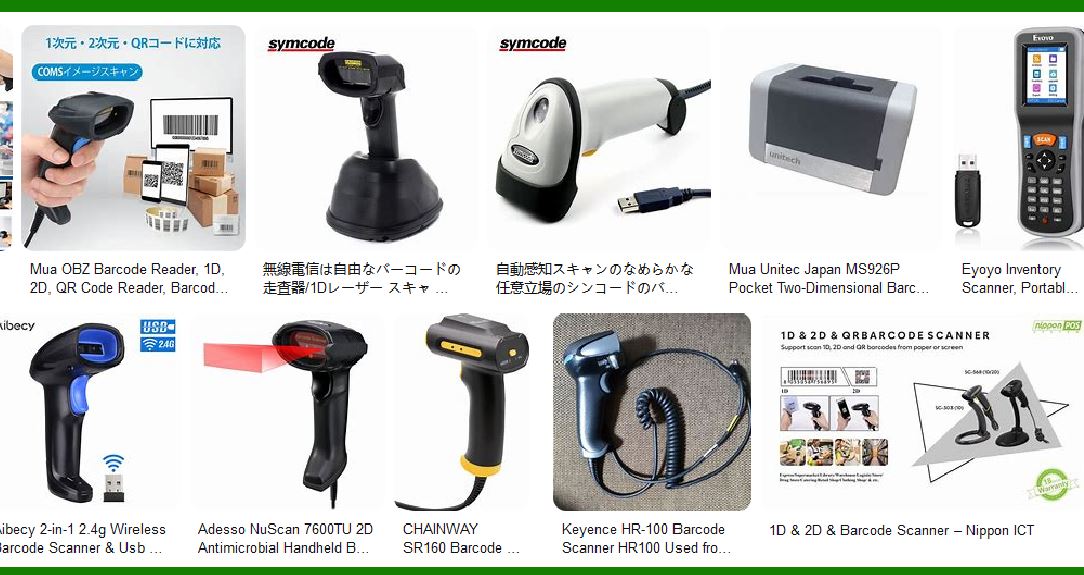
Barcode Scanner Integration: Pfizer uses blockchain to create a secure, traceable record of pharmaceutical products as they move from manufacturer to distributor to retailer. Barcodes are scanned at each checkpoint, and the data is uploaded to the blockchain, ensuring product authenticity. |
Impact: This blockchain-based system enhances the security and authenticity of drugs, helping to reduce the impact of counterfeit products on public health. |
|
5. Everledger |
Sector: Luxury Goods, Jewelry, and Diamonds |
Blockchain Application: Everledger is a company that uses blockchain to create a digital provenance for valuable goods, such as diamonds, fine wine, art, and luxury handbags. They use blockchain to track the ownership and authenticity of these goods. |
Barcode Scanner Integration: Everledger works with barcode scanning technology to capture and record information about each product. For example, diamonds are assigned unique identifiers that are tracked using barcode scans as they pass through various stages of the supply chain. |
Impact: Everledger's platform provides buyers with assurance about the origin and authenticity of luxury goods, helping to reduce fraud and counterfeiting in high-value markets. |
6. Honeywell and the 'Honeywell Forge' Platform |
Sector: Industrial and Supply Chain Management |
Blockchain Application: Honeywell, a leading global technology company, has developed the Honeywell Forge platform, which incorporates blockchain to track and authenticate products within the industrial and aerospace sectors. |
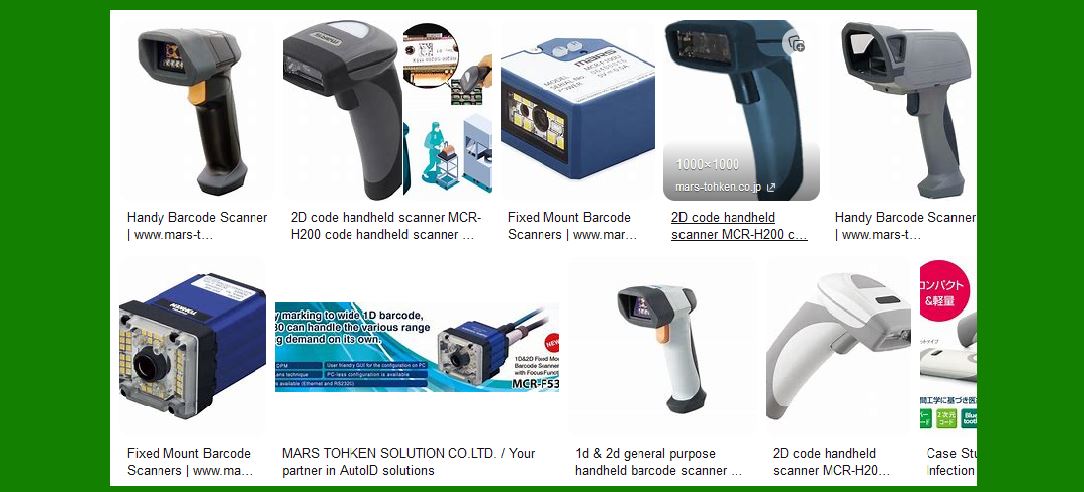
Barcode Scanner Integration: Honeywell uses barcode scanning and blockchain technology to track products like aerospace parts and industrial equipment throughout their lifecycle. Each barcode scan records key data on the blockchain, creating a secure and immutable record. |
Impact: The integration of barcode scanning and blockchain in Honeywell's system increases operational efficiency, ensures compliance with regulations, and improves the quality control of industrial equipment. |
|
7. Vechain |
Sector: Supply Chain and Logistics |
Blockchain Application: Vechain is a blockchain platform that provides supply chain solutions. Vechain's platform is used by several global brands to trace the movement and condition of products. |
Barcode Scanner Integration: In industries like food, fashion, and pharmaceuticals, Vechain integrates barcode scanning with blockchain to ensure that each product's data is accurately recorded and cannot be tampered with. As products pass through different supply chain stages, barcode scanners update the blockchain with key details, such as location, temperature, and handling conditions. |
Impact: Vechain's system enhances product traceability and authenticity, providing a secure and transparent way to track items from production to delivery. |
8. IBM Food Trust |
Sector: Food and Agriculture |
Blockchain Application: IBM Food Trust is a blockchain-based solution that enhances transparency and traceability in the food industry. It was developed in collaboration with leading companies like Nestl¨¦, Carrefour, and Unilever to improve the efficiency and security of the food supply chain. |
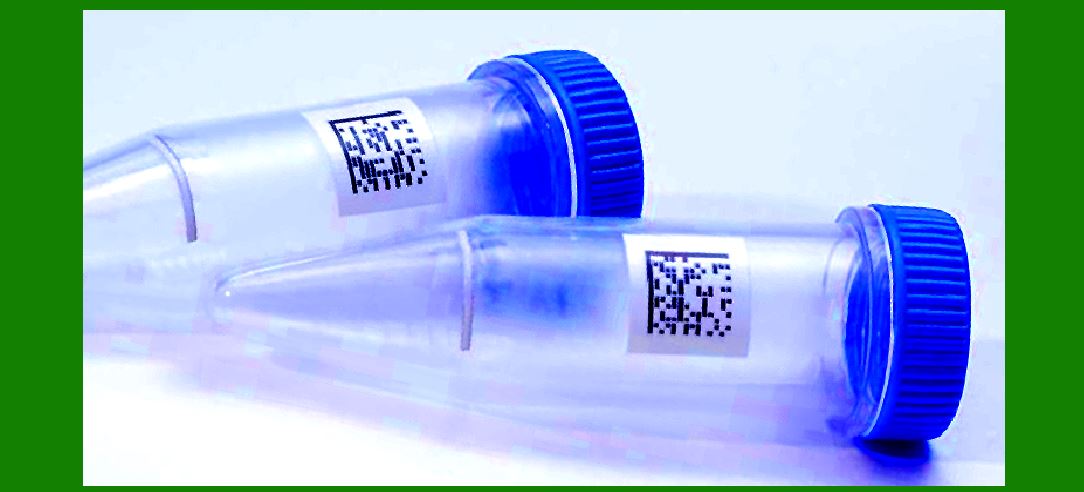
Barcode Scanner Integration: Barcode scanners are used throughout the food supply chain to capture and record data related to food products. The information is stored on the blockchain, allowing participants to trace the entire journey of a product, from farm to table. |
Impact: The integration of blockchain and barcode scanning has improved the speed and accuracy of food recalls, reduced fraud, and enhanced consumer trust in the food products they purchase. |
|
9. LVMH (Louis Vuitton Mo?t Hennessy) |
Sector: Luxury Goods and Fashion |
Blockchain Application: LVMH, a major player in the luxury goods market, is working on the 'Aura' blockchain initiative. This platform is designed to track the authenticity of luxury products, preventing counterfeiting and providing consumers with secure ownership records. |
Barcode Scanner Integration: LVMH integrates barcode scanning with blockchain technology to authenticate products, such as high-end bags, watches, and clothing. Scanning barcodes associated with each product generates a record on the blockchain, verifying the product's authenticity and ownership history. |
Impact: Aura provides consumers with a transparent, verifiable record of the product's origin, ensuring that they are purchasing genuine, high-quality goods. |
10. Bumble Bee Foods |
Sector: Seafood and Food Products |
Blockchain Application: Bumble Bee Foods uses blockchain technology to trace the journey of its tuna products. By integrating barcode scanning with blockchain, the company ensures the authenticity and sustainability of its seafood. |
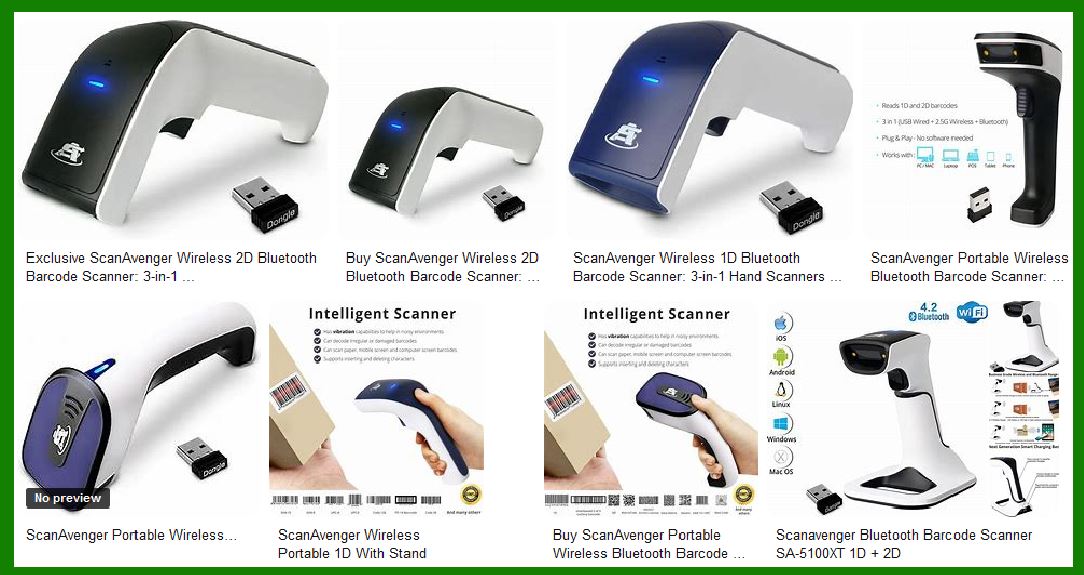
Barcode Scanner Integration: Barcode scanners are used to track each can of tuna as it moves through the supply chain. The blockchain records key information, such as catch date, fishing vessel, and processing details, providing transparency and traceability. |
Impact: The blockchain system helps ensure the sustainability and ethical sourcing of Bumble Bee's tuna, providing consumers with assurance about the product's quality and origin. |
|
Conclusion |
Many leading companies across various industries have successfully integrated barcode scanning with blockchain technology to enhance the security, transparency, and traceability of their products. These efforts are particularly valuable in sectors such as food, pharmaceuticals, luxury goods, and manufacturing, where product authenticity, safety, and supply chain integrity are of paramount importance. As blockchain technology continues to mature and become more accessible, more organizations are likely to adopt barcode scanner blockchain integration to improve their operations and provide consumers with greater confidence in the products they purchase. |
|
What challenges will companies encounter when applying this Barcode Scanner Blockchain Integrationtechnology? |
Integrating barcode scanning with blockchain technology presents numerous advantages, but companies also face several challenges when implementing this solution. While the integration can offer improved security, traceability, and transparency, overcoming the following obstacles is crucial for successful adoption and optimization of the technology. |
1. High Initial Implementation Costs |
Challenge: One of the most significant barriers to implementing barcode scanner blockchain integration is the high upfront cost. Developing, deploying, and maintaining a blockchain infrastructure requires significant investment in technology, training, and possibly new hardware. |
Details: The initial setup for blockchain systems, including the development of custom applications, blockchain platforms, and the integration of barcode scanning equipment, can be expensive. For smaller businesses or organizations with limited budgets, these costs can be a major hurdle. |
Solution: Companies can consider leveraging existing blockchain-as-a-service platforms like IBM's Food Trust or VeChain, which offer ready-to-use solutions at a lower cost compared to building a system from scratch. Gradual integration, starting with a small pilot program, can also help manage costs. |
2. Scalability and Transaction Speed |
Challenge: Blockchain networks, especially those that are public and decentralized, often face challenges with scalability and transaction speed. As the volume of transactions increases, the network may experience delays or higher transaction costs. |
Details: Since each product scan generates a transaction that needs to be validated and recorded on the blockchain, larger supply chains with many transactions per second could slow down the process or increase costs, particularly in networks using proof-of-work (PoW) consensus mechanisms. |
Solution: Companies may need to select blockchain platforms that are optimized for speed and scalability, such as those utilizing proof-of-stake (PoS) mechanisms or layer-2 scaling solutions. Alternatively, private or permissioned blockchains could be considered for faster processing. |
|
3. Interoperability and Standardization |
Challenge: For barcode scanner blockchain integration to work seamlessly across industries, different parties in the supply chain need to be able to access and contribute to the blockchain. However, there is a lack of universal standards for blockchain protocols and barcode formats. |
Details: Companies in different industries may use different blockchain platforms, or their barcode formats may not be compatible, which can create challenges when trying to connect various systems. This lack of interoperability between systems can lead to inefficiencies or data silos. |
Solution: Collaboration across industries and the adoption of common standards, such as GS1 barcodes and Universal Product Codes (UPCs), could help streamline the integration. Additionally, the development of APIs and middleware solutions that facilitate interoperability between different blockchain networks can help address this issue. |
4. Data Privacy and Security Concerns |
Challenge: While blockchain offers enhanced security, it can also raise concerns about data privacy. In some cases, sensitive information related to a product, such as pricing, customer data, or proprietary details, could be exposed when recorded on a public or even a private blockchain. |
Details: Storing sensitive business or personal information directly on a blockchain may not always be ideal, as blockchain's transparency means that data could potentially be accessed by anyone with the appropriate permissions. This raises issues about protecting confidential information while maintaining transparency. |
Solution: To address privacy concerns, companies can use encryption techniques, zero-knowledge proofs, or off-chain storage solutions for sensitive data. Private blockchains or permissioned blockchains could also be considered, where access is restricted to trusted parties only. |
|
5. Integration with Existing Systems |
Challenge: Many organizations already have established systems for barcode scanning, inventory management, and supply chain operations. Integrating these legacy systems with blockchain can be complex and time-consuming. |
Details: Companies may have to modify or replace their existing systems to enable seamless integration with blockchain technology. This can lead to operational disruptions, especially if the existing system is deeply embedded in the organization's processes. |
Solution: Businesses should consider gradual adoption by running blockchain-based systems alongside legacy systems initially. Integration tools and middleware can also simplify the process of connecting blockchain with existing Enterprise Resource Planning (ERP), Customer Relationship Management (CRM), and Warehouse Management Systems (WMS). |
6. Lack of Technical Expertise |
Challenge: Blockchain technology is still relatively new, and there is a shortage of technical expertise in this field. Companies may struggle to find skilled developers, blockchain architects, or supply chain professionals who are familiar with integrating blockchain and barcode scanning technologies. |
Details: The shortage of qualified personnel can slow down the adoption process, increase hiring costs, and lead to mistakes in system implementation. In addition, staff who are used to traditional barcode scanning systems may need to undergo extensive training to adapt to the new blockchain-powered system. |
Solution: To mitigate this challenge, businesses can partner with blockchain technology providers or hire blockchain consultants to guide the integration process. Training existing staff on the basics of blockchain technology can also ensure smoother adoption. |
|
7. Regulatory and Legal Challenges |
Challenge: Blockchain technology operates in a relatively unregulated space, and companies may face challenges complying with legal and regulatory frameworks, especially in industries like healthcare, food safety, and pharmaceuticals. |
Details: Regulatory bodies in different countries may have varying requirements for data storage, privacy, and the traceability of goods. Blockchain solutions need to comply with these regulations to ensure they are legally sound and do not expose companies to liability or regulatory penalties. |
Solution: Companies should stay informed about the latest regulations and work closely with legal experts to ensure that their blockchain solutions are compliant with local and international laws. Some industries, like pharmaceuticals, already have strict requirements, so blockchain applications must be adapted to meet these specific regulations. |
8. Network Effects and Adoption Challenges |
Challenge: Blockchain technology often requires widespread adoption within a network to be fully effective. If only a few participants adopt blockchain for barcode scanning, the benefits may be limited, as the lack of integration with other stakeholders could create inefficiencies and data gaps. |
Details: In supply chains, for instance, multiple parties (suppliers, manufacturers, distributors, and retailers) need to be involved in the blockchain network to fully realize its benefits. If one party does not adopt the system, it could disrupt the flow of information and compromise the traceability and security of the entire system. |
Solution: Businesses should work to align with industry groups, collaborate with partners, and encourage industry-wide adoption of blockchain standards. Creating incentives for supply chain participants to adopt blockchain-based systems can help build network effects. |
|
9. User Adoption and Behavioral Change |
Challenge: Employees, supply chain partners, and consumers need to adapt to the new system, and some may resist change. Barcode scanning systems with blockchain integration require different workflows and operational practices, which can lead to friction during the adoption phase. |
Details: Employees may need to adjust to new processes for scanning barcodes, updating blockchain records, or verifying data. Resistance to these changes can result in mistakes, inefficiencies, or delays in implementation. |
Solution: Proper change management practices, including training, communication, and support, are key to ensuring that employees and supply chain partners embrace the new system. Providing clear explanations of the benefits of the blockchain system, such as improved transparency and security, can help overcome resistance. |
10. Energy Consumption and Environmental Impact |
Challenge: Some blockchain networks, especially those that rely on proof-of-work (PoW) consensus algorithms (such as Bitcoin and Ethereum), are known for consuming large amounts of energy, which could raise concerns from an environmental sustainability perspective. |
Details: High energy consumption can not only result in increased operating costs but also damage a company's reputation if it is perceived as unsustainable. This may be particularly relevant for industries and brands that are committed to reducing their carbon footprint. |
Solution: Companies can opt for more energy-efficient blockchain solutions, such as those using proof-of-stake (PoS) or other environmentally friendly consensus mechanisms. Additionally, companies can offset their carbon footprint through sustainability programs. |
|
11. Lack of Consumer Awareness |
Challenge: While blockchain offers significant benefits, consumers may not fully understand or trust the technology. If consumers are not familiar with blockchain-based product verification or how to use it (such as scanning barcodes for product authentication), its full potential may not be realized. |
Details: Even if a company implements a barcode-scanner-blockchain solution, consumers may not use it regularly if they do not see its value or do not know how to verify product authenticity. |
Solution: Educating consumers through clear communication, marketing campaigns, and easy-to-use interfaces (such as mobile apps for scanning barcodes and verifying products) is essential to drive adoption and maximize the value of the system. |
|
Conclusion |
Despite the many benefits of integrating barcode scanning with blockchain technology, companies must navigate a series of challenges, including high costs, scalability issues, regulatory hurdles, and user adoption. By addressing these obstacles through careful planning, strategic partnerships, and continuous education, businesses can leverage this powerful technology to improve supply chain transparency, product security, and customer trust. |
 cs@easiersoft.com