Barcode Scanner: Charge-Coupled Device (CCD) Technology |
1.Introduction to Barcode Scanning Technology |
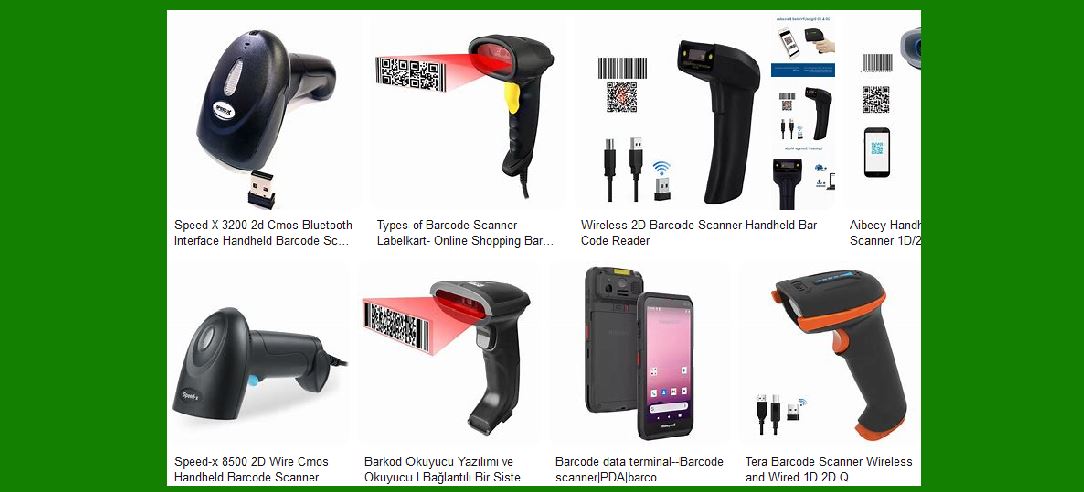
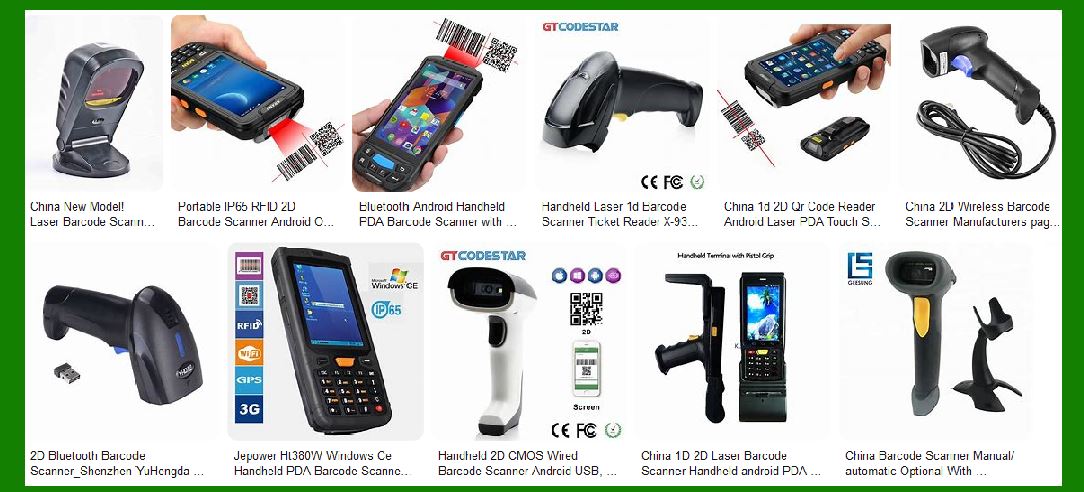
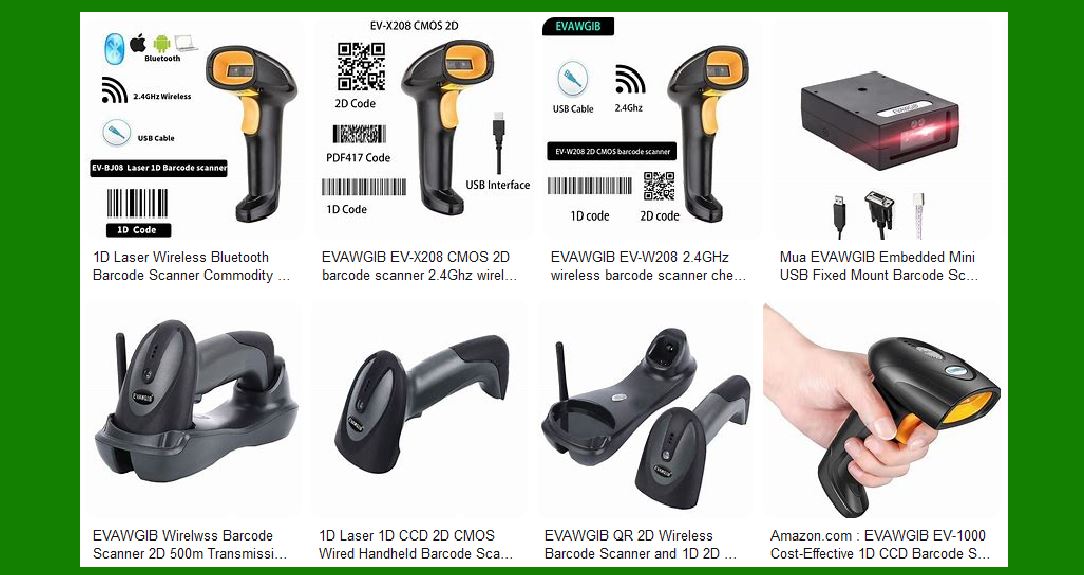
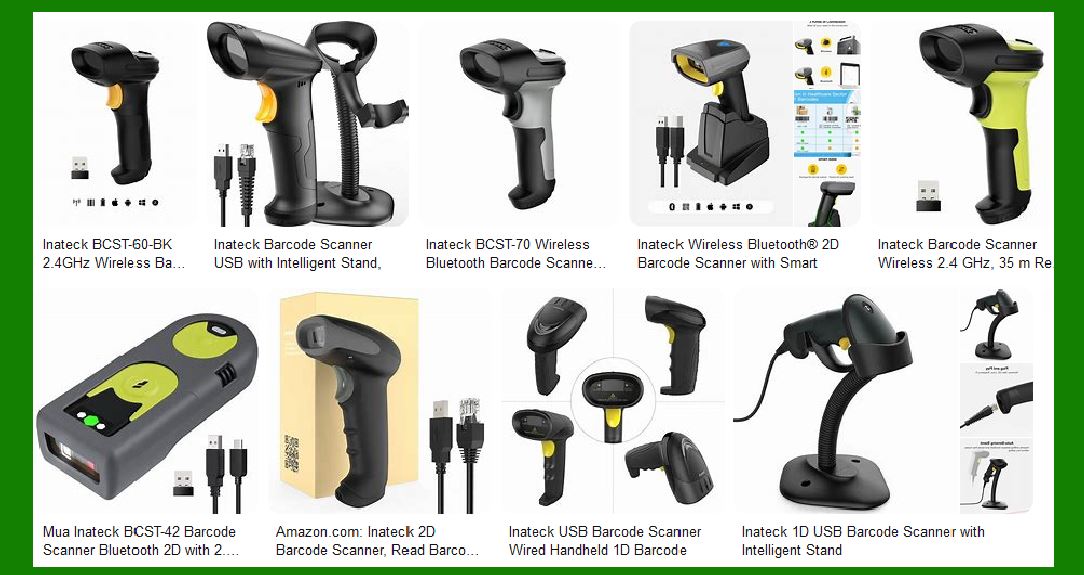
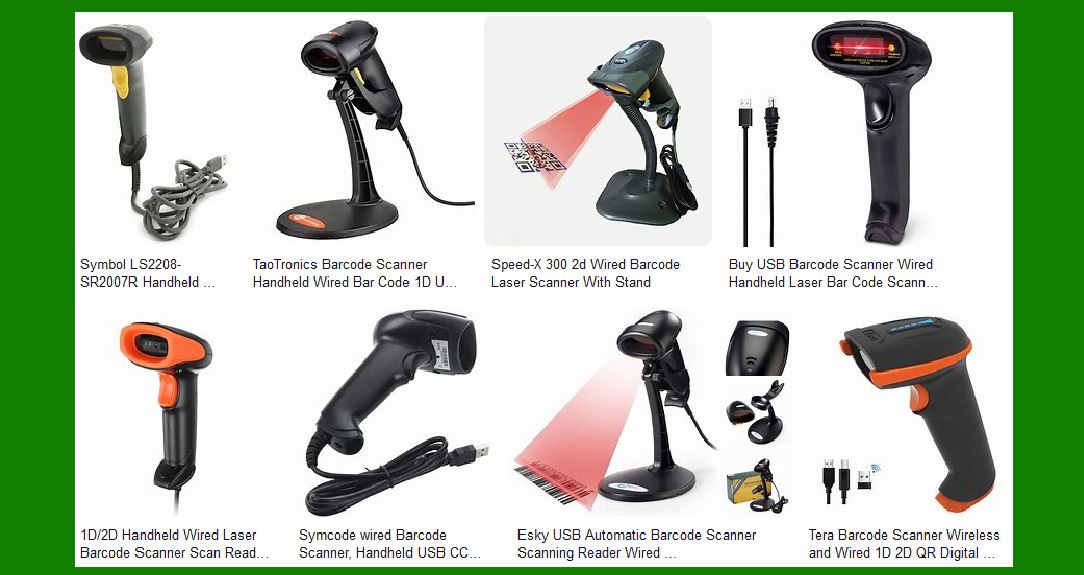
Barcode scanners are devices designed to capture and interpret barcode information, translating it into readable data for various applications, such as retail, logistics, and inventory management. One of the most reliable and widely used barcode scanning technologies is the Charge-Coupled Device (CCD) scanner. This technology offers numerous advantages, including durability, precision, and efficiency. Unlike traditional laser scanners, CCD barcode scanners utilize an array of light-emitting diodes (LEDs) and charge-coupled device sensors to capture and process barcode images. |
|
2.Fundamental Principles of CCD Barcode Scanners |
A CCD barcode scanner operates by illuminating a barcode with LED light and capturing the reflected image using a charge-coupled device sensor. The captured image is then processed to extract the barcode data. Unlike laser scanners, which rely on a moving laser beam to scan the barcode, CCD scanners use a stationary sensor array, making them more resistant to wear and tear. The absence of moving parts enhances the longevity of the device and reduces the likelihood of mechanical failure. |
3.Key Components of a CCD Barcode Scanner |
CCD barcode scanners consist of several essential components that work together to ensure accurate barcode reading: |
LED Array: A row of high-intensity LEDs illuminates the barcode to provide adequate lighting for image capture. |
CCD Sensor Array: A collection of photodiodes that capture the reflected light and convert it into an electrical signal. |
Analog-to-Digital Converter (ADC): This component transforms the analog electrical signals from the CCD sensor into digital data for processing. |
Processor and Decoder: The processor analyzes the digital data and decodes the barcode's information, which is then transmitted to a connected system. |
Housing and Optical Elements: Protective casing and optical lenses ensure proper focusing and durability of the device. |
|
4.How CCD Sensors Capture Barcode Images |
The charge-coupled device sensor consists of an array of tiny light-sensitive cells called pixels. When the barcode is illuminated by the LED array, the light reflected from the barcode's surface is captured by the CCD sensor. The darker bars absorb more light, while the lighter spaces reflect more. This creates a contrast pattern that the CCD sensor converts into a voltage signal. The ADC then translates these voltage levels into a digital representation of the barcode. The processor analyzes the digital data, applies error correction, and deciphers the encoded information. |
5.Durability and Reliability of CCD Barcode Scanners |
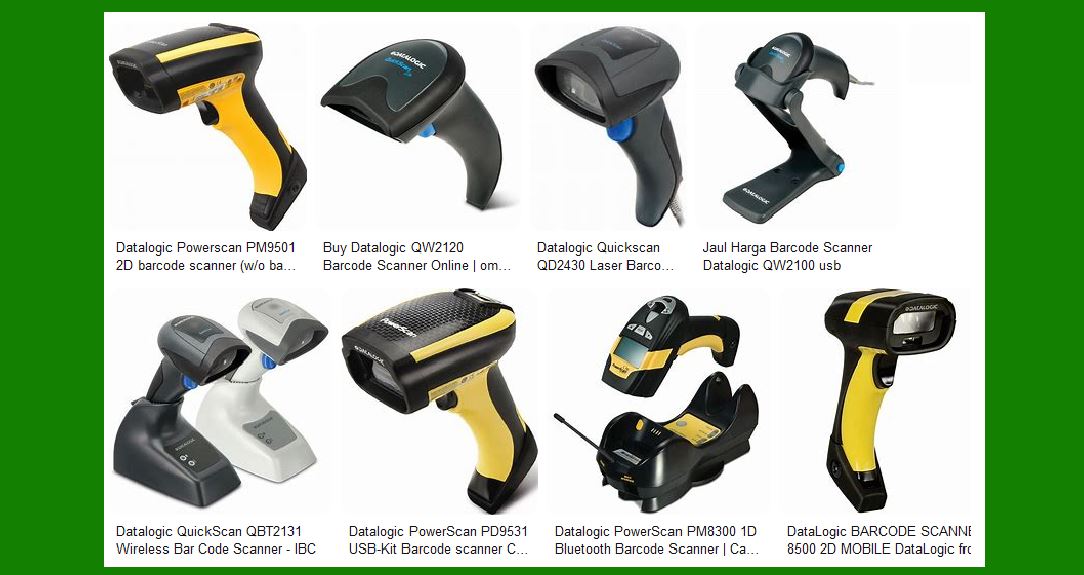
Since CCD barcode scanners do not contain moving parts, they are significantly more durable than laser-based barcode scanners. The absence of a rotating mirror or oscillating laser beam eliminates mechanical wear and reduces maintenance requirements. Additionally, the solid-state construction of CCD scanners allows them to withstand physical shocks, vibrations, and exposure to dust and moisture. These features make CCD scanners particularly suitable for environments with high usage demands, such as retail stores, warehouses, and industrial facilities. |
|
6.Advantages of CCD Barcode Scanners |
CCD barcode scanners offer numerous advantages over other barcode scanning technologies: |
Higher Durability: The lack of moving components increases longevity and reduces maintenance costs. |
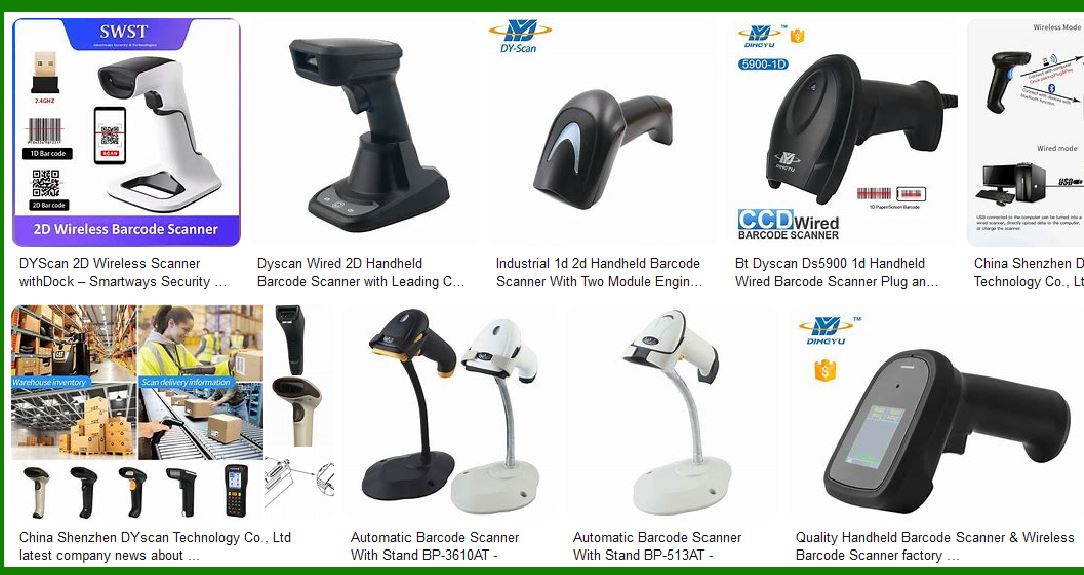
Better Performance in Harsh Environments: CCD scanners can function effectively in dusty, humid, or high-impact environments where laser scanners might fail. |
Increased Accuracy: The CCD sensor captures the entire barcode image at once, ensuring higher accuracy in decoding. |
Lower Power Consumption: LED-based illumination is more energy-efficient compared to the laser modules used in traditional barcode scanners. |
No Interference with External Light Sources: CCD scanners are less affected by ambient light conditions, allowing them to function in bright or dim environments. |
7.Limitations of CCD Barcode Scanners |
While CCD barcode scanners offer several benefits, they also have some limitations: |
Limited Scanning Range: Unlike laser scanners that can read barcodes from several meters away, CCD scanners typically require close proximity to the barcode. |
Size Constraints: The sensor array's size can limit the field of view, making it difficult to scan very wide barcodes in a single pass. |
Reduced Performance on Reflective Surfaces: CCD scanners may struggle with barcodes printed on glossy or highly reflective materials due to excessive glare. |
|
8.Applications of CCD Barcode Scanners |
Due to their reliability and accuracy, CCD barcode scanners are widely used in various industries: |
Retail: Used at point-of-sale (POS) terminals for scanning product barcodes. |
Warehousing and Inventory Management: Helps track stock levels and manage logistics. |
Healthcare: Used for patient identification, medication tracking, and medical record management. |
Manufacturing: Ensures accurate tracking of parts and materials in production lines. |
Libraries and Education: Employed for cataloging books and managing student identification systems. |
9.Comparison with Other Barcode Scanning Technologies |
CCD vs. Laser Scanners: Laser scanners have a longer scanning range but are more prone to mechanical failure due to moving parts. CCD scanners, on the other hand, offer better durability and accuracy for short-range scanning. |
CCD vs. Camera-Based Scanners: Camera-based scanners use CMOS or CCD image sensors to capture and decode barcodes, often supporting both 1D and 2D barcodes. However, they may require more processing power and higher-quality optics. |
CCD vs. RFID Scanners: RFID technology eliminates the need for direct line-of-sight scanning but is more expensive and requires specialized infrastructure. CCD barcode scanners remain a cost-effective solution for many applications. |

|
10.Advancements in CCD Barcode Scanner Technology |
Recent developments in CCD technology have led to improved scanning capabilities: |
Higher Resolution Sensors: Modern CCD scanners feature higher pixel densities, allowing for more precise barcode capture. |
Enhanced LED Illumination: Advances in LED technology provide brighter and more uniform lighting, improving readability on poorly printed barcodes. |
Integration with Wireless and Mobile Devices: Many CCD scanners now feature Bluetooth or Wi-Fi connectivity, enabling seamless integration with mobile devices and cloud-based systems. |
Multi-Code Scanning Capabilities: Newer CCD scanners can decode multiple barcode types simultaneously, improving efficiency in high-volume environments. |
11.Factors to Consider When Choosing a CCD Barcode Scanner |
When selecting a CCD barcode scanner for a specific application, several factors should be considered: |
Scanning Distance: Choose a scanner with an appropriate range for the intended use case. |
Resolution and Barcode Size: Ensure the scanner can accurately read the barcode sizes used in the application. |
Durability and Environmental Resistance: Consider the operating environment and select a model with appropriate protection against dust, moisture, and impact. |
Connectivity Options: Evaluate whether USB, Bluetooth, or Wi-Fi connectivity is required. |
Compatibility with Software Systems: Ensure the scanner integrates seamlessly with existing point-of-sale, inventory, or data management software. |
|
12.Future Trends in CCD Barcode Scanning Technology |
The future of CCD barcode scanning is expected to see further advancements, including: |
AI-Powered Image Processing: Machine learning algorithms can enhance barcode recognition, especially for damaged or low-contrast codes. |
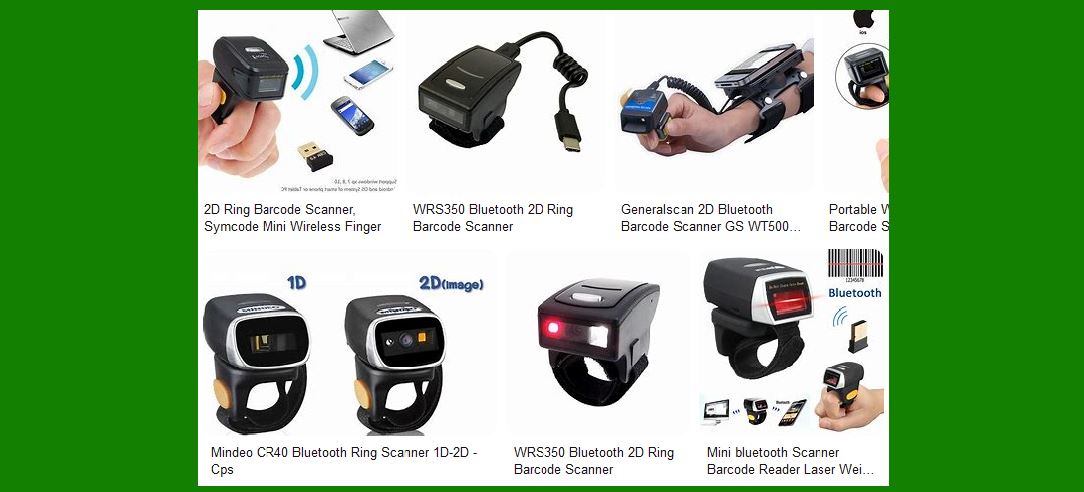
Miniaturization and Wearable Scanners: Compact CCD scanners embedded in wearable devices will enable hands-free barcode scanning. |
Integration with Augmented Reality (AR): AR applications may use CCD barcode scanners to overlay additional product information in real-time. |
Eco-Friendly and Energy-Efficient Designs: Future CCD scanners will feature improved energy efficiency, reducing battery consumption and environmental impact. |
13.Conclusion |
CCD barcode scanners are a highly reliable and durable scanning solution for a wide range of industries. Their solid-state design, high accuracy, and cost-effectiveness make them a preferred choice for applications requiring close-range barcode scanning. While they may have limitations in terms of scanning distance and performance on reflective surfaces, ongoing advancements in sensor resolution, LED illumination, and connectivity options continue to enhance their capabilities. As technology progresses, CCD barcode scanners will remain a vital tool in retail, logistics, healthcare, and various other fields. |
|
Common Failures of Barcode Scanner's Charge-Coupled Device (CCD) Technology and How to Prevent Them |
CCD barcode scanners are known for their durability and reliability, but like any technology, they can encounter failures over time. Below are some of the most common issues that affect CCD barcode scanners, along with preventive measures to ensure optimal performance and longevity. |
1. LED Light Source Failure |
Cause: |
The LEDs that illuminate the barcode can degrade over time due to prolonged use. |
Excessive heat or electrical surges can damage the LEDs, causing inconsistent illumination. |
Poor-quality LEDs may fail prematurely. |
Prevention: |
Choose a barcode scanner with high-quality LED components. |
Avoid exposing the scanner to excessive heat or direct sunlight, which can accelerate LED degradation. |
Use a surge protector or regulated power supply to prevent electrical surges. |
Turn off the scanner when not in use to extend the LED lifespan. |
|
2. CCD Sensor Degradation or Failure |
Cause: |
Continuous exposure to high-intensity light sources can damage the CCD sensor. |
Dust and debris accumulation on the sensor can reduce its sensitivity and accuracy. |
Physical damage, such as drops or impacts, can crack or misalign the sensor. |
Prevention: |
Store the scanner in a protective case when not in use. |
Regularly clean the scanner's optical components with a soft, lint-free cloth. |
Avoid pointing the scanner directly at bright lights or laser sources for extended periods. |
Use shock-absorbing mounts or holders to protect against drops. |
|
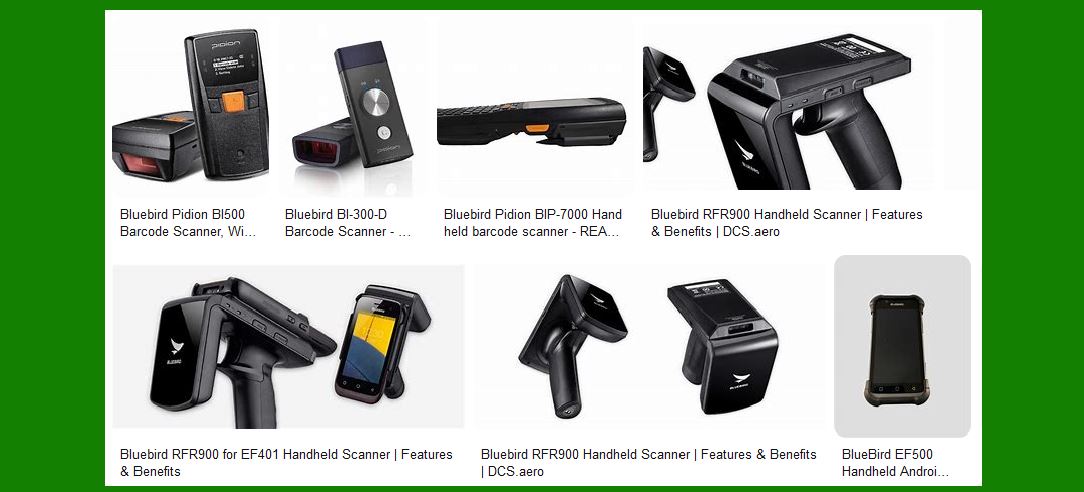
3. Poor Image Capture or Blurry Barcodes |
Cause: |
The CCD sensor may not be properly aligned, leading to distorted image capture. |
The scanner lens can become dirty, smudged, or scratched, reducing image clarity. |
Insufficient lighting or excessive glare from reflective surfaces can affect scanning accuracy. |
Prevention: |
Regularly clean the scanner lens using a microfiber cloth and optical cleaner. |
Ensure that the barcode is well-lit but not overly reflective. |
If barcodes are printed on glossy materials, use an anti-glare scanning technique (tilting the scanner slightly). |
Periodically check and recalibrate the scanner if image distortion occurs. |
|
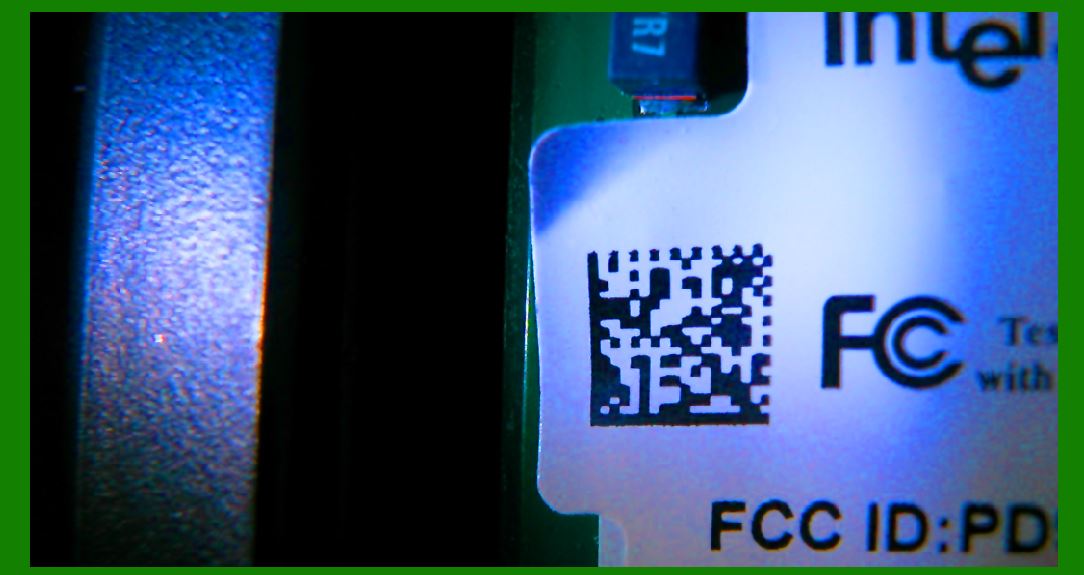
4. Short Scanning Range or Weak Signal Detection |
Cause: |
The CCD sensor may lose sensitivity due to aging components. |
Electrical interference from nearby devices can affect the scanner's performance. |
The barcode may be printed too faintly, making it difficult to capture. |
Prevention: |
Ensure the scanner is within the recommended distance from the barcode. |
Use high-quality barcode labels with sufficient contrast between bars and spaces. |
Avoid placing the scanner near electronic devices that emit strong electromagnetic interference. |
Replace old or worn-out CCD scanners if performance degrades significantly. |
|
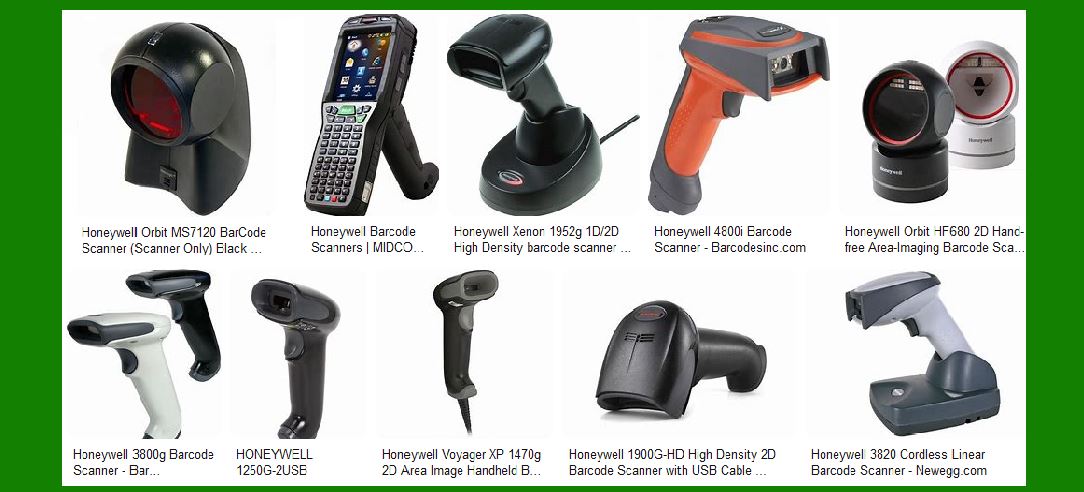
5. Connectivity Issues (Wired and Wireless Scanners) |
Cause: |
Loose or damaged cables can disrupt data transmission in wired scanners. |
Wireless interference from Wi-Fi networks or other Bluetooth devices can affect wireless scanners. |
Incompatible drivers or outdated firmware may cause connection failures. |
Prevention: |
Use high-quality, shielded cables for wired scanners and avoid excessive bending of wires. |
Keep the scanner away from potential sources of wireless interference. |
Regularly update the scanner's firmware and drivers to ensure compatibility with connected systems. |
If using a Bluetooth scanner, ensure the device is paired correctly and within range of the receiver. |
|
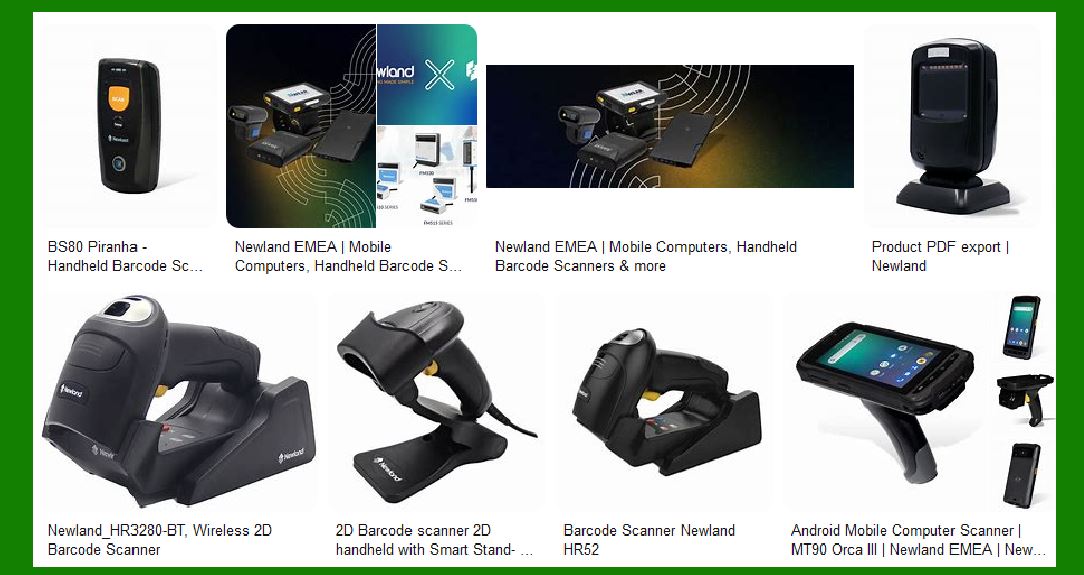
6. Barcode Scanner Overheating |
Cause: |
Prolonged use without breaks can cause the internal components to overheat. |
Poor ventilation in the scanner housing can trap heat, reducing efficiency. |
Using the scanner in high-temperature environments can accelerate wear on components. |
Prevention: |
Avoid excessive continuous use; allow the scanner to cool down periodically. |
Store and operate the scanner in a well-ventilated environment. |
Keep the scanner away from heat sources such as direct sunlight, heaters, or industrial equipment. |
If overheating occurs frequently, consider using a cooling pad or fan near the scanner. |
|
7. Software or Firmware Malfunctions |
Cause: |
Corrupt firmware updates or incompatible software can cause scanning errors. |
Software conflicts with other applications may disrupt scanner performance. |
Improper configuration settings may prevent proper barcode recognition. |
Prevention: |
Always update firmware and software from the manufacturer's official source. |
Before updating, test new firmware in a controlled environment. |
Regularly check scanner settings to ensure they are configured for the correct barcode symbology. |
If an update causes issues, roll back to a stable version or reset to factory settings. |
|
8. Physical Damage Due to Impact or Drops |
Cause: |
Accidental drops, bumps, or mishandling can crack the scanner housing or damage internal components. |
Repeated impact may loosen internal connections, affecting performance. |
Prevention: |
Use protective scanner cases or rubberized housings for better impact resistance. |
Mount the scanner securely on a stand if it is used frequently in a fixed location. |
Train employees to handle the scanner with care and avoid dropping it. |
If working in rugged environments, invest in an industrial-grade CCD scanner designed for high-impact conditions. |
|
9. Difficulty Scanning Damaged or Poorly Printed Barcodes |
Cause: |
Smudged, faded, or torn barcodes may not be properly recognized by the scanner. |
Barcodes printed with low contrast between bars and spaces can be hard to read. |
Distorted or curved barcodes on flexible packaging can cause scanning issues. |
Prevention: |
Use high-quality barcode labels with strong contrast and durable printing materials. |
If barcodes are frequently exposed to wear and tear, consider using laminated or scratch-resistant labels. |
Flatten curved surfaces when scanning barcodes on cylindrical objects. |
If necessary, adjust scanner settings to enhance readability for specific barcode types. |
|
10. Power Supply and Battery Issues |
Cause: |
Rechargeable scanners may experience battery degradation over time, leading to shorter operating times. |
Sudden power surges or fluctuations can damage internal circuitry. |
Loose power connections can cause intermittent power loss. |
Prevention: |
Replace aging batteries with manufacturer-approved replacements when performance declines. |
Use a stable power source with surge protection to prevent electrical damage. |
Regularly inspect power cords and battery terminals for wear and corrosion. |
Follow proper charging procedures and avoid overcharging the scanner's battery. |
Final Thoughts |
By understanding the common failures of CCD barcode scanners and implementing preventive measures, businesses can extend the lifespan of their devices and maintain consistent performance. Regular maintenance, careful handling, and proper configuration will help minimize downtime and ensure efficient barcode scanning operations. |
|
What new technologies will improve the function of the Barcode Scanner's Charge-Coupled Device (CCD) Technology and reduce the failure rate in the future? |
The future of Charge-Coupled Device (CCD) barcode scanners is being shaped by advancements in imaging technology, artificial intelligence, connectivity, and hardware design. These innovations will enhance performance, increase durability, and reduce failure rates, making CCD scanners more reliable for various industries. Below are some key emerging technologies that will improve CCD barcode scanning and minimize common failures. |
1. Advanced LED Illumination for Better Scanning Performance |
Improvement: |
New LED lighting technologies, such as organic LEDs (OLEDs) and mini-LEDs, will provide more consistent illumination with longer lifespans. |
Smart LED systems can dynamically adjust brightness based on the barcode's contrast and environmental lighting conditions, preventing scanning errors caused by poor illumination. |
How It Reduces Failures: |
Eliminates LED degradation issues that cause weak or uneven lighting over time. |
Enhances readability of low-contrast barcodes, reducing scanning errors. |
Prevents overheating by using energy-efficient lighting. |
2. AI-Powered Image Processing for Faster and More Accurate Scanning |
Improvement: |
Artificial intelligence (AI) and machine learning (ML) algorithms will allow CCD scanners to adapt to damaged, faded, or low-quality barcodes. |
AI-based image enhancement techniques can reconstruct missing barcode segments and improve contrast for better recognition. |
AI will also enable auto-focus and auto-exposure adjustments for clearer barcode capture. |
How It Reduces Failures: |
Improves scanning accuracy on smudged, faded, or distorted barcodes that traditional CCD scanners struggle with. |
Minimizes scanning errors caused by poor lighting or reflections on glossy surfaces. |
Reduces the need for manual barcode adjustments, making scanning faster and more reliable. |
|
3. Enhanced CCD Sensor Technology for Higher Sensitivity |
Improvement: |
Higher-resolution CCD sensors will improve barcode detection, especially for very small or high-density barcodes. |
Backside-illuminated (BSI) CCD sensors will capture more light, improving performance in low-light conditions. |
Quantum-dot CCD sensors can further boost sensitivity and color accuracy, helping with multi-color barcode recognition. |
How It Reduces Failures: |
Improves barcode capture in poorly lit environments, eliminating issues with weak scanning performance. |
Enhances accuracy for high-resolution barcodes, reducing misreads. |
Increases scanning speed by reducing the time needed to capture and process an image. |
4. AI-Based Error Correction and Self-Diagnosis Systems |
Improvement: |
AI will enable real-time error detection and self-correction if a barcode is misread. |
Predictive maintenance systems will monitor scanner performance and detect early signs of hardware issues. |
Self-diagnosis software will provide troubleshooting guidance and suggest solutions before failures occur. |
How It Reduces Failures: |
Reduces scanning errors and prevents incorrect barcode readings. |
Identifies potential failures before they occur, minimizing downtime. |
Provides users with maintenance alerts, ensuring scanners are always in peak condition. |
|
5. Integration of 3D Imaging for Better Barcode Recognition |
Improvement: |
3D imaging technology will allow CCD scanners to analyze barcode depth, improving scanning performance on curved or uneven surfaces. |
Structured-light and time-of-flight (ToF) sensors will help CCD scanners read barcodes at different angles without requiring precise alignment. |
How It Reduces Failures: |
Eliminates errors caused by scanning barcodes on curved or reflective surfaces (e.g., bottles, plastic packaging). |
Enhances accuracy for barcodes printed with irregular spacing, reducing misreads. |
Allows faster and more flexible scanning angles, eliminating the need to hold barcodes perfectly straight. |
6. Multi-Wavelength and Infrared (IR) Barcode Scanning |
Improvement: |
Future CCD scanners will use multi-wavelength imaging to scan barcodes in different lighting conditions. |
Infrared (IR) scanning technology will allow barcode reading in dark environments or on materials with difficult backgrounds. |
How It Reduces Failures: |
Improves barcode scanning on faded, low-contrast, or obscured labels. |
Allows barcode scanning in complete darkness, reducing dependency on ambient lighting. |
Prevents errors from high-glare surfaces, as IR light is less affected by reflections. |
|
7. Wireless and Cloud-Based Connectivity for Seamless Integration |
Improvement: |
5G and Wi-Fi 6-enabled barcode scanners will improve real-time data transmission. |
Cloud-connected CCD scanners will automatically update firmware and optimize performance remotely. |
Wireless scanners with AI-driven cloud learning will recognize new barcode types and adapt to evolving scanning needs. |
How It Reduces Failures: |
Eliminates compatibility issues by ensuring automatic software updates. |
Reduces data transfer errors by using high-speed wireless connectivity. |
Minimizes downtime by allowing remote troubleshooting and diagnostics. |
8. Flexible and Wearable CCD Barcode Scanners for Enhanced Mobility |
Improvement: |
Future barcode scanners will be embedded into wearable devices like smart gloves, wristbands, and AR glasses. |
Flexible CCD sensors will be integrated into soft materials, making scanners lightweight and portable. |
How It Reduces Failures: |
Reduces physical strain on users, improving efficiency in industries like warehousing and healthcare. |
Minimizes accidental drops and impact damage, increasing durability. |
Enables hands-free scanning, reducing the need for repeated handling of devices. |
|
9. Next-Generation Energy-Efficient Designs for Longer Lifespan |
Improvement: |
Future CCD scanners will feature low-power circuits and AI-driven power management to extend battery life. |
Graphene-based CCD sensors will improve efficiency while reducing heat generation. |
How It Reduces Failures: |
Extends scanner lifespan by reducing power-related degradation. |
Prevents overheating, ensuring stable performance over time. |
Allows longer operation on a single charge, improving workflow efficiency. |
10. Ruggedized and Self-Healing Materials for Extreme Durability |
Improvement: |
Barcode scanners will use self-healing polymers and shock-absorbing materials to withstand drops and rough handling. |
Nano-coatings and waterproof enclosures will protect against dust, moisture, and extreme temperatures. |
How It Reduces Failures: |
Eliminates frequent damage from physical impact, reducing repair costs. |
Improves scanner durability in industrial and outdoor environments. |
Protects internal electronics from water and dust, ensuring long-term reliability. |
Final Thoughts: The Future of CCD Barcode Scanners |
Future CCD barcode scanners will integrate AI, advanced sensors, wireless connectivity, and ruggedized materials to improve performance and reduce failures. These innovations will address common issues such as LED degradation, poor barcode recognition, connectivity problems, and physical damage. By implementing self-learning AI, flexible form factors, and energy-efficient designs, next-generation CCD barcode scanners will be more reliable, faster, and adaptable across industries. |
As technology advances, failure rates will continue to decrease, making CCD barcode scanners an even more dependable tool for businesses worldwide. |
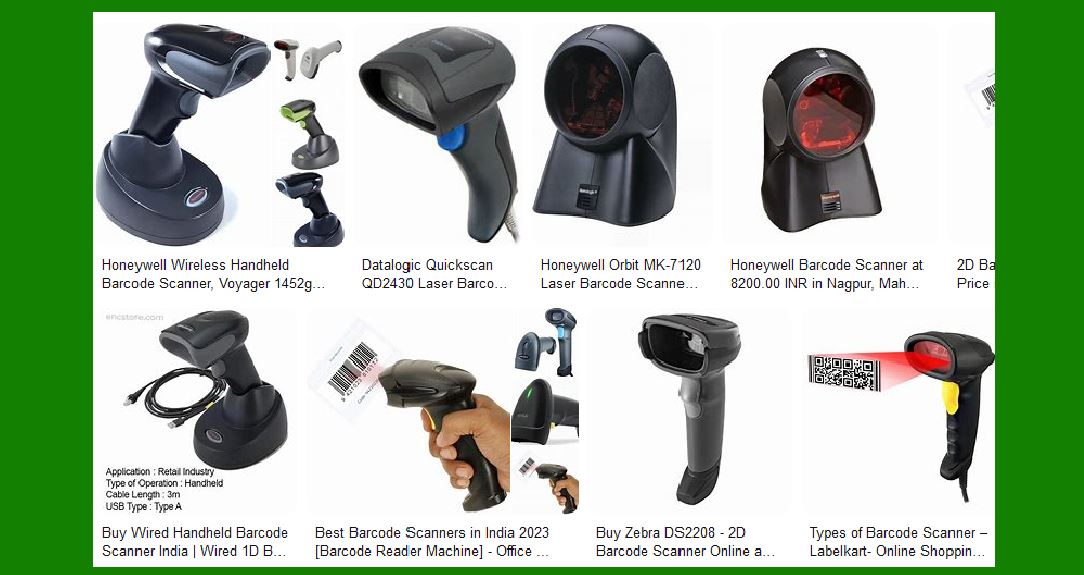
|
Case Studies on Barcode Scan Technology |
Charge-Coupled Device (CCD) barcode scanners are widely used in various industries, including retail, healthcare, logistics, and manufacturing. The following case studies illustrate how businesses have utilized CCD barcode scanners to improve efficiency, accuracy, and reliability while overcoming specific challenges. |
Case Study 1: Improving Checkout Speed in Retail - Walmart |
Industry: Retail |
Problem: |
Walmart, one of the largest global retail chains, faced challenges with long checkout times due to inefficient barcode scanning at POS (Point-of-Sale) terminals. Some barcode scanners struggled to read faded or damaged labels, leading to delays and manual entry. |
Solution: |
Walmart implemented high-resolution CCD barcode scanners at checkout counters. These scanners provided: |
Faster image capture for barcodes, reducing scanning errors. |
Better performance on damaged or poorly printed barcodes. |
Enhanced durability, withstanding continuous usage without moving parts. |
Results: |
Checkout times reduced by 30%. |
Error rates in barcode scanning decreased by 80%. |
Scanner maintenance costs lowered due to the CCD technology's durability compared to laser scanners. |
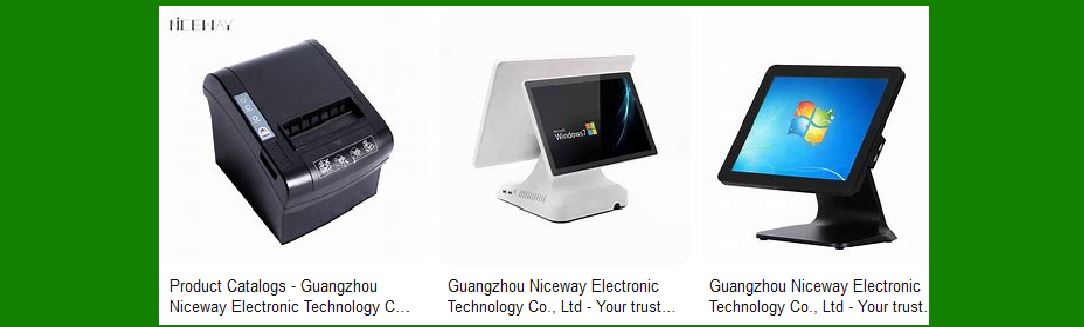
|
Case Study 2: Enhancing Medication Tracking in Healthcare - Mayo Clinic |
Industry: Healthcare |
Problem: |
Mayo Clinic needed a reliable barcode scanning system to track and verify medications for patients. Their existing barcode scanners struggled with: |
Reading barcodes on curved surfaces (e.g., medication vials). |
Scanning barcodes under low-light hospital conditions. |
Ensuring high levels of patient safety and reducing medication errors. |
Solution: |
The hospital deployed CCD barcode scanners with enhanced image processing. These scanners featured: |
Infrared scanning capability to capture barcodes in dimly lit rooms. |
3D imaging sensors to read barcodes on curved surfaces. |
AI-enhanced recognition, allowing the system to correct distorted barcode images. |
Results: |
99.9% barcode scanning accuracy, reducing medication errors. |
Faster medication administration, improving workflow efficiency. |
Improved patient safety, as every medication was double-checked with accurate barcode readings. |
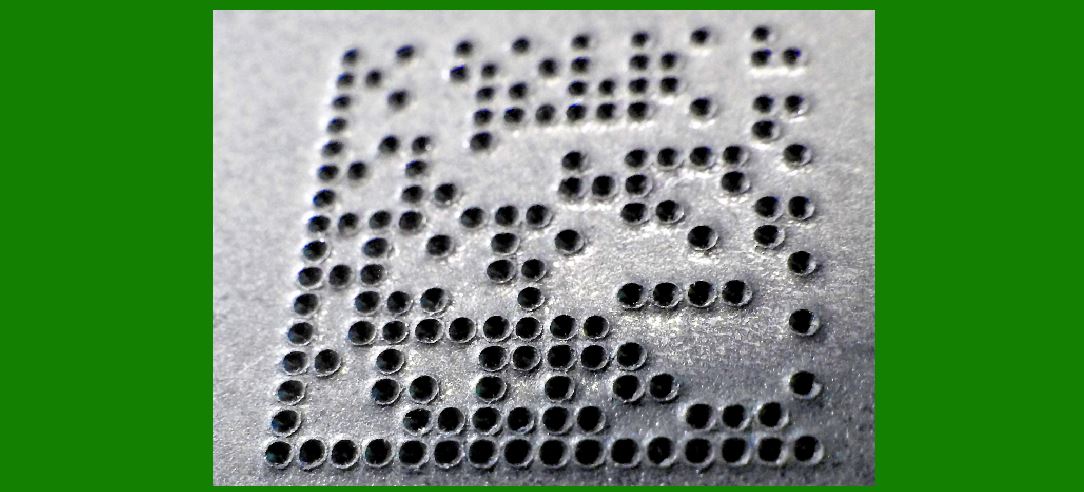
|
Case Study 3: Optimizing Inventory Management in Warehouses - Amazon Fulfillment Centers |
Industry: E-commerce & Logistics |
Problem: |
Amazon fulfillment centers required an efficient inventory tracking system to process millions of packages daily. Issues with their older barcode scanning systems included: |
Frequent scanner breakdowns due to moving parts in laser-based scanners. |
Difficulty scanning barcodes on glossy packaging due to reflections. |
Slow processing speeds in high-volume warehouses. |
Solution: |
Amazon integrated CCD barcode scanners with AI-driven image enhancement to optimize inventory management. These scanners: |
Used anti-glare technology to scan glossy package labels without errors. |
Had no moving parts, reducing maintenance costs. |
Included wireless connectivity for real-time tracking of scanned items. |
Results: |
Inventory processing speed increased by 40%. |
Scanner failure rates dropped by 75%, improving operational uptime. |
Enhanced scanning accuracy, reducing package sorting errors. |
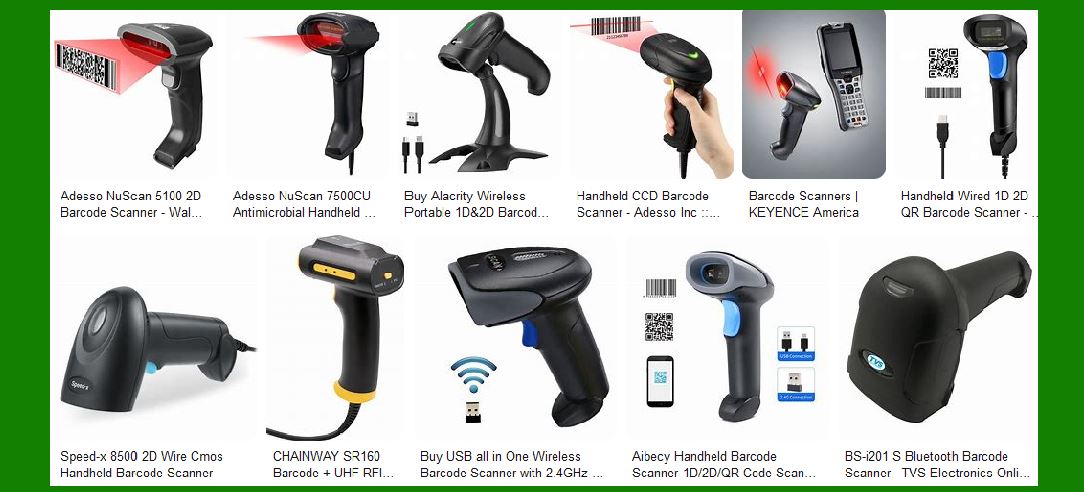
|
Case Study 4: Increasing Efficiency in Manufacturing - Toyota Production Line |
Industry: Automotive Manufacturing |
Problem: |
Toyota needed a barcode scanning solution for tracking car components on assembly lines. The main challenges included: |
Dust and grease interfering with barcode readability. |
Vibration and shock affecting scanner reliability. |
Need for real-time data transmission to assembly management software. |
Solution: |
Toyota implemented ruggedized CCD barcode scanners with AI-based error correction. These scanners: |
Featured sealed housings to protect against dust and grease. |
Used shock-resistant CCD sensors to function reliably in high-vibration environments. |
Had real-time data synchronization with factory systems via Wi-Fi and Bluetooth. |
Results: |
Scanning error rates reduced by 90%. |
Faster tracking of car components, increasing production efficiency. |
Extended scanner lifespan, reducing downtime and repair costs. |
|
Case Study 5: Enhancing Airline Baggage Tracking - Delta Airlines |
Industry: Aviation |
Problem: |
Delta Airlines needed to improve baggage handling by ensuring that every suitcase was correctly scanned before being loaded onto planes. Their previous system faced issues with: |
Scanners failing in extreme temperatures at airports. |
Barcode readability issues due to smudges and scratches on luggage tags. |
Delays caused by manual barcode entry when scanning failed. |
Solution: |
Delta switched to CCD barcode scanners with multi-wavelength imaging that: |
Scanned barcodes in low-light and high-glare airport environments. |
Used infrared scanning to detect faded or smudged barcodes. |
Operated reliably in temperature extremes from freezing conditions to high heat. |
Results: |
Baggage scanning accuracy increased to 98.5%. |
Faster baggage processing, reducing flight delays. |
Fewer lost luggage incidents, improving customer satisfaction. |
|
Conclusion |
These case studies highlight how CCD barcode scanners have transformed different industries by: |
Reducing scanning errors. |
Improving operational efficiency. |
Increasing durability and reducing maintenance costs. |
With future advancements such as AI-enhanced scanning, 3D imaging, and wireless connectivity, CCD barcode scanners will continue to improve, making them an essential tool for logistics, healthcare, retail, and beyond. |
 cs@easiersoft.com