1. Introduction to CMOS Image Sensor Technology in Barcode Scanners |
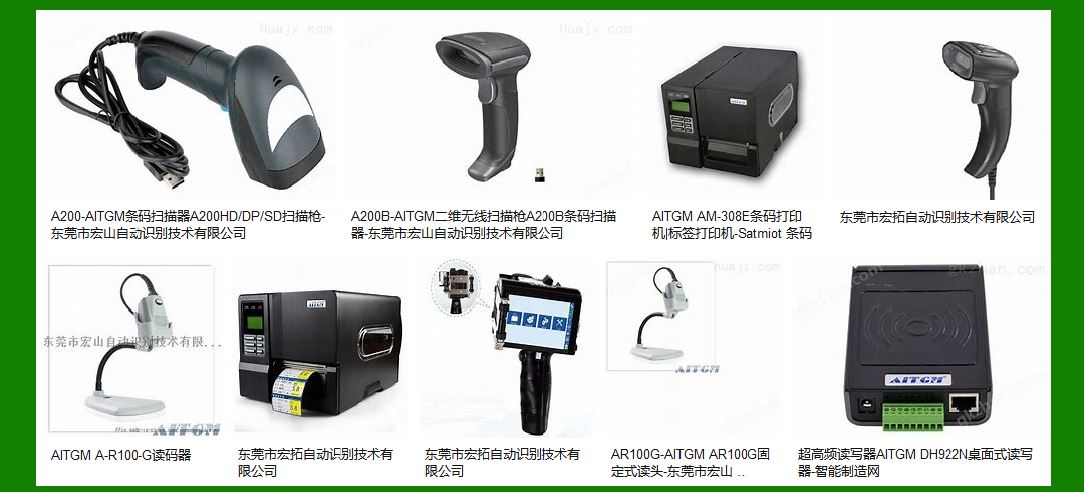
Barcode scanners play a crucial role in the modern retail, logistics, and inventory management sectors. One of the critical components that enable barcode scanners to read and process barcodes quickly and accurately is the image sensor technology used in these devices. CMOS (Complementary Metal-Oxide-Semiconductor) image sensor technology has become the go-to choice for barcode scanners due to its combination of affordability, energy efficiency, and performance. Understanding the intricacies of CMOS image sensors and how they function in barcode scanners can provide valuable insight into their operation and advantages. |
|
2. What is a CMOS Image Sensor? |
A CMOS image sensor is an electronic device that converts light into electrical signals. In barcode scanners, it acts as the 'eye' of the device, capturing light reflected from a barcode. The CMOS sensor is composed of millions of tiny photodetectors that each capture an individual point of light and convert it into an electrical signal. The sensor then processes these signals and converts them into digital data, which the scanner uses to decode the barcode. |
CMOS image sensors work by using a complementary combination of p-type and n-type semiconductor materials to create an integrated circuit. The result is a sensor that not only provides high-quality imaging but also has lower power consumption, making it ideal for barcode scanners that require portability and long-lasting battery life. |

|
3. The Anatomy of a CMOS Image Sensor |
A CMOS sensor consists of multiple components that work together to capture and process images. These components include: |
Photodiodes: Photodiodes are the fundamental units that convert light into electrical signals. Each pixel in the CMOS sensor contains a photodiode that detects light. |
Transistor Switches: Transistor switches are used to control the flow of electrical signals from the photodiodes to the readout circuits. The transistors also help amplify the signal produced by the photodiodes, making the sensor more sensitive to light. |
Charge-Coupled Devices (CCDs): In some sensors, CCDs are used to transport charges from one photodiode to another, ensuring that the sensor reads an image accurately. |
Amplifiers: CMOS sensors also feature amplifiers that increase the strength of the electrical signals produced by the photodiodes, making it easier to process the data and produce clear images. |
Analog-to-Digital Converter (ADC): The ADC is responsible for converting the analog signals from the photodiodes into digital signals, which are necessary for further image processing. |
Readout Circuit: The readout circuit retrieves the signals from each pixel and processes them to form a digital image. This is the final step before the image is transmitted to the processing unit. |
|
4. How CMOS Image Sensors Work in Barcode Scanners |
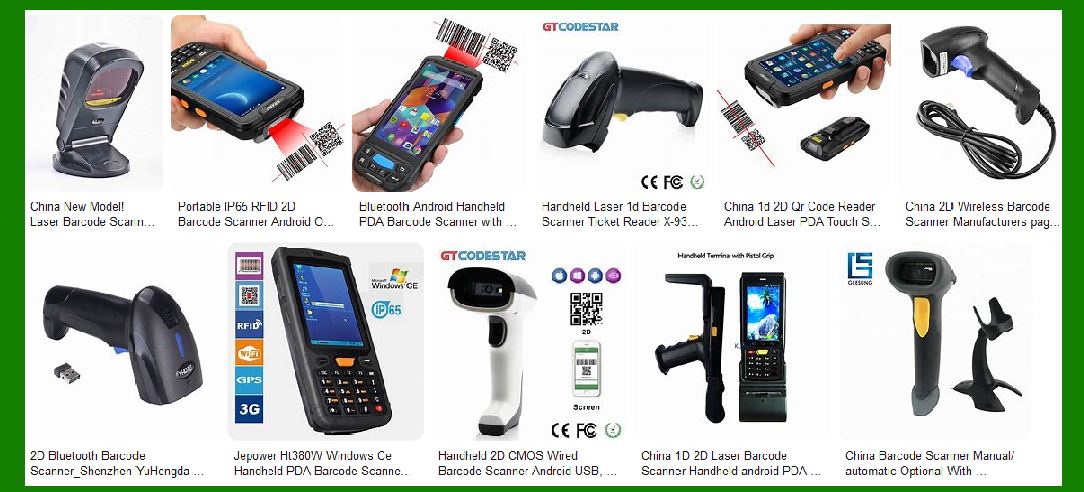
Barcode scanners use CMOS image sensors to read barcodes by capturing images of the barcode and decoding the data contained within it. The process involves several steps: |
Illumination: When a barcode is scanned, the scanner illuminates the barcode with light emitted by an LED or laser. This light reflects off the barcode and is captured by the CMOS image sensor. |
Image Capture: The CMOS sensor converts the reflected light into electrical signals. The sensor captures an image of the barcode, with each pixel representing a small part of the image. |
Signal Processing: The electrical signals from the CMOS sensor are processed by the scanner's internal circuitry. The signals are amplified, converted to digital form, and then analyzed to identify the barcode's structure. |
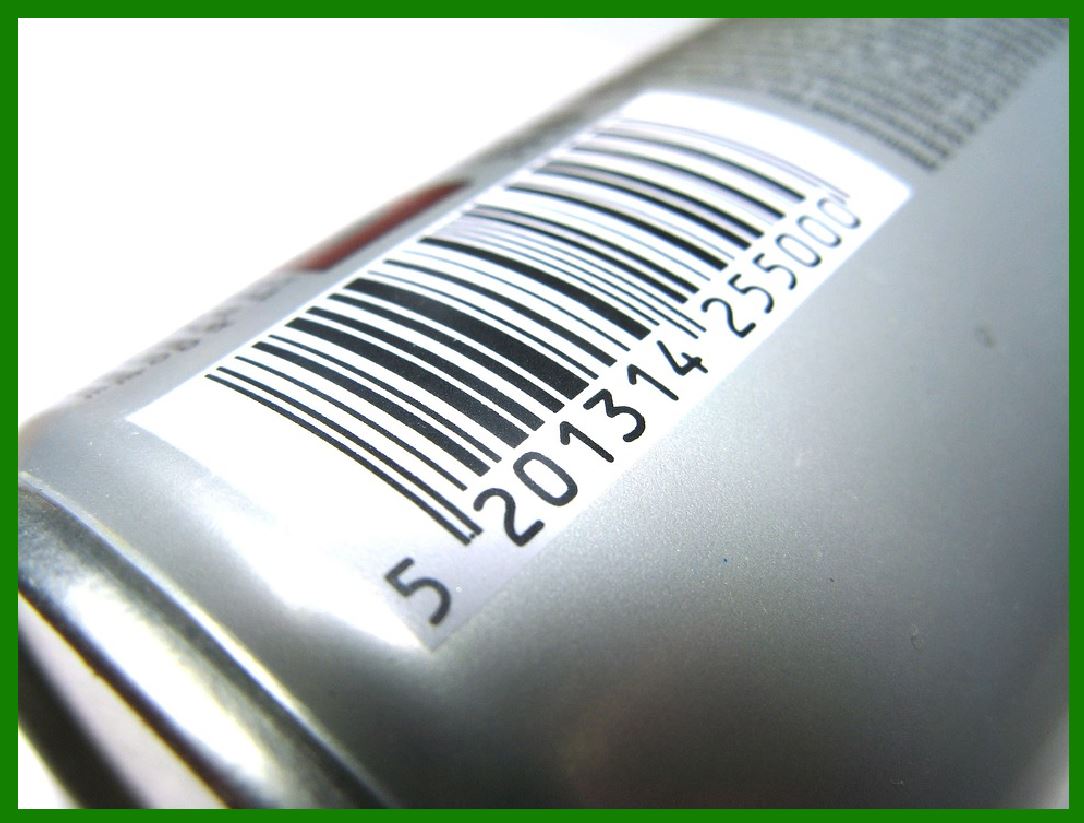
Decoding: The final step is decoding the information contained in the barcode. The scanned image is processed by a software algorithm that identifies the pattern of dark and light lines in the barcode and converts it into a readable code. |
The combination of fast processing speed, high sensitivity, and low power consumption makes CMOS image sensors ideal for barcode scanners. They allow the scanner to capture and process images quickly, which is crucial for maintaining productivity in busy environments. |
|
5. Advantages of CMOS Image Sensors in Barcode Scanners |
CMOS image sensors offer several key advantages that make them ideal for use in barcode scanners: |
Low Power Consumption: One of the primary advantages of CMOS image sensors is their low power consumption. This is particularly important for portable barcode scanners that rely on battery power. CMOS sensors use significantly less power compared to other imaging technologies, such as CCD sensors. |
High Sensitivity: CMOS sensors are highly sensitive to light, allowing them to capture clear images even in low-light conditions. This is important for barcode scanners that need to read barcodes in environments with varying lighting conditions, such as warehouses or retail stores. |
Small Size: CMOS sensors are compact, making them ideal for handheld barcode scanners that need to be lightweight and easy to use. The small size also allows for more flexible designs in barcode scanners, enabling manufacturers to create scanners that are both portable and ergonomic. |
Cost-Effectiveness: CMOS image sensors are generally less expensive to produce than other types of image sensors, such as CCDs. This makes CMOS-based barcode scanners more affordable for businesses and consumers alike. |
Integrated Circuit Design: CMOS sensors can integrate the image sensor and signal processing circuitry into a single chip. This integration reduces the complexity of the scanner's design and improves its overall performance. |
|
6. Comparison with Other Image Sensor Technologies |
While CMOS sensors are widely used in barcode scanners, they are not the only option available. Two other common image sensor technologies are Charge-Coupled Devices (CCDs) and Photomultiplier Tubes (PMTs). Here is a comparison of these technologies: |
CMOS vs. CCD: CCD sensors were once the dominant technology used in barcode scanners, but CMOS sensors have largely replaced them. The main difference between the two is how they convert light into electrical signals. CCD sensors use a charge transfer method, while CMOS sensors use individual photodiodes and transistors for each pixel. CMOS sensors are typically more power-efficient, smaller, and less expensive than CCD sensors, making them a better choice for most barcode scanners. |
CMOS vs. PMT: Photomultiplier tubes are used in some specialized applications that require extremely high sensitivity, such as in scientific research. However, PMTs are bulky, expensive, and not suitable for barcode scanners. CMOS sensors are far more compact and cost-effective, making them the preferred choice for barcode scanning applications. |
|
7. Applications of CMOS Image Sensors in Barcode Scanners |
CMOS image sensors are used in a wide range of barcode scanners, including handheld scanners, fixed-mount scanners, and industrial scanners. Some of the key applications include: |
Retail: Barcode scanners with CMOS sensors are commonly used in retail environments for reading product barcodes at checkout counters. These scanners need to be fast and accurate to keep up with high transaction volumes, and CMOS sensors enable this level of performance. |
Inventory Management: CMOS-based barcode scanners are used in warehouses and distribution centers for inventory management. These scanners help workers track products and shipments by scanning barcodes on boxes and packages. The high sensitivity of CMOS sensors ensures that barcodes can be read even in poorly lit environments. |
Logistics and Supply Chain: In logistics and supply chain operations, barcode scanners with CMOS sensors are used to track packages and shipments as they move through different stages of the supply chain. The portability and efficiency of CMOS-based scanners make them ideal for this application. |
Healthcare: CMOS image sensors are also used in healthcare for barcode scanning applications such as patient identification, medication tracking, and inventory management of medical supplies. The high resolution and accuracy of CMOS sensors make them well-suited for these critical tasks. |
|
8. Challenges and Limitations of CMOS Image Sensors in Barcode Scanners |
Despite their numerous advantages, CMOS image sensors do have some limitations that must be considered when designing and using barcode scanners: |
Resolution Limitations: While CMOS sensors are capable of capturing high-resolution images, they may not achieve the same level of resolution as CCD sensors in certain applications. This can be a concern in situations where extremely fine details need to be captured. |
Light Sensitivity: While CMOS sensors are generally sensitive to light, they may not perform as well in very low-light conditions compared to other sensor technologies. However, advancements in sensor design have mitigated this issue in many modern CMOS-based barcode scanners. |
Image Distortion: In some cases, CMOS sensors may exhibit image distortion, such as pixelation or color artifacts. This can occur if the sensor is not properly calibrated or if it is exposed to excessive light or heat. These issues are less common in high-quality sensors but can still be a concern in lower-end devices. |
|
9. Future Trends in CMOS Image Sensors for Barcode Scanners |
The field of CMOS image sensors is constantly evolving, with ongoing research and development aimed at improving their performance and capabilities. Some of the future trends in CMOS image sensors for barcode scanners include: |
Increased Resolution: As sensor technology advances, we can expect to see CMOS sensors with higher resolutions. This will allow barcode scanners to capture more detailed images and read smaller barcodes with greater accuracy. |
Improved Light Sensitivity: Researchers are working on improving the light sensitivity of CMOS sensors to make them more effective in low-light environments. This will enhance the performance of barcode scanners in dimly lit areas, such as warehouses and factories. |
Integration with Other Technologies: Future barcode scanners may integrate CMOS sensors with other technologies, such as RFID or NFC (Near Field Communication), to provide more versatile scanning capabilities. This could allow scanners to read a wider variety of codes and tags beyond traditional barcodes. |
|
10. Conclusion |
CMOS image sensor technology has revolutionized the barcode scanning industry by providing a powerful, energy-efficient, and cost-effective solution for capturing and processing barcode data. With its numerous advantages, such as low power consumption, high sensitivity, and compact size, CMOS technology has become the dominant choice for modern barcode scanners. As technology continues to evolve, we can expect even more advanced CMOS image sensors that will further enhance the performance and versatility of barcode scanners across various industries. |
|
What are the common failures of the Barcode Scanner's CMOS Image Sensor ? How to prevent them? |
1. Introduction to CMOS Image Sensors in Barcode Scanners |
Barcode scanners are essential tools for data collection and inventory management. They rely on various technologies to read barcodes efficiently, with the CMOS (Complementary Metal-Oxide-Semiconductor) image sensor being one of the most common components used for this purpose. CMOS image sensors in barcode scanners capture the visual data from the barcode and translate it into readable digital information. While CMOS image sensors are generally reliable and have improved over time, they are not immune to failure. Several common failures can occur within the sensor or its environment, which can affect the overall functionality of barcode scanners. |
Understanding these failures and how to prevent them is crucial to ensure the longevity and optimal performance of barcode scanners. Below is a detailed breakdown of the common failures of CMOS image sensors in barcode scanners and the measures that can be taken to prevent these issues. |
|
2. Common Failures of CMOS Image Sensors in Barcode Scanners |
2.1. Image Noise and Distortion |
Cause: One of the most common issues that can occur with CMOS image sensors is image noise. This can manifest as distortion or unwanted artifacts in the captured image, leading to poor scanning accuracy. Noise can be caused by several factors, including electrical interference, poor sensor calibration, or insufficient power supply. Additionally, external factors like lighting conditions or reflections can exacerbate this issue. |
Impact: Image noise can significantly affect the barcode scanning process, as the scanner may fail to capture a clear image of the barcode, leading to misreads or inability to read the barcode entirely. |
Prevention: To prevent image noise and distortion, manufacturers should ensure proper sensor calibration during the production process. In addition, barcode scanners should be equipped with noise-reduction algorithms to filter out unwanted signals and improve image clarity. Regular maintenance of the scanner's hardware, including checking for loose connections or power supply issues, can also help minimize noise-related failures. Using anti-glare coatings on sensors can reduce reflections that might cause distortions. |
2.2. Poor Image Resolution |
Cause: CMOS image sensors in barcode scanners have a fixed resolution that determines their ability to capture detailed images. A low resolution can lead to poor image quality, making it difficult for the scanner to read barcodes accurately. Insufficient resolution may result from using low-quality components or failing to upgrade the scanner's hardware as technology advances. |
Impact: Poor image resolution reduces the scanner's ability to accurately capture and interpret barcodes, leading to frequent misreads or failures to recognize barcodes altogether. It may also affect the scanner's performance when dealing with small or dense barcodes. |
Prevention: Using a high-resolution CMOS sensor is the primary method to prevent this failure. Manufacturers should ensure that the sensor's resolution is suitable for the types of barcodes the scanner will encounter. Scanners should also be designed to handle a wide range of barcode sizes and formats. Regular software updates can also improve the performance of the scanner by enhancing image processing algorithms to compensate for minor resolution shortcomings. |
2.3. Inconsistent or Flickering Illumination |
Cause: CMOS image sensors rely on a light source (typically an LED) to illuminate the barcode for accurate scanning. Inconsistent or flickering illumination can be caused by a faulty LED light, poor power regulation, or environmental factors such as exposure to extreme temperatures or humidity. |
Impact: Flickering or inconsistent illumination can cause the scanner to misinterpret the data, leading to inaccurate readings or failure to scan barcodes altogether. This issue is particularly common in environments where temperature or humidity fluctuates. |
Prevention: To prevent inconsistent or flickering illumination, it is essential to use high-quality, durable LEDs that can withstand environmental factors. Barcode scanners should be designed with stable power regulation systems to maintain consistent illumination. It is also crucial to place the scanner in environments that are free from excessive moisture, dust, or temperature extremes, as these conditions can affect both the CMOS sensor and the light source. |
|
2.4. Sensor Alignment Issues |
Cause: A common failure in CMOS-based barcode scanners is misalignment between the image sensor and the optics (lenses). This can occur during manufacturing or as a result of wear and tear from frequent use. When the sensor is not properly aligned with the lens, the captured image may become blurry or distorted. |
Impact: If the sensor is misaligned, it will fail to capture a sharp image of the barcode, resulting in inaccurate readings or failure to read the barcode at all. This issue is more noticeable when scanning barcodes at certain angles or distances. |
Prevention: Ensuring proper sensor alignment during the manufacturing process is crucial. Scanners should undergo rigorous quality control procedures to detect any alignment issues. Regular maintenance and inspection of the scanner can help identify and fix misalignment problems before they affect performance. For users, carefully following the manufacturer's instructions for proper handling can help prevent mechanical stress that could lead to misalignment. |
2.5. Overheating and Thermal Damage |
Cause: CMOS image sensors generate heat during operation, and if this heat is not properly dissipated, it can lead to overheating. Prolonged exposure to high temperatures can cause thermal damage to the sensor and other components of the barcode scanner. Overheating may be caused by inadequate ventilation, high ambient temperatures, or prolonged scanning sessions. |
Impact: Overheating can cause the CMOS sensor to malfunction, resulting in degraded image quality, slower processing speeds, or total failure of the scanner. Over time, excessive heat can permanently damage the sensor or reduce its lifespan. |
Prevention: To prevent overheating, barcode scanners should be designed with efficient cooling systems, such as heat sinks or passive cooling mechanisms. Proper ventilation is essential, and users should avoid placing scanners in direct sunlight or in areas with poor airflow. In addition, manufacturers should ensure that the components used in the sensor are rated for the expected operating temperatures. |
2.6. Poor Sensitivity to Low-Light Conditions |
Cause: CMOS sensors are generally more sensitive to light than their CCD counterparts, but they can still struggle in low-light environments. Insufficient lighting or excessive ambient light can cause the sensor to fail in capturing a clear image of the barcode. |
Impact: Poor sensitivity to low light can lead to difficulties in scanning barcodes in dimly lit areas or when the barcode is poorly illuminated. This problem is common in warehouses, retail environments, or other locations where lighting conditions vary. |
Prevention: Barcode scanners should be equipped with high-sensitivity CMOS sensors capable of performing well in low-light conditions. Manufacturers can improve the sensor's low-light sensitivity by using larger pixel sizes, enhanced photodiodes, or incorporating infrared (IR) illumination in the scanner's design. Additionally, scanners should be used in environments with adequate lighting to ensure reliable scanning. |
|
2.7. Power Supply Instability |
Cause: CMOS image sensors are sensitive to fluctuations in power supply. A fluctuating or unstable power source can result in the sensor receiving insufficient or excessive voltage, leading to erratic performance or complete failure of the sensor. Power supply issues can arise from faulty power adapters, damaged cables, or internal component failures. |
Impact: Power instability can cause the CMOS sensor to malfunction, leading to unreliable scanning, image distortion, or total failure to read barcodes. This issue can be especially problematic in environments where scanners are frequently moved or used with multiple power sources. |
Prevention: Ensuring a stable power supply is crucial to prevent failures related to power instability. Barcode scanners should be equipped with high-quality power regulation circuits that can handle voltage fluctuations. Regular inspection of power cables and adapters can also help prevent issues related to power supply. In addition, users should avoid using incompatible power sources or adapters. |
2.8. Dust and Debris on the Sensor Surface |
Cause: Over time, dust, dirt, or other debris can accumulate on the surface of the CMOS sensor. This accumulation can block the sensor from capturing clear images, leading to poor scanning performance. Dust can enter the scanner through vents or openings and settle on the sensor. |
Impact: The presence of dust or debris on the sensor can cause image degradation, leading to blurry or incomplete barcode scans. In some cases, the scanner may completely fail to read barcodes due to the obstruction. |
Prevention: Regular cleaning and maintenance of the scanner are necessary to prevent dust and debris from accumulating on the sensor. Manufacturers can design barcode scanners with protective covers or seals to prevent dust from entering the sensor area. Users should follow cleaning instructions provided by the manufacturer, using appropriate cleaning tools to avoid damaging the sensor. |
2.9. Damage Due to Physical Impact |
Cause: Barcode scanners are often subject to physical impacts, such as drops, bumps, or shocks. CMOS image sensors, being delicate components, can be easily damaged by such impacts. Physical damage to the sensor can result in partial or complete failure of the barcode scanning function. |
Impact: Physical damage to the CMOS sensor may lead to permanent failure of the scanner, rendering it incapable of reading barcodes. Even minor damage can result in reduced performance or image distortion. |
Prevention: To prevent physical damage, barcode scanners should be designed with rugged housings or protective casings that can absorb shocks and impacts. Users should handle scanners with care and avoid dropping or subjecting them to unnecessary stress. For environments where scanners are exposed to harsh conditions, manufacturers can produce industrial-grade scanners with additional protection against physical damage. |
2.10. Software and Firmware Failures |
Cause: While not directly related to the CMOS sensor hardware, software and firmware issues can cause the scanner to behave erratically. Problems such as outdated firmware, corrupted software, or incompatible software can lead to scanning failures, even if the sensor itself is functioning properly. |
|
What new technologies will improve the function of the Barcode Scanner's CMOS Image Sensor and reduce the failure rate in the future? |
1. Introduction to CMOS Image Sensors in Barcode Scanners |
Barcode scanners are essential tools in many industries, including retail, logistics, healthcare, and manufacturing, primarily due to their ability to quickly and accurately capture information encoded in barcodes. The CMOS (Complementary Metal-Oxide-Semiconductor) image sensor is at the heart of modern barcode scanners, enabling them to capture barcode images and interpret them into readable data. This technology has significantly evolved over the years, contributing to the advancement of scanning efficiency, speed, and accuracy. |
However, like any technology, CMOS image sensors in barcode scanners are not without limitations, including issues such as low scanning performance in certain lighting conditions, difficulty reading damaged or poorly printed barcodes, and high failure rates in certain environmental factors. In the future, new technologies and improvements in CMOS image sensors will address these challenges, enhancing the functionality of barcode scanners and reducing their failure rates. This article explores some of these cutting-edge advancements that could revolutionize the barcode scanning industry. |
2. Enhanced Resolution and Sensitivity |
As barcode scanning environments become more demanding, barcode scanners will need image sensors that offer higher resolution and greater sensitivity to light. While current CMOS sensors already provide good resolution, future advancements in sensor architecture could provide even greater levels of detail and accuracy. |
Higher Resolution: Increasing the resolution of CMOS image sensors will allow barcode scanners to read even the most intricate or damaged barcodes with greater precision. Higher resolution also enables the scanner to distinguish between small barcodes and complex patterns, which is particularly beneficial in industries where high-density barcodes are used. For instance, in logistics, where barcodes are often printed on small packages or items, higher resolution would improve the accuracy of scans and reduce the occurrence of misreads. |
Increased Sensitivity: Improving the sensitivity of CMOS sensors will allow scanners to function efficiently in low-light conditions, reducing the failure rates caused by poor lighting environments. Future CMOS sensors could employ advanced light-collecting materials and innovative pixel structures that enhance their ability to detect weak signals in challenging environments. This technology is particularly useful in situations where barcodes are scanned in dimly lit areas or under fluorescent lights, as well as in outdoor environments where lighting conditions can vary significantly. |
|
3. Advanced Image Processing Algorithms |
As the resolution and sensitivity of CMOS sensors improve, the algorithms used to process images will play a key role in ensuring that barcode scanners can function effectively in a wider range of conditions. Future improvements in image processing will focus on reducing errors and failures caused by distortion, noise, or poor-quality barcodes. |
Noise Reduction: CMOS sensors often suffer from noise, which can obscure the clarity of the barcode and make it difficult for the scanner to decode the data. Advanced noise reduction algorithms can filter out this unwanted signal, enhancing the quality of the image captured by the CMOS sensor. The future of barcode scanners will involve machine learning-based algorithms that adapt to different environments and conditions, ensuring that the images processed are as clean and clear as possible. |
Improved Contrast and Edge Detection: Another key aspect of barcode scanning performance is the ability to accurately detect the edges of the barcode, which are often critical for successful decoding. Advanced algorithms will use techniques such as edge detection and contrast enhancement to ensure that even poorly printed barcodes can be read accurately. By improving the contrast between the bars and the background, the algorithm can more easily differentiate between the different elements of the barcode, reducing the failure rate caused by faint or blurred prints. |
Deep Learning for Barcode Recognition: Future barcode scanners may incorporate deep learning and neural network-based algorithms to automatically recognize and adapt to various barcode formats, types, and environmental conditions. By training these systems on large datasets of barcode images, the scanner can learn to identify patterns and optimize its decoding process, even for distorted, damaged, or low-quality barcodes. This will significantly improve the success rate of barcode scanning in real-world scenarios, where barcodes may not always be perfectly printed or aligned. |
4. Multi-Spectral Imaging |
One of the more exciting developments for CMOS image sensors in barcode scanners is the integration of multi-spectral imaging technology. Traditional CMOS sensors capture light primarily in the visible spectrum, but multi-spectral sensors extend this capability into other parts of the electromagnetic spectrum, such as infrared (IR) and ultraviolet (UV). |
Infrared Imaging: Infrared imaging can be highly beneficial for barcode scanning, especially in environments where visible light is insufficient or where glare from ambient light causes distortion. Infrared sensors can penetrate through various materials and provide clearer images of barcodes that are partially obscured or have low contrast. This would be particularly useful in industrial settings, such as warehouses, where barcodes are often scanned through packaging or containers. |
Ultraviolet Imaging: UV light can reveal certain types of barcodes that are printed with special inks not visible under normal lighting. These inks can be more resistant to fading or damage, providing a more reliable scanning solution for security-sensitive applications. In the future, barcode scanners that incorporate UV-capable CMOS sensors could easily detect these specialized barcodes, reducing failure rates in applications where anti-counterfeiting measures are critical. |
Full-Spectrum Sensors: Future CMOS image sensors may combine visible, IR, and UV light into a single full-spectrum sensor. Such sensors would provide comprehensive scanning capabilities, allowing barcode scanners to work effectively in diverse conditions and handle a wider variety of barcodes. The integration of multi-spectral capabilities will help reduce failure rates when dealing with barcodes printed using special inks, degraded prints, or those scanned through materials that block certain wavelengths of light. |
|
5. 3D Scanning and Depth Sensing |
As barcode scanning technologies continue to evolve, incorporating 3D scanning and depth sensing into CMOS image sensors can significantly improve the ability to read barcodes in three-dimensional spaces. While 2D barcodes are still the most common, 3D barcodes (such as QR codes and holographic barcodes) are gaining popularity due to their ability to encode more data and provide additional security features. |
Improved Depth Perception: Future CMOS image sensors may include depth-sensing technologies, which can capture the three-dimensional shape of the barcode and enhance its readability. This is particularly useful for barcode scanners that need to read barcodes at angles or from curved surfaces, such as on bottles or containers. By detecting depth information, the scanner can adjust its focus and optimize the angle of capture, reducing misreads and failures that occur due to improper scanning angles or surface irregularities. |
Stereo Vision: Stereo vision technology uses two or more cameras to capture images from different angles and then combines them to create a 3D model of the object being scanned. Incorporating stereo vision into CMOS image sensors could improve the accuracy of barcode scanners by allowing them to better interpret barcodes on complex or irregularly shaped surfaces. This technology could also help reduce scanning failures that occur when barcodes are presented at an angle or are partially obstructed. |
6. Artificial Intelligence (AI) and Machine Learning Integration |
The integration of artificial intelligence (AI) and machine learning algorithms into barcode scanners has the potential to revolutionize the scanning process by improving the accuracy and speed of barcode recognition while reducing failure rates. |
AI-Based Error Correction: One of the most significant benefits of AI integration is its ability to correct errors in barcode data. AI systems can analyze patterns in scanned barcodes and compare them to known barcode formats to identify and correct common scanning mistakes, such as misreads caused by motion blur or damaged barcodes. This would significantly reduce the number of failed scans, particularly in environments where barcodes are frequently exposed to wear and tear. |
Self-Learning and Adaptation: With machine learning algorithms, barcode scanners can continuously learn from past scanning experiences and improve their performance over time. For example, the system could learn which types of barcodes are frequently misread and adjust its scanning parameters to optimize accuracy for those specific types. This would help reduce failure rates and enhance overall scanning reliability, even in challenging environments. |
Context-Aware Scanning: AI can also enable barcode scanners to become more context-aware, adjusting their scanning strategies based on the specific conditions of the environment. For instance, in a cluttered warehouse with many moving objects, an AI-powered barcode scanner might prioritize certain types of barcodes or adjust its focus based on the distance or motion of the barcode. This level of adaptability would reduce scanning failures in complex, dynamic environments. |
|
7. Environmental Adaptation |
The future of CMOS image sensors in barcode scanners will involve greater adaptability to environmental conditions, further reducing failure rates and improving overall performance. Scanners will become more resilient to temperature variations, humidity, and mechanical stress, which are common challenges in industrial and outdoor environments. |
Temperature Resilience: Extreme temperatures can affect the performance of CMOS sensors, causing issues such as image distortion or sensor malfunctions. Advances in sensor materials, such as the development of temperature-stable semiconductors and better heat dissipation technologies, will ensure that barcode scanners can operate reliably in a wider range of temperatures. |
Humidity Resistance: Humidity can also impact CMOS sensors, causing issues like condensation or internal short-circuiting. Future CMOS sensors may incorporate materials that are more resistant to moisture, ensuring that barcode scanners continue to function effectively in environments with high humidity, such as cold storage facilities or outdoor locations. |
Mechanical Durability: Barcode scanners are often exposed to rough handling, drops, and vibrations, especially in industrial settings. Innovations in the design and manufacturing of CMOS sensors could enhance their mechanical durability, making them less prone to damage from physical impacts or movement. This would significantly reduce failure rates in environments where scanners are subjected to harsh physical conditions. |
|
8. Conclusion |
In summary, the future of CMOS image sensors in barcode scanners looks promising, with several key technologies poised to improve scanner performance and reduce failure rates. Enhanced resolution and sensitivity, advanced image processing algorithms, multi-spectral imaging, 3D scanning and depth sensing, AI and machine learning integration, and improved environmental resilience are just some of the innovations that will transform the barcode scanning industry. As these technologies continue to develop and mature, barcode scanners will become faster, more accurate, and more reliable, ensuring that businesses can maintain efficient and error-free operations in an increasingly demanding world. |
 cs@easiersoft.com