Barcode Scanner: Embedded Microcontroller and Processing Technologies |
Barcode scanners are an integral part of modern data collection systems used across various industries, from retail to logistics and healthcare. These devices have evolved over time, incorporating increasingly sophisticated technologies that enhance their functionality, efficiency, and versatility. Central to these advancements are the embedded microcontrollers and processing technologies that power barcode scanners, enabling them to quickly and accurately read, interpret, and transmit data from barcodes. |
In this detailed explanation, we will explore the embedded microcontroller and processing technologies used in barcode scanners. The discussion will be structured as follows: |
|
1. Introduction to Barcode Scanners |
Barcode scanners are devices that capture data encoded in barcodes and convert it into a readable format for computer systems. Barcodes are graphical representations of data, typically consisting of parallel lines and spaces, that can be read by light sensors. These scanners can be categorized based on their scanning technology (laser, CCD, or imaging), the interface used to communicate with computers (USB, Bluetooth, etc.), and their form factor (handheld, fixed mount, etc.). |
Regardless of the type of scanner, the core components responsible for processing the captured data are microcontrollers (MCUs) and processing units that enable the conversion of barcode signals into usable information. This processing involves decoding the patterns of bars and spaces in a barcode and transmitting this decoded information to a connected system. |
|
2. Microcontroller in Barcode Scanners |
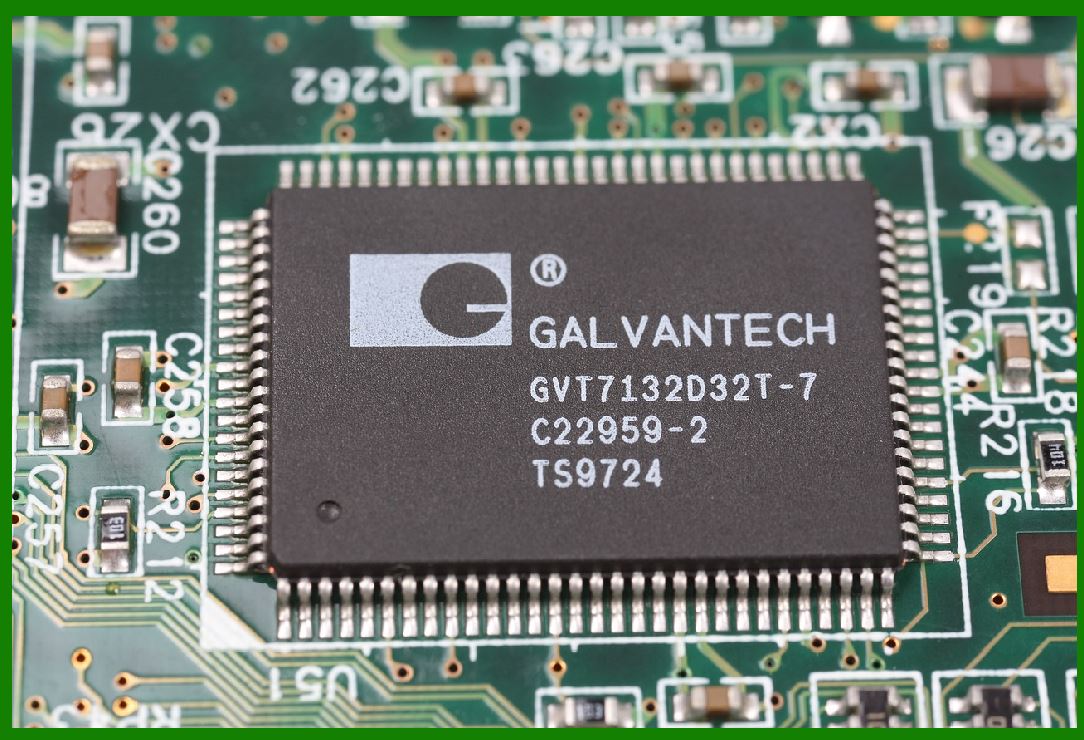
A microcontroller is a small, self-contained computer embedded within barcode scanners to manage various tasks, from signal processing to communication with other systems. It acts as the 'brain' of the scanner, controlling the operation of the scanner's hardware and interpreting the data captured by the scanning element. Key characteristics of the microcontroller used in barcode scanners include: |
2.1. Processing Power The processing power of a microcontroller in barcode scanners is crucial for fast and accurate data decoding. Depending on the complexity of the barcode and the required scanning speed, the microcontroller may have various performance specifications, such as clock speed, memory (RAM and flash), and processing capabilities. Typically, the microcontroller's clock speed can range from 8 MHz to over 100 MHz, allowing it to process barcode data in real-time. |
2.2. Embedded Software The microcontroller runs embedded software that includes the algorithms for scanning, decoding, and error correction. This software can be custom-built to support various types of barcodes, including 1D and 2D formats (e.g., UPC, EAN, QR codes, Data Matrix). The firmware in the microcontroller controls how the scanner interacts with the light source, image sensor, and communication interface, ensuring that the device correctly interprets barcode data. |
2.3. I/O Interfaces Barcode scanners feature various input/output (I/O) interfaces to communicate with other devices like computers, cash registers, or inventory management systems. Microcontrollers in these scanners manage these I/O operations. Common interfaces include USB, RS232, Bluetooth, or Wi-Fi. The microcontroller controls how data is transmitted to these interfaces, managing both the physical connection and the communication protocol. |
2.4. Power Management Efficiency in power consumption is another critical role of the microcontroller. Especially in wireless or handheld barcode scanners, the microcontroller must optimize energy use to ensure the device can operate for extended periods without frequent recharging or battery replacement. Advanced microcontrollers incorporate power-saving modes, such as sleep modes and dynamic voltage scaling, to extend battery life. |
2.5. Error Detection and Correction Microcontrollers in barcode scanners also perform real-time error detection and correction. If the scanner reads a corrupted barcode or encounters misalignment, the microcontroller may attempt to adjust the reading algorithm or apply error correction techniques to improve the decoding process. Error correction algorithms (such as Reed-Solomon coding for 2D barcodes) are often embedded in the software running on the microcontroller. |
|
3. Processing Technologies in Barcode Scanners |
While the microcontroller handles the primary tasks of controlling the scanner, the overall performance of the barcode scanner also depends on the processing technologies that are integrated into the device. These technologies involve both hardware and software components that work together to capture, process, and transmit barcode data efficiently. |
3.1. Light Source and Sensor Technology Barcode scanners use light sources, such as LEDs or lasers, to illuminate the barcode and sensors (photodiodes or CCD arrays) to capture the reflected light. In laser-based scanners, the microcontroller processes the data received from the laser sensor to determine the intensity and timing of the reflections, converting this information into barcode patterns. In CCD-based scanners, the microcontroller processes an image captured by the sensor, which is then analyzed to decode the barcode. |
3.2. Signal Amplification and Filtering Once the barcode scanner's sensor captures the reflected light, the raw signal must be amplified and filtered to improve the signal-to-noise ratio. Microcontrollers process these amplified signals to isolate the relevant data corresponding to the barcode pattern. Signal filtering algorithms help remove noise, artifacts, or distortions that could interfere with accurate data decoding. |
3.3. Data Decoding Data decoding is the heart of the processing technology in barcode scanners. The microcontroller uses predefined algorithms that interpret the signals received from the sensor and convert them into a sequence of digits or characters that represent the barcode. The most common decoding techniques include: |
1D Barcode Decoding: Involves analyzing the timing and spacing of the barcode's bars and spaces. The microcontroller decodes the linear patterns into a string of characters or numbers. |
2D Barcode Decoding: For QR codes, Data Matrix, or other 2D barcodes, the microcontroller processes both the horizontal and vertical components of the image, using complex algorithms to extract the information encoded in multiple dimensions. |
3.4. Data Validation To ensure the decoded data is accurate, barcode scanners often incorporate error-checking algorithms. The microcontroller compares the decoded data against predefined standards (e.g., UPC or EAN formats) to ensure the result is valid. If the data is invalid or incomplete, the microcontroller may request a re-scan or trigger an alert. |
3.5. Real-Time Processing and Low Latency For high-speed scanning applications, such as retail or logistics, barcode scanners need to process data in real-time with low latency. Advanced microcontrollers with higher clock speeds, parallel processing capabilities, and optimized decoding algorithms ensure that the scanner provides immediate feedback when a barcode is scanned. |
|
4. Communication Protocols and Data Transmission |
After the barcode data is decoded, it must be transmitted to a host system, such as a point-of-sale (POS) terminal, inventory management system, or computer. The microcontroller in the barcode scanner is responsible for managing this communication, which can occur over various protocols. |
4.1. USB Communication USB is one of the most common interfaces used for barcode scanners, especially in retail environments. The microcontroller ensures that the scanner correctly identifies itself as a Human Interface Device (HID) or as a virtual COM port. Data is transmitted from the scanner to the connected system as keystrokes or serial data, depending on the configuration. |
4.2. Bluetooth and Wireless Communication For wireless barcode scanners, the microcontroller manages Bluetooth or Wi-Fi connectivity. Bluetooth-enabled barcode scanners use Bluetooth Low Energy (BLE) to maintain a long-lasting connection with mobile devices, computers, or tablets. The microcontroller handles the pairing process, ensures a stable connection, and manages the transmission of barcode data in real-time. Wi-Fi-based scanners provide even broader communication ranges, connecting to cloud-based systems or enterprise resource planning (ERP) software. |
4.3. RS232 Communication For industrial and legacy systems, RS232 communication is often used to transmit barcode data. The microcontroller handles the serial data transmission, ensuring the correct baud rate and data format are used for reliable communication. |
4.4. Ethernet Communication In larger enterprise environments, some barcode scanners use Ethernet communication to transmit data over local area networks (LANs). The microcontroller in these scanners ensures compatibility with network protocols and handles the transmission of data packets to central systems for processing. |
|
5. Advanced Features and Future Trends |
As barcode scanning technologies continue to evolve, so do the microcontroller and processing capabilities embedded in these devices. Several advanced features are driving the development of next-generation barcode scanners: |
5.1. Machine Learning and AI Integration Recent developments in artificial intelligence (AI) and machine learning are being integrated into barcode scanners. The microcontroller can support these advanced features by running machine learning algorithms that help improve barcode recognition in challenging environments, such as poor print quality, damaged barcodes, or low lighting conditions. |
5.2. Augmented Reality (AR) Scanning Barcode scanners are increasingly being integrated with augmented reality (AR) features to offer real-time visual feedback on scanned items. The microcontroller processes the captured data and enhances it with interactive 3D images or additional information, which is particularly useful in industries like logistics and healthcare. |
5.3. Multimodal Scanning Some modern barcode scanners support multiple scanning modes, such as RFID (Radio Frequency Identification) scanning or even biometric scanning. Microcontrollers are evolving to handle these complex, multimodal technologies, enabling scanners to process a wider range of data types beyond traditional barcodes. |
5.4. Increased Data Security As barcode scanners are used in more secure environments, such as financial transactions or healthcare, security features like encryption are becoming more prevalent. The microcontroller can encrypt barcode data during transmission to prevent unauthorized access. |
|
6. Conclusion |
Barcode scanners, with their embedded microcontrollers and processing technologies, represent a blend of hardware, software, and communication protocols designed to facilitate fast and accurate data capture and transmission. The microcontroller is at the heart of the scanner, controlling the entire process, from light sensing and data decoding to transmission and error correction. As barcode scanning technology continues to advance, embedded microcontrollers and processing technologies will evolve to meet the increasing demands for faster, more secure, and more versatile scanning solutions. Understanding these components helps provide insights into how barcode scanners work and why they are indispensable tools in modern business operations. |
|
Case Studies of Barcode Scanner's Embedded Microcontroller and Processing Circuit Design |
Barcode scanners are widely used across various industries to improve efficiency and accuracy in data collection. The embedded microcontroller and processing circuit design are critical in ensuring the scanner works efficiently under different conditions and meets the specific needs of the target application. Below are some case studies that illustrate the design and application of embedded microcontrollers and processing circuits in barcode scanners across various industries. |
Case Study 1: Retail Barcode Scanner - Microcontroller Design for Fast POS Transactions |
Background |
In retail environments, barcode scanners must be fast, accurate, and reliable. Point-of-sale (POS) systems depend on the swift scanning of barcodes to facilitate smooth customer transactions and inventory management. One major challenge is ensuring that barcode scanners can decode barcodes quickly and correctly, even when the barcode is poorly printed or damaged. |
Design Objectives |
Fast barcode scanning with low latency. |
Robust performance in low-light or cluttered environments. |
Error detection and correction algorithms to handle poor quality barcodes. |
Support for multiple barcode formats (1D, 2D). |
Embedded Microcontroller and Processing Circuit Design |
For the retail barcode scanner, a 32-bit ARM Cortex-M4 microcontroller was chosen. The design needed to support high-speed data processing, multiple input/output (I/O) interfaces, and real-time communication with the POS terminal. |
Microcontroller Selection |
Processor: ARM Cortex-M4 processor with a clock speed of 120 MHz. This choice provided the necessary processing power to decode complex 2D barcodes (e.g., QR codes) in under a second. |
Memory: 256 KB flash memory and 64 KB SRAM, which allowed the microcontroller to store decoding algorithms, error correction tables, and configuration settings. |
Communication Interface: USB interface was implemented for easy connection to POS systems. The USB communication protocol was chosen for its speed and wide adoption across retail POS systems. |
Key Features of the Design |
Real-time Signal Processing: The microcontroller was programmed with an efficient signal processing algorithm to handle data from the barcode scanner's laser/CCD sensor. The signal processing included filtering and amplification to enhance the signal-to-noise ratio, which is crucial for decoding barcodes in less-than-ideal lighting conditions. |
Decoding Algorithms: The microcontroller ran a set of sophisticated barcode decoding algorithms capable of recognizing both 1D and 2D barcodes. It included error detection and correction features, such as Reed-Solomon error correction, to ensure that partially damaged barcodes could still be decoded correctly. |
Power Management: The microcontroller incorporated an efficient power management circuit. Since many retail scanners are handheld, optimizing power consumption was critical to extend battery life, especially in wireless models. |
Data Transmission: The microcontroller supported USB HID (Human Interface Device) mode, allowing the scanner to act as a keyboard, directly sending decoded data as keystrokes to the POS system. This reduced integration complexity and ensured quick data transmission. |
Outcome |
The retail barcode scanner with the embedded ARM Cortex-M4 microcontroller achieved fast and reliable barcode scanning. The microcontroller's processing power, combined with its real-time signal filtering and decoding algorithms, allowed the scanner to handle barcodes in a variety of environmental conditions, significantly reducing the time required for each transaction. |

|
Case Study 2: Logistics Barcode Scanner - Embedded Processing for Real-Time Data Transfer |
Background |
In the logistics industry, barcode scanners are used for inventory tracking, warehouse management, and package sorting. These scanners must provide real-time data transfer to backend systems, often over wireless networks, while maintaining a high level of accuracy in reading barcodes that may be damaged during transit or handling. |
Design Objectives |
Real-time data transfer to backend systems via Wi-Fi or Bluetooth. |
Robust scanning capability in dynamic, industrial environments (dusty, low-light). |
Low power consumption for extended battery life. |
Embedded Microcontroller and Processing Circuit Design |
For the logistics barcode scanner, a ARM Cortex-M7 microcontroller was selected for its high-performance capabilities, suitable for handling more complex data processing tasks such as image recognition and wireless communication. |
Microcontroller Selection |
Processor: ARM Cortex-M7 with a clock speed of 200 MHz. The higher clock speed was required to handle multiple tasks simultaneously, including barcode image processing, data compression, and wireless data transfer. |
Memory: 512 MB of flash storage for storing barcode images and configuration settings. Additionally, 128 MB of SRAM allowed the temporary storage of data for image processing and buffer management during barcode scanning. |
Wireless Communication: The microcontroller supported both Wi-Fi and Bluetooth interfaces, providing versatile communication options for syncing data with warehouse management systems or mobile devices. |
Key Features of the Design |
Image-based Barcode Scanning: The scanner used a CMOS image sensor, and the embedded microcontroller handled the image processing required for decoding both 1D and 2D barcodes. This technology allowed the scanner to capture and process images of barcodes from a wide range of angles, improving the flexibility and efficiency of scanning in a warehouse setting. |
Real-time Data Transfer: The microcontroller's processing capabilities were used to compress and transfer data in real-time over wireless connections (Wi-Fi or Bluetooth) to the warehouse management system. The scanner could instantly update inventory levels or trigger alerts when items were scanned, improving the efficiency of logistics operations. |
Low Power Consumption: The embedded microcontroller utilized advanced power-saving modes such as dynamic voltage scaling and low-power sleep modes to maximize battery life. This was particularly important for handheld devices, which needed to last throughout an entire shift without frequent recharging. |
Signal Correction Algorithms: To ensure reliable scanning in a noisy industrial environment, the microcontroller used advanced signal correction algorithms to remove distortion caused by poor lighting or damaged barcodes. The algorithms were based on pattern recognition and geometric correction techniques, allowing the scanner to decode even partially obscured or worn barcodes. |
Outcome |
The logistics barcode scanner with the ARM Cortex-M7 microcontroller was able to meet the needs of the logistics industry by providing real-time data transmission, even in challenging environments. The combination of powerful image processing, robust wireless communication, and efficient power management resulted in a reliable, high-performance device that improved operational efficiency. |
|
Case Study 3: Healthcare Barcode Scanner - Embedded Microcontroller for Patient Safety and Accuracy |
Background |
In healthcare, barcode scanners are used for patient identification, medication tracking, and asset management. These scanners must operate with high accuracy to ensure patient safety, especially in environments with strict regulatory requirements such as those imposed by the FDA (Food and Drug Administration). The barcode scanners must decode data quickly and securely while interfacing with medical devices or electronic health records (EHR). |
Design Objectives |
High accuracy in decoding medical barcodes, even with damaged or low-quality prints. |
Support for encrypted data transfer to meet regulatory requirements. |
Compact design for use in busy clinical environments. |
Integration with hospital EHR systems for seamless patient identification. |
Embedded Microcontroller and Processing Circuit Design |
For this healthcare application, a 16-bit PIC microcontroller was used, which offered a good balance between power consumption and processing capability, with sufficient I/O options to interface with medical devices and health records systems. |
Microcontroller Selection |
Processor: PIC16F877A, a widely used microcontroller with a clock speed of 20 MHz. This microcontroller was chosen for its reliability, low power consumption, and ease of integration into existing healthcare IT infrastructure. |
Memory: 32 KB flash memory and 2 KB SRAM, sufficient to store essential decoding algorithms, patient data, and system settings. |
Communication Interface: The microcontroller supported serial communication via RS232 for integration with medical devices and used USB for direct data transfer to hospital information systems. |
Key Features of the Design |
Barcode Decoding for Patient Identification: The scanner was designed to read patient wristbands (typically using 2D barcodes such as PDF417) and medication labels to ensure that the right medication was administered to the right patient. The microcontroller incorporated error correction mechanisms such as Hamming distance and Reed-Solomon error correction to reliably decode barcodes even if they were damaged or printed poorly. |
Security and Encryption: The scanner's microcontroller included a hardware encryption module to encrypt patient data during transmission to meet healthcare security standards (such as HIPAA in the U.S.). This feature ensured that patient identification and medication information were transmitted securely to the hospital's database. |
Real-time Feedback: The microcontroller provided real-time feedback to the user (e.g., a nurse or doctor) via LED indicators and audible alerts when a barcode was successfully scanned, or if there was an error (e.g., unreadable barcode). This feedback was essential to reduce the risk of human error in clinical settings. |
Compact and Ergonomic Design: Given the busy clinical environment, the barcode scanner was designed to be lightweight and ergonomic, allowing healthcare professionals to operate it with one hand, while the microcontroller ensured that the device was compact without compromising processing power or battery life. |
Outcome |
The healthcare barcode scanner achieved high accuracy in scanning medical barcodes, even when faced with challenges such as poor print quality and damaged labels. The use of encryption ensured that patient data was secure during transmission, and the scanner's compact design made it easy for healthcare professionals to use in a fast-paced environment. The system improved patient safety by reducing medication errors and ensuring accurate patient identification. |
|
Conclusion |
These case studies highlight how embedded microcontrollers and processing circuit designs are tailored to meet the specific needs of different industries. Whether in retail, logistics, or healthcare, the microcontroller serves as the core of the barcode scanner, enabling fast processing, reliable decoding, and seamless communication. Each design takes into account environmental challenges, such as poor lighting, damaged barcodes, and the need for secure data transmission, ensuring the barcode scanner operates efficiently and effectively in its respective field. |
|
What are the common failures of the Barcode Scanner's Embedded Microcontroller? How to prevent them? |
Barcode scanners are essential tools for data capture in various industries, and their embedded microcontrollers play a pivotal role in their operation. However, as with any electronic system, embedded microcontrollers in barcode scanners can experience failures, often leading to performance issues or complete malfunction. Identifying common causes of failure and knowing how to prevent them can significantly improve the reliability and longevity of barcode scanners. |
1. Power Supply Failures |
Common Failure: |
Power supply issues are one of the most frequent failures in embedded systems, including barcode scanners. These issues can arise due to: |
Voltage fluctuations or surges: Unexpected spikes in voltage can damage the microcontroller and other components in the circuit. |
Battery depletion or faulty power management: For handheld scanners, an inadequate or failing battery can cause the scanner to shut down unexpectedly or work intermittently. |
Poor power regulation: Ineffective voltage regulation can lead to unstable operation of the microcontroller, resulting in crashes or incorrect data decoding. |
Prevention Methods: |
Voltage Regulators and Surge Protection: Integrate high-quality voltage regulators and surge protection circuits to stabilize power input and protect against sudden voltage spikes. |
Power Monitoring: Use low-power sensors to continuously monitor battery levels and voltage stability, providing alerts or triggering a shutdown before the voltage becomes unstable. |
Battery Management Systems (BMS): Implement smart battery management circuits that can monitor battery health, prevent overcharging or deep discharging, and provide accurate battery life estimates to prevent unexpected shutdowns. |
Low-Power Microcontrollers: Opt for microcontrollers with low-power modes, such as sleep mode or dynamic voltage scaling, which can help conserve power when the scanner is idle or inactive, ensuring longer battery life. |
|
2. Overheating or Thermal Failures |
Common Failure: |
Microcontrollers can overheat if the scanner operates in high-temperature environments or if the cooling system is inadequate. This can lead to thermal shutdown or permanent damage to the microcontroller, affecting the scanner's performance. |
Prevention Methods: |
Thermal Management: Use proper heat dissipation techniques, such as heat sinks or thermal pads, to prevent excessive heat buildup. If the scanner is in a high-temperature environment, the casing should be designed to allow for optimal air circulation. |
Temperature Monitoring: Integrate thermal sensors with the microcontroller that continuously monitor the temperature. The microcontroller can shut down the system or enter a low-power mode when the temperature exceeds a safe threshold. |
Efficient Power Design: Select microcontrollers that are designed to operate efficiently within a wide temperature range. Additionally, minimize heat generation by optimizing the power consumption of both the microcontroller and other components. |

|
3. Software or Firmware Bugs |
Common Failure: |
Software or firmware bugs in the microcontroller can lead to erratic behavior, crashes, or incorrect barcode scanning. This is often due to poorly optimized code, incompatible updates, or unexpected conditions that the firmware was not designed to handle. |
Prevention Methods: |
Robust Testing and Debugging: Conduct thorough unit testing and integration testing of the firmware to ensure that it handles all possible scenarios (such as different barcode types, error conditions, and environmental variables). |
Version Control and Updates: Implement a version control system to track software changes. Also, use over-the-air (OTA) updates to correct bugs and optimize firmware without requiring physical access to the scanner. |
Error Handling and Recovery: Program graceful error handling and recovery routines into the firmware. This way, even if the scanner encounters unexpected conditions, it can restart or handle the error without affecting performance. |
Redundancy: For mission-critical applications (e.g., healthcare), use redundant firmware or backup systems that can kick in if the primary system experiences a failure. |

|
4. Communication Failures |
Common Failure: |
Communication failures between the barcode scanner and its connected system (e.g., POS, warehouse management system, etc.) can occur due to issues with the communication interface (USB, Bluetooth, Wi-Fi, etc.). These failures can cause data transmission errors, delays, or complete communication loss, affecting the scanner's efficiency. |
Prevention Methods: |
Error Detection and Correction: Use error-checking protocols like CRC (Cyclic Redundancy Check) or parity bits to detect and correct transmission errors. For Bluetooth or Wi-Fi scanners, ensure robust packet retransmission and acknowledgment mechanisms to ensure that data is reliably transmitted. |
Signal Quality Monitoring: Continuously monitor signal strength and quality. For wireless communication, implement link quality indicators that notify the user if the connection is weak or unstable. |
Redundant Communication Paths: In environments with critical operations (e.g., logistics or healthcare), consider implementing redundant communication paths (e.g., both Bluetooth and USB) to ensure data transfer continues smoothly in case one method fails. |
Connection Reset or Retry Logic: Implement automatic reconnection or retry mechanisms in case of communication failures, ensuring that the barcode scanner can automatically reconnect if a Bluetooth or Wi-Fi connection is lost. |
|
5. Sensor Failures (Image or Laser Sensors) |
Common Failure: |
Barcode scanners use image sensors (CCD, CMOS) or laser sensors to capture barcode patterns. Failures in these sensors can result from dust, damage, or misalignment, leading to scanning errors or failure to recognize barcodes. |
Prevention Methods: |
Protective Covers: Install protective covers or lenses over the sensors to shield them from dust, dirt, and physical damage. For laser-based scanners, optical filters can help protect the laser module. |
Sensor Calibration: Regularly calibrate the sensor to ensure proper alignment and focus. Calibration routines can be programmed into the microcontroller, requiring minimal user input while ensuring reliable scans. |
Self-Cleaning Mechanisms: Implement self-cleaning algorithms that automatically check for dust or debris on the lens and either alert the user or trigger a cleaning procedure. |
|
6. EMI (Electromagnetic Interference) and ESD (Electrostatic Discharge) |
Common Failure: |
Barcode scanners are susceptible to electromagnetic interference (EMI) or electrostatic discharge (ESD), which can disrupt the operation of the microcontroller and other electronic components, leading to malfunction or complete failure. |
Prevention Methods: |
Shielding: Implement electromagnetic shielding in the barcode scanner's casing to protect the microcontroller and sensitive components from EMI. This includes using metal enclosures or conductive coatings. |
ESD Protection: Use ESD protection diodes and capacitors to protect the microcontroller from electrostatic discharges. Proper grounding and shielding of internal circuits will help mitigate the effects of ESD. |
High-Quality Components: Select microcontrollers and components rated for high tolerance to EMI and ESD. Many microcontroller manufacturers offer parts with enhanced resistance to environmental disturbances. |
|
7. Physical Damage (Shock, Vibration, Environmental Exposure) |
Common Failure: |
Physical damage due to rough handling, accidental drops, or exposure to extreme environmental conditions (humidity, dust, temperature) can cause the microcontroller or associated circuitry to fail. |
Prevention Methods: |
Ruggedized Design: Use rugged enclosures that meet IP (Ingress Protection) ratings for dust and water resistance. For handheld scanners, ensure that the casing is designed to absorb shock and protect internal components from drops or impacts. |
Shock Absorption: Integrate shock absorption pads or cushioning materials within the scanner to protect sensitive components from mechanical damage. |
Environmental Protection: Design barcode scanners for specific environments. For example, industrial scanners might need additional features like temperature tolerance, dustproof enclosures, and anti-corrosion coatings. |
|
8. Incorrect Barcode Decoding or Misreads |
Common Failure: |
Barcode scanners sometimes fail to decode barcodes accurately, especially if the barcode is poorly printed, damaged, or not aligned properly. This can result in incorrect data transmission, leading to operational disruptions. |
Prevention Methods: |
Advanced Error Correction Algorithms: Implement robust error correction algorithms, such as Reed-Solomon for 2D barcodes, which allow the scanner to decode damaged barcodes. |
Multi-Barcode Reading: Use multi-angle scanning technology, where the microcontroller processes multiple image frames at once, allowing the scanner to read barcodes from different angles or even when the barcode is slightly misaligned. |
Real-time Feedback: Provide real-time feedback (e.g., through LED indicators or auditory cues) to alert the user when a barcode is not recognized, prompting them to re-scan or adjust the alignment. |

|
Conclusion |
While barcode scanners are generally reliable, various failures can occur in the embedded microcontroller and processing circuits. Understanding the common failures and knowing how to prevent them can significantly improve the scanner's robustness and longevity. By addressing issues like power supply instability, sensor failures, overheating, communication errors, and physical damage, manufacturers and users can ensure that barcode scanners operate efficiently and provide long-term service in various environments. |
 cs@easiersoft.com