Barcode Scanner: Power Management Technologies |
Barcode scanners are essential tools in various industries, enabling quick and accurate data capture for inventory management, sales transactions, and logistics. As portable devices, barcode scanners require efficient power management to ensure that they provide reliable performance throughout their operational life, without frequent charging or power interruptions. This document explores the technologies that power barcode scanners, focusing on rechargeable battery technologies, wireless charging options, and power-saving features. |

|
1. Rechargeable Lithium-Ion (Li-Ion) and Lithium-Polymer (Li-Po) Batteries |
The primary power sources for modern barcode scanners are rechargeable lithium-based batteries. The two most commonly used battery technologies are Lithium-Ion (Li-Ion) and Lithium-Polymer (Li-Po), which are chosen for their high energy density, long life cycle, and safety characteristics. Both technologies are prevalent in portable devices, but they differ slightly in their construction and performance attributes. |
1.1 Lithium-Ion (Li-Ion) Batteries |
Lithium-Ion batteries are known for their ability to provide high energy capacity in a compact and lightweight form. They are rechargeable and feature a higher energy density than older battery technologies like Nickel-Cadmium (Ni-Cd). A key advantage of Li-Ion batteries is their relatively low self-discharge rate, meaning they lose power slowly when not in use. This characteristic is particularly beneficial for devices like barcode scanners that may be idle for extended periods between uses. |
Key Features of Li-Ion Batteries: |
High Energy Density: Li-Ion batteries are able to store a large amount of energy in a small space, making them ideal for portable devices. |
Long Cycle Life: Li-Ion batteries can typically handle hundreds of charge and discharge cycles before they start to lose their ability to hold a charge. This contributes to the long-term reliability of barcode scanners. |
Fast Charging Capabilities: Li-Ion batteries generally support fast charging. This enables barcode scanners to be charged quickly, reducing downtime during operational hours. |
In barcode scanners, the typical Li-Ion battery allows for several hours of continuous use, depending on the scanner's design, processing power, and usage patterns. For example, scanners with integrated wireless communication (e.g., Bluetooth or Wi-Fi) may consume more power but can still benefit from the extended life and quick recharge times that Li-Ion batteries offer. |
1.2 Lithium-Polymer (Li-Po) Batteries |
Lithium-Polymer batteries are similar to Li-Ion batteries but with a different internal structure. Instead of a liquid electrolyte, Li-Po batteries use a gel-like electrolyte. This structural difference gives Li-Po batteries some notable advantages, such as the ability to be molded into different shapes, offering more flexibility in design. This is particularly useful in creating compact, slim-line barcode scanners. |
Key Features of Li-Po Batteries: |
Thin and Lightweight: Li-Po batteries are lighter and thinner than their Li-Ion counterparts, making them a preferred choice for ultra-portable barcode scanners where space and weight are critical factors. |
Enhanced Safety: The gel-like electrolyte in Li-Po batteries is less likely to leak or cause problems during impact or overcharging, which makes Li-Po batteries a safer option in portable devices. |
Stable Performance in Varied Conditions: Li-Po batteries maintain consistent performance even under extreme temperatures or high-load situations, providing a stable power source for barcode scanners in challenging environments. |
Li-Po batteries are commonly used in higher-end scanners that prioritize design and battery longevity while keeping device weight to a minimum. Like Li-Ion batteries, Li-Po batteries also support fast charging capabilities, ensuring that scanners can be quickly recharged and returned to operation. |
1.3 Fast Charging Capabilities |
One of the significant developments in battery technology is the introduction of fast-charging capabilities. Both Li-Ion and Li-Po batteries used in barcode scanners typically support rapid charging technology. Fast charging reduces the time a scanner is unavailable due to low battery levels. This is particularly important in high-demand environments where downtime can lead to delays in operations, such as retail stores, warehouses, and distribution centers. |
Fast charging capabilities are typically facilitated by improved power management circuits in the scanner and specialized chargers that supply higher voltage or current for faster replenishment of the battery. Depending on the scanner's battery capacity, it can be fully charged in as little as 1-2 hours, which can be a significant productivity booster in fast-paced settings. |
|
2. Wireless Charging Technology |
With the evolution of wireless technologies, some barcode scanners now feature wireless charging capabilities. Wireless charging uses electromagnetic fields to transfer energy from a charging pad to the device without the need for physical connectors, cables, or plugs. This feature eliminates the inconvenience of having to plug in cables each time a scanner is placed on the charging dock. |
2.1 How Wireless Charging Works |
Wireless charging is generally based on the principle of inductive charging, where an electromagnetic field is used to transfer energy from a charging base station (charging pad) to a receiver coil in the scanner. This process occurs without the need for physical connectors, enabling barcode scanners to be charged simply by being placed on a charging pad. |
Key Advantages of Wireless Charging: |
Eliminates Cables: The most obvious benefit of wireless charging is that it removes the need for physical charging cables. This not only makes the charging process more convenient but also reduces wear and tear on charging ports. |
Enhanced Durability: With no physical connectors, barcode scanners become less prone to damage due to frequent plugging and unplugging. This enhances the durability and longevity of the scanner, which is especially important in harsh industrial environments. |
Streamlined Charging Stations: Wireless charging stations can be more streamlined and easier to organize than traditional charging docks. For example, multiple scanners can be placed on a single pad or surface to charge simultaneously, without worrying about the specific orientation of each device. |
Convenience and Versatility: Wireless charging systems can also support quick and easy placement of devices, making it more user-friendly for operators in high-volume environments. |
2.2 Limitations of Wireless Charging |
While wireless charging provides convenience and durability, there are some challenges to consider: |
Slower Charging Speeds: Wireless charging typically takes longer than wired charging, though recent advancements have reduced this gap. However, in some cases, a fully drained battery may take several hours to reach full capacity, which might be a downside for users needing rapid recharges. |
Compatibility: Wireless charging requires that both the scanner and charging station are compatible with the same wireless charging standard (such as Qi). In some cases, this can lead to additional costs for upgrading infrastructure. |
Alignment Issues: For charging to occur efficiently, the scanner must be properly aligned with the charging pad. Misalignment can reduce charging efficiency or prevent charging altogether. |
Despite these limitations, wireless charging technology offers several advantages in terms of convenience, durability, and overall user experience, making it an increasingly popular feature in high-end barcode scanners. |
|
3. Power Saving Modes |
Power management features are an essential aspect of any portable device, including barcode scanners. Effective power saving can greatly extend battery life between charges, ensuring that scanners remain operational for long shifts or extended periods of time without needing frequent recharges. Various power-saving modes are integrated into barcode scanners, which optimize energy consumption by reducing unnecessary power usage. |
3.1 Sleep Mode |
One of the most common power-saving modes in barcode scanners is the sleep mode. This mode is designed to reduce the scanner's energy consumption when it is not in active use. When a scanner detects that no activity (such as scanning or button presses) has occurred for a specified period, it enters sleep mode. |
Key Features of Sleep Mode: |
Low Power Consumption: In sleep mode, the scanner uses only a minimal amount of power, reducing the strain on the battery and extending its life. |
Quick Wake-Up: While in sleep mode, the scanner can quickly 'wake up' and resume scanning when needed. This ensures that there is minimal delay when the operator is ready to use the device again. |
Adjustable Timeout Settings: Many barcode scanners allow users to customize the timeout settings for sleep mode, giving operators control over how long the scanner remains active before automatically entering a power-saving state. |
Sleep mode is particularly beneficial in environments where barcode scanners are used intermittently throughout the day. This feature ensures that the scanner doesn't waste power when idle, ultimately improving battery life without compromising performance. |
3.2 Auto-Off Feature |
The auto-off feature is another important power-saving mode, especially for scanners used in environments where long periods of inactivity are common. This feature automatically powers off the scanner after a predetermined period of non-use, ensuring that no power is drawn unnecessarily. |
Key Features of Auto-Off Mode: |
Extended Battery Life: By turning the scanner off when not in use, the auto-off feature significantly conserves battery power. |
Customizable Timeouts: Similar to sleep mode, the auto-off feature can be configured to fit the specific needs of the environment. Users can set how long the scanner should remain idle before turning off automatically. |
Improved Device Longevity: Since the scanner uses minimal power when powered off, the overall wear on the battery is reduced, leading to longer operational life. |
The auto-off feature is particularly useful in warehouses or retail settings where barcode scanners might be left idle for extended periods. This ensures that scanners are not consuming power when they are not in use, which is especially important when working with limited battery capacity. |
3.3 Power Management Settings for Wireless Models |
Wireless barcode scanners often feature additional power-saving options that specifically target the power consumption of wireless communication systems. These scanners might enter low-power modes for their wireless radios (e.g., Bluetooth or Wi-Fi) when not actively transmitting data. |
By incorporating both sleep and auto-off features, alongside optimization for wireless communication, modern barcode scanners can significantly extend battery life without sacrificing their ability to perform critical scanning tasks. |
|
Conclusion |
Efficient power management technologies in barcode scanners are essential for ensuring reliable, long-lasting performance in portable devices. Rechargeable Lithium-Ion and Lithium-Polymer batteries offer high energy densities and fast charging capabilities, while wireless charging eliminates the need for physical connectors, enhancing durability. Power-saving modes such as sleep and auto-off further extend battery life, ensuring that barcode scanners are ready for use throughout the day without requiring constant recharging. As these power management technologies continue to evolve, barcode scanners will become even more efficient, durable, and convenient to use, meeting the growing demands of modern businesses. |
|
What are the common failures of the Barcode Scanner's Power Management circuit? How to prevent them? |
Barcode scanners rely heavily on their power management circuits to ensure consistent and reliable operation, particularly in portable, battery-powered models. These power management circuits control the charging, discharging, and overall performance of the scanner's battery, as well as implement power-saving features like sleep modes and auto-off. However, like any electronic system, these circuits are prone to failures that can compromise the scanner's functionality. Below are some of the common failures in barcode scanner power management circuits, along with strategies for preventing them. |
1. Battery Overcharging or Undercharging |
Failure Explanation: One of the most common failures in the power management circuit occurs when the battery is either overcharged or undercharged. Overcharging can damage the battery's internal components, leading to reduced capacity, overheating, and even leakage. On the other hand, undercharging may result in inadequate power supply, shortening the scanner's operational time or causing it to fail during use. |
Causes: |
Faulty or outdated charging circuits. |
Inadequate battery management systems (BMS) that fail to properly regulate voltage. |
Poor quality or incompatible charging equipment. |
How to Prevent: |
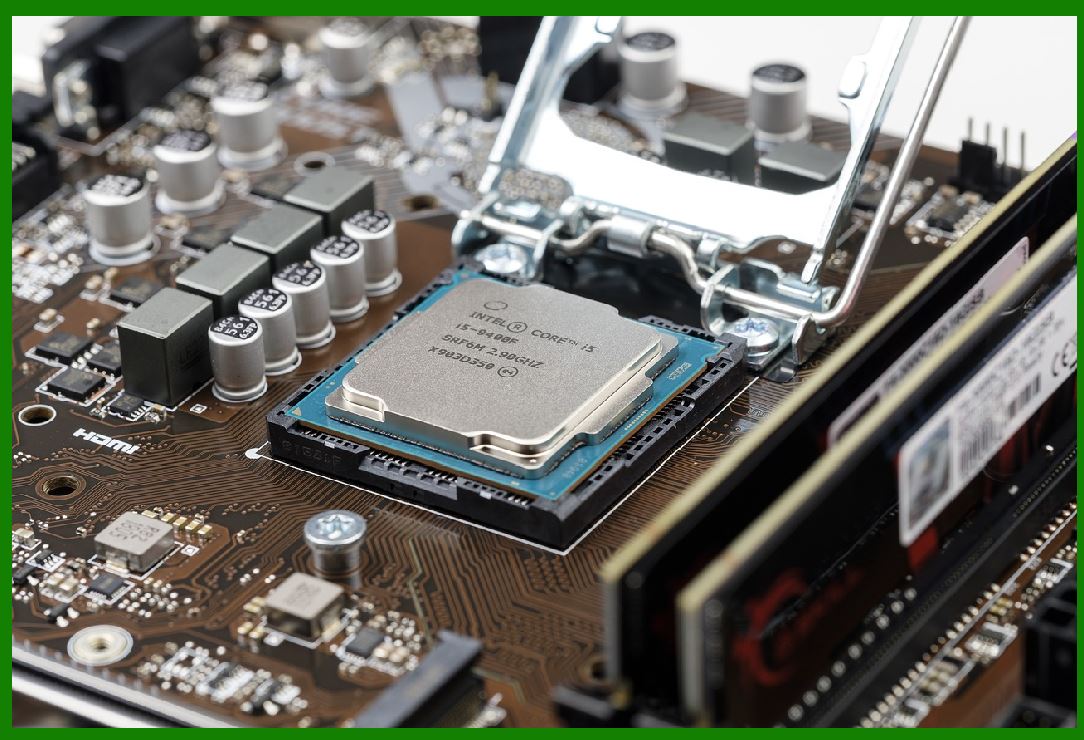
Use Reliable Charging Systems: Ensure that the power management circuit is designed with a high-quality charging IC (integrated circuit) capable of safely regulating charging voltage and current to prevent overcharging. |
Implement Battery Management Systems (BMS): The power management circuit should be equipped with a sophisticated BMS that includes protections against overvoltage, undervoltage, overcurrent, and temperature extremes. |
Regular Firmware Updates: Update the scanner's firmware to ensure that charging algorithms are optimized for battery health. |
Quality Control for Charging Accessories: Use only recommended or certified chargers and accessories that are specifically designed for the barcode scanner model. Avoid third-party, incompatible chargers that may lack built-in safety features. |
|
2. Excessive Power Consumption in Sleep/Idle Mode |
Failure Explanation: When a barcode scanner's power management circuit does not properly handle sleep or idle modes, it can lead to excessive power consumption even when the device is not in use. This can result in a much shorter battery life than expected and frequent recharging, which can disrupt operations, especially in environments where downtime is costly. |
Causes: |
Poorly implemented sleep or power-down features. |
Inadequate software or firmware that fails to enter low-power modes. |
Hardware issues, such as malfunctioning sensors or components that fail to trigger sleep mode correctly. |
How to Prevent: |
Optimize Power Management Features: The power management circuit should be designed to automatically engage sleep or low-power modes after a predetermined idle time, ensuring minimal power consumption. |
Software Optimization: Ensure that the scanner's firmware properly communicates with the power management system to trigger power-saving modes such as sleep, deep sleep, or complete shutdown when the scanner is not in use. |
Component Testing: Conduct regular testing of components (e.g., sensors, buttons, and radios) to ensure they are functioning as expected and do not prevent the device from entering low-power states. |
Energy-Efficient Components: Use low-power components, such as efficient microprocessors and wireless communication chips, that are designed to draw minimal current when idle. |

|
3. Battery Degradation and Shortened Battery Life |
Failure Explanation: Over time, batteries degrade naturally, but improper power management can accelerate this process. This can lead to significantly reduced battery capacity and shortened runtime. Common factors contributing to this issue include deep discharges, frequent overcharging, or operating the device under extreme temperature conditions. |
Causes: |
Lack of proper charging regulation (leading to overcharging). |
Frequent deep discharges where the battery is drained completely before being recharged. |
Excessive heat generated by the scanner during use or charging. |
Using batteries beyond their rated cycle life. |
How to Prevent: |
Avoid Deep Discharge Cycles: Encourage users to recharge the scanner before the battery is completely drained. Using a battery's power too far past its cutoff point can significantly reduce its overall lifespan. |
Temperature Management: Make sure the power management circuit includes thermal protection mechanisms to prevent the scanner from overheating during use or charging. |
Battery Calibration: Calibrate the battery regularly to ensure the power management system accurately estimates the remaining charge. This can prevent overcharging or undercharging scenarios. |
Cycle Management: Design the power management system to avoid frequent charge cycles that could wear down the battery. Users should be encouraged to use the scanner during peak battery charge levels (e.g., between 30% and 80% charge) to preserve battery health. |
|
4. Overheating Due to Charging Circuit Malfunction |
Failure Explanation: Overheating of the scanner can occur when the charging circuit malfunctions, which could be due to faulty thermal regulation or an inadequate heat dissipation design. Overheating can lead to several issues, including damage to the battery, power management components, and even complete failure of the scanner. In extreme cases, overheating can pose safety risks such as battery swelling or leakage. |
Causes: |
Poor heat dissipation from the power management or charging circuit. |
Inefficient charging algorithms leading to excessive power being drawn during charging. |
Faulty temperature sensors or thermal protection circuits. |
Inadequate ventilation within the scanner casing. |
How to Prevent: |
Thermal Management Design: Ensure that the power management system includes temperature monitoring and safety mechanisms that automatically shut down charging or reduce power output if temperatures exceed safe thresholds. |
Improve Heat Dissipation: Design the barcode scanner casing with materials that facilitate heat dissipation, such as metals or heat-conductive plastics, and ensure that ventilation is adequate. |
Use of Temperature Sensors: Implement temperature sensors in both the charging circuit and the battery itself to detect when the scanner or battery is reaching unsafe temperatures and trigger automatic power-down or throttling of charging speeds. |
Efficient Charging Algorithms: Optimize charging algorithms in the firmware to charge batteries at safe rates, preventing excessive current that could lead to heating. |

|
5. Faulty Power Distribution to Components |
Failure Explanation: Power distribution issues can occur when the power management circuit fails to properly regulate the voltage and current supplied to various components within the scanner. If the power is not evenly distributed, some components may receive too much power, leading to damage, while others may not get enough, leading to malfunction. |
Causes: |
Faulty voltage regulators or power distribution circuits. |
Component failures due to aging or wear and tear. |
Short circuits or power surges affecting the power supply. |
Inadequate PCB (printed circuit board) layout, causing power path imbalances. |
How to Prevent: |
Use High-Quality Voltage Regulators: Ensure that voltage regulation and power distribution circuits are made with reliable, high-quality components that can deliver stable and accurate power to all system components. |
Regular Circuit Testing: Perform periodic stress tests and electrical audits of the power management system to ensure that each component is receiving the correct voltage and current. |
Surge Protection: Include surge protection features in the power management system, such as fuses or transient voltage suppressors (TVS), to protect the circuit from power surges or spikes. |

|
6. Power Circuit Interference and Noise |
Failure Explanation: Electromagnetic interference (EMI) or noise can disrupt the functioning of the power management circuit, causing instability or failure of the scanner. This is particularly critical in environments with high electromagnetic interference, such as factories or warehouses with many other electronic devices operating. |
Causes: |
Poor PCB design that does not properly shield sensitive components. |
Inadequate filtering of electrical noise in the power circuit. |
External sources of EMI affecting the scanner's power system. |
How to Prevent: |
Proper Shielding and Grounding: Design the power management circuit with proper shielding and grounding techniques to prevent external EMI from interfering with the circuit's performance. |
Noise Filtering: Use capacitors, inductors, and other filtering components to smooth out power delivery and reduce noise. |
PCB Design Optimization: Ensure that the power traces on the PCB are designed to minimize interference, with careful separation between high-power and low-power lines. |

|
Conclusion |
Barcode scanners are vital tools in many industries, and their power management systems play a crucial role in ensuring their reliability and longevity. Common failures in these systems, such as overcharging, battery degradation, overheating, and power distribution issues, can significantly impact performance. By incorporating proper circuit design, advanced battery management systems, and reliable charging algorithms, manufacturers can mitigate these failures and enhance the scanner's operational efficiency. Regular maintenance, calibration, and user education on proper charging practices are also key to extending the lifespan of barcode scanners and ensuring uninterrupted service in demanding environments. |
|
Case Studies on Barcode Scanner Power Management Circuit Design |
Barcode scanners rely on advanced power management systems to ensure efficient energy use, longer operational life, and consistent performance. Over the years, various manufacturers and companies have developed innovative solutions to address power management challenges. Below are several case studies that illustrate different approaches to designing power management circuits for barcode scanners, focusing on issues like battery optimization, power-saving modes, charging technology, and long-term reliability. |
Case Study 1: Energy-Efficient Power Management for High-Demand Warehouse Scanners |
Company: Zebra Technologies |
Industry: Warehouse Management & Logistics |
Challenge: |
Zebra Technologies, a leading manufacturer of barcode scanners, faced a challenge in improving the battery life of its portable barcode scanners used in warehouses. Workers in large distribution centers and warehouses needed scanners that could operate continuously for long shifts without frequent recharging. Frequent charging and downtime were negatively impacting workflow and productivity. |
Solution: |
Zebra's design team developed an innovative power management system for their mobile barcode scanners that included: |
1.Low-Power Sleep Modes: |
When the scanner was idle (i.e., no scanning activity for 5-10 minutes), the power management system would automatically engage a sleep mode to reduce power consumption. The system was programmed to minimize power use by disabling non-essential components, including the display and communication modules. |
2.Battery Optimization Circuit: |
Zebra used Lithium-Polymer (Li-Po) batteries in their scanners due to their light weight and higher energy density. The power management circuit was designed to include advanced battery management features that optimized charging cycles, preventing overcharging and undercharging, which could lead to battery degradation. The scanner also featured an intelligent algorithm to detect battery health and notify the user if battery performance was degrading over time. |
3.Fast Charging and Smart Power Allocation: |
The power management system incorporated rapid charging technology, reducing downtime for workers by enabling scanners to charge up to 80% capacity in under an hour. Smart power allocation ensured that power was distributed evenly to both the scanner and wireless communication components, ensuring that the critical scanning functionality never faltered, even during power-hungry tasks. |
4.Active Power Saving Based on Task: |
The scanners included a feature that automatically reduced the power consumption of non-essential components based on the scanning task at hand. For example, when scanning barcodes from a long distance, the power management system would reduce the brightness of the display and lower the radio frequency power used for communication, extending battery life without compromising performance. |
Results: |
The scanners now lasted up to 16 hours on a single charge, ensuring continuous use during long shifts in busy warehouses. |
Users reported fewer interruptions due to dead batteries, improving operational efficiency and worker satisfaction. |
By optimizing power consumption, Zebra was able to reduce the overall cost of ownership by extending the life of the battery and reducing the frequency of replacements. |
|
Case Study 2: Wireless Charging for Retail Barcode Scanners |
Company: Honeywell International |
Industry: Retail |
Challenge: |
Honeywell developed a series of portable barcode scanners for use in retail stores. However, their primary challenge was improving user convenience and reducing downtime caused by having to plug and unplug the scanners for charging. Retail workers often left the scanners in charging docks, and this physical connection led to wear and tear on the charging ports, resulting in frequent maintenance. |
Solution: |
Honeywell's engineers developed a wireless charging system integrated with their barcode scanners, along with a highly efficient power management circuit that allowed for seamless wireless charging. Key features of this design included: |
1.Wireless Charging Technology: |
Honeywell adopted the Qi wireless charging standard, which allowed barcode scanners to charge by simply being placed on a designated charging pad. The scanners were equipped with a receiver coil and a built-in power management circuit capable of receiving power wirelessly through electromagnetic induction. |
2.Battery Management Circuit: |
The wireless charging system was designed to handle both slow and fast charging modes depending on the battery level. The power management circuit monitored the battery's state of charge (SOC) and dynamically adjusted charging power to maximize efficiency. For instance, if the battery was already above 80%, the charger would reduce the current to avoid overcharging. |
3.Heat Management During Wireless Charging: |
Wireless charging typically generates more heat than wired charging, which can degrade battery life if not properly managed. Honeywell's design included temperature sensors in both the charging pad and scanner to ensure that if the system detected overheating, charging would pause until the temperature dropped to a safe level. This thermal protection feature helped preserve battery health over time. |
4.Power Efficiency and Standby Features: |
To reduce energy waste, the wireless charging system was optimized to switch to a low-power standby mode when the scanner was fully charged. This mode would also automatically turn off if the scanner was removed from the charging pad, ensuring that energy was only consumed when necessary. |
Results: |
Wireless charging eliminated the need for physical connections, reducing wear on charging ports and improving the scanner's overall durability. |
Employees in retail environments appreciated the ease of just placing the scanners on charging stations, which boosted overall productivity. |
The scanners' batteries lasted longer, and the need for frequent maintenance or battery replacements was greatly reduced due to efficient power management and thermal protection. |
|
Case Study 3: Power-Saving Modes for Healthcare Barcode Scanners |
Company: Datalogic |
Industry: Healthcare |
Challenge: |
Datalogic developed barcode scanners specifically for use in healthcare settings, where scanners are used continuously in high-demand environments such as hospitals and pharmacies. These scanners required power systems that could last through long shifts without sacrificing performance. The primary challenge was ensuring the scanners had extended battery life without interrupting the workflow or requiring constant recharging. |
Solution: |
Datalogic implemented several power-saving features in their healthcare barcode scanners to meet the high demands of medical environments while maximizing battery life. The key features were: |
1.Advanced Power Management Algorithms: |
Datalogic's power management circuit used intelligent algorithms to regulate battery use based on the type of scanning task. For example, a barcode scanner in use for reading patient ID wristbands could reduce its display brightness and temporarily power down the communication module (Bluetooth) to save energy. |
2.Auto-Sleep and Auto-Off Modes: |
The barcode scanner featured a configurable auto-sleep mode that allowed the device to automatically enter a low-power state after a preset period of inactivity. If a longer break in activity was detected, the scanner would enter auto-off mode, ensuring the battery wasn't drained unnecessarily during long idle periods. |
3.Wireless Communication Power Management: |
Since these barcode scanners also included Bluetooth for wireless communication with hospital systems, the power management circuit included an automatic low-power Bluetooth mode that would engage when the scanner was out of range of the network. Once in range, the Bluetooth module would resume normal operation, maintaining an optimal balance between connectivity and power usage. |
4.Smart Battery Charging with Thermal Protection: |
Recognizing that healthcare environments were often subject to high temperatures (especially near medical equipment), Datalogic implemented a thermal protection feature within the charging system. This feature slowed the charging process if the scanner's temperature exceeded safe limits, thereby preventing the battery from degrading prematurely. |
Results: |
The barcode scanners now lasted up to 12 hours on a single charge, even in high-demand healthcare environments. |
Power-saving modes improved the overall efficiency of the system and extended the life of the battery by reducing unnecessary charging cycles. |
Healthcare workers reported greater ease of use, with fewer interruptions for charging during long shifts, which ultimately led to higher productivity and better patient care. |
|
Case Study 4: Optimizing Battery Life for Harsh Industrial Environments |
Company: Cognex Corporation |
Industry: Industrial Automation & Manufacturing |
Challenge: |
Cognex faced the challenge of designing barcode scanners that could operate efficiently in harsh industrial environments, such as factories and warehouses, where dust, vibrations, and extreme temperatures were common. Additionally, workers needed scanners that could last for long shifts, often exceeding 8 hours, without constant recharging. |
Solution: |
Cognex implemented several power management design strategies that addressed the specific needs of industrial environments: |
1.Industrial-Grade Li-Ion Batteries: |
The company used robust Lithium-Ion batteries with high energy density, specifically designed to withstand the harsh conditions of industrial settings. The power management system monitored the health of these batteries to ensure they were charged and discharged optimally, preventing premature wear and ensuring consistent performance over the battery's lifetime. |
2.Vibration Resistance in Power Circuitry: |
Since industrial environments are often prone to vibrations, Cognex designed the power management circuit to be vibration-resistant. The power components were securely mounted, and sensitive components such as the voltage regulators were protected to prevent failure due to shock and vibrations. |
3.Environmental Temperature Considerations: |
Cognex's scanners were equipped with thermal regulation features that adjusted the battery charging rate depending on environmental temperature. The power management system would slow down charging if the ambient temperature was too high, preventing overheating and extending battery life. Similarly, the scanner would automatically switch to a lower power mode when exposed to extremely low temperatures, which could affect battery performance. |
4.Low-Power Idle Modes: |
The scanner included an aggressive low-power idle mode that engaged after periods of inactivity, automatically powering down non-essential components such as the LED display or Bluetooth radio. This feature ensured that even during long pauses between scanning, the scanner would conserve energy and extend the operational life of the battery. |
Results: |
The scanners provided up to 14 hours of continuous scanning in industrial environments without requiring recharging, even in the most demanding conditions. |
The vibration-resistant design and temperature compensation ensured the scanners operated reliably in environments with high vibrations and fluctuating temperatures. |
Maintenance costs were reduced due to the extended life of both the battery and the scanner, and the operational efficiency of the industrial teams improved significantly. |
|
Conclusion |
The power management circuits in barcode scanners are essential for ensuring reliable, long-lasting performance, especially in demanding environments. Companies like Zebra Technologies, Honeywell, Datalogic, and Cognex have implemented innovative solutions tailored to specific industries, optimizing battery life, reducing downtime, and improving overall scanner durability. By leveraging technologies such as wireless charging, advanced battery management, intelligent power-saving modes, and environmental protection features, these companies have created barcode scanners capable of meeting the needs of industries ranging from logistics and retail to healthcare and industrial automation. These case studies illustrate how power management plays a critical role in the design and functionality of barcode scanners, driving operational efficiency, reducing maintenance costs, and enhancing user experience. |
 cs@easiersoft.com