Barcode Scanner's Integration with Robotics and Automation |
Barcode scanning technology has evolved significantly over the years and plays an integral role in various industries, particularly in the fields of robotics and automation. By enabling quick and accurate data collection, barcode scanners are key to streamlining operations, increasing productivity, and enhancing inventory management. This essay explores how barcode scanners integrate with robotics and automation in several applications, including automated warehouse operations, self-checkout systems, and autonomous vehicles. We will look into how barcode scanners improve efficiency, accuracy, and overall operational effectiveness. |
|
1. Automated Barcode Scanning in Warehouses |
1.1 Role of Barcode Scanning in Warehouse Operations |
In modern warehouses, managing inventory is a complex task that requires precision and speed. Barcode scanners have become indispensable tools in this context, enabling automated systems to manage and track goods effectively. Automated barcode scanning in warehouses is typically part of a broader robotics system that incorporates robotic arms, conveyors, and sorting machines, all of which work in tandem to perform tasks like picking, sorting, packing, and shipping. |
Robotic arms equipped with barcode scanners are deployed to identify, verify, and sort products without human intervention. These robotic systems are capable of scanning items on the fly as they move along conveyors or are positioned by other robots. The barcode scanners read the product's unique identification code, and this information is instantly transmitted to a centralized warehouse management system (WMS), which keeps track of inventory in real-time. |
1.2 Benefits of Barcode Scanning in Warehouses |
The integration of barcode scanning with robotic systems provides numerous benefits to warehouse operations. One of the primary advantages is increased accuracy. Human errors, such as misplacing inventory or scanning the wrong product, are minimized, as robots do not suffer from fatigue or distraction. Additionally, the scanning process is significantly faster compared to manual operations. Robots can scan dozens of items in the time it would take a human to scan just one, leading to faster throughput and reduced operational bottlenecks. |
Furthermore, the use of barcode scanning in automated warehouses helps enhance overall efficiency by providing real-time data that allows managers to optimize inventory management. Barcode scanners can track each item's location within the warehouse, making it easier to locate products quickly and accurately when they need to be picked or shipped. This leads to faster order fulfillment times and improved customer satisfaction. |
1.3 Automation of Inventory Management |
Robotic arms and barcode scanners also play a significant role in automating inventory audits. Periodic inventory counts, traditionally performed manually, are now automated with barcode scanning systems. Robots equipped with scanners move through the warehouse to scan barcodes on shelves, capturing data that is uploaded into the WMS for real-time stock updates. |
This process not only reduces labor costs but also increases the frequency and accuracy of inventory audits. By conducting regular scans of products as they are moved throughout the warehouse, systems can detect discrepancies between actual stock and system records, preventing stockouts or overstock situations. As a result, the warehouse can operate with higher levels of inventory accuracy and efficiency. |
|
2. Self-Checkout and Retail Automation |
2.1 Introduction to Retail Automation |
In the retail sector, barcode scanning technology is revolutionizing the way customers interact with stores. Self-checkout systems, smart kiosks, and retail automation are increasingly popular in retail environments to streamline transactions, reduce wait times, and enhance customer satisfaction. These systems are often powered by barcode scanners that allow for quick and efficient product identification. |
Self-checkout machines typically consist of a touchscreen interface, a barcode scanner, and a payment terminal. Customers can scan the barcodes of the products they wish to purchase, and the system automatically processes the prices, displays the total, and prompts for payment. The barcode scanner identifies the unique code on the product, retrieves its details from the store's database, and displays this information for the customer's review. Once payment is made, the system generates a receipt, and the transaction is complete. |
2.2 Benefits of Self-Checkout Systems |
Self-checkout systems powered by barcode scanners offer several advantages, both for retailers and customers. For retailers, these systems reduce the need for human cashiers, thus lowering labor costs. They also help alleviate long queues during peak shopping hours, improving customer satisfaction and potentially boosting sales. Customers enjoy a quicker, more efficient checkout process, allowing them to bypass long lines and finish their purchases in a matter of minutes. |
Additionally, barcode scanning in self-checkout machines helps reduce human error. Manual price entry or miscommunication of product codes by cashiers is avoided, ensuring that the correct price is charged for every item. The use of barcode scanners also enables seamless integration with loyalty programs and digital coupons, further enhancing the customer experience. |
2.3 The Role of Barcode Scanning in Loss Prevention |
One of the challenges in retail environments is preventing theft and fraud. Barcode scanners help mitigate this risk by providing a highly accurate way to track products at every stage of the shopping process. For example, self-checkout systems often incorporate security mechanisms that compare the scanned items with the items in the customer's shopping bag. If there is a mismatch between the scanned barcodes and the items in the cart, the system may alert staff, thereby preventing theft. |
Barcode scanning also plays a role in inventory management, ensuring that products are accurately tracked as they move through the store. This reduces shrinkage due to misplaced or missing products and helps retailers maintain a more accurate inventory. By having real-time data on product availability, stores can better manage stock levels and restock shelves more efficiently. |

|
3. Integration with Autonomous Vehicles (AGVs & Drones) |
3.1 The Role of Barcode Scanning in Autonomous Vehicles |
Barcode scanners are increasingly being integrated into autonomous vehicles, such as automated guided vehicles (AGVs) and drones, to enhance their operational capabilities. AGVs are typically used in warehouses, distribution centers, and manufacturing environments to transport materials and goods autonomously. Drones, on the other hand, are used for both inventory management and last-mile delivery in logistics operations. |
In the case of AGVs, barcode scanners allow these vehicles to navigate and track inventory in real-time. As an AGV moves through a warehouse or distribution center, it uses barcode scanners to identify products and their locations. These vehicles are equipped with a variety of sensors, including cameras and barcode scanners, to create a comprehensive map of the warehouse and its contents. The scanner reads the barcode on items placed along the vehicle's path or placed on shelves, and the information is transmitted to the central management system. |
3.2 Benefits of Barcode Scanning with AGVs and Drones |
Barcode scanners enable AGVs and drones to function more efficiently by allowing them to locate and track inventory with precision. In large-scale distribution centers, this capability is particularly valuable, as it ensures that AGVs can autonomously pick up, transport, and deliver the right products without human intervention. Barcode scanning enables the AGVs to verify the identity of each item, ensuring that the correct product is transported to its destination. |
The integration of barcode scanning also helps prevent errors that can arise in manual inventory handling. For instance, an AGV may need to transport an item to a particular location within a warehouse. By scanning the barcode on the item, the AGV ensures that it is carrying the correct product, reducing the likelihood of misplaced or incorrect items being delivered. |
Drones, which are increasingly used in warehouse management and delivery systems, can also benefit from barcode scanning. Drones equipped with barcode scanners can quickly identify and retrieve items in large warehouses, delivering them to the correct location. They can also scan barcodes to verify the presence and accuracy of inventory. In logistics operations, drones can carry out aerial inventory checks, scanning the barcodes of items stored on high shelves or in hard-to-reach places. This capability helps maintain inventory accuracy and improve operational efficiency. |
3.3 Autonomous Drones in Last-Mile Delivery |
In the context of last-mile delivery, barcode scanners are helping drones deliver packages with greater accuracy and efficiency. When a drone is tasked with delivering a package, it first scans the barcode on the product to ensure the correct item is loaded. During delivery, the drone can use barcode scanning to verify the recipient's identity and confirm that the package has been delivered to the right location. |
This process significantly improves delivery accuracy and customer satisfaction. With the increasing demand for faster and more reliable delivery services, drones equipped with barcode scanners are becoming a vital part of logistics networks, helping retailers and courier companies meet consumer expectations. |
|
Conclusion |
Barcode scanning technology has become an indispensable tool in the integration of robotics and automation across various industries. In warehouses, barcode scanners work in tandem with robotic arms to streamline inventory management, reduce errors, and improve operational efficiency. In the retail sector, self-checkout systems powered by barcode scanners reduce labor costs and enhance the customer experience by speeding up transactions. Furthermore, autonomous vehicles like AGVs and drones use barcode scanners to navigate warehouses and optimize inventory management, increasing the overall efficiency of supply chains. |
As technology continues to advance, the role of barcode scanners in robotics and automation is likely to expand. With increasing demand for faster, more accurate, and more efficient systems, barcode scanning will remain a critical component in the evolution of automated and autonomous systems in a variety of industries. |
|
Case Studies: Barcode Scanner Integration with Robotics and Automation |
Incorporating barcode scanning into robotics and automation systems has proven to provide remarkable improvements in operational efficiency, accuracy, and cost-effectiveness across various industries. Below are several case studies that illustrate the real-world application of barcode scanners in robotic and automated systems across diverse sectors, including warehousing, retail, and logistics. |
1. Case Study: Amazon - Robotics and Barcode Scanning in Fulfillment Centers |
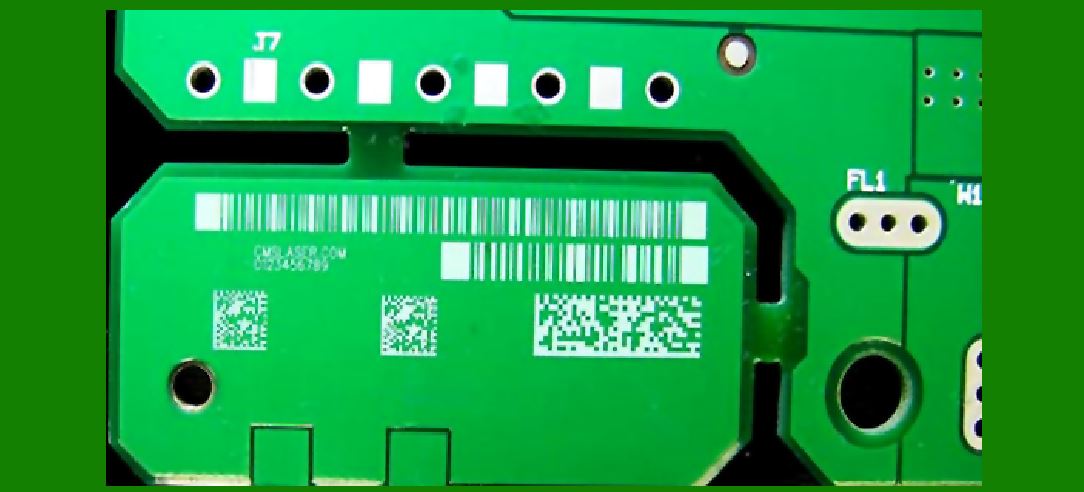
Background: Amazon, one of the largest e-commerce companies globally, has heavily invested in robotics and automation within its fulfillment centers. These centers handle millions of orders daily, and inventory management is a critical aspect of maintaining efficiency. In these operations, robots and barcode scanners are used in tandem to streamline the sorting, packing, and shipping of products. |
Solution: Amazon uses a combination of Automated Guided Vehicles (AGVs) and robotic arms to automate the picking and sorting processes. These robots are equipped with barcode scanners that allow them to identify and locate items efficiently. When a product arrives at a fulfillment center, it is placed on a shelf or rack, and its barcode is scanned into the system. From there, robots, such as Amazon's Kiva robots, navigate the warehouse, carrying shelves to human workers or robotic arms. |
The robots are equipped with barcode scanning technology to confirm product identity, track its movement through the facility, and coordinate tasks with other robots or human operators. This integration enables faster picking times, more accurate inventory control, and reduced human errors. |
Impact: |
Efficiency Increase: The barcode scanners paired with robotic systems have drastically reduced the time it takes to locate and pick products. Robots can travel across the warehouse much faster than humans, and barcode scanning allows for real-time updates to inventory. |
Inventory Accuracy: Real-time barcode scanning ensures that products are accounted for throughout the picking and packing process, leading to more accurate inventory management. |
Cost Reduction: The automation of the picking and sorting processes, powered by barcode scanners, has reduced the need for manual labor in repetitive tasks, lowering operational costs. |
Results: Amazon has reduced order fulfillment times from hours to minutes, providing faster shipping for customers. The efficiency and accuracy of barcode scanning and robotic integration have helped Amazon maintain its competitive edge in a highly demanding e-commerce landscape. |
|
2. Case Study: Walmart - Self-Checkout and Barcode Scanning in Retail Automation |
Background: Walmart, one of the world's largest retailers, is a leader in integrating automation and technology into its stores. In response to consumer demand for faster checkout processes and to reduce operational costs, Walmart has invested heavily in self-checkout kiosks, which use barcode scanners as an essential component. |
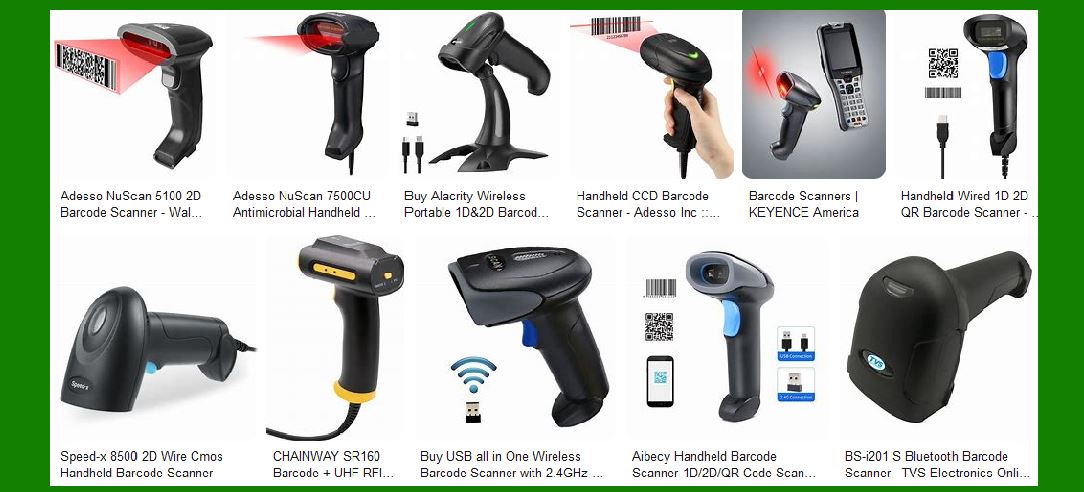
Solution: Walmart has implemented self-checkout kiosks in many of its stores, allowing customers to scan and pay for items without the assistance of a cashier. The kiosks are equipped with barcode scanners that can quickly and accurately read the barcodes on products. Customers simply place items on the scanner, and the system automatically retrieves product information and pricing from the store's database. |
Additionally, Walmart uses barcode scanning technology to enhance inventory management by integrating it into robotic systems in the store. Robots like 'Aldebaran' (also known as the 'Fast Scan' robot) roam aisles scanning shelves to track inventory levels, spot misplaced items, and detect stockouts. These robots communicate with the store's system in real-time, providing accurate updates about stock availability. |
Impact: |
Reduced Wait Times: Self-checkout systems equipped with barcode scanners help decrease long lines at traditional checkout counters, improving the overall customer experience. |
Operational Efficiency: The use of barcode scanners in self-checkout kiosks reduces the need for cashiers, cutting labor costs and increasing throughput during busy shopping hours. |
Inventory Accuracy: The robots' barcode scanning capabilities help maintain a more accurate and up-to-date inventory, minimizing stock discrepancies and optimizing shelf management. |
Results: Walmart's integration of barcode scanning in self-checkout and robotic systems has led to improved customer satisfaction, lower operational costs, and more efficient stock management. The adoption of these systems has also contributed to a more seamless in-store shopping experience, providing greater convenience for both customers and employees. |
|
3. Case Study: DHL - Barcode Scanning and Robotics in Warehouse Automation |
Background: DHL, a leading logistics company, has been actively investing in automation technologies to improve its warehouse and logistics operations. The company operates large distribution centers around the world, where managing and tracking millions of parcels is a critical task. DHL sought to enhance operational efficiency, reduce errors, and increase speed by integrating barcode scanning with robotics. |
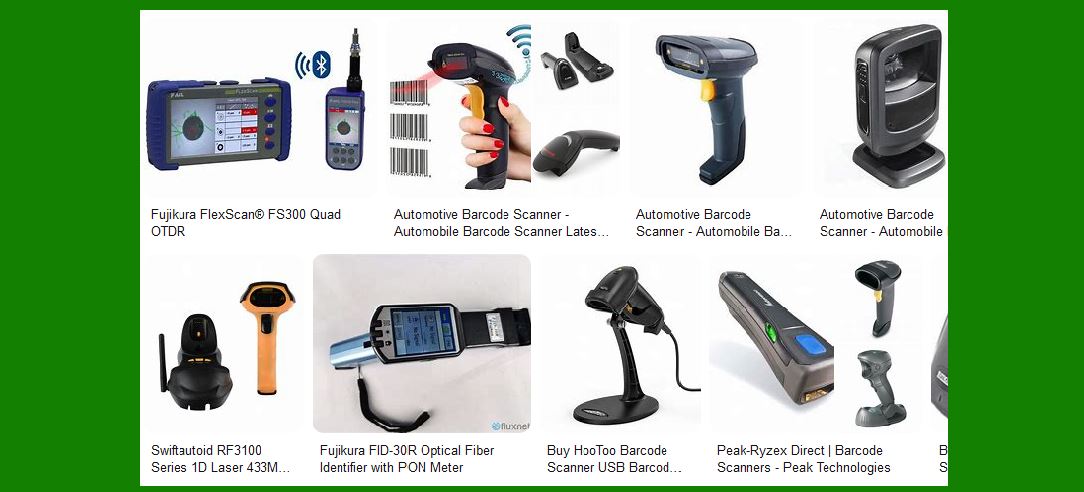
Solution: DHL has implemented a system that combines robots with barcode scanners to automate key warehouse processes. In their warehouse operations, robots such as robotic arms and AGVs work alongside barcode scanning systems to identify, track, and move goods. For example, when an AGV arrives at a storage location, it uses a barcode scanner to identify the correct package before transporting it to the next stage in the workflow. Similarly, robotic arms scan barcodes to confirm the correct product is picked and placed in shipping containers. |
The barcode scanning systems in place at DHL's warehouses help track the movement of products from receipt to dispatch. Every item scanned by a robot's barcode reader sends real-time data to the warehouse management system, updating the inventory database and helping the company maintain an up-to-date stock count. |
Impact: |
Increased Throughput: Robotic systems equipped with barcode scanners have enabled DHL to process a higher volume of packages more quickly. Automated systems can work around the clock, reducing the time it takes to prepare orders for shipment. |
Error Reduction: Barcode scanners ensure that the correct item is picked and delivered, greatly reducing human error and increasing accuracy in inventory management. |
Cost Savings: By automating the picking and sorting processes, DHL has been able to reduce labor costs, while also optimizing warehouse space and layout for improved efficiency. |
Results: The integration of barcode scanning with robotics has helped DHL achieve significant operational improvements, including faster processing times, fewer errors, and reduced operational costs. Their smart warehouses are now more efficient and scalable, enabling the company to handle a growing number of shipments with fewer resources. |
|
4. Case Study: Swisslog - Automated Warehouse with Barcode Scanners and Robotics |
Background: Swisslog, a global provider of automated material handling solutions, has been at the forefront of developing automated systems for warehouses and distribution centers. The company's focus on warehouse automation includes robotic picking systems, automated storage and retrieval systems (ASRS), and the integration of barcode scanners to streamline inventory tracking. |
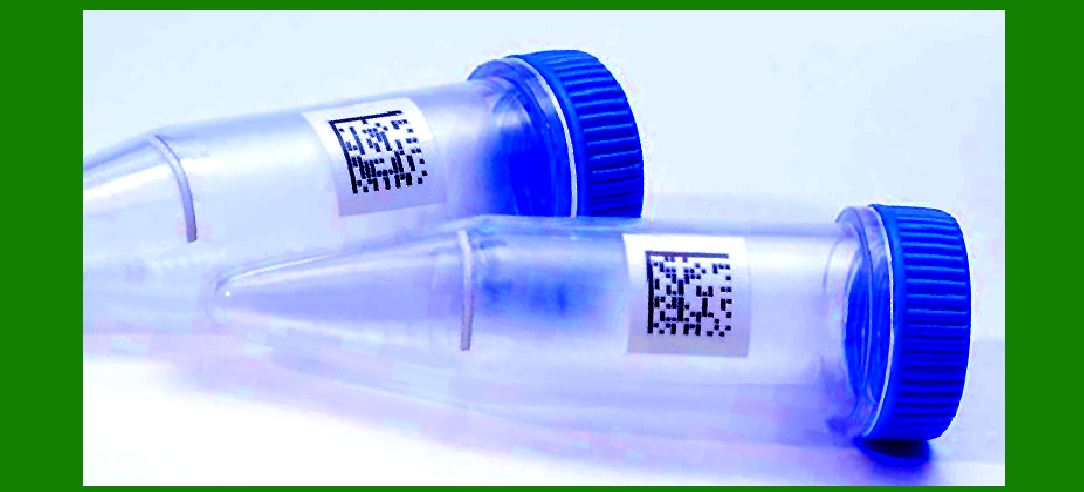
Solution: Swisslog's robotic systems integrate with barcode scanning technology to create a seamless automated workflow. Their robotic arms, conveyors, and AGVs are equipped with barcode scanners to manage inventory movement, verify product identification, and ensure correct picking. For instance, robotic arms use barcode scanners to verify the barcode of each item before it is picked from a storage location. This ensures that the correct product is being handled and reduces the chances of picking errors. |
In addition to inventory management, barcode scanning in Swisslog's systems is also used for order verification. As products are picked, the barcode scanners ensure the right items are placed in the correct orders for shipping. Once an order is packed and ready for delivery, the barcode on the shipping label is scanned to confirm its destination. |
Impact: |
Faster Order Fulfillment: With barcode scanning integrated into robotic systems, Swisslog's warehouses have become much faster in fulfilling orders, with reduced pick times and improved inventory accuracy. |
Improved Accuracy: The use of barcode scanners has drastically reduced the number of errors in order fulfillment, as items are verified at every stage of the picking process. |
Scalability: The automated system allows for greater scalability, as additional robots and barcode scanners can be easily integrated into the warehouse system as demand increases. |
Results: Swisslog has successfully created highly efficient and scalable warehouse automation systems that allow for faster, more accurate, and cost-effective operations. The integration of barcode scanning technology with robotics has allowed their clients to reduce human error, speed up order fulfillment, and lower operational costs. |
|
Conclusion |
These case studies demonstrate the significant impact that integrating barcode scanning technology with robotics and automation can have on operations across various industries. From enhancing inventory management and reducing errors in warehousing to improving the customer experience in retail, barcode scanners are playing a crucial role in driving efficiency and accuracy in automated systems. |
As companies continue to adopt and refine these technologies, the integration of barcode scanners with robotics will undoubtedly become more sophisticated, enabling even greater levels of automation and operational excellence. The future of automation and robotics in industries like logistics, retail, and warehousing is bright, and barcode scanners will remain at the core of this transformation. |
|
What challenges will it face of the Barcode Scanner's Integration with Robotics and Automation? |
While the integration of barcode scanners with robotics and automation offers significant advantages, there are several challenges that companies and industries must navigate in order to fully leverage the benefits of this technology. These challenges range from technical limitations to operational hurdles, and overcoming them requires careful planning, investment, and innovation. |
1. Technical Challenges |
1.1 Barcode Scanner Accuracy and Reliability |
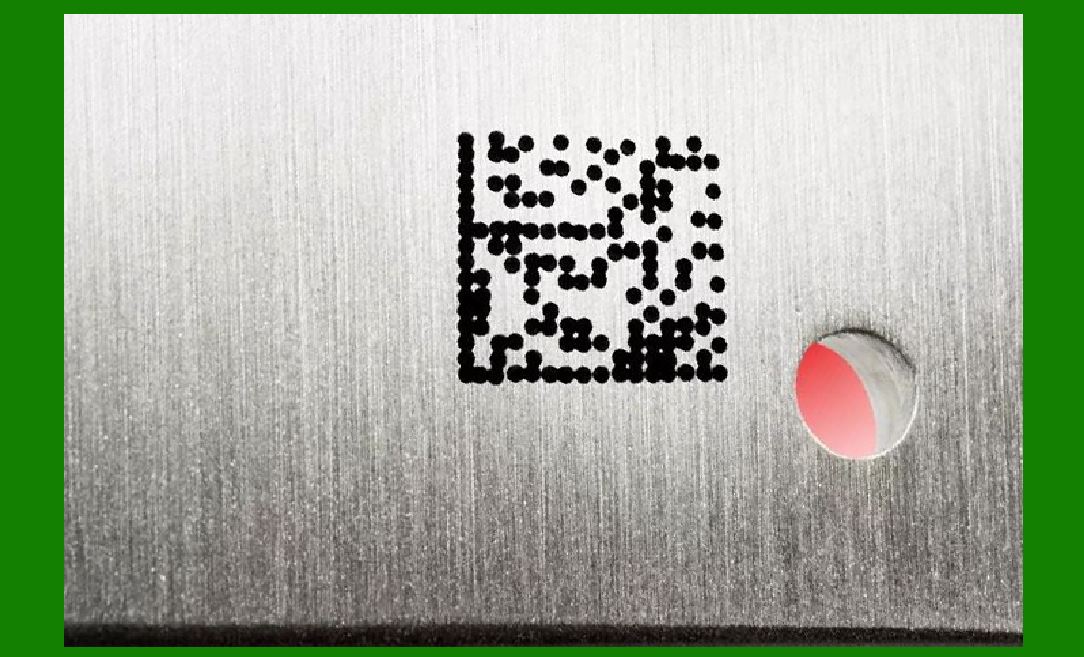
Barcode scanners, especially those used in high-speed automated environments, face challenges related to reading accuracy. In environments where robots move rapidly and items are being scanned in a dynamic setting, the barcode might not always be clearly visible or may be obscured by dirt, damage, or poor printing quality. This can result in scanning errors or the failure to read certain barcodes, leading to delays or the wrong items being processed. |
Impact: |
Error Handling: Misreads can lead to operational inefficiencies and costly errors, such as incorrect inventory counts or picking the wrong products. |
Quality Assurance: Ensuring barcode labels are consistently high-quality and scannable under various conditions is critical. |
Solution: |
Companies need to invest in high-performance, rugged barcode scanners capable of handling poor-quality barcodes or scanning barcodes from various angles and distances. Some robotic systems also incorporate AI-powered vision systems that complement barcode scanning to further enhance accuracy. |
1.2 Environmental Factors and Interference |
Barcode scanners can be affected by environmental factors such as lighting, dirt, or reflections. In warehouses or distribution centers, lighting conditions can fluctuate, leading to situations where barcode scanners may struggle to read the codes properly. Additionally, in complex environments with high-speed robots, the scanners must operate in environments with obstacles, varying product sizes, and even packaging materials that might interfere with scanning. |
Impact: |
Operational Delays: Poor lighting or environmental interference could significantly slow down the scanning process, reducing the efficiency of automated systems. |
Higher Maintenance Costs: Barcode scanners may require frequent recalibration, cleaning, or even replacement if exposed to harsh conditions over time. |
Solution: |
To mitigate these challenges, companies can use barcode scanners with advanced optical sensors that are capable of functioning well under different environmental conditions. They may also choose scanners with advanced dust-proof and waterproof designs to withstand difficult environments. |
1.3 Integration with Legacy Systems |
Integrating barcode scanning technology with existing robotics and automation systems can be a complex process, particularly for companies with older systems. Many industries still rely on legacy warehouse management systems (WMS) and manufacturing control systems that were not designed to work seamlessly with modern automation technologies. |
Impact: |
System Compatibility Issues: Older systems might not support the real-time data communication required for automated barcode scanning systems to function properly. |
High Integration Costs: Upgrading or overhauling legacy systems to accommodate barcode scanners and robotics could be costly and time-consuming. |
Solution: |
Companies may need to implement middleware or invest in software that acts as a bridge between old and new systems, allowing them to communicate effectively. Additionally, businesses might consider phased upgrades of their systems to avoid the high costs of complete system replacements. |
|
2. Operational Challenges |
2.1 High Initial Investment |
The integration of barcode scanners with robotics and automation often requires a significant initial investment in both hardware and software. This includes purchasing robotic arms, automated guided vehicles (AGVs), barcode scanners, and the necessary infrastructure to support them, such as advanced software systems for inventory management and task coordination. |
Impact: |
Capital Costs: High upfront costs can be a barrier for small and medium-sized enterprises (SMEs) looking to implement automation in their operations. |
Long ROI Cycle: Companies may face a long return on investment (ROI) period before seeing substantial savings or performance improvements. |
Solution: |
Organizations can mitigate this challenge by exploring leasing or financing options for robotics and barcode scanner systems. They can also take a phased approach to automation, starting with the most critical processes and gradually expanding as the system proves its value. |
2.2 Workforce Resistance to Automation |
Employees in sectors like warehousing, retail, and logistics may fear job displacement due to automation. Resistance from the workforce can be a significant challenge when integrating barcode scanners with robotics, especially if employees believe that robots and automated systems will replace their jobs. |
Impact: |
Reduced Employee Morale: Resistance to automation can lead to a lack of cooperation, decreased employee morale, and reluctance to learn new technologies. |
Training Costs: Overcoming this challenge requires significant investment in workforce retraining and upskilling. |
Solution: |
To address resistance, companies can prioritize clear communication with their workforce, explaining that automation is intended to enhance productivity and reduce mundane, repetitive tasks rather than replace jobs. In many cases, automation can create new roles that require employees to manage, maintain, or oversee automated systems. Upskilling and reskilling programs can also help employees adapt to the changing work environment. |
2.3 Maintenance and Downtime |
Barcode scanners and robotic systems, like all technology, require maintenance and occasional repairs. If a barcode scanner malfunctions, or if a robotic arm goes down due to a technical issue, it could result in operational delays, reducing the overall productivity of the system. |
Impact: |
Disruptions to Operations: A single malfunctioning scanner or robot can create bottlenecks in the system, which could disrupt the entire automated process. |
Maintenance Costs: Ongoing maintenance can incur additional costs, and in some cases, downtime can lead to production delays or missed delivery deadlines. |
Solution: |
To minimize downtime and maintenance issues, organizations should implement predictive maintenance techniques, using data analytics to monitor the health of barcode scanners and robotic systems. Regular maintenance schedules and investing in spare parts or backup systems can also ensure continuity in operations. |
|
3. Scalability and Adaptability |
3.1 Adapting to Changing Product Lines and Variability |
In industries such as retail or manufacturing, product lines can change frequently. New products may have different packaging, barcode formats, or labeling styles, requiring barcode scanners and robotic systems to adapt to these variations. Similarly, changes in product sizes, shapes, or weights can impact how robots interact with products. |
Impact: |
Flexibility Challenges: If barcode scanners and robotic systems are not designed to handle a wide range of product variations, the automation process could become less efficient over time. |
Increased Complexity: Maintaining the flexibility to handle a variety of products can increase the complexity of the automated system. |
Solution: |
Companies can use more advanced scanning technologies, such as 2D or 3D barcode scanners, which are capable of reading a wider range of product types and barcode formats. Robotics systems should also be adaptable, able to adjust their tasks based on new product characteristics, through software updates or reprogramming. |
3.2 Global Standardization of Barcode Formats |
Barcode formats differ between industries, regions, and even companies. A barcode scanner that is designed to read a specific type of barcode might not be compatible with others used in different contexts. For example, retail products may use UPC codes, while industrial goods might use QR codes or custom barcodes, which may not be compatible with all scanners. |
Impact: |
Compatibility Issues: Systems could encounter issues if the scanner cannot read barcodes in the required format, which could lead to delays or scanning failures. |
Increased Setup Complexity: Companies operating in global supply chains or across multiple industries may face the challenge of setting up systems that can accommodate different barcode types and standards. |
Solution: |
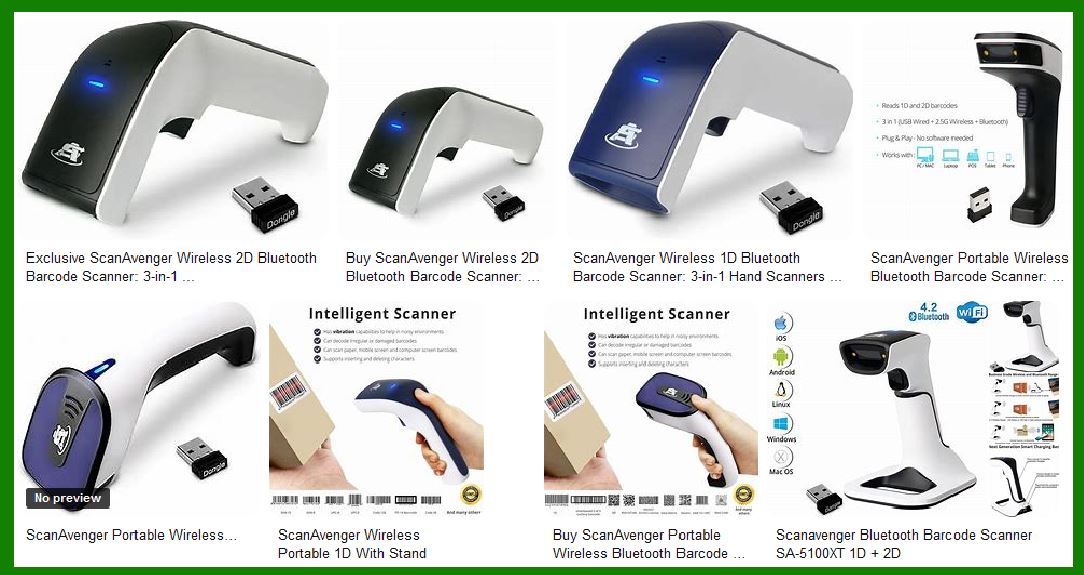
To address this issue, companies can invest in multi-format barcode scanners that are capable of reading a wide range of barcode types. Additionally, implementing standardized barcode formats across the supply chain can help ensure compatibility between different systems and regions. |
|
4. Security Concerns |
4.1 Data Security and Privacy Risks |
Automated systems that use barcode scanners for inventory tracking or transactions can expose businesses to cybersecurity risks. As barcode data is transmitted between scanners, robots, and central management systems, there is the potential for cyberattacks or data breaches that compromise sensitive information. |
Impact: |
Data Breaches: In industries like retail or healthcare, barcode data may contain sensitive customer information, inventory data, or product details that could be exploited in a cyberattack. |
Compliance Issues: Businesses must also ensure that barcode scanning systems comply with data protection regulations, such as GDPR in Europe or CCPA in California. |
Solution: |
To safeguard against cyber threats, businesses should invest in secure data transmission protocols, encryption, and network security measures. Regular audits of security protocols and employee training on cybersecurity best practices can also help mitigate risks. |
|
Conclusion |
The integration of barcode scanners with robotics and automation offers immense potential, but it also comes with its set of challenges. From technical issues like scanning accuracy and environmental factors to operational hurdles like maintenance and workforce resistance, overcoming these challenges requires a holistic approach that combines technology, process optimization, and human adaptability. Addressing these obstacles early on will be crucial for businesses to maximize the benefits of barcode scanning in automation and robotics, ensuring smoother, more efficient operations in the long term. |
 cs@easiersoft.com