1. Introduction to QR Codes |
1.1. Definition |
1.2. History and Evolution |
1.3. Importance and Applications |
2. Structure of a QR Code |
2.1. Data Encoding |
2.2. Error Correction |
2.3. Symbol Versioning |
2.4. Data Masking |

|
3. QR Code Types and Classifications |
3.1. Static vs Dynamic QR Codes |
3.2. QR Code Versions |
3.3. Error Correction Levels |
3.4. QR Code Encoding Modes |
3.5. Other Classifications |
4. Standards and Specifications |
4.1. ISO/IEC 18004:2015 |
4.2. QR Code Data Capacity and Limits |
4.3. Changes in Standards Over Time |

|
5. QR Code Applications |
5.1. Mobile Payment Systems |
5.2. Marketing and Advertising |
5.3. Inventory and Supply Chain Management |
5.4. Healthcare and Patient Management |
5.5. Authentication and Security |
6. Future Trends and Innovations in QR Codes |
6.1. Integration with Augmented Reality (AR) |
6.2. QR Codes in IoT |
6.3. Evolution of QR Code Design and Aesthetics |

|
Detailed description for each section |
1. Introduction to QR Codes |
1.1. Definition |
QR (Quick Response) Code is a two-dimensional matrix barcode, or a type of 2D barcode that can store various types of data, such as text, URLs, or other forms of information. Developed by Denso Wave, a subsidiary of Toyota, in 1994, QR Codes are used to encode data in both horizontal and vertical directions, enabling them to store much more data than traditional one-dimensional barcodes. Unlike 1D barcodes, which typically store numeric data and are read by scanners from left to right, QR Codes can be scanned from any direction (360-degree readability), which is one of the key features that enhances their utility. |
1.2. History and Evolution |
The QR Code was initially created to track automotive parts during the manufacturing process. Its inventors, Masahiro Hara and his team at Denso Wave, aimed to create a system that could encode more information than the traditional barcode systems. The first QR Codes were designed to encode information in a way that could easily be read by scanners at high speeds. Over time, the technology gained widespread adoption across various industries. |
In the 2000s, QR Codes gained global popularity with the advent of smartphones, which could easily scan these codes using built-in cameras and applications. This allowed QR Codes to be used for a variety of consumer applications, from marketing and advertisements to payments and tickets. The open standard of QR Codes and their ability to store alphanumeric data made them appealing across a wide range of applications. |
1.3. Importance and Applications |
Today, QR Codes are used extensively across industries for diverse applications. Some key areas where QR Codes have had a significant impact include: |
Marketing and Advertising: QR Codes are widely used in print ads, billboards, and product packaging to direct consumers to websites or offer special promotions. Scanning the code can open a link, provide information, or initiate a payment. |
Mobile Payments: QR Codes are a cornerstone of mobile payment systems like WeChat Pay, Alipay, and PayPal, allowing users to quickly transfer funds by scanning a code. |
Supply Chain and Inventory Management: QR Codes help streamline logistics by enabling the fast tracking of inventory and assets. |
Healthcare: QR Codes are increasingly used in patient management systems, where each patient may have a code that links to their medical records or appointment schedules. |

|
2. Structure of a QR Code |
2.1. Data Encoding |
QR Codes can encode a variety of data types, including numeric, alphanumeric, binary, and Kanji characters. The encoded data is represented in a matrix, where each black and white square corresponds to a specific bit of data. The QR Code structure consists of several components: |
Data Modules: The individual black and white squares in the grid are called modules. The presence of a black square represents a binary '1', while a white square represents a binary '0'. |
Finder Patterns: These are three large squares located at three of the four corners of the QR Code. They help the scanning device identify the QR Code and determine its orientation. |
Alignment Patterns: These smaller squares help the scanning device adjust to distortions in the QR Code, such as those that occur when the code is printed on curved surfaces. |
Timing Patterns: A row and column of alternating black and white modules that help the scanner determine the size of the QR Code grid. |
Data and Error Correction Regions: These regions hold the actual encoded data and the error correction codes that allow the QR Code to be read even if part of it is damaged or obscured. |
2.2. Error Correction |
QR Codes utilize Reed-Solomon error correction to restore lost data. This means that even if a QR Code is partially damaged or dirtied, it can still be decoded as long as enough of the code is intact. QR Codes support four levels of error correction: |
Level L: Can correct up to 7% of data errors. |
Level M: Can correct up to 15% of data errors. |
Level Q: Can correct up to 25% of data errors. |
Level H: Can correct up to 30% of data errors. |
Higher levels of error correction make the QR Code denser, meaning it stores more redundant data and can recover from more significant damage. |
2.3. Symbol Versioning |
QR Codes are available in different versions, which refer to the size of the QR Code grid. These versions range from Version 1 (21x21 modules) to Version 40 (177x177 modules). The version determines the maximum amount of data that can be encoded, with higher versions being able to store more data but requiring larger physical sizes to remain legible. |
2.4. Data Masking |
QR Codes use a process called data masking to ensure that the distribution of black and white modules is balanced. This process helps make the code easier for scanners to read by avoiding patterns that might be mistaken for noise. The QR Code standard uses several different mask patterns, and the best one is selected based on which results in the most even distribution of light and dark modules. |

|
3. QR Code Types and Classifications |
3.1. Static vs Dynamic QR Codes |
Static QR Codes: These codes are created with fixed data. Once the data is embedded in the code, it cannot be changed. Static QR Codes are commonly used in product packaging, business cards, and other applications where the information is unchanging. |
Dynamic QR Codes: These codes are designed to be editable. The information they contain can be changed after the code has been printed. Dynamic QR Codes are useful for marketing campaigns, where you may want to update the information (such as a link to a website or a promotional offer) without having to reprint the codes. |
3.2. QR Code Versions |
As mentioned earlier, QR Codes come in multiple versions, from Version 1 to Version 40. The version determines the number of modules in the grid, which affects the data capacity. Larger versions can store more data, but they require more space to be scanned correctly. |
3.3. Error Correction Levels |
QR Codes also feature four error correction levels (L, M, Q, H). This classification determines the QR Code's ability to recover lost or corrupted data, with higher levels of correction increasing data redundancy and the code's ability to withstand damage. |
3.4. QR Code Encoding Modes |
QR Codes can be encoded using various modes, depending on the type of data: |
Numeric Mode: This mode can store digits only and is the most compact encoding mode. |
Alphanumeric Mode: This mode supports a combination of numbers and letters (uppercase only) and is used for encoding more complex data. |
Byte Mode: This mode can store any type of data, including characters from different languages, special symbols, and binary data. |
Kanji Mode: This mode is used for encoding Japanese characters. |
3.5. Other Classifications |
Besides the common classifications of QR Codes (static/dynamic, different versions), there are several other types based on specific use cases: |
Micro QR Code: A smaller version of the QR Code, designed for applications where space is constrained. |
iQR Code: A higher-density 2D barcode that allows for more information to be stored in a smaller space. |
Frame QR Code: A QR Code designed for use in environments where space constraints make traditional QR Code scanning difficult. |

|
4. Standards and Specifications |
4.1. ISO/IEC 18004:2015 |
The ISO/IEC 18004 standard specifies the requirements for QR Codes, including their structure, encoding methods, and error correction capabilities. This standard ensures interoperability between QR Codes created by different manufacturers and guarantees that they can be read by scanners worldwide. |
4.2. QR Code Data Capacity and Limits |
The data capacity of a QR Code is determined by its version, the encoding mode used, and the error correction level chosen. For instance: |
Version 1 can store up to 25 characters in numeric mode or 17 characters in alphanumeric mode. |
Version 40 can store up to 7,089 numeric characters or 4,296 alphanumeric characters. |
The data capacity of a QR Code is also influenced by the amount of error correction applied; higher error correction means more redundant data, which reduces the overall capacity for the encoded information. |
4.3. Changes in Standards Over Time |
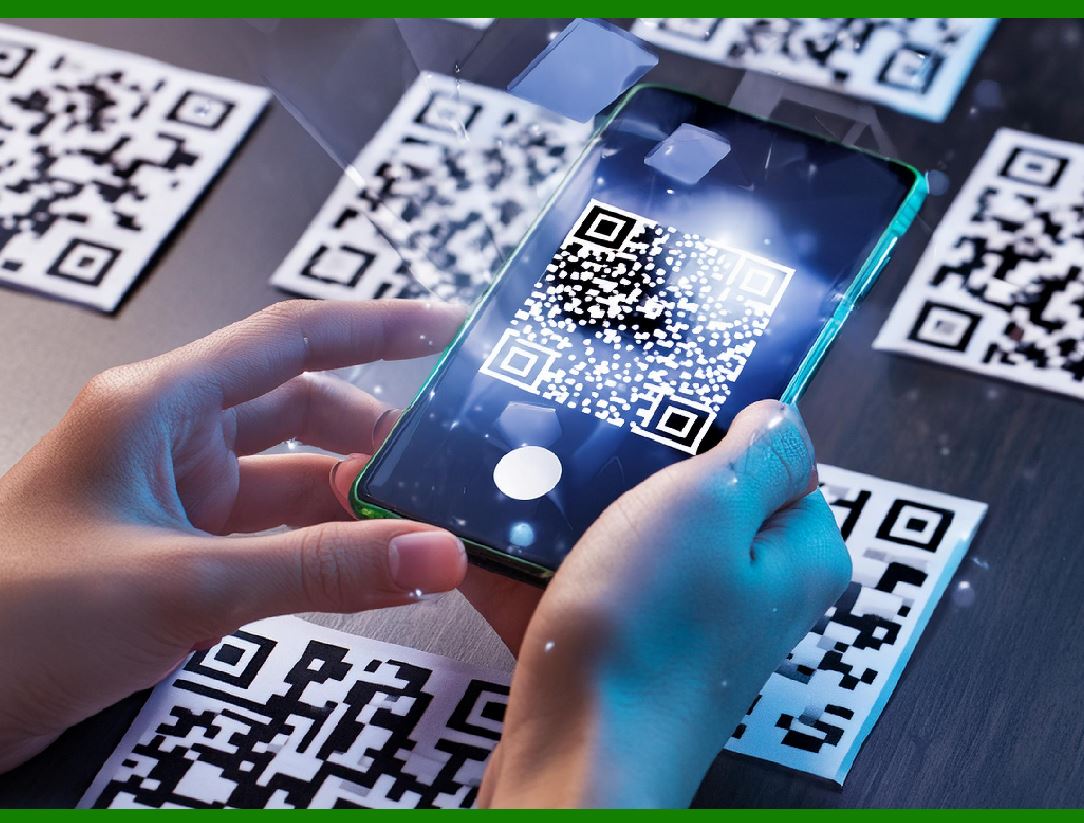
Since its creation, QR Code standards have evolved. In the early days, QR Codes were designed with simple data encoding and minimal error correction. Over time, the ISO/IEC 18004 standard has been updated to improve the encoding schemes, increase data capacity, and provide better error correction. |
|
5. QR Code Applications |
5.1. Mobile Payment Systems |
One of the most widely adopted uses for QR Codes today is mobile payment. In countries like China, QR Codes are integral to systems like WeChat Pay and Alipay, enabling quick and secure transactions. Users can scan a merchant's QR Code to pay for goods and services instantly. |
5.2. Marketing and Advertising |
QR Codes are frequently used in advertising campaigns to drive customer engagement. By scanning a QR Code, consumers can access special promotions, websites, and videos, making it a valuable tool for brands and advertisers. |
5.3. Inventory and Supply Chain Management |
In supply chain management, QR Codes are used to track the movement of goods from manufacturer to consumer. This helps improve efficiency, reduce errors, and streamline the logistics process. QR Codes are also used for asset management and inventory control. |
5.4. Healthcare and Patient Management |
In healthcare, QR Codes are used to encode patient information, medical records, and prescriptions. QR Codes can link to a patient's health history, making it easier for healthcare providers to access information during appointments or emergencies. |
5.5. Authentication and Security |
QR Codes are increasingly being used for security purposes, such as two-factor authentication and secure login systems. By scanning a code sent to a user's phone, they can access secure websites or applications. |

|
6. Future Trends and Innovations in QR Codes |
6.1. Integration with Augmented Reality (AR) |
QR Codes are starting to be integrated with AR technology to create immersive experiences. For instance, scanning a QR Code might trigger an AR overlay that shows additional information, videos, or 3D models. |
6.2. QR Codes in IoT |
As the Internet of Things (IoT) grows, QR Codes will likely play an essential role in connecting devices. For example, scanning a QR Code on a smart appliance could link it to a smartphone app for remote control. |
6.3. Evolution of QR Code Design and Aesthetics |
In the future, QR Codes might evolve in terms of aesthetics, moving from simple black-and-white patterns to more visually appealing designs. This could lead to greater adoption in areas like fashion, art, and design, where QR Codes may be integrated seamlessly into products and packaging. |
 cs@easiersoft.com