Economic Inequality and Global Disparities |
In 2024, economic inequality is a critical issue that remains at the forefront of academic and policy discussions globally. It transcends national borders, social structures, and even economic ideologies, demanding comprehensive solutions and new models of thinking. Over recent decades, inequality within both developed and developing nations has increased significantly, fueled by globalization, technological advancements, and the disruption of labor markets. While the conversation around economic inequality is not new, there has been a notable shift in the framing of the issue, with more attention placed on structural and systemic factors rather than individual ones. This shift includes the role of technology, labor markets, climate change, and international debt, each contributing to the growing divide between rich and poor, both within countries and globally. |
|
1. Understanding Economic Inequality: Structural vs. Individual Factors |
Traditionally, economic inequality has often been explained by focusing on individual characteristics, such as education, skills, work ethic, and personal choices. This perspective suggests that differences in income and wealth are a result of individual circumstances, and therefore, individuals could improve their economic standing by acquiring more education or skills. However, recent research in the field of economics has expanded the understanding of inequality to include structural and systemic factors that go beyond individual characteristics. |
1.1 Systemic Factors in Inequality |
Systemic factors encompass institutional and policy-based forces that create or perpetuate disparities. These factors can include: |
Labor market structures: The nature of employment has dramatically changed over the past few decades. In particular, the shift from manufacturing to service-based economies has created a divide between high-skill, high-wage workers and those in low-skill, low-wage jobs. Automation, globalization, and outsourcing have disproportionately affected lower-income workers. |
Education and social mobility: While education remains a key determinant of economic success, it has become less of an equalizer in recent years. High-quality education is often expensive and inaccessible to disadvantaged populations, perpetuating cycles of inequality. |
Wealth accumulation and inheritance: Wealth inequality is also shaped by the mechanisms through which wealth is passed across generations. Policies such as tax cuts for the wealthy, capital gains tax benefits, and lack of inheritance taxes in many countries have allowed the wealthiest individuals and families to amass ever-greater fortunes, contributing to a widening wealth gap. |
|
2. The Role of Technology in Economic Inequality |
2.1 Automation and AI: The New Drivers of Displacement |
The rise of artificial intelligence (AI), robotics, and automation is increasingly cited as a significant driver of economic inequality. Technological advancements have allowed companies to streamline their operations, reduce costs, and increase productivity. However, these technologies often come at the expense of lower-income, lower-skilled workers. |
Job displacement: The automation of routine tasks in manufacturing, customer service, logistics, and even some professional services is rapidly eliminating jobs that once provided stable incomes for millions of workers. For example, AI algorithms can now perform many tasks once carried out by human workers, such as customer service inquiries or data analysis, with greater efficiency and at lower costs. This has led to a reduction in the demand for human labor in certain sectors. |
Wage stagnation and job polarization: For those who are not displaced by technology, the wage growth has been stagnant in many sectors. Technological innovation has created a labor market that increasingly rewards workers with specialized, technical skills, while leaving low-skilled workers with few opportunities to earn higher wages. This 'job polarization' phenomenon, where high-wage, high-skill jobs coexist with low-wage, low-skill jobs, is contributing to a growing income divide. |
2.2 Globalization and the Shifting Nature of Work |
While automation and AI have received considerable attention, globalization also plays a critical role in exacerbating economic inequality. As companies continue to expand their reach and establish supply chains that stretch across the globe, the effects on local labor markets are profound. |
Outsourcing and offshoring: Many companies in developed nations have outsourced labor-intensive, low-wage jobs to countries with lower labor costs. While this has led to cheaper goods for consumers, it has also resulted in the loss of many manufacturing jobs in countries like the United States, the United Kingdom, and other industrialized nations. At the same time, this has contributed to the rise of a global working class in countries like China, India, and Southeast Asia, often under conditions of precarious labor, poor working conditions, and low pay. |
The gig economy: The rise of the gig economy, characterized by short-term contracts and freelance work, has further intensified inequality. Many people in low-income brackets are now relying on gig work-such as driving for ride-sharing apps, working in food delivery services, or freelance digital labor-without the protections and benefits that come with traditional full-time employment. This creates a precarious working life, with no guarantees of steady income, health benefits, or job security. Gig work also disproportionately affects younger workers and those without high levels of education, thus deepening the income divide. |
|
3. The Push for Universal Basic Income (UBI) and Labor Protection |
3.1 Universal Basic Income (UBI) |
In light of these economic disruptions, many economists and policymakers have begun advocating for new models of income redistribution, particularly the idea of Universal Basic Income (UBI). UBI proposes that governments provide all citizens with a guaranteed, unconditional income, regardless of employment status or income level. This policy aims to reduce poverty, improve economic stability, and offset the negative effects of job displacement caused by automation and globalization. |
Debates around UBI: While UBI has garnered significant support from progressive thinkers and some political leaders, it remains a highly debated issue. Proponents argue that UBI would alleviate poverty, reduce income inequality, and provide individuals with the freedom to pursue meaningful work without the pressure of financial survival. Critics, however, question its feasibility, particularly the source of funding, and whether it would undermine the incentive to work, especially in the lower-income population. |
3.2 Stronger Labor Protections |
Beyond UBI, there is growing support for stronger labor protections in both the traditional workforce and the gig economy. This includes: |
Fair wages and benefits: Advocates for labor reforms call for legislation to ensure fair wages, paid sick leave, health benefits, and job security for all workers, particularly those in gig or temporary employment. |
Collective bargaining rights: As income inequality grows, labor unions and collective bargaining have made a resurgence. Workers are increasingly turning to unions to negotiate for better working conditions, wages, and benefits, especially as employers seek to exploit the flexibility of gig and contract labor. |
Job retraining programs: To address the displacement caused by automation and globalization, many experts suggest implementing job retraining programs. These programs would help workers gain the skills needed for emerging industries, such as technology, green energy, and healthcare. |
|
4. Economic Inequality from a Global Perspective |
4.1 Debt Traps in Developing Countries |
While much of the focus on inequality has traditionally been centered on domestic issues within developed nations, there is a growing recognition of the global dimensions of economic inequality. One key issue is the growing debt burden on developing nations. These countries often find themselves trapped in cycles of debt, which can perpetuate their economic vulnerability and inequality relative to richer nations. |
Debt traps: Developing countries, particularly in Africa and Latin America, are often subject to debt traps, where they take on loans from international financial institutions or wealthier countries at high-interest rates. When these countries are unable to repay their debts, they must borrow more money to service existing debts, creating a vicious cycle that further entrenches their economic dependence. |
The role of international financial institutions: Organizations like the International Monetary Fund (IMF) and World Bank have been criticized for their role in perpetuating debt crises. While these institutions often offer loans to developing countries, they come with strict austerity conditions that can hinder economic development, exacerbate poverty, and limit government spending on vital social services like healthcare, education, and infrastructure. |
4.2 Environmental Inequality and Climate Change |
Climate change is another global challenge that is exacerbating economic inequality. The environmental impacts of climate change are disproportionately felt by poorer nations, particularly those in the Global South. These nations, which have contributed the least to greenhouse gas emissions, are the most vulnerable to the consequences of global warming, including rising sea levels, extreme weather events, crop failures, and displacement. |
Climate justice: The concept of climate justice advocates for the wealthiest nations, which have historically been the largest contributors to global emissions, to take responsibility for addressing the impacts of climate change on poorer nations. This includes providing financial and technological support to help these countries adapt to climate change and mitigate its effects. |
Resource extraction and environmental degradation: Developing countries often rely on the extraction of natural resources to fuel their economies, but this comes with significant environmental costs. Deforestation, mining, and oil drilling can lead to long-term environmental damage, which disproportionately affects local populations and further deepens their economic vulnerability. |

|
5. Conclusion: The Path Forward |
In 2024, the issue of economic inequality is complex, multifaceted, and global in scope. While traditional models of economic growth have contributed to prosperity for some, they have simultaneously entrenched inequalities both within and between nations. The rise of automation, AI, and globalization has created new challenges for workers and policymakers alike, while the global debt crisis and climate change further exacerbate the economic divide. |
Addressing these inequalities will require innovative solutions that transcend national borders and engage with the systemic factors driving disparity. Universal Basic Income, stronger labor protections, debt relief, and climate justice are all important steps toward a more equitable future. However, achieving meaningful change will require political will, international cooperation, and a recognition that economic inequality is not just an issue of individual circumstance, but a structural flaw that needs to be addressed at every level of society. |

|
Case Studies on Economic Inequality and Global Disparities |
To better understand the complexities of economic inequality and global disparities, it is useful to examine specific case studies that illustrate how these issues manifest in different contexts. These case studies focus on both domestic inequality and global inequality, demonstrating the multifaceted nature of the problem and the various factors contributing to disparities. |
1. The Rise of Inequality in the United States: Automation and Globalization |
1.1 Background |
The United States, once heralded for its robust middle class and upward social mobility, has seen a significant increase in income inequality over the last few decades. Between the 1970s and 2020s, the income share of the top 1% of earners increased from about 10% to over 20%, while wages for lower-income and middle-class workers have remained stagnant, adjusted for inflation. |
1.2 Contributing Factors |
The rise in inequality in the United States can be attributed to several key factors, including: |
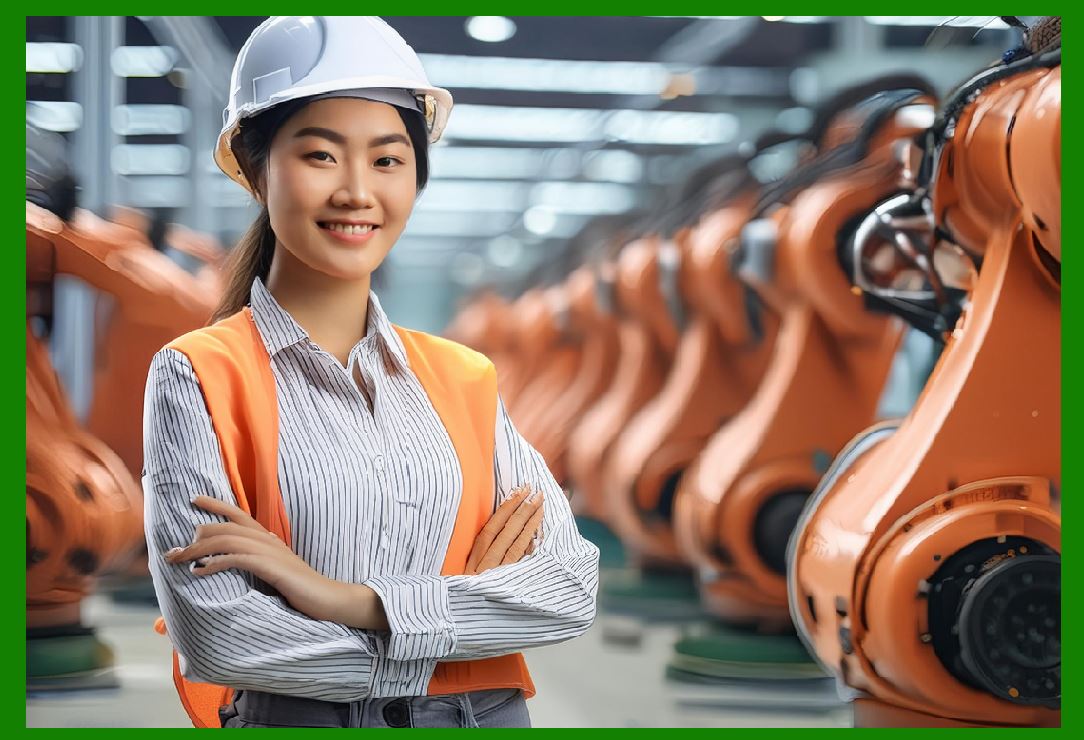
Technological Disruption: Automation and artificial intelligence have had profound effects on the U.S. labor market. Manufacturing jobs, once a major source of stable middle-class employment, have been replaced by robots and AI-driven systems. For example, in industries such as car manufacturing, robots are now capable of performing tasks that once required human labor, reducing the demand for low- and middle-skilled workers in manufacturing jobs. |
Globalization: The outsourcing of jobs to countries with lower labor costs, particularly in Asia, has also contributed to job displacement in the U.S. Manufacturing jobs, once concentrated in the American Rust Belt, were moved to places like China and Mexico, where labor is cheaper. As a result, many workers in manufacturing-heavy areas experienced job losses, wage stagnation, and economic hardship. |
Declining Labor Unions: The decline of labor unions over the last few decades has weakened the bargaining power of workers, particularly in industries like manufacturing, retail, and logistics. As unions have shrunk, wages have stagnated for many blue-collar workers, and worker benefits such as healthcare and retirement plans have diminished. |
1.3 Case Example: The Collapse of Detroit's Auto Industry |
The collapse of Detroit's auto industry serves as a stark example of how automation and globalization have contributed to income inequality in the U.S. Detroit was once known as the 'Motor City' due to its prominence in automobile manufacturing. However, the city faced dramatic economic decline in the late 20th century, largely due to the outsourcing of jobs to countries with lower labor costs and the rise of automation within factories. |
By the 1980s, Japanese car manufacturers had begun to dominate the global market, using automated processes that lowered labor costs. At the same time, U.S. auto companies moved production to Mexico and other lower-wage countries. This led to massive job losses in Detroit, where workers in the auto industry had once enjoyed stable, high-paying jobs with union protections. As a result, Detroit's once-thriving middle class was decimated, and the city has since struggled with high poverty rates, housing vacancies, and a shrinking population. |
|
2. Debt Traps and Economic Inequality in Sub-Saharan Africa |
2.1 Background |
Sub-Saharan Africa is home to some of the world's poorest countries, and many of these nations find themselves caught in cycles of debt, with rising external debts making it harder to invest in development. As of 2024, external debt in countries like Zambia, Angola, and Mozambique has reached unsustainable levels, while these nations continue to face severe social and economic challenges. |
2.2 Case Study: Zambia's Debt Crisis |
Zambia, a landlocked country in southern Africa, provides a powerful example of the effects of debt traps in the Global South. In the early 2000s, Zambia's economy grew as a result of increased copper prices. However, the country took on substantial loans from international financial institutions, including the World Bank, and private creditors to fund infrastructure projects. These loans were often granted on terms that were unfavorable to Zambia, with high-interest rates and short repayment periods. |
By 2020, Zambia found itself in a precarious financial position, unable to meet its debt obligations. This led the country to default on over $13 billion in external debt, most of which was owed to Chinese creditors, multilateral lenders, and private financial institutions. The default triggered a debt crisis that severely impacted the country's ability to provide essential public services like healthcare and education. |
2.3 Consequences for Economic Inequality |
Debt servicing: Much of Zambia's national budget was dedicated to servicing its debt, leaving limited resources for vital public services. This worsened living conditions for the population, particularly for the poor who had limited access to basic services. |
Austerity measures: To secure further loans and avoid default, the Zambian government had to agree to austerity measures imposed by international lenders. These measures included cutting social spending and reducing public sector wages, which disproportionately affected the country's poorest citizens. |
The 'Debt Trap': Zambia's experience illustrates the problem of debt traps in the Global South, where developing countries are forced to borrow to fund development projects but become mired in debt. High-interest loans often prevent countries from investing in infrastructure or social programs, exacerbating poverty and inequality. For countries like Zambia, this external debt perpetuates the cycle of inequality and hinders long-term development. |

|
3. Climate Change and Inequality: The Case of Bangladesh |
3.1 Background |
Bangladesh is one of the most vulnerable countries to the impacts of climate change. As a low-lying, densely populated nation, it faces frequent flooding, cyclones, and rising sea levels. Bangladesh's economic development has been hampered by these environmental risks, which disproportionately affect the poorest populations who have the least capacity to adapt. |
3.2 Case Study: Climate Change and Poverty in Bangladesh |
Bangladesh has long struggled with economic inequality, with large portions of its population living in poverty. However, the impacts of climate change have made it even more difficult for the poor to escape poverty. Rising sea levels have led to the salinization of agricultural land, which harms rice, shrimp, and other crops essential to the country's economy. This has had devastating effects on the rural poor, who rely on farming for their livelihoods. |
In addition to agricultural disruptions, frequent flooding and storms-exacerbated by climate change-displace millions of people each year. In the coastal regions of Bangladesh, entire communities have been forced to migrate to urban areas in search of better opportunities. However, these new migrants often end up in overcrowded slums in cities like Dhaka, where they face poor living conditions and limited access to basic services such as clean water, sanitation, and healthcare. |
3.3 Consequences for Inequality |
Exacerbated poverty: The poor are disproportionately affected by climate change, as they often lack the resources or infrastructure to protect themselves. While wealthier individuals can afford to relocate or adapt to the changing environment, the poor are forced to bear the brunt of climate-related disasters. |
Unequal access to resources: Climate change also exacerbates existing inequalities in access to resources such as food, water, and shelter. Rural communities that depend on agriculture for income have seen their livelihoods decimated by droughts, floods, and crop failures, making it more difficult to escape poverty. |
International responsibility: Bangladesh's experience highlights the importance of 'climate justice'-the idea that wealthier nations, which are the largest contributors to global emissions, have a responsibility to support poorer nations in adapting to climate change. Bangladesh has been an advocate for international climate financing to help developing countries cope with the impacts of climate change and prevent further exacerbation of inequality. |

|
4. The European Union's Struggles with Economic Inequality: The Case of Greece |
4.1 Background |
Greece has long been a member of the European Union (EU), yet it has faced significant economic challenges, particularly since the onset of the European debt crisis in 2009. As the global economy faltered, Greece's economy was severely impacted by rising debt and unemployment, exacerbating existing inequalities within the country. |
4.2 Case Study: Greece's Debt Crisis and Social Inequality |
In 2009, Greece was hit by a debt crisis triggered by the global financial crisis and its own fiscal mismanagement. In order to avoid default, Greece was forced to enter into a series of austerity measures imposed by the EU and the International Monetary Fund (IMF). These austerity measures included tax hikes, cuts to public sector wages, reductions in pensions, and cuts to social services like healthcare. |
4.3 Consequences for Inequality |
High unemployment: Unemployment in Greece reached record levels, particularly among youth. As of 2020, the youth unemployment rate stood at over 40%, contributing to increased poverty and social unrest. |
Social unrest: The harsh austerity measures led to widespread protests and strikes, with many Greeks feeling that the EU and IMF had imposed undue hardship on the population. The economic divide between the rich and the poor grew as the wealthy were better insulated from the effects of austerity, while the poor faced job losses, higher taxes, and cuts to essential services. |
Health and education disparities: Austerity measures also led to cuts in healthcare and education, further exacerbating inequality in access to basic services. The health system was underfunded, leading to shortages of medicines, medical personnel, and hospital beds. Similarly, cuts to public education meant that children in disadvantaged areas had fewer opportunities for quality schooling. |
4.4 The Long-Term Effects on Inequality |
The Greek debt crisis demonstrates how global financial systems and policies can exacerbate inequality within countries, particularly when austerity measures are imposed in times of economic hardship. While Greece's economy has slowly recovered in recent years, the long-term impacts of the crisis continue to affect its population, with many still living in poverty or facing long-term unemployment. |

|
These case studies highlight how economic inequality is driven by a range of factors-technology, globalization, debt, climate change, and global financial systems-and how these forces can create disparities both within nations and across the globe. Each case underscores the need for systemic solutions that address not only the immediate effects of inequality but also the deeper structural issues that perpetuate these disparities. |
 cs@easiersoft.com