1. Introduction to Embossing and Stamping in 3D Barcodes |
Embossing and stamping are manufacturing processes that create raised or recessed features on a material's surface. These processes are typically used in the production of tangible items such as credit cards, identification cards, and packaging materials. In the context of 3D barcodes, embossing and stamping are essential techniques to add a layer of tactile and/or visual information to the barcode itself. This innovation has made a significant impact on industries that require an additional layer of security, accessibility, or customization for barcodes. The interaction between 3D barcode technology and embossing/stamping offers new possibilities in a wide range of applications. |
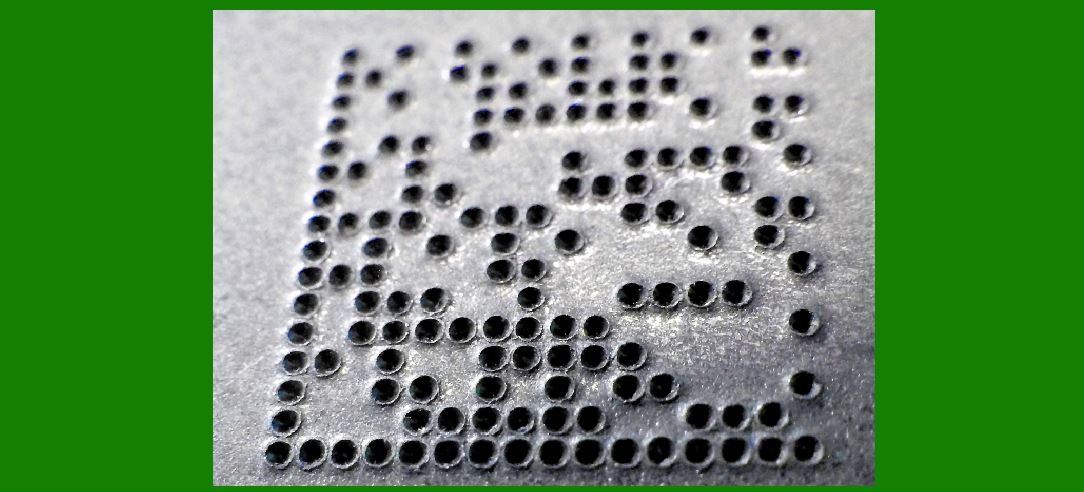
A 3D barcode, in its simplest form, refers to a barcode that encodes data in three-dimensional space. Unlike traditional 1D or 2D barcodes, 3D barcodes can store significantly more information in a physical space by utilizing depth and physical relief. These features can either be embossed (raised) or stamped (indented) into the surface of the material carrying the barcode, enhancing its usability in security, accessibility, and consumer engagement. Embossing and stamping techniques are particularly beneficial when dealing with high-volume products like credit cards or when barcodes must withstand extreme conditions or be integrated into aesthetically intricate designs. |
|
2. The Technology Behind Embossing and Stamping |
Embossing and stamping are similar processes but differ in their approach and the final result they produce. |
Embossing involves creating a raised design on a material. This is typically achieved by pressing the material between two molds, one male and one female, where the male mold pushes the design upwards to create a raised effect. Embossing is frequently used to make tactile features on items like credit cards, certificates, and packaging. |
In stamping, a pattern or image is pressed into a surface, creating an indentation or a recessed design. Unlike embossing, stamping does not raise the material's surface but instead creates a negative relief. It is often used for smaller, more precise markings or to create impressions that are intended to be read with magnification or specialized tools. |
Both processes can be applied to various materials, including plastic, metal, paper, and cardboard, among others. The choice between embossing and stamping typically depends on the desired final appearance and functional characteristics of the barcode. |
|
3. 3D Barcodes: Combining Tactile Features with Traditional Visual Data |
3D barcodes can encode data in multiple dimensions, and embossing/stamping provides a method to physically encode this data onto surfaces in a way that is tactile, visible, and sometimes even machine-readable. These barcodes can be scanned in traditional ways (e.g., using a camera or barcode reader) and also allow humans to interact with the barcode in a more direct and intuitive manner. |
The most common 3D barcodes today are designed using stacked or layered matrix formats that employ a combination of height, depth, and surface texture. When embossed or stamped onto a product, these barcodes can provide a tactile sensation that allows individuals, especially those with visual impairments, to feel and interpret the barcode's data. The data encoded in a 3D barcode could be additional information that is visually accessible, such as the product's serial number, production date, or even personalized consumer data, but it could also be more complex information designed to verify the authenticity of a product, including countermeasure data to prevent counterfeit goods. |
Embossing and stamping make these data layers accessible by adding a dimension that complements the visual aspects of the barcode. These features, when combined, provide an added layer of information that can be easily integrated into daily operations or consumer interactions. |
|
4. Applications in Security: Anti-Counterfeiting Measures |
One of the major applications of embossing and stamping in 3D barcodes is in the realm of security and anti-counterfeiting. As counterfeit products become increasingly sophisticated, companies are turning to physical methods to ensure their products' authenticity. Embossed or stamped 3D barcodes offer an effective solution for this problem because the raised or recessed features are extremely difficult to replicate using standard printing methods. Counterfeiters would require the exact same embossing or stamping tools used in the original production process, which is often a significant barrier. |
For example, in the case of a credit card, embossed features (such as the raised card number or logos) are commonly used to verify the card's authenticity. A counterfeit credit card will not possess the same tactile feel, making it easy for the cardholder or merchant to distinguish between a legitimate card and a fake. |
Similarly, product packaging that uses embossed or stamped 3D barcodes can integrate complex anti-tamper features. If the barcode includes specific tactile elements only detectable through touch or specific scanning technology, this could greatly reduce the risk of fraudulent activity. Furthermore, the additional tactile features embedded in the barcode could be utilized as part of an authentication process in logistics, where shipping personnel or customs officers may inspect physical packaging and authenticate items based on the barcode's raised elements. |
|
5. Applications in Accessibility for the Visually Impaired |
Another crucial benefit of embossing and stamping is their potential to enhance accessibility, particularly for individuals who are visually impaired. Tactile barcodes that use embossing or stamping allow those who cannot read standard printed barcodes to access the same data through touch. |
In the case of consumer products, a visually impaired person could touch an embossed barcode and immediately interpret the data encoded in the barcode, such as identifying the product, understanding its expiration date, or even accessing more detailed product information. The embossed features could be interpreted through basic tactile exploration or by using specialized tools like braille readers designed for barcode scanning. |
For instance, products such as pharmaceutical packaging can use 3D barcodes with tactile features that indicate the name of the medication, dosage instructions, or the expiry date. By incorporating tactile elements, companies can ensure that visually impaired individuals are not left at a disadvantage when trying to identify products, especially those that require careful handling or attention. |
Embossing and stamping can thus play an important role in improving quality of life for visually impaired consumers by enabling them to interact independently with a wider variety of products. |
|
6. Advantages and Challenges of Using Embossing and Stamping in 3D Barcodes |
The primary advantages of using embossing and stamping in 3D barcodes include: |
Security: As previously mentioned, embossing and stamping can significantly enhance the security of a product by adding tactile features that are difficult to replicate. This makes it easier to prevent counterfeiting. |
Accessibility: Embossed or stamped barcodes make it possible for individuals with visual impairments to access and interpret barcode data using touch. This contributes to greater inclusivity in product design. |
Durability: Embossed and stamped barcodes are typically more durable than printed barcodes, which can wear or fade over time. This makes them ideal for items that need to withstand harsh environments or extended periods of handling, such as passports, ID cards, or shipping labels. |
Customization: These techniques allow manufacturers to add customized visual or tactile elements to their products. For example, a company could emboss its logo into the barcode or add other unique design features that distinguish their product from others in the marketplace. |
However, there are also challenges associated with using embossing and stamping in 3D barcodes: |
Cost: Embossing and stamping require specialized equipment and tooling, which can increase the production costs, particularly for smaller runs of products. |
Complexity: Creating 3D barcodes that work effectively with embossing and stamping can be a complex process. Designers must ensure that the barcode remains functional and readable by both scanners and human touch, while also considering the limitations of material properties, tool precision, and durability. |
Limited Compatibility with Existing Systems: While tactile 3D barcodes are effective for certain applications, they may not be immediately compatible with older scanning systems. Specialized readers may be required to scan embossed or stamped barcodes, which could lead to increased infrastructure costs. |
|
7. Future Developments in Embossing, Stamping, and 3D Barcodes |
As barcode technologies continue to evolve, so too do the methods for embedding and integrating tactile data into 3D barcodes. Future innovations might include: |
Advanced Materials: The development of new materials that can be embossed or stamped with greater precision, while also improving the tactile and visual qualities of the barcodes. |
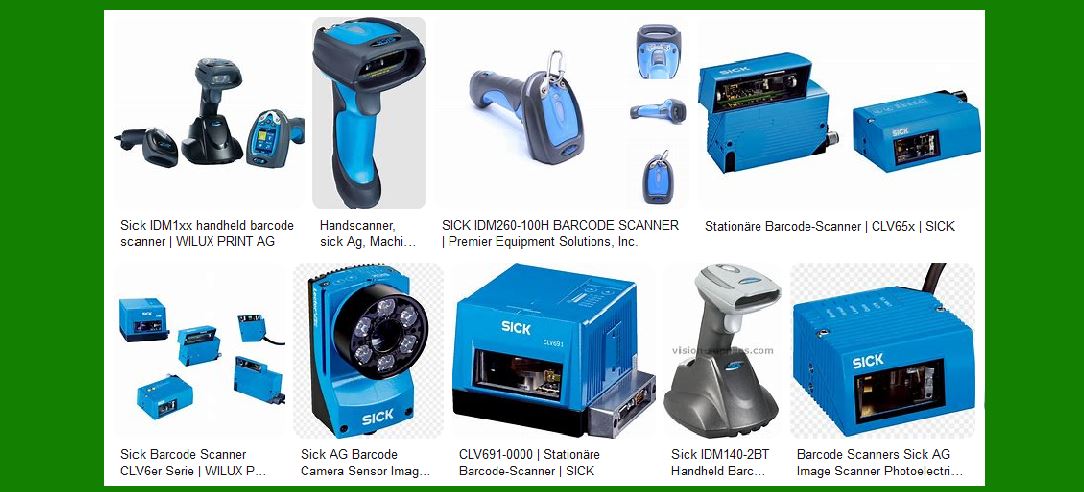
Enhanced Scanning Technologies: Innovations in scanning technology, including tactile scanning tools that can read 3D barcodes with greater accuracy, will make these barcodes more widely usable across industries. |
Integration with Other Security Features: Future 3D barcodes could integrate additional security features, such as RFID tags, cryptographic signatures, or biometric recognition to further enhance authentication processes. |
Wider Applications: As the technology matures, 3D barcodes may find broader applications beyond consumer products, including healthcare, logistics, military, and government sectors, where high security and accessibility are critical. |
|
8. Conclusion |
Embossing and stamping play an essential role in the development and application of 3D barcodes. By providing tactile features, these processes not only make barcodes more secure but also more accessible, particularly for individuals with visual impairments. The fusion of 3D barcode technology with embossing and stamping techniques offers new dimensions of functionality and opens the door to a range of applications in areas such as security, product identification, accessibility, and customization. As technological advancements continue, these methods will likely become even more integral to the barcode landscape, offering solutions that are both practical and user-centric. |
|
Some case studies of the Embossing and Stamping applications in 3D Barcodes. |
Case Study 1: Embossed Barcodes on Credit Cards for Security and Authentication |
Background: Credit card companies, particularly those offering high-security products such as platinum and gold cards, have long employed embossing to enhance the tactile experience of their products. Over the years, embossing has been used to imprint the card number, cardholder's name, and expiration date onto the surface of the card. This raised text is not just a design element, but a security feature that helps to authenticate the card and prevent counterfeiting. |
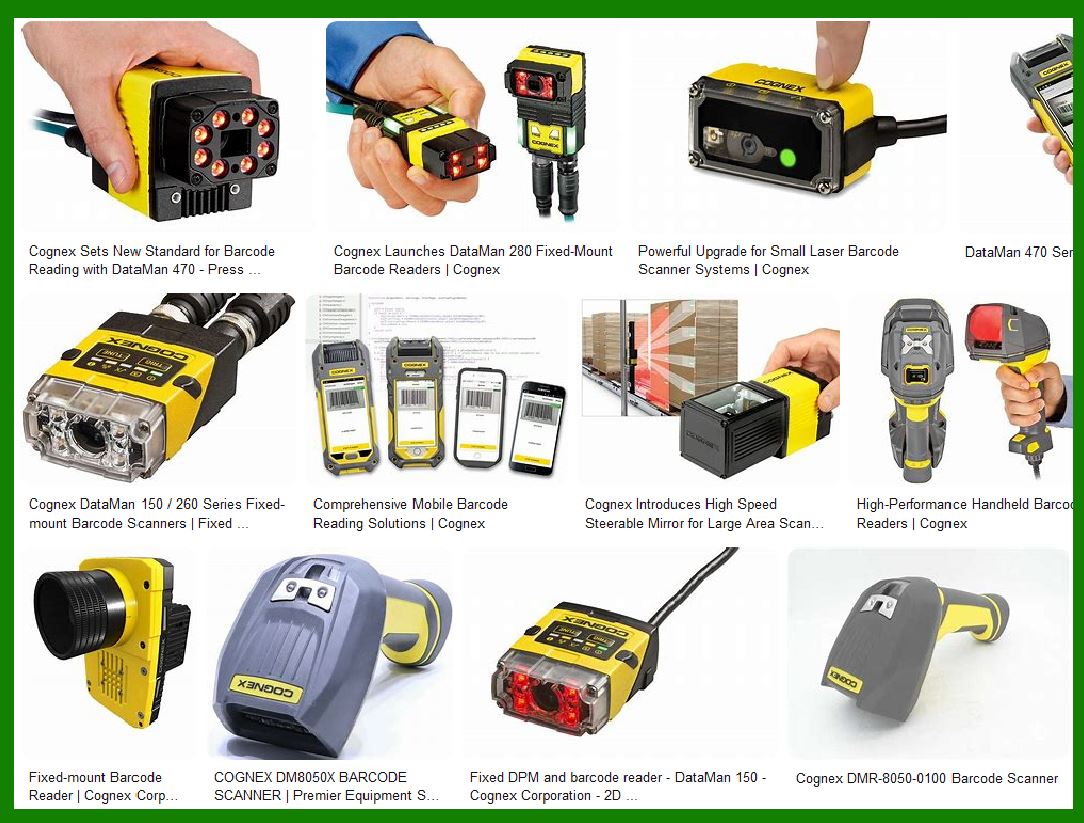
Application of 3D Barcodes: With the introduction of 3D barcodes, embossed barcodes are now being integrated into credit card designs to enhance security further. These 3D barcodes can store encrypted authentication data that is physically raised or recessed on the card's surface, making them difficult to replicate by counterfeiters. These 3D barcodes might include encrypted information about the cardholder, card usage data, or even authentication codes that are only readable via specific scanners or tactile sensing devices. |
For example, Mastercard has explored embedding raised 3D barcodes into their cards. These barcodes can be used for additional layers of security, such as preventing unauthorized transactions or facilitating secure mobile payments. The tactile nature of the raised barcode means that users can verify the card's authenticity by touch, while scanners can read the barcode to validate the card's information in real time. |
Outcomes: |
Security Improvement: The raised barcode provides an additional security layer. Counterfeiters would need advanced replication methods to accurately copy the 3D features, making it significantly harder to produce fraudulent cards. |
User Experience: Users can verify the authenticity of the card by touch alone, which can be especially helpful when traveling or in environments where visual verification might be difficult. |
|
Case Study 2: Embossed 3D Barcodes on Pharmaceutical Packaging for Anti-Counterfeiting |
Background: The pharmaceutical industry faces an ongoing battle against counterfeit drugs, which pose significant risks to consumers' health and safety. Counterfeit pharmaceutical products are often distributed through unauthorized channels, making it difficult for consumers and even healthcare providers to distinguish between genuine and fake medications. |
Application of 3D Barcodes: In response to the growing concern over counterfeit drugs, Pfizer and other pharmaceutical companies have begun experimenting with embossed 3D barcodes on medication packaging. These barcodes are integrated directly into the design of the packaging, where raised or recessed features encode critical information about the drug, including batch numbers, expiration dates, and manufacturing details. The embossed barcode might contain encrypted serial numbers, which can be cross-checked against a database to ensure authenticity. |
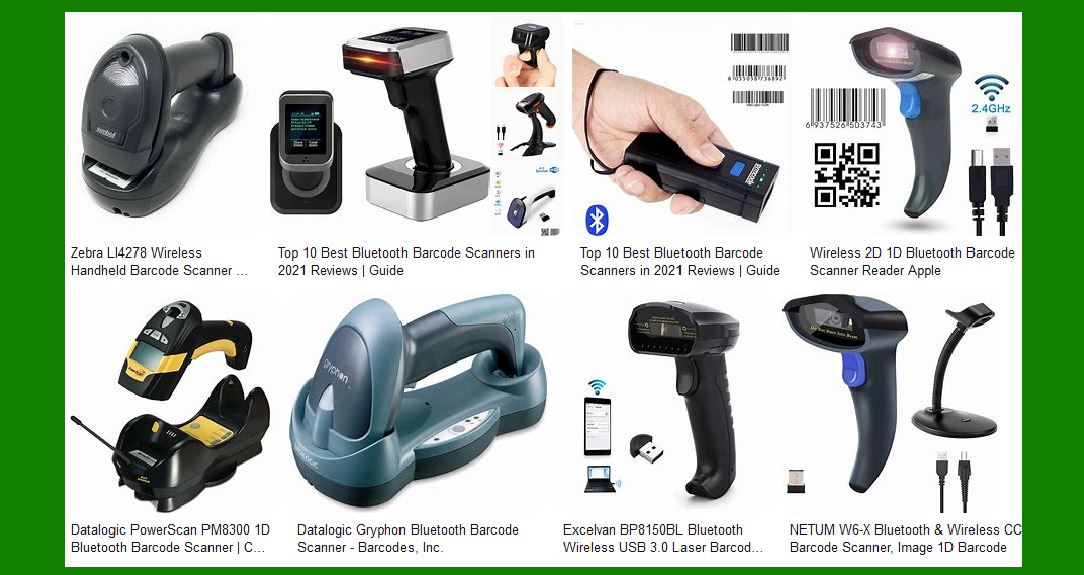
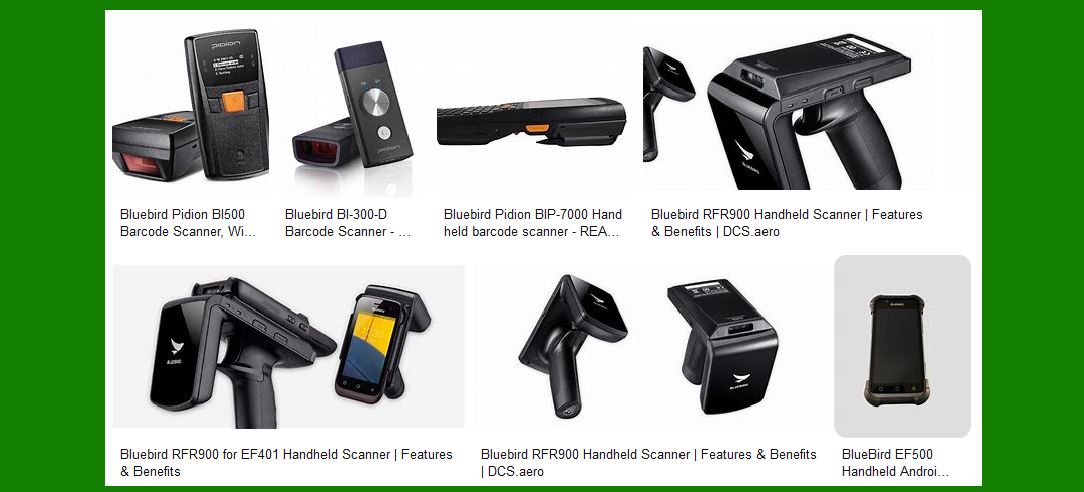
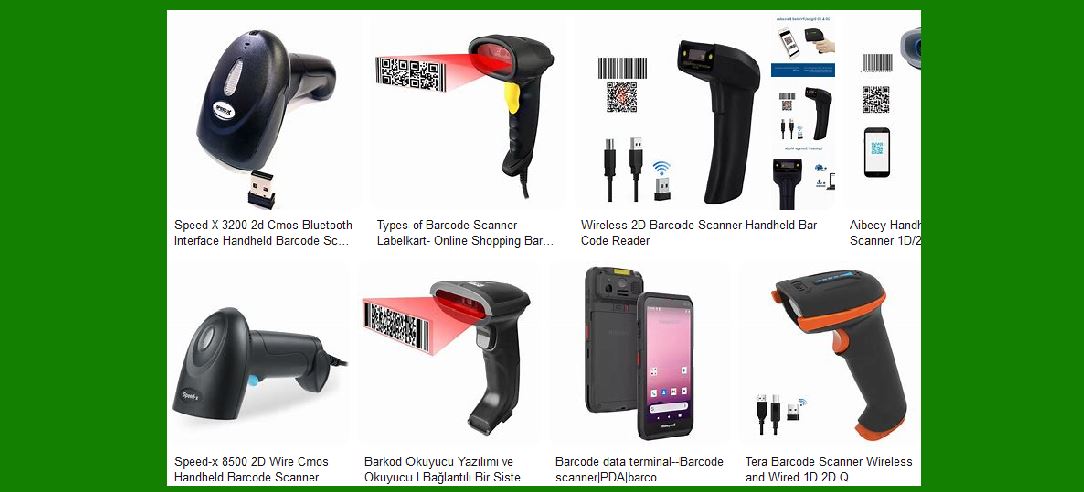
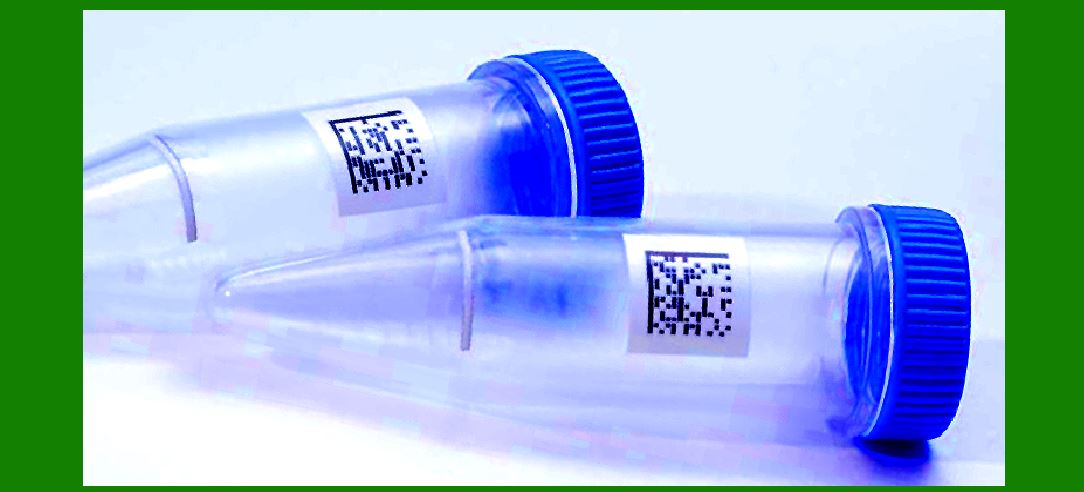
In this case, embossing is combined with traditional QR codes or Data Matrix barcodes to provide a visual element that can be scanned by consumers or pharmaceutical professionals using handheld barcode readers. The tactile elements allow visually impaired individuals to feel the barcode and access essential drug information, enhancing accessibility. |
Outcomes: |
Counterfeit Prevention: The raised barcode serves as a physical deterrent to counterfeiters. Replicating the tactile features of the barcode, particularly in mass production, is a highly complex and costly task, which discourages fraudulent reproduction. |
Consumer Confidence: Consumers can feel the raised barcode to verify the authenticity of the drug packaging, providing peace of mind that the product is genuine. |
Accessibility: The embossed barcode is particularly helpful for blind and visually impaired users, allowing them to verify the drug's authenticity and other critical information independently. |
|
Case Study 3: Embossed 3D Barcodes on Government Identification Cards for Security and Accessibility |
Background: Government-issued identification cards, such as driver's licenses or national ID cards, are often targeted for counterfeiting. To combat this, governments are increasingly adopting advanced technologies to make it more difficult for counterfeiters to duplicate these critical identification documents. |
Application of 3D Barcodes: One notable example of embossed 3D barcode technology in government ID cards comes from Singapore's national identity cards. These cards now feature a Data Matrix barcode that is both embossed and printed, enabling multiple layers of security. The raised elements of the barcode make it much harder to counterfeit, while the barcode itself contains personal information like the citizen's name, birthdate, and identification number. |
The embossed 3D barcode can also be used in combination with biometric data, such as fingerprints or iris scans, to enhance security. This integration helps reduce identity fraud and ensures that the cardholder is indeed the individual associated with the barcode's data. |
Additionally, the embossed 3D barcode allows for greater accessibility for the visually impaired. Blind or partially sighted individuals can feel the raised elements of the barcode to identify their cards easily and ensure that their information is correct. This feature also enhances user experience by allowing individuals to authenticate their ID cards by touch, which is an important accessibility improvement in a society where mobility and independence are critical. |
Outcomes: |
Security and Anti-Counterfeiting: The raised barcode feature significantly reduces the risk of fraudulent duplication of ID cards, making it a valuable tool for governments. |
Ease of Use for the Visually Impaired: The tactile nature of the embossed barcode offers greater independence to visually impaired individuals, who can verify their card information independently. |
Data Integration: The 3D barcode can store various types of data, such as biometric information or other personal details, which can be scanned for verification. |
|
Case Study 4: Stamped 3D Barcodes on Luxury Packaging for Product Authentication |
Background: The luxury goods industry is often targeted by counterfeiters due to the high value and desirability of its products. Brands such as Louis Vuitton, Rolex, and Gucci have sought innovative solutions to protect their products and ensure that customers are purchasing genuine items. |
Application of 3D Barcodes: To combat counterfeiting, many luxury goods manufacturers are incorporating stamped 3D barcodes into the packaging of their products. The barcode is typically stamped onto the packaging materials using a recessed stamping method. These barcodes can store information about the product's provenance, manufacturing details, and authenticity verification. |
For example, Louis Vuitton has experimented with embedding stamped 3D barcodes into the inner lining of handbags. These barcodes are intended to be scanned by customers or retailers for authentication purposes. The barcode could be read using a smartphone app or a specialized scanning device to verify the item's authenticity and track its movement through the supply chain. |
In some cases, the 3D barcodes are not just for authentication-they are also used for customer engagement. The stamped barcodes could unlock exclusive content, such as information about the item's design process, interviews with the creators, or a certificate of authenticity that customers can access via a mobile app. |
Outcomes: |
Brand Protection: The use of stamped 3D barcodes significantly reduces the risk of counterfeiting, as the raised or recessed features of the barcode make it difficult to replicate without sophisticated equipment. |
Consumer Engagement: The barcodes are not only used for authentication but also to engage with consumers by offering additional content, which enhances the overall customer experience. |
Sustainability: By integrating these barcodes into the packaging and using durable materials, brands are able to ensure that their security features withstand the test of time and physical handling. |
|
Case Study 5: Embossed 3D Barcodes in Automotive Spare Parts for Traceability |
Background: The automotive industry is highly reliant on maintaining the quality and safety of spare parts. Counterfeit automotive parts pose significant risks to both consumer safety and vehicle performance, making traceability and authenticity verification crucial. |
Application of 3D Barcodes: To address the issue of counterfeit parts, BMW and other automakers have begun using embossed 3D barcodes on their spare parts packaging and the parts themselves. These barcodes are embossed onto metal components or plastic housings using specialized machinery. The 3D barcode encodes crucial data, such as the part's manufacturing origin, batch number, and quality verification information. |
In addition to enhancing traceability, the raised barcode can be scanned by both visual scanners and specialized tactile scanning devices, ensuring that the part can be authenticated at various points in the supply chain, from manufacturing to retail to installation. |
Outcomes: |
Supply Chain Traceability: The use of embossed 3D barcodes allows for real-time tracking of spare parts, ensuring that every part can be traced back to its origin and verified as genuine. |
Consumer Safety: By making it difficult to counterfeit the parts, the automotive company ensures that consumers receive high-quality, safe products. |
Efficient Logistics: Scanning the 3D barcode during manufacturing, warehousing, and retail ensures a streamlined process for inventory management and quality control. |
|
Conclusion |
These case studies illustrate the wide range of applications for embossed and stamped 3D barcodes in various industries, from financial services to pharmaceuticals, luxury goods, government identification, and automotive manufacturing. Embossing and stamping offer a way to enhance security, improve accessibility, and provide unique opportunities for customer engagement. As technology continues to advance, the use of 3D barcodes in conjunction with embossing and stamping will likely expand, creating even more innovative solutions to address the challenges of counterfeiting, traceability, and consumer accessibility. |
|
Future Developments in Embossing, Stamping, and 3D Barcodes |
1. Introduction |
The field of embossing, stamping, and 3D barcodes is experiencing significant evolution, driven by innovations in materials, scanning technologies, security features, and potential applications across various industries. As industries increasingly demand higher levels of security, accessibility, and traceability, 3D barcodes that incorporate tactile and visual elements are becoming more vital. This technological progression opens up vast opportunities for embedding additional layers of data, improving scanning accuracy, and enhancing user experiences, especially for visually impaired individuals. |
In this exploration of future developments in embossing, stamping, and 3D barcodes, we will examine key areas where advancements are likely to have a transformative impact, including advanced materials, enhanced scanning technologies, integration with other security features, and the wider applications of these barcodes across various sectors. |
|
2. Advanced Materials for Embossing and Stamping 3D Barcodes |
Material innovation is a cornerstone of the future development of embossed and stamped 3D barcodes. As the demand for precise and durable barcodes increases, materials that offer better tactile feedback, higher resilience, and easier manufacturability will be critical to meeting the needs of diverse industries. |
2.1 Smart Materials and Nanotechnology |
One of the most promising areas for the future is the development of smart materials and nanotechnology that can be used to create more sophisticated 3D barcodes. These materials could offer a variety of advantages over traditional embossing methods: |
Precision and Detail: Smart materials could allow for ultra-precise embossing and stamping, enabling the production of more detailed and complex 3D barcodes. For instance, nanoscale embossing could enable the creation of micro-structures with intricate patterns that could store higher volumes of data without compromising on visual or tactile clarity. |
Self-Healing Properties: Some new materials may have self-healing properties, which could be particularly useful for maintaining the integrity of 3D barcodes on products that are subject to wear and tear, such as shipping labels or credit cards. For example, microcapsules embedded in the material could release healing agents if the barcode is scratched or damaged. |
Enhanced Durability: Polymer-based materials infused with nanomaterials could make embossed barcodes more durable, enabling them to withstand harsh environments, extreme temperatures, or exposure to chemicals. This could be especially beneficial for industries like aerospace or pharmaceuticals, where the longevity of the barcode is critical. |
2.2 Printable Materials for Flexibility |
Another key development in advanced materials is the potential for printable and flexible materials that can be embossed or stamped with 3D barcodes. These materials might be compatible with advanced printing technologies, such as 3D printing or flexographic printing, making it easier to produce customized barcodes in varying shapes and sizes. Flexible materials could be ideal for packaging or wearables where the barcode must conform to non-flat surfaces, such as bottles, clothing, or even human skin. |
Stretchable Films: Materials such as stretchable films and fabrics that can retain embossed 3D features even after significant deformation will become increasingly important. This could revolutionize applications in wearable tech or packaging that need barcodes that can stretch and move without losing readability. |
Biodegradable Plastics: With an increasing focus on sustainability, future 3D barcodes may be embossed on biodegradable plastics or other environmentally friendly materials. These materials would offer a more eco-friendly alternative to traditional plastic, aligning with global trends towards sustainability. |
|
3. Enhanced Scanning Technologies for 3D Barcodes |
As the complexity of 3D barcodes increases, so too must the technologies used to scan and interpret them. Enhanced scanning technologies are crucial to ensuring the widespread adoption of 3D barcodes across various industries, including healthcare, security, and logistics. |
3.1 Tactile Scanners |
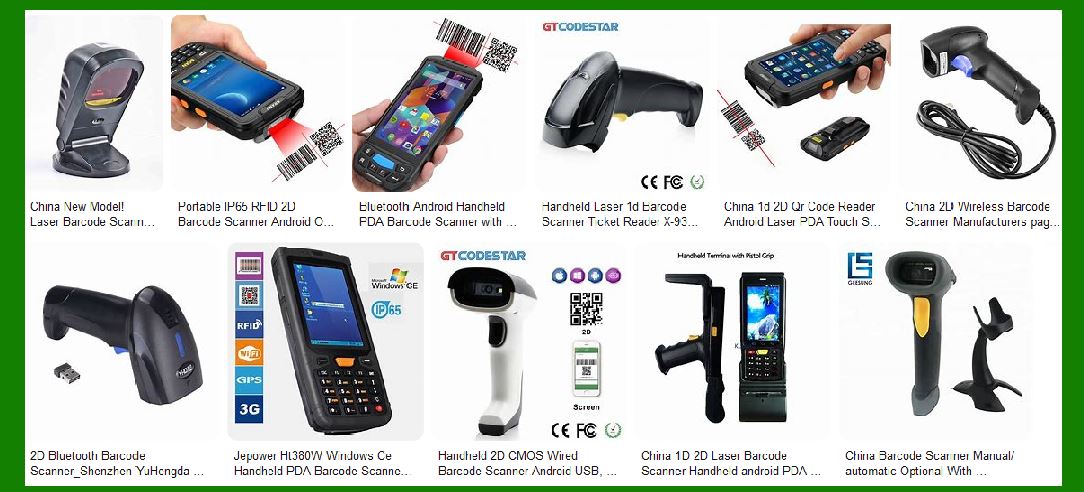
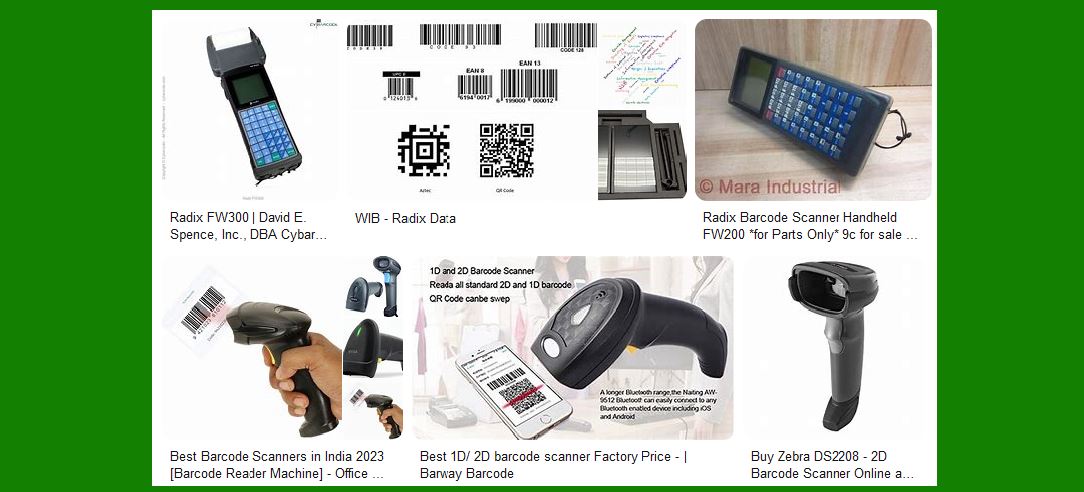
Traditional barcode scanners are designed to read 1D and 2D barcodes, which are typically printed on flat surfaces. However, 3D barcodes require scanners capable of reading raised or recessed features. Advances in tactile scanning technology will allow for more accurate and efficient reading of 3D barcodes. These scanners would be able to: |
Sense Depth and Height: The tactile scanners of the future will incorporate 3D imaging technologies that can detect the height and depth of embossed barcodes, making it easier to read barcodes embedded in materials with varying surface textures. |
Advanced Sensors: The integration of piezoelectric sensors and laser-based depth sensors will enable scanners to more accurately capture the tactile features of embossed 3D barcodes, even under challenging conditions, such as when the barcode is partially damaged or worn down. |
Integration with Touch Interfaces: Scanners might evolve to interact with touch interfaces, allowing users to simply swipe a barcode under a tactile sensor that will instantly display the encoded data on a mobile device, similar to the functionality of smartphones' touchscreens today. |
3.2 Multimodal Scanning Devices |
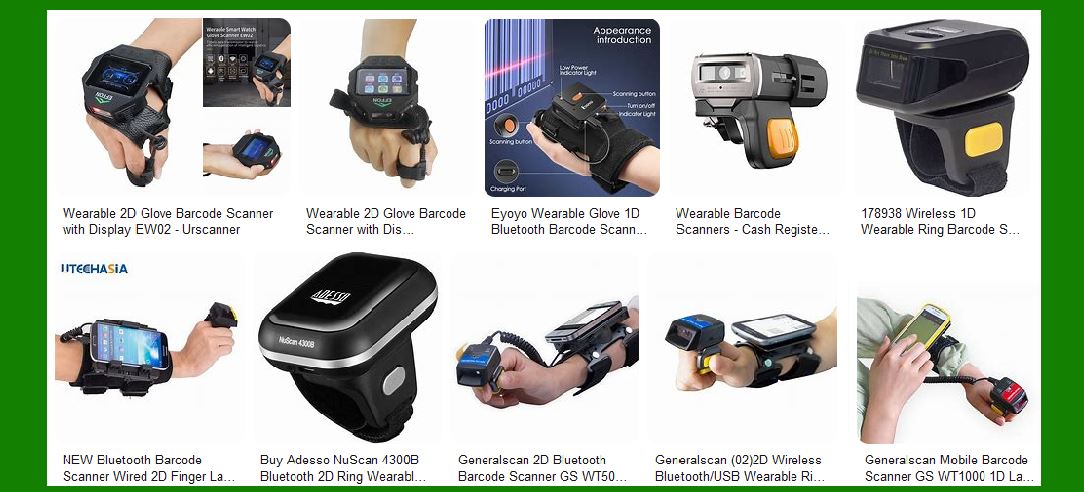
Future scanning devices will likely support multimodal scanning, meaning they will be able to read not only traditional printed 1D and 2D barcodes but also tactile 3D barcodes. These scanners would be equipped with multiple scanning technologies, such as: |
Optical Scanning: For reading the traditional visual patterns of barcodes. |
Acoustic or Haptic Feedback: For recognizing and interpreting tactile 3D features. This would make scanning a 3D barcode as seamless as reading a traditional barcode, without requiring specialized equipment. |
RFID and Near-Field Communication (NFC): In some cases, scanning devices may integrate additional technologies such as RFID or NFC, allowing users to scan 3D barcodes and retrieve relevant information stored both in the barcode itself and on RFID chips embedded in the barcode's material. |
3.3 Augmented Reality (AR) Integration |
The integration of augmented reality (AR) with 3D barcode scanning technology will enable entirely new ways of interacting with barcodes. With AR, users can point their devices at a 3D barcode and receive visual, textual, or even auditory feedback that enhances the experience. This could be especially useful in industries like logistics, where operators might scan a package to instantly visualize its shipping route or potential delays. |
|
4. Integration of Additional Security Features |
The future of 3D barcodes will not just involve advancements in material and scanning technologies but also the integration of additional security features. The incorporation of RFID, cryptographic signatures, and even biometric recognition into 3D barcodes will significantly enhance authentication processes, making them more secure and harder to counterfeit. |
4.1 RFID and 3D Barcodes |
The combination of RFID tags and embossed 3D barcodes offers an enhanced method of product authentication. RFID technology is particularly useful for enabling wireless communication and location tracking of items without needing direct line-of-sight to the barcode. By integrating RFID with tactile 3D barcodes, products can be traced not only by scanning the raised barcode but also through radio frequency identification, which adds another layer of security and traceability. |
Passive RFID Tags: These could be embedded within the 3D barcode's material, allowing for contactless scanning and inventory tracking. |
Active RFID: Active RFID chips could be used in high-value items such as luxury goods or pharmaceuticals, sending real-time location and authentication data to monitoring systems. |
4.2 Cryptographic Signatures |
Incorporating cryptographic signatures into 3D barcodes can provide a further layer of security, making it almost impossible for counterfeiters to replicate the barcodes. Each 3D barcode could be embedded with a digital signature that is unique to the product, verified using public-key cryptography. This could prevent unauthorized access to the barcode's data, making it extremely difficult for malicious actors to alter or forge information. |
For example, a blockchain-based solution could be implemented where each 3D barcode's data is recorded on a decentralized ledger, ensuring that no one can tamper with the information once it has been recorded. This would be highly beneficial for industries like pharmaceuticals, luxury goods, and high-security government applications. |
4.3 Biometric Authentication |
Incorporating biometric recognition into 3D barcodes could revolutionize industries where high security is paramount. The embossed or stamped 3D barcode could include biometric data, such as a fingerprint or iris scan, which could be used for multi-factor authentication. This would provide a way to both identify and verify the authenticity of a product while simultaneously ensuring that only authorized individuals can access certain types of data. |
Fingerprints: Could be integrated directly into the 3D barcode's surface and scanned for authentication purposes. |
Face Recognition: A future evolution might involve embedding face recognition data in the barcode itself, which could be linked to a central database to verify the identity of individuals at critical access points. |
|
5. Wider Applications of 3D Barcodes Across Industries |
As 3D barcode technology advances, its potential applications will expand well beyond traditional consumer products. Several key sectors are likely to benefit significantly from the integration of embossed or stamped 3D barcodes: |
5.1 Healthcare |
In healthcare, 3D barcodes will play a pivotal role in improving patient safety, drug traceability, and medical device management. Future healthcare applications could include: |
Patient Identification: Embossed 3D barcodes could be used on patient wristbands, containing detailed medical histories, medication schedules, and allergy information, which can be scanned for real-time access by healthcare professionals. |
Pharmaceutical Traceability: 3D barcodes integrated with RFID tags could track the journey of pharmaceutical products through the supply chain, ensuring their authenticity and reducing the risk of counterfeit drugs entering the market. |
5.2 Logistics and Supply Chain Management |
3D barcodes will become increasingly vital in the logistics sector, especially for inventory management, tracking, and authentication of goods. These barcodes will make it easier for businesses to track shipments, verify the authenticity of parts or products, and ensure that they comply with regulatory standards. The integration of RFID and tactile scanning technologies could also allow for hands-free tracking, significantly improving efficiency in warehouse operations. |
5.3 Military and Government Applications |
In the military and government sectors, 3D barcodes will be used to enhance security, traceability, and access control. For example: |
Military Equipment Tracking: 3D barcodes could be embedded in weapons or critical equipment, offering real-time location tracking and authentication. |
Government Identification: National IDs, passports, and other government-issued credentials could incorporate 3D barcodes for heightened security and fraud prevention. |
5.4 Consumer Goods and Retail |
3D barcodes will also find wide applications in consumer goods and retail environments. These barcodes will not only serve as security features but also as an interactive element for consumers. For instance, embossed 3D barcodes on luxury products could contain product provenance information, as well as exclusive content, discounts, or rewards. |
|
6. Conclusion |
The future of embossing, stamping, and 3D barcodes promises to bring about revolutionary changes across industries. Through advancements in materials, scanning technologies, and security features, 3D barcodes will evolve into highly sophisticated tools for authentication, traceability, and consumer engagement. As these technologies mature, they will not only meet the growing demands of industries like pharmaceuticals, logistics, and consumer goods but also provide more robust solutions for accessibility and sustainability. The wide-reaching potential of these barcodes makes them an integral part of the future of secure and intelligent data management. |
 cs@easiersoft.com