1. Introduction to Passive RFID Tags |
Passive RFID (Radio Frequency Identification) tags are a core component in modern tracking, identification, and inventory management systems. They are used in a wide array of applications, including logistics, supply chain management, asset tracking, and even in some consumer products. Unlike active RFID tags, which have an internal power source like a battery, passive RFID tags rely on the energy they receive from an external RFID reader to operate. This means that they have no internal power source and must depend entirely on the radio waves emitted by the reader to transmit their data. The simplicity of this design results in lower costs, increased durability, and long-term reliability, making passive RFID tags an ideal solution for many businesses and industries. |
|
2. Basic Components and Structure of Passive RFID Tags |
A passive RFID tag typically consists of three primary components: the chip, the antenna, and the substrate. |
1.The Chip (IC - Integrated Circuit): This is the brain of the RFID tag. It stores the tag's unique identification number (UID) and any additional data that needs to be transmitted. The chip is responsible for modulating the signals received from the RFID reader and sending back the appropriate response. Passive RFID chips are generally very small and inexpensive, and their capacity is limited when compared to active RFID tags, but they can still store several kilobytes of data, which is sufficient for most tracking applications. |
2.The Antenna: The antenna is designed to capture the energy from the RFID reader's radio waves. It also sends the signal back to the reader after the chip processes the energy. The antenna is typically made of thin copper or aluminum wires or printed onto a flexible substrate. The design and size of the antenna directly affect the tag's range and performance. Common types of antenna designs include dipole antennas, loop antennas, and patch antennas, each with different characteristics to suit various use cases. |
3.The Substrate: The substrate is the material onto which the chip and antenna are mounted. This is usually a thin, flexible, and durable material like plastic, paper, or ceramic. The substrate ensures that the RFID tag maintains its shape and structure and can be affixed to different objects, such as pallets, items, or even clothing. |
|
3. How Passive RFID Tags Work |
The operation of a passive RFID tag is based on the principle of electromagnetic induction. When an RFID reader sends out a signal, it emits a radio frequency wave, typically in the UHF (Ultra High Frequency) or HF (High Frequency) range. This signal travels through the air and is absorbed by the antenna of the passive RFID tag. The energy from the radio waves is captured by the antenna, which then powers the chip inside the tag. |
Once the chip is powered, it processes the signal, activates the stored data, and sends this information back to the RFID reader. This process happens in a split second, and the tag transmits the data by modulating the reflected electromagnetic wave back to the reader. Importantly, since the tag does not have a battery, it can only respond when the reader is actively emitting a signal. |
This back-and-forth communication is typically very short-range, often between a few inches to several meters, depending on the frequency of operation and the power of the reader. This limitation is what distinguishes passive RFID tags from their active counterparts, which can transmit data over much longer distances due to their internal power sources. |
|
4. Types of Passive RFID Tags |
There are two main types of passive RFID tags: LF (Low Frequency) and UHF (Ultra High Frequency). Each type operates within different frequency ranges, and this affects the performance, range, and applications of the tags. |
1.LF RFID Tags (Low Frequency): These tags typically operate within the 125 kHz to 134 kHz frequency range. LF RFID systems have shorter read ranges, usually less than 10 centimeters (about 4 inches), but they have excellent tolerance to environmental factors like moisture, metal interference, and other obstructions. This makes them ideal for applications where the tag will be in close proximity to liquids or metals, such as animal tracking, access control, and asset management in harsh environments. |
2.HF RFID Tags (High Frequency): These tags operate in the 13.56 MHz range. They typically have a read range of about 10 cm to 1 meter, which is sufficient for many types of identification and tracking applications. HF tags are widely used in access control, library systems, contactless payment systems, and ticketing applications. These tags also have the advantage of being able to support more data storage and higher data transfer rates than LF RFID tags. |
3.UHF RFID Tags (Ultra High Frequency): UHF RFID tags operate in the 860 MHz to 960 MHz frequency range, which offers significantly greater read range compared to LF and HF tags. UHF tags can typically be read from several meters to over 20 meters, depending on the power of the reader and environmental conditions. They are used in applications such as inventory management, supply chain tracking, asset tracking, and even vehicle tracking. UHF tags are more sensitive to interference from metal and water, which can degrade their performance, but their long-range capabilities make them popular for large-scale operations. |
4.Microwave RFID Tags: Though less common than LF, HF, or UHF, microwave RFID tags operate at frequencies above 2.45 GHz. They are used for highly specific applications, often where the need for ultra-fast data transmission is a priority, but their range and reliability are more limited by environmental factors. |

|
5. Advantages of Passive RFID Tags |
Passive RFID tags offer several key benefits, making them a popular choice in various industries: |
1.Cost-Effectiveness: Since passive RFID tags do not require an internal power source, they are much less expensive to produce than active RFID tags, which require a battery. This makes them an attractive option for businesses that need to deploy large numbers of RFID tags for inventory management or asset tracking. |
2.Long Lifespan: Without the need for a battery, passive RFID tags have a longer operational lifespan than active RFID tags. They can last for many years (often over 10 years) without any degradation in performance. This makes them ideal for long-term tracking applications where the cost of replacing a battery would be prohibitive. |
3.Smaller and Lighter Design: Passive RFID tags can be made very small and lightweight. Their compact design makes them suitable for a wide range of applications, even where space is at a premium. This also means they can be embedded in or affixed to a wide variety of objects, from clothing to small packages. |
4.Reliability and Durability: Passive RFID tags are generally more durable than active tags because they do not rely on battery-powered components that could fail over time. They are often encased in materials that protect them from environmental conditions, making them resistant to wear and tear. Some passive tags are designed to withstand exposure to extreme temperatures, humidity, chemicals, and physical impacts, which is especially useful in industrial and outdoor settings. |
5.Security and Privacy: Passive RFID tags can be designed with built-in security features, such as encryption and authentication mechanisms, to ensure that only authorized readers can access the data stored on the tag. Because passive RFID tags do not emit a signal unless activated by a reader, they can also offer a level of privacy by reducing the risk of unauthorized reading. |

|
6. Limitations of Passive RFID Tags |
While passive RFID tags are highly beneficial, they come with certain limitations, especially when compared to active RFID tags. |
1.Limited Range: The read range of passive RFID tags is generally much shorter than that of active RFID tags. This is because passive tags rely entirely on the energy provided by the RFID reader to power the chip and transmit data. The power available from the reader's signal decreases with distance, which limits the effective range of passive tags. |
2.Susceptibility to Interference: Passive RFID tags can be susceptible to interference from metal surfaces, liquids, and other environmental factors that absorb or reflect radio waves. This can reduce the effectiveness of passive RFID tags in certain environments, such as warehouses with large amounts of metal shelving or environments with a lot of water (e.g., refrigerated areas). |
3.Limited Data Storage and Processing: Passive RFID tags typically have much less storage capacity than active RFID tags. While they can store a unique identifier and some additional data (such as a product number or manufacturing date), they are not suitable for applications that require storing large amounts of information. This makes them unsuitable for applications such as medical equipment tracking, where detailed data needs to be stored on the tag itself. |
4.Dependency on Reader Power: Since passive RFID tags draw their power from the reader, their functionality is directly linked to the power of the reader. If the reader's signal is weak or if the tag is out of range, the tag will not be able to transmit its data. This is in contrast to active RFID tags, which can still transmit data independently of the reader's signal, as they have their own power source. |

|
7. Applications of Passive RFID Tags |
Despite their limitations, passive RFID tags are widely used in various industries, thanks to their cost-effectiveness, reliability, and versatility. Here are some common applications: |
1.Inventory Management: Passive RFID tags are extensively used in retail and logistics to track inventory. By attaching RFID tags to products, companies can monitor stock levels in real-time, reduce errors, and streamline the supply chain. RFID readers placed at various points along the supply chain or within a store can automatically update inventory levels and identify stock discrepancies. |
2.Asset Tracking: Passive RFID tags are also used for tracking valuable assets, such as tools, equipment, or vehicles. In a large warehouse, for example, each asset can be tagged with a passive RFID label, making it easy to locate the asset when needed and monitor its movement across different locations. |
3.Access Control: Passive RFID tags are commonly used in access control systems, such as those found in office buildings or parking garages. Employees or authorized personnel can carry RFID-enabled badges or key fobs that allow them to gain access to restricted areas simply by passing near a reader. |
4.Supply Chain Management: Passive RFID tags are used to track goods as they move through the supply chain. From the point of manufacture to distribution centers to the final customer, passive RFID tags provide real-time visibility of inventory and shipments, enabling businesses to optimize their logistics operations. |
5.Libraries and Asset Tracking in Healthcare: Passive RFID tags are increasingly being used in libraries to track books and media. Similarly, in healthcare settings, RFID tags can help track medical equipment and supplies, ensuring that items are accounted for and available when needed. |
|
8. Conclusion |
Passive RFID tags have become an indispensable tool in a variety of industries due to their low cost, durability, and ease of integration. Their ability to operate without an internal power source provides distinct advantages, such as a longer lifespan and reduced maintenance costs. However, their limited range and susceptibility to interference make them less suited for certain environments and applications. Understanding their strengths and limitations is key to leveraging passive RFID technology for efficient asset and inventory management, tracking, and identification. As the technology continues to evolve, it is likely that passive RFID will see even more widespread adoption across industries worldwide. |

|
The manufacturing technology and main manufacturers of this Passive RFID Tags. |
1. Introduction to Manufacturing Technology for Passive RFID Tags |
The manufacturing process of passive RFID tags is a sophisticated blend of electronics, material science, and mass production techniques. The manufacturing of passive RFID tags involves the integration of several components, including the chip (integrated circuit or IC), antenna, and substrate, each of which requires specialized techniques. These tags need to be produced in large volumes while maintaining consistency and reliability, as they are typically used in high-volume applications like inventory management, asset tracking, and logistics. |
The process involves multiple stages, each critical to ensuring the final product's quality, durability, and cost-effectiveness. The key steps in the manufacturing of passive RFID tags can be broken down into the following: |

|
2. Key Components of Passive RFID Tags |
To understand the manufacturing process, it's essential to review the key components of a passive RFID tag: |
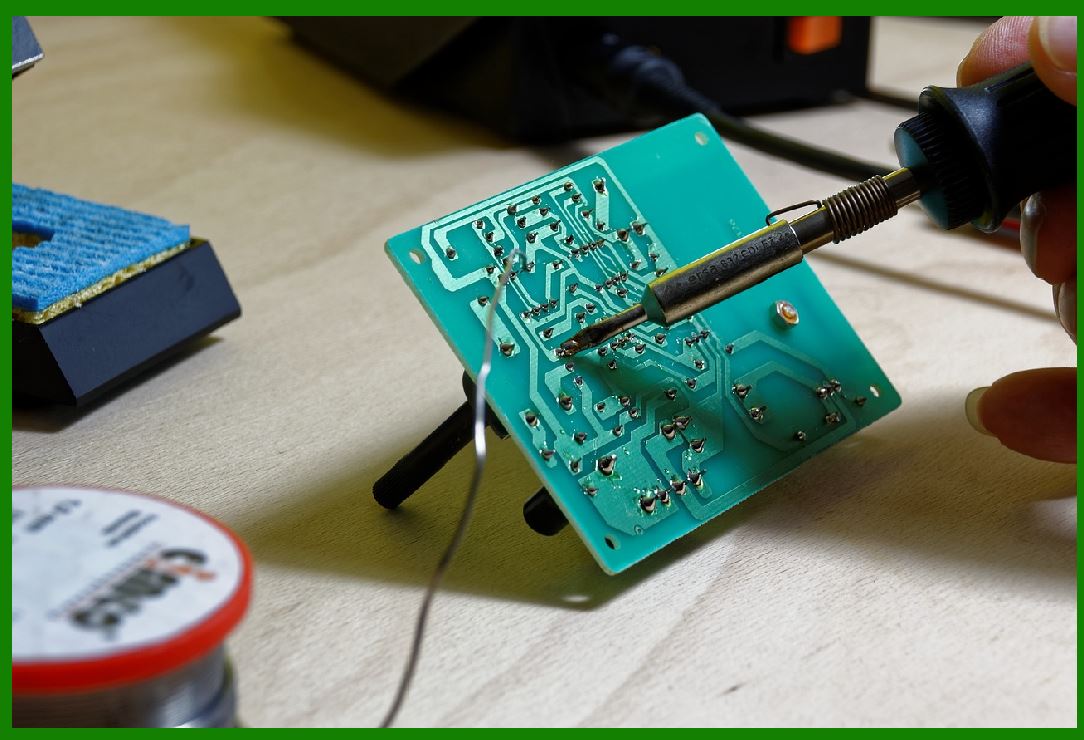
1.Chip (Integrated Circuit, IC): The chip, or integrated circuit, is the most critical element in a passive RFID tag. It is responsible for storing the tag's unique identifier and any additional data that needs to be transmitted. The chip also modulates the signal to communicate with the reader. RFID chips are typically produced using semiconductor fabrication processes, similar to those used in manufacturing microchips for computers and smartphones. |
2.Antenna: The antenna is the component that receives and transmits the radio frequency signals to and from the RFID reader. It needs to be designed to operate at a specific frequency, and its size and shape depend on the tag's intended use. Antennas are usually made from copper or aluminum wire, or they can be printed onto flexible materials such as plastic or paper. |
3.Substrate: The substrate provides the base material that holds the chip and antenna together. It needs to be durable, flexible, and cost-effective. The substrate is typically made from materials like plastic (such as PET or PVC), paper, or more advanced materials like ceramics for specialized applications. The choice of substrate material will depend on factors such as environmental durability, flexibility, and the required application. |
|
3. The Manufacturing Process |
The manufacturing process of passive RFID tags generally follows several stages, which are often automated to handle large volumes efficiently. Below is a detailed breakdown of the process: |
3.1 Chip Production |
The first step in the manufacturing of passive RFID tags is the production of the RFID chip. These chips are made using semiconductor fabrication processes, similar to those used for making microchips for computers or mobile devices. The process typically includes the following steps: |
Wafer Fabrication: The chips start as silicon wafers. Through photolithography, etching, and deposition processes, the circuit patterns are created on the wafer's surface. These processes involve adding thin layers of material and then using light and chemicals to define the tiny patterns that will form the RFID chip's circuits. |
Testing: After the wafer is processed, individual chips are tested for functionality. Testing ensures that each chip correctly stores data and communicates as expected. This stage helps to identify any faulty chips before they are packaged into tags. |
Dicing: Once the chips have been fabricated and tested, the wafer is cut into individual chips (called 'dice'). Each chip will be small, often smaller than a grain of rice, and will contain all the necessary components for a passive RFID system. |
3.2 Antenna Production |
The antenna is typically manufactured by either printing or winding metal materials onto a flexible substrate. Depending on the type of passive RFID tag (LF, HF, or UHF), the antenna design and material choice will vary. |
Printing Process: The most common method for producing RFID antennas today is printed electronics. This involves printing conductive ink (usually silver or copper) onto a flexible substrate such as PET (Polyethylene Terephthalate) or other types of plastic or paper. This is done using printing technologies such as screen printing, gravure printing, or inkjet printing. The printed antenna is then allowed to cure, ensuring that the conductive traces are properly bonded to the substrate. |
Winding Process: For more traditional designs, antennas are wound from thin wires of copper or aluminum into specific shapes (typically loops or dipoles), and these are then attached to a substrate. |
The design of the antenna is crucial because it directly influences the tag's read range, sensitivity, and overall performance. For example, UHF antennas are typically larger than LF or HF antennas due to the frequency differences. |
3.3 Substrate Integration |
The next stage involves integrating the chip and antenna onto a substrate. This is a delicate step, as the chip needs to be securely attached to the antenna while maintaining the integrity of the electrical connections. The process typically involves: |
Die Attachment: The individual RFID chip is placed onto the substrate and attached using a thin layer of adhesive or solder. In some cases, the chip is embedded directly into the substrate, depending on the tag's design. |
Wire Bonding or Flip Chip: The connection between the chip and antenna is made using wire bonding, where fine gold or aluminum wires are used to connect the chip's pads to the antenna. In more advanced designs, flip-chip bonding may be used, where the chip is flipped upside down and attached directly to the antenna using solder bumps. |
Encapsulation: Once the chip and antenna are connected, the entire assembly is often coated with a protective layer of epoxy resin or a similar material to ensure durability. This step is particularly important for tags that will be used in harsh environments. |
3.4 Final Assembly |
After the chip, antenna, and substrate have been integrated, the RFID tag goes through final assembly. The tag is usually attached to a carrier paper (for paper tags) or laminated onto plastic for durable tags, depending on the intended application. |
Packaging: The tags are then packaged, either in bulk or with specific adhesive backings, so they can be easily applied to products, boxes, pallets, or other items. |
Testing: Finally, the completed RFID tags undergo rigorous quality control and testing to ensure they function as expected. This includes testing the read range, signal strength, data retention, and environmental durability. |
At this point, the passive RFID tags are ready for distribution and deployment. |

|
4. Major Manufacturers of Passive RFID Tags |
There are several leading companies globally that specialize in the production of passive RFID tags and their components. These manufacturers are responsible for developing, producing, and supplying tags for industries such as logistics, retail, healthcare, and asset management. |
Here are some of the major manufacturers in the passive RFID tag industry: |
4.1 Impinj |
Impinj is one of the most well-known and respected companies in the RFID industry. They specialize in developing both the chips and systems that power passive RFID tags. Impinj's solutions cover a wide range of frequencies and applications, from UHF to high-frequency tags. The company's RFID technology is widely used in retail, supply chain management, and asset tracking. Impinj is known for its highly scalable and reliable RFID chips and readers. |
Key Products: Impinj Speedway RFID Readers, Monza RFID Chips, and Tag-Link Antennas. |
4.2 Avery Dennison |
Avery Dennison is another major player in the RFID industry, providing passive RFID solutions for retail, supply chain, and logistics. Avery Dennison produces both RFID labels (tags) and inlays, which are the combination of the RFID chip and antenna. Their RFID products are used for a variety of purposes, including inventory management, logistics, and asset tracking. The company also manufactures RFID tags that are integrated into clothing, apparel, and packaging. |
Key Products: Avery Dennison AD-230, AD-310, and RFID inlays and labels for various industries. |
4.3 NXP Semiconductors |
NXP Semiconductors is one of the leading suppliers of RFID chips and solutions, particularly for high-frequency (HF) and ultra-high-frequency (UHF) RFID systems. NXP is known for its innovation in RFID technology, providing a range of products that cover everything from basic passive tags to advanced security applications. Their RFID chips are used in multiple sectors, including automotive, retail, and industrial asset tracking. |
Key Products: NXP UCODE RFID Chips, NTAG RFID Chips, and NXP SmartMX solutions. |
4.4 Zebra Technologies |
Zebra Technologies is another prominent name in the RFID space. The company specializes in a range of products for asset tracking, inventory management, and supply chain visibility. While Zebra Technologies is known for its RFID readers, printers, and software solutions, they also produce passive RFID tags. These are often used in combination with Zebra's readers to provide end-to-end RFID solutions for logistics, healthcare, and retail applications. |
Key Products: Zebra ZD500R RFID Printer, RFID Inlays, and Tags for supply chain and asset management. |
4.5 Smartrac (acquired by Avery Dennison) |
Smartrac, now part of Avery Dennison, is a global leader in RFID and IoT (Internet of Things) solutions. The company is known for its innovation in RFID tag design, particularly for applications in automotive, logistics, and retail. Smartrac manufactures RFID tags, inlays, and readers with a focus on high-performance UHF and HF solutions. |
Key Products: Smartrac Webs, DogBone, and Birdie UHF RFID inlays. |
4.6 Alien Technology |
Alien Technology is a prominent manufacturer of RFID tags, readers, and integrated solutions. Known for their high-performance UHF RFID tags, Alien Technology's products are widely used in asset tracking, supply chain management, and retail inventory management. Their tags are known for offering a combination of high-quality performance and cost-efficiency. |
Key Products: Alien ALN-9740 UHF RFID Tags, ALR-9900+ RFID Reader, and Alien RFID Inlays. |

|
5. Conclusion |
The manufacturing of passive RFID tags is a highly specialized process that requires expertise in semiconductor technology, materials science, and mass production techniques. It involves intricate steps such as chip fabrication, antenna production, and the integration of these components onto substrates. Major manufacturers like Impinj, Avery Dennison, NXP Semiconductors, Zebra Technologies, Smartrac, and Alien Technology are at the forefront of this industry, producing high-quality RFID solutions for various applications. |
As RFID technology continues to evolve and gain widespread adoption, the demand for high-performance, cost-effective passive RFID tags is expected to increase. Advances in manufacturing techniques and materials will continue to enhance the capabilities and applications of passive RFID tags, making them a cornerstone of modern supply chain and inventory management systems. |

|
What challenges will it face? |
1. Introduction |
While passive RFID tags have become widely used in various industries, their adoption and deployment still come with several challenges. These challenges affect both the manufacturing process and the practical deployment of passive RFID systems. Overcoming these obstacles will be key to the continued success and expansion of RFID technology in areas such as supply chain management, asset tracking, retail, and logistics. |

|
2. Challenges in Manufacturing Passive RFID Tags |
While the manufacturing of passive RFID tags has become a highly automated and refined process, it still faces several hurdles that can impact product quality, cost-effectiveness, and scalability. |
2.1 Material and Component Variability |
The materials used in passive RFID tags (e.g., substrates, conductive inks, and chips) can vary significantly in quality and cost. For instance, when manufacturing printed antennas or selecting substrate materials, it can be difficult to find materials that balance performance (such as read range) with durability at an affordable price. Variability in material quality can lead to inconsistent tag performance, which can be detrimental to large-scale deployments, especially when thousands or millions of tags are being used in a single operation. |
Moreover, low-quality materials can affect the reliability of the tags in specific environments. For example, certain materials may degrade faster under extreme temperatures or humidity, leading to shorter lifespans and higher replacement costs. |
2.2 Complexity in Antenna Design |
The antenna is one of the most crucial components of a passive RFID tag, and designing antennas that work effectively across various frequency bands (LF, HF, UHF) while maintaining low cost is challenging. In particular: |
Size: As passive RFID tags must be small and lightweight, the antenna design has to balance performance with compactness. Achieving a long read range with a small antenna requires precise engineering. |
Interference: RFID antennas can be susceptible to interference from metal, liquids, and other environmental factors, which can degrade their performance. Designing antennas that minimize interference in such environments, particularly for UHF RFID tags, remains a challenge. |
2.3 Yield and Scalability in Chip Production |
The production of RFID chips involves highly sophisticated semiconductor processes, which are prone to yield problems. Even small imperfections during wafer fabrication or testing can lead to defective chips. For example, in the dicing process, the chips may be cut unevenly, leading to some tags being non-functional. This reduces overall yield, which is particularly problematic in high-volume manufacturing. |
Additionally, RFID chip production requires significant capital investment, and the complexity of scaling up production can result in challenges in meeting the growing demand for tags in global supply chains. As demand for RFID tags continues to rise, manufacturers may struggle to keep up with production volumes without sacrificing quality. |
2.4 Cost of Manufacturing |
While passive RFID tags are generally less expensive than active tags due to the absence of batteries, the cost of manufacturing can still be significant, especially when using high-performance materials or advanced chip technologies. High-quality RFID tags (such as those designed to withstand harsh conditions or have longer read ranges) can be more costly to produce. |
As RFID adoption grows, manufacturers will need to continually reduce production costs to make tags affordable for mass-market applications, such as low-cost retail tags or product-level inventory tracking. This involves finding cheaper materials, streamlining manufacturing processes, and reducing labor and material costs. |
|
3. Challenges in Deploying Passive RFID Tags |
Even after the tags are manufactured, their deployment in real-world environments comes with its own set of challenges. These challenges are often related to system integration, performance in specific environments, and user adoption. |
3.1 Interference from Environmental Factors |
One of the most significant hurdles for passive RFID systems is their vulnerability to interference from environmental factors, particularly metal surfaces and liquids. The electromagnetic waves used by RFID readers can be absorbed, reflected, or scattered by materials like metal, water, or liquids, which can significantly degrade the performance of the RFID system. |
Metal Interference: Passive RFID tags, especially UHF tags, can struggle to perform in environments with large amounts of metal. For example, RFID tags attached to metal assets (such as tools or machinery) may not be read properly due to signal reflection. Metal shelving or containers can also affect the read range, making it difficult to track inventory in certain settings. |
Liquid Interference: Water and liquids can absorb and attenuate the radio waves used in RFID systems, leading to reduced read distances or the inability to read tags altogether. This is particularly problematic in industries like food packaging, pharmaceuticals, and healthcare, where RFID tags are used to track liquid containers. |
To address this, companies have developed specialized RFID tags that are designed to work in such environments, but these solutions often come at a higher cost and may not always provide a perfect solution. |
3.2 Read Range Limitations |
While passive RFID tags are capable of being read from several meters away in ideal conditions, their range is limited when compared to active RFID tags. The read range is heavily influenced by factors such as: |
Reader Power: The range of a passive RFID tag is largely determined by the strength of the reader's radio signal. In many cases, the power output of the reader may be limited by regulations or by the need to avoid interference with other systems. |
Environmental Obstacles: Walls, containers, or physical obstructions can also block or attenuate the radio waves, further limiting the read range. This is particularly problematic in large-scale environments, such as warehouses or distribution centers, where the ability to read tags from a distance is essential for efficient operations. |
While these limitations can be addressed with more powerful readers, their use comes with higher costs and may still not fully overcome the inherent limitations of passive RFID systems in challenging environments. |
3.3 Integration with Existing Systems |
Integrating passive RFID systems into existing enterprise resource planning (ERP) systems or supply chain management software can be complex and expensive. Many businesses that have already established systems for inventory tracking, asset management, and logistics will need to invest in new infrastructure and software to support RFID systems. |
Legacy Systems: Integrating RFID tags with legacy systems may require extensive software modifications or the addition of middleware to ensure seamless communication between RFID readers, back-end databases, and business management systems. |
Compatibility: Passive RFID systems often need to be compatible with various frequencies, standards, and protocols, which can vary by region or application. This can create challenges when businesses operate across multiple regions or need to communicate with different RFID systems. |
As the technology continues to evolve, ensuring interoperability between various RFID hardware and software platforms will be a critical challenge for businesses looking to adopt passive RFID technology. |
3.4 Security and Privacy Concerns |
Another concern surrounding passive RFID tags is security and privacy. Because passive RFID tags don't have their own power source, they rely on the reader to send a signal and can be read by any compatible reader within range. This raises concerns about unauthorized tracking and the potential for eavesdropping on sensitive information. |
Data Encryption: While many RFID tags come with basic security features, such as encryption, these measures may not be sufficient to prevent sophisticated hacking or unauthorized access to the data stored on the chip. As RFID adoption increases, there may be a growing need for more robust security protocols, especially for applications involving sensitive personal or financial data (e.g., RFID-enabled payment systems or healthcare). |
Tag Cloning: Another issue is the possibility of tag cloning, where malicious actors could copy the data from one RFID tag and duplicate it, effectively creating counterfeit assets or products. To address this, manufacturers are developing anti-counterfeit and anti-cloning technologies, but these solutions may add complexity and cost to the tags. |
3.5 Adoption and Standardization |
One of the biggest challenges to the widespread adoption of passive RFID technology is the lack of standardization. Although there are several established RFID standards (e.g., ISO 18000, EPCglobal), these standards may vary across regions, industries, or applications. |
Regional Differences: RFID standards can differ by frequency bands, power levels, and data protocols depending on the country or region. For instance, UHF RFID frequencies vary in different parts of the world, requiring businesses to purchase different tags or readers depending on where they operate. |
Industry-Specific Requirements: Different industries, such as retail, automotive, and healthcare, may have specific requirements for the RFID systems they use, leading to compatibility issues when trying to implement cross-industry solutions. |
The absence of a single universal standard makes it harder for businesses to deploy passive RFID systems across multiple regions or industries without making significant adjustments or facing interoperability issues. |

|
4. Conclusion |
Despite the many advantages of passive RFID technology, such as its cost-effectiveness, durability, and ease of integration into supply chain operations, it still faces several significant challenges. These challenges include issues related to manufacturing, environmental interference, read range limitations, system integration, security, and standardization. |
To overcome these challenges, ongoing research and development in materials, antenna design, and chip technology are essential. Additionally, collaboration among manufacturers, industry stakeholders, and regulatory bodies will be crucial in addressing compatibility and security concerns. With continued innovation and improvements in RFID technology, many of these challenges can be mitigated, leading to broader adoption and more effective use of passive RFID systems in various industries. |
 cs@easiersoft.com