Principles and Latest Applications of 3D Barcodes |
1. Introduction to 3D Barcodes |
3D barcodes represent a significant advancement in barcode technology, building upon the foundations of 1D and 2D barcodes. Unlike their predecessors, which encode data in linear or matrix formats, 3D barcodes incorporate depth as an additional dimension. This innovation allows for the encoding of more complex and larger amounts of information in a compact and durable format. The principle of 3D barcodes revolves around the use of physical depth variations to store data, making them highly resistant to environmental wear and tampering. |
|
2. Core Principles of 3D Barcodes |
The functionality of 3D barcodes is based on the following principles: |
Depth Measurement: The primary principle involves measuring the depth variations on the barcode's surface. These variations are interpreted as data points. |
Time-of-Flight (ToF) Measurement: A laser or optical sensor emits light towards the barcode, and the time it takes for the light to reflect back is measured. This process determines the depth of each point on the barcode. |
Data Encoding: Information is encoded into the barcode by mapping it onto a three-dimensional surface. Different heights represent different data points. |
Durability and Tamper Resistance: The physical structure of 3D barcodes makes them resistant to environmental factors such as heat, moisture, and chemicals. |

|
3. Components of a 3D Barcode System |
A typical 3D barcode system consists of the following components: |
3D Barcode: The physical barcode with depth variations. |
Laser or Optical Sensor: A device used to scan the barcode and measure the reflection time of light. |
Processor: Interprets the reflection time data and converts it into readable information. |
Software: Processes the data and integrates it into relevant systems or databases. |
|
4. Creation of 3D Barcodes |
The process of creating 3D barcodes involves several steps: |
Data Conversion: The information to be encoded is first converted into a digital format. |
Height Mapping: The digital data is mapped onto a three-dimensional surface. |
Material Selection: Materials are chosen based on their ability to withstand environmental conditions and the scanning process. |
Manufacturing Techniques: Techniques such as laser engraving, embossing, or 3D printing are used to create the barcode. |
|
5. Scanning Process |
The scanning process of 3D barcodes includes the following steps: |
Light Emission: A laser or optical sensor emits light towards the barcode. |
Reflection Measurement: The sensor measures the time it takes for the light to reflect back from the barcode's surface. |
Data Interpretation: The processor interprets the differences in reflection time caused by height variations and converts them into digital data. |
Data Integration: The software processes the digital data and integrates it into relevant systems or databases. |
|
6. Advantages of 3D Barcodes |
3D barcodes offer several advantages over traditional barcode technologies: |
Increased Data Capacity: The use of depth allows for the storage of more complex and larger amounts of information. |
Durability: The physical structure of 3D barcodes makes them resistant to environmental wear and tampering. |
Tamper Resistance: The engraved or embossed nature of 3D barcodes makes them difficult to alter or counterfeit. |
Versatility: 3D barcodes can be used on a wide range of materials, including metals, plastics, and ceramics. |
|
7. Applications of 3D Barcodes |
The latest applications of 3D barcodes span various industries, including: |
Manufacturing: 3D barcodes are used to track components and optimize production processes. They are particularly useful in high-temperature and chemically intensive environments. |
Healthcare: Surgical tools and medical implants are engraved with 3D barcodes to ensure traceability and compliance with regulatory standards. |
Aerospace and Automotive: Components in these industries are marked with 3D barcodes for permanent identification and tracking. |
Defense: Military equipment and weapons are labeled with 3D barcodes for secure and durable identification. |
Retail and Marketing: QR-based 3D barcodes are used for interactive marketing campaigns and customer engagement. |
Logistics: 3D barcodes enhance inventory management and supply chain efficiency. |
|
8. Emerging Trends in 3D Barcode Technology |
Recent advancements in 3D barcode technology include: |
Integration with IoT: 3D barcodes are being integrated with Internet of Things (IoT) devices for real-time tracking and data analysis. |
Advanced Materials: The use of new materials, such as polymers and composites, is expanding the applications of 3D barcodes. |
Miniaturization: Efforts are being made to create smaller 3D barcodes for use in microelectronics and nanotechnology. |
Enhanced Scanning Technology: The development of more sophisticated scanners is improving the accuracy and speed of 3D barcode reading. |
|
9. Challenges and Limitations |
Despite their advantages, 3D barcodes face certain challenges: |
Cost: The creation and scanning of 3D barcodes can be more expensive than traditional barcodes. |
Complexity: The manufacturing and scanning processes are more complex and require specialized equipment. |
Standardization: The lack of standardized formats and protocols can hinder widespread adoption. |
|
10. Future Prospects |
The future of 3D barcodes looks promising, with potential developments including: |
Wider Adoption: As costs decrease and technology improves, 3D barcodes are expected to become more widely used across industries. |
Integration with AI: The combination of 3D barcodes with artificial intelligence could enable more advanced data analysis and decision-making. |
Sustainability: The use of eco-friendly materials and processes in the creation of 3D barcodes could contribute to sustainability efforts. |
|
11. Conclusion |
3D barcodes represent a significant leap forward in barcode technology, offering increased data capacity, durability, and versatility. Their applications span a wide range of industries, from manufacturing and healthcare to retail and logistics. While challenges remain, ongoing advancements in technology and materials are paving the way for broader adoption and new possibilities. As 3D barcodes continue to evolve, they are poised to play a crucial role in the future of data encoding and tracking. |
|
Detailed Exploration of Mapping Digital Data onto a Three-Dimensional Surface for 3D Barcodes |
1. Introduction to 3D Barcode Data Mapping |
Mapping digital data onto a three-dimensional surface involves encoding information into a physical structure where the depth or height of certain regions represents specific data values. This process enables the creation of durable and tamper-resistant barcodes that can store more information compared to traditional 1D or 2D barcodes. The mapping requires advanced algorithms, precision manufacturing techniques, and specialized materials. This document elaborates on the principles, methodologies, and challenges involved in achieving this transformation from digital to physical form. |
|
2. Understanding Digital Data and Its Representation |
The foundation of mapping begins with a clear understanding of the digital data to be encoded. Digital data comprises binary bits (0s and 1s), which serve as the basic units of information. These bits are typically grouped into bytes, and bytes can represent characters, numeric values, or control instructions. For 3D barcodes: |
Binary Encoding: Each 0 and 1 is mapped to a specific physical depth on the barcode. |
Error Correction Codes: To ensure reliability, error-correcting algorithms like Reed-Solomon encoding are often applied. |
Data Compression: When dealing with large datasets, compression techniques may be used to reduce redundancy. |
|
3. Translating Digital Data to Height Maps |
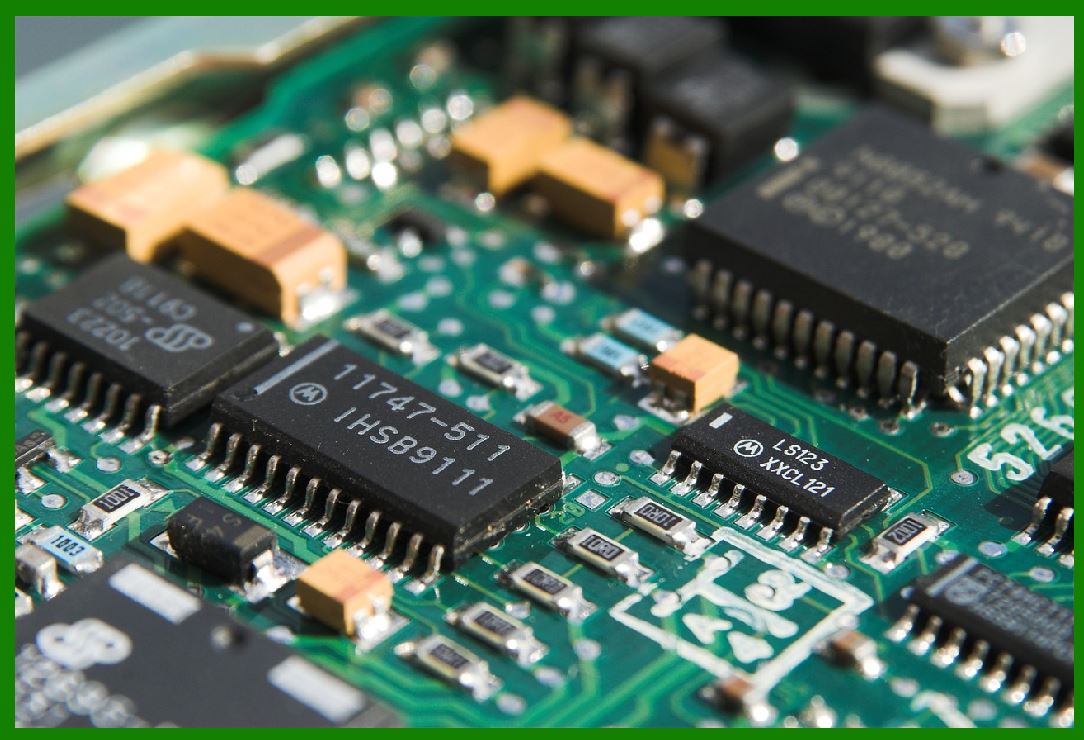
Once the digital data is prepared, the next step is to convert it into a height map. A height map is a two-dimensional representation where the pixel intensity or color corresponds to the depth value in a three-dimensional space. The process can be outlined as follows: |
Bit-to-Height Conversion: Each bit or group of bits is assigned a specific height value. For example, a '1' might correspond to a 0.5 mm elevation, and a '0' might correspond to a 0.2 mm depression. |
Grid Layout: The data is arranged on a virtual grid that will later be transferred to the physical medium. |
Resolution Determination: The resolution of the height map affects the detail and data capacity of the 3D barcode. Higher resolution allows for finer features but requires more precise manufacturing. |
|
4. Material Selection for 3D Barcodes |
The choice of material significantly impacts the barcode's durability and scanning accuracy. Common materials used include: |
Metal: For high-durability applications in manufacturing and aerospace. |
Plastic: A lightweight and cost-effective option for consumer goods. |
Ceramic: Ideal for environments involving high temperatures or chemicals. |
Composites: For specialized applications requiring a balance of strength and flexibility. Material selection also dictates the feasibility of achieving precise depth variations required for accurate data representation. |

|
5. Manufacturing Techniques for 3D Barcodes |
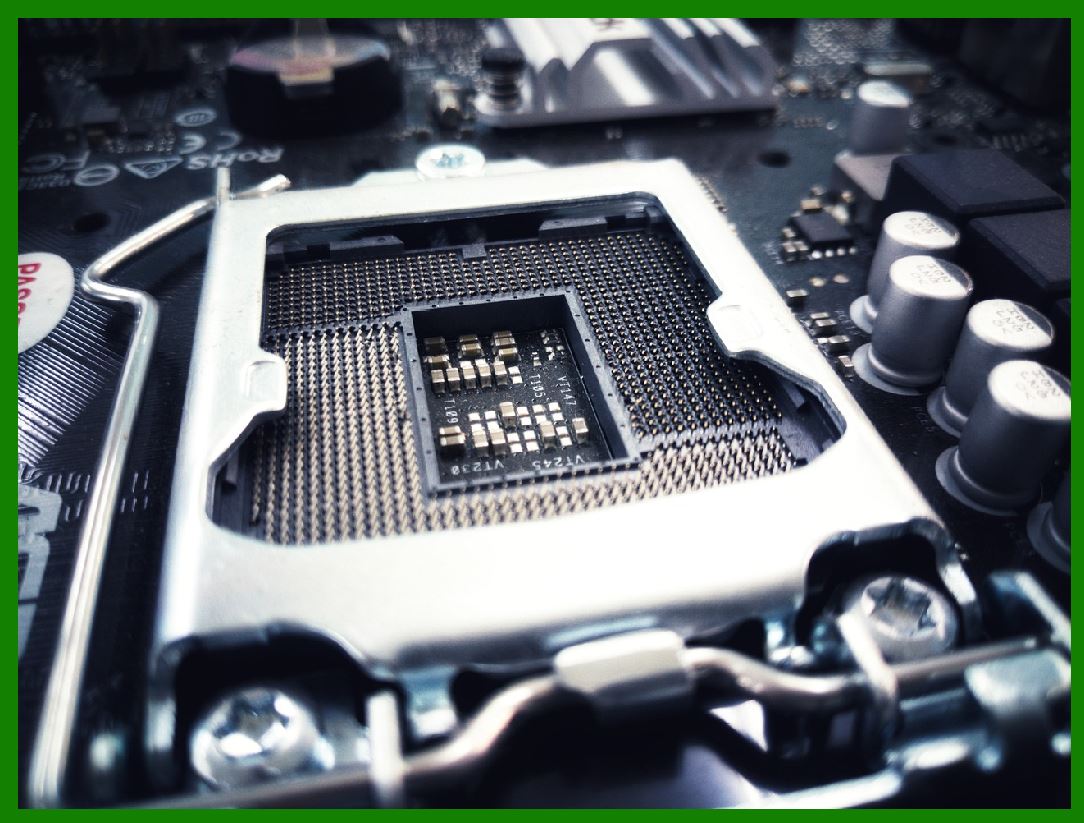
Converting the height map into a physical object involves advanced manufacturing techniques. Some of the commonly used methods include: |
Laser Engraving: A focused laser beam removes material to create depth variations. It is highly precise and suitable for small-scale applications. |
3D Printing: Additive manufacturing methods like stereolithography (SLA) or fused deposition modeling (FDM) are used to construct the barcode layer by layer. |
Embossing and Stamping: These techniques involve pressing the material to create raised or recessed patterns. They are ideal for mass production. |
Etching: Chemical or plasma etching selectively removes material to achieve the desired depth profile. |
|
6. Data Placement Strategies |
Efficient data placement is crucial for maximizing the information capacity of 3D barcodes while maintaining readability. Strategies include: |
Clustering: Grouping related data points together to improve redundancy and error correction. |
Zonal Encoding: Dividing the barcode surface into zones, each representing a specific category of data. |
Path Optimization: Arranging data to minimize the scanning time and complexity. |
Symmetry Usage: Employing symmetrical patterns to enhance visual and functional balance. |
|
7. Error Correction and Redundancy |
To ensure reliability, error correction mechanisms are integrated into the data mapping process. These mechanisms compensate for potential physical imperfections or scanning errors. Key techniques include: |
Parity Bits: Adding extra bits to check the accuracy of the encoded data. |
Reed-Solomon Encoding: Protecting against data loss by distributing information redundantly across different parts of the barcode. |
Checksum Calculations: Summing up data points to verify overall integrity. Incorporating these techniques ensures robust performance, especially in challenging environments. |
|
8. Surface Design Considerations |
The physical design of the 3D barcode surface must account for several factors: |
Scanning Compatibility: The barcode's dimensions and depth variations must be compatible with the scanner's capabilities. |
Environmental Resilience: The surface design should withstand conditions such as abrasion, heat, and chemicals. |
Readability: Patterns must avoid excessive complexity to facilitate accurate scanning. |
Aesthetic Integration: For consumer-facing applications, the design should align with branding and visual appeal. |

|
9. Quality Assurance and Testing |
Before deployment, 3D barcodes undergo rigorous quality assurance procedures: |
Dimensional Accuracy: Measuring depth variations to ensure they match the intended height map. |
Material Integrity: Testing the barcode's resistance to environmental stresses. |
Scanning Trials: Verifying readability using multiple scanner models and settings. |
Statistical Sampling: Evaluating random samples to identify manufacturing inconsistencies. |

|
10. Software and Algorithms for Data Mapping |
Specialized software plays a vital role in mapping digital data to 3D surfaces. Key functionalities include: |
Encoding Algorithms: Translating binary data into height maps. |
Simulation Tools: Visualizing the 3D barcode before physical production. |
Error Analysis: Identifying potential issues in the encoding or manufacturing processes. |
Integration APIs: Facilitating seamless communication with scanners and database systems. |
|
11. Real-World Applications of 3D Barcode Mapping |
The process of mapping digital data onto three-dimensional surfaces has led to numerous applications, including: |
Medical Implants: Traceability of surgical implants through 3D barcodes engraved on their surfaces. |
Industrial Components: Permanent marking of machinery parts for inventory management and maintenance. |
Luxury Goods: Anti-counterfeiting measures for high-value items like watches and jewelry. |
Interactive Packaging: Enhancing consumer engagement through scannable 3D barcodes on product packaging. |
|
12. Challenges in 3D Barcode Data Mapping |
Despite its benefits, the process faces several challenges: |
Cost: High initial investment in specialized equipment and materials. |
Complexity: The need for advanced algorithms and precision engineering. |
Standardization: Lack of universal standards for 3D barcode formats and protocols. |
Scalability: Difficulties in adapting the process for large-scale production. |
|
13. Future Developments in 3D Barcode Mapping |
The field is evolving with exciting prospects, such as: |
Miniaturization: Development of smaller barcodes for applications in microelectronics. |
AI Integration: Using artificial intelligence to optimize data placement and error correction. |
Eco-Friendly Materials: Incorporating sustainable materials into the production process. |
Augmented Reality (AR): Combining 3D barcodes with AR technology for innovative user experiences. |
|
14. Conclusion |
Mapping digital data onto three-dimensional surfaces is a sophisticated process that combines advanced algorithms, precision engineering, and material science. It unlocks new possibilities for data encoding, offering benefits such as increased capacity, durability, and security. While challenges remain, ongoing innovations are expanding the applications and accessibility of this technology, paving the way for a future where 3D barcodes play an integral role in various industries. |
|
Manufacturing Technologies for 3D Barcodes: An In-Depth Analysis |
The concept of 3D barcodes represents a significant departure from traditional 2D barcodes, enabling the encoding of more complex and voluminous data. These barcodes are not limited to visual patterns on a flat surface but instead incorporate depth, adding a new dimension that could potentially increase data storage capacity and security. Manufacturing technologies used to create these 3D barcodes are sophisticated, requiring precision and often advanced techniques in material processing. Below is a detailed explanation of the various manufacturing methods used for creating 3D barcodes, each contributing its unique strengths to the process. |
|
1. Laser Engraving |
Laser engraving is a precise manufacturing technique used to create depth variations in materials by removing material in a controlled manner. This technique is often employed in creating 3D barcodes due to its high level of precision and ability to handle small-scale applications. Laser engraving can be used to etch fine details into surfaces, which is essential when designing barcodes that must be scanned or decoded accurately. |
Process Details: |
Working Principle: Laser engraving involves the use of a focused laser beam that is directed onto a material's surface. The intense heat of the laser beam vaporizes or melts the material, effectively 'engraving' the surface with a specific pattern or design. The depth of the engraving is determined by the duration the laser remains on a specific area and the intensity of the laser beam. |
Materials Used: Laser engraving can be performed on various materials, including metals, plastics, ceramics, and composites. The material selected depends on the application of the 3D barcode and the required durability of the final product. |
Applications in 3D Barcodes: For 3D barcodes, laser engraving is particularly useful when producing small, intricate patterns with precise depth variations. It is commonly used to encode data into surfaces where fine detail is necessary, such as security tags, identification cards, or small product labels. Laser engraving's high precision makes it ideal for encoding data in tight spaces without compromising legibility or readability by barcode scanners. |
Advantages: |
Precision: Laser engraving can achieve micrometer-level precision, allowing for the production of extremely fine, three-dimensional barcode patterns. |
Customization: It is well-suited for low-volume, custom manufacturing of 3D barcodes. |
Material Flexibility: Laser engraving can be applied to a wide range of materials, making it versatile for different barcode applications. |
Limitations: |
Small Scale: While laser engraving is precise, it is generally more suitable for small batches or customized products. Large-scale production might require different technologies. |
Material Constraints: Not all materials are amenable to laser engraving, and some may require special treatment to prevent burning or undesired effects. |
|
2. 3D Printing |
3D printing, also known as additive manufacturing, is a rapidly evolving technology that enables the creation of three-dimensional objects layer by layer from digital models. It offers unparalleled flexibility and is particularly suited to producing 3D barcodes with complex geometries that cannot be easily created through traditional manufacturing techniques. |
Process Details: |
Working Principle: In 3D printing, a digital 3D model is sliced into thin layers, and the printer adds material layer by layer to build up the object. The most commonly used 3D printing technologies for manufacturing 3D barcodes include Stereolithography (SLA) and Fused Deposition Modeling (FDM). |
Stereolithography (SLA): In SLA, a laser cures a liquid resin to form solid layers. This method offers high precision and is ideal for creating intricate, fine details such as those required in a 3D barcode. |
Fused Deposition Modeling (FDM): FDM works by extruding a heated filament of material (typically plastic) which then hardens as it cools. It is widely used for creating prototypes and parts in 3D barcodes, although it might not achieve the same level of detail as SLA. |
Materials Used: 3D printing can use a variety of materials, including plastics (e.g., ABS, PLA), resins, and metals. The choice of material depends on the desired properties of the final barcode, such as flexibility, durability, and finish. |
Applications in 3D Barcodes: 3D printing is an ideal method for creating highly detailed and customized 3D barcodes. Since the barcode structure can be digitally modeled before printing, intricate and complex designs can be easily replicated. For example, a barcode could have a raised structure encoded into its design, or a combination of materials could be used to enhance its tactile or visual properties. |
Advantages: |
Design Flexibility: 3D printing allows for the creation of highly complex geometries and patterns, which is especially useful when the 3D barcode needs to encode a large amount of data in a small space. |
Prototyping and Customization: The technology allows for rapid prototyping and easy iteration, making it ideal for developing custom 3D barcodes for specific applications. |
Low-Waste Production: Since 3D printing is an additive process, material waste is minimized compared to subtractive manufacturing methods. |
Limitations: |
Speed: Depending on the complexity of the object, 3D printing can be relatively slow compared to other methods such as stamping or embossing, which may not be suitable for mass production. |
Material Strength: Some 3D-printed materials may not be as durable as traditionally manufactured ones, especially when exposed to high stress or environmental factors. |
|
3. Embossing and Stamping |
Embossing and stamping are well-established techniques for creating raised or recessed patterns on materials. These methods are particularly suited for high-volume production runs of 3D barcodes that need to be clear, robust, and easy to replicate. Embossing involves pressing a material to create a raised design, while stamping can be used to create either raised or recessed features depending on the application. |
Process Details: |
Working Principle: In embossing, a die or mold is pressed onto a material (such as paper, plastic, or metal), creating a raised (embossed) pattern. In stamping, a similar die is used, but it can either imprint the design into the material (recessed) or press it out (raised). Both techniques rely on force to impart a three-dimensional pattern into the material. |
Materials Used: Embossing and stamping are commonly used on paper, plastics, leather, and metal. The material must be durable enough to withstand the pressure applied during the embossing or stamping process. |
Applications in 3D Barcodes: Embossing and stamping are particularly useful when mass-producing 3D barcodes on materials such as credit cards, identification cards, or packaging. The raised or recessed features in the barcode can store additional tactile or visual data, which may be useful for accessibility (e.g., for visually impaired individuals) or security purposes (e.g., preventing counterfeit products). |
Advantages: |
High Throughput: Embossing and stamping are efficient methods for mass production, making them ideal for high-volume manufacturing of 3D barcodes. |
Durability: The embossed or stamped patterns are often quite durable, particularly when used with metals or plastics that can withstand wear and tear. |
Tactile and Visual Enhancement: These methods create tactile patterns that can be physically felt, which can enhance security and functionality, especially in applications requiring human touch. |
Limitations: |
Design Limitations: While embossing and stamping can create detailed patterns, they may not be suitable for highly intricate or small-scale designs. The resolution is lower compared to techniques like laser engraving or 3D printing. |
Material Restrictions: Not all materials are suitable for embossing or stamping, especially those that are brittle or prone to cracking under pressure. |
|
4. Etching (Chemical or Plasma Etching) |
Etching involves selectively removing material from a surface to create a specific pattern or depth profile. This can be achieved through chemical processes (chemical etching) or physical processes like plasma etching. Etching is a highly precise method used in applications requiring detailed depth variations and fine patterns. |
Process Details: |
Working Principle: In chemical etching, a material is coated with a resist, and the exposed areas are chemically removed using an acid or other etching agent. Plasma etching, on the other hand, uses plasma to etch the material's surface. Plasma is a high-energy state of matter that can effectively etch metals and other materials with high precision. |
Materials Used: Etching is typically used with metals (e.g., steel, copper), ceramics, and glass. The material must be amenable to the etching process and able to withstand the chemical or physical treatment without deteriorating. |
Applications in 3D Barcodes: Etching is commonly used for creating micro-scale patterns or depth profiles on hard, durable materials. In the context of 3D barcodes, etching can be used to create precise, durable patterns that encode data in both depth and surface area. The etching can also be designed to enhance readability by both machine and human scanners, particularly for secure or industrial applications. |
Advantages: |
High Precision: Etching, especially plasma etching, offers extremely high precision, which is essential for creating small-scale, high-density 3D barcode patterns. |
Material Durability: Etching creates durable patterns that are resistant to wear and corrosion, especially when applied to metals or ceramics. |
Limitations: |
Limited to Specific Materials: Etching is generally only suitable for certain materials, such as metals, glass, or ceramics, and may not work effectively on other materials like plastics or paper. |
Complexity and Cost: While etching is precise, it can also be complex and costly, particularly for small-scale operations or when dealing with intricate designs. |
|
Conclusion |
The creation of 3D barcodes requires advanced manufacturing techniques that can precisely encode data in three dimensions. Methods like laser engraving, 3D printing, embossing and stamping, and etching each offer unique advantages depending on the scale of production, the material used, and the level of detail required. As the demand for more complex and secure forms of data encoding grows, these manufacturing technologies will continue to evolve, allowing for more robust and efficient methods of creating 3D barcodes suitable for a variety of applications, from consumer goods to high-security identification systems. |
 cs@easiersoft.com