RFID Reader: Data Processing |
1.Introduction to RFID Data Processing Radio Frequency Identification (RFID) technology is a widely used system that allows for the automatic identification of objects, animals, or people through the use of tags that emit radio signals. These signals are received by RFID readers, which process the data contained within them. The process involves the RFID reader receiving, interpreting, and validating the information from the RFID tags, then converting it into a usable format for further processing or action. Data processing is at the core of the RFID system, ensuring that the transmitted information is accurate, reliable, and usable by the connected host system. This detailed exploration covers the various steps involved in data processing in RFID systems, from signal reception to communication with external systems. |
|
2.Signal Reception and Initial Data Extraction The first step in the data processing flow occurs when the RFID reader receives signals from the RFID tags. RFID tags contain unique identifiers or other types of encoded data, and these are transmitted in the form of electromagnetic waves. These signals are typically in the form of radio waves and are transmitted by the tag's antenna to the reader. The RFID reader is designed to operate within a specific frequency range, which corresponds to the frequency at which the tags communicate. |
The reader's antenna detects the electromagnetic signals transmitted by the tag, and the radio receiver within the reader converts these signals into an electrical form that can be processed by the reader's processor. Depending on the type of RFID system, the tags can transmit a variety of data, such as a unique identification number (UID), location information, or sensor data (e.g., temperature or humidity levels). |

|
3.Modulation and Demodulation of the Signal RFID systems utilize different modulation techniques to transmit data between the tag and the reader. Modulation refers to the process of encoding data onto a carrier signal (radio waves). The most common modulation techniques include Amplitude Modulation (AM), Frequency Modulation (FM), and Phase Modulation (PM). The reader demodulates the incoming signal to extract the transmitted data. This process involves filtering the signal to remove any noise or interference, and then applying the appropriate demodulation algorithm to retrieve the encoded information. |
Once the signal has been demodulated, the extracted data is typically in the form of a binary string, representing the tag's unique identifier or other relevant information. The binary data is now ready for further processing by the RFID reader's processor. |
|
4.Data Decoding and Error Detection After the signal has been demodulated, the next step is to decode the raw data. In this phase, the RFID reader's processor interprets the binary string and converts it into a format that is meaningful for the specific application. The data may represent various types of information depending on the type of tag and its purpose-such as product IDs, timestamps, location coordinates, or sensor readings. |
At this stage, error detection mechanisms are also put into place. RFID systems are designed to detect and handle errors that may occur during signal transmission. Common sources of errors include signal interference, tag malfunctions, and environmental factors such as physical obstructions or distance limitations. RFID tags typically include built-in error detection features such as cyclic redundancy checks (CRC), which are used to verify the integrity of the data. If an error is detected in the received signal, the reader can either request a retransmission of the data or attempt to correct the error through error-correction algorithms. |
The error detection and correction process is crucial to maintaining the accuracy and reliability of the RFID system. Without these mechanisms, corrupted data could lead to incorrect readings, failed transactions, or misidentifications. |
|
5.Data Validation and Filtering Once the data is decoded, the reader must validate the information to ensure it is correct and complete. Validation involves comparing the received data against pre-configured rules or standards to confirm its accuracy. For example, the RFID reader may check that the UID from the tag is recognized by the system and that it falls within an acceptable range of known values. The reader might also verify that the data corresponds to an item in a database or inventory management system. |
Data filtering is another important aspect of this phase. RFID systems can generate large amounts of data, especially in environments with multiple tags in close proximity to one another. To ensure that only relevant and necessary data is transmitted, the reader often filters out extraneous signals or redundant information. This might include rejecting signals from tags that are not part of a predefined group or ignoring duplicate readings from tags that have been scanned multiple times in quick succession. |
|
6.Communication Protocols and Data Formatting After the data has been validated and filtered, the RFID reader must prepare the information for communication with the host system. This process involves translating the data into a format that the host system can understand and process. RFID readers typically support a variety of communication protocols to ensure compatibility with different systems. Common protocols include: |
EPCglobal Gen 2: A widely used standard for passive RFID systems, especially in supply chain and logistics applications. |
ISO 14443 and ISO 15693: Standards for proximity and vicinity cards, commonly used in access control systems. |
Wiegand: A protocol often used for communication between RFID readers and access control systems. |
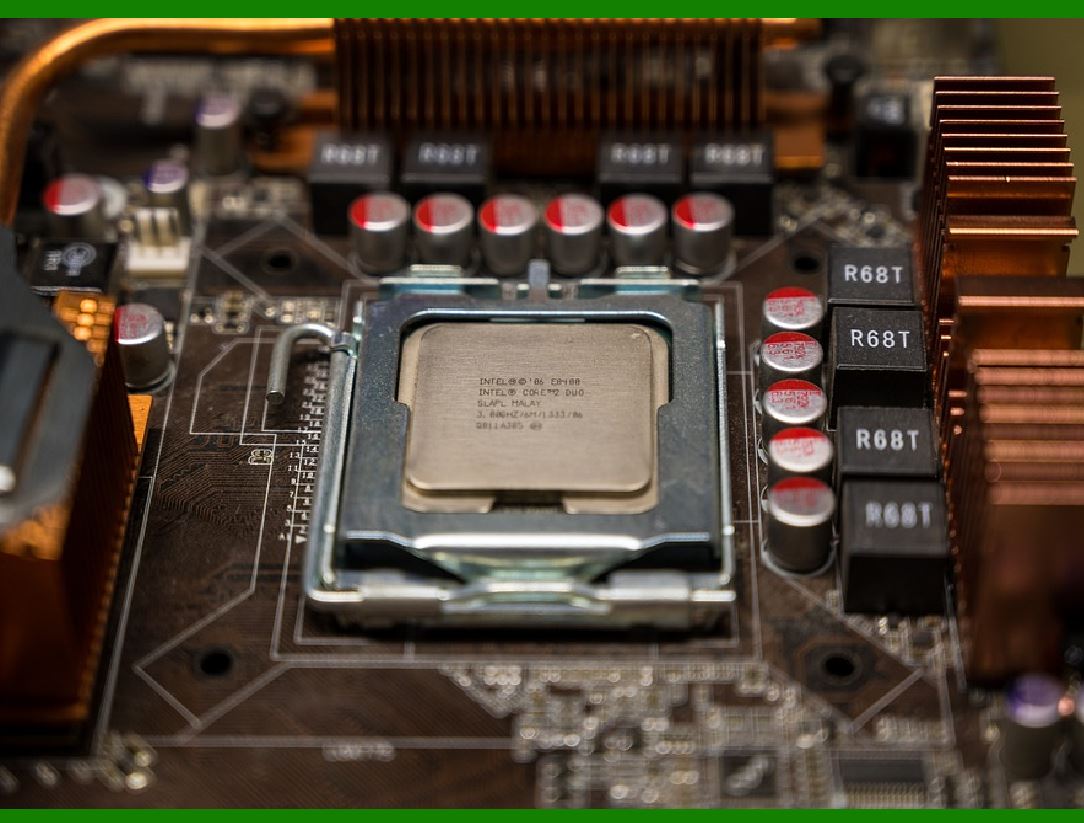
The RFID reader's processor converts the received data into a format compatible with the selected protocol. This might involve encoding the data into specific packet structures, adding headers for communication control, or applying encryption for security purposes. Once the data is formatted appropriately, the reader sends it to the host system using either wired or wireless communication methods. |
|
7.Transmission to Host System The final step in the data processing chain involves sending the processed data to a host system for further analysis or action. The host system could be a database, an inventory management system, a point-of-sale system, or any other software or hardware platform designed to interact with the RFID reader. |
Depending on the communication protocol in use, the data may be transmitted via various channels, such as Ethernet, Wi-Fi, Bluetooth, or even cellular networks in some cases. The data may be sent in real-time, enabling immediate updates to the host system, or it may be buffered and transmitted periodically, depending on system requirements and bandwidth availability. |
Upon receiving the data, the host system will often perform additional processing steps, such as updating records, triggering alerts, or performing other operations based on the received RFID data. For example, an RFID-based inventory system might update stock levels in a database, or a logistics system could track the location of a package as it moves through a supply chain. |

|
8.Error Handling and Retransmission RFID readers are equipped with error-handling mechanisms to ensure that data transmission is reliable. If the initial transmission fails or if an error is detected during processing, the RFID reader can request a retransmission of the data. Retransmission mechanisms are particularly important in environments with high levels of signal interference or other communication challenges. |
Some RFID systems incorporate Automatic Repeat Request (ARQ) protocols, which allow the reader to request the retransmission of a message if it is found to be corrupted. Additionally, the reader can initiate multiple attempts at communication before determining that a tag is out of range or otherwise unreachable. |
|
9.Security Considerations in RFID Data Processing Given the nature of RFID data, security is an important consideration throughout the entire data processing process. RFID data often includes sensitive information, such as inventory levels, personal identification numbers, or location data, making it vulnerable to interception or unauthorized access. |
To protect data integrity and privacy, RFID systems typically incorporate various security measures, such as: |
Data Encryption: Encrypting the communication between the tag and the reader ensures that the transmitted data cannot be easily intercepted or tampered with by unauthorized parties. |
Authentication: Some RFID systems include authentication protocols that verify the identity of the tag or the reader before allowing data exchange. |
Access Control: Ensuring that only authorized readers or systems can access certain tags or data prevents unauthorized tracking or data theft. |
These security measures are particularly important in applications like secure access control, payment systems, and supply chain management, where data privacy and integrity are critical. |
|
10.Conclusion Data processing in RFID systems is a highly sophisticated process that involves several stages, from signal reception to communication with external systems. The main objective of data processing is to ensure that the information transmitted by RFID tags is accurately received, decoded, validated, and transmitted to the appropriate systems for further action. Error detection, validation, filtering, and security mechanisms are integral parts of the data processing workflow, ensuring that the RFID system functions reliably and securely. |
As RFID technology continues to evolve, the complexity of data processing is likely to increase, especially with the introduction of new communication protocols, encryption standards, and data-handling algorithms. Despite these challenges, RFID data processing remains a cornerstone of modern automation and tracking systems, powering everything from supply chains and logistics to healthcare and retail applications. |
|
What challenges will it face? |
RFID (Radio Frequency Identification) technology is a powerful tool, but like any advanced system, it faces several challenges that can affect its effectiveness and implementation. These challenges can arise from technological limitations, environmental factors, and concerns related to security and privacy. Below are some of the main challenges RFID systems may encounter: |
1. Signal Interference |
RFID systems are based on electromagnetic signals, which can be disrupted by various sources of interference. These sources may include: |
Metal objects: RFID signals are highly susceptible to interference from metal surfaces. Metal can reflect or absorb radio waves, which may degrade the signal or cause it to be completely blocked, making it difficult for the RFID reader to detect the tag. |
Liquid objects: Water is another material that can absorb RFID signals, creating similar issues as metal in terms of interference. In environments like warehouses with large quantities of liquid goods or water-based products, this can reduce the reliability of RFID systems. |
Electromagnetic interference (EMI): Other electronic equipment emitting electromagnetic waves can cause noise that interferes with RFID signal transmission. This issue becomes more problematic in environments with high concentrations of electronic devices. |
Solution: To mitigate interference, RFID readers may be equipped with adaptive antennas, signal processing algorithms, or other features to help avoid or compensate for interference. However, ensuring proper tag placement, optimal reader positioning, and considering the environment during setup is key. |
2. Limited Range and Tag Readability |
The range at which an RFID reader can detect a tag is limited by factors such as the tag type (active or passive), power levels, environmental conditions, and frequency used. |
Passive tags rely on the power from the RFID reader to operate, so they have a much shorter range (usually a few meters). Passive tags are often cheaper and more commonly used, but their range limitations may not be sufficient for certain applications that require long-distance reading. |
Active tags have their own power source, so they can transmit signals over greater distances. However, they tend to be more expensive and bulkier than passive tags, and their battery life can be a limiting factor. |
Solution: To address range issues, system designers can use a mix of passive and active tags based on the specific needs of the application. Optimizing the placement of readers and antennas and using higher-power readers can also extend the detection range. |
|
3. Environmental Factors |
RFID systems are subject to the conditions of the environment in which they operate. Factors such as temperature extremes, humidity, and physical obstructions can all impact the performance of RFID systems. |
Extreme temperatures can affect both the tags and the readers. RFID tags may not function well in extremely hot or cold environments unless they are specifically designed for those conditions. |
Humidity can cause corrosion of the RFID tag components or interfere with signal propagation, especially in environments such as food processing or agricultural applications. |
Physical obstructions such as walls, machinery, or other large objects can block or distort the RFID signals, particularly for passive RFID tags that have limited transmission power. |
Solution: Specialized RFID tags and readers are available for harsh environments, such as high-temperature or high-humidity areas. Additionally, careful planning of tag placement and reader positioning can help minimize the impact of obstructions. |
4. Data Collision and Multipath Interference |
In environments with many RFID tags in proximity, such as in retail or logistics applications, data collisions can occur. This happens when multiple tags respond to a reader at the same time, causing interference and making it difficult to accurately capture the data from each tag. |
Multipath interference occurs when signals reflect off surfaces and arrive at the reader at different times, potentially causing errors in data decoding. This can be a problem in areas with lots of reflective surfaces or complex geometries, such as warehouses or industrial facilities. |
Solution: RFID systems use protocols like Anti-Collision algorithms (e.g., ALOHA, Tree-based, or Binary Tree) to minimize these conflicts and ensure the tags are read sequentially or in an organized manner. Additionally, using multiple readers in strategic locations can help avoid data collision by reducing the likelihood that multiple tags are read simultaneously. |

|
5. Tag Security and Privacy Concerns |
Security is one of the biggest challenges facing RFID technology. RFID systems can be vulnerable to a range of attacks, including: |
Eavesdropping: Unauthorized parties can intercept RFID signals, especially if they are not encrypted, allowing them to read sensitive data, such as personal identification information or product details. |
Cloning or Spoofing: Attackers can replicate or alter RFID tags to gain unauthorized access to restricted areas or manipulate inventory systems. |
Tracking and Privacy Issues: Since RFID tags can be read from a distance, there are concerns about the ability to track individuals or objects without consent, leading to privacy breaches. |
Solution: To counter these threats, RFID systems should incorporate security measures like encryption, authentication protocols, and access controls. For example, EPCglobal Gen 2 RFID tags include built-in security features, including encryption and mutual authentication between tags and readers. The use of secure RFID tags that are tamper-resistant and privacy-enhancing technologies (e.g., tag deactivation) can also address privacy concerns. |
6. Cost of Implementation and Scalability |
The cost of implementing an RFID system can be a significant barrier for some organizations, particularly small businesses or those with limited budgets. Costs include the RFID tags themselves, readers, antennas, software, and infrastructure to support the system. Active RFID tags are generally more expensive than passive tags, adding to the overall cost. |
Additionally, scaling an RFID system to accommodate larger environments or increased data volume can increase both the complexity and cost of implementation. The number of readers, tag types, and the software needed to manage the data all contribute to the system's scalability challenges. |
Solution: The cost issue can be mitigated by focusing on the most critical parts of an organization's operations, such as supply chain management or inventory tracking, where the ROI of RFID can be demonstrated quickly. Over time, as RFID technology matures and becomes more widespread, the cost of components is likely to decrease. Additionally, cloud-based RFID solutions can reduce upfront costs and allow for easier scaling as the business grows. |

|
7. Integration with Existing Systems |
Integrating RFID technology into existing business processes and systems can be a complex and time-consuming task. Many businesses already have legacy systems in place, such as barcode scanners, which need to be replaced or integrated with RFID technology. |
Software Compatibility: The RFID system must be compatible with the organization's existing Enterprise Resource Planning (ERP) or Warehouse Management Systems (WMS). Data captured by the RFID readers must be seamlessly integrated into these systems for optimal performance. |
Hardware Integration: Businesses may need to upgrade or replace existing hardware, such as barcode scanners or manual tracking systems, to accommodate the new RFID infrastructure. |
Solution: Planning and careful consideration of the existing infrastructure is crucial when implementing RFID. Many RFID solutions offer integration tools that facilitate communication between RFID systems and existing business software, making the transition smoother. Gradual adoption of RFID in phases-starting with critical areas-can also help reduce disruption during the integration process. |
8. Standardization Issues |
While RFID is widely used across various industries, a lack of standardization can be a barrier to its full potential. Different industries and countries often use different RFID standards (e.g., ISO 18000, EPCglobal Gen 2, ISO 14443, etc.), which can create interoperability issues. |
Tag and Reader Compatibility: RFID tags and readers from different manufacturers or using different standards may not be fully compatible, which can complicate integration and limit the system's effectiveness. |
Data Formatting: Differences in data formats between systems can also make it difficult to exchange data seamlessly. |
Solution: Efforts are underway by organizations such as the International Organization for Standardization (ISO) and EPCglobal to create more standardized protocols and formats for RFID. Industry groups and consortia often work together to promote universal standards that can make RFID systems more interoperable and widely adopted. |
|
9. Power Consumption (for Active Tags) |
While active RFID tags offer longer read ranges and additional features (such as sensors), they rely on batteries to power their transmissions. Over time, these batteries deplete, and the tags must be replaced or recharged, adding to maintenance costs and logistical challenges. |
Solution: Advances in low-power technology and energy harvesting methods, such as using ambient energy (e.g., vibrations, solar power) to power active tags, are helping to address this challenge. However, managing power consumption and extending battery life remains a concern for widespread active RFID adoption. |
10. Data Management and Analytics |
As RFID systems capture large volumes of data, managing and analyzing this data effectively can become a significant challenge. Without proper data analytics tools, the vast amounts of real-time data from RFID systems could overwhelm the organization's infrastructure and result in data overload. |
Data Storage and Processing: The sheer volume of data generated by RFID tags can lead to issues in data storage and real-time processing. Companies need to have systems in place that can handle, analyze, and store RFID data efficiently. |
Data Interpretation: RFID data by itself may not be particularly valuable without proper interpretation. Turning raw RFID data into actionable insights requires powerful analytics platforms and expertise in data science. |
Solution: Implementing integrated data management and analytics platforms can help organizations make sense of the massive amounts of data collected by RFID systems. Cloud-based solutions and Artificial Intelligence (AI) tools can also help process and analyze data in real-time, providing actionable insights without overwhelming the system. |
Conclusion |
RFID systems face various challenges, ranging from technical issues like signal interference to broader concerns about security, privacy, and integration. Addressing these challenges requires a combination of innovative technology, careful planning, and ongoing advancements in the RFID industry. By staying ahead of these issues and adopting best practices for implementation, businesses can fully harness the potential of RFID to streamline operations, improve accuracy, and enhance data visibility. |
|
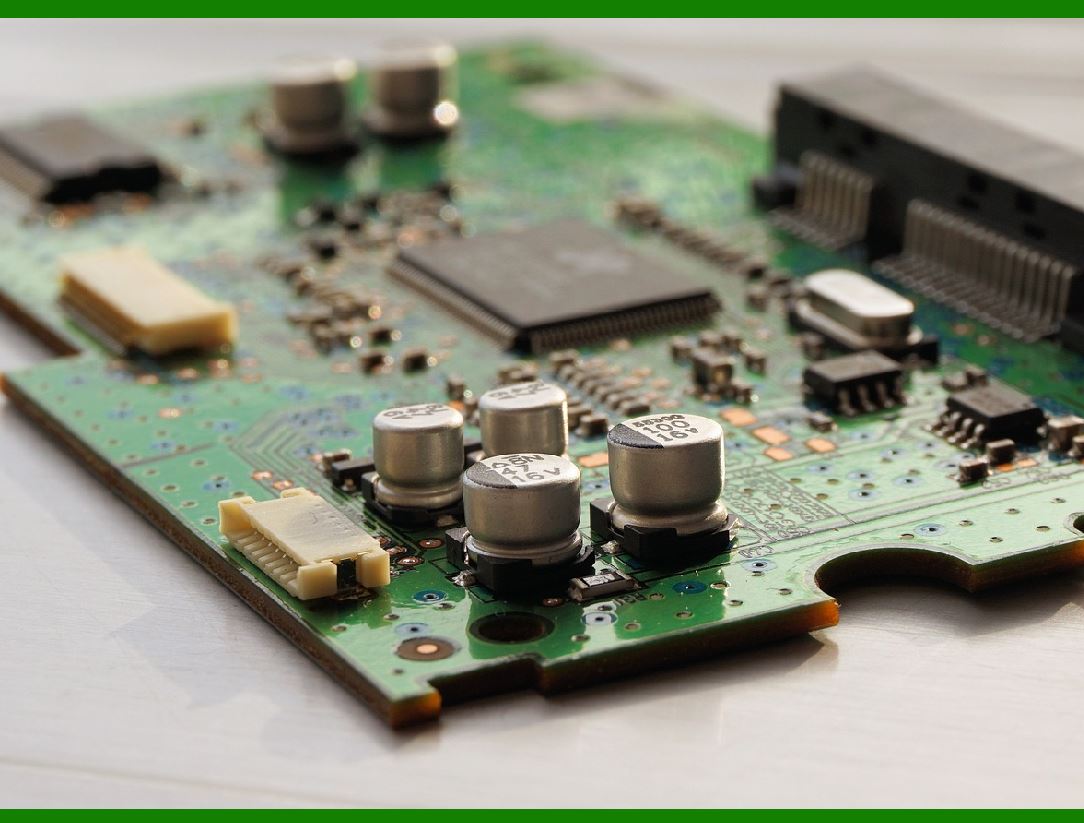
What is the difference between this part of the circuit and a barcode reader? |
The difference between an RFID reader circuit and a barcode reader circuit lies primarily in the way they detect, interpret, and interact with the objects they are scanning. While both systems are used for identifying and tracking items, their underlying technology, functionality, and the types of data they can capture differ significantly. Below, I'll outline the key differences between RFID readers and barcode readers in terms of their circuits and how they work. |
1. Technology and Detection Method |
RFID Reader Circuit: |
Active Signal Reception: An RFID reader works by emitting radio waves to communicate with RFID tags. The reader's antenna sends a radio signal, which is received by the tag's antenna. The RFID tag responds by either reflecting or modulating the signal back to the reader, containing the tag's unique ID and any additional data. |
Radio Frequency (RF) Communication: The communication between the reader and tag occurs through radio frequencies (e.g., 125 kHz, 13.56 MHz, or 900 MHz), depending on the RFID technology being used (low-frequency, high-frequency, or ultra-high-frequency). This allows RFID readers to interact with tags wirelessly, without needing direct line-of-sight, which is one of the key advantages over barcode readers. |
Signal Processing and Data Interpretation: The RFID reader circuit processes the returned RF signal, decodes the data sent by the tag, and forwards it to the host system. The data from the tag could include a unique identifier (UID) or additional sensor data if the tag is a smart tag. |
Barcode Reader Circuit: |
Light-Based Detection: Barcode readers rely on light (usually from a laser or LED) to read barcodes. The reader emits a beam of light that is reflected off the barcode. The dark bars in the barcode absorb the light, and the white spaces reflect it. This difference in reflection is used to generate the signal that the barcode reader decodes into data. |
Optical Detection: The barcode reader circuit uses a photodetector (such as a photodiode or CCD sensor) to capture the reflected light from the barcode. The light pattern is then processed to identify the barcode, which contains a series of parallel lines and spaces of varying widths that represent alphanumeric data. |
Line-of-Sight Requirement: Barcode readers require a direct line of sight to the barcode to capture the reflected light. The physical proximity and alignment of the reader to the barcode are essential for accurate reading, unlike RFID, where tags can be read at a distance without requiring line-of-sight. |
2. Power and Energy Consumption |
RFID Reader Circuit: |
Active vs. Passive Tags: RFID readers interact with both passive and active tags. Passive RFID tags do not have their own power source; they are powered by the signal from the reader. The reader emits energy that powers the passive tag's circuit and enables it to send back data. Active RFID tags, however, have their own battery and can communicate over longer distances. |
Energy Efficiency: Since passive RFID tags are powered by the reader's signal, they consume very little energy. The RFID reader, however, requires a constant power source to emit radio waves and process incoming data. Active RFID systems consume more energy because they have their own power source to continuously transmit data. |
Barcode Reader Circuit: |
Low Power Consumption: Barcode readers are generally simpler and use less power. They require energy only to emit light (e.g., laser or LED) and to process the image captured by the sensor. Barcode readers are typically more power-efficient in their operation compared to RFID readers, especially because they don't need to emit signals over a distance. |
Low-energy Usage: Since the barcode is typically a 2D optical pattern, barcode readers don't need to continuously emit energy beyond reading light reflection. The power is primarily used in light emission and signal processing. |
|
3. Range and Field of View |
RFID Reader Circuit: |
Longer Read Range: RFID readers can read tags at a much longer range compared to barcode readers. Depending on the type of RFID (low-frequency, high-frequency, ultra-high-frequency), RFID tags can be read from several inches to over 100 feet, especially when active tags are used. |
No Line-of-Sight Needed: RFID readers don't need a direct line of sight to the tags, allowing them to read tags that may be hidden, within boxes, or attached to the backside of items. This is a significant advantage in environments where line-of-sight access is limited. |
Barcode Reader Circuit: |
Shorter Range: Barcode readers typically work within a short range, usually between 1 to 10 inches, depending on the scanner's capability and the size of the barcode. This is much shorter than the range of most RFID systems. |
Line-of-Sight Required: A barcode reader requires direct line-of-sight access to the barcode. If the barcode is obscured, the reader will not be able to scan it, making positioning and orientation of the barcode critical. |
4. Data Storage and Complexity |
RFID Tag Circuit: |
Dynamic Data Storage: RFID tags, especially smart tags, can store more complex data than barcodes. They are capable of holding multiple data types such as inventory numbers, location data, temperature readings, and even encrypted information. This dynamic nature of RFID data storage allows for more flexible and secure applications. |
Read/Write Capability: Many RFID systems support read/write functionality, meaning data can be updated on the tag as needed. This enables the tracking of more dynamic, changing information (e.g., expiration dates, maintenance records) in real-time. |
Barcode Tag (Barcode Label) Circuit: |
Static Data Storage: Barcodes store relatively simple, static data-usually a unique identifier or code (e.g., SKU, product number). They do not have the capability to store additional information or be updated dynamically, as they are just optical representations of numbers or characters encoded in lines and spaces. |
One-time Read: Barcodes are typically read-only. They cannot store data in real-time or interact with a database to update information. |
|
5. Data Processing and Error Handling |
RFID Reader Circuit: |
Error Checking: RFID systems have built-in error checking mechanisms, such as cyclic redundancy checks (CRC) or parity bits, to verify the integrity of the data being received. If a signal is corrupted or incomplete, the reader can request a retransmission from the tag. |
Complex Communication Protocols: RFID readers often operate using complex communication protocols such as EPCglobal Gen 2 or ISO 18000, which manage data transmission and ensure security (e.g., encryption or authentication) and proper communication between multiple tags and readers. |
Barcode Reader Circuit: |
Simpler Error Handling: Barcode readers are simpler in terms of error handling. They use optical scanning to detect barcodes, and if the barcode is damaged or not aligned properly, the reader will not be able to decode the information accurately. Error handling usually involves trying to re-scan or using specialized error-correction algorithms for damaged or poorly printed barcodes (e.g., in 2D barcodes like QR codes). |
Static Communication: Barcode scanners typically do not need as complex a communication protocol as RFID systems because they only read simple, fixed data from barcodes. |
6. Cost and Implementation |
RFID Reader Circuit: |
Higher Cost: RFID systems generally involve higher upfront costs. The readers, tags, and supporting infrastructure (e.g., databases, software, antennas) are more expensive compared to barcode systems. Active RFID tags, in particular, can be significantly more costly than barcode labels. |
Long-Term Investment: While RFID systems are costlier initially, they offer significant advantages in tracking, security, and scalability, especially in environments that require real-time inventory management or where line-of-sight scanning is not feasible. |
Barcode Reader Circuit: |
Lower Cost: Barcode readers and barcodes are much more affordable. A simple barcode reader can be purchased for a relatively low cost, and the barcode labels themselves are inexpensive to produce. Barcodes are particularly attractive for industries with smaller budgets or where more basic tracking is sufficient. |
Widespread Adoption: Barcode technology is widely adopted due to its low cost, ease of use, and simplicity. It's ideal for applications like retail checkout, document tracking, and other basic tracking needs. |
|
7. Security and Privacy Concerns |
RFID Reader Circuit: |
Security Issues: RFID systems are susceptible to security risks such as eavesdropping, cloning, and tracking. RFID signals can be intercepted and tampered with if not properly encrypted. In some cases, unauthorized parties can access the information on RFID tags without detection. |
Encryption and Authentication: To address these concerns, RFID systems often implement security measures such as data encryption and mutual authentication between the reader and the tag, which adds complexity to the system. |
Barcode Reader Circuit: |
Limited Security Risks: Barcodes are relatively secure because they are passive and require physical access to the barcode to be scanned. However, they are vulnerable to counterfeiting or copying since the barcode itself is just a visual representation of data. Once scanned, the data is exposed, and there are few security mechanisms in place to prevent unauthorized access to that data. |
 cs@easiersoft.com