RFID Reader: Signal Modulation |
Signal modulation is a fundamental process in the operation of RFID (Radio Frequency Identification) readers. This process involves encoding information onto a carrier signal, which the reader transmits to the RFID tag via an antenna. Signal modulation is not only essential for efficient communication between the RFID reader and tag, but also plays a crucial role in ensuring the effective transfer of data across varying distances and environmental conditions. To achieve this, different modulation techniques are used depending on the type of RFID system (passive, active, or semi-passive). In passive RFID systems, where the tag does not have its own power source, modulation becomes an even more significant aspect, as it enables communication using only the power received from the reader's signal. |
|
1. Basics of Signal Modulation in RFID |
At the core of RFID communication is the concept of modulation. In general, modulation refers to the technique of varying a carrier signal in some way to encode information. A carrier signal is a stable electromagnetic wave that can be manipulated by the RFID reader to encode data. Depending on the modulation scheme, this encoded data can be transmitted to the RFID tag or back from the tag to the reader. The primary purpose of modulation is to make sure the information can be reliably transmitted over radio waves, ensuring that both the reader and the tag can decode it accurately. |
RFID systems generally utilize two types of modulation: |
1.Amplitude Modulation (AM) - This method involves varying the amplitude (or strength) of the carrier signal. In the context of RFID, the carrier signal is continuously emitted by the reader, and the signal's amplitude is modulated in a manner that represents the data being transmitted. |
2.Frequency Modulation (FM) - With frequency modulation, the frequency of the carrier signal is varied over time in accordance with the data being encoded. This type of modulation is particularly effective in environments where interference from other signals could disrupt communication. |

|
2. Role of the Reader in Signal Modulation |
The RFID reader is responsible for generating the initial signal that will be transmitted to the RFID tags. This signal serves two purposes: |
1.Powering Passive RFID Tags - In passive RFID systems, the reader's signal provides energy to the passive tags, which do not have an internal power source. The reader's transmission is absorbed by the RFID tag's antenna, and this power is used to activate the tag's circuitry, enabling it to respond. |
2.Carrier Signal for Data Transmission - The reader's signal also acts as the carrier wave for the data being sent. This carrier signal is modulated by the reader to encode information, which could be commands or requests for data that the tag needs to send back. |
RFID readers typically use an alternating current (AC) signal in the radio frequency spectrum. This signal is generated by modulating a high-frequency wave, which the reader's antenna then broadcasts over the designated frequency band. The frequency chosen for RFID communication is dependent on the geographic region and the specific application of the system. Different frequency bands are allocated for various uses, such as low frequency (LF), high frequency (HF), and ultra-high frequency (UHF). |
|
3. Modulation in Passive RFID Systems |
In passive RFID systems, the tag does not have its own power source and relies entirely on the energy it receives from the reader's signal. To send data back to the reader, the tag utilizes backscatter modulation. This process enables the tag to respond by reflecting the reader's signal, making slight modifications to it to encode its stored data. |
3.1. Backscatter Modulation |
Backscatter modulation is the method through which passive RFID tags transmit data to the reader. In this method, the passive tag reflects or 'scatters' the reader's transmitted signal back toward the reader's antenna. The tag can vary the way it reflects the signal to encode data. The modulation of the backscatter signal can be achieved through several mechanisms: |
Amplitude Modulation (AM) Backscatter - The RFID tag modulates the strength (amplitude) of the reflected signal in order to convey the data. The tag changes its reflection in a way that causes the amplitude of the returning signal to vary according to the data stored in the tag. |
Frequency Modulation (FM) Backscatter - The tag can also vary the frequency of the reflected signal, causing the returned signal to have different frequency characteristics depending on the data being sent back. |
This backscatter method does not require the tag to generate its own power, as the energy for reflection comes from the reader's transmitted signal. It is highly efficient, allowing for very low-power devices to operate without needing a battery, thus reducing the overall cost and size of the tag. |
3.2. Tag Circuitry and Backscatter |
The backscatter process involves the RFID tag's circuitry, which is designed to modify the impedance of the tag's antenna. This change in impedance results in a change in the way the electromagnetic waves are reflected back towards the reader. Specifically, the tag's circuitry alternates the impedance between two states to encode the data. |
Load Modulation - The tag modulates the reflection of the signal by changing its load (the impedance) at precise intervals, usually in synchrony with the signal's frequency. By switching the impedance, the tag can modulate the reflected signal to create a pattern of zeros and ones, which represent the tag's stored information. |
On-Off Keying (OOK) - This is a commonly used technique in passive RFID systems. In OOK, the tag alternates between a state where it reflects the signal with minimal attenuation (representing a binary '1') and a state where the tag either reflects the signal completely or not at all (representing a binary '0'). The reader interprets these changes in reflection as data. |

|
4. Modulation in Active and Semi-Passive RFID Systems |
In contrast to passive RFID systems, active and semi-passive tags have their own power source (such as a battery), which allows them to send data back to the reader without relying solely on the reader's signal. These systems can use more sophisticated modulation techniques because the tag is no longer limited by power constraints. |
4.1. Active RFID Tags |
Active RFID tags are typically used in applications requiring long-range communication and can support both amplitude and frequency modulation schemes. Since these tags have their own power supply, they can generate their own signals and communicate with the reader more effectively over greater distances. The modulation used by active tags is generally similar to the techniques employed in radio communication systems and can include more complex schemes such as phase-shift keying (PSK), frequency-shift keying (FSK), or even advanced spread spectrum techniques. |
4.2. Semi-Passive RFID Tags |
Semi-passive (or battery-assisted passive) RFID tags are somewhat of a hybrid between passive and active tags. They have an internal battery that powers the tag's internal circuitry but rely on the reader's signal to transmit data. The tag can actively process data and initiate communication with the reader, but the actual transmission back to the reader typically uses backscatter modulation, much like passive RFID tags. |
|
5. Modulator Circuits and Design Considerations |
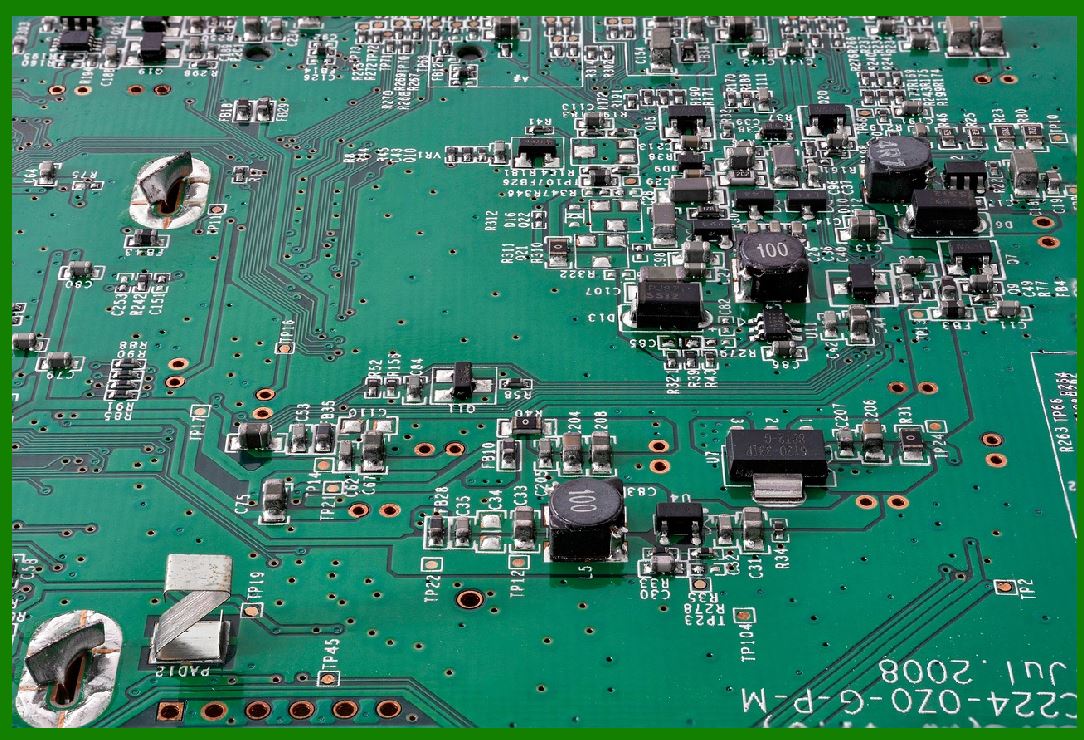
The modulation process in an RFID system depends on precise circuit design. The reader's transmitter and modulator circuits are responsible for generating and encoding the carrier signal, ensuring it can effectively communicate with the tags. This requires careful design of modulator circuits to produce a stable signal that can be modulated to convey information. |
The modulator circuit includes several key components: |
Oscillator - This is the core of the modulator, generating a high-frequency carrier signal that is the basis for modulation. |
Modulator - The modulator alters the carrier signal, changing its amplitude, frequency, or phase in accordance with the data being transmitted. |
Amplifier - The amplified signal ensures that the modulated carrier can travel across the necessary range and reach the RFID tags. |
Antenna - The antenna is responsible for broadcasting the modulated signal into the environment, allowing communication with the RFID tags. |
5.1. Frequency and Power Considerations |
For the modulation process to be effective, the frequency of the carrier signal must be appropriate for the specific RFID system. For example, low-frequency RFID systems operate at frequencies around 125 kHz, while UHF systems may operate between 860 MHz and 960 MHz. The frequency must fall within the designated bands to avoid interference with other devices and systems. |
The power of the signal also plays a crucial role. A stronger signal will allow for communication over longer distances, while a weaker signal may be necessary to prevent interference in environments with many RFID systems operating simultaneously. Designers of RFID systems need to balance signal strength and modulation technique to ensure reliable communication with minimal interference. |

|
6. Conclusion |
Signal modulation is a critical component of the operation of an RFID system. Whether using amplitude or frequency modulation, the purpose is to encode information onto a carrier signal that can be transmitted over the air to the RFID tags. In passive RFID systems, backscatter modulation allows the tag to reflect the reader's signal back with slight variations, conveying information without requiring power. Active and semi-passive tags, on the other hand, can use more sophisticated modulation schemes due to their ability to generate their own power. The design of the reader's modulator circuits, including the oscillator, amplifier, and antenna, is crucial for ensuring that the modulation process is both effective and efficient. |
Through careful modulation design and signal transmission techniques, RFID systems can achieve reliable, long-range, and power-efficient communication between readers and tags. Whether for inventory management, asset tracking, or security systems, the modulation process ensures that the data encoded in RFID tags can be accurately read and interpreted. |

|
What challenges will it face? |
RFID systems, particularly regarding signal modulation, face several challenges that can affect the reliability and efficiency of communication between the reader and the tags. These challenges arise from both physical and environmental factors, as well as technical limitations inherent in the system's design. Below are some of the key challenges that RFID systems, especially those involving signal modulation, may encounter: |
1. Interference from Other Signals |
One of the most significant challenges RFID systems face is interference from other radio-frequency signals. RFID systems operate within specific frequency bands, and these bands can overlap with those used by other devices such as Wi-Fi, Bluetooth, or microwave communication systems. This interference can distort the modulated signal, leading to errors in data transmission or even complete failure of communication. |
Cross-talk between frequencies can occur, especially in densely populated environments where multiple RFID systems operate simultaneously. This is particularly problematic in UHF RFID systems, where the frequency spectrum can be shared with various communication systems. |
Environmental noise from electrical devices and other non-RFID sources can also disrupt the integrity of the signal, making it harder for the reader to detect and decode the tag's modulated backscatter signal. |
|
2. Multipath Propagation |
Multipath propagation occurs when a signal transmitted by the RFID reader bounces off objects in the environment, such as walls, furniture, or metal surfaces, and reaches the tag via different paths. This can lead to the signal arriving at the reader at slightly different times, causing signal distortion or fading effects. |
Signal attenuation and phase shifts caused by multipath propagation can cause errors in the demodulation process. In extreme cases, the reader may receive multiple signals that interfere with each other, creating confusion in signal decoding. |
This challenge is particularly significant in large, cluttered environments or areas with a lot of metal, which can amplify the multipath effects and reduce the overall range and reliability of the RFID system. |
|
3. Tag Antenna Design and Performance |
The performance of RFID tags heavily depends on the design and quality of their antenna. The antenna must be optimized for the specific frequency of the RFID system, and it must be capable of receiving the reader's signal effectively while also reflecting the modulated signal back to the reader. |
Size and orientation of the tag antenna can impact its ability to receive and transmit signals. Tags may perform poorly if placed in orientations or environments that do not support optimal antenna performance, such as when tags are too close to metals or liquids that interfere with the electromagnetic waves. |
Impedance mismatch between the tag's antenna and the reader can lead to inefficient signal transmission or reduced read range. This issue becomes particularly challenging when RFID tags are used in environments with variable conditions, such as warehouses, factories, or retail settings, where tag positioning may be inconsistent. |
|
4. Power Limitations in Passive RFID Tags |
Passive RFID systems rely on the energy transmitted by the reader to power the tag's circuitry. While this is an advantage in terms of cost and simplicity, it introduces several limitations: |
Limited range - Passive RFID tags are typically limited in their transmission range because they rely on the energy provided by the reader's signal. The farther the tag is from the reader, the weaker the signal it receives, which reduces the reliability of backscatter modulation and can even prevent communication. |
Efficiency of energy harvesting - The efficiency of power transfer from the reader to the tag depends on the distance between them and the orientation of the tag. Poor alignment between the reader's antenna and the tag's antenna can result in inefficient energy harvesting, leading to a decrease in performance. |
Environmental factors - Factors such as moisture, temperature, and physical barriers can impact the efficiency of energy transfer between the reader and passive tags, causing variations in performance. |
|
5. Complexity of Modulation Schemes |
RFID systems utilize different modulation schemes (e.g., amplitude modulation, frequency modulation, phase-shift keying) to encode information onto the carrier signal. These schemes have different strengths and weaknesses, and selecting the appropriate modulation method is a key challenge: |
Bandwidth limitations - Certain modulation techniques require more bandwidth, which can lead to limited data transfer rates. This is a particular concern in systems that need to handle large volumes of data or support real-time tracking in applications like inventory management or asset tracking. |
Modulation noise - When signal conditions are less than ideal, the modulation may be affected by noise, leading to errors in decoding the transmitted data. This is especially problematic in environments with a lot of interference or in cases where the signal strength is weak. |
Trade-off between range and data rate - There is often a trade-off between transmission range and data transfer speed. In some systems, achieving longer range means using simpler, slower modulation schemes, which can limit the data rate. This can be problematic in applications where high-speed communication is required. |
|
6. Environmental Factors |
The environment in which RFID systems are deployed can greatly affect the performance of both the reader and the tags. The following factors can complicate the modulation and signal transmission: |
Metallic surfaces - Metal objects can reflect and absorb radio waves, significantly reducing the reader's ability to detect signals from the tag. In industrial environments, for instance, this is a critical challenge because metal racks, machinery, or even the structure of buildings can block or distort the signal. |
Water and liquids - Water and other liquids can absorb and interfere with electromagnetic waves, particularly in low-frequency systems (e.g., LF and HF RFID). This can result in decreased read range or failure to communicate altogether when tags are submerged or located near liquid-filled environments. |
RF shielding - In certain environments, such as data centers or highly secure areas, RF shielding may be deliberately introduced to prevent unauthorized RFID access. While this provides security, it also poses a challenge to the RFID reader's ability to communicate with the tags. |
|
7. Tag-to-Reader Communication Reliability |
For an RFID system to work effectively, it is important that the reader can reliably detect and communicate with tags, even in challenging environments. Several issues can reduce communication reliability: |
Tag collision - When multiple tags are within range of the reader, their signals may collide, leading to data loss or misinterpretation. This is particularly problematic in high-density environments such as retail stores or warehouses, where many tags may be read simultaneously. |
Read range and reader sensitivity - The distance over which an RFID reader can successfully communicate with a tag is crucial. While UHF RFID systems can provide long-range communication, the read range is affected by the power of the reader's signal, the sensitivity of the reader's receiver, and the strength of the tag's response. Variations in these factors can cause issues with communication reliability. |
|
8. Security and Data Integrity |
RFID systems are vulnerable to various security concerns, particularly with regard to signal modulation and data transmission: |
Eavesdropping - Because RFID signals are transmitted wirelessly, there is a risk of malicious actors intercepting and decoding sensitive data. This is a particular concern in applications like access control or asset tracking, where proprietary or confidential information is transmitted. |
Signal jamming - Attackers can intentionally jam the RFID signal, preventing the reader from receiving data from the tag. This can disrupt the operation of the RFID system and cause significant delays or failures in communication. |
Data manipulation - If the modulation scheme is not properly protected, there is a risk that the data being transmitted could be altered or manipulated during transmission. This could lead to inaccurate readings, misinterpretation of data, or security breaches. |

|
9. Cost and Complexity of Implementation |
As RFID systems become more complex, the cost of implementation can increase. The design and manufacture of more sophisticated modulator circuits, antennas, and tag chips can make the system more expensive. Additionally, integrating RFID technology with existing infrastructure and systems can require significant investment in both hardware and software. |
System scalability - For large-scale RFID deployments, such as in supply chain management or warehouse automation, scalability is crucial. As the number of tags and readers increases, so does the complexity of managing signal modulation, avoiding interference, and maintaining optimal performance across a wide range of environmental conditions. |

|
Conclusion |
The challenges that RFID systems face in terms of signal modulation are multifaceted and can range from technical difficulties in ensuring the reliability of communication to environmental issues that can interfere with the transmitted signal. Overcoming these challenges requires careful system design, including thoughtful selection of modulation techniques, optimal antenna and circuit design, and the use of techniques such as error correction and encryption to ensure secure and reliable communication. Despite these challenges, advancements in RFID technology continue to address these issues, making RFID systems more robust, cost-effective, and suitable for a wide range of applications. |
|
What is the difference between this part of the circuit and a barcode reader? |
The main differences between the signal modulation part of an RFID reader circuit and a barcode reader circuit lie in how they detect, interpret, and communicate with their respective objects (RFID tags vs. barcodes). These differences stem from the nature of the technology behind each system-RFID and barcode-and how they handle the reading process, from signal transmission to data reception and processing. |
1. Communication Mechanism: Wireless vs. Optical |
RFID Reader: Wireless Communication |
RFID readers communicate with RFID tags wirelessly using radio waves. The RFID reader emits a signal (typically using radio frequency waves), which is received by the RFID tag. In passive RFID systems, the tag does not have its own power source and responds to the reader by modulating the signal (via backscatter modulation). The RFID reader detects the reflected signal, demodulates it, and processes the data. This process is entirely electromagnetic and happens over the air, making RFID suitable for environments where tags need to be read from a distance, and direct line-of-sight is not necessary. |
Barcode Reader: Optical Communication |
In contrast, barcode readers rely on optical technology to scan and decode printed barcodes. The reader emits light (usually laser or LED), which is directed at the barcode. The barcode consists of a series of dark and light patterns (bars and spaces) that reflect this light in different ways. The reader detects the reflected light, converts it into an electrical signal, and decodes the pattern into data. This system is inherently line-of-sight; the barcode must be visible to the reader's optical sensor for accurate reading. |
2. Signal Modulation vs. Light Reflection |
RFID Signal Modulation |
In an RFID reader, the signal modulation is key to how data is encoded and transferred. RFID tags, especially passive ones, rely on the reader's transmitted signal to 'power up' the tag and to communicate back using modulation techniques like backscatter. This modulation alters the properties of the reflected signal (amplitude or frequency modulation) based on the tag's stored data. The reader decodes this modulated signal to retrieve the data. |
Barcode Reflection |
Barcode readers, on the other hand, do not modulate the signal they send out. Instead, they emit light and measure how the light reflects off the printed barcode. The dark bars absorb light, and the white spaces reflect light. The pattern of light and dark areas corresponds to specific data. The barcode reader analyzes the reflected light pattern (i.e., how much light is reflected by the white spaces versus absorbed by the black bars) and converts it into digital data using optical sensors. |

|
3. Data Transmission |
RFID Data Transmission: Active/Passive Communication |
RFID technology allows for both active and passive systems. In passive systems, the RFID tag has no battery and only reflects the reader's signal (using backscatter modulation), whereas in active RFID systems, the tag has a battery and can send its own signal. The reader's circuitry must handle not only the signal transmission but also the reception and demodulation of data from tags over a potentially long range (from a few centimeters to several meters, depending on the system). This requires advanced signal processing, modulation, and demodulation circuits within the RFID reader. |
Barcode Data Transmission: No Active Communication |
In a barcode system, there is no need for a continuous or two-way communication channel. The barcode does not actively transmit any information. The reader simply shines light on the barcode and reads the reflected light pattern. The reader doesn't need any modulation circuitry, just an optical sensor to detect variations in light and dark regions. The data is then processed as a pattern corresponding to the barcode. |
4. Range and Power Considerations |
RFID Reader Range and Power |
RFID readers can communicate over varying distances depending on the type of system: low-frequency (LF), high-frequency (HF), or ultra-high-frequency (UHF) systems. For passive RFID, the reader's signal provides the energy needed by the tag, which can reflect the signal back with modulated data. Active RFID systems can communicate over even longer ranges since the tag has its own power source. |
Because RFID operates via electromagnetic waves, it is able to read tags that may be out of line-of-sight (for instance, embedded in products or placed inside boxes), allowing for more flexibility in real-world environments. |
Barcode Reader Range and Power |
Barcode readers require line-of-sight to the barcode, and the range is typically much shorter than that of RFID systems. Depending on the type of barcode (1D or 2D), readers may need to be positioned very close to the barcode (often a few inches to a foot) to ensure that the light emitted from the reader can properly reflect off the barcode. |
Barcode readers do not have to supply power to the barcode; they simply capture reflected light. This means there are no power transfer issues as in passive RFID systems. Barcodes also do not require any special environmental conditions or power source to function, making them easier to deploy but limiting their use in more complex or remote environments. |
|
5. Data Capacity and Read Speed |
RFID: Large Data Capacity and Faster Read Speeds |
RFID tags, particularly active ones, can store more data compared to a barcode. For example, RFID tags can contain information such as a product's serial number, history, and status, and can even be reprogrammed to store new data. Passive RFID tags are generally lower capacity, but still, they can hold more data than a traditional 1D barcode. |
RFID readers can read multiple tags at once in an environment (such as a warehouse) without needing to aim at each tag individually, allowing for fast, simultaneous data collection across many objects. This can be particularly useful for applications like inventory management or asset tracking. |
Barcode: Limited Data and Slower Read Speed |
Barcodes typically store much less information. A 1D barcode might just contain a product's ID or serial number, while a 2D barcode (like a QR code) can store more data, such as URLs or short text strings, but still far less than an RFID tag. The read speed of barcode readers is also generally slower than RFID readers, especially when scanning multiple items, as each barcode must be individually read and scanned one at a time. |
6. Cost and Complexity of Implementation |
RFID: More Expensive and Complex |
RFID systems are generally more expensive to implement than barcode systems due to the added complexity of the technology. The RFID reader, modulator circuits, antennas, and tags all contribute to a higher cost, and system deployment may require infrastructure changes (such as installing antennas in various locations). The cost of tags can also vary, with active tags being more expensive than passive ones. |
RFID systems, however, can be more efficient in environments where a large number of items need to be tracked quickly and automatically, without the need for manual scanning or direct line-of-sight. |
Barcode: Simpler and Less Expensive |
Barcodes are much simpler and cheaper to implement. A basic barcode reader is relatively inexpensive, and barcodes themselves are cheap to produce (simply printed on paper or labels). The technology behind barcode scanning is less complex, and there is no need for advanced modulation or signal processing, making barcode systems ideal for low-cost and straightforward applications. |
|
7. Environmental Sensitivity |
RFID: Less Sensitive to Environmental Factors |
RFID systems, particularly UHF RFID, can work in challenging environments where line-of-sight scanning is not possible. RFID tags can be embedded in products, pallets, or even inside packaging, and still be readable by the RFID reader. They also work better in environments where barcodes may be damaged, obscured, or dirty, as RFID tags can be more resilient to dirt, scratches, and wear. |
Barcode: Sensitive to Environmental Factors |
Barcode systems, on the other hand, require a clear line-of-sight to the barcode, and the barcode itself must be clean, intact, and easily readable by the scanner. Environmental factors such as dirt, scratches, or low-contrast barcodes can significantly hinder reading accuracy. Barcodes may also struggle in certain materials (e.g., reflective surfaces or curved objects) where the scanner cannot properly reflect light to detect the pattern. |
8. Security and Anti-Tampering |
RFID: Higher Security Potential |
RFID tags, particularly in more advanced systems, can offer better security features than barcodes. For example, RFID tags can have built-in encryption, authentication, and password protection. In addition, because RFID tags are often more difficult to replicate (especially in secure systems), they provide a higher level of security for applications like access control or tracking valuable assets. |
Barcode: Easier to Replicate and Tamper With |
Barcodes are relatively easy to duplicate or alter, making them less secure than RFID in terms of preventing counterfeiting or unauthorized access. They don't have encryption or authentication capabilities built in and are more prone to being manipulated. |

|
Conclusion |
The core differences between the signal modulation part of an RFID reader and a barcode reader lie in how data is transmitted, received, and processed. RFID systems use wireless communication (through signal modulation and backscatter) to read tags over varying distances, whereas barcode readers use optical scanning to read printed patterns, requiring direct line-of-sight. RFID offers more flexibility, range, and data capacity, but comes at a higher cost and complexity. Barcodes, on the other hand, are simpler, more cost-effective, and ideal for short-range, line-of-sight applications but are less robust and secure compared to RFID systems. Each technology serves different needs depending on the application environment and objectives. |
 cs@easiersoft.com