1. Introduction to RFID Reader Power Supply and Power Management |
The operation of an RFID (Radio Frequency Identification) reader depends heavily on a stable and efficient power supply. The RFID reader is a sophisticated device that integrates multiple components, including a microcontroller, RF transceiver, power amplifiers, and signal processing units. These components have distinct power requirements that need to be precisely met to ensure the proper functioning of the system. Power supply and power management are key factors in the overall performance of an RFID system, particularly for mobile or battery-powered readers, where energy efficiency becomes crucial. |
This section will cover the following aspects of RFID reader power supply and power management: |
1.Power Supply Overview |
2.Components Powered by the Supply |
3.Power Supply Design Considerations |
4.Power Management Circuits |
5.Efficiency Considerations in Power Supply and Management |
6.Challenges and Solutions in Power Supply and Power Management |
7.Conclusion |
|
2. Power Supply Overview |
RFID readers typically require a power supply that converts an input AC or DC voltage into the appropriate levels to power all the components within the reader. Power supplies come in different forms, such as linear regulators, switching regulators, and hybrid power converters. The type of power supply used depends on the application requirements and the power demands of the system. |
The power supply's role is to ensure that each component receives the correct voltage and current for optimal performance. A stable power supply is essential for preventing errors caused by voltage fluctuations and for protecting the sensitive components from damage. RFID readers also require protection from overvoltage, undervoltage, and electrical noise, which could affect their functionality. |
The key objective of an RFID reader's power supply is to efficiently provide power to the following components: |
Microcontroller (MCU) |
RF Transceiver |
Signal Processing Unit |
Power Amplifiers |
Antenna |
Sensors and Other I/O Modules |
The complexity of the power supply increases with the variety of components that need to be powered, each having different requirements in terms of voltage, current, and stability. |

|
3. Components Powered by the Supply |
The RFID reader is composed of multiple components that require specific voltage and current levels to operate. Here is a breakdown of the key components: |
3.1 Microcontroller (MCU) |
The microcontroller is the heart of the RFID reader, responsible for controlling the overall operation of the device, including managing communication with the RFID tags, processing data, and communicating with external systems. Typically, the MCU operates on 3.3V or 5V, depending on the specific design. The power supply must provide a steady voltage to ensure the microcontroller performs at its best. |
3.2 RF Transceiver |
The RF transceiver is responsible for both transmitting and receiving radio frequency signals to and from the RFID tags. These components require higher voltages and currents than the microcontroller and need a clean, stable power source to avoid interference. The RF power amplifier, which is used to boost the transmitted signal, can require significant power, especially in long-range applications. |
3.3 Signal Processing Unit |
Once the RFID tag sends back a signal to the reader, it must be processed to extract the necessary information. The signal processing unit handles tasks such as demodulation, filtering, and decoding. This component typically operates on a lower voltage (e.g., 3.3V) but requires a reliable power supply to maintain the integrity of the data being processed. |
3.4 Power Amplifiers |
The power amplifier is a critical component in the RFID reader, especially in long-range systems. It is responsible for amplifying the RF signal to the appropriate power levels required for transmission to the RFID tags. Power amplifiers typically require higher current and voltage and are often one of the largest consumers of power in an RFID reader. |
3.5 Antenna |
The antenna is responsible for transmitting and receiving the RF signals to/from the RFID tags. While the antenna itself does not consume power directly, the power required to drive the antenna, especially in long-range systems, must be supplied by the power supply. This typically requires significant power from the power amplifier. |
3.6 Sensors and Other I/O Modules |
In some RFID applications, the reader may include additional sensors or input/output modules for specialized functions (e.g., environmental monitoring, data logging, or user interfaces). These components may have specific voltage and current requirements, and the power supply must be capable of handling these demands as well. |

|
4. Power Supply Design Considerations |
Designing the power supply for an RFID reader involves several considerations to ensure that all components receive the correct power while maintaining efficiency and minimizing size and cost. The following are key design factors to consider: |
4.1 Input Voltage Range |
RFID readers may be powered by different sources, such as mains AC power or DC power from batteries or external power supplies. The power supply must be able to handle a wide range of input voltages (e.g., 100-240V AC for mains power or 12V DC for battery-powered systems). Voltage regulators or converters are used to ensure that the input voltage is appropriately transformed to meet the requirements of the reader's components. |
4.2 Output Voltage and Current |
Each component of the RFID reader has specific voltage and current requirements. The power supply must provide stable output at the correct voltage levels for each component. For example, the microcontroller may require 3.3V, while the RF transceiver and power amplifiers may need 5V or even 12V for efficient operation. The power supply must be designed to meet the total current requirements of all the components. |
4.3 Power Distribution |
Power distribution is a critical part of the RFID reader design, particularly in systems that use multiple voltage rails. Efficient power distribution ensures that power is delivered to the various components without excessive voltage drops or instability. Power distribution circuits often involve the use of power rails, DC-DC converters, and voltage regulators. |
4.4 Noise and Interference |
Noise and interference can negatively affect the performance of an RFID system, especially in systems that operate at high frequencies (such as RFID readers operating in the UHF range). The power supply must be designed to minimize electrical noise and electromagnetic interference (EMI) to avoid impacting the accuracy of signal processing and transmission. |
4.5 Thermal Management |
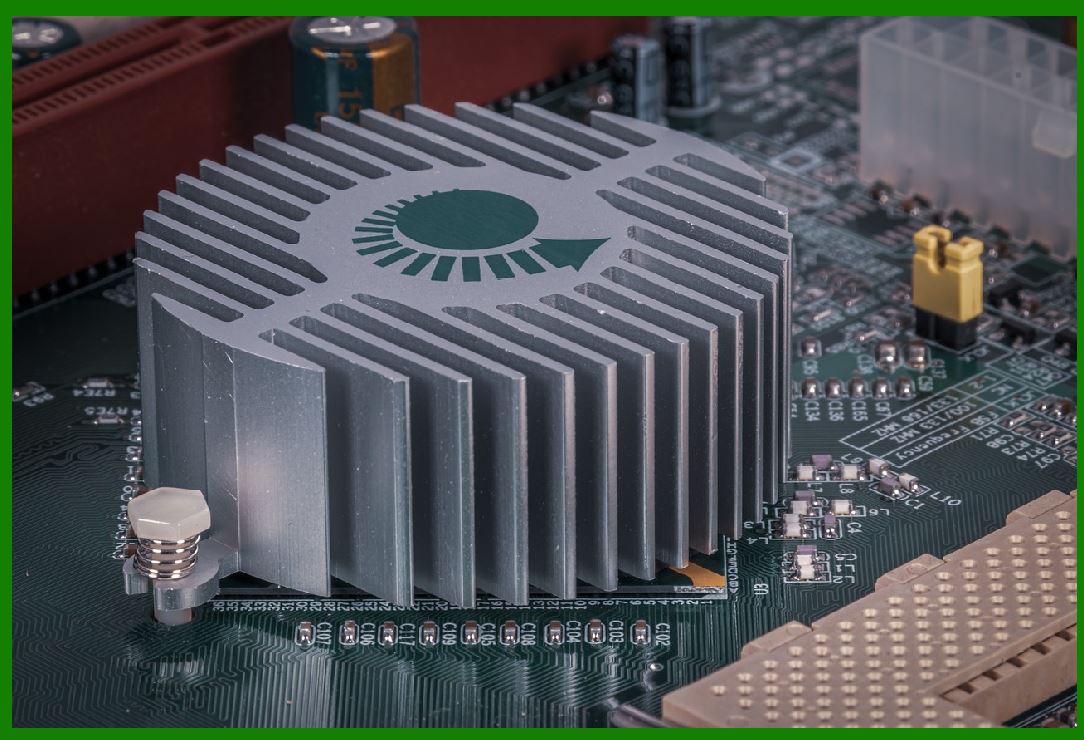
Many components of an RFID reader, particularly the power amplifier and RF transceiver, can generate significant heat during operation. Proper thermal management is essential to prevent overheating, which could cause component failure or degradation in performance. Heat sinks, fans, and other cooling techniques may be required, especially in high-power systems. |

|
5. Power Management Circuits |
Power management circuits play a crucial role in regulating and distributing power within the RFID reader. These circuits are designed to ensure that the right amount of power is delivered to each component, and they help prevent voltage fluctuations, power surges, and other issues that can disrupt system performance. |
5.1 Voltage Regulators |
Voltage regulators are essential for ensuring that each component receives the required voltage. There are two main types of voltage regulators: linear and switching. Linear regulators are simple and cost-effective but can be inefficient, especially when there is a large difference between input and output voltage. Switching regulators, on the other hand, are more efficient and can provide higher output power, but they are more complex and may introduce noise. |
5.2 DC-DC Converters |
DC-DC converters are used to step up or step down the input voltage to match the power requirements of different components. These converters can operate in buck (step-down), boost (step-up), or buck-boost modes, depending on the needs of the system. DC-DC converters are commonly used in battery-powered RFID readers to optimize power efficiency and extend battery life. |
5.3 Power Monitoring |
Some RFID systems include power monitoring circuits that track the voltage, current, and power consumption of the reader. These circuits can provide valuable feedback to the system for managing power more effectively. In battery-powered systems, for example, power monitoring can help the system determine when the battery is running low and alert the user to recharge or replace the battery. |
5.4 Power Sequencing |
In complex RFID systems, power sequencing is used to ensure that components are powered up in the correct order. For instance, the microcontroller may need to power up before the RF transceiver to avoid damaging the components. Power sequencing circuits can manage this process, ensuring that all components are powered safely and in the correct order. |
5.5 Low Power Modes |
Many RFID readers, especially portable devices, feature low-power modes to save energy when the system is not in active use. These modes may include sleep modes or standby modes, where the microcontroller and other components reduce their power consumption significantly. Power management circuits are responsible for switching between these modes efficiently and quickly. |

|
6. Efficiency Considerations in Power Supply and Management |
Power efficiency is a critical factor in the design of RFID reader power systems, particularly for mobile and battery-operated readers. Power-efficient designs help extend battery life, reduce heat generation, and minimize operational costs. The following techniques can be used to improve power efficiency: |
6.1 Use of Switching Regulators |
Switching regulators are more efficient than linear regulators, especially when there is a significant difference between the input and output voltage. By using switching regulators, the RFID reader can minimize energy loss during voltage conversion, which is particularly important in battery-operated systems. |
6.2 Dynamic Voltage Scaling |
Dynamic voltage scaling (DVS) is a technique used to adjust the voltage supplied to components based on their workload. When the system is idle or under low load, the voltage can be reduced, conserving power. When the system is under heavy load, the voltage can be increased to ensure proper performance. |
6.3 Power Gating |
Power gating is a technique used to shut down unused components or subsystems to save power. For example, when the RFID reader is not actively reading tags, the RF transceiver or power amplifiers may be powered down to conserve energy. Power gating requires efficient control circuits to ensure that components are powered on and off as needed. |

|
7. Challenges and Solutions in Power Supply and Power Management |
There are several challenges in designing the power supply and management system for an RFID reader. Some of these challenges include: |
7.1 Power Consumption |
RFID readers with long-range capabilities or high-speed data transfer rates can consume a significant amount of power, especially in mobile or handheld devices. Designers must find a balance between power consumption and performance, optimizing the system's power usage without sacrificing functionality. |
7.2 Battery Life |
For portable RFID readers, battery life is a key concern. Designers need to minimize power consumption while ensuring that the system provides sufficient performance. This often requires the use of low-power components, efficient power management circuits, and techniques like sleep modes or low-power signal processing. |
7.3 Thermal Management |
High-power components, such as the RF power amplifier and transceivers, generate heat during operation. Proper thermal management is essential to prevent overheating and ensure the reliability of the RFID reader. Using heat sinks, ventilation, and efficient power components can help mitigate these challenges. |
7.4 Environmental Factors |
RFID readers often operate in various environmental conditions, such as temperature extremes or high electromagnetic interference. Power management circuits must be designed to handle these conditions while maintaining stable performance. |
|
8. Conclusion |
The power supply and power management system of an RFID reader are integral to its overall performance and efficiency. A stable, efficient power supply ensures that all components, including the microcontroller, RF transceiver, signal processing unit, and power amplifiers, operate optimally. Power management circuits, such as voltage regulators, DC-DC converters, and power monitoring systems, play a vital role in distributing power and managing energy consumption. By addressing the challenges of power consumption, battery life, and thermal management, designers can create RFID systems that provide reliable, high-performance operation while minimizing energy usage. |

|
Common Failures Caused by RFID Reader's Power Supply and Power Management and How to Check and Fix Them |
RFID readers are complex devices that rely heavily on a stable and efficient power supply and power management system. Any issues with the power supply or management can lead to various failures that may affect the overall functionality of the reader. Below are some of the common failures caused by the power supply and power management, along with methods to check and fix them. |
1. Power Supply Failures |
1.1 Power Fluctuations or Instability |
Cause: Fluctuations in the input voltage (AC or DC) can lead to unstable power delivery to the RFID reader's components, which can cause malfunctions such as data corruption, communication failures, or even component damage. |
Symptoms: |
RFID reader intermittently loses connection with tags. |
Communication failure or slow response time. |
Device resets unexpectedly. |
How to Check: |
Measure Input Voltage: Use a multimeter or oscilloscope to check the voltage levels at the input terminal of the power supply. Make sure that the voltage is stable and within the specified range (e.g., 12V DC for battery-operated systems or 110V-240V AC for mains-powered systems). |
Check Power Supply Output: Measure the output voltage of the power supply to ensure it is providing the correct voltages to the various components, such as 5V for the microcontroller, 3.3V for signal processing units, etc. |
How to Fix: |
Replace Faulty Power Supply: If there is a significant fluctuation in the input or output voltage that cannot be corrected through adjustments, replace the power supply. |
Use a Voltage Regulator: If the issue is related to high input voltage fluctuations, a voltage regulator or a surge protector can stabilize the input before it reaches the power supply. |
Use a Battery Backup System: For battery-powered RFID readers, incorporating a UPS (Uninterruptible Power Supply) or a backup battery system can help prevent power interruptions. |
|
1.2 Under-Voltage or Over-Voltage Conditions |
Cause: Under-voltage or over-voltage conditions can occur when the input voltage is either too low or too high for the power supply to operate properly, leading to damage or inefficient operation of the RFID reader components. |
Symptoms: |
RFID reader fails to power up or turns on and off intermittently. |
Unresponsive or erratic performance. |
Overheating of power supply components. |
How to Check: |
Measure Output Voltage: Use a multimeter to check the voltage output from the power supply. Ensure that it is within the range specified for the components (for example, 5V ¡À5% for the microcontroller). |
Check Power Supply Ratings: Ensure that the input power supply is rated for the appropriate voltage and current requirements of the RFID reader. Check the datasheets of components such as the microcontroller, transceivers, and amplifiers for their power specifications. |
How to Fix: |
Replace Faulty Voltage Regulators: If the power supply has a faulty voltage regulator, it may output an incorrect voltage, leading to under-voltage or over-voltage. Replace or repair the faulty regulator. |
Adjust Input Voltage: If using an AC-to-DC converter, ensure that the input voltage is within the accepted range. If using a battery, ensure the voltage is sufficient. |
Use a Voltage Clamping Circuit: Incorporating a voltage clamping or protection circuit can safeguard the system from over-voltage or under-voltage scenarios. |
|
1.3 Power Supply Overload |
Cause: An overload occurs when the total power consumption of the RFID reader exceeds the rated capacity of the power supply, leading to overheating or shutdown of the system. |
Symptoms: |
RFID reader shuts down after prolonged use. |
Power supply becomes excessively hot to the touch. |
RFID reader behaves erratically, and certain components fail to work. |
How to Check: |
Monitor Current Draw: Measure the current draw of the entire system using a multimeter or ammeter. Compare it against the rated current output of the power supply. |
Check for Hot Spots: If certain components (e.g., the power supply or power amplifier) are too hot, it can indicate an overload situation. |
How to Fix: |
Increase Power Supply Rating: If the power supply is undersized for the application, upgrade to a higher-rated supply that can handle the current requirements. |
Distribute Load Efficiently: If multiple components are drawing excessive power, distribute the load across multiple power supplies or optimize power management strategies. |
Improve Heat Dissipation: Add heat sinks or improve ventilation for the power supply components to avoid thermal overload. |

|
2. Power Management Failures |
2.1 Voltage Regulator Failure |
Cause: A faulty voltage regulator can cause the RFID reader to receive an incorrect voltage, leading to malfunctioning components. |
Symptoms: |
The RFID reader fails to power up. |
Display screen or LEDs fail to light up or flicker. |
Communication errors with RFID tags. |
How to Check: |
Measure Voltage at the Regulator Output: Use a multimeter to measure the output voltage of the voltage regulators. Verify that the output matches the required voltage levels for the different components. |
Inspect for Heat: Voltage regulators that are overheating may indicate internal failure. Check if any components are hot or emitting an unusual smell. |
How to Fix: |
Replace the Regulator: If a voltage regulator is malfunctioning, replace it with a new one with the correct specifications. |
Improve Cooling: Add heat sinks or increase airflow around the regulator to prevent overheating. |
Ensure Proper Load Distribution: Make sure the load on the voltage regulator is within its specifications to prevent overload. |
|
2.2 Power Sequencing Issues |
Cause: Incorrect power sequencing can result in components being powered on or off in the wrong order, potentially damaging sensitive parts of the RFID reader or causing erratic behavior. |
Symptoms: |
The RFID reader fails to initialize properly. |
Components do not power up in the correct sequence (e.g., microcontroller powers up before the RF transceiver). |
The RFID reader may exhibit intermittent functionality. |
How to Check: |
Inspect Power-on Sequence: Check the order in which the components power up. Use a power sequencing diagram to confirm that all components receive power in the correct order. |
Examine Control Signals: Monitor the control signals that manage the power-on and power-off sequences using an oscilloscope or logic analyzer. |
How to Fix: |
Use Power Sequencing ICs: Incorporate power sequencing ICs that ensure components are powered up in the correct sequence. |
Implement Delays in Power Management: If sequencing issues arise, program the power management system to introduce delays in powering up certain components. |
|
2.3 Inefficient Power Distribution |
Cause: Poor power distribution can lead to under-voltage or over-voltage conditions at certain components due to improper routing or inadequate power supply components. |
Symptoms: |
Erratic behavior in RFID reader operations. |
Components, particularly the RF transceiver and power amplifiers, experience voltage drops or instability. |
RFID tags are not detected at expected ranges. |
How to Check: |
Measure Voltage at Key Components: Measure the voltage at critical components, including the microcontroller, RF transceiver, and power amplifiers, to check if they are receiving stable and correct voltages. |
Check for Voltage Drops: Using an oscilloscope or digital voltmeter, look for voltage drops or instability in the power supply rails when the RFID reader is under load. |
How to Fix: |
Upgrade Power Distribution Circuit: Use thicker traces or dedicated power distribution boards to minimize voltage drops. |
Use Low Dropout Regulators (LDO): Use LDO regulators if voltage drops are occurring due to long power supply paths or high current demands. |
|
3. Battery-related Failures (For Battery-Powered RFID Readers) |
3.1 Battery Drain or Short Life |
Cause: Batteries in RFID readers, particularly rechargeable batteries, can suffer from rapid discharge or shortened life if power management isn't optimized. |
Symptoms: |
RFID reader operates for a shorter time than expected. |
Battery charge drops rapidly even with minimal usage. |
How to Check: |
Monitor Battery Voltage: Use a battery tester or voltmeter to check the voltage level of the battery and compare it to the manufacturer's specifications. |
Check Power Consumption: Measure the power consumption of the RFID reader to ensure it's within expected limits, and ensure that power-efficient modes are being used. |
How to Fix: |
Use Energy-Efficient Components: Opt for low-power components and power-efficient power management systems. |
Replace the Battery: If the battery is worn out or defective, replace it with a new one that matches the specifications of the RFID reader. |
Implement Power-Saving Modes: Ensure that the RFID reader enters low-power or sleep mode when not in use to extend battery life. |

|
Conclusion |
Power supply and power management issues can cause significant disruptions in RFID reader performance. Common failures like voltage instability, under-voltage, over-voltage, overloads, power sequencing issues, and battery-related problems can all affect the reliability and functionality of the device. Regularly checking the power levels, voltage regulators, current draw, and battery health using proper diagnostic tools like multimeters and oscilloscopes can help detect and fix these issues early. Proper power management design, along with the use of efficient components, can minimize the risk of failure and ensure optimal performance for RFID systems. |

|
What new technologies will improve the function of the RFID reader's Power Supply and Power Management and reduce the failure rate? |
With the growing demand for RFID technology in diverse applications-such as supply chain management, healthcare, and retail-there is a significant need for advancements in power supply and power management systems. The proper functioning of RFID readers relies on reliable, efficient, and stable power systems. Emerging technologies are poised to enhance the performance, efficiency, and reliability of RFID reader power systems, thus reducing failure rates and prolonging the operational life of these devices. |
Below are several key technologies that will improve the power supply and power management of RFID readers and minimize failure rates: |
1. Wide-Bandgap Semiconductors (WBG) |
Wide-bandgap semiconductors, such as silicon carbide (SiC) and gallium nitride (GaN), are increasingly being used in power electronics due to their superior performance characteristics compared to traditional silicon-based components. These materials can operate at higher voltages, frequencies, and temperatures, and have better efficiency, which makes them ideal for power supplies and power management systems in RFID readers. |
Benefits: |
Higher Efficiency: WBG semiconductors have lower conduction losses, improving the overall efficiency of power conversion systems. |
Smaller Components: Due to their ability to handle higher frequencies, WBG components enable the design of smaller and more compact power supplies, ideal for mobile and handheld RFID readers. |
Better Thermal Management: GaN and SiC components can operate at higher temperatures, reducing the need for complex cooling systems and improving the thermal performance of RFID readers. |
Impact: |
By integrating WBG semiconductors into RFID power supplies, manufacturers can significantly improve the power efficiency and heat management, thereby reducing the risk of overheating and failures. |

|
2. Integrated Power Management ICs (PMICs) |
Power Management ICs (PMICs) integrate multiple power management functions into a single chip, including voltage regulation, battery charging, energy harvesting, and load distribution. Modern PMICs are highly advanced, offering multiple voltage rails, low power consumption, and dynamic power adjustment. |
Benefits: |
Simplified Power Design: PMICs reduce the need for multiple discrete components (such as voltage regulators, power switches, and battery chargers), streamlining the design process. |
Energy Efficiency: Many PMICs now include features like dynamic voltage and frequency scaling (DVFS), which adjusts power levels based on real-time system needs, significantly improving energy efficiency. |
Integration of Power-Gating: Advanced PMICs can power down specific components of the RFID reader when not in use, reducing unnecessary power consumption and extending battery life. |
Impact: |
The use of PMICs in RFID readers reduces system complexity, minimizes power loss, and enhances the efficiency of power management, which contributes to longer battery life and lower failure rates. |

|
3. Wireless Power Transfer (WPT) |
Wireless power transfer, also known as inductive charging or resonant inductive coupling, allows RFID readers (especially mobile or handheld devices) to charge without the need for physical connectors or charging stations. WPT technologies can provide continuous or on-the-go charging, which can significantly reduce the need for manual battery replacements or recharging. |
Benefits: |
Convenience: Wireless charging eliminates the need for plugging in cables, reducing wear and tear on connectors and the associated failure risks. |
Continuous Operation: RFID readers can remain operational without interruptions for recharging, particularly in environments where quick tag scanning is crucial, such as warehouses or logistics operations. |
Improved Durability: Without physical connectors, the risk of connector failures due to wear or environmental conditions (e.g., moisture, dust) is minimized. |
Impact: |
WPT can help reduce the downtime of RFID systems by ensuring that RFID readers are continuously charged, leading to better reliability and fewer power-related failures. |
|
4. Energy Harvesting Technologies |
Energy harvesting (EH) refers to technologies that capture and store ambient energy (such as solar, thermal, vibrational, or kinetic energy) to power electronic devices. For RFID readers, energy harvesting can be particularly beneficial in low-power, remote, or battery-dependent applications. |
Benefits: |
Reduced Dependency on External Power: Energy harvesting can reduce the reliance on traditional batteries or power sources by capturing available environmental energy. |
Extended Battery Life: Devices equipped with energy harvesters can extend their operational life by supplementing or entirely replacing the need for a battery. |
Sustainability: Energy harvesting contributes to sustainability by utilizing renewable energy sources and reducing the environmental impact of battery production and disposal. |
Impact: |
In RFID systems, energy harvesting can extend battery life, reduce maintenance requirements, and eliminate power failures caused by battery depletion. It is especially useful in remote or inaccessible areas where frequent battery replacements or recharging are difficult. |
|
5. Low-Power, Low-Voltage Microcontrollers |
Modern RFID systems are increasingly integrating low-power microcontrollers (MCUs) that consume significantly less energy while maintaining the performance necessary for operations such as tag reading, signal processing, and communication. |
Benefits: |
Optimized for Low Power: Low-voltage MCUs consume minimal energy, thus improving the overall energy efficiency of the RFID reader. |
Advanced Sleep Modes: These MCUs feature advanced power management modes, including deep sleep and ultra-low-power modes, which enable the device to consume very little power when idle. |
Faster Wake-up Times: Despite their low-power nature, modern MCUs have fast wake-up times, ensuring that the RFID reader is responsive when needed. |
Impact: |
By incorporating these low-power MCUs, RFID readers can operate longer on a single battery charge, reduce heat generation, and improve the overall power management efficiency, thus lowering the failure rates caused by power issues. |
|
6. Smart Battery Management Systems (BMS) |
Smart Battery Management Systems (BMS) are increasingly being used to monitor, control, and optimize the charging and discharging of batteries in RFID readers, particularly for rechargeable lithium-ion or lithium-polymer batteries. These systems ensure that batteries are operating within safe parameters and provide real-time diagnostics on battery health. |
Benefits: |
Battery Health Monitoring: The BMS continuously monitors voltage, current, temperature, and state-of-charge (SOC), ensuring that the battery operates within safe limits. |
Overcharge/Over-discharge Protection: The BMS prevents the battery from overcharging or discharging too deeply, both of which can lead to failures and shortened battery life. |
Thermal Management: Many advanced BMS include thermal management features to prevent overheating, a common cause of battery failure. |
Impact: |
By incorporating BMS technology, RFID systems will experience fewer battery failures, longer battery life, and more reliable performance over time. |
|
7. Smart Power-Gating and Dynamic Power Allocation |
Smart power-gating technologies allow individual components of the RFID reader to be powered up or down dynamically based on the current operational needs. This helps reduce the power consumption of the reader by turning off power to components that are not in use (e.g., RF transceivers during idle periods). |
Benefits: |
Reduced Power Consumption: Components like microcontrollers, RF transceivers, and sensors can be powered down when they are not needed, optimizing energy consumption. |
Improved Battery Life: By using dynamic power allocation, RFID readers can extend battery life, especially for handheld or mobile readers. |
Optimized Resource Utilization: Smart power-gating ensures that the RFID reader only uses the power it needs at any given moment, preventing unnecessary energy waste. |
Impact: |
Implementing power-gating strategies in RFID readers helps reduce power consumption, improve battery life, and ensure that components operate only when needed, leading to fewer failures related to power issues. |
|
8. Cloud-Based Power Management and Diagnostics |
The integration of RFID readers with cloud-based platforms enables real-time monitoring and diagnostics of power consumption, battery health, and overall system performance. Cloud-based power management systems allow remote monitoring of large-scale RFID deployments, ensuring that power-related issues are detected and resolved promptly. |
Benefits: |
Remote Diagnostics: Allows users to remotely monitor the status of RFID readers, including battery levels, power usage, and performance metrics, reducing the risk of failures going unnoticed. |
Predictive Maintenance: Cloud platforms can provide analytics and predictive insights based on power usage trends, allowing for proactive maintenance and replacement before failures occur. |
Improved System Reliability: With cloud-based management, RFID systems can be adjusted and optimized in real time, reducing downtime caused by power-related issues. |
Impact: |
Cloud-based power management improves the reliability of RFID systems by enabling timely interventions, preventing unexpected failures, and improving overall system uptime. |

|
Conclusion |
The continuous advancement of technologies related to wide-bandgap semiconductors, power management ICs, wireless power transfer, energy harvesting, low-power microcontrollers, smart battery management, and cloud-based diagnostics will significantly improve the power supply and power management systems of RFID readers. These innovations will not only enhance the energy efficiency and operational life of RFID systems but also reduce the failure rate caused by power-related issues. As these technologies become more integrated into RFID systems, we can expect to see more reliable, efficient, and durable RFID devices that meet the increasing demands of modern applications. |
 cs@easiersoft.com