1. Introduction to RFID and RFID Reader |
Radio Frequency Identification (RFID) technology enables wireless data transmission through electromagnetic fields. This technology is used for automatic identification and tracking of tags attached to objects. RFID systems are composed of two main components: the RFID tags and the RFID reader. The reader is responsible for sending and receiving data from the tag, enabling the identification process. An RFID reader is a crucial component in an RFID system, which typically consists of three main parts: an antenna, a transceiver, and a processor. |
This detailed discussion aims to explain the structure of an RFID reader and its electronic circuit principle in a comprehensive manner, focusing on the reader's components, working mechanisms, and the underlying principles of its electronic circuitry. |
|
2. Overview of the RFID Reader Structure |
An RFID reader is a device that facilitates communication between an RFID tag and a host system, such as a computer or inventory system. The RFID reader generates electromagnetic fields that interact with RFID tags to extract information stored on them. RFID readers can operate on different frequency bands, including low-frequency (LF), high-frequency (HF), and ultra-high frequency (UHF). |
The basic structure of an RFID reader consists of the following: |
1.Antenna |
2.Transceiver |
3.Processor (Microcontroller or Microprocessor) |
4.Power Supply |
5.Interface |
2.1 Antenna |
The antenna is one of the critical components in an RFID reader. It emits radio waves to the RFID tags and listens for their return signals. The antenna's function is to create an electromagnetic field that can power passive RFID tags and communicate with them. RFID antennas come in various shapes, sizes, and designs, depending on the reader's range and purpose. |
In active RFID systems, the antenna also plays the role of receiving signals back from the tags. Depending on the design, an antenna may be integrated into the reader or attached externally for enhanced performance. |
The type of antenna used in an RFID reader influences the range and power consumption of the reader. Common designs include circularly polarized antennas for wider coverage and linear polarized antennas for long-distance communication in specific directions. |
2.2 Transceiver |
The transceiver in an RFID reader is responsible for modulating and demodulating signals to facilitate communication between the reader and the tags. The transceiver performs two main functions: transmitting data to the tags and receiving data from the tags. |
In RFID systems, the reader transmits a signal that carries power and data, while the tag responds with stored data or information back to the reader. In passive RFID systems, the reader provides power to the tag through the electromagnetic field generated by the antenna, allowing it to respond. In active RFID systems, tags have their own power sources and can respond autonomously. |
The transceiver uses a modulation technique (e.g., amplitude modulation, frequency modulation) to encode data onto the radio signal that the antenna transmits. On the receiving side, it decodes the received signals to extract the tag's information. |
2.3 Processor (Microcontroller or Microprocessor) |
The processor in an RFID reader controls the entire system's operation, including signal processing, data handling, and communication with external systems. The processor also handles the task of error checking, data validation, and communication protocols with the RFID tags and the host system. |
The processor's role is to control how the transceiver works, manage the timing of the signals, and execute the necessary tasks that ensure accurate reading and interpretation of the data. Additionally, processors in RFID readers can include features such as encryption for secure data transmission, handling multiple tag reads at once (anti-collision), and managing the power supply to optimize performance. |
2.4 Power Supply |
An RFID reader requires a stable power supply to operate. Depending on the reader's design, the power supply may come from a wall adapter, battery pack, or Power over Ethernet (PoE) setup. The power supply needs to provide the necessary voltage and current to the transceiver, processor, and other components. |
Since RFID readers generate electromagnetic fields, which may require considerable energy for long-range operation, their power supply must be sufficient to drive the antenna and maintain stable performance. In energy-efficient designs, the power supply should also be optimized to conserve energy, especially in battery-operated RFID readers. |
2.5 Interface |
The interface in an RFID reader refers to the methods by which the reader communicates with other systems. These interfaces can include USB, RS232, Ethernet, or wireless communication methods such as Wi-Fi or Bluetooth. The interface provides the means for the reader to send data to a host system or retrieve information from external devices. |
In some advanced RFID systems, the interface may be wireless, enabling the RFID reader to work in remote or difficult-to-reach locations. The interface facilitates data exchange and is an essential part of ensuring the RFID system operates efficiently within a broader network, such as inventory management systems or tracking solutions. |
|
3. Electronic Circuit Principles in an RFID Reader |
The electronic circuit of an RFID reader is responsible for handling various aspects of RFID operation, including signal generation, modulation, reception, and data processing. It integrates several components to handle these tasks effectively. The key electronic circuit principles in an RFID reader include the following: |
1.Signal Modulation |
2.Power Amplification |
3.Signal Reception and Filtering |
4.Data Processing |
5.Error Detection and Anti-Collision |
3.1 Signal Modulation |
The first step in an RFID reader's operation is signal modulation. Modulation involves encoding information onto a carrier signal, which the reader transmits via its antenna. In most RFID systems, amplitude or frequency modulation is used to convey information. |
For passive RFID systems, the reader emits an electromagnetic signal that provides power to the tags. The tags use backscatter modulation to send data back to the reader. This form of modulation doesn't require the tag to generate its own power, as it reflects the reader's signal back with slight modifications corresponding to the tag's stored information. |
The modulation process must be precise and within the frequency range compatible with the tag. Therefore, the circuit design of the reader includes modulator circuits to ensure that the encoded signal can travel over the required range and maintain clarity. |
3.2 Power Amplification |
Once the signal is modulated, it needs to be amplified so it can reach the RFID tag. Power amplification is an essential function of the RFID reader's electronic circuit. The power amplifier boosts the modulated signal's power before sending it through the antenna. |
The amplification process is carefully managed to ensure the signal is powerful enough to reach the tag while not being excessively strong, which could interfere with other nearby systems or waste energy. The circuit may include automatic gain control (AGC) to dynamically adjust the amplification based on the signal strength. |
3.3 Signal Reception and Filtering |
In addition to sending signals to the tags, the RFID reader must also receive signals from them. After sending a signal, the antenna picks up any returning signals from the tags. These signals can be weak, distorted by noise, or interference, and must be filtered and processed. |
Signal reception and filtering are crucial to ensure that the reader correctly identifies signals from tags. The reader's receiver circuit is equipped with low-pass or band-pass filters to eliminate unwanted noise and select the frequency range that corresponds to the RFID system's operating band. The filtering ensures that only valid signals are processed, improving reliability and accuracy. |
3.4 Data Processing |
After receiving signals from the tags, the RFID reader processes the data encoded in the signals. The processor interprets the received information and converts it into a usable format, such as a unique ID number, product information, or location data. |
Data processing typically involves error checking and validation. If the data received from a tag is corrupted or incomplete, the reader will request a retransmission, ensuring the information's integrity. The processor also manages the communication protocols, ensuring the data is correctly formatted and transmitted to the host system. |
3.5 Error Detection and Anti-Collision |
One significant challenge in RFID systems, especially with multiple tags present in the reader's range, is preventing data collision. When several tags respond simultaneously, their signals can overlap, causing data corruption. To mitigate this, RFID readers employ anti-collision algorithms that allow multiple tags to communicate sequentially without interference. |
The anti-collision system helps the reader differentiate between signals from multiple tags, ensuring that each tag's response is uniquely identified. This is done using techniques such as time-division multiplexing, where tags take turns responding at different intervals. |
|
4. RFID Reader Circuit Diagram |
An RFID reader's circuit typically includes several functional blocks, each responsible for one or more tasks within the overall process. A basic RFID reader circuit diagram will include the following components: |
1.Microcontroller/Processor |
2.RF Module |
3.Power Supply Circuit |
4.Antenna Driver Circuit |
5.Data Communication Circuit |
Each of these blocks interacts with the others to form a complete, operational RFID reader system. |
4.1 Microcontroller/Processor |
The microcontroller or processor serves as the 'brain' of the reader, directing the operation of all other components. It controls the timing and sequencing of signal transmission and reception, data processing, and communication with external systems. |
4.2 RF Module |
The RF module handles the generation and reception of radio frequency signals. It contains the transmitter, receiver, and modulation/demodulation circuits. The RF module is responsible for the direct communication with the tags. |
4.3 Power Supply Circuit |
The power supply circuit converts the input power (AC or DC) to the correct voltage and current levels needed by the RFID reader's components. It ensures that the entire system operates efficiently and provides the necessary power for both the signal generation and processing stages. |
4.4 Antenna Driver Circuit |
The antenna driver circuit controls the operation of the RFID antenna, providing it with the necessary power to generate the electromagnetic fields. This circuit typically amplifies signals from the processor and modulates them before they are transmitted via the antenna. |
4.5 Data Communication Circuit |
This part of the circuit handles the interface between the RFID reader and external systems, such as computers or databases. It manages the sending and receiving of data, typically via a USB, RS232, or Ethernet interface. |
|
5. Conclusion |
An RFID reader is a complex system that integrates various electronic components to facilitate wireless communication with RFID tags. Understanding the structure of the RFID reader and the principles behind its electronic circuits is key to designing and optimizing RFID systems. The electronic circuit principles such as signal modulation, power amplification, reception and filtering, data processing, and anti-collision mechanisms ensure that the reader performs accurately and efficiently. Each component and circuit plays a crucial role in ensuring the system's smooth operation, enabling RFID technology to be a powerful tool in a variety of industries such as inventory management, asset tracking, and access control. |

|
6. Challenges in RFID Reader Design and Operation |
While RFID technology has numerous benefits and is widely adopted across various industries, RFID readers do face several challenges that can impact their performance, accuracy, and reliability. These challenges are particularly relevant when considering factors such as signal interference, system scalability, environmental conditions, and security. Below are the primary challenges RFID readers may face: |
6.1 Signal Interference and Noise |
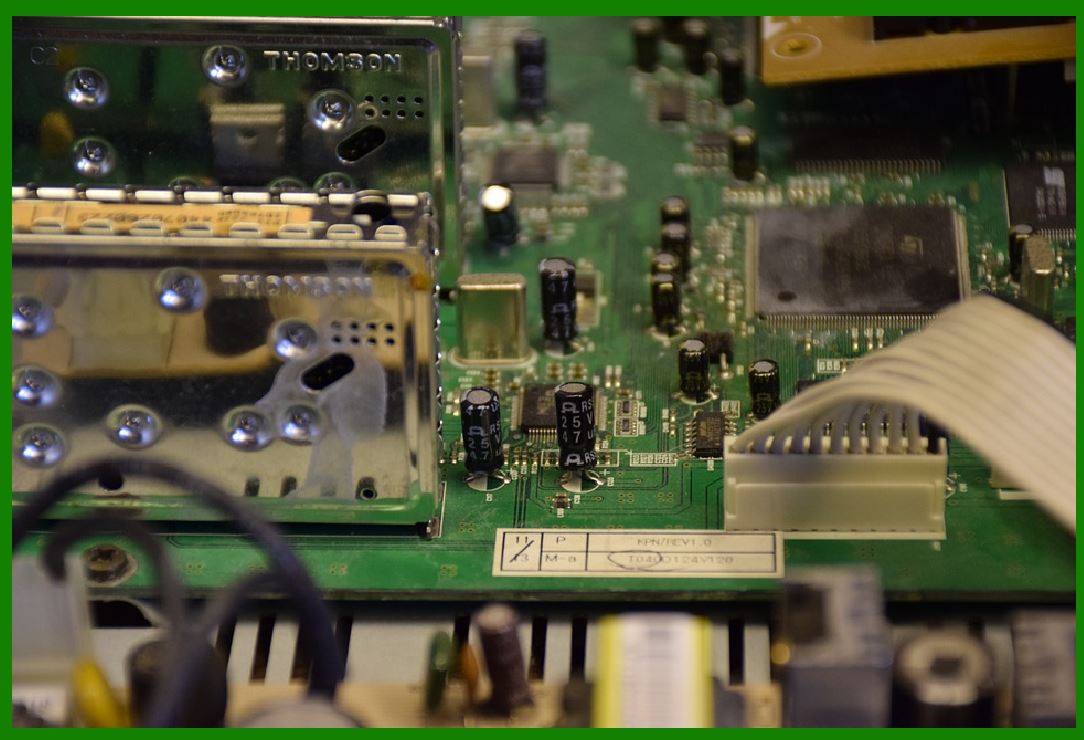
One of the significant challenges faced by RFID readers is signal interference and noise. RFID systems rely on electromagnetic signals to communicate between the reader and the tags, but these signals are vulnerable to interference from other electronic devices, metal objects, and environmental factors. Some of the key issues include: |
Electromagnetic Interference (EMI): RFID readers may encounter interference from nearby electronic devices emitting electromagnetic waves. Devices such as microwaves, mobile phones, and other wireless communication systems can disrupt the signal transmission, reducing the performance of the reader. |
Environmental Obstructions: RFID signals are sensitive to physical obstructions such as walls, metal surfaces, and large objects. Metal surfaces, in particular, can block or reflect the electromagnetic waves, creating signal 'shadows' where tags cannot be read. |
Signal Noise: High levels of electrical noise in industrial environments, such as from motors or power supplies, can distort the signal, leading to communication errors between the reader and the tags. |
To mitigate this challenge, RFID readers must be equipped with advanced filtering techniques and noise-reduction capabilities. Additionally, the choice of frequency band plays a crucial role in determining the extent to which interference may affect the system. |
|
6.2 Tag Collisions and Anti-Collision Protocols |
When multiple RFID tags are within the reader's range, the signals from the tags may collide, causing data corruption or loss. This is a significant issue in systems with many tags, such as inventory management in large warehouses or asset tracking across multiple items. The problem is known as the Tag Collision Problem, and it arises when two or more tags respond to a reader's query at the same time, causing their signals to overlap. |
To address this, RFID readers must implement anti-collision protocols that allow the reader to communicate with tags individually without interference. These protocols use various techniques, such as: |
Time Division Multiple Access (TDMA): This method assigns specific time slots for each tag to communicate with the reader, avoiding simultaneous transmission. |
Frequency Hopping: By changing the frequency of communication, RFID readers can minimize the likelihood of tag collisions. |
Slotted Aloha: Tags wait for a random period before responding, reducing the likelihood of collisions. |
However, implementing anti-collision protocols can increase the complexity of the system and reduce the overall speed of data collection. |
|
6.3 Limited Read Range and Tag Compatibility |
The read range of an RFID reader is a critical factor that determines how far the reader can communicate with the tags. The range depends on several factors, including the power of the reader's signal, the type of tag, and the frequency band being used. |
Passive Tags: Passive RFID tags, which do not have their own power source, rely on the signal from the reader to transmit data. As a result, their read range is typically limited to a few meters, depending on the power of the reader and environmental conditions. |
Active Tags: Active RFID tags, which contain a battery, can have a longer read range, sometimes extending to hundreds of meters. However, these tags are more expensive and require regular battery replacements, which can add to the maintenance cost. |
Moreover, tag compatibility is another issue that RFID readers must address. RFID systems may use tags that operate on different frequency bands (e.g., LF, HF, UHF), and a reader must be designed to communicate with specific types of tags. This limits the versatility of the reader and may require additional hardware or multiple readers for different applications. |
|
6.4 Environmental Conditions |
RFID readers must be able to function under a wide range of environmental conditions. Factors such as temperature, humidity, dust, and exposure to chemicals can affect the performance and reliability of the system. |
Extreme Temperatures: RFID readers are often used in environments with extreme temperatures, such as outdoor settings or industrial facilities. Excessive heat or cold can cause components within the reader to malfunction or degrade. This can be particularly problematic in passive RFID systems, where temperature variations may also impact the power levels required to activate the tags. |
Moisture and Dust: In environments where dust, moisture, or chemicals are present, RFID readers must be designed with protective enclosures to prevent damage to sensitive electronic components. Additionally, such environments may require readers with high ingress protection (IP) ratings to ensure they function reliably. |
RFID readers used in these harsh environments must be ruggedized, and this may involve using specialized enclosures or coatings to protect the electronics from the elements. |

|
6.5 Security and Privacy Concerns |
RFID systems, particularly those used in identification and payment systems, face significant security and privacy challenges. Since RFID systems rely on wireless communication, they are vulnerable to attacks and unauthorized access. Some of the key security concerns include: |
Eavesdropping: Since RFID tags transmit data wirelessly, attackers may intercept the signals between the reader and the tags to obtain sensitive information. This is especially concerning in applications such as access control, payment systems, or tracking systems where the data may include personal information. |
Cloning: Attackers may clone RFID tags to gain unauthorized access to restricted areas or make fraudulent transactions. In some cases, RFID tags can be easily copied if they do not have encryption or other security measures in place. |
Denial of Service (DoS) Attacks: In a DoS attack, malicious actors can jam or flood the RFID system with unnecessary signals, preventing legitimate readers from communicating with the tags. |
To address these concerns, RFID readers must be designed with robust encryption protocols to secure the communication between the reader and the tags. Additionally, authentication methods (such as mutual authentication) can help ensure that only authorized readers and tags are allowed to communicate. Other security mechanisms, such as password protection or digital signatures, may be implemented to prevent unauthorized access. |
|
6.6 Scalability and System Integration |
RFID systems are often deployed in large-scale environments, such as warehouses, supply chains, or retail operations. One challenge faced by RFID readers is scalability. As the number of tags increases, the system must be able to handle a larger volume of data and manage multiple readers efficiently. |
Moreover, RFID readers must be integrated with existing systems, such as inventory management software, access control systems, or enterprise resource planning (ERP) systems. Ensuring smooth integration requires interoperability between different RFID readers, tags, and software platforms, which may involve compatibility issues. |
Multiple Readers and Tags: In large-scale environments, multiple RFID readers may need to work together without interference. The system must be designed to coordinate data collection from various readers, minimizing collisions and redundancy. |
Data Storage and Processing: As the number of RFID tags and readers increases, so does the volume of data that needs to be processed. Efficient data storage, retrieval, and processing mechanisms are essential to avoid bottlenecks in large-scale systems. |

|
6.7 Cost and Maintenance |
RFID systems can be costly to deploy and maintain, especially when scaling up to large environments. The cost of RFID readers and tags can vary widely depending on the technology used, the range required, and the type of tags needed. Passive RFID tags are generally cheaper than active tags, but they may not offer the same range or performance in certain environments. |
Additionally, maintenance of RFID systems can be complex and costly. Components such as batteries in active tags, readers' power supplies, and antennas may need regular maintenance or replacement. When deployed in harsh environments, RFID readers may also require periodic cleaning, recalibration, or repairs to maintain optimal performance. |
|
7. Conclusion |
RFID readers face a variety of challenges that can affect their performance and reliability. These challenges include signal interference, tag collisions, limited read range, environmental factors, security concerns, scalability, and system integration. To overcome these challenges, RFID systems must incorporate advanced technologies, such as anti-collision algorithms, encryption, and ruggedized hardware, while also considering the cost and maintenance requirements. Understanding these challenges is essential for designing efficient and reliable RFID systems that can meet the needs of diverse applications across industries. |
 cs@easiersoft.com