Structure of RFID Tags: Detailed Overview |
Radio Frequency Identification (RFID) technology is a critical part of modern systems used for identification, tracking, and data transmission. RFID tags, in particular, form an integral component of the system by interacting with RFID readers to provide useful data. An RFID tag consists of several components that work in tandem to facilitate this communication. Below is a detailed explanation of these components and how they collectively allow RFID tags to operate. |
|
1. Microchip (Integrated Circuit - IC) |
At the heart of every RFID tag is the microchip, also referred to as the integrated circuit (IC). The microchip plays the most crucial role in the operation of the RFID tag. This small, low-power integrated circuit stores all the data that the tag is meant to transmit to an RFID reader. |
1.1 Storage Functionality |
The microchip in an RFID tag typically contains a small amount of memory. The amount of memory can vary depending on the application but usually ranges from a few bits to several kilobytes. This memory stores the unique identification number (UID) and potentially other data related to the object or item the RFID tag is attached to. The memory could be: |
Read-Only: Where data is pre-programmed by the manufacturer, such as a unique serial number. |
Read-Write: Where data can be updated or overwritten, which allows for more dynamic uses such as tracking an item through various stages of a supply chain. |
1.2 Processing and Communication |
The microchip is responsible for handling the data that is sent and received between the tag and the RFID reader. When the RFID reader emits a radio signal, the microchip of the tag modulates the signal by altering the frequency or phase of the wave in a way that encodes the data stored within it. This allows the RFID reader to capture the necessary data. |
1.3 Power Management |
In passive RFID tags, the microchip does not have its own power source. Instead, it relies on the energy it receives from the RFID reader's radio waves. The microchip uses this energy to activate the communication process and send data back to the reader. Active RFID tags, on the other hand, contain their own power source, typically a battery, which allows them to communicate over longer distances and store more data. |
|
2. Antenna |
The antenna of an RFID tag is a vital component that facilitates communication between the tag and the RFID reader. It transmits and receives radio waves, allowing the tag to interact with the reader over a distance. |
2.1 Transmission and Reception |
The primary function of the antenna is to receive energy from the RFID reader's radio waves (in passive RFID systems) and to transmit data back to the reader. It does this by creating a resonant circuit with the microchip, enabling the exchange of signals. The size, shape, and material of the antenna impact the efficiency and range of communication. |
Size and Shape: The design of the antenna influences the frequency at which it can operate. RFID systems generally work at three primary frequency bands: low frequency (LF), high frequency (HF), and ultra-high frequency (UHF). The size of the antenna must correspond to the operating frequency for efficient transmission and reception. Typically, UHF tags require a longer antenna, while HF and LF tags can use smaller antennas. |
Material: Antennas are usually made from conductive materials such as copper, aluminum, or even silver ink for flexible or printed RFID tags. The conductivity of the material directly influences the efficiency of the antenna. |
2.2 Types of Antennas |
There are several types of RFID antennas used in different applications: |
Loop Antenna: A simple, single loop of wire, often used in LF and HF RFID systems. |
Patch Antenna: A more sophisticated design used in UHF systems to offer improved performance and longer reading distances. |
Dipole Antenna: A more complex, bi-lobed antenna that increases the range and sensitivity of the tag. |
2.3 Efficiency and Range |
The effectiveness of the antenna depends on several factors such as the power of the RFID reader, the frequency used, and the surrounding environment. In general, passive RFID tags have a limited range (usually between 1 and 10 meters), while active RFID tags can operate at distances up to 100 meters or more due to their integrated power source. |
|
3. Substrate |
The substrate is the physical foundation on which the microchip and antenna are mounted. It provides structural integrity to the RFID tag and can be made from a wide variety of materials, depending on the application. The material selected for the substrate is usually lightweight, durable, and resistant to environmental factors like moisture, heat, or chemicals. |
3.1 Materials Used |
Paper: In many low-cost applications, the substrate is made from paper or paper-based materials. These are often used for RFID tags in packaging or inventory control. |
Plastic: More durable than paper, plastic substrates are commonly used in applications where longevity and durability are critical, such as in ID cards, access control badges, and product labels. |
Silicon: For more advanced RFID systems, silicon may be used as a substrate, especially when additional processing power or specific functionalities are needed. |
Flexible Materials: In modern applications, RFID tags are often printed on flexible materials using inkjet printing technologies. These tags are thin, lightweight, and can be integrated into packaging, labels, or clothing. |
3.2 Role in Durability and Functionality |
The substrate is designed to provide both physical protection and a stable environment for the microchip and antenna. In harsh conditions where tags are exposed to extreme temperatures or rough handling, a robust substrate ensures that the tag remains functional and intact. |
|
4. Integrated Circuit (IC) |
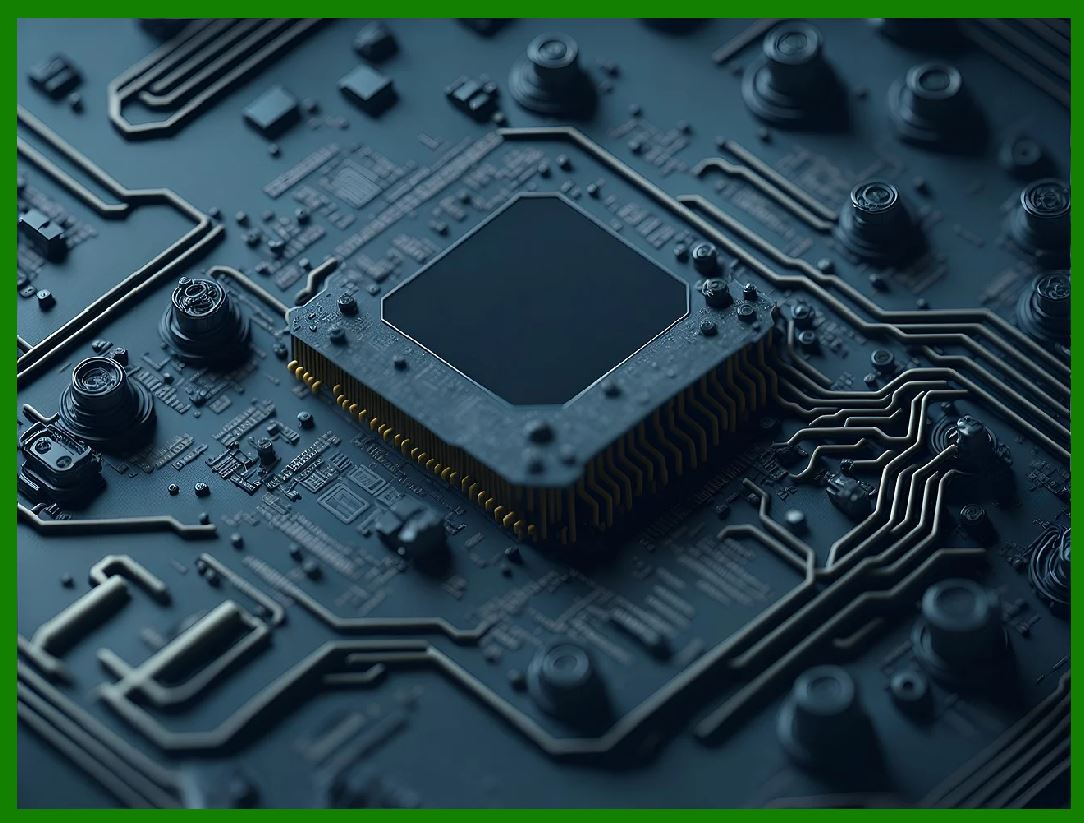
The integrated circuit (IC) is the tiny semiconductor device responsible for managing several functions within the RFID tag, including storing data, processing signals, and enabling communication with the RFID reader. The IC essentially enables the tag to carry out its primary function-identification. |
4.1 Components of the IC |
An RFID IC typically includes: |
Memory Unit: Stores the unique ID number and any additional data the tag may contain. Depending on the type of RFID tag (passive, active, or semi-passive), the memory might be limited or extensive. |
Modulator: This component modulates the received radio frequency signal in a way that encodes the tag's data. In passive RFID systems, the modulator controls the backscattering of the radio waves, encoding information by reflecting the signal back to the reader. |
Power Management Circuit: In active RFID tags, the IC includes a power management circuit that regulates the energy flow from the battery. In passive RFID tags, the power management circuit controls the energy harvested from the reader's signals. |
Controller: The controller within the IC manages the communication protocol, ensuring that the data is sent correctly to the reader in response to a query. |
4.2 Functionality within the System |
The IC is responsible for the tag's logic, enabling it to respond to commands from an RFID reader. It processes the received signals and either sends the data back (in passive systems) or modulates a signal that returns the tag's data to the reader. |
|
5. Capacitors and Diodes |
In some RFID tags, particularly those that require more sophisticated power management or signal conditioning, capacitors and diodes are incorporated into the design. These components enhance the performance of the tag's electronic circuit. |
5.1 Capacitors |
Capacitors store electrical energy and release it when needed. In RFID tags, capacitors are typically used in the power management system. They smooth out voltage fluctuations, ensuring that the microchip receives a stable voltage, which is essential for accurate data transmission and reception. |
5.2 Diodes |
Diodes are semiconductor devices that allow current to flow in one direction only. In RFID tags, diodes are used to regulate the current flow and prevent damage to the microchip from electrical surges or incorrect voltage. Diodes also help in protecting the tag from electrostatic discharge (ESD), which can potentially destroy sensitive components. |

|
6. The RFID Tag's Electronic Circuit |
The microchip and antenna together form the core of the RFID tag's electronic circuit. These components work closely together to enable the tag to function as intended. In passive RFID tags, the tag's electronic circuit harvests energy from the reader's radio waves to power the chip and modulate the signal. |
6.1 Backscatter Modulation |
A common technique used in passive RFID systems is backscatter modulation. The antenna of the RFID tag reflects the radio waves sent by the reader, but it alters the signal to encode information. This modulation process allows the RFID reader to decode the reflected signal and retrieve the stored data from the tag. |
6.2 Signal Conditioning |
Some RFID systems require signal conditioning, which involves processing the received signals to filter out noise and ensure accurate communication. Capacitors and diodes often assist in these processes by stabilizing the power and protecting the circuits. |
Conclusion |
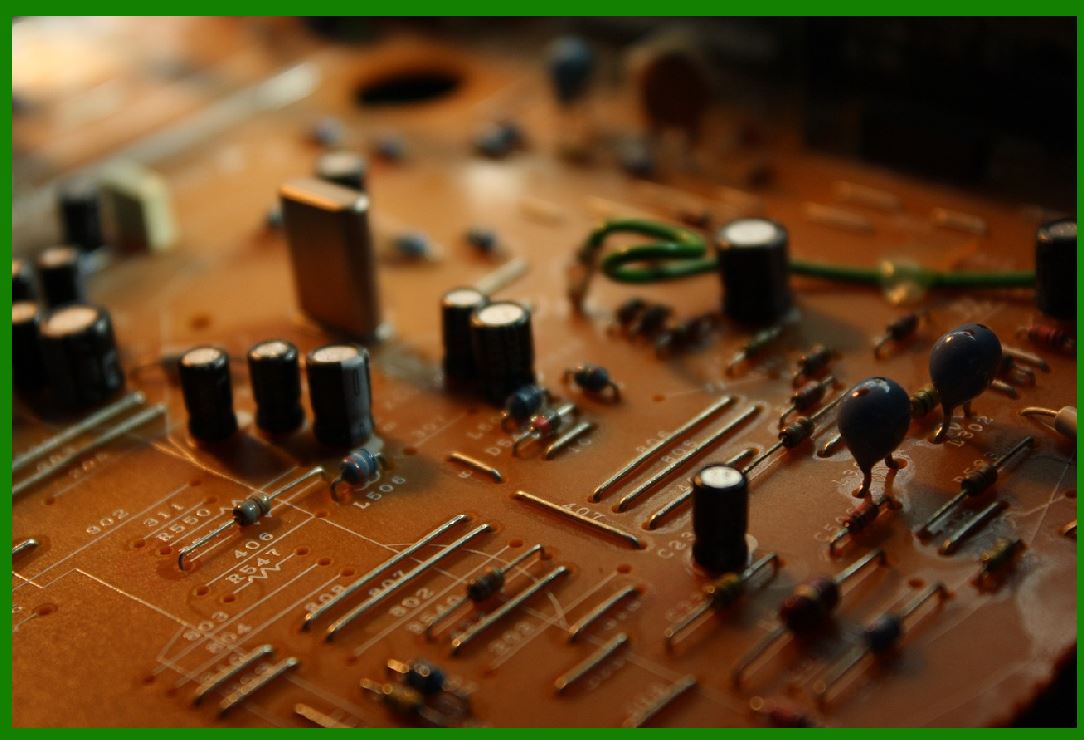
RFID tags consist of a variety of components that work together seamlessly to enable identification, tracking, and communication. The microchip (IC) holds the data, the antenna facilitates communication with the reader, and the substrate ensures durability and stability. In addition, capacitors and diodes assist with power regulation and signal conditioning. Together, these elements form the backbone of RFID technology, enabling it to serve a wide range of applications across various industries. |
|
Which industries have already applied RFID Tags technology in practice? |
RFID (Radio Frequency Identification) technology has already been adopted by a wide range of industries due to its versatility, efficiency, and ability to improve operational processes. Below is a breakdown of the industries where RFID tags are commonly applied: |
1. Retail and Supply Chain Management |
RFID technology has revolutionized the retail and supply chain sectors by improving inventory management, reducing theft, and enhancing customer experiences. |
1.1 Inventory Management |
Retailers use RFID tags to track products in real time, allowing them to maintain accurate stock levels, reduce out-of-stock situations, and automate restocking. RFID tags provide instant data on product location, quantity, and sales trends. |
1.2 Anti-Theft and Loss Prevention |
RFID tags are embedded in products to prevent theft. When products pass through the store's exit, RFID readers detect the tags and trigger an alarm if unauthorized items are being removed. This has proven to be more reliable and cost-effective than traditional barcodes and security tags. |
1.3 Improved Customer Experience |
Retailers use RFID to streamline the checkout process by enabling 'smart shelves' that automatically detect when items are picked up or placed back, allowing for automatic restocking alerts and smoother customer interactions. |
|
2. Healthcare and Pharmaceuticals |
RFID technology is widely used in healthcare to improve patient care, track medical assets, and manage pharmaceutical inventory. |
2.1 Patient Identification and Tracking |
Hospitals use RFID wristbands to track patients' medical records, medications, and even their location within the hospital. This improves patient safety by preventing medication errors, incorrect patient identification, and facilitates faster access to medical information. |
2.2 Asset Tracking |
RFID is used to track medical equipment and supplies, ensuring that critical items like wheelchairs, infusion pumps, and surgical instruments are always available when needed. Hospitals can reduce the time spent searching for equipment, increase asset utilization, and avoid losses. |
2.3 Pharmaceutical Inventory Management |
RFID technology helps pharmaceutical companies and hospitals track drugs from manufacturing to distribution to ensure authenticity and combat counterfeit products. It also helps in managing expiration dates, ensuring that drugs are rotated and used before they expire. |

|
3. Manufacturing and Industrial Applications |
In manufacturing, RFID technology optimizes production lines, enhances supply chain management, and improves equipment maintenance. |
3.1 Production Line Automation |
RFID tags are used to track raw materials, components, and finished products throughout the manufacturing process. This allows companies to monitor progress, manage resources efficiently, and maintain accurate production records in real-time. |
3.2 Work-In-Progress (WIP) Tracking |
Manufacturers use RFID to track work-in-progress items on the assembly line. This ensures that parts are assembled in the correct order, materials are used efficiently, and errors are minimized. Real-time tracking also helps in preventing bottlenecks and delays. |
3.3 Equipment Maintenance and Tracking |
Manufacturers use RFID tags to monitor the condition of machinery and equipment. Tags embedded in machines track their usage and maintenance schedules, providing valuable data for predictive maintenance and reducing downtime. |
|
4. Logistics and Transportation |
RFID has become an essential tool in logistics and transportation, enhancing inventory management, tracking shipments, and improving supply chain visibility. |
4.1 Freight and Shipment Tracking |
RFID is used to track shipping containers, pallets, and individual packages during transit. The technology provides real-time visibility of goods in motion, reducing the chances of delays or lost shipments. This is especially useful in global supply chains where shipments pass through multiple stages and handling points. |
4.2 Fleet Management |
Fleet operators use RFID tags to track vehicles, containers, and drivers, ensuring optimal fleet performance. RFID technology allows for the automatic identification of vehicles entering or leaving a facility, which can improve gate control and logistics management. |
4.3 Cross-Docking and Warehousing |
In large distribution centers, RFID tags enable the automated handling of goods, from receiving to shipping. RFID systems can automate the sorting process and direct products to their correct destinations within the warehouse. This reduces human error, speeds up operations, and increases overall efficiency. |

|
5. Libraries and Education |
Libraries and educational institutions use RFID technology to improve inventory management, circulation, and security. |
5.1 Library Book Tracking |
RFID tags are embedded in books and other library materials to automate the checkout and return process. RFID-enabled self-checkout stations allow patrons to quickly borrow and return items, while RFID gates prevent theft or misplacement of materials. |
5.2 Asset Tracking in Schools |
RFID tags are used in educational institutions to track valuable assets such as computers, projectors, and other equipment. This ensures that these items are not misplaced or stolen, and helps staff locate them when needed. |
5.3 Student Identification and Attendance |
Schools and universities use RFID tags in student ID cards for a variety of purposes, such as tracking attendance, controlling access to buildings, and even paying for meals in cafeterias. |
|
6. Agriculture and Livestock Management |
RFID technology has found significant applications in agriculture, particularly for livestock management and monitoring crops. |
6.1 Livestock Identification and Tracking |
Farmers use RFID tags to identify and track animals, allowing them to monitor the health, location, and breeding cycles of their livestock. This helps in managing large herds more efficiently and ensures compliance with regulations in some countries. |
6.2 Supply Chain for Agriculture Products |
RFID is used to track the movement of agricultural products from farms to retailers. This helps ensure food safety, reduces waste, and improves the freshness of produce by allowing quick tracking of items through the entire supply chain. |

|
7. Hospitality and Events |
RFID technology is widely used in the hospitality and event management industries to improve guest experience and operational efficiency. |
7.1 Hotel Key Cards |
Hotels use RFID key cards for guest room access, eliminating the need for traditional mechanical locks. RFID key cards can also be linked to hotel services, such as room charges, spa appointments, or restaurant reservations. |
7.2 Event Ticketing |
For events such as concerts, sports games, and conferences, RFID tickets and wristbands are used for entry and crowd control. RFID technology allows for faster, more secure entry by eliminating the need for manual ticket scanning and reducing the risk of counterfeit tickets. |
7.3 Luggage Tracking |
Airlines and resorts are beginning to use RFID tags on luggage to improve tracking and reduce the chances of lost baggage. RFID tags can be scanned at various points during the baggage handling process, providing passengers with real-time updates on the location of their luggage. |
|
8. Access Control and Security |
RFID is increasingly used for access control and security purposes, providing a more convenient and secure method of entry than traditional keys or access cards. |
8.1 Employee Access Control |
Companies use RFID-enabled ID badges to control employee access to buildings, restricted areas, and even individual offices. This offers a higher level of security compared to conventional lock-and-key systems and can be easily integrated with other security systems, such as surveillance cameras or alarms. |
8.2 Vehicle Access Control |
RFID is also used in toll collection systems and parking garages, where RFID tags are affixed to vehicles. These tags are automatically read as vehicles pass through gates or toll booths, facilitating seamless entry and exit without the need for manual intervention. |

|
9. Smart Packaging and Consumer Goods |
RFID technology is integrated into consumer goods and packaging to provide enhanced functionality, such as authentication, inventory management, and anti-counterfeiting. |
9.1 Anti-Counterfeiting |
Many high-value goods, such as electronics, luxury items, and pharmaceuticals, use RFID tags to prevent counterfeiting. The unique ID stored in the RFID tag verifies the authenticity of the product, ensuring customers receive genuine goods. |
9.2 Smart Packaging |
RFID is integrated into packaging to monitor the condition of products throughout the supply chain. For example, temperature-sensitive products such as perishable food or medicine can be tracked for any temperature deviations, which could affect the product's quality or safety. |
|
10. Automotive Industry |
RFID is used in the automotive industry for a variety of applications, from manufacturing to vehicle tracking. |
10.1 Vehicle Manufacturing and Assembly |
RFID tags are used to track parts and components during the vehicle manufacturing process, ensuring the correct parts are used and reducing errors in assembly. RFID also helps in managing spare parts and inventory control. |
10.2 Vehicle Tracking |
RFID is used in vehicle fleet management to track vehicles' locations, mileage, and maintenance schedules. It is also used for toll collection, allowing vehicles to pass through toll booths automatically, improving traffic flow. |
Conclusion |
RFID technology is already transforming many industries by streamlining processes, improving efficiency, and enhancing customer experience. As the technology continues to evolve, its adoption is expected to increase across even more sectors, driving innovation and creating new possibilities for automation and data management. |
|
What challenges will companies encounter when applying the RFID technology? |
While RFID (Radio Frequency Identification) technology offers numerous benefits, its implementation and integration into business processes can present several challenges. Companies considering the adoption of RFID face a range of technical, operational, and financial hurdles. Below are some of the key challenges businesses may encounter when applying RFID technology: |
1. High Initial Costs and Investment |
1.1 Tag and Reader Costs |
One of the primary challenges with RFID adoption is the high upfront costs. RFID tags, particularly for active or high-performance applications, can be expensive compared to traditional barcode systems. RFID readers, antennas, and software for managing the system also require substantial investment. This can be a significant barrier, especially for small and medium-sized businesses. |
1.2 Infrastructure Requirements |
RFID systems require infrastructure to function correctly, including reader networks, specialized software, and sometimes even additional hardware, such as antennas, to ensure proper data collection and analysis. Building this infrastructure can be costly, particularly when scaling up for large warehouses or supply chain networks. |
1.3 Total Cost of Ownership (TCO) |
Beyond initial setup costs, there are ongoing expenses for maintenance, updates, and training. As with any technology, long-term costs can quickly add up, especially if the system is not well-optimized or integrated. |

|
2. Integration with Existing Systems |
2.1 Legacy Systems Compatibility |
Many organizations already have legacy systems (e.g., barcode-based systems, databases) in place. Integrating RFID with these existing systems can be a complex process. Compatibility issues may arise, requiring companies to update or replace existing software and hardware. |
2.2 Data Management Challenges |
RFID systems generate large amounts of data in real-time, which must be collected, processed, and analyzed. Companies may struggle to integrate RFID-generated data into their existing enterprise resource planning (ERP) systems or supply chain management software. Ensuring that the data is stored and accessible without overwhelming the existing infrastructure can be a significant challenge. |
2.3 Employee Training |
Employees need to be trained to use RFID systems effectively, from those operating the hardware to the staff interpreting the data. This requires not only a financial investment but also time and effort to ensure smooth adoption across all departments. Without proper training, the technology's effectiveness can be compromised. |

|
3. Privacy and Security Concerns |
3.1 Data Privacy |
As RFID systems collect detailed information about products, assets, and even individuals (such as employees or customers), there are concerns about data privacy. For example, using RFID in consumer goods or in personal identification systems could raise privacy issues related to unauthorized tracking or data breaches. |
3.2 Security Vulnerabilities |
RFID systems are vulnerable to security risks such as eavesdropping, signal interception, and cloning of tags. Hackers could potentially gain unauthorized access to RFID systems or manipulate data. Ensuring that RFID tags and readers have secure communication protocols and encryption is essential to protect sensitive data. |
3.3 Unauthorized Scanning |
In some cases, RFID tags embedded in products or even people can be scanned without their consent. This could lead to privacy violations, especially if sensitive information is being transmitted without proper authorization. Implementing measures like encryption or blocking unauthorized readers is necessary to mitigate this risk. |
|
4. Environmental Interference |
4.1 Signal Interference |
RFID technology relies on radio frequencies, and these signals can be disrupted by various environmental factors. Metal surfaces, liquids, or certain materials can interfere with radio signals, causing inaccurate readings or a failure to capture data altogether. This is particularly a concern in industries such as food or pharmaceuticals, where products may be stored in metal containers or surrounded by water-based materials. |
4.2 RFID Tag Performance in Harsh Conditions |
RFID tags can suffer from performance degradation in extreme environmental conditions such as high temperatures, humidity, or exposure to chemicals. In industries like manufacturing, agriculture, or healthcare, where items may be exposed to harsh environments, selecting the right type of RFID tag that is durable and reliable in such conditions is critical. |
4.3 Environmental Regulations |
In certain regions, there are specific regulatory requirements for using radio frequencies, and companies may need to navigate a complex regulatory landscape to ensure compliance when implementing RFID systems. This could involve obtaining licenses or ensuring that the frequencies used do not interfere with other systems. |
|
5. Scalability and Flexibility |
5.1 Scalability Challenges |
While RFID systems may work well on a small scale, businesses often face challenges when trying to scale up the technology for larger operations. RFID deployment requires careful planning, particularly for large warehouses, factories, or global supply chains. The infrastructure needed to support thousands of readers and millions of tags can become complex and costly, especially if the company expands into new markets or locations. |
5.2 Adapting to Changes |
RFID technology must be flexible enough to adapt to the evolving needs of businesses. For example, if a company's product lines change, the RFID system needs to be capable of handling new types of tags, packaging, or inventory management requirements. This requires continuous monitoring, adjustments, and updates to the system. |
|
6. Tagging and Labeling Issues |
6.1 Tag Durability |
The physical durability of RFID tags can pose a challenge, particularly in industries where products undergo heavy wear and tear, such as in logistics or manufacturing. For example, tags that are attached to items exposed to chemicals, abrasion, or extreme temperatures may become damaged or unreadable over time, leading to data loss or errors in tracking. |
6.2 Tag Placement |
Proper placement of RFID tags is critical for accurate tracking. For example, tags must be positioned in a way that ensures they can be read effectively by the reader. Misplaced or poorly attached tags can lead to reading failures, missed transactions, or inaccurate inventory counts. Ensuring that tags are placed correctly across a wide range of products and packaging can be time-consuming and challenging. |
6.3 Tag Compatibility |
Different types of RFID tags (e.g., passive, active, or semi-passive) may not be compatible with each other or with the readers, depending on their technology. Companies must ensure that the tags used throughout their supply chain are uniform and compatible with the readers they are using. |
|
7. Limited Tag Read Range |
7.1 Range Limitations |
RFID tags, especially passive ones, have a limited range, which may not be suitable for certain applications. In industries where longer-range identification is required, such as tracking vehicles across large distances or shipping containers across ports, companies may need to invest in more expensive active RFID tags or improve infrastructure to extend the range of passive tags. |
7.2 Reader Positioning |
The positioning and configuration of RFID readers are crucial for achieving reliable readings. Readers that are poorly positioned or obstructed by physical barriers (e.g., metal shelves, walls) can cause interference or missed scans. This can lead to inefficiencies in processes like inventory tracking or asset management. |
|
8. Regulatory and Compliance Issues |
8.1 Industry Regulations |
Certain industries (such as pharmaceuticals, food, and healthcare) are heavily regulated and must meet specific standards for tracking and labeling products. RFID systems must be implemented in compliance with these regulations, which can vary by region. For instance, the pharmaceutical industry may need to comply with regulations like the Drug Supply Chain Security Act (DSCSA) in the U.S., which mandates the tracking and tracing of drugs. |
8.2 Global Standards |
RFID technologies may also face challenges in terms of standardization. Different countries or regions might use different RFID standards, making international integration difficult. Companies with global operations must ensure that their RFID systems can function across different standards, which can add to complexity and cost. |

|
9. Consumer Acceptance and Behavioral Changes |
9.1 Consumer Privacy Concerns |
As RFID technology becomes more widespread, especially in consumer-facing applications (e.g., RFID-enabled products or payment systems), consumers may become wary of privacy issues. There are concerns about being constantly tracked or monitored without consent, which can lead to resistance or reluctance to adopt RFID technology. |
9.2 Adapting Business Processes |
Employees may also resist the adoption of RFID technology due to the perceived complexity or changes to their established workflows. This resistance can slow down the adoption process and affect the efficiency gains that RFID technology promises. |
Conclusion |
While RFID offers tremendous benefits, such as improved efficiency, real-time tracking, and cost savings, companies must carefully address a range of challenges during its implementation. From high initial costs and integration difficulties to privacy concerns and scalability issues, the adoption of RFID technology requires thorough planning, investment in infrastructure, and ongoing management to realize its full potential. By addressing these challenges proactively, companies can leverage RFID to streamline operations and improve business outcomes. |
|
Microchip (Integrated Circuit - IC): How can such a complex circuit structure be set up in such a small chip? |
The process of creating a microchip (or integrated circuit, IC) for an RFID tag-despite its small size-requires advanced techniques in semiconductor manufacturing, precision engineering, and miniaturization. These chips need to perform a variety of tasks, including data storage, signal processing, and communication with RFID readers, all while being tiny enough to be embedded in a tag that could be as small as a grain of rice. Here's how this complex circuit structure can be set up in such a small chip: |
1. Semiconductor Fabrication Process |
1.1 Photolithography |
The heart of any microchip is its semiconductor material, typically silicon. To create the tiny circuits that form an integrated circuit (IC), manufacturers use a process called photolithography. This process allows for the patterning of very fine circuits onto the surface of a silicon wafer. |
In photolithography, a photoresist layer is applied to the surface of the wafer, which is then exposed to light through a mask that defines the circuit pattern. The exposed areas of the photoresist are then chemically developed, allowing the underlying silicon to be etched or treated to form components like transistors, diodes, and capacitors. This process is repeated several times to build up the layers of the IC. |
1.2 Etching and Doping |
After photolithography, etching is used to carve out the detailed structures of the IC by removing specific layers of material. The doping process introduces impurities into the silicon at precise locations, which modifies the electrical properties of the silicon to create the necessary PN junctions (positive-negative junctions). These junctions are the basis of semiconductor devices like transistors, which act as switches or amplifiers within the IC. |
This combination of etching and doping allows manufacturers to build incredibly small and intricate circuit elements on the surface of the chip. |
1.3 Layering |
Microchips, even at the scale of RFID ICs, typically consist of multiple layers. Each layer contains its own set of circuit components, such as transistors, capacitors, and wiring. These layers are stacked on top of each other, with the circuits in each layer connected via tiny vias (vertical interconnects). This layering allows a high level of integration, meaning that more functionality can be packed into the small form factor of the chip. |
|
2. Miniaturization of Components |
2.1 Transistors |
Transistors are the fundamental building blocks of any IC. In an RFID microchip, field-effect transistors (FETs) are typically used. These transistors can be scaled down to nanometer dimensions. With advanced semiconductor fabrication processes, millions of transistors can be packed into a space smaller than the size of a fingertip. Each transistor is used to control the flow of electrical signals, enabling the processing of data within the chip. |
As the manufacturing process advances (e.g., to 7nm, 5nm, or even smaller nodes), the ability to make transistors smaller, faster, and more efficient has led to significant improvements in the performance of microchips. |
2.2 Capacitors and Inductors |
RFID ICs also include capacitors and inductors-small components that store energy or filter electrical signals. These components are essential for the operation of the RFID circuit, allowing it to stabilize voltages and smooth out the signal. Capacitors and inductors can also be miniaturized using the same advanced fabrication techniques used for transistors, allowing them to be integrated directly onto the silicon chip. |
2.3 Antenna Integration |
The RFID chip also has an embedded antenna, which enables the chip to communicate with an RFID reader. The antenna is typically a coil of metal wire or a printed circuit trace. While the antenna must be large enough to efficiently receive and transmit signals, it is also designed to be compact in the chip's structure. In many designs, the antenna is integrated directly into the packaging of the chip, not just the silicon substrate, to save space. |
|
3. Power Management and Efficiency |
3.1 Low Power Consumption |
Because RFID tags (especially passive RFID tags) do not have their own power source, the IC must be designed to consume extremely low power. This is accomplished by using energy-efficient low-power circuits and sleep modes that allow the chip to conserve energy when it's not actively communicating. |
The microchip's design often uses power harvesting techniques, such as rectifying radio waves received from the RFID reader, to power the IC. The IC's energy management circuitry ensures that it only draws power when it needs to process information or send data, further contributing to energy efficiency. |
3.2 Power Rectification and Regulation |
Passive RFID ICs rely on the signal sent by the RFID reader for power. The RFID chip typically includes a rectifier to convert the incoming AC (alternating current) signal from the reader into DC (direct current) to power the chip. This involves the use of diodes and capacitors that regulate the power supply, ensuring a consistent voltage for the chip's operation. |
|
4. System on a Chip (SoC) Design |
In modern RFID ICs, all the functions required for the tag's operation are often integrated onto a single piece of silicon. This is known as a System on a Chip (SoC) design. For RFID, the SoC includes: |
Microprocessor (for data handling and processing) |
Memory (typically EEPROM or Flash memory for storing tag data) |
RF circuit (for communication with the RFID reader, including modulation and demodulation) |
Power management unit (for efficient energy use) |
By integrating all of these components onto a single chip, manufacturers can minimize the chip's size and complexity while maintaining its functionality. This integration is possible due to advances in semiconductor technology, which allow for increasingly smaller and more complex systems to be created on a single piece of silicon. |
|
5. Packaging and Interconnection |
Once the microchip is fabricated, it is packaged for use in the RFID tag. The chip's packaging is designed to protect the delicate circuits and to provide the necessary connections to the antenna and external components. The packaging may also contain bonding wires that connect the chip to the antenna or other external parts of the tag. |
Flexible substrates are often used for RFID tags that need to be flexible and lightweight (such as in applications like inventory tracking in retail). The small size of the chip, combined with flexible packaging, allows the RFID tag to be integrated into a variety of objects without significantly increasing their size or weight. |
6. Advanced Manufacturing Techniques |
The miniaturization of microchips, particularly RFID ICs, relies heavily on advanced nano-fabrication and cleanroom environments. Precision tools are used to manufacture chips with structures that are just a few nanometers across. Some of the advanced techniques that contribute to the miniaturization include: |
Extreme Ultraviolet Lithography (EUV): A method that allows for the creation of circuits at the atomic scale, essential for cutting-edge chip designs. |
3D Chip Stacking: Sometimes, chips are stacked vertically in layers to save space and integrate more functionality into a smaller footprint. |
Conclusion |
Creating such a complex integrated circuit (IC) in the small size required for an RFID tag is a remarkable achievement of modern semiconductor manufacturing. Through photolithography, miniaturization of components, and system integration, it is possible to embed a variety of functions-data storage, signal processing, communication, and power management-into a single, tiny microchip. The combination of highly advanced manufacturing techniques, energy-efficient designs, and sophisticated system architecture enables these small chips to perform essential tasks within the limited space available in RFID tags. |
 cs@easiersoft.com