Agricultural Robots: Revolutionizing Farming Practices |
1. Introduction to Agricultural Robotics |
Agricultural robotics is a rapidly growing field that involves the use of robots and automated systems to assist in farming tasks. These robots are designed to perform a wide variety of operations, from planting seeds and watering crops to harvesting produce and monitoring crop health. The primary goal of agricultural robots is to improve efficiency, reduce labor costs, and enhance sustainability in farming. By integrating automation and artificial intelligence, these robots can perform complex tasks that are traditionally labor-intensive and time-consuming. |
Agricultural robots, such as Octinion's Rubion, which is designed specifically to pick strawberries, represent a significant step forward in the way farms operate. They allow farmers to address labor shortages, increase productivity, and reduce the environmental impact of farming. As technology continues to evolve, agricultural robots are expected to become even more sophisticated and capable, transforming the agricultural landscape. |
|
2. The Evolution of Agricultural Robotics |
The development of agricultural robotics has been a gradual process that began with the advent of mechanized tools and machinery in the early 20th century. Early farming equipment, such as tractors and plows, represented the first major step toward automation in agriculture. However, these machines were primarily used for large-scale tasks, such as plowing fields or planting seeds, and did not offer much flexibility for more delicate or specialized tasks. |
In recent decades, advancements in robotics, artificial intelligence (AI), and machine learning have paved the way for more sophisticated agricultural robots. These modern robots are capable of performing highly specialized tasks with precision and efficiency. They can operate autonomously, adapt to changing environments, and work alongside human laborers to complement their efforts. |
|
3. Key Types of Agricultural Robots |
Agricultural robots can be broadly classified into several categories based on the tasks they perform. Some of the most common types of agricultural robots include: |
Harvesting Robots: These robots are designed to pick fruits and vegetables from plants. Harvesting is one of the most labor-intensive tasks in agriculture, particularly for crops that require delicate handling, such as strawberries, apples, and tomatoes. Harvesting robots are equipped with advanced sensors, artificial intelligence, and machine learning algorithms that allow them to identify ripe produce and carefully remove it from the plant without damaging it. |
Planting Robots: Planting robots automate the process of sowing seeds and planting crops. They are capable of precisely placing seeds in the ground at the optimal depth and spacing, ensuring better crop yields and reducing waste. These robots use GPS and other positioning systems to navigate fields with high accuracy. |
Weeding Robots: Weeding is another labor-intensive task that can be automated with the help of robots. Weeding robots use a combination of computer vision and AI to identify and remove weeds from fields without harming crops. These robots can operate autonomously or work in tandem with human workers to ensure fields remain free from invasive plants. |
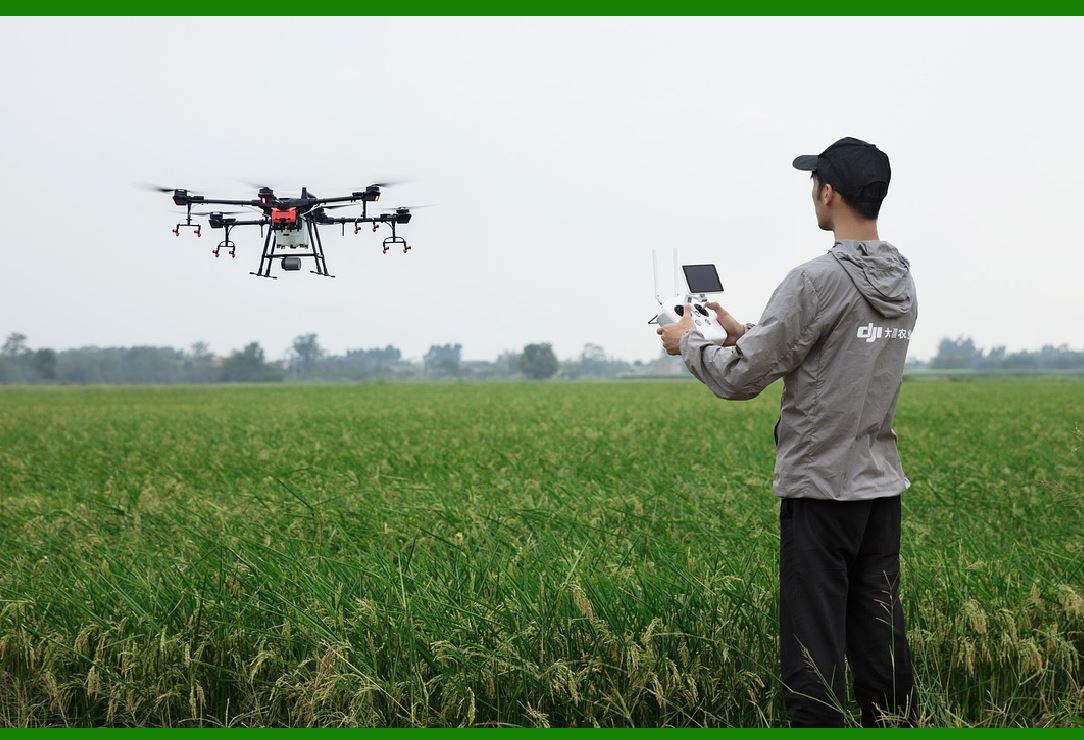
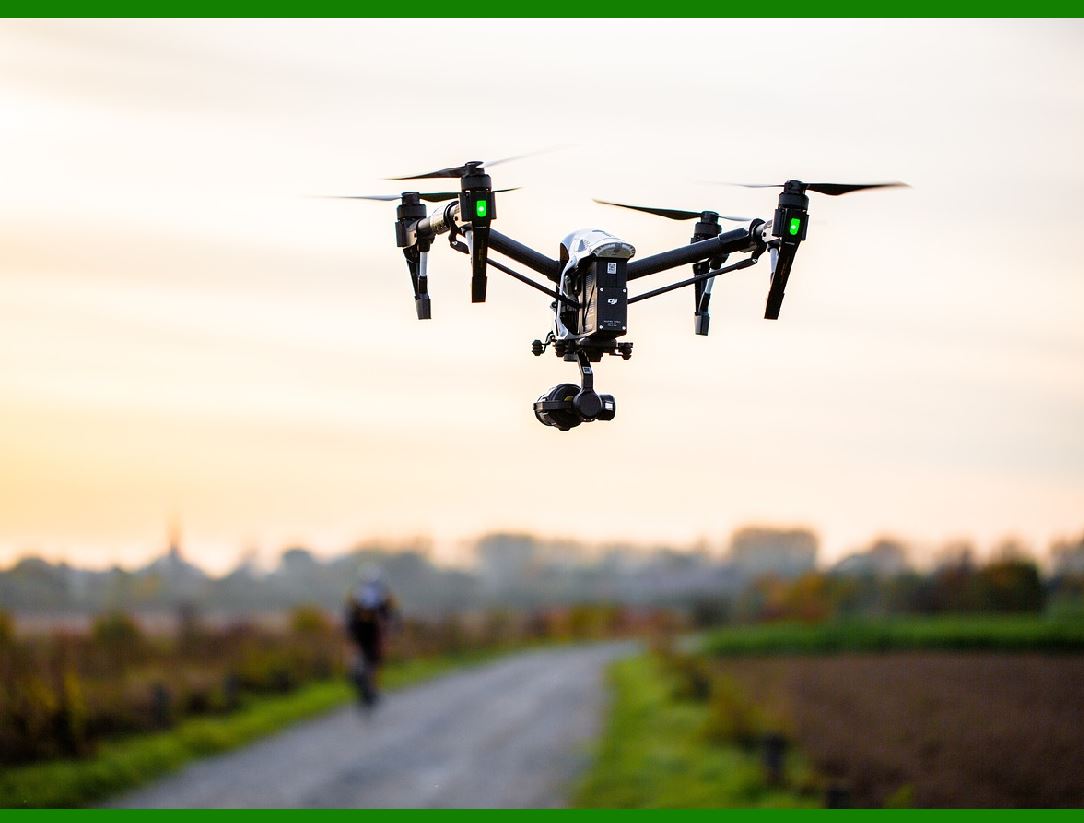
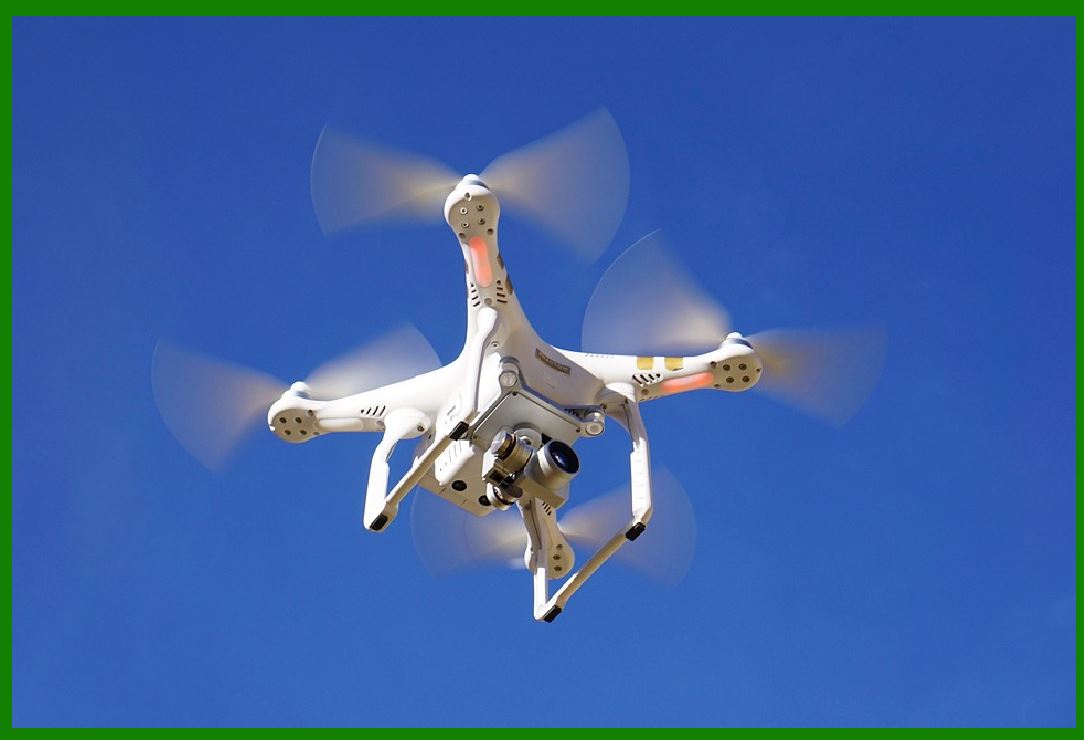
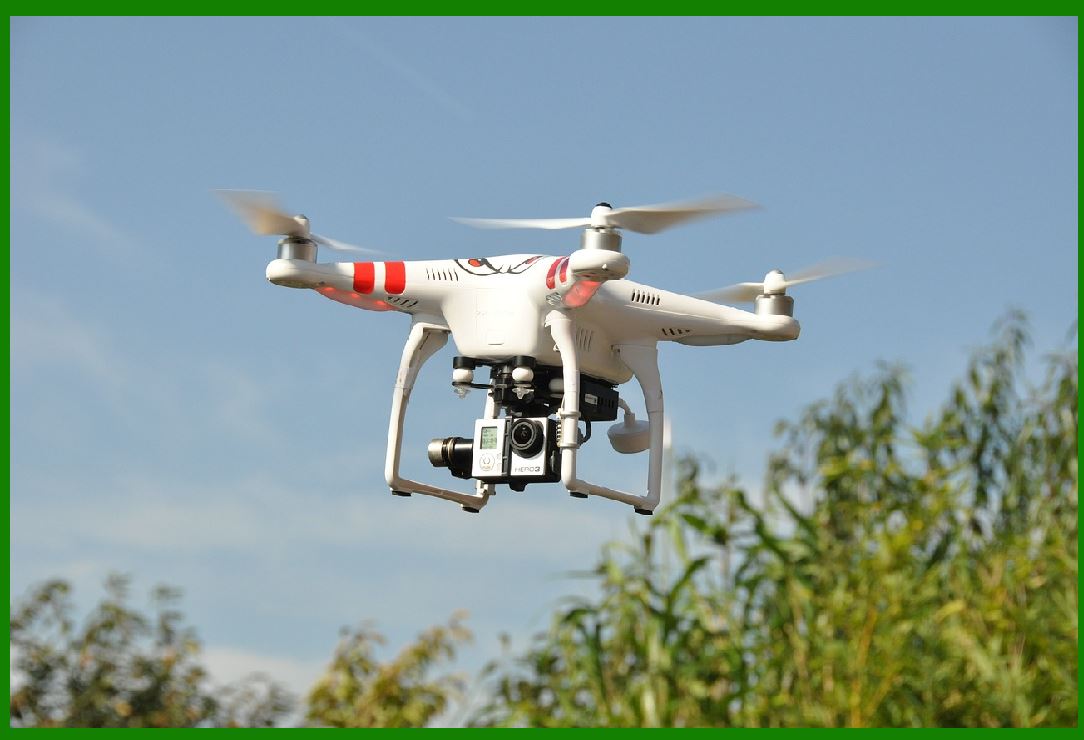
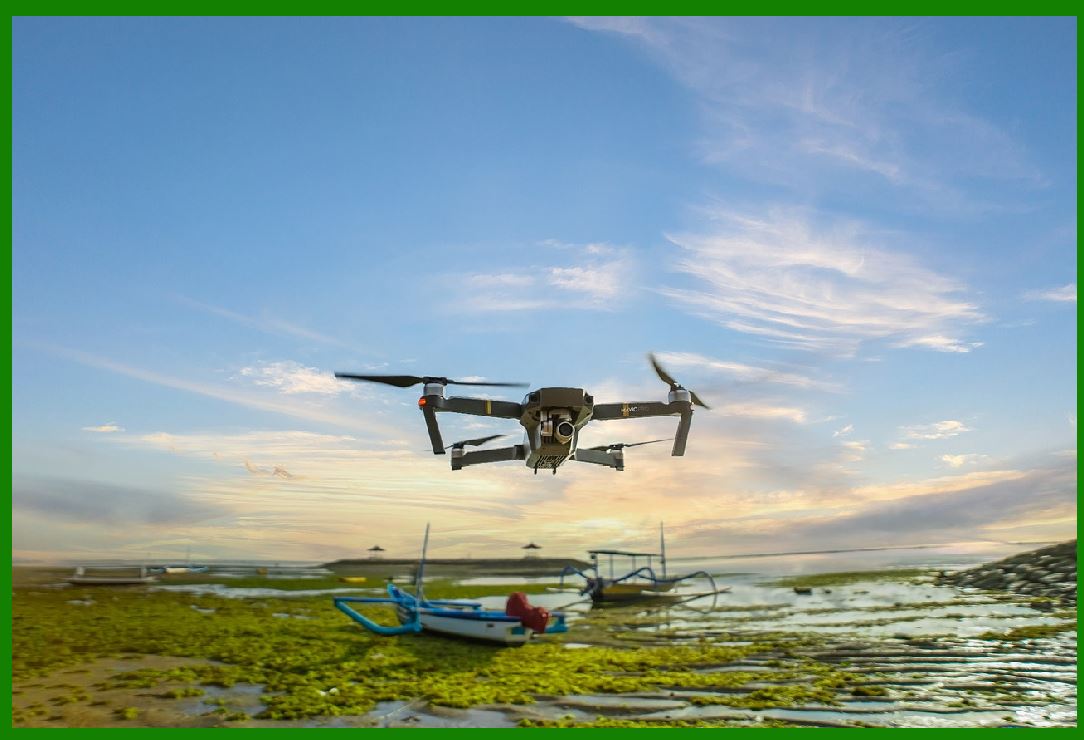
Monitoring Robots: These robots are equipped with a variety of sensors to monitor the health of crops. They can detect early signs of disease, pests, or nutrient deficiencies, enabling farmers to take preventive measures before problems escalate. Monitoring robots are often used in conjunction with drones or other aerial systems to gather data about large areas of farmland. |
Irrigation Robots: Irrigation is a critical aspect of crop production, and robots designed for this task are becoming more common. These robots can deliver water precisely where it is needed, reducing water waste and ensuring that crops receive adequate hydration. Some irrigation robots are capable of detecting soil moisture levels and adjusting watering schedules accordingly. |
Livestock Robots: In addition to crop farming, robots are also being used to assist in the care and management of livestock. Livestock robots can monitor the health and well-being of animals, automate feeding, and even assist in milking dairy cows. These robots help reduce the labor required for animal husbandry and improve the overall efficiency of farm operations. |
|
4. Rubion: A Case Study of Agricultural Robotics |
One of the most notable examples of agricultural robots is Octinion's Rubion, a strawberry-picking robot. Rubion was developed to address the growing demand for efficient strawberry harvesting, particularly in the face of labor shortages in the agricultural industry. Strawberry picking is a delicate process that requires careful handling to avoid damaging the fruit. Additionally, strawberries are often grown in large fields, making it challenging for human workers to pick them quickly and efficiently. |
Rubion is equipped with advanced sensors and machine learning algorithms that allow it to identify ripe strawberries with high precision. The robot uses a combination of vision and touch sensors to determine which berries are ready for harvest. Once a ripe berry is identified, Rubion gently plucks it from the plant and places it in a container, ensuring that the fruit remains undamaged. |
The Rubion robot is designed to work autonomously, meaning it can operate without human intervention for extended periods. However, it can also be monitored and controlled remotely through a central system. The robot is capable of working in fields with varying terrain and conditions, making it suitable for use in a wide range of farming environments. |
One of the key advantages of Rubion is its ability to reduce labor costs associated with strawberry harvesting. The robot can operate 24/7, picking strawberries at a much faster rate than human workers. Additionally, it can work in challenging conditions, such as hot weather or wet soil, where human workers might struggle. By automating the harvesting process, Rubion allows farmers to improve efficiency and reduce the reliance on seasonal labor. |
|
5. Technologies Behind Agricultural Robots |
The success of agricultural robots like Rubion can be attributed to several key technologies that enable them to perform complex tasks with precision and autonomy. Some of the most important technologies used in agricultural robots include: |
Computer Vision: Computer vision is a critical technology that allows agricultural robots to 'see' and interpret their environment. Through the use of cameras, sensors, and image processing algorithms, robots can identify objects, such as ripe fruits or weeds, and make decisions based on that visual information. Computer vision enables robots to perform tasks like harvesting, weeding, and crop monitoring. |
Artificial Intelligence (AI) and Machine Learning: AI and machine learning are essential for enabling agricultural robots to adapt to changing environments and perform tasks with high levels of accuracy. For example, in the case of Rubion, machine learning algorithms are used to train the robot to recognize ripe strawberries based on images captured by its cameras. Over time, the robot becomes more efficient at identifying and picking fruit. |
GPS and Navigation Systems: Many agricultural robots, particularly those used for planting and monitoring, rely on GPS and other positioning systems to navigate fields accurately. GPS allows robots to move along pre-determined paths, ensuring that tasks such as planting seeds or applying fertilizer are done with high precision. |
Sensors and Actuators: Agricultural robots are equipped with a variety of sensors to gather data about the environment and the crops they are interacting with. These sensors can detect temperature, humidity, soil moisture, and even the health of plants. Actuators are used to perform physical tasks, such as plucking fruit or applying pesticides. |
Robotic Arms and End Effectors: Many agricultural robots are equipped with robotic arms and end effectors that allow them to interact with crops in a precise and controlled manner. These arms are often equipped with specialized tools, such as grippers or suction cups, to handle delicate tasks like fruit picking or flower pollination. |
|
6. The Impact of Agricultural Robots on Labor |
One of the most significant impacts of agricultural robots is their ability to address labor shortages in the farming industry. Agriculture is a labor-intensive sector that relies heavily on seasonal workers, many of whom are employed in physically demanding and repetitive tasks. As populations in rural areas decline and labor costs rise, it has become increasingly difficult for farmers to find enough workers to meet the demands of their crops. |
Agricultural robots, such as Rubion, provide a solution to this problem by automating tasks that would typically require a large number of workers. These robots can operate autonomously, reducing the need for manual labor and allowing farmers to scale up production without increasing their labor force. In regions where labor shortages are particularly acute, agricultural robots can help ensure that crops are harvested on time and with minimal delays. |
However, the widespread adoption of agricultural robots also raises concerns about the potential displacement of human workers. While robots can handle many tasks that were previously done by humans, there is still a need for skilled workers to manage and maintain the robots. As agricultural robotics continues to evolve, it is likely that new jobs will be created in fields such as robot maintenance, programming, and system integration. Nevertheless, the transition to more automated farming practices will require careful consideration of the social and economic implications for workers in the agricultural sector. |
|
7. Environmental Benefits of Agricultural Robots |
In addition to improving efficiency and reducing labor costs, agricultural robots can also have a positive impact on the environment. One of the key benefits of these robots is their ability to reduce the use of pesticides and fertilizers. By using sensors and AI, robots can detect problems in crops early and apply targeted treatments only where they are needed, rather than applying chemicals uniformly across the entire field. This precision reduces the overall amount of chemicals used and minimizes their environmental impact. |
Moreover, agricultural robots can help reduce water waste by automating irrigation systems. By monitoring soil moisture levels in real-time, these robots can ensure that crops receive the right amount of water, preventing over-irrigation and conserving valuable water resources. This is particularly important in regions where water is scarce, and efficient irrigation practices are critical to maintaining crop yields. |
|
8. Challenges and Future Prospects of Agricultural Robots |
Despite the many benefits of agricultural robots, there are still several challenges that need to be addressed. One of the primary challenges is the cost of these robots. While the price of agricultural robots has been decreasing over time, they are still expensive, making them inaccessible to small-scale farmers in many parts of the world. As technology advances and economies of scale are achieved, it is expected that the cost of agricultural robots will continue to fall, making them more affordable for farmers of all sizes. |
Another challenge is the need for robust and reliable technologies that can operate in a variety of environmental conditions. Agricultural robots must be able to withstand harsh weather, rough terrain, and other challenges commonly encountered in outdoor environments. Additionally, robots need to be able to operate safely around humans and other animals. |
Looking to the future, agricultural robots are expected to become even more advanced, with improved capabilities for tasks such as precision farming, autonomous field management, and even crop breeding. As AI and robotics technology continue to evolve, we can expect agricultural robots to play an increasingly important role in the global food production system, helping to meet the growing demand for food while reducing the environmental impact of farming. |
|
9. Conclusion |
Agricultural robots, such as Rubion, represent the cutting edge of technology in the farming industry. By automating tasks like harvesting, planting, and monitoring crops, these robots help farmers reduce labor costs, increase efficiency, and improve sustainability. With advancements in AI, computer vision, and machine learning, agricultural robots are poised to become an integral part of modern farming practices. While challenges remain, the future of agricultural robotics looks promising, with the potential to transform the way food is produced and contribute to a more sustainable and efficient agricultural system. |
|
Practical Applications of Agricultural Robots |
Agricultural robots are becoming integral to modern farming practices, as they help farmers optimize efficiency, reduce costs, and increase sustainability. Below are some practical examples of how agricultural robots are being used in various aspects of farming. |
1. Strawberry Picking (Rubion by Octinion) |
One of the most notable examples of an agricultural robot is Octinion's Rubion, a strawberry-picking robot. This robot is designed to efficiently and delicately harvest strawberries, addressing one of the major challenges in the agricultural industry: labor shortages. |
Key Features and Benefits: |
Delicate Harvesting: Rubion uses computer vision and machine learning to identify ripe strawberries and pick them without damaging the fruit, a key challenge in harvesting delicate crops like strawberries. |
Increased Efficiency: It can work in various weather conditions and operate continuously, increasing productivity compared to manual labor. |
Cost Reduction: By automating the harvest process, Rubion reduces reliance on seasonal labor, which can be expensive and difficult to manage, especially in peak harvesting seasons. |
Precision: Rubion ensures that only ripe fruit is picked, reducing waste and preventing under- or over-ripened fruit from being harvested. |
|
2. Autonomous Tractors (Case IH's Magnum AFS Connect) |
Case IH's Magnum AFS Connect is an example of an autonomous tractor designed to carry out a variety of farming tasks, from tilling and planting to applying fertilizers and pesticides. |
Key Features and Benefits: |
Autonomous Operation: This tractor can operate without a human driver, using GPS and sensors to follow precise paths and complete tasks autonomously. |
Fuel Efficiency: With the help of advanced navigation and data analytics, these tractors can optimize their routes to reduce fuel consumption and operational costs. |
Precision Agriculture: They can apply fertilizers, pesticides, and herbicides with pinpoint accuracy, reducing waste and minimizing environmental impact. |
Remote Monitoring: Farmers can monitor and control the tractor remotely via a smartphone or computer, which allows them to make adjustments in real time based on data collected from sensors on the field. |
|
3. Weeding Robots (ecoRobotix) |
ecoRobotix is a weeding robot designed to autonomously remove weeds from fields using a minimal amount of herbicides, significantly reducing chemical usage. |
Key Features and Benefits: |
Precision Weeding: Using computer vision, the robot can distinguish between weeds and crops, targeting only the unwanted plants for removal. |
Low Herbicide Use: Instead of spraying herbicides over large areas, the robot uses only small amounts directly on the weeds, reducing overall chemical use and promoting more sustainable farming practices. |
Energy Efficiency: The robot is solar-powered, making it a more environmentally friendly alternative to traditional mechanical weeding equipment. |
Autonomous Operation: The ecoRobotix can work continuously, ensuring weeds are removed promptly and effectively without requiring manual intervention. |
|
4. Seed Planting Robots (Naio Technologies' Dino) |
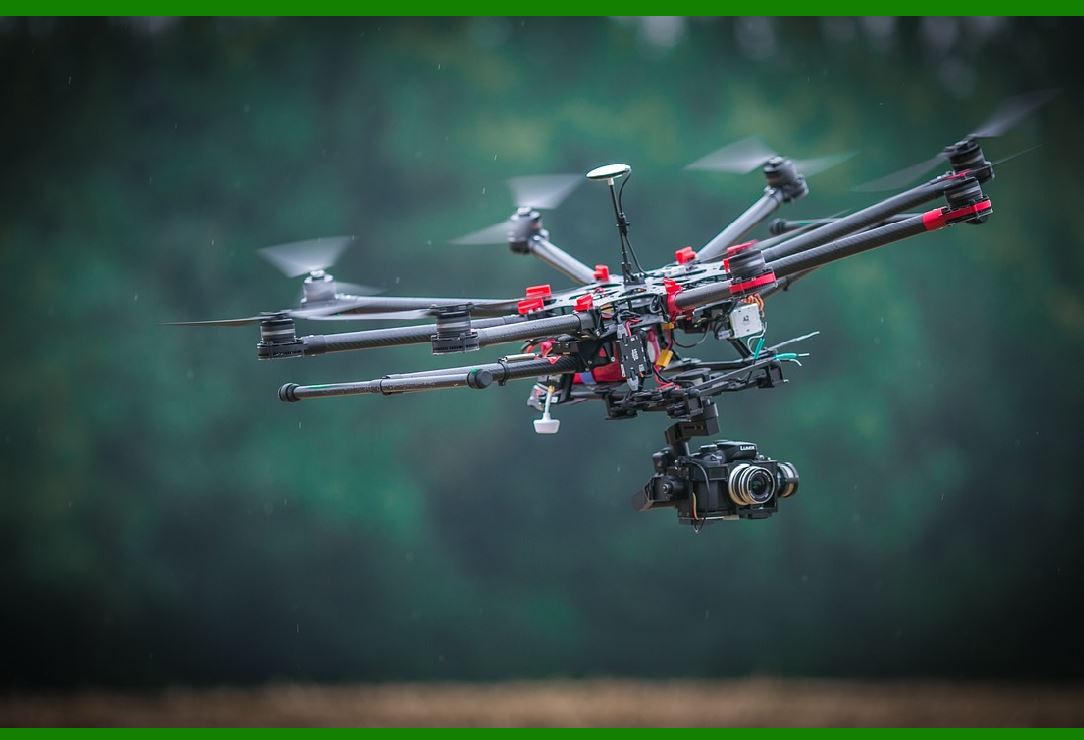
Naio Technologies developed Dino, an autonomous robot designed to assist with planting seeds, cultivating the soil, and performing other tasks like weeding. |
Key Features and Benefits: |
Soil Cultivation: Dino can till the soil and prepare the land for planting, which is essential for maintaining good crop yields. |
Precision Planting: Dino is equipped with a GPS system to ensure that seeds are planted at the correct depth and spacing, enhancing crop growth and productivity. |
Small-Scale Farming: Dino is particularly useful for small and medium-sized farms that may not have the resources to deploy larger equipment. It can work in smaller fields with narrow rows, offering flexibility that traditional tractors cannot provide. |
|
5. Drone-Assisted Crop Monitoring (DJI Agras) |
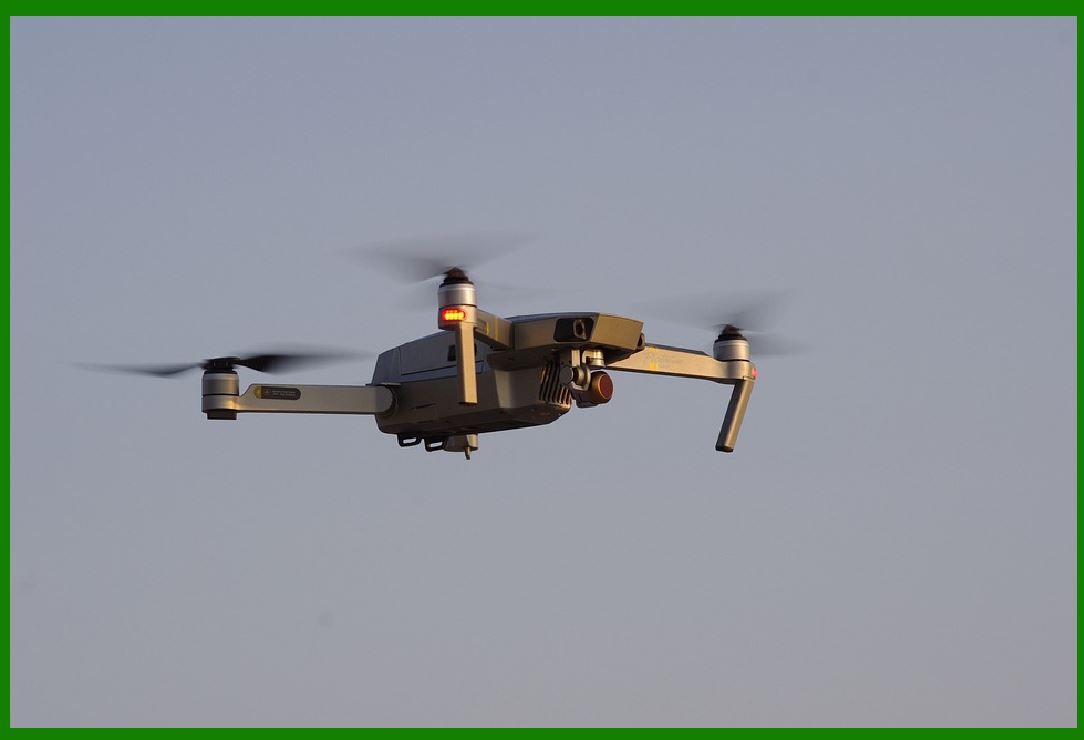
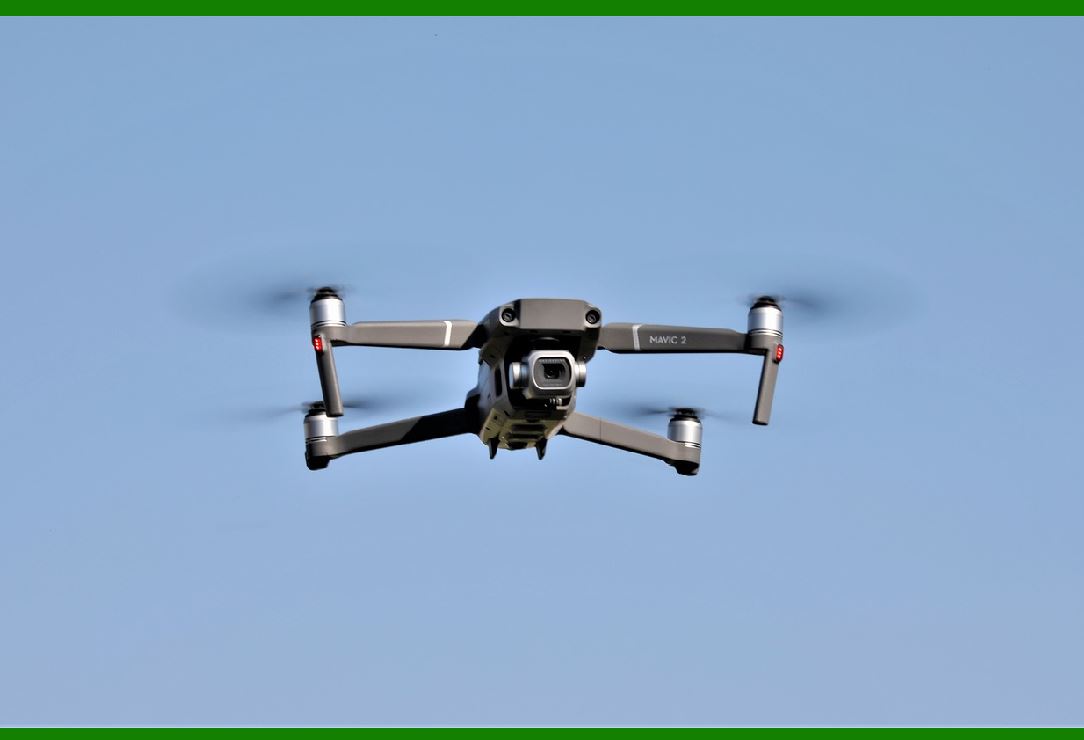
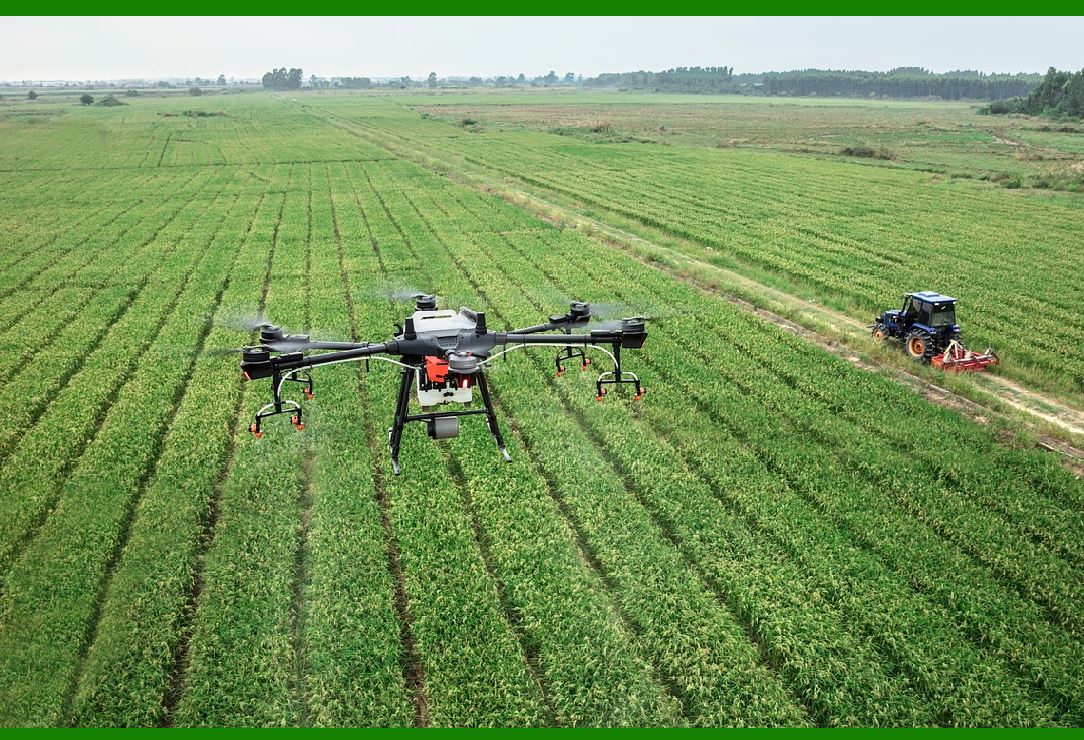
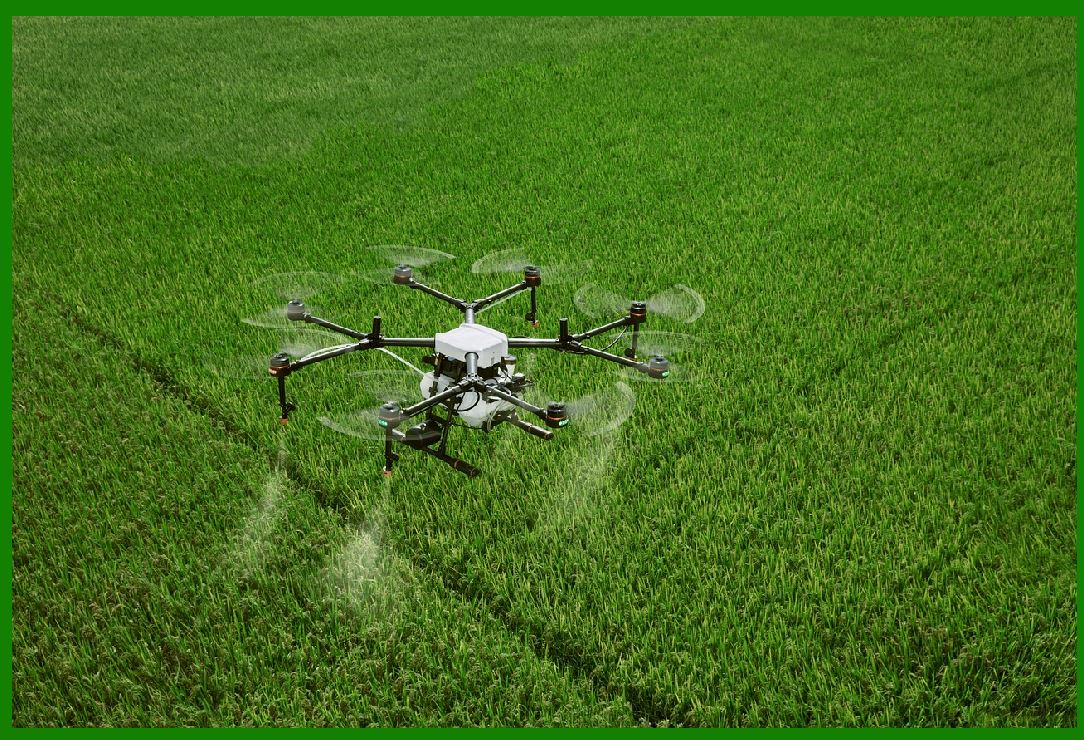
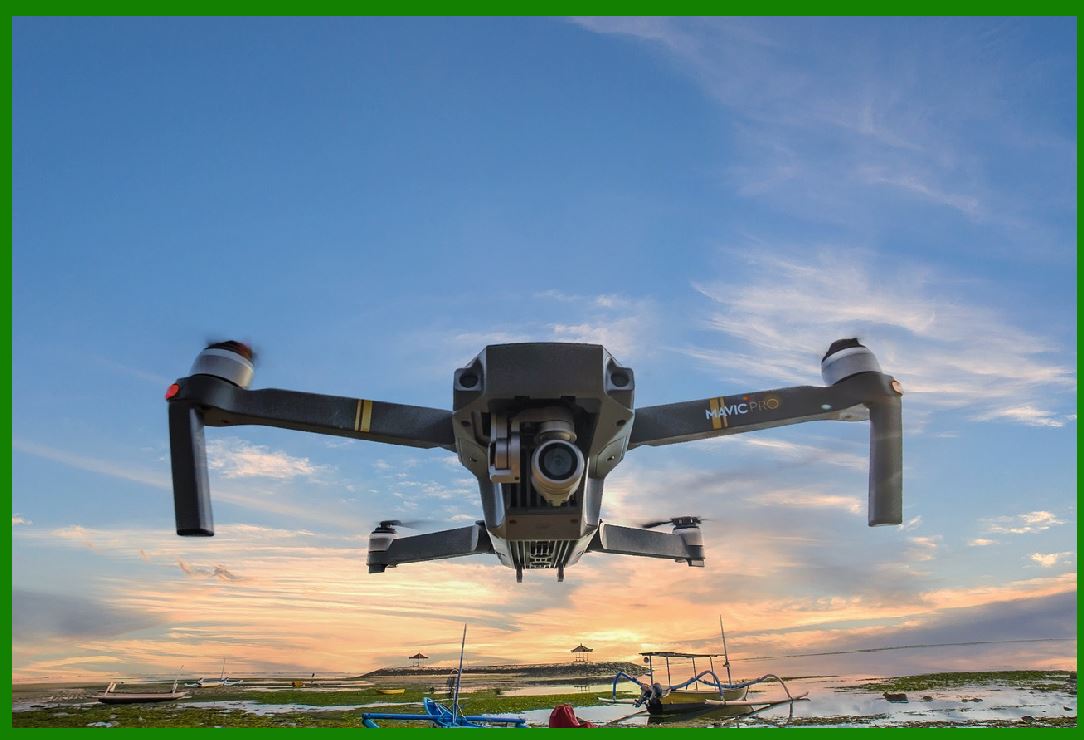
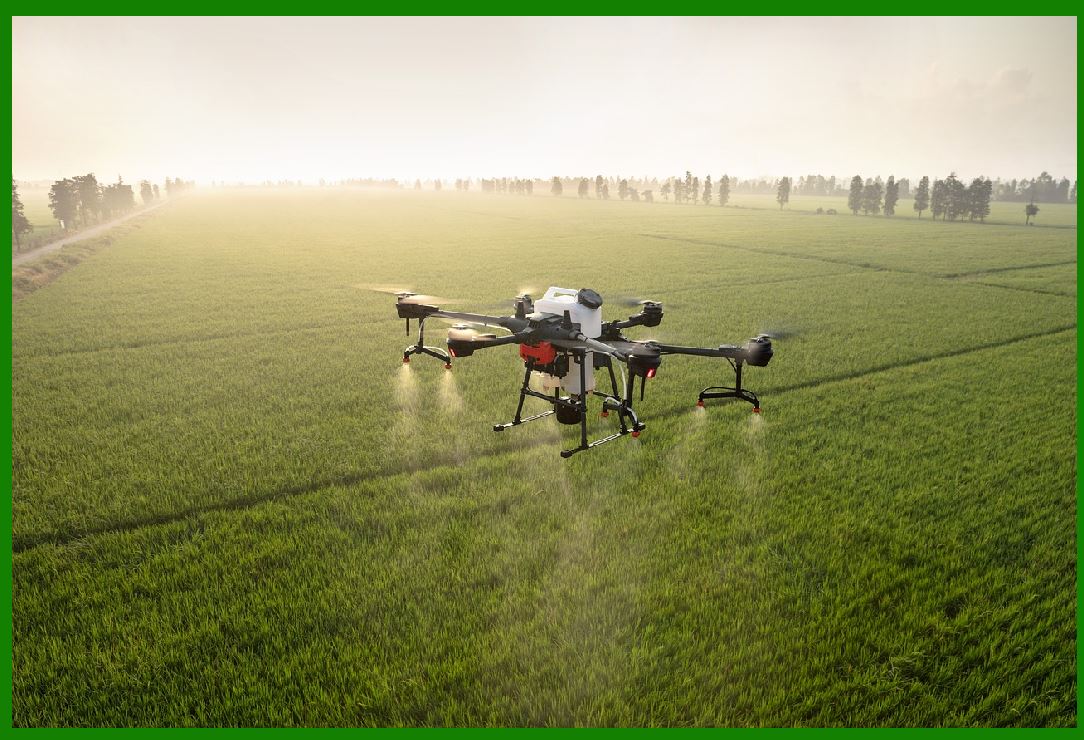
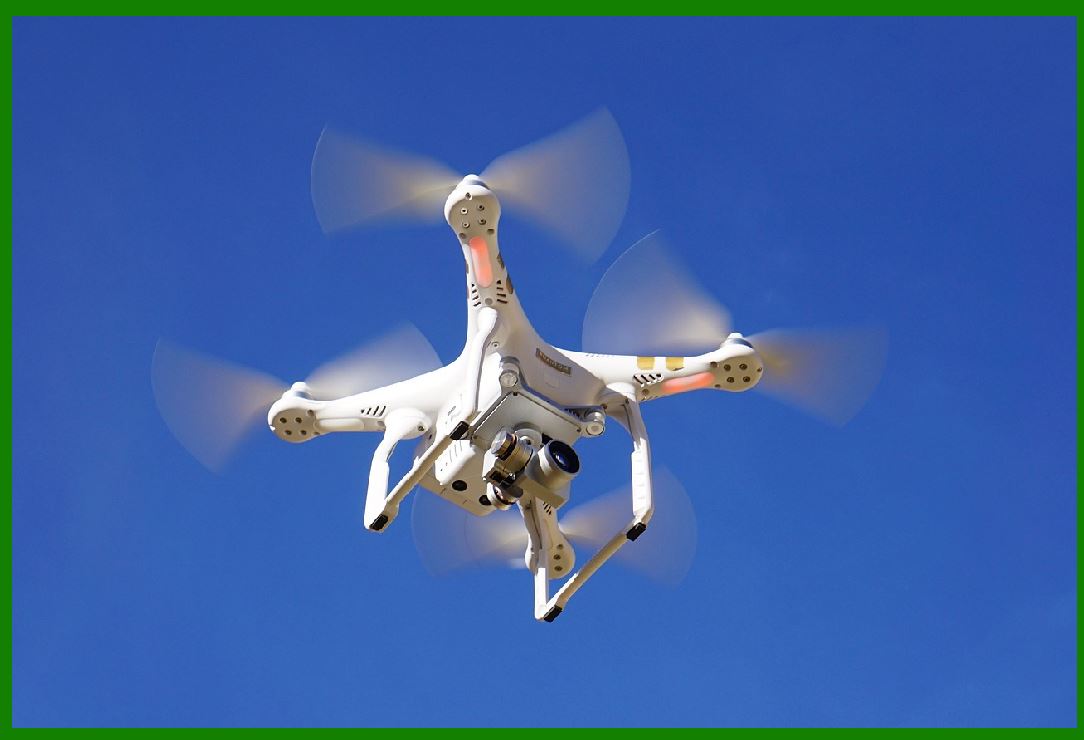
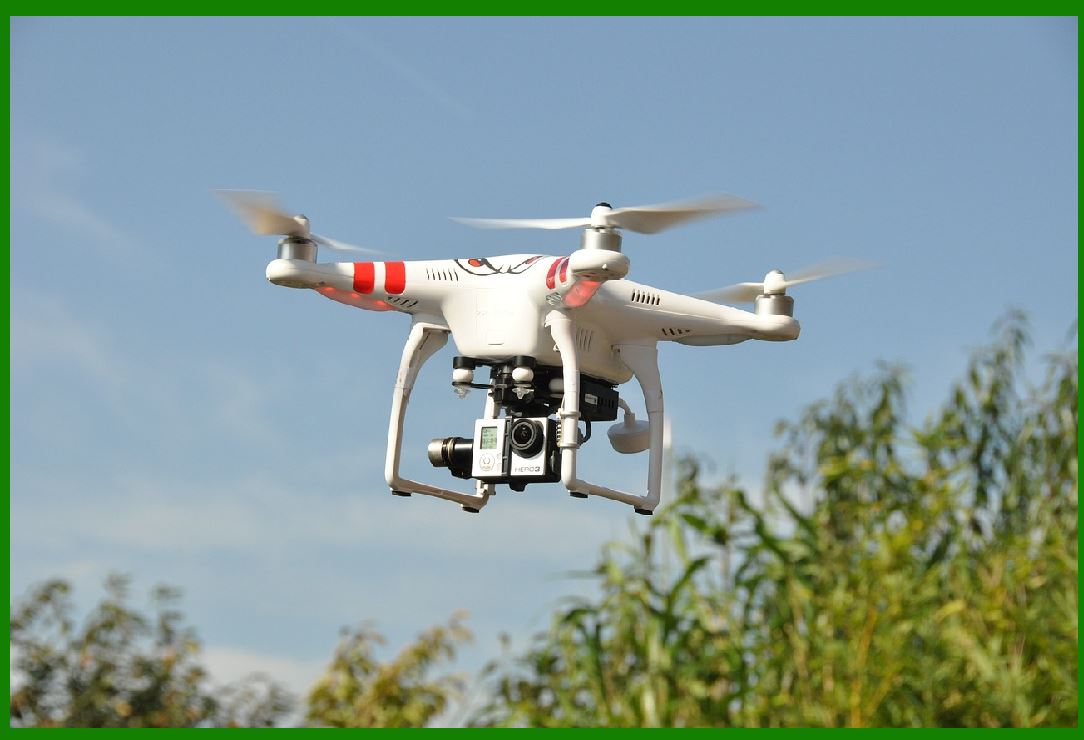
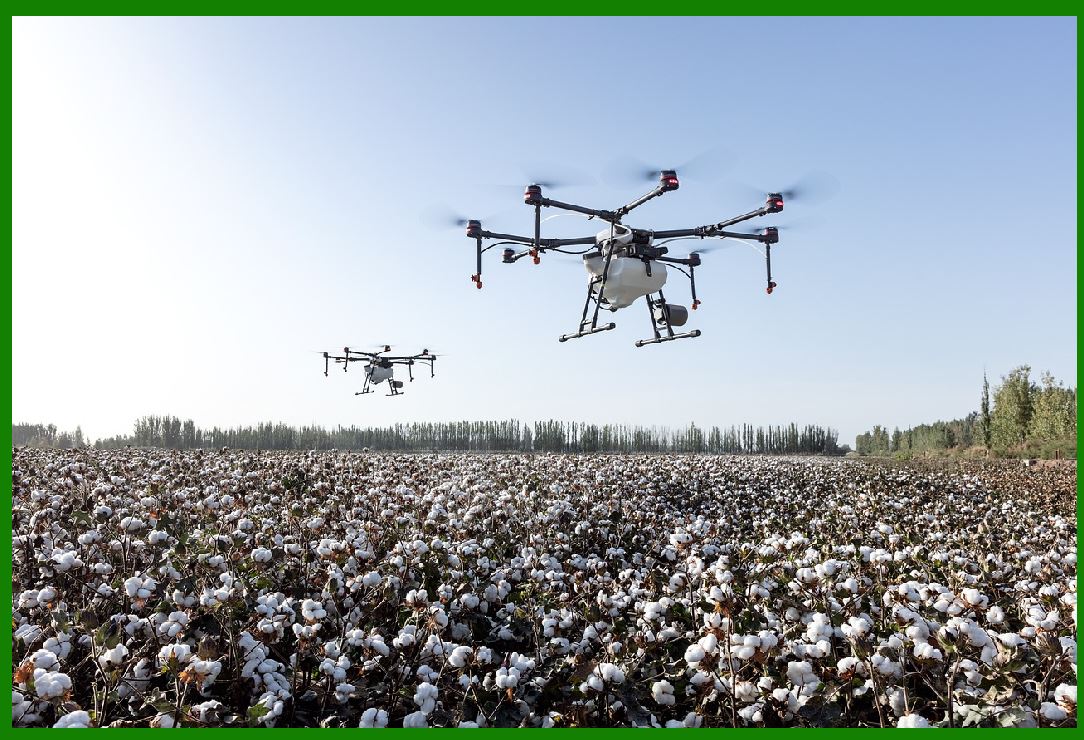
DJI's Agras series of drones are used for crop monitoring, spraying, and precision agriculture. These drones can autonomously fly over fields, capturing high-resolution images and collecting data about crop health. |
Key Features and Benefits: |
Remote Monitoring: Drones can cover large areas of farmland, providing farmers with real-time data on crop health, soil moisture, pest infestations, and nutrient deficiencies. |
Early Detection of Issues: By using sensors like thermal and multispectral cameras, drones can detect problems like disease or nutrient deficiency before they become visible to the human eye, allowing farmers to take early action. |
Precision Spraying: Drones equipped with spraying systems can apply fertilizers or pesticides with high precision, ensuring that chemicals are applied only where needed, reducing waste and minimizing environmental impact. |
Efficiency: Drones can operate autonomously, reducing the need for human labor and making it easier for farmers to monitor their fields more frequently and effectively. |
|
6. Irrigation Robots (Robocrop by Olinco) |
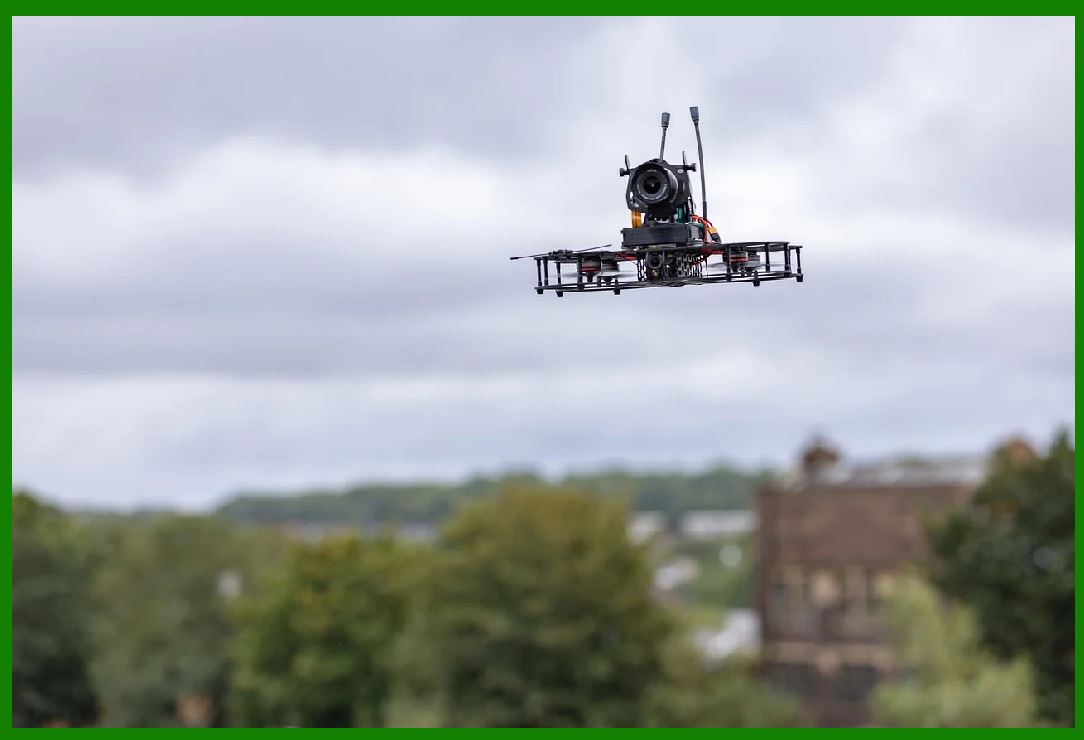
Olinco's Robocrop is an irrigation robot designed to automate the watering of crops. It uses data to determine the exact needs of each crop and applies water accordingly, reducing water usage and promoting healthier crops. |
Key Features and Benefits: |
Water Conservation: By using sensors to monitor soil moisture levels, Robocrop ensures that each crop gets the right amount of water, helping to conserve water resources. |
Efficient Operation: The robot uses GPS technology to navigate the fields and apply water evenly, minimizing waste and ensuring consistent hydration across the field. |
Energy and Cost Savings: Automated irrigation reduces the need for manual labor and ensures that water is applied efficiently, helping to lower both energy and operational costs. |
|
7. Milk Production Robots (Lely Astronaut) |
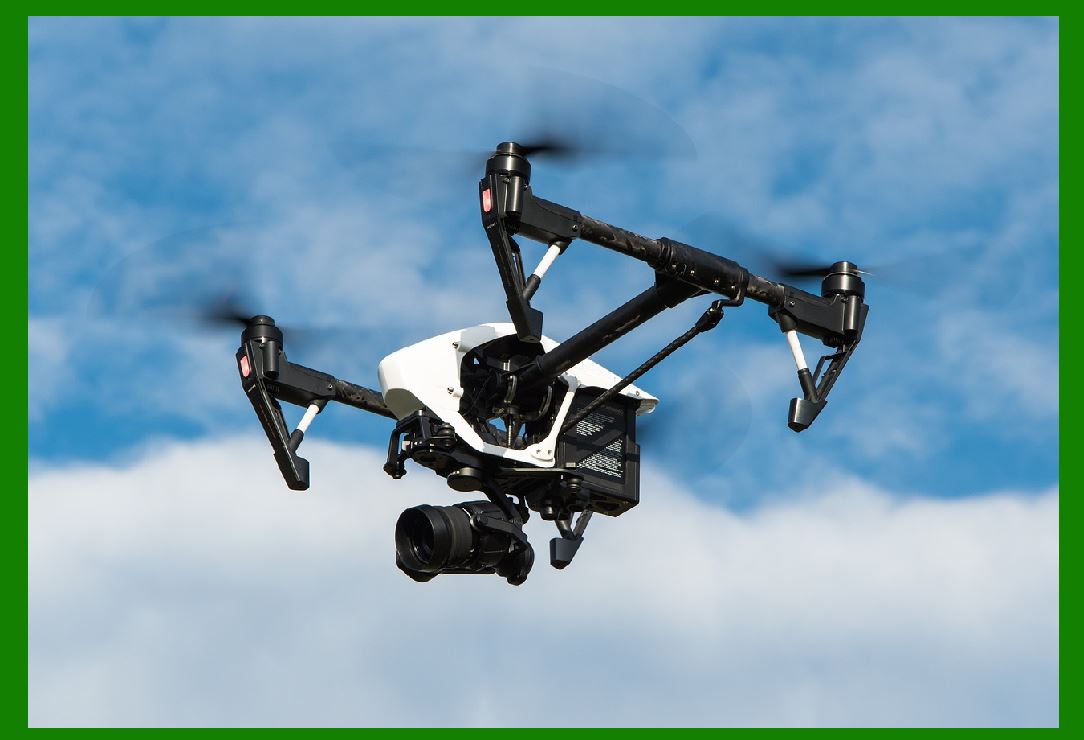
Lely Astronaut is an automated milking robot used in dairy farms to milk cows. The system provides a more efficient, humane, and hygienic alternative to traditional milking methods. |
Key Features and Benefits: |
Automated Milking: Cows are able to visit the milking robot at their own convenience, which can increase the frequency of milking and improve milk yield. |
Animal Monitoring: The robot monitors each cow's health, tracking factors like milk production, cow behavior, and udder health, which helps farmers detect potential health issues early. |
Improved Efficiency: With robots handling the milking process, dairy farmers can save time and labor, allowing them to focus on other aspects of farm management. |
Improved Animal Welfare: The system is designed to be stress-free for the cows, allowing them to approach the robot on their own terms and minimizing the risks associated with manual milking. |
|
8. Post-Harvest Sorting and Packing Robots (FFRobotics) |
FFRobotics has developed a robotic system for sorting and packing fruits, such as apples, after they have been harvested. |
Key Features and Benefits: |
Fruit Sorting: The robot uses computer vision to inspect each piece of fruit for quality, size, and ripeness. Damaged or unripe fruits can be separated, ensuring that only the best quality produce makes it to market. |
Automated Packing: After sorting, the robot can pack the fruits into boxes, reducing the need for manual labor and increasing efficiency in the post-harvest process. |
Scalability: FFRobotics' systems are highly scalable, meaning they can be used on both small farms and large commercial operations. |
Cost Reduction: Automation in the sorting and packing process helps reduce labor costs and increases overall productivity. |
|
9. Livestock Monitoring Robots (Motus by Temasek) |
Motus, developed by Temasek, is a livestock monitoring robot that helps farmers keep track of the health, behavior, and movement of their animals. |
Key Features and Benefits: |
Health Monitoring: Sensors on the robot track vital signs such as body temperature, movement, and feeding behavior, helping farmers detect early signs of disease or stress. |
Behavioral Insights: The robot can analyze the behavior of the animals and identify abnormalities that could indicate health problems or issues like lameness. |
Efficient Herd Management: By monitoring animal movement and behavior, Motus helps farmers optimize grazing patterns and ensure that livestock is distributed efficiently across the pasture. |
Reduced Labor: Motus reduces the need for manual inspections, allowing farmers to focus on other aspects of farm management. |
|
10. Crop Disease Detection Robots (Terraluma) |
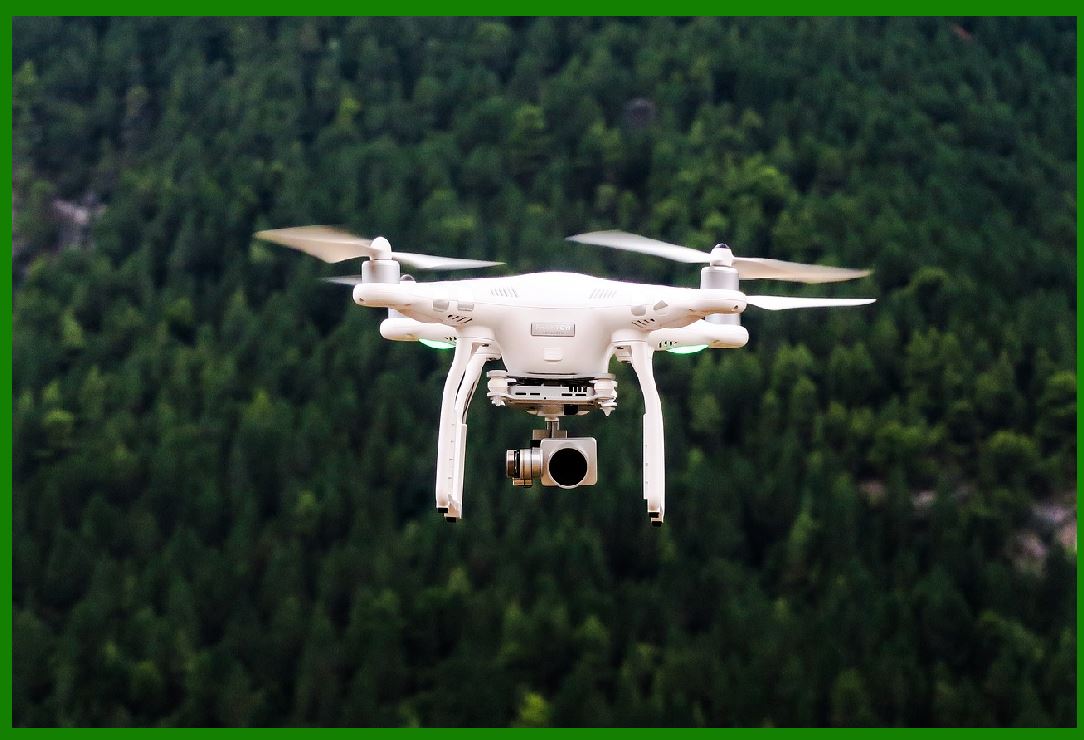
Terraluma, a crop disease detection robot, uses high-tech sensors and imaging systems to detect signs of crop diseases such as blight, mildew, or pests. |
Key Features and Benefits: |
Early Disease Detection: By scanning plants with specialized cameras and sensors, the robot can identify disease at an early stage, allowing for targeted treatment before the disease spreads. |
Precision Treatment: The robot can apply treatments such as pesticides or fungicides only where they are needed, reducing chemical usage and minimizing environmental impact. |
Data Analytics: The robot collects and analyzes data to help farmers make informed decisions about crop management and disease prevention. |
|
Conclusion |
Agricultural robots, from strawberry pickers like Rubion to automated tractors and drones, are transforming the farming industry. These robots increase productivity, improve precision in farming practices, reduce labor costs, and promote sustainability by minimizing the environmental impact of agriculture. As technology continues to advance, the use of robots in agriculture will likely expand, making farming more efficient, cost-effective, and environmentally friendly. |
 cs@easiersoft.com