1. Introduction to Articulated Robots |
Articulated robots are among the most versatile and commonly used types of industrial robots. Their design, which features a series of interconnected joints, closely mimics the structure of a human arm. This robotic arm configuration allows for a high degree of flexibility and movement, making articulated robots capable of performing complex tasks that require precision, agility, and a wide range of motion. These robots are particularly suitable for various applications that require repetitive, precise, or dangerous tasks to be performed in industrial settings, including assembly lines, welding stations, and even intricate surgical procedures in healthcare. |
Typically, articulated robots are equipped with six degrees of freedom (DOF), although more advanced models may feature additional axes to increase their range and precision. Each degree of freedom corresponds to a specific type of movement at one of the robot's joints. The ability to perform multiple motions simultaneously-such as rotating at the shoulder, elbow, and wrist-allows the articulated robot to reach complex and confined areas while maintaining precise control over its movements. |
|
2. Structure and Components of Articulated Robots |
The structure of an articulated robot is typically composed of a base, a series of joints, and an end-effector, all of which are connected by various links. The design is often compared to a human arm, consisting of similar components like the shoulder, elbow, and wrist. However, instead of biological muscles and bones, articulated robots rely on motors, actuators, and mechanical links to achieve movement. |
Base: The base serves as the foundation of the robot, typically attached to the floor or a fixed platform. It provides stability and serves as the reference point for the robot's movement. |
Joints: These are the pivot points that allow the robot to move. The number of joints varies depending on the robot's design, but typically there are at least six joints in an articulated robot. The joints are powered by actuators or motors, which enable rotation or linear movement. |
Shoulder Joint: This is the first joint, which typically allows rotation on a horizontal axis. It provides motion in the x and y directions. |
Elbow Joint: The elbow joint is the second joint and allows the robot to extend and retract its 'arm.' This movement gives the robot additional flexibility. |
Wrist Joints: The wrist typically consists of several joints that enable rotational movement, allowing for fine-tuned positioning of the robot's end-effector. |
End-Effector: The end-effector is the tool or device attached at the end of the robot's arm. It is responsible for interacting with the environment and performing specific tasks like gripping, welding, or cutting. The end-effector can be customized depending on the task, ranging from a simple gripper to more sophisticated tools like welding torches or paint sprayers. |
|
3. Degrees of Freedom (DOF) in Articulated Robots |
The degrees of freedom (DOF) refer to the number of independent movements a robot can make. In the case of articulated robots, a typical configuration includes six DOF, which corresponds to six independent axes of motion. These six axes are usually arranged to correspond to the natural movement of a human arm. Here's a breakdown of the six DOF: |
First Axis (Shoulder rotation): This axis allows for horizontal rotation around the base of the arm, mimicking the shoulder's movement. |
Second Axis (Elbow flexion/extension): This axis controls the bending and straightening of the robot's arm, much like the human elbow. |
Third Axis (Wrist pitch): This axis allows the robot to raise and lower the wrist in a vertical motion. |
Fourth Axis (Wrist yaw): This axis provides rotation around the wrist, allowing the robot to turn its hand in a horizontal plane. |
Fifth Axis (Wrist roll): This axis allows the wrist to rotate in a way that mimics the human wrist's ability to twist. |
Sixth Axis (Tool orientation): This axis allows the end-effector or tool to rotate or tilt, providing a precise orientation for performing detailed tasks. |
The high number of DOF provides articulated robots with an exceptional range of motion and flexibility, enabling them to perform a wide variety of tasks in dynamic environments. |
|
4. Types of Articulated Robots |
Articulated robots come in different configurations, each designed for specific industrial needs. While all articulated robots share the general characteristic of having multiple joints for complex movements, variations in size, weight capacity, speed, and precision make them suitable for different applications. The two main types of articulated robots are: |
Standard Articulated Robots: These robots are commonly used in industries such as automotive manufacturing, packaging, and assembly lines. They typically have a medium range of motion and are designed to perform repetitive tasks like material handling, loading/unloading, and welding. The standard articulated robot is built for durability and precision, often operating within predefined areas. |
Collaborative Articulated Robots (Cobots): These robots are designed to work safely alongside human operators. Unlike traditional articulated robots, which are often isolated within safety cages, cobots are equipped with sensors, vision systems, and advanced safety features that allow them to operate safely in close proximity to humans. They are often used in environments where humans and robots collaborate on tasks like assembly, packaging, or quality inspection. |

|
5. Applications of Articulated Robots |
Articulated robots are employed in a wide range of industries due to their flexibility and ability to perform intricate tasks. Some of the primary applications include: |
Automotive Manufacturing: Articulated robots are extensively used in the automotive industry for assembly tasks, such as welding, part installation, and painting. They can handle heavy parts, perform high-precision welding, and ensure uniform quality in the production process. |
Material Handling: Articulated robots are used in material handling to move items from one location to another within a factory or warehouse. They can pick and place objects with high precision, saving time and reducing the risk of human error. |
Welding: One of the most common tasks performed by articulated robots is welding. These robots can perform MIG (Metal Inert Gas), TIG (Tungsten Inert Gas), and spot welding with high precision, ensuring strong and consistent welds in automotive and manufacturing processes. |
Packaging and Palletizing: In industries like food and beverage manufacturing, robots are used for packaging and palletizing tasks. Articulated robots can pick items from conveyor belts, place them into boxes, and stack them on pallets. This helps speed up the packaging process while reducing the risk of injury. |
Medical and Pharmaceutical Manufacturing: Articulated robots are increasingly being used in medical and pharmaceutical industries for tasks like assembly, sterilization, and packaging of medical devices or pharmaceutical products. In medical applications, they are also used for precise robotic surgery, where their precision and flexibility can significantly improve outcomes. |
Electronics Assembly: Articulated robots are capable of assembling tiny electronic components with great accuracy. They are used in the production of devices like smartphones, televisions, and computers, where components must be placed on delicate printed circuit boards (PCBs) with high precision. |

|
6. Advantages of Articulated Robots |
The flexibility, precision, and adaptability of articulated robots bring several advantages to industrial applications: |
High Precision and Repeatability: Articulated robots can perform tasks with a high degree of precision and accuracy, ensuring that operations are consistent across multiple cycles. This is critical for industries where quality control is paramount, such as automotive manufacturing or electronics assembly. |
Increased Efficiency: By automating tasks that were previously performed manually, articulated robots can help industries increase production efficiency. Robots can work tirelessly without breaks, leading to faster production rates and reduced downtime. |
Flexibility and Adaptability: Articulated robots are highly versatile and can be programmed to perform a wide variety of tasks. They can be quickly reprogrammed to switch between different applications, such as material handling, assembly, or welding, making them an excellent investment for companies that need a robot capable of performing multiple functions. |
Reduction in Workplace Hazards: Articulated robots can perform tasks that may be dangerous for human workers, such as handling hazardous materials, performing high-temperature welding, or working in confined spaces. This reduces the risk of injuries and creates a safer work environment for humans. |

|
7. Challenges and Limitations of Articulated Robots |
Despite their many advantages, articulated robots also come with certain limitations: |
Cost: The initial investment required to purchase and install articulated robots can be significant. While the cost has decreased over time, it remains a major consideration for small to medium-sized businesses. |
Complexity in Programming: While articulated robots are highly programmable, their complexity can make programming challenging, especially for tasks that require high precision or adaptability. Some robots may require skilled engineers to program and maintain them, adding to the operational costs. |
Limited Payload Capacity: Although articulated robots are available in various sizes and load capacities, their ability to handle extremely heavy loads is limited. Heavy-duty industrial robots are available, but they come with their own set of challenges, such as increased energy consumption and wear on components. |

|
8. Future Trends in Articulated Robots |
The future of articulated robots is marked by advancements in artificial intelligence (AI), machine learning, and sensor technology. These innovations will allow robots to become even more adaptable, intelligent, and autonomous in their operations. Some of the trends to watch for include: |
Increased Collaboration with Humans: As collaborative robots (cobots) become more sophisticated, we can expect to see more robots working side by side with humans in various industries. Enhanced safety features and intuitive programming interfaces will allow robots to assist humans in performing complex tasks. |
AI-Powered Robotics: With the integration of AI, articulated robots will be able to learn from their environment and improve their performance over time. This will enable them to perform tasks that were previously too complex or dynamic for robots to handle. |
Robotic Vision Systems: Vision systems will continue to improve, allowing articulated robots to 'see' and recognize objects with greater accuracy. This will enhance the robot's ability to perform tasks such as object recognition, inspection, and sorting in real-time. |
|
9. Conclusion |
Articulated robots have revolutionized the industrial landscape by providing unparalleled flexibility, precision, and efficiency. Their ability to mimic the movements of the human arm, combined with their high degrees of freedom and advanced programming capabilities, make them invaluable in a wide variety of applications across industries. While challenges remain in terms of cost and complexity, the future of articulated robots looks promising, with new technologies enabling even greater capabilities and collaboration with humans. As industries continue to evolve, articulated robots will remain at the forefront of automation, shaping the way we work, manufacture, and even heal. |

|
What challenges will it face in the future? |
As articulated robots continue to evolve and become more integrated into industries, they will face several challenges in the future. These challenges range from technical limitations to broader societal and economic factors that will affect their adoption and development. Below are some of the key challenges articulated robots are likely to face in the coming years: |
1. Technological Limitations and Complexity |
While articulated robots have become more advanced over the years, they still face technical limitations that could hinder their full potential in the future: |
Complexity of Programming and Integration: As robots become more sophisticated, the complexity of programming and integrating them into existing production systems increases. Robots must be able to adapt to dynamic environments, handle a variety of tasks, and operate in unpredictable conditions. Developing intuitive interfaces for programming and reprogramming, as well as improving machine learning capabilities, is essential but presents a significant challenge. Even though AI and machine learning are advancing rapidly, creating systems that can handle diverse tasks autonomously, without requiring human intervention, will be a major hurdle. |
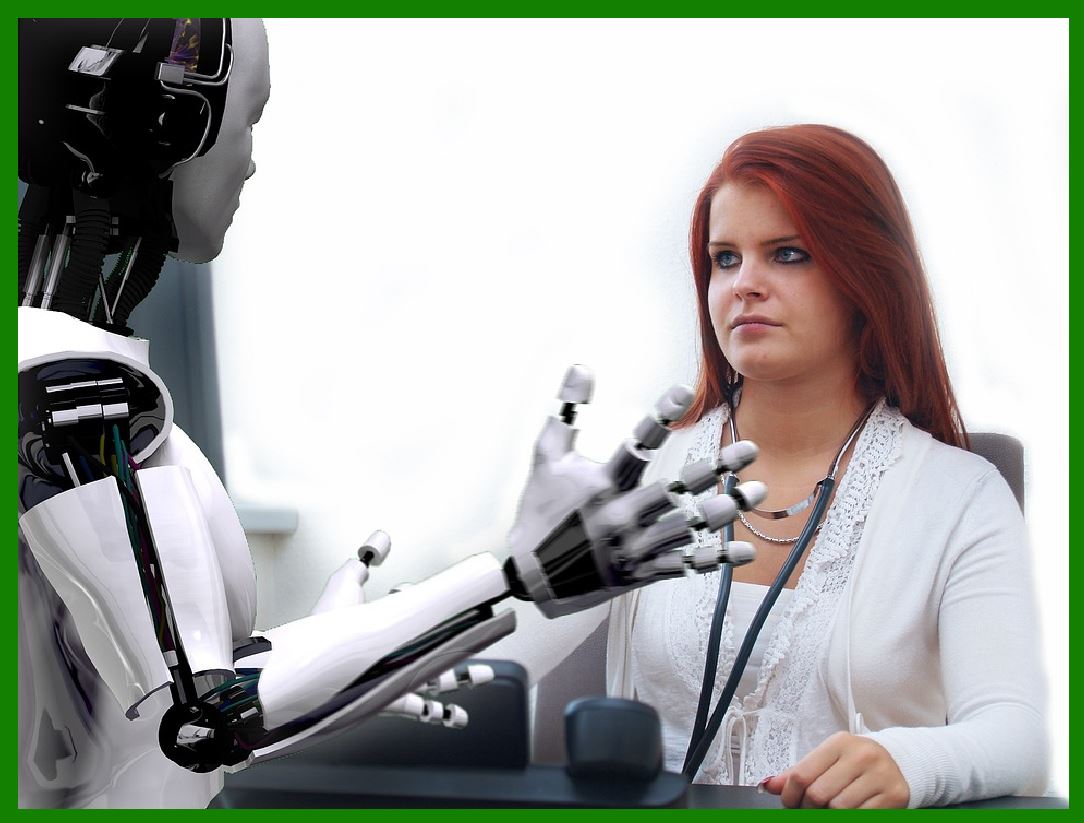
Sensor Limitations: Despite the development of advanced sensors, the ability of robots to 'sense' their environment remains one of their biggest challenges. The real-time processing of complex data from multiple sensors (vision, tactile feedback, temperature, etc.) is still in the developmental stage. For articulated robots to operate safely and effectively in human environments or manage delicate operations, they need highly accurate, real-time sensory inputs. False positives or inaccuracies in perception can lead to errors, inefficiency, or even accidents. |
Battery Life and Power Supply: For mobile articulated robots or autonomous units, battery life remains a significant constraint. Although there are advancements in battery technology, such as lithium-ion batteries, the energy consumption of high-performance articulated robots is still considerable, especially when they are performing complex, high-precision tasks for extended periods. The challenge is to create energy-efficient robots without compromising performance, especially in industries that require 24/7 operation. |
|
2. Cost and Affordability |
High Initial Costs: The cost of acquiring and installing articulated robots remains relatively high, especially for small and medium-sized businesses (SMBs) that may not have the capital for such an investment. The purchase price of the robot is often compounded by the costs of maintenance, training, and integrating the system into the existing manufacturing environment. While prices are expected to decrease over time as technology matures, the upfront investment can still be prohibitive for many businesses, particularly in developing economies. |
Return on Investment (ROI): Although articulated robots offer long-term cost savings through automation, the return on investment can take several years to realize. For industries that are not yet highly automated or for small businesses, the justification for the expense of robotic systems may be more challenging. Evaluating the ROI requires a balance between the cost of acquisition and the long-term efficiency gains. Additionally, small-scale industries or emerging markets may face more resistance to investing in automation due to economic factors. |

|
3. Human-Robot Interaction and Safety |
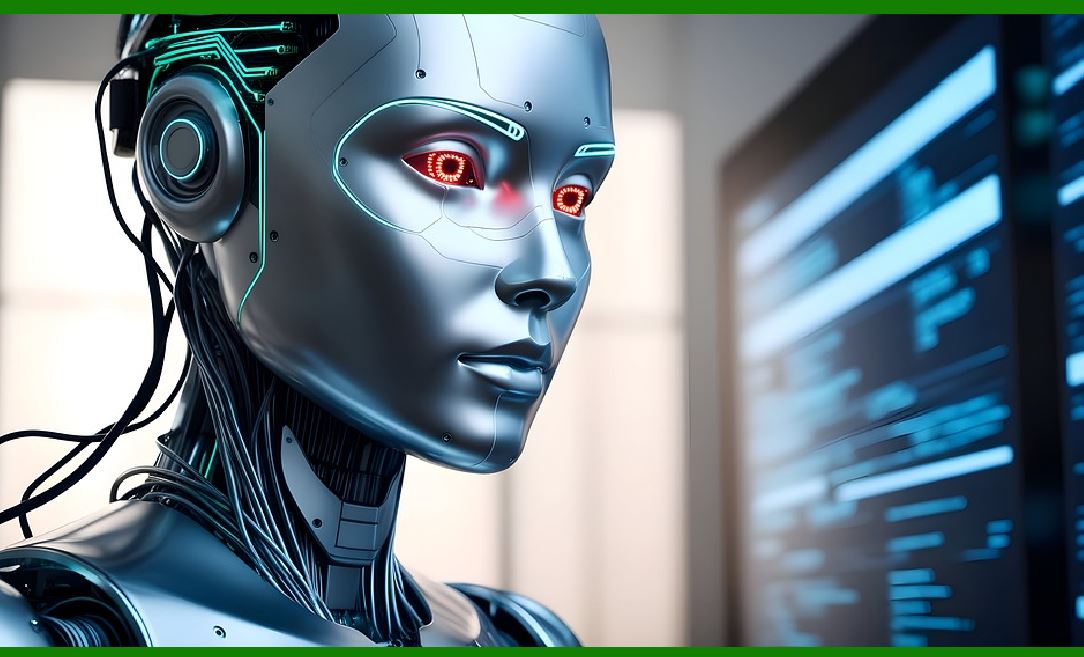
Collaboration with Humans (Cobots): As robots become more collaborative and are integrated into human-centered work environments (i.e., cobots), ensuring safe interaction with humans will be crucial. Safety systems need to be designed to prevent accidents in scenarios where robots and humans work in close proximity. Even with advanced sensors and AI, the challenge of designing robots that can work seamlessly and safely alongside humans without causing harm (or appearing threatening) is significant. The more autonomous the robot, the more difficult it becomes to ensure its safe operation in a shared workspace. |
Social Acceptance and Fear of Job Loss: While automation through articulated robots offers significant economic benefits, the adoption of these robots may encounter resistance due to concerns about job displacement. Workers in industries such as manufacturing, packaging, and assembly may fear that robots will replace their roles, leading to social tensions and challenges in workforce adaptation. This fear of job loss could slow the rate of adoption in certain sectors. Training and reskilling workers to work alongside robots, rather than be replaced by them, will be essential to addressing these concerns. |
Ethical Considerations in Robotic Operations: As robots take on more complex tasks, including those in sensitive sectors like healthcare and elderly care, ethical considerations around decision-making will come to the forefront. For instance, when robots perform surgeries or make diagnoses, how do we ensure that their decisions align with ethical standards? Furthermore, who is accountable when a robot causes harm due to a mistake, system error, or unintended consequence? These questions will require societal consensus and new regulatory frameworks. |
|
4. Scalability and Adaptability |
Handling Complex and Varied Tasks: While articulated robots excel in performing repetitive tasks, scaling them to handle a wide variety of jobs is more difficult. A major challenge will be improving the versatility of robots so they can switch seamlessly between various applications-without requiring significant reprogramming or physical modifications. For instance, a robot programmed for welding may need to switch to painting or packaging tasks. This flexibility requires not only sophisticated programming but also adaptability in hardware, which could present both technical and logistical challenges. |
Customization for Specific Industries: Certain industries require highly specialized robotic solutions that are not easily standardized. For example, in fields like aerospace, medical device manufacturing, or food processing, the unique requirements of these industries could make customization of robotic arms a complicated and costly process. This creates a challenge for manufacturers, as they must strike a balance between creating general-purpose robots and more specialized, customizable solutions. |

|
5. Environmental and Maintenance Challenges |
Maintenance and Downtime: Even though articulated robots are designed to be highly durable, they are not immune to wear and tear, particularly when used in high-demand environments. Over time, mechanical parts, joints, and actuators will require maintenance, repair, or replacement. If robots experience downtime or require expensive repairs, this could negate some of the efficiency gains and lead to operational interruptions. Developing predictive maintenance systems using AI and machine learning could help prevent unexpected breakdowns, but this is still an area requiring significant investment. |
Environmental Impact and Sustainability: As articulated robots become more widespread, there is growing concern about the environmental impact of their production, use, and disposal. Manufacturing robots, especially those involving complex materials like metals, electronics, and composites, can have a substantial carbon footprint. The energy consumption of robots, especially in industries where they operate continuously, also needs to be addressed to reduce their environmental impact. Furthermore, the disposal of robots at the end of their life cycle-especially with regard to electronic waste-presents challenges for sustainability. Companies and industries will need to invest in sustainable practices, such as creating robots with recyclable components and reducing energy consumption. |

|
6. Regulatory and Legal Issues |
Regulation of Autonomous Systems: As articulated robots become more autonomous and capable of making decisions, new legal and regulatory frameworks will be needed to govern their use, particularly in sensitive industries like healthcare, logistics, and manufacturing. Issues such as data privacy, safety standards, and liability for accidents involving robots must be addressed. For instance, if an articulated robot causes an injury during its operation, determining who is at fault (the manufacturer, the operator, or the robot itself) could become a complex legal issue. |
International Standards and Compliance: As the robotics industry expands globally, the development of universal safety standards and regulations becomes crucial to ensure that robots can be used safely and consistently across borders. Different countries may have different regulatory requirements for industrial robots, leading to complexities in manufacturing, importing, or deploying articulated robots internationally. Aligning these standards across industries and regions will be a significant challenge for manufacturers and policymakers alike. |
|
7. Competition and Market Saturation |
Rising Competition: As the market for industrial robots grows, more players are entering the space, driving competition among robot manufacturers. This increase in competition may lead to price wars, where smaller companies or new startups may struggle to compete with established players. While this could help drive down prices, it may also result in a 'race to the bottom,' where quality and innovation suffer in favor of cost-cutting. |
Innovation and Differentiation: To stand out in a crowded market, manufacturers will need to focus on innovation and differentiation. This might involve improving robot performance, integrating AI, or developing highly specialized applications for industries that require custom solutions. The challenge will be to consistently innovate while ensuring that products meet the evolving needs of end-users in a competitive market. |

|
Conclusion |
The future of articulated robots holds immense promise, but it will also be marked by several significant challenges. As the robots become more advanced and integrated into diverse industries, addressing technical limitations, improving safety, managing costs, and adapting to changing regulatory environments will be key to their success. In parallel, societal factors-such as job displacement concerns, environmental sustainability, and ethical considerations-will require thoughtful solutions. Overcoming these challenges will determine whether articulated robots can truly unlock their full potential in the future and become ubiquitous across industries. |
 cs@easiersoft.com