1. Introduction to Assembly Robots |
Assembly robots are an integral part of modern manufacturing processes, designed specifically to perform various tasks in the assembly of products. These robots are typically used in environments where high precision, speed, and repetitive actions are required. They automate processes such as inserting screws, welding parts, connecting electrical components, or even packing finished products. These systems are widely used in industries like automotive manufacturing, electronics, consumer goods production, and many others. |
The advent of assembly robots has revolutionized the manufacturing landscape, driving improvements in product quality, reducing human labor, and enhancing overall production efficiency. By automating repetitive tasks, assembly robots minimize human error, ensure consistent performance, and operate 24/7 without the fatigue that can affect human workers. |
This detailed exploration of assembly robots will delve into their design, types, functionalities, advantages, integration with other systems, and the various industries they serve. We will also look into the current state of the technology, including the latest advancements that are shaping the future of automated assembly. |

|
2. Design and Components of Assembly Robots |
The design of assembly robots is highly specialized to suit the particular needs of the tasks they are meant to perform. They are typically composed of several key components, each of which plays a role in ensuring the robot performs its duties with high precision and reliability. These components include the robotic arm, end-effector, sensors, control systems, and power supply. |
2.1 Robotic Arm |
The robotic arm is the primary mechanical component of the assembly robot. It is usually composed of a series of joints and links that provide the robot with movement, similar to the human arm. The number of degrees of freedom (DOF) a robotic arm has is a critical factor in determining its versatility. Most assembly robots feature at least six degrees of freedom, allowing them to move in three-dimensional space and handle a wide range of tasks. |
The arm can rotate, tilt, and extend, enabling it to reach different positions to pick up components, insert them into assembly lines, or perform delicate operations such as tightening screws. Some arms are designed to be highly flexible and can mimic the dexterity of human hands, while others are more rigid and used for heavier, less intricate tasks. |
2.2 End-Effector |
The end-effector is the part of the assembly robot that interacts directly with the components it is assembling. Depending on the task, the end-effector could be a gripper, a suction cup, a welding torch, a screw driver, or any other tool designed to perform a specific function. |
Grippers, for example, are often used to pick up and move parts, while welding tools are used for joining metal components together. The design of the end-effector is critical to the robot's ability to complete its task with precision and speed. These tools can be highly customized based on the assembly process. For instance, a robot used for electronics assembly might have a specialized tool for inserting small parts into circuit boards, while a robot used in automotive manufacturing might be fitted with a heavy-duty gripper for handling larger parts. |
2.3 Sensors |
Assembly robots rely heavily on sensors to provide feedback and enable them to perform their tasks with precision. These sensors can be categorized into several types, each serving a distinct function: |
Vision Sensors: Vision systems, including cameras and 3D scanners, are used to inspect components, check for defects, and ensure proper alignment. Vision systems enable robots to 'see' the parts they are assembling, which is particularly important for tasks like quality control and precise placement. |
Force/Torque Sensors: These sensors help robots apply the right amount of force when performing tasks such as inserting screws or pushing components into place. Force sensors are particularly useful for delicate operations that require a specific level of pressure, as they prevent the robot from damaging sensitive parts. |
Proximity Sensors: These sensors detect the presence of objects near the robot, helping it avoid collisions and ensuring that it does not accidentally move into restricted areas or damage components. |
2.4 Control System |
The control system of an assembly robot is essentially the brain of the operation. It processes information from the sensors and instructs the robotic arm and end-effector to carry out tasks. The control system uses algorithms to calculate the optimal path for the arm to follow and ensures the robot operates within the constraints of its programming. |
A central part of the control system is the robot controller, which receives input from the operator or other systems and executes the necessary actions. Many modern robots are integrated with sophisticated software that allows them to 'learn' from their environment or previous tasks, improving their efficiency and performance over time. This process is often referred to as 'machine learning' or 'adaptive control.' |
2.5 Power Supply |
Assembly robots require a reliable power supply to perform their tasks. Most industrial robots are powered by electric motors, but some may use pneumatic or hydraulic systems for more powerful movements. The power supply is crucial for the operation of the robotic arm, sensors, and end-effector, and it must be sufficient to handle the energy demands of all components simultaneously. |
The design of the power supply system is often tailored to the size and function of the robot. Large robots, such as those used in automotive manufacturing, may require more power to operate their heavy-duty parts, while smaller robots used in electronics assembly may use less power but require more precision in energy delivery. |
|
3. Types of Assembly Robots |
There are several different types of assembly robots, each suited to different kinds of tasks. The primary distinctions between these types usually come down to their size, strength, flexibility, and the precision required for their tasks. Below are some of the most common types of assembly robots: |
3.1 Articulated Robots |
Articulated robots are the most common type of robot used in assembly tasks. They feature a series of joints connected by links, giving them a wide range of motion. Articulated robots can have anywhere from three to seven degrees of freedom, which allows them to perform tasks with a high degree of flexibility. These robots are ideal for tasks like assembling complex parts, inserting components into tight spaces, and performing operations like welding, painting, or screwdriving. |
3.2 SCARA Robots |
SCARA (Selective Compliance Assembly Robot Arm) robots are designed for high-speed, high-precision tasks. They have a rigid vertical arm and a compliant horizontal arm, making them highly effective for tasks that require quick movements with a moderate degree of flexibility. SCARA robots are often used in the electronics industry for tasks like picking and placing components on circuit boards. |
3.3 Delta Robots |
Delta robots are known for their speed and precision, particularly in tasks requiring quick movements and minimal inertia. These robots have a parallel-arm structure and are often used in pick-and-place applications where components need to be moved rapidly between different stages of the assembly process. Delta robots are commonly employed in food packaging, electronics assembly, and other industries that require fast handling of small parts. |
3.4 Cartesian Robots |
Cartesian robots, also known as gantry robots, move along three linear axes (X, Y, Z), offering excellent precision and repeatability. These robots are ideal for assembly tasks that require the robot to move in a straight line or follow a set grid. They are commonly used for tasks such as loading and unloading parts from assembly lines, packaging, and material handling. |
3.5 Collaborative Robots (Cobots) |
Collaborative robots, or cobots, are designed to work alongside human workers rather than replacing them entirely. Cobots are typically smaller, safer, and easier to program than traditional industrial robots. They are ideal for tasks that require human-robot interaction, such as helping with assembly, packing, or quality inspection. Cobots are often used in industries where human flexibility and robot precision are both required. |
|
4. Key Benefits of Assembly Robots |
The introduction of robots into the assembly process offers numerous advantages for manufacturers. These benefits have made robots an indispensable tool in modern industrial settings, particularly in high-volume production environments. |
4.1 Precision and Accuracy |
One of the most significant advantages of using assembly robots is their ability to perform tasks with exceptional precision and accuracy. Robots are capable of executing complex operations, such as placing tiny electronic components onto circuit boards or joining automotive parts with high precision, without the variability introduced by human error. |
4.2 Consistency and Reliability |
Assembly robots work continuously without fatigue, providing consistency and reliability across production lines. Unlike human workers, robots do not suffer from tiredness, making them ideal for high-volume or round-the-clock operations. This reliability ensures that products are manufactured to the same high standards every time, which is particularly important in industries where quality control is paramount. |
4.3 Speed and Efficiency |
Robots can perform tasks much faster than human workers, particularly when dealing with repetitive or time-consuming tasks. Assembly robots can handle tasks such as inserting screws, welding parts, and placing components on assembly lines in a fraction of the time it would take a human worker. This increase in speed directly translates into higher productivity and reduced cycle times. |
4.4 Reduction of Labor Costs |
By automating tasks, assembly robots reduce the need for human labor in repetitive and hazardous environments. This not only helps reduce direct labor costs but also cuts down on training and safety expenses. Additionally, robots help minimize downtime and human errors, which can lead to costly delays in production. |
4.5 Flexibility and Scalability |
Modern assembly robots are highly adaptable and can be reprogrammed or reconfigured to handle different tasks. This flexibility makes them valuable in dynamic production environments where products may need to change frequently. Robots can also be easily scaled up to meet increased demand, without the need for significant changes to the overall system. |
|
5. Integration with Other Automation Systems |
Assembly robots do not operate in isolation. To achieve the highest levels of efficiency and flexibility, they are often integrated with other automation systems, such as conveyor belts, vision systems, and programmable logic controllers (PLCs). This integration ensures that the assembly process flows seamlessly from one task to the next, reducing the potential for delays or mistakes. |
5.1 Conveyor Systems |
Conveyor belts are often used in conjunction with assembly robots to transport parts from one station to another. Conveyor systems ensure that parts are delivered to the robot in a timely manner, allowing it to perform its task without interruption. In some cases, conveyor belts may also be equipped with sensors to help robots detect when parts are in position for processing. |
5.2 Vision Systems |
Vision systems, including cameras and 3D scanners, are used to assist robots in identifying parts, checking for defects, and verifying the correct placement of components. These systems provide real-time feedback to the robot, allowing it to make adjustments if necessary and ensuring that parts are assembled correctly. |
5.3 PLCs (Programmable Logic Controllers) |
PLCs are used to control and monitor the operation of the entire assembly line, including robots. PLCs allow manufacturers to program complex workflows and ensure that robots and other automation systems work in harmony. This integration helps optimize production schedules, improve efficiency, and maintain high-quality standards. |
|
6. Industries That Benefit from Assembly Robots |
Assembly robots are used in a wide range of industries, each benefiting from the specific advantages offered by automation. Below are some of the most prominent industries where assembly robots have made a significant impact: |
6.1 Automotive Industry |
In the automotive industry, assembly robots are widely used for tasks such as welding, painting, and part assembly. Robots are employed to assemble car bodies, install components like engines and wheels, and even handle materials during the manufacturing process. The use of robots in automotive assembly lines has dramatically improved efficiency, safety, and product quality. |
6.2 Electronics Industry |
The electronics industry is another major user of assembly robots. Robots are used to assemble circuit boards, place tiny electronic components, and perform precision soldering tasks. With the increasing demand for smaller, more complex electronics, assembly robots have become essential for ensuring high-quality, defect-free products. |
6.3 Consumer Goods Industry |
Assembly robots are also commonly used in the production of consumer goods. They help automate the assembly of products like appliances, furniture, toys, and more. Robots streamline the manufacturing process, reducing costs and improving product consistency across production runs. |
6.4 Food and Beverage Industry |
In the food and beverage industry, robots are used for tasks such as packaging, quality control, and sorting. Robots help ensure that products are packaged consistently, correctly labeled, and free from defects. They also play a role in ensuring that food production lines maintain high standards of hygiene and efficiency. |

|
7. The Future of Assembly Robots |
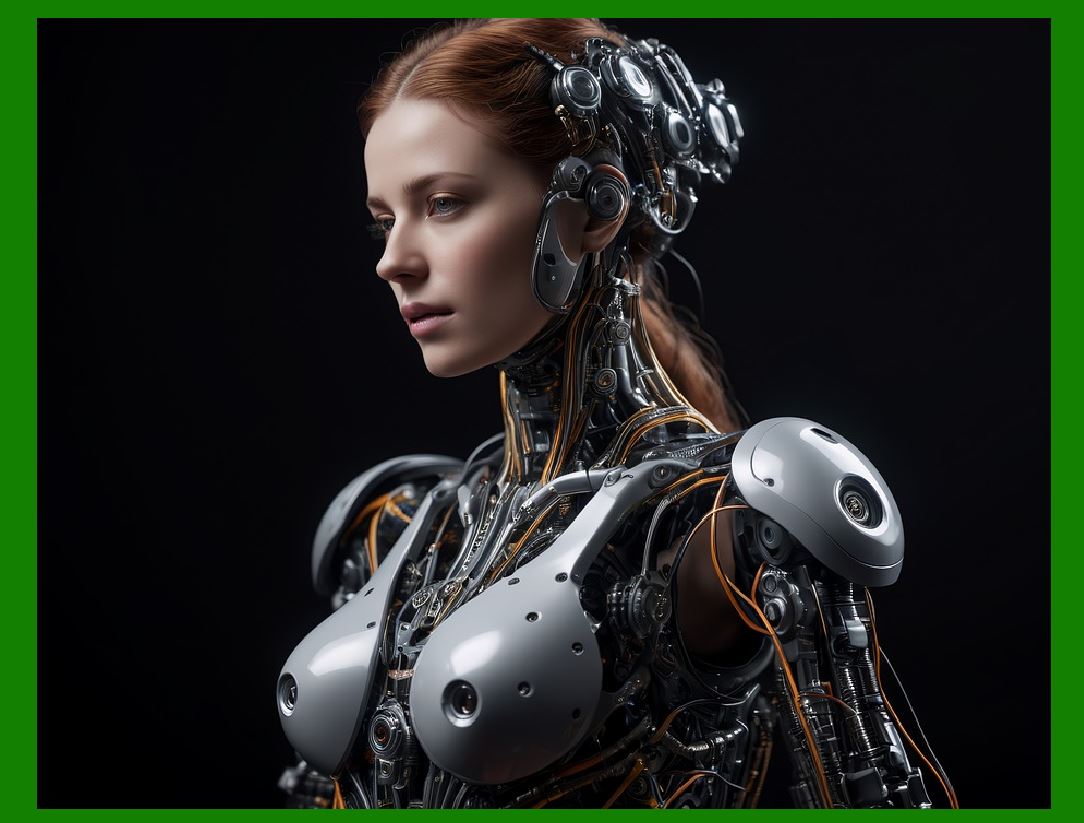
The future of assembly robots is exciting, with advancements in artificial intelligence (AI), machine learning, and autonomous systems poised to transform the manufacturing industry further. Robots are expected to become even more intelligent, adaptive, and capable of handling increasingly complex tasks. Furthermore, as robots become more collaborative and easier to program, they will be able to work alongside human workers more effectively than ever before. |
As these technologies continue to evolve, we can expect assembly robots to play an even more significant role in shaping the future of manufacturing, contributing to more efficient, sustainable, and flexible production processes across a variety of industries. |
|
8. Challenges Faced by Assembly Robots in the Future |
While assembly robots have already revolutionized manufacturing across various industries, they are not without challenges. As the technology continues to evolve and is integrated into more complex and diverse applications, several obstacles must be addressed to ensure that assembly robots can reach their full potential. These challenges encompass technical, economic, and societal factors, and will require ongoing innovation and adaptation from manufacturers, developers, and regulatory bodies. |
8.1 Technological Challenges |
8.1.1 Limited Flexibility and Adaptability |
Although assembly robots are increasingly flexible and adaptable, many systems are still designed for specific tasks and require significant reprogramming or reconfiguration to switch between different types of assembly. While some robots, such as collaborative robots (cobots), are easier to reprogram, there is still a need for more advanced, adaptive robots capable of switching between a variety of tasks with minimal downtime. |
The challenge lies in developing robots that can perform multiple, unrelated tasks without requiring significant downtime for reconfiguration, calibration, or programming. Such flexibility is essential for industries with short production runs or frequent changes in product design, like electronics or consumer goods manufacturing. |
8.1.2 Integration with Existing Systems |
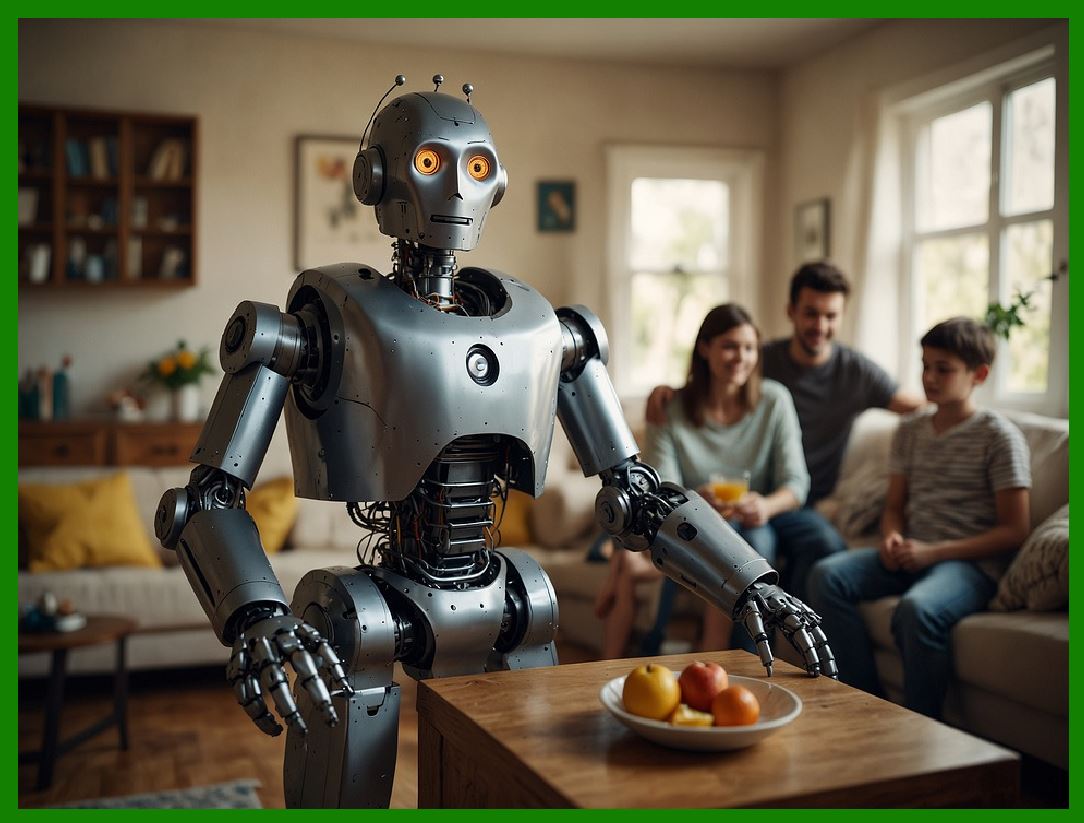
Integrating robots into existing factory environments can be complex. Many manufacturing plants rely on legacy systems that were not designed to work with advanced robotics. This can lead to compatibility issues, requiring expensive upgrades to existing equipment and infrastructure. |
For example, a robot might need to work alongside older conveyor systems, PLCs, or specialized machines that are not easily integrated into modern robotic systems. Ensuring smooth interaction between old and new technologies will require significant effort in system integration and the development of universal standards for interoperability. |
8.1.3 Precision in Complex Environments |
As robots are deployed in more diverse applications, such as assembling small electronic components or working in tight, crowded spaces, the need for higher precision becomes more critical. Achieving consistent precision in unstructured or complex environments remains a significant challenge, especially when robots are required to interact with a variety of different materials or parts with varying sizes, shapes, and weights. |
Robots must not only be able to perform intricate tasks with precision but also adapt in real-time to environmental changes, such as slight variations in the positioning of parts or unexpected disruptions in the assembly line. This requires highly advanced sensors, real-time processing capabilities, and sophisticated AI algorithms that can analyze and react to dynamic conditions. |
|
8.2 Economic Challenges |
8.2.1 High Initial Investment Costs |
The upfront costs of deploying assembly robots can be prohibitive for some companies, particularly small to medium-sized enterprises (SMEs). While robots offer significant long-term savings in terms of labor costs, productivity, and quality control, the initial investment for the robots, their integration into existing systems, and the necessary software and training can be expensive. |
This poses a barrier for businesses that might not have the capital to invest in automation, potentially limiting the widespread adoption of robotics. For smaller businesses, the return on investment (ROI) may take several years to materialize, making it harder to justify the expenditure without short-term gains. |
8.2.2 Workforce Displacement and Reskilling |
The increased adoption of assembly robots poses significant challenges for the workforce. As robots take over repetitive and manual tasks, there is a risk of displacement for workers whose roles are automated. This can lead to significant job losses, particularly in industries that rely heavily on human labor for assembly tasks, such as automotive or electronics manufacturing. |
Moreover, even though robots create new jobs in robot maintenance, programming, and management, these roles often require higher skill levels, which may not be accessible to displaced workers without significant retraining. The economic and social impact of such displacement could create tensions in regions that rely heavily on industries that are susceptible to automation. |
To mitigate this challenge, companies will need to invest in reskilling and upskilling programs for their workers. This will ensure that employees are equipped with the skills required to work alongside robots, program and maintain them, and adapt to new technologies. Governments and educational institutions will also need to collaborate with businesses to create workforce development programs that help workers transition to the new economy. |
8.2.3 Maintenance and Downtime |
While robots can significantly reduce human error and downtime in production processes, they are still susceptible to mechanical breakdowns, software glitches, and other issues that may lead to operational stoppages. The maintenance of robots can also be costly, particularly for highly specialized systems. |
As robots become more advanced, their maintenance requirements may become more complex. The need for skilled technicians capable of diagnosing and repairing high-tech robotic systems could create challenges for industries, particularly in regions where there is a shortage of such expertise. Regular servicing, predictive maintenance, and remote diagnostics will be necessary to ensure that robots continue to operate at peak performance without causing significant disruptions to production. |

|
8.3 Social and Ethical Challenges |
8.3.1 Ethical Implications of Job Loss |
As assembly robots continue to replace human workers in many industries, concerns over the ethical implications of mass job displacement are likely to intensify. While automation offers productivity and quality benefits, the social cost of widespread job loss cannot be overlooked. |
Workers displaced by robots may face challenges in finding new employment, especially if they lack the skills necessary for other roles. In addition, robots may be deployed in countries with lower labor costs, leading to the loss of jobs in regions with higher wages. This could exacerbate income inequality and increase the social divide between high-tech, high-skill economies and regions that are more dependent on low-skilled labor. |
Governments and organizations will need to address these challenges by providing social safety nets, including unemployment benefits and reskilling programs. Moreover, a broader conversation about the redistribution of wealth and the future of work will be necessary to ensure that the benefits of automation are shared more equitably across society. |
8.3.2 Safety Concerns |
Despite the development of collaborative robots that are designed to work safely alongside humans, concerns about the safety of assembly robots persist, especially as robots become more autonomous and integrated into complex workflows. There is a risk that robots could cause accidents, whether due to malfunction, miscommunication, or human error. |
Safety concerns are particularly pressing in high-speed, high-risk environments, where robots work with heavy equipment or materials, such as automotive manufacturing or heavy machinery assembly. Ensuring that robots can detect and avoid potential collisions, operate in compliance with safety standards, and react appropriately to unexpected human presence will remain a challenge. Additionally, as robots become more sophisticated, they must be programmed to handle an increasing variety of safety scenarios, especially when interacting with humans. |

|
8.4 Regulatory and Legal Challenges |
8.4.1 Standardization and Regulation |
As the use of assembly robots becomes more widespread, the need for standardized regulations and guidelines will become more pressing. Different countries have varying regulations concerning robotics, automation, and workplace safety. The lack of uniform standards can lead to confusion and delays in the deployment of robotic systems, particularly for global manufacturers who need to ensure compliance in multiple regions. |
Standardizing safety protocols, communication interfaces, and data exchange mechanisms will be critical to creating a cohesive framework for robot deployment. International organizations, governments, and industry bodies will need to collaborate on establishing these standards to ensure that robots can operate safely, efficiently, and ethically across borders. |
8.4.2 Liability and Accountability |
As robots take on more critical functions in assembly lines and other industries, questions regarding liability and accountability will arise. In cases where robots make mistakes or cause accidents, it may be difficult to determine who is responsible-whether it's the robot's manufacturer, the company operating the robot, or even the software developers who programmed the system. |
This legal ambiguity could make businesses hesitant to deploy highly autonomous robots, particularly in industries where product defects or safety incidents could have significant financial and reputational consequences. Clear legal frameworks will need to be developed to address the issue of accountability, as well as the role of insurance in covering potential robot-related incidents. |
|
9. Conclusion |
As assembly robots continue to evolve, they will face a range of challenges that could impede their widespread adoption and development. Technological challenges, including limited flexibility, integration issues, and the need for higher precision, must be addressed to unlock their full potential. Economic challenges, such as high initial costs, workforce displacement, and ongoing maintenance expenses, will require careful planning and investment. Social and ethical concerns about job loss and safety will need to be considered in the deployment of robots, alongside regulatory and legal challenges regarding standardization and liability. |
Despite these challenges, the future of assembly robots looks promising. With ongoing advancements in AI, machine learning, and robotics technology, assembly robots will continue to transform manufacturing, driving productivity, improving product quality, and reducing human error. However, addressing the challenges posed by automation will require coordinated efforts from businesses, governments, and society to ensure that robots are deployed in a way that benefits all stakeholders. |
 cs@easiersoft.com