Autonomous Waitstaff: The Role of Robots in Modern Hospitality |
1.Introduction |
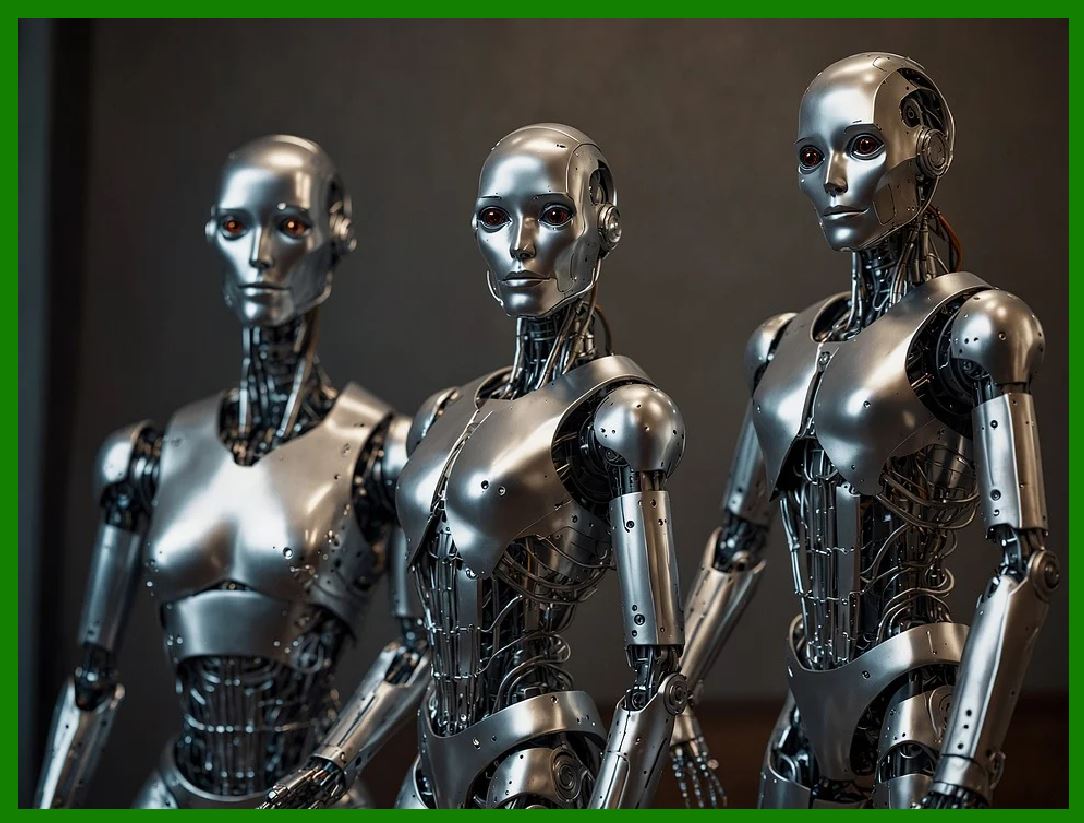
Autonomous waitstaff robots, such as Flippy by Miso Robotics, represent a significant shift in the way food service is being handled in the modern hospitality industry. The introduction of these robots into kitchens, food prep areas, and even directly to customer-facing positions, like delivering meals to tables, marks a transition towards higher efficiency, increased safety, and a redefined human-robot collaboration. These robots are equipped with cutting-edge technology that combines artificial intelligence, machine learning, computer vision, and robotics to autonomously handle specific tasks that were once the sole responsibility of human workers. |
|
2.The Technological Foundation of Autonomous Waitstaff |
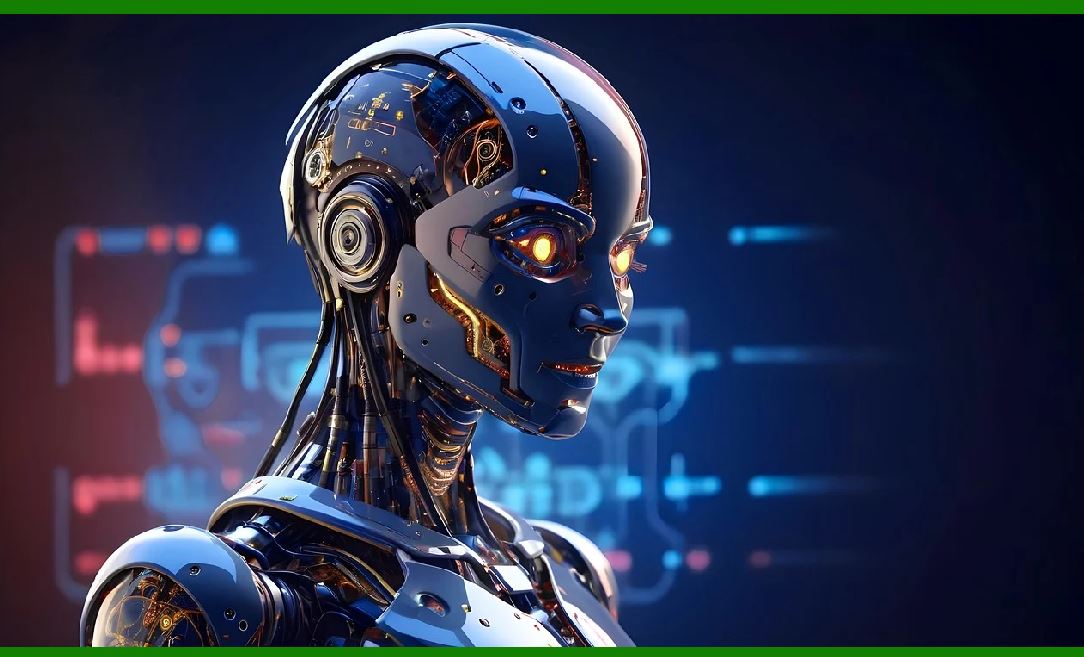
Autonomous waitstaff and food-preparing robots like Flippy are underpinned by sophisticated technologies that allow them to function in dynamic and often unpredictable environments. The key technologies that enable their functionality include: |
Robotic Arm Technology: Robots like Flippy are equipped with multi-jointed robotic arms designed to perform complex tasks such as flipping burgers, grilling, frying, and preparing other foods. These arms are typically outfitted with sensors that provide precise control over cooking temperatures, times, and handling. |
Computer Vision and AI: The robots are equipped with cameras and machine learning algorithms that allow them to 'see' their environment. This means that Flippy can identify ingredients, distinguish between different stages of cooking, and even assess the quality of a dish. Through AI, these robots can continually learn and adapt to improve their performance over time. |
Automation and Integration with POS Systems: Autonomous robots are often integrated with Point of Sale (POS) systems, allowing them to receive orders in real-time and initiate cooking or delivery processes automatically. The integration of robots with other aspects of the restaurant's operations ensures seamless interaction between kitchen operations and customer service. |
Sensors and Safety Mechanisms: Safety is a priority in the design of autonomous waitstaff robots. The robots are typically equipped with a variety of sensors (such as proximity sensors) that ensure they can work safely alongside human employees without posing any risk. Additionally, they have fail-safe systems to handle emergencies, like food temperature malfunctions or robotic arm malfunctions. |
|
3.The Role of Autonomous Waitstaff Robots in Food Preparation |
One of the most visible applications of autonomous robots in food service is in the kitchen, where they perform cooking tasks with remarkable efficiency. Robots like Flippy are most commonly used for tasks such as grilling, flipping burgers, and preparing fries. Here's a breakdown of how these robots operate in the food preparation process: |
Grilling and Cooking: Flippy's robotic arm is designed to handle the grilling of food items like burgers or chicken, as well as flipping them at the right moment to ensure even cooking. The arm's sensors monitor the temperature of the grill and the food to ensure that each item is cooked to perfection according to specific requirements. This helps ensure that every burger is cooked uniformly, without the variation that can sometimes come from human cooking. |
Frying and Oil Management: Robots in the kitchen are often used for frying tasks, where consistency is key. Automated systems can manage the frying process, from dipping food into the oil to ensuring the cooking time is optimized. These robots are equipped with advanced sensors that can determine the temperature of the oil and monitor the food's color to ensure it's cooked properly. |
Ingredient Handling and Portioning: Another critical task for autonomous robots is handling ingredients. Flippy, for example, is designed to measure and portion ingredients with a high level of accuracy. This ensures that the consistency of food preparation remains constant across multiple orders. The robot can automatically dispense sauces, toppings, or seasonings, contributing to a standardized food product every time. |
Cleaning and Maintenance: In addition to food preparation, autonomous robots are also capable of cleaning and maintaining kitchen equipment. Cleaning robotic systems are equipped with brushes, vacuums, and disinfectant spraying systems that allow them to keep cooking surfaces clean. This capability not only increases efficiency but also helps reduce the amount of manual labor needed for maintaining hygiene standards in the kitchen. |

|
4.The Role of Autonomous Waitstaff Robots in Customer Service |
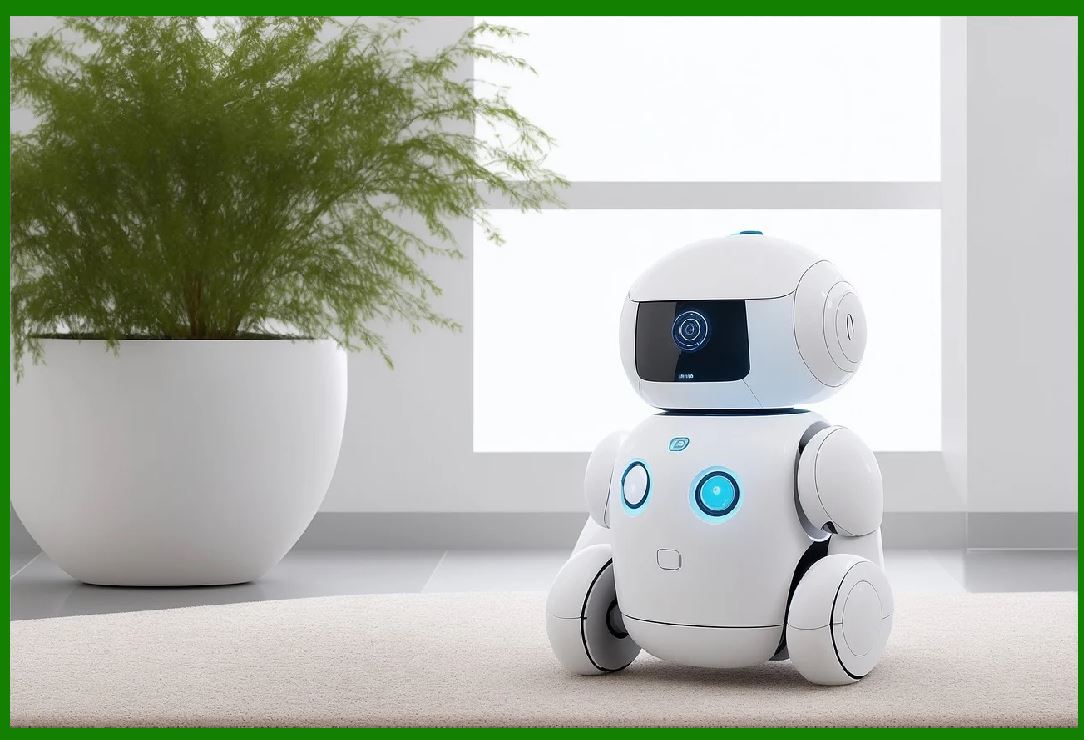
While the most significant applications of autonomous robots in the hospitality industry have thus far been in food preparation, some robots are beginning to take on roles traditionally reserved for human waitstaff. The introduction of robots to serve customers directly at the table, deliver food, or even take orders is beginning to change the dynamics of customer service in restaurants. |
Food Delivery to Tables: Autonomous robots in some restaurants are designed to deliver food to tables. These robots can navigate through restaurant spaces, avoiding obstacles, and ensuring that food is delivered directly to the customer's table. These robots typically use a combination of GPS, lidar sensors, and computer vision to navigate through busy restaurant environments and deliver food accurately. |
Customer Interaction: Some advanced robots are also capable of engaging in basic customer interaction. They can take orders through voice commands, or even offer recommendations based on a customer's preferences or past orders. Although robots are still far from fully replacing human interaction in customer service, they can assist in a variety of tasks such as offering menu suggestions, ensuring the food is delivered on time, or even answering simple queries. |
Human-Robot Collaboration: In many cases, autonomous robots are not replacing human workers but are working alongside them to increase the overall efficiency of service. Human waitstaff can focus on tasks that require higher levels of emotional intelligence, such as engaging with customers or managing difficult situations, while the robots handle routine tasks like delivering drinks, food, or utensils. This partnership allows human workers to focus on the aspects of customer service that robots cannot yet replicate, such as empathy and personalized attention. |
|
5.Benefits of Autonomous Waitstaff Robots |
The introduction of autonomous waitstaff robots comes with a wide range of benefits for both food service businesses and customers. Some of the most significant advantages include: |
Increased Efficiency and Speed: Robots can perform tasks with a level of speed and precision that surpasses human workers. For instance, robots in the kitchen can prepare dishes faster than a human cook, ensuring that orders are fulfilled promptly. In customer service, robots can quickly deliver food or drinks to tables, reducing wait times for customers. |
Cost Reduction: Although the initial investment in autonomous robots may be high, the long-term operational savings can be significant. Robots can reduce labor costs by taking over repetitive and time-consuming tasks, allowing businesses to reduce their reliance on human workers for these tasks. In turn, human staff can focus on tasks that require more advanced skills and human interaction. |
Consistency in Service and Food Quality: Robots can provide a consistent level of service that human workers may struggle to match, especially in high-stress environments. Autonomous robots ensure that food is cooked to the exact specifications, and customer service tasks like food delivery are executed in a consistent manner. This helps improve customer satisfaction and reduce human errors. |
Enhanced Hygiene and Safety: Autonomous robots can help ensure higher hygiene standards in restaurants. Robots equipped with cleaning tools can reduce the risk of contamination by ensuring that cooking surfaces are cleaned more frequently. Additionally, because robots are often equipped with sensors to ensure food safety standards, they help reduce the risk of undercooked food or foodborne illnesses. |
Labor Shortages and High Employee Turnover: Many sectors in the hospitality industry, particularly in fast food, face challenges related to labor shortages and high turnover rates. Autonomous robots help mitigate these issues by stepping in to handle essential tasks. While robots can't fully replace human workers, they can reduce the pressure on human staff by taking over mundane tasks. |
|
6.Challenges and Limitations of Autonomous Waitstaff Robots |
While the benefits of autonomous robots in the hospitality industry are significant, there are also several challenges and limitations to their widespread adoption: |
High Initial Investment: The cost of developing and deploying autonomous robots can be prohibitively high for some businesses, particularly smaller restaurants. The hardware, software, and infrastructure needed to support robots like Flippy require a significant upfront investment, which may not be feasible for every establishment. |
Limited Ability to Handle Complex Tasks: While robots excel at repetitive and straightforward tasks, they still struggle with more complex, creative, or customer-facing duties that require emotional intelligence. For example, robots may have difficulty managing difficult customer complaints or handling situations where a personal touch is needed. |
Technological Limitations: Although robots like Flippy are capable of performing many tasks, they still have limitations in terms of adaptability. For example, in highly dynamic kitchen environments, robots might struggle to adjust to unforeseen changes in orders, equipment malfunctions, or unpredictable conditions. Furthermore, while robot navigation has improved, moving through crowded restaurant environments without causing accidents or delays remains a challenge. |
Public Perception and Acceptance: Some customers may feel uneasy about interacting with robots instead of humans, especially in service-oriented roles. The presence of robots in restaurants might be perceived as impersonal or even unsettling by some, potentially reducing customer satisfaction or engagement. |

|
7.Conclusion |
Autonomous waitstaff and food-preparing robots like Flippy represent the future of the hospitality industry, where robots and humans collaborate to improve efficiency, reduce costs, and enhance customer service. While there are still significant challenges to overcome, the potential benefits of these robots in terms of speed, consistency, and hygiene are immense. As technology continues to evolve, it's likely that robots will play an even larger role in food service operations, fundamentally reshaping the way we think about work in the restaurant and hospitality sectors. |
|
Practical Applications of Autonomous Waitstaff and Food-Preparing Robots |
1.Flippy by Miso Robotics |
Flippy, one of the most well-known autonomous robots in the food service industry, is designed primarily for cooking tasks, such as grilling and frying. Its most famous application is in fast food restaurants, where it has been used to prepare burgers, chicken, and fries with consistent speed and precision. In fast-food chains like White Castle and California-based Inspire Brands (which owns Buffalo Wild Wings), Flippy has been deployed to take on cooking tasks like flipping burgers, monitoring grill temperature, and managing the fryers. By automating these tasks, Flippy allows human workers to focus on higher-level customer service functions, such as taking orders or managing the dining experience. |
2.Robot Waiters in Casual Dining Restaurants |
In some restaurants, autonomous robots are used to assist with food delivery to tables, eliminating the need for human waitstaff to carry trays of food. For example, Bear Robotics' Servi is a robot designed to deliver food, drinks, and even clean tables in busy restaurants. Servi is equipped with navigation technology, allowing it to move autonomously through the dining area, avoiding obstacles, and delivering food directly to customers' tables. The robot is typically used to handle simpler tasks, such as serving water or appetizers, while human servers continue to focus on more personalized customer service and complex interactions. |

|
3.Autonomous Bartenders |
The application of robotics in bars and restaurants isn't limited to the kitchen; autonomous bartenders are also becoming a practical tool in some high-volume environments. Makr Shakr, a robotic bartender system, uses robotic arms to mix cocktails based on pre-programmed recipes or customer selections. The robotic bartender can serve drinks quickly and efficiently, making it ideal for busy bars or events. Some Makr Shakr systems even allow customers to customize their cocktails via an app or touch-screen interface, providing a personalized and automated drink experience. This reduces wait times for drinks and ensures consistency in the cocktails served. |
4.Automated Pizza-Making Robots |
In pizza chains like Pazzi Pizza or Zume Pizza, robots are used to automate the pizza-making process. These robots are responsible for tasks like spreading sauce, adding toppings, and placing pizzas into the oven. Some robots are even capable of making dough, managing the assembly line, and cutting pizzas after they are cooked. This not only speeds up production but also helps maintain consistency and reduces the need for skilled labor. In Zume Pizza's case, robots are even used to deliver pizzas autonomously using trucks equipped with ovens, ensuring that the pizza is cooked on its way to the customer. |

|
5.Kitchen Automation in Fast Casual and Fast Food Restaurants |
Chowbotics' Sally is a salad-making robot that has been deployed in hospitals, airports, and corporate cafeterias. The robot is designed to autonomously create customized salads based on customer preferences, offering ingredients like lettuce, fruits, proteins, and dressings. Sally automates the food assembly process, enabling customers to order and receive a customized salad in a matter of minutes. This type of automation is particularly useful in environments that serve a high volume of customers but require quick and personalized meals, such as airports, large offices, or hospitals. |
6.Robot Servers in High-End Restaurants |
Sophia, a humanoid robot developed by Hanson Robotics, has been used in some high-end or tech-forward restaurants to greet customers and interact with them as a host or waitstaff member. Although not yet commonplace, robots like Sophia have been deployed in select fine dining establishments in Asia, where they serve as both greeters and waitstaff, offering a futuristic dining experience. These robots often use AI to converse with customers, take orders, and direct them to their tables. While they cannot yet fully replace human waitstaff in complex or high-end interactions, they enhance the novelty factor of dining and attract tech-savvy customers. |

|
7.Food Delivery Drones and Robots |
In addition to autonomous waitstaff robots that move within restaurants, some businesses are expanding their services to include delivery to customers through robots or drones. For instance, Starship Technologies has developed autonomous delivery robots that are deployed on sidewalks to deliver food to customers within a specific radius. These robots, which resemble small rolling carts, can deliver takeout orders from restaurants to residential or office buildings. In certain parts of the U.S. and Europe, these robots are used to deliver food from restaurants like Domino's or local cafes, providing a contactless and efficient way to complete the last mile of delivery. |
8.Automated Checkout and Ordering Kiosks |
In fast-food chains like McDonald's and KFC, robots are used not just for cooking and serving, but for the ordering and checkout process as well. These chains are increasingly implementing self-service kiosks, where customers can browse the menu, customize their orders, and pay without interacting with a human cashier. The self-service kiosks are often integrated with kitchen automation systems, which directly send the customer's order to the kitchen. This reduces wait times and increases accuracy in order-taking. Additionally, some restaurants are using robots to handle post-order tasks such as payment processing and receipt printing. |
|
9.Robotic Pizza Ovens for Consistent Cooking |
In some fast-food chains and pizza restaurants, robots are used to operate pizza ovens. Pizzavision, for instance, uses AI and robotic systems to ensure that pizzas are cooked to perfection every time. The robots monitor temperature, humidity, and time to ensure that each pizza is baked uniformly. This is particularly useful in high-volume environments where quick and consistent cooking is critical. The robot ovens reduce the need for human intervention, and ensure that each pizza comes out perfectly, even during rush hours. |
10.Autonomous Robots in Fine Dining for Food Plating and Decoration |
In certain high-end or experimental dining establishments, robots have been developed for more delicate tasks like food plating and decoration. Spyce, a robotic restaurant in Boston, offers a fully automated kitchen where robots prepare and plate food. The robots in this system handle cooking, assembly, and even intricate tasks like garnishing the dish with specific ingredients. The human staff focuses on tasks like managing customer service and ensuring the atmosphere of the restaurant remains personalized. These robots are especially valuable in fine dining environments where presentation and consistency are critical. |
|
11.Health Care and Assisted Living Applications |
Autonomous robots are also finding applications in health care facilities and assisted living environments. For example, ZoraBots is used in hospitals and elder care centers to bring food, medicines, and other essentials directly to patients' rooms. These robots ensure that elderly or ailing individuals receive their meals on time, without relying on human staff. In some cases, robots also interact with patients, providing companionship or even conducting light tasks such as measuring temperature or blood pressure. |
12.Autonomous Robots for Multi-Location Food Service |
In multi-location food service chains, robots help maintain consistency and efficiency across locations. Kiwibot, an autonomous delivery robot, has been deployed on university campuses and urban settings to deliver food orders. These robots ensure that customers can receive food without waiting in long lines or relying on human couriers. For chains with multiple locations, this sort of autonomous service can increase the consistency of delivery times and reduce operational costs. |

|
13.Robots for Automated Cooking Classes and Demonstrations |
In some high-tech culinary schools and specialized restaurants, robots are used for cooking demonstrations or even as instructors in cooking classes. For example, Robot-Chef systems can be programmed to replicate a chef's movements and demonstrate cooking techniques in a highly controlled environment. This can help culinary students learn cooking methods in a hands-on yet automated way, with precise instruction from a robot. |
14.Drive-Thru Automation |
In the fast-food industry, drive-thru lanes have been enhanced with autonomous robots that assist in taking orders and preparing food. The CookRight system is being used in some drive-thrus to prepare fast food orders quickly and efficiently. These robots are capable of taking customer orders via an interactive screen, and then preparing and packaging food for delivery to customers without human intervention. They not only speed up the process but also enhance accuracy, reducing human error at the order-taking stage. |
|
Conclusion |
The practical applications of autonomous waitstaff and food-preparing robots are diverse, covering a broad range of functions from cooking and food delivery to customer service and kitchen automation. These robots have made significant strides in fast food, casual dining, fine dining, and even health care, offering efficiency, consistency, and enhanced customer experiences. While human workers are not entirely replaced, the collaborative role of robots in the food service industry has transformed the way restaurants and food establishments operate. As technology continues to improve, the scope of robotic applications in hospitality will only continue to expand, potentially revolutionizing how we approach food service in the future. |
 cs@easiersoft.com