Barcode Scanning Robots in Warehousing: Receiving and Sorting |
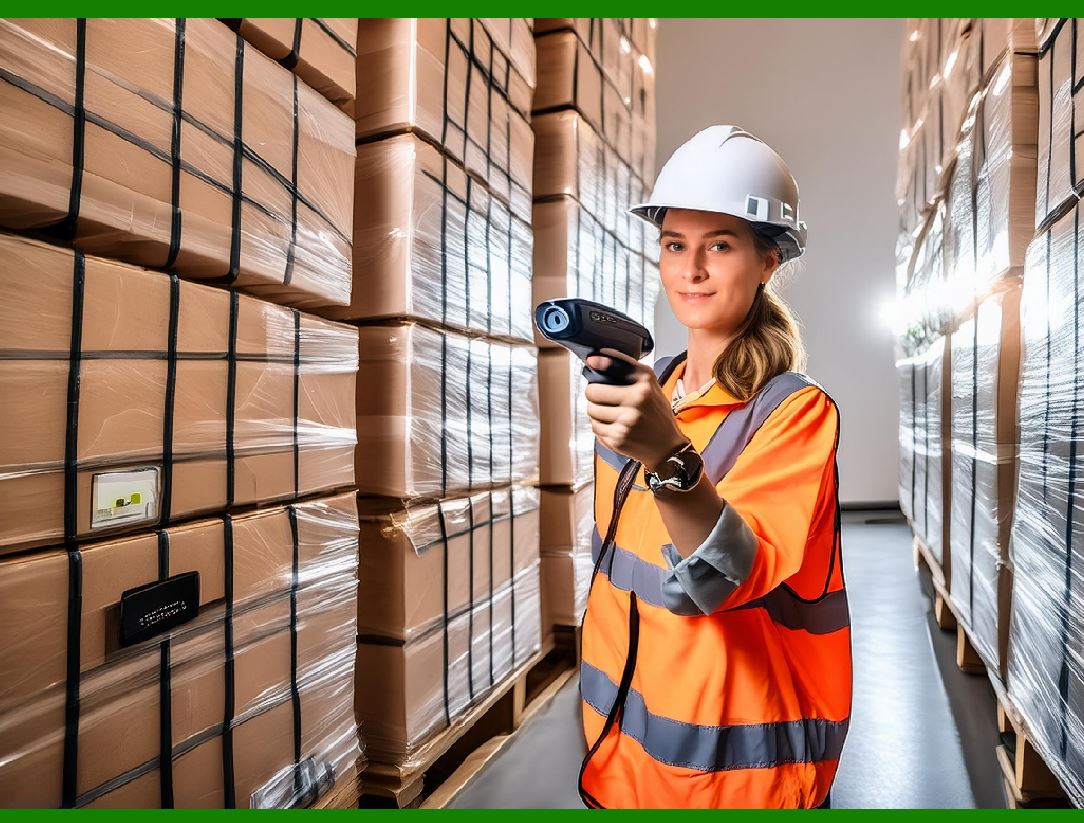
Barcode scanning robots are increasingly becoming integral to the efficiency and accuracy of warehousing operations. Their ability to quickly and accurately process large volumes of goods is transforming how warehouses handle inventory. In particular, the tasks of receiving and sorting are critical areas where barcode scanning robots play a pivotal role. Below is a detailed examination of the function of barcode scanning robots in these two processes, emphasizing their impact on efficiency, accuracy, and overall warehouse performance. |
|
1. Introduction to Barcode Scanning Robots |
Barcode scanning robots are automated systems designed to scan barcodes on products or packages in a warehouse environment. These robots combine a barcode scanning mechanism with other technologies, such as robotic arms, conveyor systems, and artificial intelligence (AI), to perform tasks autonomously. Their use in the warehouse is driven by the need to improve operational efficiency, reduce human error, and enhance the speed at which tasks are completed. |
These robots are typically equipped with high-resolution barcode scanners, which allow them to read various types of barcodes-whether printed on labels, tags, or embedded in RFID chips. The ability to read barcodes quickly and reliably is crucial for the effective functioning of warehousing operations, especially when handling large inventories or complex product assortments. |
|
2. The Role of Barcode Scanning Robots in Receiving |
Receiving is the process of accepting incoming goods into a warehouse. During this process, barcode scanning robots play a significant role in verifying the accuracy of shipments and ensuring that the products received match what was ordered. Below is a breakdown of how barcode scanning robots enhance the receiving process: |
2.1. Scanning Incoming Goods |
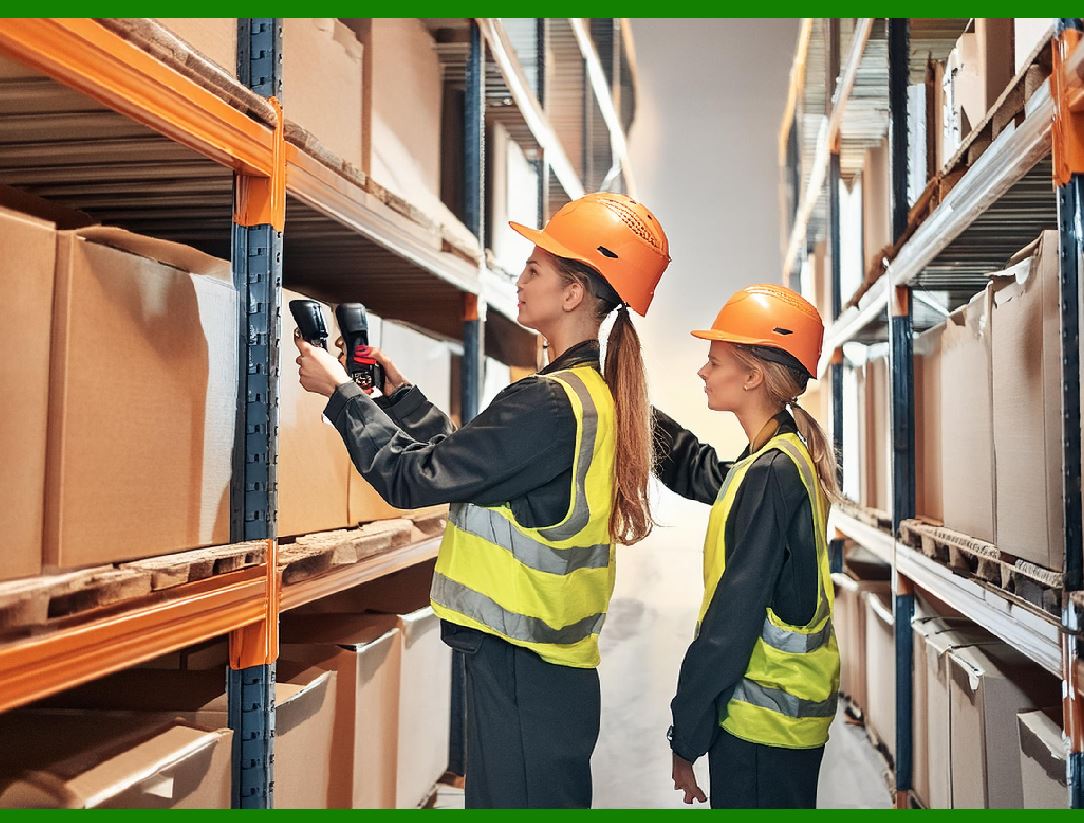
Once the incoming shipment arrives at the warehouse, the first step involves the barcode scanning robot scanning the labels or barcodes on each item or package. These robots are usually equipped with high-definition scanners that can quickly read barcodes, even if the packages are large or awkwardly shaped. Some robots are also capable of scanning barcodes on different surfaces, including pallets, containers, or individual products, ensuring that no part of the shipment is missed. |
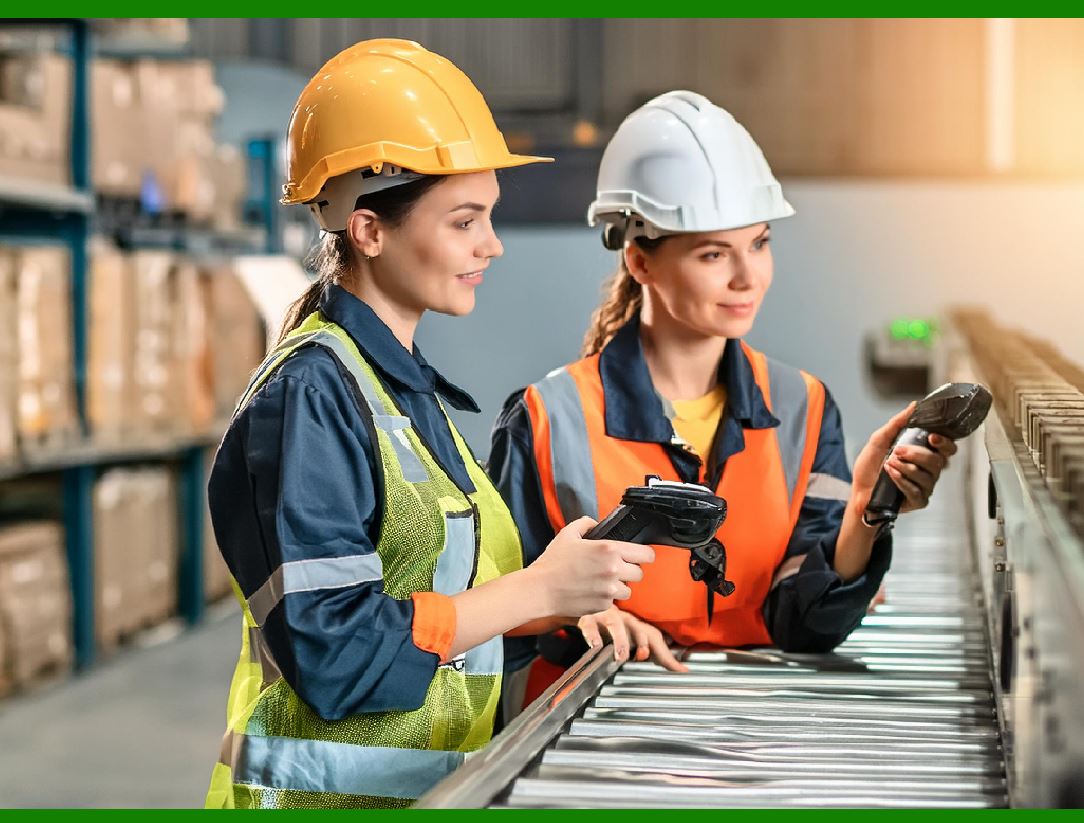
In some warehouse setups, barcode scanning robots work in tandem with other automation systems, such as conveyor belts or robotic arms, to streamline the scanning process. The robot may move along a fixed path, scanning each package or item as it passes by. Alternatively, the robot might be mobile, traveling to different locations within the receiving area to scan packages. |
2.2. Cross-Referencing Shipment Orders |
After scanning the barcodes, the robot's onboard system cross-references the scanned data with the warehouse's shipment order database. The database holds information about the expected shipment, including the types, quantities, and specifications of products being delivered. |
If discrepancies are found, such as missing or incorrect items, the robot can flag the error in real time and alert warehouse personnel to take corrective action. This cross-checking ensures that the correct products are received and prevents costly errors in inventory management. |
2.3. Real-Time Inventory Updates |
As barcode scanning robots scan and verify the incoming goods, they send real-time data back to the warehouse management system (WMS). This system updates the inventory records instantly, reflecting the newly received products. The WMS then adjusts stock levels accordingly, which is crucial for maintaining accurate inventory records, optimizing stock levels, and preventing stockouts. |
By automating the receiving and data entry process, barcode scanning robots help reduce the risk of human error and ensure that the warehouse has an up-to-date view of inventory at all times. This also accelerates the overall receiving process, as robots can perform these tasks much faster than human workers. |
2.4. Sorting for Storage Locations |
After the products have been received and verified, the next step involves moving them to the appropriate storage locations within the warehouse. Barcode scanning robots are equipped to handle this task efficiently, using pre-programmed rules or algorithms to determine the best storage location based on the product type, size, and other factors. |
In some cases, robots may move the products to designated storage areas using conveyors or automated guided vehicles (AGVs). In other setups, robots may physically pick up items and transport them to specific locations, using robotic arms or robotic grippers to handle the products. |
The use of barcode scanning robots in this stage of the receiving process ensures that goods are placed in the right storage areas, which improves the overall organization of the warehouse and makes future picking and retrieval more efficient. |
|
3. The Role of Barcode Scanning Robots in Sorting |
Sorting is another critical process in warehousing, particularly in high-volume operations. This process involves directing goods to the correct locations, bins, or picking stations. Barcode scanning robots play a pivotal role in sorting by ensuring that products are directed to their correct destinations based on their barcode information. Below is a detailed examination of how barcode scanning robots assist in sorting applications: |
3.1. Scanning Barcodes to Identify Products |
In sorting applications, barcode scanning robots are primarily tasked with identifying products and directing them to the correct locations. Each product in a warehouse is typically assigned a unique barcode or identification number that the robot can scan and read. |
The robot scans the barcode on an item or package and immediately processes the data. Using algorithms and predefined sorting rules, the robot identifies where the item should go within the warehouse. These rules can be based on factors such as product type, storage location, demand, or destination within the warehouse. |
3.2. Automated Sorting Based on Predefined Criteria |
Once the barcode is scanned, the robot's onboard system processes the information and compares it with the warehouse's database to determine where the product needs to go. Depending on the sorting system in place, the robot might direct the item to the appropriate bin, shelf, or section of the warehouse. In more advanced sorting systems, the robots may direct items to specific areas for human pickers to retrieve them later, or directly to customers in e-commerce fulfillment centers. |
For example, in an e-commerce warehouse, products may be sorted based on their destination for shipping. An item ordered by a customer in New York might be sorted for placement in a shipping area that handles all New York-bound packages. In a high-density storage system, barcode scanning robots might direct products to a shelf location that maximizes space utilization, helping to optimize warehouse capacity. |
3.3. Speed and Efficiency in Sorting |
One of the major advantages of barcode scanning robots in sorting applications is speed. These robots can scan and process products much faster than human workers, ensuring that items are sorted and directed to their correct locations within seconds. This speed is crucial in high-volume warehouses where time is of the essence, and delays can lead to operational bottlenecks. |
Additionally, robots can work around the clock without requiring breaks, which further increases sorting throughput and reduces downtime. The combination of speed, automation, and continuous operation allows warehouses to handle large volumes of goods quickly and accurately, even during peak periods such as holiday seasons. |
3.4. Reducing Errors in Sorting |
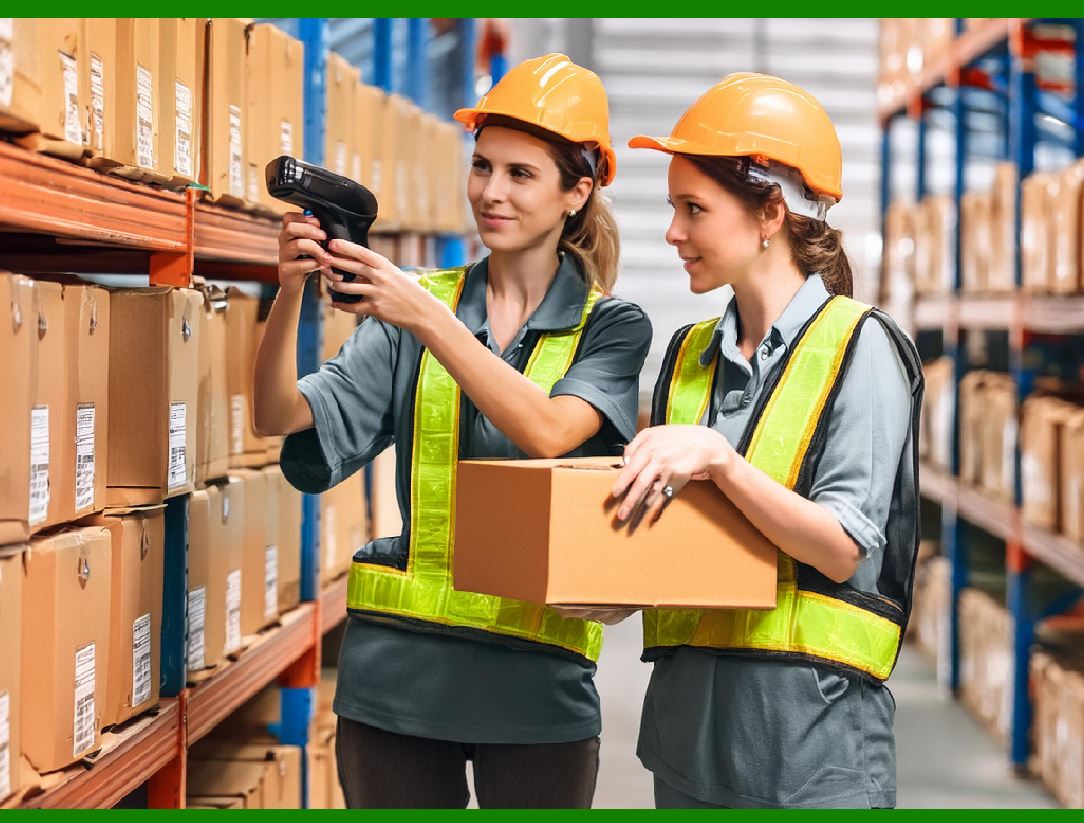
Barcode scanning robots also help to minimize errors in sorting. Human workers are prone to mistakes, especially when sorting large numbers of products. Barcode scanning robots, on the other hand, are designed to scan barcodes with high accuracy, ensuring that the correct product is directed to the correct location. If a barcode is damaged or unreadable, the robot's system can flag the issue and alert workers to take corrective action before the item is misplaced. |
This reduction in errors is particularly important for ensuring that customers receive the correct products in fulfillment centers, reducing the risk of returns or customer complaints. In addition, it helps to maintain the overall integrity of the warehouse inventory system, preventing misplaced or lost goods. |
3.5. Integration with Other Warehouse Automation Systems |
Barcode scanning robots do not operate in isolation; they are often part of a broader automation ecosystem that includes other systems such as conveyors, automated guided vehicles (AGVs), and robotic arms. These systems work together to improve the efficiency and accuracy of sorting. |
For example, a robot might scan the barcode of a product and then pass the item to an automated conveyor system that transports the product to the correct storage location or shipping area. In some cases, the robots themselves might move the items from one location to another, using AGVs or robotic arms to physically transport products across the warehouse. |
3.6. Adapting to Changing Warehouse Layouts |
One of the challenges in traditional warehousing operations is dealing with changing layouts or fluctuating demand. Barcode scanning robots are highly adaptable to such changes. If a warehouse reconfigures its storage system or if new product categories are introduced, robots can be easily reprogrammed or adjusted to reflect these changes. |
Additionally, some barcode scanning robots use machine learning algorithms to continuously improve their performance over time. They can learn the most efficient paths for moving goods and adapt to changes in the warehouse layout, further improving sorting efficiency and reducing errors. |
|
4. Benefits of Barcode Scanning Robots in Warehousing |
4.1. Increased Efficiency and Speed |
By automating both the receiving and sorting processes, barcode scanning robots help warehouses operate much more efficiently. These robots are capable of working 24/7, allowing warehouses to increase throughput without additional labor costs. This is particularly beneficial in high-demand environments where speed is a critical factor. |
4.2. Improved Accuracy and Reduced Errors |
Barcode scanning robots drastically reduce human errors, ensuring that the correct products are received and sorted to the right locations. This leads to more accurate inventory records and fewer misplaced or misdirected items. In addition, the automation of data entry helps maintain accurate real-time stock levels, reducing the risk of overstocking or stockouts. |
4.3. Cost Savings |
While the initial investment in barcode scanning robots can be significant, the long-term savings are considerable. Robots can replace a large number of manual tasks, reducing labor costs. Moreover, the improved accuracy and speed of operations result in fewer errors and less waste, leading to cost savings in the long run. |
4.4. Scalability |
As warehouses expand or face increased demand, barcode scanning robots can be easily scaled to handle the increased workload. New robots can be integrated into the existing system without major disruptions, allowing the warehouse to keep pace with growing business needs. |
|
5. Conclusion |
Barcode scanning robots are transforming the receiving and sorting processes in warehouses. By automating these critical tasks, they improve efficiency, reduce errors, and help warehouses maintain accurate and up-to-date inventory records. With the ability to handle large volumes of goods quickly and accurately, barcode scanning robots play a crucial role in modern warehouse operations, ensuring that products are received and sorted in the most efficient manner possible. As warehouse automation continues to evolve, the role of barcode scanning robots will only become more significant, helping companies stay competitive in a fast-paced logistics landscape. |
|
Case Studies: The Role of Barcode Scanning Robots in Warehousing |
Below are a few case studies that illustrate how barcode scanning robots have been implemented in various warehousing operations to streamline the receiving and sorting processes. These examples highlight the impact of robotic automation on efficiency, accuracy, and cost reduction in real-world warehouse environments. |
|
Case Study 1: DHL's Smart Warehouse in Germany |
1.1. Overview of the Operation |
DHL, one of the world's leading logistics companies, implemented a smart warehouse solution in their facility in Germany, integrating barcode scanning robots for receiving and sorting processes. The warehouse is a central hub for managing parcels across Europe, handling thousands of shipments daily. With the rise in e-commerce and an increase in order volume, DHL sought a way to improve efficiency and accuracy in their receiving and sorting operations. |
1.2. Use of Barcode Scanning Robots |
DHL deployed barcode scanning robots throughout the facility to assist with both receiving and sorting. The robots are equipped with high-resolution barcode scanners and are integrated into the warehouse's Warehouse Management System (WMS). The robots use advanced algorithms to identify products based on their barcodes, and they are connected to automated guided vehicles (AGVs) and conveyor belts to facilitate the movement of goods. |
1.2.1. Receiving Process |
When shipments arrive at the warehouse, barcode scanning robots are used to scan the barcodes on packages and verify them against the shipment orders in the WMS. This cross-referencing process is fully automated, allowing the robots to immediately detect discrepancies such as missing or incorrect items. In addition, the robots update the WMS with real-time inventory data, which ensures accurate and up-to-date records for inventory management. |
1.2.2. Sorting Process |
Once the products are verified, the robots sort them into different categories based on predefined criteria, such as product type, destination, or shipping priority. The sorting process takes place along conveyor belts, where the barcode scanning robots read the labels and direct the goods to the appropriate bins, pallets, or storage locations. In some cases, robots directly move items to designated sorting areas, depending on the layout of the warehouse. |
1.3. Results |
The implementation of barcode scanning robots led to a significant improvement in operational efficiency. The robots reduced the time required to scan and verify incoming shipments, which accelerated the receiving process. Moreover, the accuracy of the sorting process increased, with fewer errors in directing products to the correct storage locations. The overall throughput of the warehouse increased by 25%, and inventory management became more precise, reducing stock discrepancies by over 15%. |
Furthermore, by automating repetitive tasks such as barcode scanning and sorting, DHL was able to reduce labor costs while maintaining a high level of accuracy. The company also reported improved customer satisfaction due to faster order fulfillment and fewer instances of product misplacement. |
|
Case Study 2: Zara's Automated Warehouse in Spain |
2.1. Overview of the Operation |
Zara, the global fashion retailer, operates one of the largest automated warehouses in Spain. The warehouse serves as a distribution center for products that are shipped to retail stores across Europe. With an extensive inventory of fashion items, Zara needed a solution to streamline both the receiving and sorting processes, particularly in managing inventory accuracy and improving the speed of product flow. |
2.2. Use of Barcode Scanning Robots |
Zara implemented a fully automated system that incorporates barcode scanning robots to facilitate receiving and sorting operations. These robots are integrated into Zara's existing WMS and are designed to handle the flow of goods quickly and accurately. |
2.2.1. Receiving Process |
Upon arrival at the warehouse, incoming shipments are scanned by barcode scanning robots. These robots read the barcodes on the items and verify the shipment details against the WMS. By cross-checking this information, the robots ensure that the correct quantities of products are received and stored in the right locations. The WMS immediately updates the stock levels, and if any discrepancies are found (such as damaged or missing items), the robots flag the error for manual intervention. |
2.2.2. Sorting Process |
Once the items are verified, the barcode scanning robots begin the sorting process. Each product is assigned a unique barcode, which allows the robots to identify its specific destination within the warehouse. The robots use this information to direct each product to the appropriate storage location or distribution area, based on factors such as product type, size, or customer orders. |
For example, items destined for high-priority stores or locations with greater demand are sorted into designated areas that prioritize quick retrieval. In addition, the robots optimize storage by analyzing product sizes and grouping items that can be efficiently stored together. |
2.3. Results |
The barcode scanning robots helped Zara improve both the speed and accuracy of its receiving and sorting processes. The warehouse became capable of processing a much higher volume of products with fewer errors. The company reported a 30% increase in the speed of inventory processing, which directly translated into faster replenishment times for retail stores. |
In addition, Zara was able to reduce human labor costs associated with manual scanning and sorting. The robots also improved inventory accuracy, with stock discrepancies dropping by 20%, thanks to real-time updates and automated checks. |
The integration of barcode scanning robots also allowed Zara to handle the challenges of high demand during peak seasons, such as the spring and fall collection releases, when order volumes spike. The automation ensured that goods were quickly sorted and dispatched to retail locations, preventing stockouts and optimizing the supply chain. |
|
Case Study 3: Amazon Fulfillment Center in the U.S. |
3.1. Overview of the Operation |
Amazon, the world's largest online retailer, operates an extensive network of fulfillment centers worldwide. These centers are responsible for storing, picking, sorting, and shipping millions of products daily. As part of its continuous efforts to streamline operations and improve speed and accuracy, Amazon has integrated barcode scanning robots into its fulfillment centers for both receiving and sorting functions. |
3.2. Use of Barcode Scanning Robots |
Amazon's fulfillment center in the U.S. has implemented a system of robots called Amazon Robotics (formerly Kiva Systems) to assist in the warehouse's receiving and sorting operations. These robots are equipped with barcode scanners, and they work in conjunction with Amazon's WMS to move and process goods efficiently. |
3.2.1. Receiving Process |
When new shipments arrive at the Amazon fulfillment center, barcode scanning robots immediately begin scanning the barcodes on each product or package. These robots are connected to the WMS, which cross-references the scanned barcode data with the incoming shipment order. The robots help identify if any items are missing, damaged, or incorrectly shipped. If discrepancies are detected, the system flags the issue and alerts human operators for further investigation. |
In addition to verifying the shipment, the barcode scanning robots automatically update the WMS, keeping inventory records accurate in real time. This reduces the need for manual stocktaking and ensures that Amazon's system always has the most up-to-date inventory information. |
3.2.2. Sorting Process |
Once the products are received and verified, the barcode scanning robots move to the sorting phase. Amazon's barcode scanning robots work alongside robotic arms and AGVs to sort and transport items to the appropriate storage areas or fulfillment bins. |
The robots use the information from the WMS to determine the correct location for each item, optimizing storage and ensuring that popular items are readily accessible for picking. Additionally, the robots direct products to the right picking stations or shipping zones, depending on the customer orders. |
3.3. Results |
The implementation of barcode scanning robots has revolutionized the receiving and sorting processes at Amazon's fulfillment center. The robots have significantly increased the speed at which products are processed, reducing the time between receiving and shipping. This speed is crucial for meeting the high demands of Amazon's customers, especially during peak shopping seasons like Prime Day or Black Friday. |
The robots also improved inventory accuracy, with a notable reduction in stock discrepancies. Amazon reported a 40% increase in efficiency in the receiving process and a 25% improvement in sorting accuracy, thanks to the real-time data updates and automated cross-checking. |
Additionally, the integration of robots has allowed Amazon to scale its operations without needing to significantly expand its workforce. The robots are able to work continuously, further enhancing operational efficiency and allowing Amazon to handle more orders with the same workforce. |
|
Case Study 4: Walmart's Automated Distribution Center in the U.S. |
4.1. Overview of the Operation |
Walmart, one of the largest retailers in the world, operates several automated distribution centers in the U.S. to support its vast network of stores. With the increasing volume of goods and the complexity of inventory management, Walmart turned to robotic solutions, including barcode scanning robots, to streamline its operations in receiving and sorting. |
4.2. Use of Barcode Scanning Robots |
At Walmart's automated distribution center, barcode scanning robots are deployed to handle the receiving and sorting of products. The robots are integrated into the center's WMS and are designed to autonomously scan barcodes, verify product information, and sort items according to their destination. |
4.2.1. Receiving Process |
When products arrive at the distribution center, the barcode scanning robots automatically scan the barcodes to verify that the correct products have been delivered. The system cross-references the scanned data with Walmart's inventory system, updating stock levels and flagging any discrepancies. This eliminates the need for manual checks and speeds up the receiving process. |
4.2.2. Sorting Process |
Once products are verified, the barcode scanning robots direct them to the appropriate storage locations, based on factors such as product category and demand. The robots are also capable of sorting products by size, weight, and priority for faster fulfillment. Items that are urgently needed for stores are sorted into priority bins, while others are placed in areas with less immediate demand. |
4.3. Results |
The use of barcode scanning robots at Walmart's distribution center led to a significant improvement in the speed and accuracy of both receiving and sorting processes. The company reported a 35% reduction in the time it took to process incoming shipments, which in turn improved replenishment rates across its retail stores. |
Moreover, the robots helped reduce errors in product sorting, leading to fewer instances of misdirected or misplaced items. Inventory accuracy improved by 18%, helping Walmart maintain a more reliable and consistent stock level across its stores. |
The automation also allowed Walmart to reduce labor costs, as robots handled repetitive tasks traditionally done by human workers. This shift has led to a more streamlined and cost-effective operation. |
|
Conclusion |
These case studies demonstrate how barcode scanning robots have revolutionized the receiving and sorting processes in warehouses and distribution centers across various industries. From global logistics companies like DHL to retailers like Zara, Amazon, and Walmart, the implementation of these robots has significantly improved operational efficiency, accuracy, and speed. By automating repetitive tasks, barcode scanning robots enable businesses to handle large volumes of products with fewer errors and reduced labor costs. As more companies adopt robotic solutions, it's clear that automation will continue to play a crucial role in optimizing warehouse operations for years to come. |
 cs@easiersoft.com