Barcode Scanning Robots in Warehousing: Shipping and Packing |
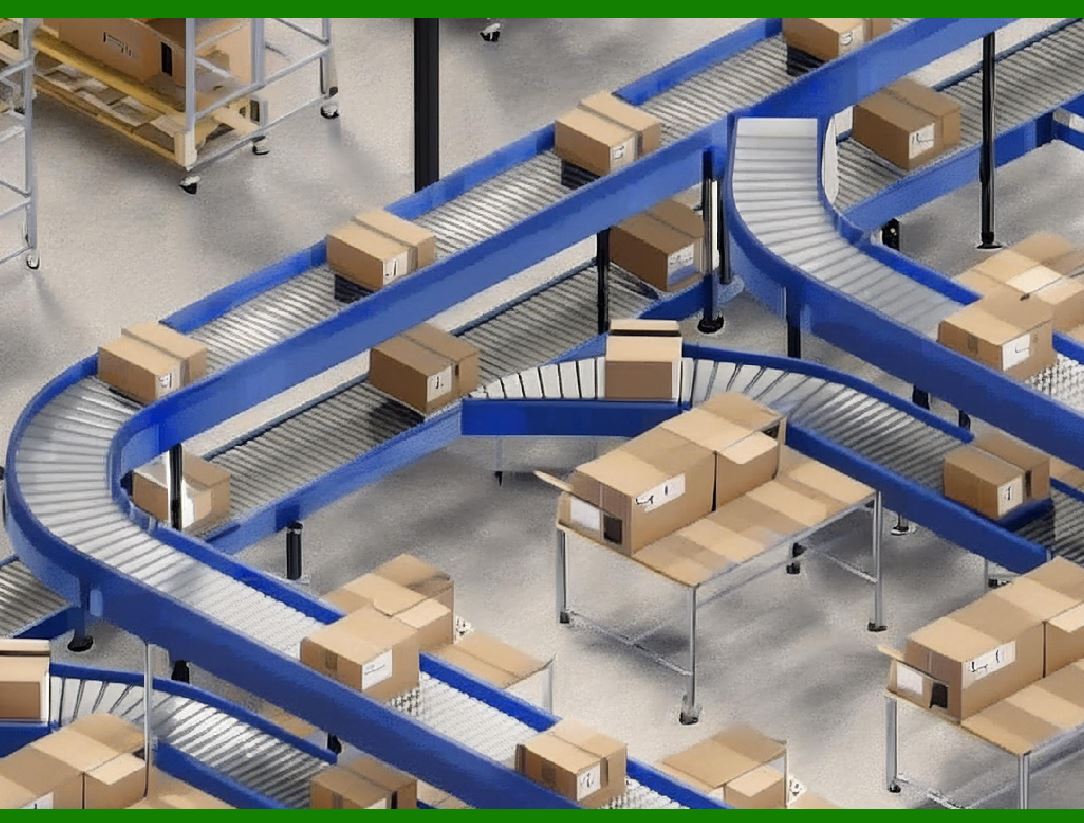
Barcode scanning robots have become a key technological advancement in modern warehouses, significantly enhancing the efficiency and accuracy of shipping and packing operations. With the increasing demand for faster order fulfillment, these robots help streamline processes, reduce human error, and increase productivity in the logistics and warehousing industry. This section outlines the detailed roles of barcode scanning robots in shipping and packing, focusing on their involvement in order verification, packing, and automated sorting. |
|
1. Introduction to Barcode Scanning Robots in Shipping and Packing |
In today's fast-paced e-commerce environment, ensuring that every order is packed correctly and shipped in a timely manner is of utmost importance. Barcode scanning robots, equipped with specialized vision systems and sensors, can automate key processes in the packing and shipping stages of warehousing. These robots work alongside human operators and other automated systems to ensure the smooth handling of packages, from order retrieval to shipment. |
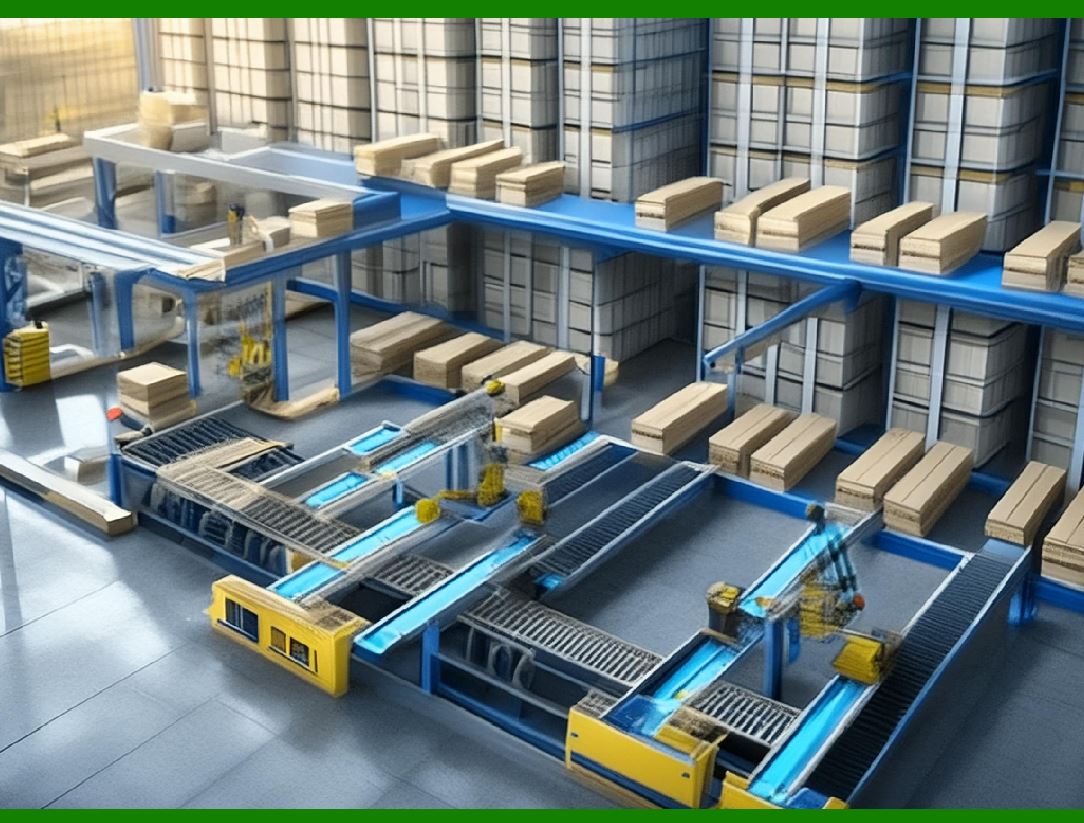
The role of barcode scanning robots is particularly critical in the verification and sorting stages of shipping, as they reduce the risk of errors that may arise from manual processing. By scanning barcodes on individual items, packaging, and shipping labels, these robots can validate whether the correct products are being shipped, whether the packing materials are properly labeled, and whether the packages are routed to the correct destination. |
|
2. The Basics of Barcode Scanning Technology |
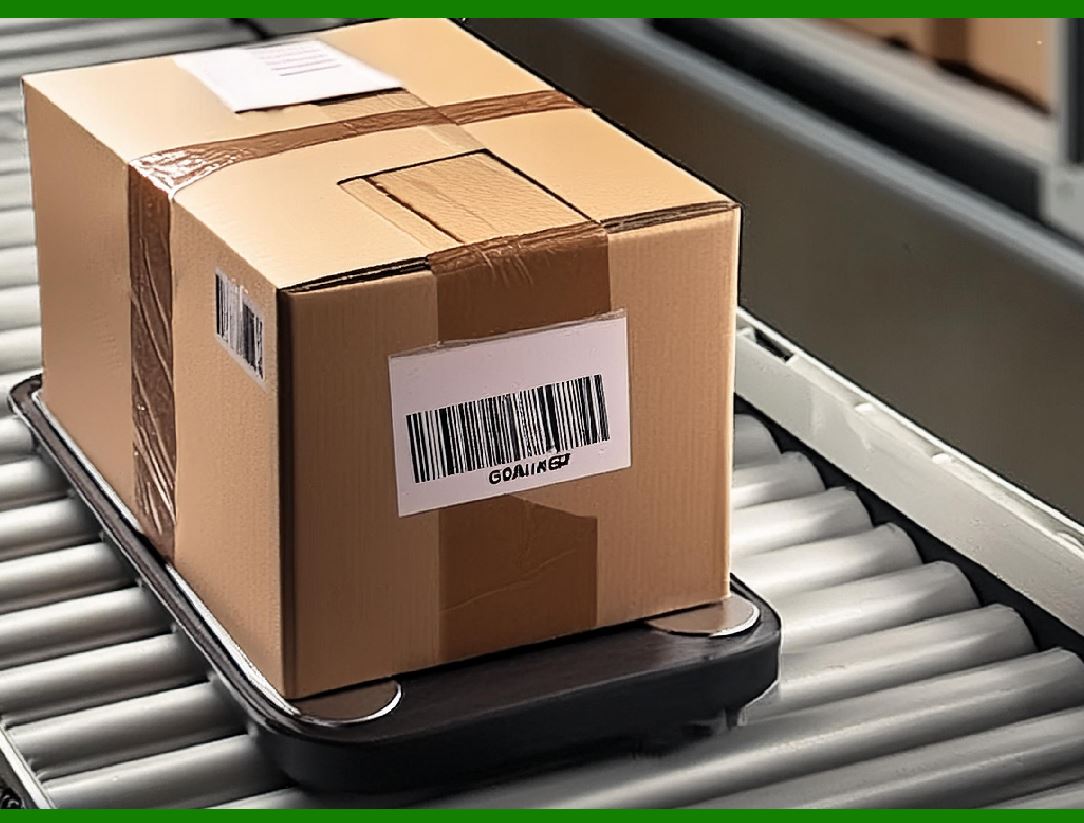
Barcode scanning robots rely on barcode technology to perform their tasks. Barcodes are graphical representations of data that can be read by optical scanners, or barcode readers. These symbols contain information such as product details, quantity, origin, and destination, which is vital for efficient processing in the warehouse. |
There are two primary types of barcodes used in warehousing: |
1D Barcodes: These are linear barcodes consisting of black lines and spaces of varying widths. They encode data such as product identification numbers. |
2D Barcodes (QR codes): These are matrix barcodes that store more complex data, such as URLs, product specifications, and other detailed information. |
Barcode scanning robots are equipped with barcode scanners (often laser scanners or imaging sensors) to detect and read these barcodes. When a barcode is scanned, the robot sends the data to the warehouse management system (WMS), which processes it to make decisions about order fulfillment, shipping, and sorting. |
|
3. Role of Barcode Scanning Robots in Order Verification |
One of the key tasks of barcode scanning robots in warehousing is order verification. When an order is received, it typically includes a list of items that need to be packed and shipped to the customer. A barcode scanning robot can be deployed to verify that the correct items are picked and packed according to the customer's order. |
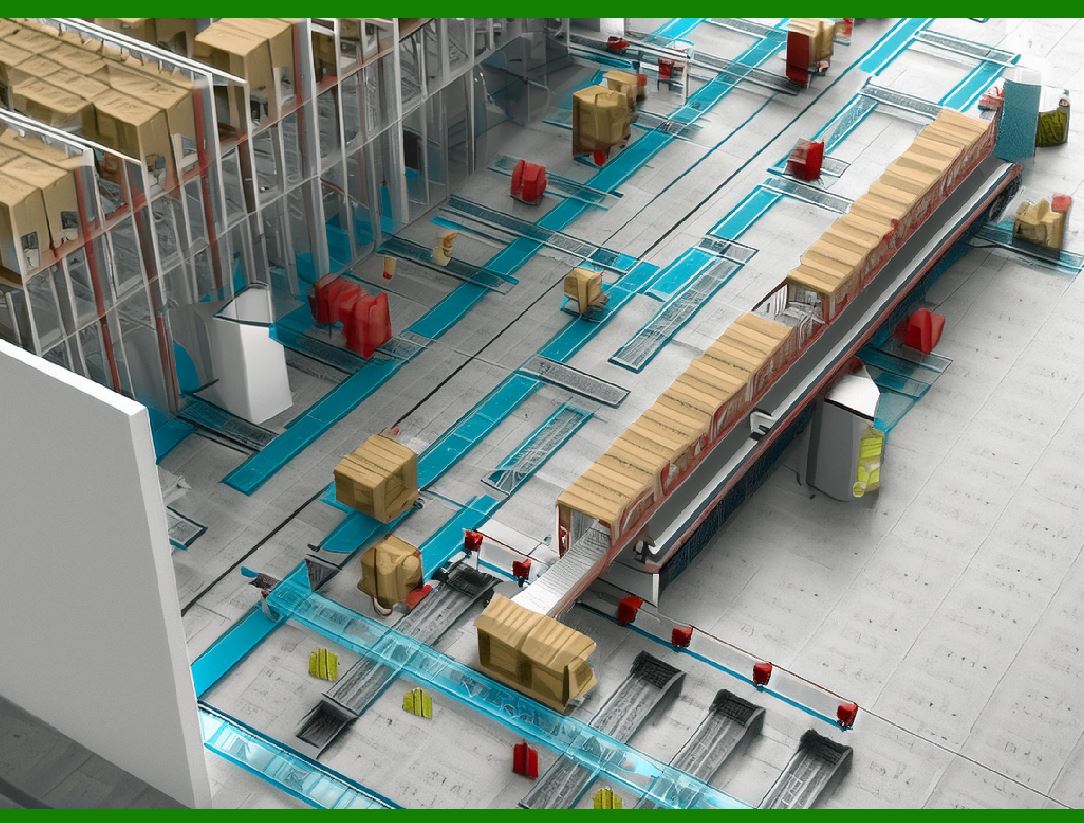
In this scenario, the robot scans the barcode of each item as it is retrieved from the shelves or storage bins. The data collected by the robot is sent to the WMS, which cross-references the barcode information with the customer's order list. If any discrepancies arise, such as missing or incorrect items, the robot can trigger an alert, notifying warehouse staff to resolve the issue before packing and shipment. This level of automation helps ensure that customers receive the correct products and reduces the potential for costly errors. |
|
4. Barcode Scanning in the Packing Process |
Packing is one of the most critical stages in the warehousing and shipping process. After an order has been verified and picked, the next step is to prepare the items for shipment. Barcode scanning robots can significantly improve the packing process in several ways: |
4.1 Automated Barcode Scanning for Packing Materials |
Barcode scanning robots can check the barcodes on packaging materials, such as boxes, shipping labels, and bubble wrap, to ensure that everything is correctly labeled for shipment. The barcode of the packing material might contain information such as the type of packaging, dimensions, weight capacity, and other specifications that ensure the package is prepared according to the requirements. |
For example, a robot may scan the barcode on a shipping box to verify its size and whether it matches the size of the items in the order. If the wrong type of packaging is selected, the robot can flag the issue and suggest an alternative box size. This ensures that items are packed securely, minimizing the risk of damage during transportation. |
4.2 Verifying Shipping Labels |
In addition to checking the packaging materials, robots are also responsible for verifying that the shipping labels are correct. Shipping labels typically contain critical information such as the destination address, tracking number, delivery service provider, and other relevant data. If the barcode scanning robot detects any mismatch between the barcode on the shipping label and the data in the system, it can send a signal to operators or the WMS to correct the issue before the package is dispatched. |
By verifying the shipping label's barcode, robots help reduce human error in the labeling process, ensuring that packages are correctly routed and delivered to the right addresses. |
4.3 Correctness of Packed Items |
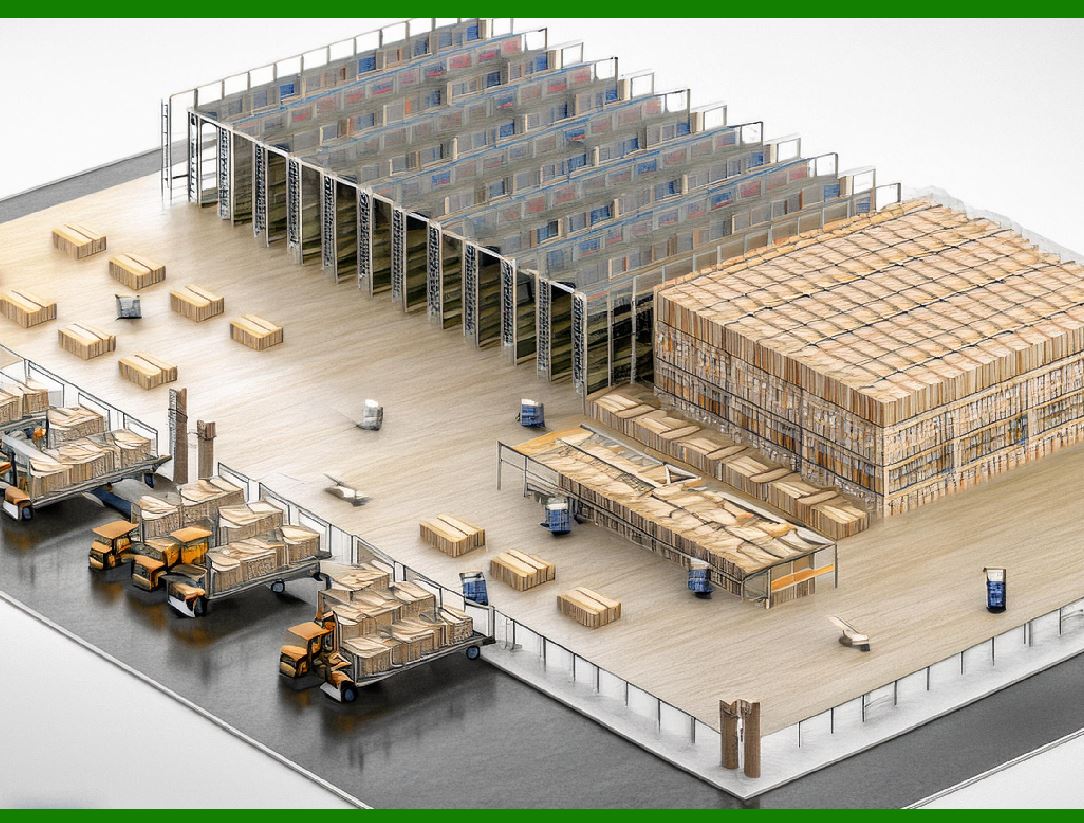
Once the items have been placed inside the package, barcode scanning robots scan the barcodes of the individual products again to ensure that the correct items are packed in the box. The robot's system cross-references the scanned barcodes with the packing list to confirm that all items are included and that there are no mistakes. If an item is missing or incorrectly packed, the robot can either alert the operator or initiate a re-scan to prevent shipping errors. |
The robot's ability to re-scan barcodes multiple times during the packing process ensures that all products are accounted for, enhancing the accuracy and reliability of the shipping process. |
|
5. Role in Automated Sorting Systems |
Barcode scanning robots also play a significant role in automated sorting systems used in warehouses. Automated sorting systems are designed to direct packages to the correct shipping lanes, containers, or delivery routes based on various criteria, such as size, destination, and priority level. |
5.1 Scanning and Sorting Packages |
Once a package is ready to be shipped, the robot scans the barcode on the shipping label and determines the appropriate destination based on the data in the WMS. The robot's scanning system can identify the destination, delivery method, and route associated with each package. Based on this information, the robot directs the package to the appropriate sorting lane or conveyor system. |
For example, if the package is headed to a particular region, the robot can direct it to a specific lane dedicated to that region. Similarly, if the package is urgent or requires special handling, the robot can prioritize it in the sorting process. This automated sorting improves the speed and accuracy of shipping, ensuring that packages reach their destinations as quickly as possible. |
5.2 Integration with Conveyor Systems |
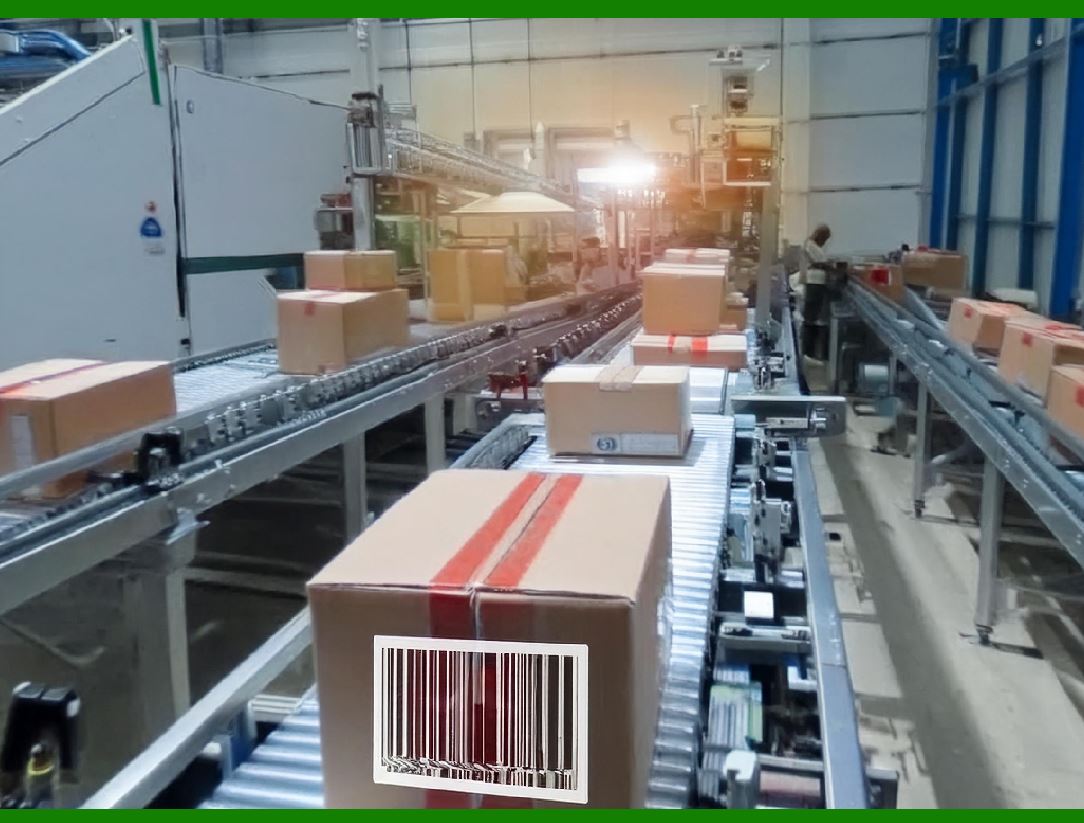
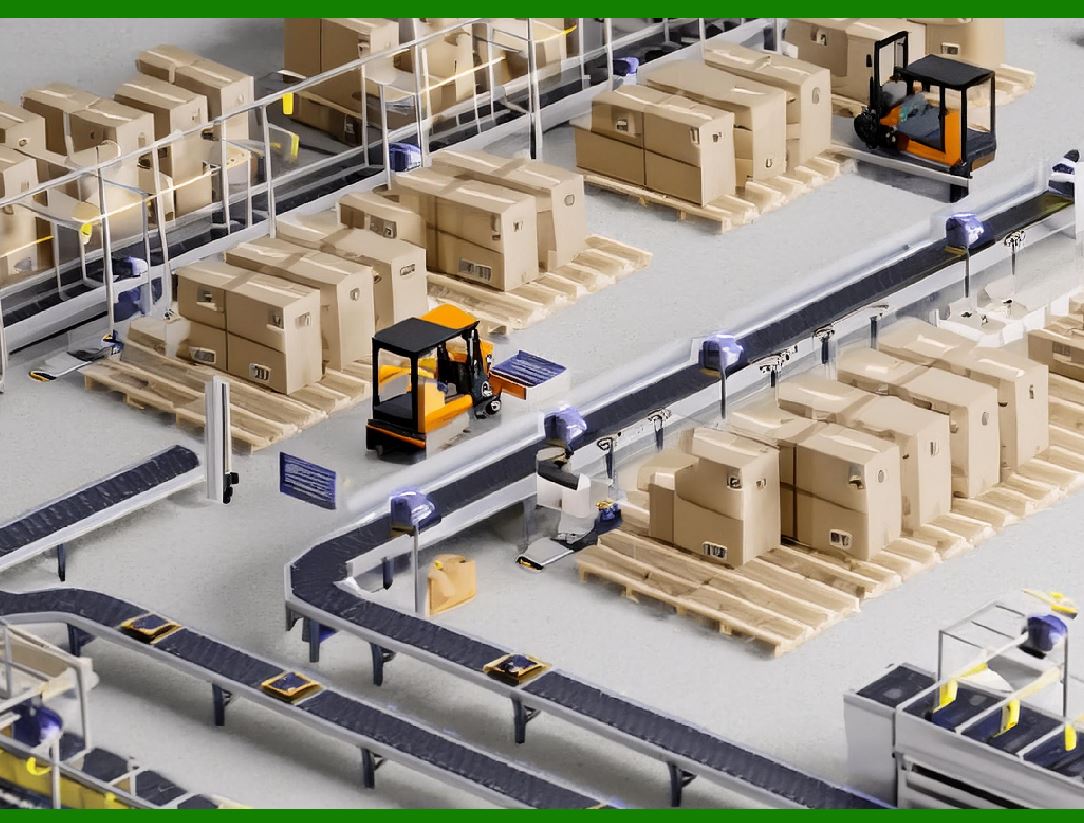
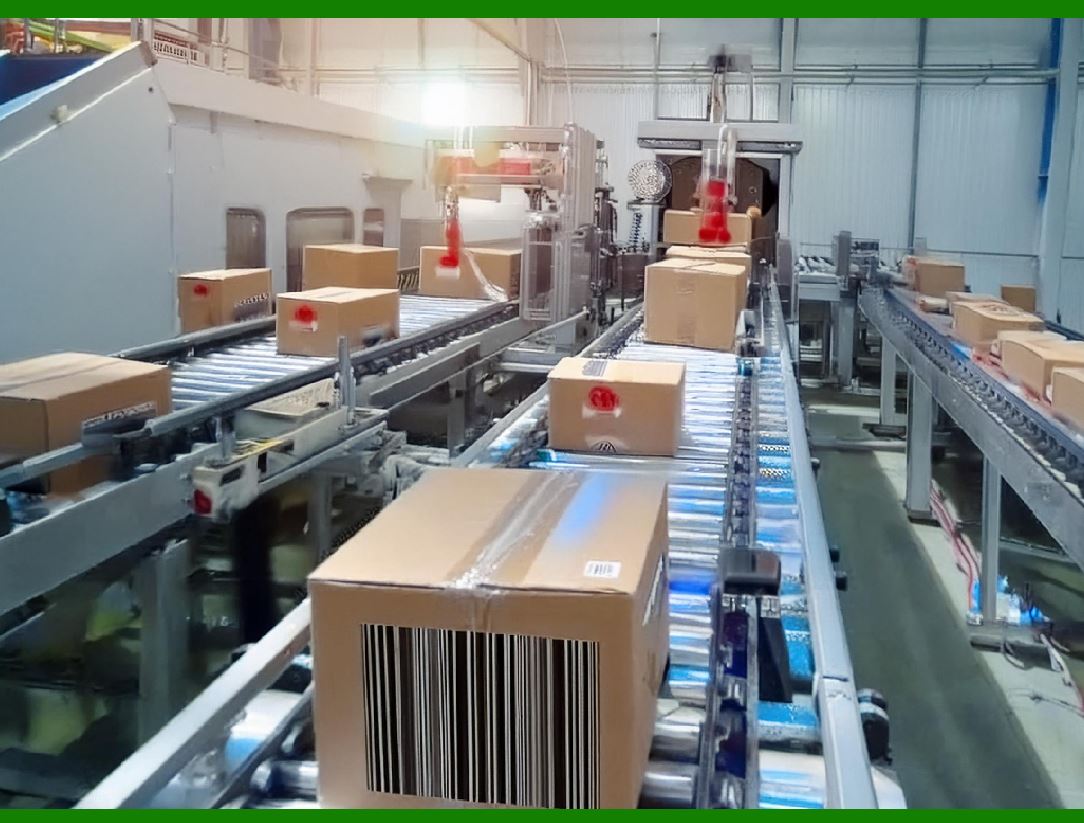
In some cases, barcode scanning robots work in tandem with conveyor belts and automated material handling systems. As packages move along the conveyor, robots scan the barcodes to gather relevant data about the items. Depending on the scan results, the robot may instruct the conveyor to divert packages to different sorting areas. This integration streamlines the flow of goods and minimizes the need for human intervention, allowing warehouses to process orders in a fraction of the time it would take manually. |
|
6. Error Detection and Prevention |
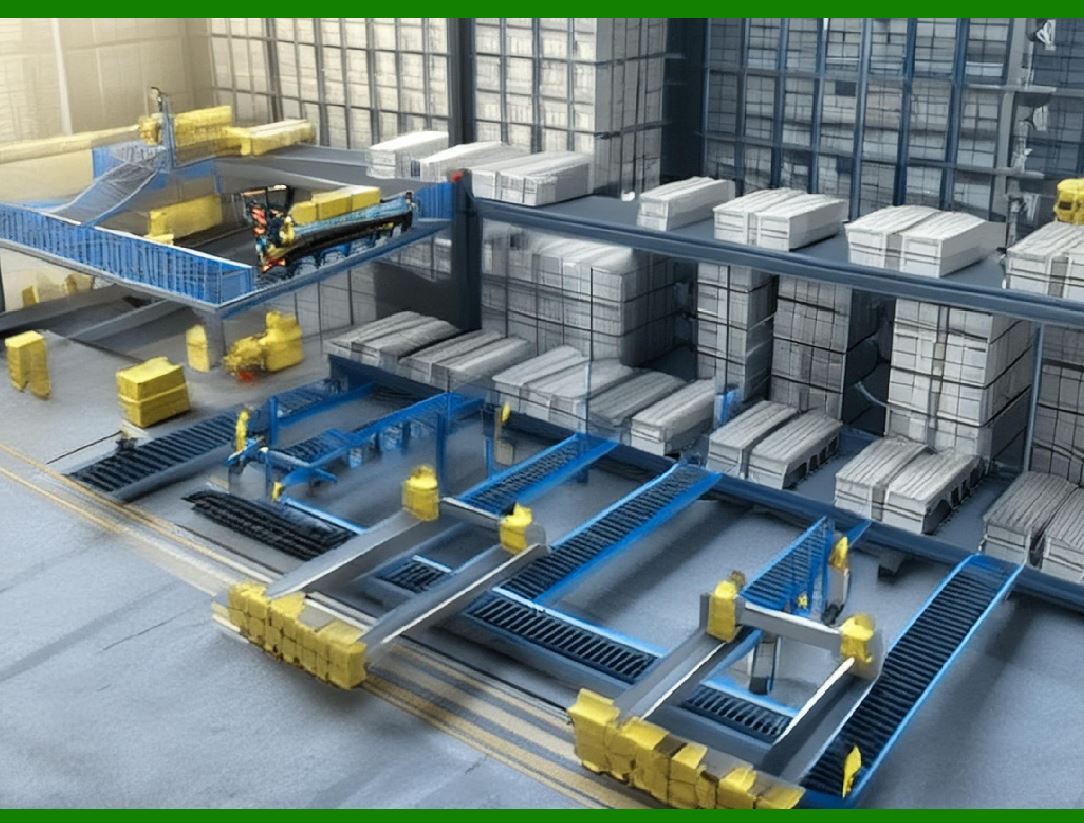
Another important function of barcode scanning robots is error detection and prevention. In warehousing, even small mistakes in shipping or packing can have significant consequences, including customer dissatisfaction and increased return rates. By automating the scanning process and cross-referencing barcodes at various stages (order picking, packing, and shipping), robots help prevent errors before they occur. |
For example, if a robot detects that the barcode on a packed box does not match the barcode associated with the order, it can immediately flag the discrepancy. The robot may then initiate a re-scan or prompt a human worker to investigate the issue. This continuous scanning process ensures that errors are caught early, reducing the need for costly post-shipment corrections. |
|
7. Benefits of Barcode Scanning Robots in Shipping and Packing |
The deployment of barcode scanning robots in the packing and shipping stages offers numerous benefits to warehouses and logistics companies: |
7.1 Increased Efficiency |
By automating the barcode scanning process, robots help increase the speed of order verification, packing, and shipping. Since robots can scan multiple items simultaneously and process large amounts of data in real time, they reduce the time it takes to complete each task. |
7.2 Enhanced Accuracy |
Robots minimize human error, which is particularly crucial in shipping and packing. They scan barcodes with high precision, ensuring that every product is properly identified and packed according to the order. The risk of mistakes, such as incorrect items or misprinted labels, is greatly reduced. |
7.3 Cost Savings |
Although barcode scanning robots require an initial investment, they offer significant long-term cost savings. By automating repetitive tasks, robots help warehouses reduce labor costs and increase throughput. Additionally, the reduction in errors minimizes the need for returns and rework, further saving costs. |
7.4 Scalability |
As businesses grow and order volumes increase, barcode scanning robots can scale easily to meet demand. Robots can work continuously without the need for breaks or shifts, ensuring that warehouses can handle larger volumes of orders without compromising efficiency or accuracy. |
|
8. Challenges and Limitations |
While barcode scanning robots offer many advantages, there are some challenges and limitations to their use in warehousing. |
8.1 High Initial Investment |
The cost of implementing a barcode scanning robot system can be significant, especially for smaller warehouses. This includes the cost of purchasing robots, setting up the infrastructure, and integrating them into existing systems. However, as the technology becomes more affordable, this barrier is gradually reducing. |
8.2 Dependence on Technology |
Automated systems rely heavily on technology, and technical malfunctions can disrupt operations. Warehouse operators need to have contingency plans in place in case a barcode scanning robot malfunctions or requires maintenance. |
8.3 Integration with Existing Systems |
Integrating robots into existing warehouse infrastructure can sometimes be a challenge, particularly if the current system is outdated or not compatible with automated technologies. Successful integration requires careful planning and coordination between technology vendors, warehouse managers, and IT specialists. |
|
9. Conclusion |
Barcode scanning robots are transforming the shipping and packing processes in modern warehouses. These robots enhance the speed, accuracy, and efficiency of operations, allowing businesses to fulfill orders faster and with fewer mistakes. Through their roles in order verification, packing material checks, label verification, and automated sorting, barcode scanning robots contribute to a streamlined and error-free shipping process. As e-commerce and supply chain demands continue to grow, the role of these robots will only become more critical in ensuring that businesses meet customer expectations while keeping costs down. |
|
Case Studies of Barcode Scanning Robots in Warehousing: Shipping and Packing |
Barcode scanning robots are being deployed in warehouses across various industries to streamline operations, improve accuracy, and reduce operational costs. Below are some case studies that highlight how these robots are utilized in shipping and packing processes. |
Case Study 1: Amazon's Robotic Fulfillment Centers |
Industry: E-Commerce |
Challenge: High order volume, fast shipping requirements, and high error rates in manual packing processes. |
Overview |
Amazon, one of the world's largest e-commerce platforms, has integrated robotics into nearly every part of its fulfillment operations. The company uses a variety of automated systems, including barcode scanning robots, to handle order verification, packing, and shipping. |
Solution |
Amazon uses robots such as the Kiva robots (now rebranded as Amazon Robotics) to move items to picking stations. Once items are retrieved, they are moved to packing stations where barcode scanning robots play a crucial role. |
1.Order Verification: When an item reaches the packing station, barcode scanning robots scan the product's barcode. This data is cross-referenced with the order list to confirm that the correct item is being shipped. |
2.Packing Process: Once the correct item is identified, robots scan barcodes on shipping boxes to verify that the package is appropriately sized and properly labeled. The robot checks the barcode on the shipping label and the item to ensure they match the order details. |
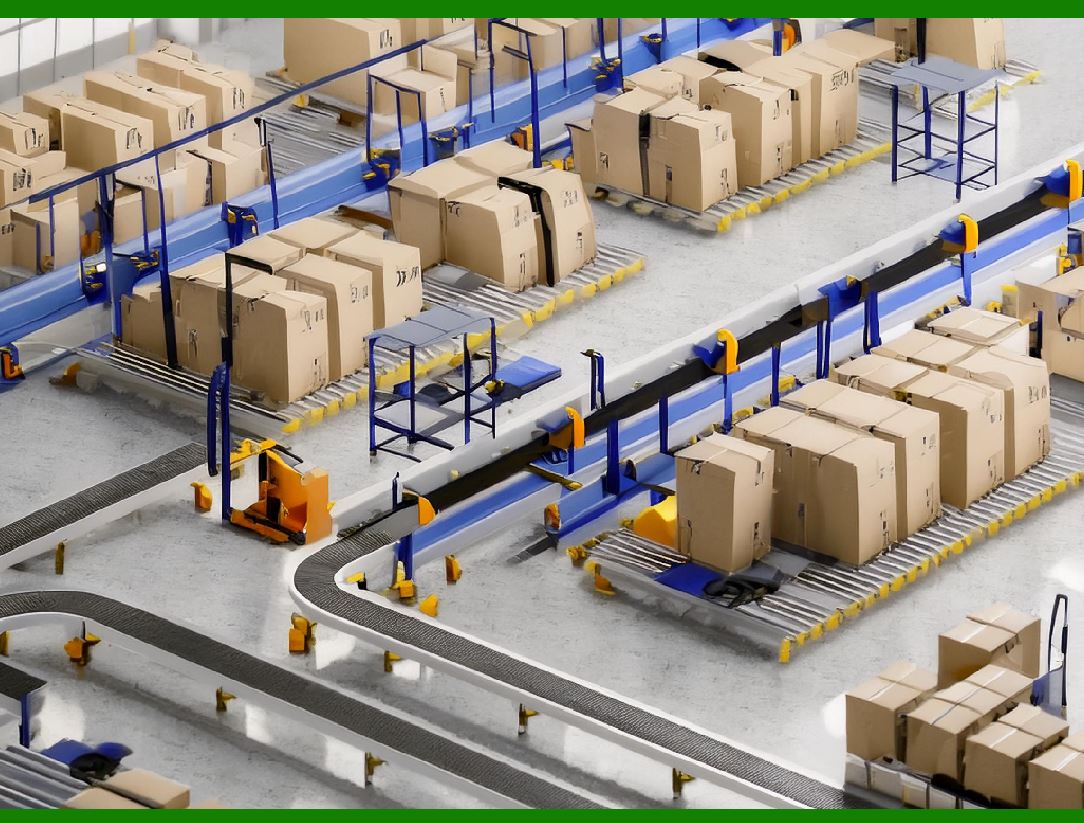
3.Automated Sorting: After verification, the robot scans the shipping label and directs the package to the appropriate conveyor belt or sorting lane for further processing based on the destination. |
Results |
Increased Efficiency: Amazon has significantly reduced order processing time. Barcode scanning robots can scan hundreds of items in a short period, speeding up the packing and shipping process. |
Reduced Errors: With automation in place, Amazon has seen a decrease in shipping errors. Barcode scanning robots ensure that items are correctly matched with their labels, and packages are directed to the right shipping lane. |
Scalability: The use of robots has allowed Amazon to scale operations efficiently during peak shopping seasons, such as Black Friday or Prime Day, without sacrificing speed or accuracy. |
|
Case Study 2: Zara's Distribution Center |
Industry: Retail (Fashion) |
Challenge: Managing a fast-moving inventory and ensuring accuracy during packing and shipping to meet global demand. |
Overview |
Zara, a global leader in fashion retail, operates a large distribution center in Spain that handles the fast-moving inventory of its fashion products. The company sought to automate and streamline its packing and shipping processes to reduce errors, improve order accuracy, and speed up processing times. |
Solution |
Zara implemented a radio-frequency identification (RFID) and barcode scanning robot system in their distribution center. |
1.Barcode Scanning for Item Verification: As items are picked from the shelves, barcode scanning robots ensure that the correct product is selected by scanning the barcode on each item. Once the barcode is scanned, the robot compares the data to the order details stored in the warehouse management system (WMS). If there is a mismatch, the robot alerts the system and the issue is corrected. |
2.Packing Verification: The packed boxes are scanned by robots that check the barcodes of the products and ensure that they match the order specifications. These robots are equipped with cameras and sensors to verify the contents inside the boxes. If an error is detected, the robot triggers an alert for manual inspection. |
3.Shipping Label Verification: After packing, barcode scanning robots scan the shipping labels to confirm that the right label is applied to the correct package. This helps prevent shipment delays due to mislabeled boxes. |
Results |
Reduced Error Rates: Zara experienced a significant reduction in order errors, which was crucial for maintaining customer satisfaction. |
Faster Turnaround Times: By automating the barcode scanning and verification processes, Zara increased its order throughput, allowing for faster shipping times, particularly in high-demand seasons such as the launch of new collections. |
Improved Inventory Management: With real-time barcode scanning and RFID integration, Zara enhanced its inventory accuracy and reduced stockouts or overstocking in distribution centers. |
|
Case Study 3: Alibaba's Smart Warehouse in China |
Industry: E-Commerce (B2B and B2C) |
Challenge: Handling a massive volume of orders with high precision and speed, especially during peak seasons like Singles' Day. |
Overview |
Alibaba operates one of the largest smart warehouses in the world in China. The company uses robotics and AI-driven systems to process millions of orders daily. This smart warehouse integrates barcode scanning robots as part of its fully automated order fulfillment process. |
Solution |
Alibaba's warehouse system is highly integrated with robotic automation, using both AMR (Autonomous Mobile Robots) and barcode scanning robots. |
1.Product Identification and Order Verification: As products are picked from shelves using AMRs, barcode scanning robots at the picking stations verify the product by scanning the barcode. The robot ensures the product matches the order, which is updated in real time via the WMS. |
2.Automated Packing Process: After verification, the robot guides the correct packaging materials to the packing station. The packaging barcode is scanned to ensure that it matches the required specifications for the order size, weight, and fragility. The robots check that the correct packing materials are used to protect the products during shipment. |
3.Shipping and Sorting: Once the items are packed, the robots scan the shipping labels and route the packages to the correct shipping lanes based on the destination and priority. The system automatically sorts packages, directing them to the right outbound delivery routes. |
Results |
Speed and Scalability: Alibaba's smart warehouse can process millions of orders in a day, with robots operating 24/7. During peak events like Singles' Day, the system handles an extraordinary increase in order volume without sacrificing efficiency. |
Accuracy: The barcode scanning robots ensure high accuracy in picking, packing, and shipping, which is critical given the scale of Alibaba's operations. The use of barcode verification at each stage minimizes human error and ensures that customers receive the correct products. |
Cost Savings: The automation system has led to significant labor savings, as fewer workers are required for manual tasks like checking inventory or sorting packages. This has also reduced the risk of damages or returns due to packing errors. |
|
Case Study 4: DHL's Robotics Integration for Parcel Sorting |
Industry: Logistics and Shipping |
Challenge: Improving efficiency in parcel sorting and reducing errors in the shipping process, especially during high-volume periods. |
Overview |
DHL, one of the world's leading logistics companies, operates a highly automated parcel sorting facility in the Netherlands. The company sought to implement advanced robotics to optimize its sorting process, reduce human error, and handle growing parcel volumes more effectively. |
Solution |
DHL integrated barcode scanning robots and automated sorting systems into its logistics chain. |
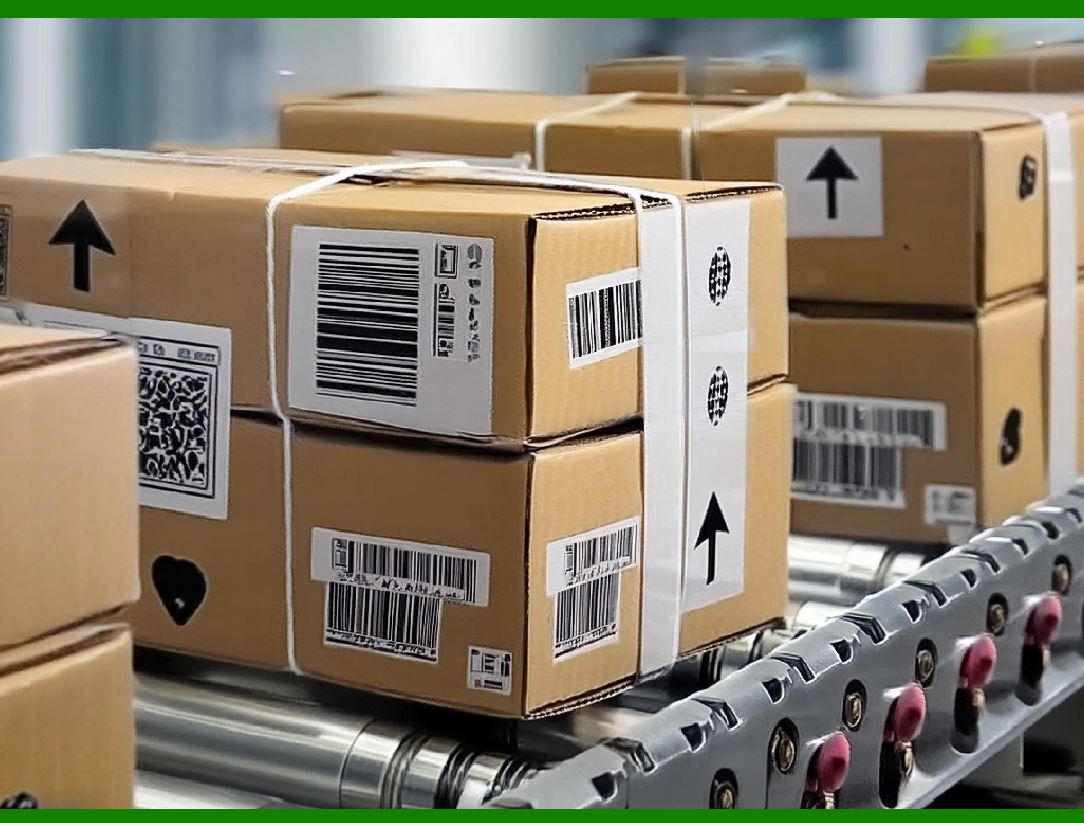
1.Scanning for Sorting: As packages arrive at the sorting station, barcode scanning robots scan the barcodes on the parcels. These robots read the destination data, size, and priority level encoded in the barcode and direct the packages to the appropriate sorting lanes. This automated sorting system ensures that each parcel is routed to its correct destination without human intervention. |
2.Quality Control and Error Detection: Barcode scanning robots are used at multiple points in the sorting process to ensure that the parcels are correctly routed. If a mismatch is detected (e.g., a parcel with an incorrect label), the system flags the package for manual inspection, preventing incorrect deliveries. |
3.Shipping Label Verification: Barcode scanning robots also verify the shipping label information before parcels are dispatched for delivery. They check that the barcode on the shipping label matches the order data, ensuring accuracy and preventing misdeliveries. |
Results |
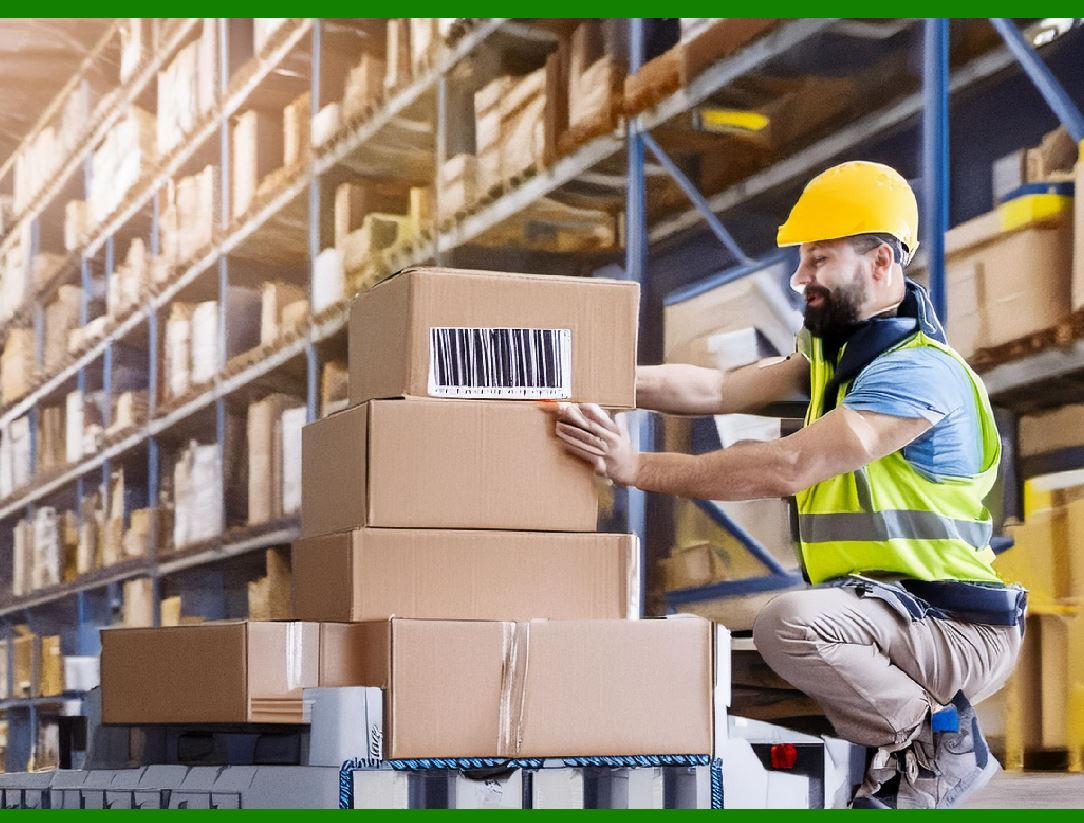
Faster Processing: The automated sorting system has dramatically increased processing speed, allowing DHL to sort thousands of parcels per hour, significantly reducing delivery times. |
Error Reduction: By utilizing barcode scanning robots for verification, DHL has seen a sharp decline in shipping errors. The automated system ensures that packages are directed to the correct lanes and dispatched without delay. |
Scalability: The ability to scale operations without significantly increasing labor costs has helped DHL handle the growing demand, especially during peak shipping periods like Christmas or sales events. |
|
Case Study 5: Sephora's Distribution Center in France |
Industry: Retail (Cosmetics) |
Challenge: Handling the complexity of packing and shipping a diverse range of cosmetic products while ensuring order accuracy and packaging integrity. |
Overview |
Sephora, a global beauty retailer, operates a distribution center in France where it handles the fulfillment of online orders. The company needed to automate its packing and shipping processes to handle a diverse range of beauty products, while maintaining speed and accuracy. |
Solution |
Sephora uses barcode scanning robots in conjunction with other automated systems to ensure that products are picked, packed, and shipped efficiently. |
1.Product and Order Verification: Barcode scanning robots scan the products and cross-check them with the customer's order before the packing process. The system ensures that the right products are selected, especially considering the wide variety of products in Sephora's catalog. |
2.Packing Integrity and Labeling: As orders are packed, barcode scanning robots verify the correct product has been placed into the right packaging. The robots also scan shipping labels to ensure they match the products and are properly applied to the package. |
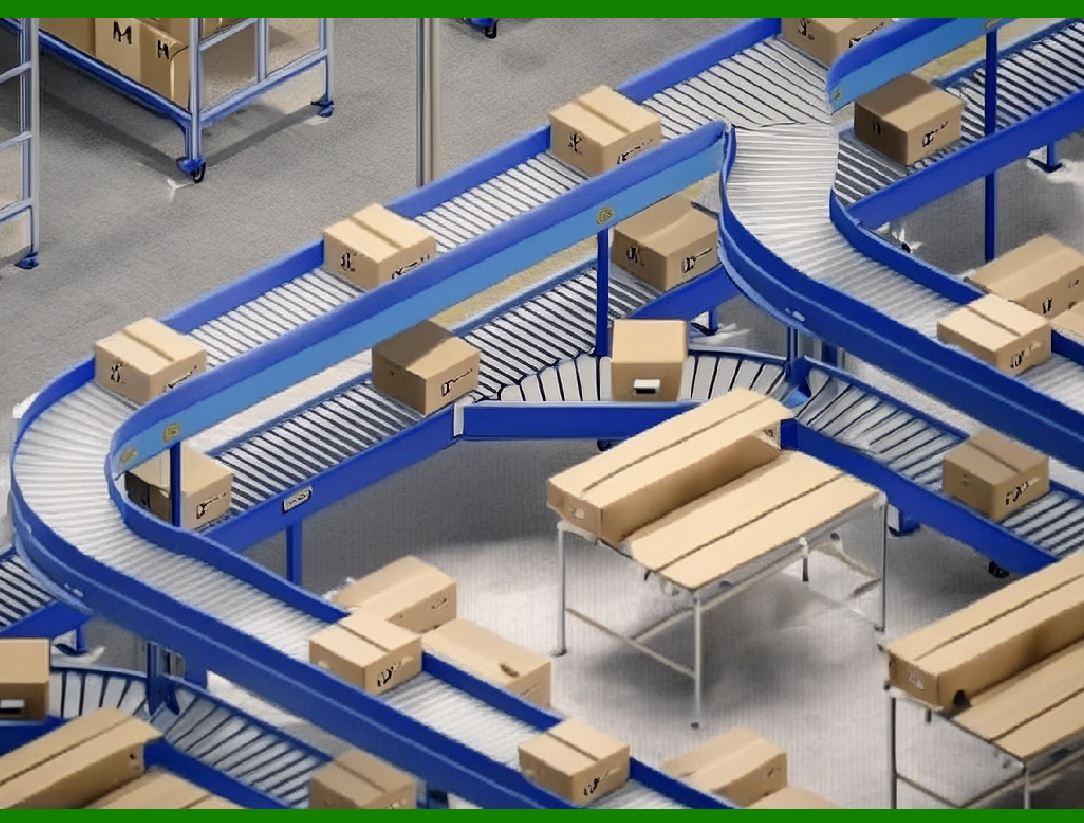
3.Sorting and Shipping: Once packed, the packages are scanned by robots to ensure they are routed to the correct delivery lane. The barcode scanning robots help the system identify the most efficient shipping method for each order. |
Results |
Improved Efficiency: The automation of the packing and shipping process has significantly reduced order fulfillment times, enabling Sephora to meet high demand during peak seasons like Black Friday. |
Reduced Errors: Barcode scanning robots have helped reduce the number of mis-picks, mis-shipments, and incorrect labeling, resulting in improved customer satisfaction. |
Enhanced Customer Experience: By ensuring that products are correctly packaged and delivered on time, Sephora has been able to maintain high levels of customer satisfaction, even during high-demand periods. |
|
Conclusion |
These case studies show how barcode scanning robots are transforming the shipping and packing processes in various industries, from e-commerce giants like Amazon and Alibaba to retail leaders like Zara and Sephora. By automating key tasks such as order verification, packing, and sorting, these robots help businesses meet the growing demands for faster, more accurate order fulfillment while reducing errors and operational costs. As technology continues to evolve, barcode scanning robots are likely to play an even more critical role in modern warehousing and logistics operations. |
 cs@easiersoft.com