Barcode Scanning Robots in Warehousing: Order Fulfillment and Picking |
Barcode scanning robots have become an integral part of modern warehouses, especially in optimizing the order fulfillment and picking processes. These robots enhance operational efficiency, improve accuracy, and reduce human error. In this detailed exploration, we will examine how barcode scanning robots work in warehousing, particularly in order fulfillment and picking, their functionalities, and the benefits they bring to the system. |
1. Introduction to Barcode Scanning in Warehousing |
Barcode scanning technology has been a cornerstone of logistics and warehousing for decades. By using printed labels with machine-readable codes, barcode systems allow for fast and accurate identification of products. In the context of warehousing, barcode scanners are crucial for tracking inventory, confirming product details, and ensuring the correct item is selected during the picking and packing processes. |
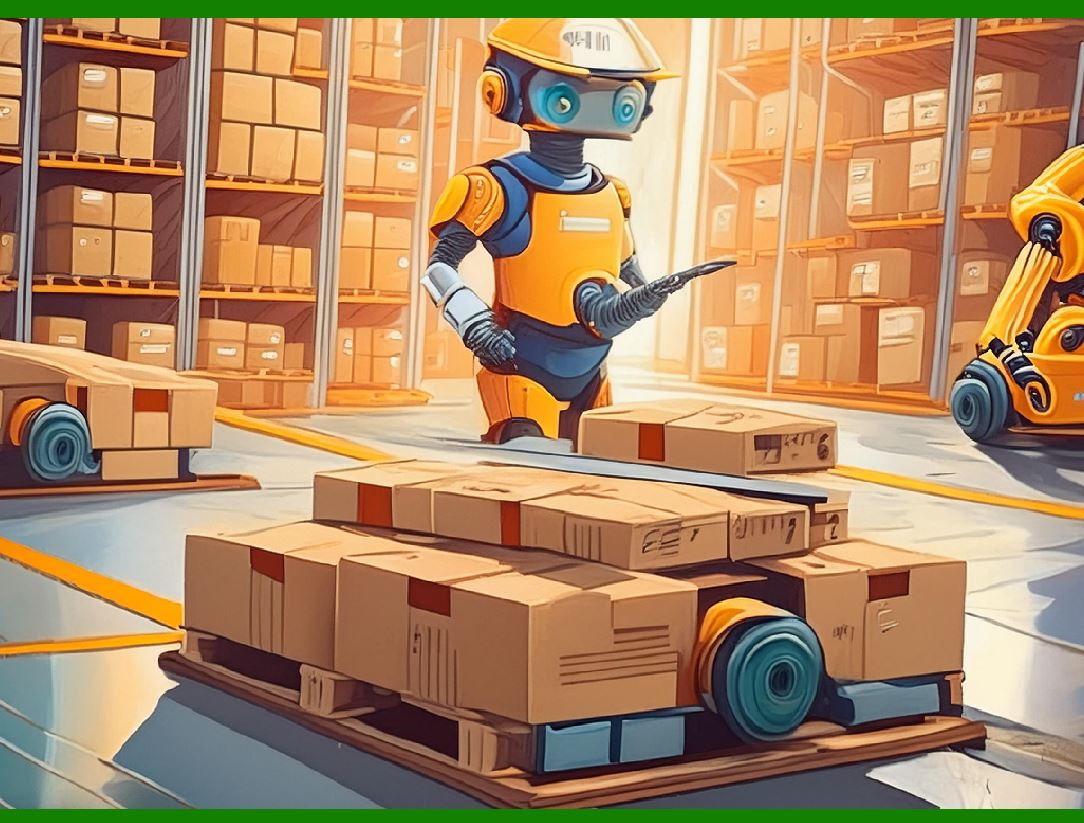
The advent of robots that incorporate barcode scanning technology has transformed traditional warehousing methods, enabling automation of critical tasks such as identifying items, verifying picks, and reducing human errors. These robots can be programmed to scan barcodes, check product integrity, and ensure proper order fulfillment before shipment. This section provides a high-level overview of how barcode scanning robots integrate into these systems. |
|
2. The Role of Barcode Scanning Robots in Order Fulfillment |
Order fulfillment is the process of receiving, processing, and delivering orders to customers. In a warehouse setting, it involves various steps, including inventory management, picking, packing, and shipping. Barcode scanning robots are primarily used in the picking and verification stages of order fulfillment. |
2.1 Improving Picking Efficiency |
One of the most important aspects of order fulfillment is the picking process, where products are retrieved from various locations in the warehouse based on customer orders. Barcode scanning robots play a crucial role in improving picking efficiency by automating the identification of products. The robots are equipped with barcode scanners that can read product labels as they move through the warehouse. |
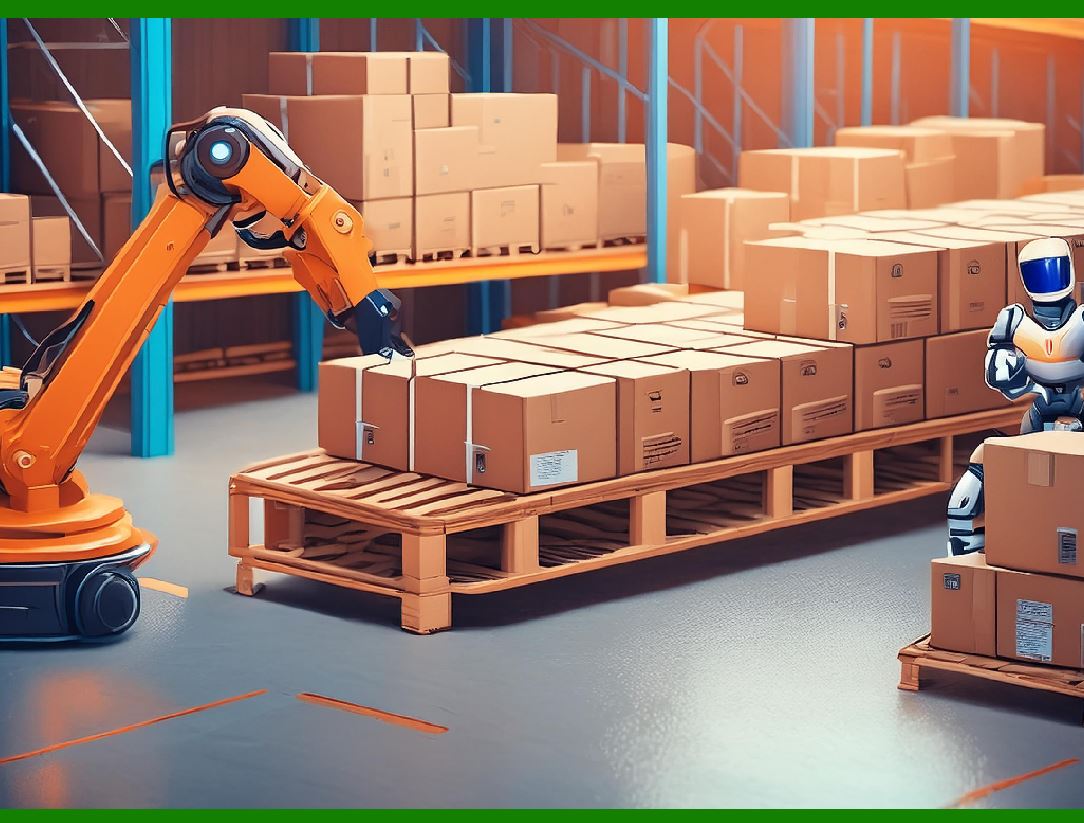
These robots can either work alongside human workers or autonomously complete the picking task. In some cases, robots are integrated with Automated Guided Vehicles (AGVs) or Automated Mobile Robots (AMRs), which carry the selected products to a packing area. This reduces the need for manual handling of products and helps optimize warehouse space. |
2.2 Pick Location Identification |
One of the first tasks in the picking process is identifying the correct location of an item in the warehouse. Barcode scanning robots can be integrated with the warehouse management system (WMS) to identify the pick locations. These robots use barcode scanning to check the labels on shelves, bins, or racks that store the products. Based on the real-time data from the WMS, the robot can navigate to the exact location where the product is stored, ensuring that the correct product is selected and brought to the packing area. |
By using barcode scanners, robots can quickly identify the correct shelf or bin without human intervention. This capability reduces the chances of selecting the wrong product and streamlines the picking process. Additionally, barcode scanning robots are able to handle multiple products at once, increasing overall picking efficiency. |
2.3 Pick Verification |
Once a product is picked from a shelf or storage location, barcode scanning robots are used to verify that the correct product has been selected. After a robot or human worker picks an item, the barcode scanner on the robot scans the product's barcode to verify that it matches the order details. This is crucial for preventing errors in order fulfillment, such as shipping the wrong product to a customer. |
The scanning robots compare the scanned barcode against the order database in real time. If a mismatch occurs, the robot can alert the worker or system, prompting them to reselect the correct item. In the case of autonomous robots, the system can redirect the robot to a different location to pick the correct product, ensuring that only accurate orders are processed. The barcode verification step is a key safeguard against costly mistakes in the order fulfillment process. |
|
3. How Barcode Scanning Robots Integrate with Warehouse Management Systems (WMS) |
The efficiency of barcode scanning robots is heavily reliant on their integration with the warehouse management system (WMS). A WMS is a software system designed to control and manage the movement and storage of inventory within a warehouse. It provides real-time information about inventory levels, product locations, and order statuses. |
3.1 Data Flow Between WMS and Barcode Scanning Robots |
The barcode scanning robots are connected to the WMS through a central network, allowing for seamless communication between the two. When an order is placed, the WMS sends information about the order to the robots, including the products needed, their quantities, and the specific locations where the products can be found. The robots then use their barcode scanners to identify these locations, retrieve the items, and verify their accuracy. |
Additionally, as robots scan the barcodes, they send the scanned data back to the WMS, which updates inventory levels in real-time. This constant flow of data ensures that inventory counts remain accurate and up-to-date, allowing the warehouse to prevent stockouts or overstock situations. |
3.2 Real-Time Inventory Tracking |
One of the primary benefits of integrating barcode scanning robots with a WMS is the ability to track inventory in real time. As robots scan barcodes on products, the WMS instantly updates the inventory records, providing an accurate picture of stock levels throughout the warehouse. This real-time tracking helps warehouse managers monitor inventory, manage stock levels, and quickly detect any discrepancies or potential issues. |
Moreover, because the robots can operate continuously without human intervention, they ensure that inventory records are consistently updated throughout the day. This allows for more accurate demand forecasting and better control over the supply chain. |
|
4. The Benefits of Barcode Scanning Robots in Warehousing |
The use of barcode scanning robots in warehousing offers numerous benefits, ranging from improved accuracy and speed to cost reductions and enhanced customer satisfaction. Below, we will explore some of the key advantages of using barcode scanning robots in the picking and order fulfillment processes. |
4.1 Enhanced Accuracy and Reduced Errors |
Barcode scanning robots significantly reduce the likelihood of errors in the picking process. By automating barcode scanning and verification, robots can ensure that the correct item is selected every time. This eliminates the risk of human error, such as misidentifying products or selecting the wrong item due to manual oversight. Accurate order fulfillment is critical for maintaining customer satisfaction and reducing returns, making barcode scanning robots a key technology in improving operational precision. |
4.2 Increased Speed and Efficiency |
Robots equipped with barcode scanners can work continuously without the need for breaks, resulting in faster order fulfillment cycles. The robots can scan barcodes, navigate the warehouse, and pick items at speeds that are often much higher than human workers. This increased speed leads to higher throughput and the ability to process more orders in less time. |
Moreover, barcode scanning robots can perform multiple tasks simultaneously, such as identifying pick locations, scanning items, and verifying picks. By automating these tasks, robots reduce the time spent on each order and increase overall warehouse productivity. |
4.3 Cost Savings |
While the initial investment in barcode scanning robots can be substantial, they often lead to significant cost savings in the long term. With robots performing repetitive tasks such as scanning, picking, and verification, the need for human labor is reduced, lowering operational costs. Additionally, the reduction in errors and the increased speed of order fulfillment contribute to cost savings by minimizing returns, reducing stockouts, and optimizing inventory management. |
Barcode scanning robots also help reduce the risk of workplace injuries by automating physically demanding tasks. This not only improves safety but can also lower insurance premiums and worker compensation costs. |
4.4 Scalability and Flexibility |
Barcode scanning robots provide scalability and flexibility to warehouses that need to adapt to changing demands. During peak seasons, such as holidays or sales events, warehouses experience higher order volumes. Robots can quickly scale their operations by handling a larger number of tasks and processing more orders in less time. Additionally, as the warehouse grows or changes its layout, robots can be easily reprogrammed to navigate new locations and adapt to new product types. |
Furthermore, robots can be integrated with other technologies, such as automated storage and retrieval systems (ASRS), conveyor belts, or picking systems, to further enhance the overall efficiency of the warehouse. |
4.5 Improved Worker Productivity and Safety |
By automating routine tasks, barcode scanning robots allow human workers to focus on higher-value activities that require decision-making, problem-solving, and customer interaction. This boosts worker productivity and morale, as employees are able to work in more strategic roles rather than performing repetitive manual labor. |
Moreover, robots can assist in physically demanding tasks, reducing the risk of workplace injuries related to lifting, bending, or prolonged standing. This contributes to a safer work environment, which is critical for both employee well-being and operational efficiency. |
|
5. Future Trends in Barcode Scanning Robots for Warehousing |
The field of robotics and automation in warehousing is rapidly evolving. In the coming years, we can expect to see significant advancements in barcode scanning robots that will further enhance their capabilities and performance. |
5.1 Integration with Artificial Intelligence (AI) and Machine Learning (ML) |
As artificial intelligence (AI) and machine learning (ML) technologies continue to advance, barcode scanning robots are likely to become even smarter and more efficient. By integrating AI and ML algorithms, robots will be able to optimize their routes through the warehouse, predict the likelihood of stockouts, and even anticipate future demand for specific products. |
AI-powered robots will also be able to learn from past interactions and improve their decision-making abilities over time. This will lead to even faster and more accurate picking and order fulfillment, further enhancing warehouse productivity. |
5.2 Collaborative Robots (Cobots) |
Collaborative robots, or cobots, are designed to work alongside human workers, complementing their tasks rather than replacing them. In the future, barcode scanning robots are expected to become more collaborative, working in tandem with human operators to increase overall efficiency. These robots may assist workers by performing the more repetitive or physically demanding aspects of the picking and packing process, while workers focus on tasks that require more human judgment and problem-solving. |
|
6. Conclusion |
Barcode scanning robots play an indispensable role in modern warehousing, particularly in the order fulfillment and picking processes. By automating tasks such as pick location identification, pick verification, and product scanning, these robots improve accuracy, speed, and overall efficiency. Their integration with warehouse management systems ensures real-time inventory tracking, which contributes to smoother operations and better inventory control. |
The adoption of barcode scanning robots provides numerous benefits, including cost savings, enhanced productivity, and improved worker safety. As the technology continues to evolve, barcode scanning robots are poised to become even more intelligent, flexible, and capable, further transforming the warehousing industry and driving new levels of operational excellence. |
|
Challenges Faced by Barcode Scanning Robots in the Future |
While barcode scanning robots have revolutionized the warehousing and logistics industries, there are several challenges and obstacles they will need to overcome as they become more integrated into supply chains. These challenges stem from technological, operational, and social factors, each of which may present hurdles to their widespread adoption and long-term success. Below are some of the key challenges that barcode scanning robots are likely to face in the future. |
1. Integration with Legacy Systems |
1.1. Compatibility Issues |
One of the primary challenges for the widespread adoption of barcode scanning robots is integrating them with existing warehouse management systems (WMS) and legacy infrastructure. Many warehouses still rely on traditional systems and processes that are not designed to work with the advanced robotics technologies that are emerging today. |
Integrating new robots with old systems can lead to compatibility issues, requiring significant updates to both software and hardware to enable smooth communication between robots and other automated systems. In some cases, warehouses may need to completely overhaul their WMS or other infrastructure, which can be costly and time-consuming. |
1.2. Data Standardization |
For barcode scanning robots to function seamlessly across various warehouse environments, there needs to be a high level of data standardization. Barcodes, labeling systems, and inventory data need to be standardized to ensure that robots can accurately interpret the information and perform their tasks effectively. Variability in labeling practices or data formats across different warehouses could create challenges in scaling robotic systems. |
|
2. Cost of Implementation and Maintenance |
2.1. High Initial Investment |
Despite the potential for long-term savings, the initial cost of implementing barcode scanning robots in a warehouse can be prohibitively high for many companies, especially smaller enterprises or those with limited budgets. The cost of purchasing robots, integrating them into existing systems, and training staff can be significant. |
The high upfront cost of automation often discourages some warehouses from adopting robotic solutions, particularly when the ROI may not be immediately apparent. This is especially true for companies that are still operating under traditional manual processes and are wary of making a large capital investment in automation technologies. |
2.2. Maintenance and Upkeep |
While robots can reduce labor costs in the long term, they come with their own ongoing maintenance requirements. Like any complex piece of machinery, barcode scanning robots require regular maintenance to ensure they function optimally. This can involve everything from software updates and calibration to repairs of hardware components, such as sensors, motors, and cameras. |
For warehouses with a fleet of robots, the costs associated with maintaining and servicing these robots can add up over time. Without adequate training and technical support, there is also a risk that robots may experience downtime, which could disrupt warehouse operations and affect order fulfillment efficiency. |
|
3. Technical Limitations of Barcode Scanning Technology |
3.1. Handling Damaged or Poorly Printed Barcodes |
One of the most significant limitations of barcode scanning robots is their dependence on the quality of barcodes. In cases where barcodes are damaged, poorly printed, or hard to read, robots may struggle to accurately identify products. Barcodes can degrade over time due to wear and tear, exposure to harsh environments, or poor printing quality. This can result in delays or errors in the picking process. |
While robots can be equipped with advanced scanning technologies to handle slightly damaged barcodes, these systems are not foolproof and may still experience difficulties in complex or cluttered environments. Overcoming this issue will require continuous improvements in barcode reading technology and potentially the use of alternative identification systems, such as RFID tags or more advanced machine vision systems. |
3.2. Limited Flexibility in Unstructured Environments |
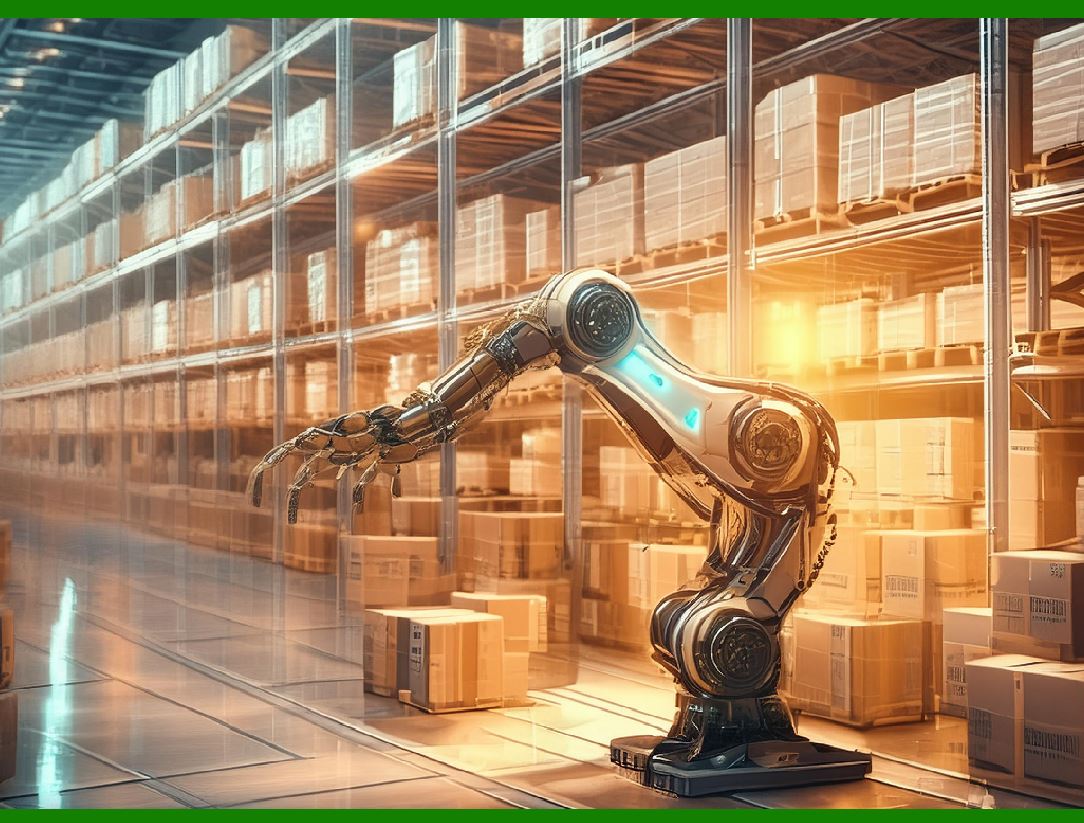
Warehouse environments are dynamic and can vary greatly in terms of layout, lighting, storage conditions, and types of products. Barcode scanning robots are generally designed to operate in highly structured and predictable environments where products are placed in defined locations with clear labeling. |
However, in unstructured or complex environments, such as those with irregular shelving, poor lighting, or high-density storage areas, barcode scanning robots may struggle to navigate effectively. In these cases, robots may require additional sensors, AI algorithms, or machine vision systems to overcome these obstacles and maintain performance. |
|
4. Workforce Adaptation and Resistance |
4.1. Worker Resistance to Automation |
Although robots are designed to improve warehouse efficiency, their introduction into the workforce may lead to resistance from human employees. Workers may fear job displacement or feel that their roles are being undermined by automation. This resistance can slow down the implementation of robotic systems and create friction between workers and management. |
While robots can augment human workers by performing repetitive and physically demanding tasks, it will be essential to communicate the benefits of automation and emphasize the opportunities for workers to take on more strategic, creative, or customer-focused roles. Additionally, proper training and upskilling programs will be necessary to ensure that workers are able to adapt to new technologies and remain valuable contributors to the business. |
4.2. Job Reallocation and Retraining Needs |
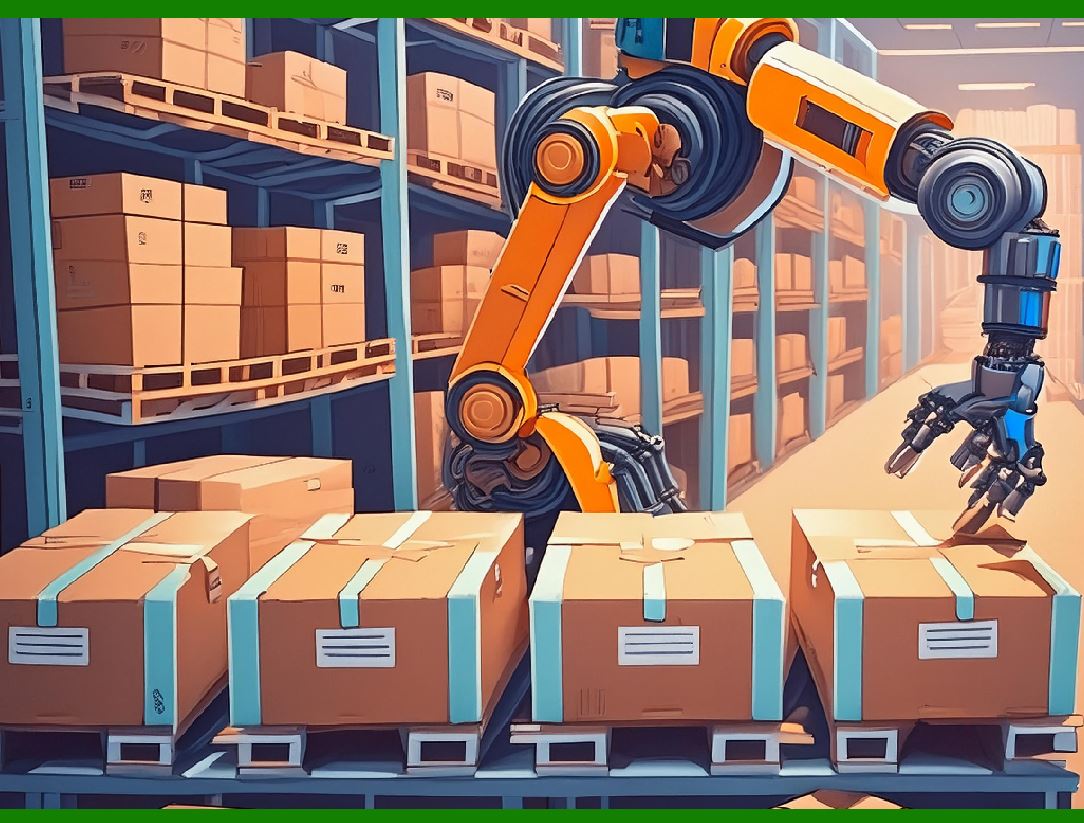
The introduction of barcode scanning robots will inevitably lead to job reallocation. Many workers currently engaged in manual picking, packing, and inventory tasks may find their roles diminished or eliminated altogether. This could lead to social challenges, including unemployment or the need for retraining. |
To minimize the social impact of automation, businesses must develop comprehensive workforce development strategies, which include retraining programs for workers who are displaced by robots. These programs can help workers transition to more complex roles in robot maintenance, data analysis, logistics management, and other emerging areas of warehouse operations. |
|
5. Data Security and Privacy Concerns |
5.1. Data Collection and Vulnerability |
Barcode scanning robots generate vast amounts of data as they perform tasks such as tracking inventory, verifying orders, and navigating the warehouse. This data is critical for improving operational efficiency, but it also raises concerns about data security and privacy. |
Sensitive business data, such as customer orders, inventory levels, and pricing information, is constantly being collected, transmitted, and stored by robotic systems. If these systems are compromised, it could lead to significant data breaches, theft, or misuse of sensitive information. Securing the data flowing between robots, the WMS, and other connected systems will be crucial to mitigate the risks of cyberattacks and ensure compliance with privacy regulations. |
5.2. Vulnerabilities in Communication Networks |
Barcode scanning robots are typically connected to a central network or cloud-based platform, which enables them to access and share data in real time. However, this reliance on connected systems introduces vulnerabilities, particularly in terms of cybersecurity. Cyberattacks, such as Distributed Denial of Service (DDoS) attacks or hacking attempts, could disrupt the communication between robots and their control systems, resulting in downtime, miscommunication, or even the malfunctioning of robots. |
In the future, ensuring that robust cybersecurity measures are in place will be essential for the safe and efficient operation of barcode scanning robots in warehouses. |
|
6. Scalability and Infrastructure Constraints |
6.1. Space and Infrastructure Requirements |
Barcode scanning robots require a certain amount of space to operate effectively. In densely packed or older warehouse environments, it may be difficult to accommodate the robots without significant changes to the layout. The introduction of robotics often necessitates creating wide aisles, reducing clutter, and ensuring that the infrastructure supports the operational requirements of robots. |
Additionally, the installation of autonomous robots and automated guided vehicles (AGVs) may require specialized charging stations, maintenance facilities, and docking areas. The need for such infrastructure could be a significant barrier for smaller warehouses or businesses that do not have the space or resources to implement large-scale automation. |
6.2. Adaptation to Changing Warehouse Layouts |
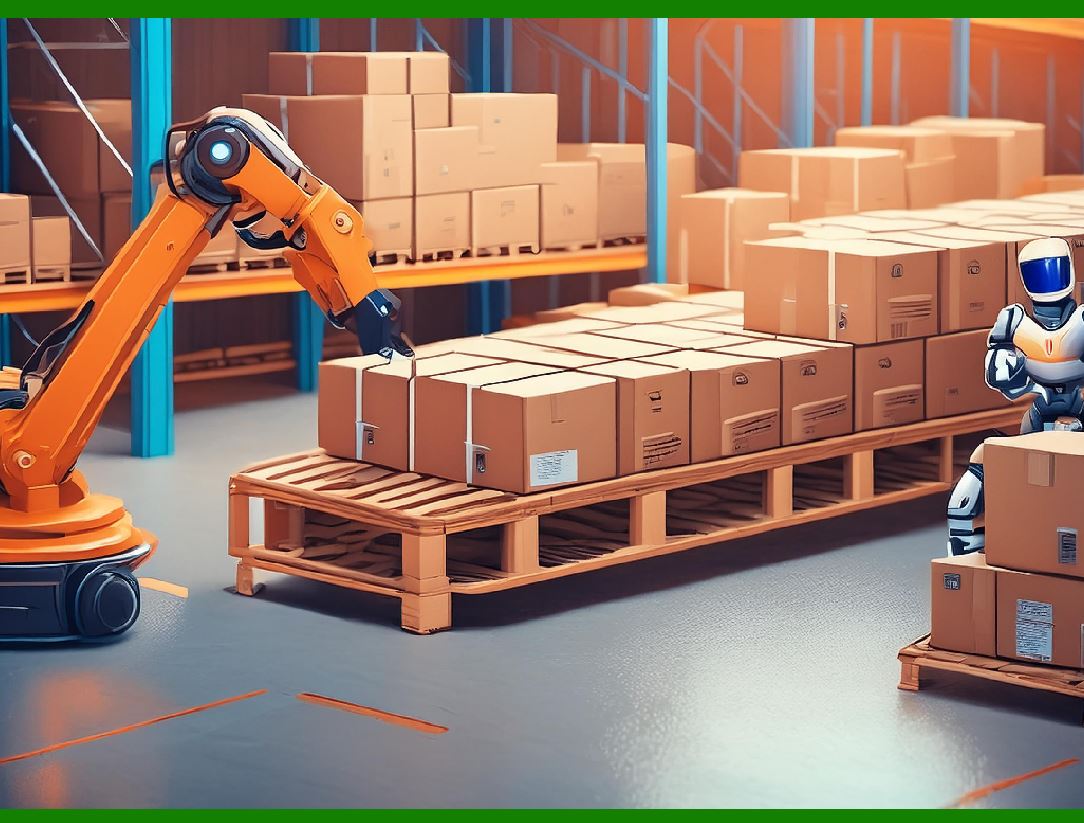
Warehouses often change their layout depending on seasonality, inventory fluctuations, or product categorization. Robots that are designed for a specific layout may face difficulties adapting to these changes. While robots equipped with advanced sensors and AI can dynamically adjust to new environments, such adaptability is still an area that requires continuous development. In some cases, frequent layout changes may require expensive reprogramming or even redeployment of robotic fleets. |
|
7. Regulatory and Legal Issues |
7.1. Evolving Regulations on Robotics and Automation |
As automation technologies like barcode scanning robots become more widespread, there will likely be increased scrutiny from regulatory bodies. Governments and regulatory agencies may impose new rules and standards related to robot safety, data protection, worker displacement, and environmental impact. |
The evolving nature of these regulations can create uncertainty for businesses that are planning to deploy barcode scanning robots. Compliance with these regulations will require constant monitoring and potentially costly adjustments to robotic systems. Additionally, international businesses operating in multiple jurisdictions will need to navigate a patchwork of regulatory frameworks. |
7.2. Liability and Accountability |
As robots become more autonomous, questions regarding liability and accountability for errors or accidents will become increasingly complex. For example, if a barcode scanning robot makes a mistake in the picking process that leads to a shipping error or product damage, determining responsibility may not be straightforward. |
Establishing clear liability frameworks, insurance policies, and protocols for dealing with errors or accidents will be necessary as robots become more embedded in warehouse operations. These issues will need to be addressed by both businesses and legal experts to ensure that the risks associated with automation are appropriately managed. |
|
Conclusion |
While barcode scanning robots hold great promise for the future of warehousing, they also face several challenges that must be addressed for widespread adoption and long-term success. These challenges include integration with legacy systems, high implementation costs, technical limitations, workforce adaptation, data security concerns, and infrastructure constraints. Overcoming these obstacles will require continuous technological advancements, strategic planning, and investment in training and infrastructure. |
As automation in warehousing evolves, businesses will need to carefully navigate these challenges to ensure that barcode scanning robots can deliver the expected benefits while minimizing risks and disruptions. |
 cs@easiersoft.com