1. Introduction to Barcode Scanning Robots in Warehousing |
The use of robotics and automation in warehousing has undergone significant advancements in recent years. One of the most innovative applications is the use of barcode scanning robots. These robots combine the power of automation with the precision of barcode scanning to enhance various processes within a warehouse environment. Barcode scanning robots can be used to manage inventory, streamline order fulfillment, improve accuracy, and increase efficiency across different warehousing operations. This section explores the core functions and benefits of barcode scanning robots in warehousing. |
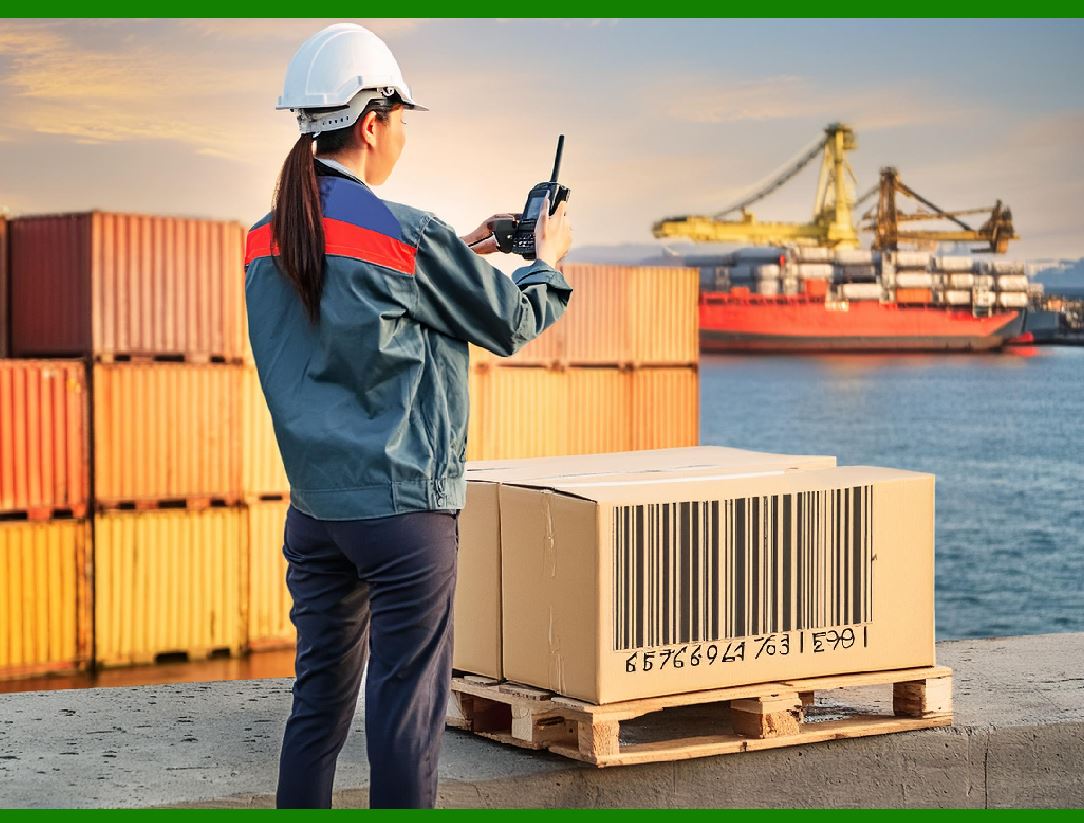
Barcode scanning robots are equipped with sophisticated sensors and barcode scanners, allowing them to autonomously identify products and navigate through the warehouse environment. Their ability to scan barcodes on products and move autonomously means they can efficiently track, store, retrieve, and manage inventory with little to no human intervention. In warehouses where speed, accuracy, and real-time information are critical, barcode scanning robots provide a significant advantage over traditional manual methods. |
|
2. Increased Efficiency and Speed in Warehousing Operations |
One of the most notable benefits of barcode scanning robots in warehouses is the significant improvement in operational efficiency. Warehouses are dynamic environments, with a vast number of products that need to be moved, sorted, and stored. Traditional methods of scanning products manually require human labor, which can be slow and prone to errors. |
Barcode scanning robots, on the other hand, operate continuously without breaks, significantly improving the speed of warehouse operations. These robots can autonomously move through aisles, scan barcodes on products, and transport them to the appropriate locations, whether for storage or shipping. With their ability to cover large areas of the warehouse quickly, barcode scanning robots can process and track products much faster than human workers. |
In high-demand environments such as e-commerce fulfillment centers, where fast order processing is critical, barcode scanning robots can reduce the time it takes to locate and prepare products for shipment. For instance, when an order is placed, a barcode scanning robot can quickly find the product, scan its barcode, and transport it to a packing station, reducing the time taken to fulfill each order. |

|
3. Enhanced Accuracy and Reduced Human Error |
Barcode scanning robots are designed to operate with a high level of precision, leading to a reduction in errors that are commonly seen in manual processes. Human workers can make mistakes when manually scanning barcodes, especially in fast-paced environments where distractions and fatigue may come into play. These errors can lead to misplacements, shipping mistakes, or inventory discrepancies, all of which can have a significant impact on warehouse operations. |
By using barcode scanning robots, warehouses can drastically reduce the likelihood of human error. These robots are equipped with advanced scanning technology that can read barcodes quickly and accurately, even if the barcode is partially damaged or obscured. The robots can also integrate with warehouse management systems (WMS) to cross-check scanned data with the digital inventory database in real time, ensuring that the correct products are scanned, stored, and shipped. |
The reduction in human error not only improves inventory accuracy but also enhances customer satisfaction. With fewer mistakes in order fulfillment, customers are more likely to receive the right products on time, improving overall service quality. |

|
4. Improved Inventory Management |
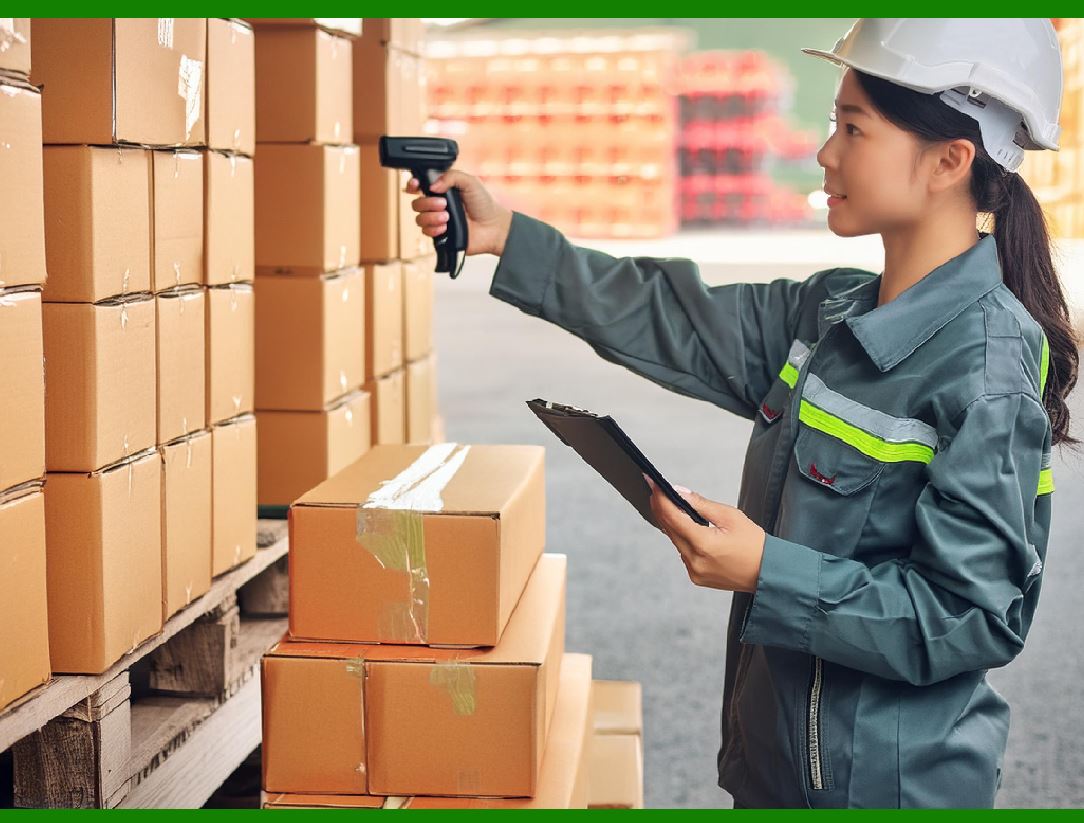
Barcode scanning robots play a crucial role in improving inventory management in warehouses. Traditional inventory management systems often rely on periodic manual stock counts, which are time-consuming and prone to errors. Barcode scanning robots, however, can continuously scan products as they move through the warehouse, providing real-time visibility into stock levels. |
By integrating barcode scanning robots with advanced inventory management systems, warehouses can achieve a higher level of control over their inventory. The robots can autonomously scan items during routine movements, such as picking and packing, and update inventory records in real time. This automated tracking helps to maintain accurate stock counts and provides immediate notifications in the event of discrepancies, such as missing or misplaced items. |
Furthermore, barcode scanning robots can be programmed to conduct regular cycle counts of the warehouse, reducing the need for annual or semi-annual stocktaking. This leads to better visibility of stock levels, reduced stockouts, and more efficient reordering of products. |
|
5. Reduced Labor Costs |
Labor costs are one of the largest expenses in any warehouse operation. Traditional warehouse processes require a large workforce to perform tasks such as inventory tracking, order picking, packing, and shipping. By adopting barcode scanning robots, warehouses can reduce their reliance on human labor for repetitive and mundane tasks, resulting in significant cost savings. |
Barcode scanning robots are capable of handling tasks that would otherwise require multiple workers. They can autonomously navigate the warehouse, scan products, and even move goods from one location to another. This frees up human workers to focus on more complex tasks, such as managing inventory discrepancies, overseeing the robots, or performing quality control checks. |
The reduction in manual labor not only cuts costs but also increases the overall productivity of the warehouse. With robots handling routine tasks, human workers can be redeployed to higher-value roles, improving job satisfaction and reducing turnover. |

|
6. Increased Warehouse Space Utilization |
Efficient space utilization is critical to maximizing the productivity of a warehouse. Traditional storage methods often require wide aisles and large spaces for workers to maneuver. Barcode scanning robots, however, can navigate narrower aisles and are capable of moving in tight spaces without human intervention. This enables warehouses to optimize their floor plans and increase storage density. |
Barcode scanning robots can be programmed to navigate around obstacles, manage narrow aisles, and even adapt to changing layouts. Their flexibility allows warehouses to use the available space more efficiently, enabling them to store more products in the same footprint. This can lead to a more compact warehouse design, which reduces costs associated with warehousing and increases throughput. |
Moreover, the ability to optimize space can result in faster order fulfillment times, as the robots can access products more quickly and with greater precision. The reduced need for wide aisles also decreases the overall energy consumption of the warehouse, as fewer lighting and HVAC systems are required to cover the entire space. |
|
7. Real-time Data Collection and Analysis |
Barcode scanning robots provide warehouses with a wealth of real-time data that can be used to improve decision-making and optimize operations. As the robots scan products and move throughout the warehouse, they continuously collect data on inventory levels, product locations, and the overall flow of goods. This data can be fed into warehouse management systems (WMS), which analyze the information and provide actionable insights. |
For example, the WMS can identify patterns in product movement, highlighting areas of the warehouse that are frequently accessed or products that are commonly ordered together. This information can help managers optimize product placement and layout, streamline picking routes, and improve stock rotation. |
Additionally, real-time data from barcode scanning robots can be used to monitor operational performance. Warehouse managers can track key performance indicators (KPIs) such as order fulfillment time, inventory accuracy, and robotic uptime, helping to identify bottlenecks and areas for improvement. |

|
8. Scalability and Flexibility |
As warehouses grow and expand, the need for scalable and flexible solutions becomes increasingly important. Barcode scanning robots offer a high degree of scalability, allowing warehouses to easily increase their robotic fleet as their operations grow. Whether a warehouse needs to handle a seasonal surge in orders or expand to accommodate new product lines, barcode scanning robots can be quickly deployed to meet these demands. |
The robots can also be programmed to adapt to changing warehouse layouts, product types, or inventory systems. As warehouses undergo periodic updates or reorganizations, barcode scanning robots can be reconfigured to suit the new environment without requiring significant downtime or additional investments in training. |
This flexibility makes barcode scanning robots an ideal solution for warehouses with evolving needs, whether they are expanding their operations or adapting to changes in consumer demand. |
|
9. Safety Improvements and Reduced Workplace Injuries |
Warehouse environments can be hazardous, with workers often handling heavy products, navigating crowded aisles, and operating forklifts. Manual inventory management and order fulfillment processes can increase the risk of workplace injuries, particularly when workers are required to lift heavy items or operate machinery in tight spaces. |
Barcode scanning robots improve safety by taking over many of the tasks that traditionally put workers at risk. These robots can autonomously navigate the warehouse, scan products, and move goods without the need for human intervention, reducing the likelihood of accidents. Since robots do not require rest breaks or work in stressful conditions, they can operate continuously, reducing the physical strain on human workers and preventing injuries related to repetitive tasks or fatigue. |
Additionally, barcode scanning robots are equipped with sensors and advanced navigation systems that allow them to detect and avoid obstacles, ensuring they do not collide with workers or other objects in the warehouse. This further enhances safety by minimizing the potential for accidents. |
|
10. Environmental Benefits |
The adoption of barcode scanning robots in warehouses also offers environmental benefits. Traditional warehouse operations often require significant energy consumption for lighting, heating, and cooling, especially in large facilities. Barcode scanning robots, by enabling more efficient space utilization, can help reduce the overall energy needs of a warehouse. |
Moreover, many barcode scanning robots are designed to be energy-efficient, using advanced battery technologies that allow them to operate for extended periods without recharging. This reduces the need for energy-intensive equipment like forklifts and conveyors, further decreasing the warehouse's carbon footprint. |
Finally, the increased efficiency and accuracy provided by barcode scanning robots can lead to a reduction in waste. With more accurate inventory tracking and fewer mistakes in order fulfillment, the number of product returns or mis-shipments is minimized, helping to conserve resources and reduce waste. |

|
11. Conclusion |
In conclusion, barcode scanning robots offer numerous benefits to warehouses by improving efficiency, accuracy, and safety while reducing costs and environmental impact. From streamlining inventory management to enhancing order fulfillment speed, these robots are transforming how warehouses operate. The integration of barcode scanning robots into warehouse processes provides businesses with a competitive edge by ensuring faster, more accurate, and more cost-effective operations. As the demand for automation in warehousing continues to grow, barcode scanning robots will play an increasingly vital role in shaping the future of logistics and supply chain management. |
By embracing barcode scanning robots, warehouses can unlock greater potential for scalability, flexibility, and improved customer satisfaction, positioning themselves for success in a rapidly evolving market. |
|
12. Case Studies of Barcode Scanning Robots in Warehousing |
The integration of barcode scanning robots into warehouse operations has been proven to deliver significant benefits across various industries. In this section, we will look at some real-world case studies that illustrate the practical applications of barcode scanning robots in warehousing environments, highlighting the challenges faced and the solutions provided by automation. |
12.1. Case Study: Amazon - Automated Fulfillment Centers |
Company Overview: Amazon is a global e-commerce leader that has heavily invested in automation to enhance its warehousing and fulfillment operations. The company operates a vast network of fulfillment centers worldwide, each handling a massive volume of orders daily. |
Challenge: As demand for e-commerce services exploded, particularly during peak seasons like Black Friday and Cyber Monday, Amazon faced challenges in maintaining speed, accuracy, and efficiency in order fulfillment. With millions of products stored across large fulfillment centers, the company struggled to keep pace with rapidly changing inventory levels, product placement, and order processing. |
Solution: Amazon implemented barcode scanning robots, particularly the use of Kiva robots (now Amazon Robotics), which are designed to autonomously transport inventory from one location to another within the warehouse. These robots are equipped with barcode scanners to identify items as they move, ensuring accurate stock tracking and inventory management. |
The robots work in tandem with a sophisticated Warehouse Management System (WMS) that tracks product location and order information in real time. As orders are placed, the robots quickly navigate the warehouse, retrieve the necessary products, and deliver them to human workers who prepare them for shipping. |
Results: |
Increased Efficiency: Amazon's robotic system allows for faster order fulfillment. Robots can transport products to workers at an average of 10-15 times the speed of manual labor, significantly reducing order processing time. |
Improved Space Utilization: By using smaller, mobile robots instead of traditional shelving systems, Amazon has maximized its warehouse space. Robots can work in tight aisles and navigate around obstacles, allowing for a denser product layout. |
Enhanced Accuracy: The barcode scanning robots ensure that products are picked accurately, reducing errors associated with manual picking. The system has improved inventory accuracy by over 99%. |
Cost Reduction: The integration of robots has helped Amazon reduce labor costs and improve overall warehouse productivity. The robots work 24/7 without rest, reducing the need for shift-based labor. |
|
12.2. Case Study: Ocado - Automated Grocery Fulfillment |
Company Overview: Ocado is a UK-based online grocery retailer that has pioneered the use of robotics and automation in its fulfillment centers. The company operates several highly automated warehouses, including the world's largest automated grocery fulfillment center. |
Challenge: Ocado's business model relies heavily on fast, accurate delivery of groceries, which requires a highly efficient and reliable warehousing system. The company faced challenges related to the increasing volume of online orders, the need for precise inventory management, and the ability to scale operations in line with growing demand. |
Solution: Ocado deployed barcode scanning robots in conjunction with a complex system of conveyor belts, automated storage, and retrieval systems. The robots are responsible for scanning the barcodes of products as they are picked and transported through the warehouse. The system uses a fleet of robots, each equipped with barcode scanning technology, to autonomously retrieve items from shelves, scan them, and deliver them to packing stations. |
The robots are able to pick items from shelves of varying heights and sizes, allowing Ocado to create a flexible and efficient system that is able to accommodate a wide range of grocery products. The barcode scanning robots are integrated with Ocado's WMS, which tracks inventory in real time and provides actionable data on stock levels, item location, and order status. |
Results: |
Faster Order Fulfillment: The automated system reduces the time required to process an order. Ocado's robots can pick and pack orders in just a few minutes, significantly improving delivery speed and reducing lead times. |
Higher Accuracy: The barcode scanning robots have decreased picking errors, improving the accuracy of order fulfillment. This has led to a reduction in the number of returns due to incorrect items being delivered. |
Scalability: The system is highly scalable, allowing Ocado to expand its operations without significantly increasing labor costs. As demand increases, more robots can be added to the fleet, ensuring that order fulfillment speed remains consistent. |
Space Efficiency: The robots enable a compact, dense layout within Ocado's fulfillment centers, making optimal use of available space. With fewer human workers on the floor, the space is used for automation and product storage, maximizing storage capacity. |
|
12.3. Case Study: DHL - Warehouse Automation for Logistics |
Company Overview: DHL is a global leader in logistics and supply chain management. The company operates numerous distribution centers and warehouses worldwide, servicing a wide range of industries, including e-commerce, automotive, and healthcare. |
Challenge: DHL faced increasing pressure to improve the speed and accuracy of its operations while reducing labor costs and operational inefficiencies. The company needed a solution that would allow it to keep up with the rising demand for faster shipping, particularly in the e-commerce sector. |
Solution: DHL implemented barcode scanning robots within its logistics network, particularly at its smart warehouses. These robots are integrated into the warehouse's existing systems and are used for tasks like inventory scanning, order picking, and sorting. The barcode scanning robots work alongside human workers and are able to scan product barcodes as they transport items from storage to packing stations. |
The robots use sophisticated navigation and scanning systems that allow them to locate products, scan barcodes, and then move items to the appropriate locations. This integration with a WMS ensures that stock levels are updated in real time, providing accurate and up-to-date inventory information. |
Results: |
Increased Speed and Throughput: DHL's barcode scanning robots have dramatically increased the speed of order processing. The robots allow for faster picking, sorting, and scanning, which has helped DHL reduce order processing time and improve throughput. |
Cost Savings: Automation has allowed DHL to reduce its reliance on manual labor for routine tasks, which has led to significant labor cost savings. The robots perform tasks such as inventory management and order picking, freeing up human workers to focus on higher-value tasks. |
Improved Inventory Accuracy: Barcode scanning robots have reduced errors related to inventory discrepancies. With the robots providing real-time updates to the WMS, DHL has experienced improved inventory visibility and accuracy. |
Adaptability and Scalability: The barcode scanning robots can be easily scaled to meet changing demand. As DHL's operations grow, the robots can be integrated into additional warehouses or fulfillment centers without major disruptions to the workflow. |
|
12.4. Case Study: Zara - RFID and Barcode Scanning Robots in Fashion Retail |
Company Overview: Zara is a global fashion retailer that is known for its fast-fashion business model, which relies on quick inventory turnover and rapid order fulfillment. Zara operates large distribution centers in Europe and around the world. |
Challenge: Zara's business model requires an efficient, responsive supply chain to meet the ever-changing demand for fashion items. The company's existing manual processes for inventory management were time-consuming and prone to errors, leading to delays in restocking shelves and fulfilling online orders. |
Solution: Zara implemented a combination of RFID and barcode scanning robots in its warehouses to enhance inventory management and order fulfillment. The robots use RFID and barcode technology to scan items in real-time as they move through the distribution center. The robots are capable of autonomously transporting goods from one location to another, all while maintaining accurate records of product locations and stock levels. |
The system is designed to automatically update inventory levels as products are scanned, reducing the need for manual stock checks. This integration with Zara's WMS provides real-time visibility into inventory, allowing the company to respond quickly to changes in demand and restock items efficiently. |
Results: |
Enhanced Inventory Management: Zara's barcode scanning robots have significantly improved the accuracy of inventory management. The use of real-time barcode scanning allows for accurate tracking of stock levels and reduces the time spent on manual stocktaking. |
Faster Order Fulfillment: By automating routine tasks like order picking and product transport, Zara has been able to fulfill online orders more quickly, improving delivery times and customer satisfaction. |
Improved Accuracy: The barcode scanning robots ensure that items are correctly picked and tracked, reducing errors in the order fulfillment process and improving the overall customer experience. |
Operational Efficiency: Zara has optimized its warehouse space and labor usage, leading to reduced operating costs and improved efficiency in meeting customer demand. |
|
12.5. Case Study: L'Or¨¦al - Robotic Barcode Scanning for Cosmetics Distribution |
Company Overview: L'Or¨¦al is one of the largest cosmetics and beauty companies in the world. The company operates a global distribution network to supply retailers and direct customers with products. |
Challenge: As a global brand, L'Or¨¦al faced logistical challenges related to inventory management, product tracking, and distribution. The company needed to improve its order fulfillment processes to better meet the demand for cosmetics products across multiple regions, ensuring timely deliveries and product availability. |
Solution: L'Or¨¦al integrated barcode scanning robots into its distribution centers to automate inventory tracking and order picking. The robots are equipped with barcode scanning technology that allows them to quickly identify products as they move through the facility. These robots can autonomously navigate through the warehouse, scan barcodes, and deliver items to workers who package and ship the orders. |
The robots also interact with L'Or¨¦al's WMS, providing real-time updates on product stock levels, which helps the company maintain inventory accuracy and meet demand more effectively. |
Results: |
Improved Order Fulfillment: L'Or¨¦al's barcode scanning robots have enabled faster and more accurate order picking. The robots can scan items, transport them, and deliver them to the correct stations in less time than traditional manual methods. |
Increased Inventory Accuracy: The use of robots for barcode scanning has reduced errors in inventory tracking, leading to better stock management and fewer stockouts. |
Reduced Operational Costs: By automating repetitive tasks, L'Or¨¦al has been able to lower labor costs and increase the overall efficiency of its distribution centers. |
Faster Response Times: The robots help L'Or¨¦al meet fluctuating demand and respond more quickly to market changes by providing real-time insights into inventory levels and order status. |
|
12.6. Conclusion |
These case studies illustrate how barcode scanning robots are transforming warehousing operations across a range of industries. From e-commerce giants like Amazon to global retailers like Zara and L'Or¨¦al, the benefits of automated systems in warehousing are clear: increased efficiency, improved accuracy, reduced labor costs, and faster order fulfillment. As more companies continue to adopt barcode scanning robots, the technology will likely become a cornerstone of modern supply chain and warehouse management systems, offering even more potential for innovation and growth in the future. |
 cs@easiersoft.com