1. Introduction to Cartesian Robots (Linear Robots) |
Cartesian robots, also known as linear robots, are industrial robotic systems designed to operate within a three-dimensional coordinate space. These robots are named after the Cartesian coordinate system, which is based on three mutually perpendicular axes: X, Y, and Z. Cartesian robots use linear actuators to move along these axes, providing highly accurate and repeatable motion in straight lines. Their primary advantage lies in their ability to perform tasks that require precise linear positioning, which is essential for applications in fields such as 3D printing, CNC machining, material handling, and more. |
Unlike other types of robotic arms, which often have complex rotational joints and require sophisticated control systems, Cartesian robots operate using simple, direct linear movements. This simplicity contributes to their reliability, making them well-suited for applications where high precision and straightforward operations are essential. However, this simplicity comes at the cost of flexibility, as Cartesian robots typically lack the range of motion and adaptability found in other types of robots, such as articulated arms or delta robots. |
In this article, we will explore the design, components, applications, advantages, and limitations of Cartesian robots in detail. |

|
2. Design and Components of Cartesian Robots |
The design of Cartesian robots is based on the principle of linear motion along three orthogonal axes: X, Y, and Z. These axes are typically aligned with the horizontal (X), vertical (Y), and depth (Z) dimensions of the working space. The three-dimensional structure of Cartesian robots enables them to perform highly accurate tasks such as pick-and-place operations, material handling, and precision measurement. |
2.1 Structural Components |
Frame: The frame is the core structure of a Cartesian robot, typically made from materials such as steel, aluminum, or carbon fiber. It supports all the components of the robot and provides the necessary rigidity for accurate linear movement. The frame can be designed in different configurations, depending on the specific needs of the application. Common configurations include gantry-style, cantilevered, and floor-mounted frames. |
Linear Rails: The linear rails are one of the most crucial components of Cartesian robots. They guide the motion of the robot's moving parts along the X, Y, and Z axes. Linear rails consist of a set of parallel tracks that allow for smooth, precise movement. They are typically equipped with ball bearings or roller bearings to reduce friction and improve movement accuracy. |
Actuators: Actuators provide the necessary force to move the robot along the linear axes. The most common types of actuators used in Cartesian robots are electric motors, often in combination with lead screws, ball screws, or belt-driven systems. These actuators drive the movement of the robot along the rails, providing linear motion in both horizontal and vertical directions. |
End-Effector: The end-effector is the tool or device attached to the end of the robot's arm or the moving platform. It is the part that interacts directly with the object being manipulated. Depending on the application, the end-effector can be a gripper, a welding torch, a camera, or any other device suited for the task at hand. |
Controllers: The controller is the brain of the Cartesian robot. It is responsible for sending signals to the actuators to control their movement along the X, Y, and Z axes. Modern controllers often come with advanced programming interfaces, allowing operators to define specific tasks and program the robot's behavior. Some controllers use sophisticated algorithms to ensure smooth motion and precise coordination of the axes. |
Sensors: Sensors are used to monitor the robot's position, speed, and other parameters. Encoders are commonly used to provide feedback on the position of the actuators. Proximity sensors, limit switches, and vision systems can also be integrated to provide real-time data, enabling the robot to adapt to its environment and ensure accurate positioning. |
2.2 Types of Cartesian Robots |
There are several different types of Cartesian robots, each designed to meet specific requirements in various industries. The three primary types are: |
Gantry Robots: These robots feature a frame that spans over the working area, with the actuators and end-effector suspended beneath it. The gantry robot design is ideal for applications that require a large working area, such as CNC machining or large-scale 3D printing. |
Cantilevered Robots: In this design, the robot's frame is supported on one side, with the actuators and end-effector mounted on the other side. This design offers a more compact structure and is ideal for applications where space is limited. |
Floor-Mounted Robots: These robots are mounted directly onto the floor or base, with the actuators and rails extending upward. Floor-mounted robots are generally used for smaller, high-precision tasks where the working area does not need to be extensive. |
|
3. Movement and Operation of Cartesian Robots |
Cartesian robots operate using a combination of linear motion and precise control algorithms. Their movement is confined to straight lines along the X, Y, and Z axes, which simplifies the control and programming of the robot. The three axes are typically arranged as follows: |
X-Axis: This axis moves the robot horizontally, usually from left to right. |
Y-Axis: This axis controls movement in the vertical direction, usually moving the robot up and down. |
Z-Axis: This axis controls the depth or the distance from the robot to the object being manipulated, allowing the robot to move forward and backward. |
The movement of each axis is controlled by a dedicated actuator, which can be a stepper motor, a servo motor, or a DC motor. These actuators are connected to the rails using lead screws or ball screws, which convert the rotational motion of the motor into linear motion. The actuators move along the rails, and the motion is precisely controlled using feedback from encoders or other sensors. |
One of the main advantages of Cartesian robots is their ease of programming. Since the movements are linear and confined to fixed axes, programming the robot is generally more straightforward than programming more complex robotic systems, such as articulated robots. Operators can specify the position and velocity for each axis, and the controller will ensure that the robot moves accordingly. |
|
4. Applications of Cartesian Robots |
Cartesian robots are widely used in industries that require precise, high-speed movements along fixed paths. Some of the most common applications include: |
4.1 3D Printing |
In 3D printing, Cartesian robots are used to control the movement of the printer's nozzle or print head. The robot moves along the X, Y, and Z axes to deposit material layer by layer, building up a three-dimensional object. The precision of Cartesian robots makes them ideal for this application, as even small deviations in position can affect the quality of the printed object. |
4.2 CNC Machining |
In CNC (Computer Numerical Control) machining, Cartesian robots control the movement of tools such as milling machines, lathes, and laser cutters. The robot's precise movement along the X, Y, and Z axes allows for the high precision needed in machining processes, where tight tolerances are required. |
4.3 Automated Material Handling |
In material handling, Cartesian robots are often used for pick-and-place operations. They move objects from one location to another, using their precise linear movement to ensure accurate placement. These robots are often integrated into automated production lines or warehouse management systems, where their ability to quickly and accurately handle materials is crucial. |
4.4 Laboratory Automation |
Cartesian robots are used in laboratory automation for tasks such as pipetting, sample handling, and testing. Their precise linear movement allows them to handle delicate samples or small objects with a high degree of accuracy. This is particularly useful in industries such as pharmaceuticals or biotech, where accuracy and repeatability are critical. |
4.5 Packaging |
In packaging lines, Cartesian robots are often employed to move products or components along a production line, orient them correctly, and place them into packaging containers. Their ability to perform repetitive tasks with high precision makes them ideal for this application, ensuring that products are consistently packaged in the correct manner. |

|
5. Advantages of Cartesian Robots |
5.1 Simplicity and Precision |
One of the biggest advantages of Cartesian robots is their simplicity. Since they operate along linear axes, the control algorithms are relatively straightforward, making programming and maintenance easier compared to more complex robotic systems. This simplicity also contributes to their high precision, as the movement is confined to straight lines, reducing the chances of errors due to rotational complexity. |
5.2 High Load Capacity |
Due to their rigid structure and linear motion, Cartesian robots can handle heavy loads with high precision. This makes them suitable for tasks that require lifting and positioning heavy components, such as in CNC machining or material handling applications. |
5.3 Cost-Effectiveness |
Compared to other types of robots, Cartesian robots are generally less expensive to design, build, and maintain. The simplicity of their design and the availability of standard components contribute to lower production and maintenance costs. |
5.4 Reliability |
The straightforward design of Cartesian robots means they are generally more reliable than more complex robotic systems. Fewer moving parts and simpler control systems result in lower chances of mechanical failure, making these robots a good choice for applications requiring consistent and long-term performance. |

|
6. Limitations of Cartesian Robots |
6.1 Limited Flexibility |
Although Cartesian robots are highly precise, their rigidity also limits their flexibility. They are designed to operate in a three-dimensional space with fixed axes, meaning they cannot perform tasks that require complex rotations or movement in arbitrary directions. For tasks that demand greater flexibility or versatility, other robotic systems, such as articulated robots or delta robots, may be more suitable. |
6.2 Space Requirements |
While Cartesian robots are often more compact than other robotic systems, they still require a relatively large amount of space due to their three-axis structure. The need for linear rails and actuators can take up considerable space, especially for larger robots used in applications such as 3D printing or CNC machining. |
6.3 Speed Limitations |
Cartesian robots are typically slower than other types of robots, such as delta robots, which are designed for high-speed movements. The mechanical structure of Cartesian robots, while offering high precision, does not allow for the same speed and agility as other robotic systems, which may be a disadvantage in applications that require rapid movements. |
|
7. Conclusion |
Cartesian robots, or linear robots, are an essential part of modern industrial automation. Their design, based on linear motion along three orthogonal axes, allows for highly precise and repeatable movements, making them ideal for applications such as 3D printing, CNC machining, material handling, and laboratory automation. While they may lack the flexibility and speed of other robotic systems, their simplicity, precision, and cost-effectiveness make them an invaluable tool for tasks that require reliable, high-precision operation. |
|
What challenges will it face in the future? |
8. Challenges Faced by Cartesian Robots in the Future |
Despite their numerous advantages, Cartesian robots face several challenges that could impact their continued use and development in the future. These challenges stem from limitations in their design, as well as broader shifts in industrial automation trends. As technology evolves and the demands of the industry change, the following challenges are likely to become more prominent. |
8.1 Limited Flexibility and Adaptability |
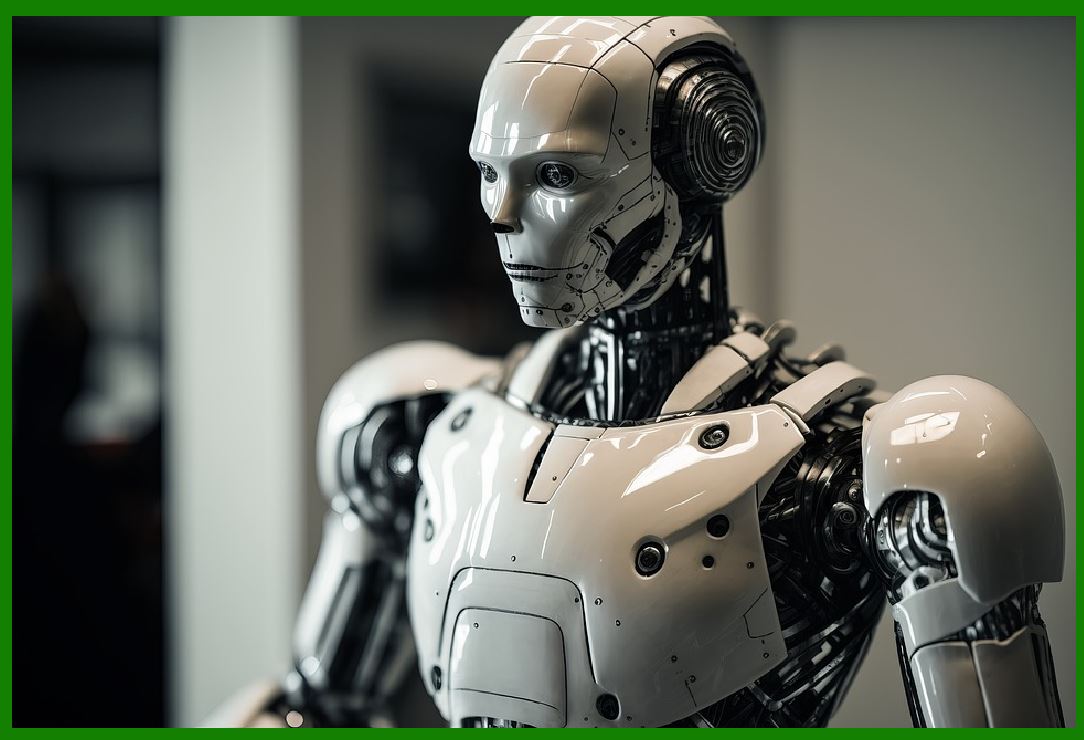
One of the most significant limitations of Cartesian robots is their rigid, linear structure. These robots are designed to operate along three perpendicular axes (X, Y, Z), which constrains their movement capabilities. In industries where tasks are becoming increasingly complex and dynamic, robots need to exhibit greater versatility, flexibility, and the ability to handle a variety of non-linear motions. Cartesian robots struggle in environments where rotation or angular positioning is required, limiting their adaptability. |
Impact of Challenge: As manufacturing and automation processes evolve, applications may require more versatile robots capable of performing intricate tasks that involve a combination of linear, rotational, and flexible movements. Articulated robots, which can rotate at multiple joints, and collaborative robots (cobots) that work alongside humans, are more adaptable and may replace Cartesian robots in certain applications. For instance, 3D assembly, complex part manipulation, and packaging applications that demand fine, multi-directional movements could be challenging for Cartesian systems to handle. |
Potential Solutions: Future improvements may include hybrid robot systems that combine the precise linear movement of Cartesian robots with additional degrees of freedom, or advanced control algorithms that simulate rotational movements within the confines of the Cartesian design. Additionally, the development of more flexible robotic arms or alternative robot architectures could allow Cartesian robots to maintain their precision while gaining some degree of adaptability. |
|
8.2 Space Requirements and Size Constraints |
The need for large working envelopes is another challenge for Cartesian robots, particularly in applications where space is at a premium. Although Cartesian robots are often more compact than other types of robots, their design still requires a significant amount of physical space to accommodate the three linear axes, actuators, rails, and motors. As industries move towards more compact and efficient manufacturing processes, this requirement for large operational areas could become a bottleneck. |
Impact of Challenge: As automation systems become smaller and more integrated, industries will increasingly prioritize robotic systems that can perform complex tasks within limited spaces. Cartesian robots, which are typically designed for large-scale operations like CNC machining, 3D printing, and heavy material handling, might not be able to compete with smaller, more flexible robots. Moreover, in industries like electronics or pharmaceuticals, where clean rooms and compact facilities are critical, the size and bulkiness of Cartesian robots could pose significant limitations. |
Potential Solutions: The development of miniaturized Cartesian robots or compact gantry systems could help address space limitations. Advances in lightweight materials, such as carbon fiber composites or advanced polymers, may reduce the overall size and weight of the robot, making it more suitable for confined spaces. Furthermore, innovations in robot design, such as reducing the footprint of the linear rails or integrating systems to occupy less space, could help address this challenge. |
|
8.3 Speed and Throughput Limitations |
Cartesian robots are generally slower compared to other robotic systems such as delta robots or articulated arms, especially in tasks that require high-speed motion. This is due to their mechanical design, where the movement of each axis is typically constrained by linear rails, screws, and motors that may not be optimized for high-speed operation. As industries move towards higher throughput and faster production cycles, Cartesian robots could struggle to meet these increasing demands. |
Impact of Challenge: In high-demand environments, such as automotive manufacturing, electronics assembly, or packaging, the ability to quickly and efficiently handle materials or components is crucial. Cartesian robots, with their inherently slower motion speed, might be outpaced by other robotic architectures, especially as the need for rapid cycles and high throughput intensifies. |
Potential Solutions: One solution is to focus on improving the speed and efficiency of the actuators and control systems used in Cartesian robots. This could involve using faster linear motors, upgrading control algorithms to optimize path planning, or implementing high-performance motors and drive systems that can handle higher speeds without sacrificing precision. Additionally, using parallel kinematics or multi-robot systems could help to overcome speed limitations by distributing tasks across multiple robots working in tandem. |
|
8.4 Energy Efficiency and Sustainability Concerns |
As with all industrial robots, energy consumption is a growing concern. Cartesian robots, particularly those that require large and heavy actuators, motors, and linear rails, can consume significant amounts of power during operation. In industries where sustainability and energy efficiency are becoming increasingly important, the environmental footprint of these robots may become a critical issue. |
Impact of Challenge: With global pressure to reduce carbon emissions and energy consumption, companies may be hesitant to invest in robotic systems that consume more power and have a larger environmental impact. Cartesian robots, especially those used in large-scale operations such as CNC machining or heavy material handling, can have a substantial energy footprint, which could become a competitive disadvantage. |
Potential Solutions: Energy-efficient actuators, such as brushless DC motors or direct-drive linear motors, could help reduce energy consumption. Additionally, the integration of renewable energy sources into robotic systems, such as solar panels or energy-efficient battery systems, could make Cartesian robots more sustainable. The development of lighter materials and more efficient mechanical components could also improve the overall energy efficiency of Cartesian robots. |
|
8.5 Integration with Smart Manufacturing and IoT |
As industries embrace the Fourth Industrial Revolution, there is a growing trend towards smart manufacturing, where robots are integrated into Internet of Things (IoT) ecosystems and communicate with other machines, sensors, and software platforms. While Cartesian robots are capable of being integrated into such systems, their rigid, standalone design may not be as easily adaptable to highly dynamic, interconnected production environments. |
Impact of Challenge: In the future, Cartesian robots will need to seamlessly integrate with other machines, sensors, and control systems to optimize production lines and improve decision-making. Their ability to communicate with cloud-based systems, adjust to real-time data inputs, and operate within a highly interconnected factory environment will be crucial for their continued relevance. Cartesian robots may struggle to match the flexibility and integration capabilities of more advanced robotic systems or those designed with Industry 4.0 in mind. |
Potential Solutions: Advancements in communication protocols, such as edge computing or machine-to-machine communication, could enable Cartesian robots to be more easily integrated into smart manufacturing ecosystems. The development of modular, IoT-enabled Cartesian robots, equipped with sensors, vision systems, and data interfaces, could make them more adaptable and capable of interacting with other machines and systems in real-time. Additionally, incorporating machine learning and artificial intelligence into the control systems could improve the robot's ability to autonomously adjust to changing conditions. |
|
8.6 Complexity in Customization and Maintenance |
Although Cartesian robots are simpler than other robotic systems in terms of design and operation, they can still present challenges in terms of customization for specific applications. Modifying a Cartesian robot to fit a particular use case may involve designing custom components, adding specialized sensors, or adapting the control software to meet specific performance requirements. This complexity can make Cartesian robots less flexible in environments that demand frequent changes or updates. |
Impact of Challenge: In industries where customization is important, such as research and development, or where frequent product changes are necessary, the ability to quickly adapt or reprogram a Cartesian robot is crucial. A rigid or difficult-to-modify system could result in higher downtime and increased operational costs. |
Potential Solutions: Future Cartesian robots may incorporate more modular designs that allow for easier customization and integration of new components. Standardized interfaces, plug-and-play components, and user-friendly programming environments could make it easier to modify and maintain Cartesian robots for different tasks. Predictive maintenance systems, powered by data analytics and IoT integration, could also help reduce downtime by identifying issues before they lead to failure, allowing for more proactive maintenance. |

|
9. Conclusion: Navigating the Future of Cartesian Robots |
As Cartesian robots continue to be a fundamental part of automation in various industries, they will need to evolve to address emerging challenges such as limited flexibility, space constraints, speed limitations, and sustainability concerns. However, their inherent precision, reliability, and cost-effectiveness will likely continue to make them a preferred choice for specific applications that require high accuracy and straightforward design. |
To remain competitive and relevant in the future, Cartesian robots will need to integrate more seamlessly with the evolving landscape of smart manufacturing, IoT, and Industry 4.0. Innovation in materials, energy efficiency, modularity, and advanced control systems will be crucial in overcoming their current limitations. While Cartesian robots may not be suitable for every application, their role in high-precision, heavy-load tasks remains indispensable, and their continued evolution will ensure that they remain a key player in the future of automation. |
 cs@easiersoft.com