Challenges of Implementing Barcode Scanning Robots |
1.Introduction to Barcode Scanning Robots In the contemporary world, automation has revolutionized the way businesses operate, particularly in industries like logistics, manufacturing, and retail. Barcode scanning robots represent one such advancement, designed to automate the task of scanning barcodes in warehouses, retail environments, or on assembly lines. These robots improve efficiency, reduce human error, and enable faster data capture for inventory management and order processing. However, while the implementation of barcode scanning robots brings about many benefits, it also presents significant challenges. These challenges can range from technological difficulties to human factors and organizational constraints. |
|
2.Technical Challenges in Implementing Barcode Scanning Robots The implementation of barcode scanning robots involves various technical hurdles that must be overcome to ensure successful deployment and integration into existing systems. |
2.1. Barcode Readability Issues |
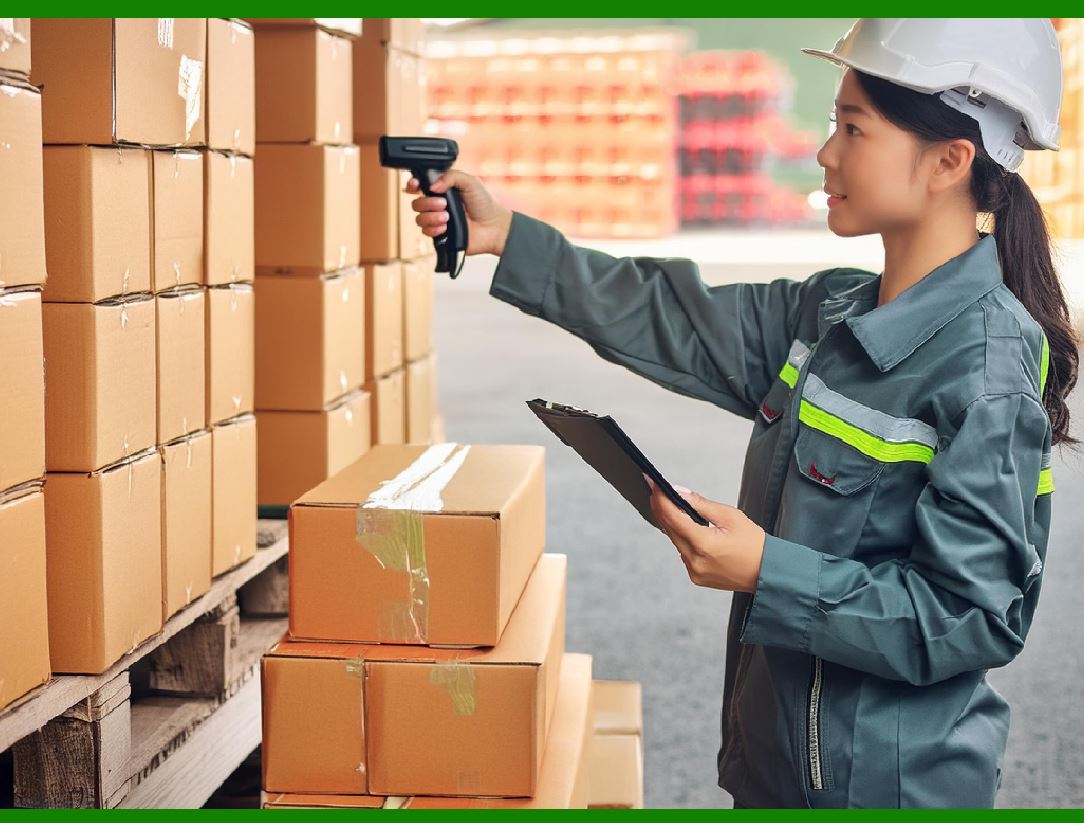
Barcode scanning robots are designed to read barcodes quickly and accurately, but this task can be complicated by several factors. Barcodes can become damaged, obscured, or poorly printed, making them difficult or impossible to read. Variations in lighting conditions, shadows, or dirt on the barcode can also hinder scanning performance. Robots may struggle with reading damaged or faded barcodes, and this can lead to delays or errors in the system. Overcoming these issues requires advanced image recognition technology and the ability to interpret imperfect barcodes, which necessitates high-quality sensors and software capable of identifying partial or unclear barcodes. |
2.2. Environmental Factors |
The environment in which barcode scanning robots operate is often unpredictable and harsh. Factors such as dust, humidity, temperature extremes, and exposure to chemicals can all affect the performance and longevity of the scanning robot. In warehouses or manufacturing plants, robots might face challenging conditions, including wet floors, obstacles, and high-speed conveyor systems. Barcode scanning robots must be engineered to function reliably under these conditions, which demands robust hardware, reliable sensors, and comprehensive environmental testing during development. |
2.3. Integration with Existing Systems |
A common technical challenge in implementing barcode scanning robots is the integration with existing IT and warehouse management systems (WMS). Barcode scanning robots need to seamlessly communicate with other parts of the supply chain, inventory databases, and order management systems. This requires compatibility with existing software platforms, data formats, and networking protocols. Often, businesses have legacy systems that are not designed to interface with modern robotic technology. The challenge lies in ensuring that the robotic systems can communicate in real time with these legacy systems without causing disruptions or requiring costly upgrades. |
2.4. Scalability of the Technology |
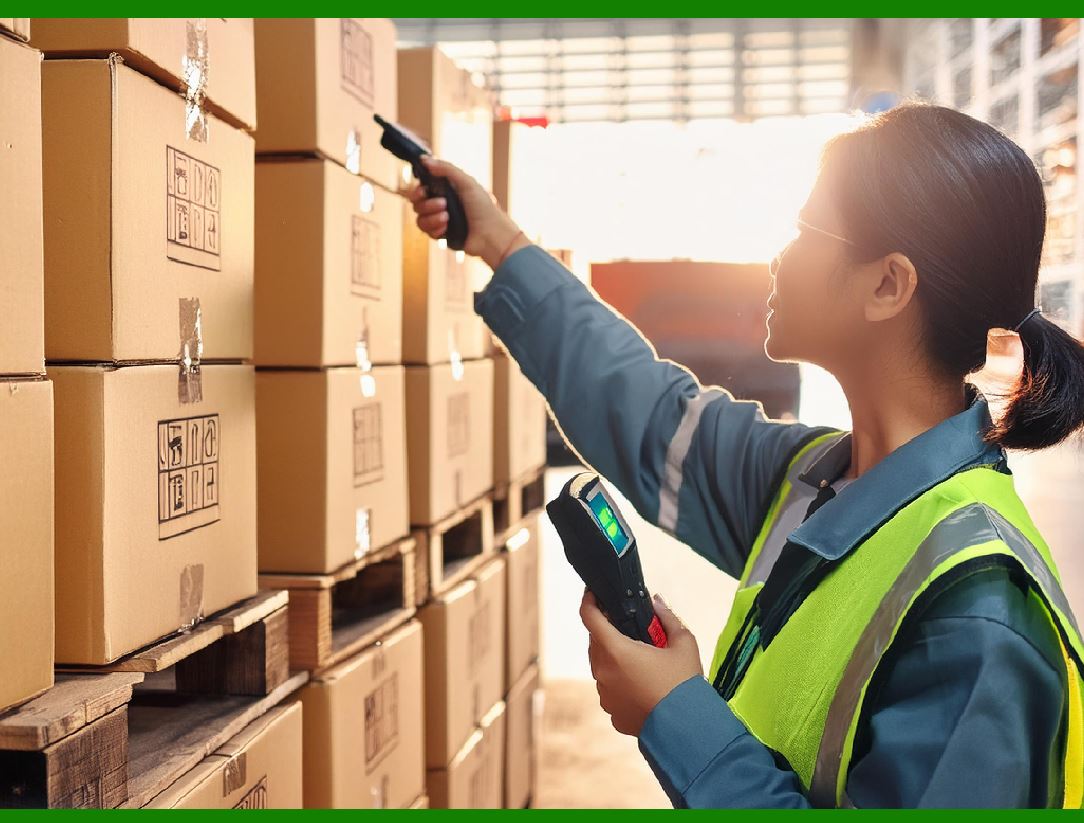
Scaling barcode scanning robots to fit the size and demands of larger operations is another complex challenge. A warehouse or distribution center with hundreds or thousands of items requires a network of robots working together efficiently to scan all barcodes. Ensuring that the robots can coordinate their activities, share information, and function optimally in a larger network environment requires sophisticated systems for robot scheduling, task allocation, and data synchronization. Additionally, as the number of robots increases, so too does the need for high-performance computing power and robust wireless connectivity. |
|
3.Operational Challenges in Barcode Scanning Robot Deployment Implementing barcode scanning robots is not only a technical endeavor; it also requires significant consideration of operational factors. These challenges pertain to the day-to-day management, efficiency, and overall effectiveness of the robots in a business setting. |
3.1. Workforce Displacement Concerns |
One of the most significant operational challenges when implementing barcode scanning robots is the concern over workforce displacement. Automation often leads to the reduction of human labor in repetitive tasks like barcode scanning. Employees may worry about job security, and this can lead to resistance from the workforce. Businesses need to manage this transition by providing retraining and reskilling opportunities for workers. Instead of replacing jobs, the focus should be on augmenting the workforce, allowing employees to focus on more strategic and complex tasks while robots handle the repetitive, physically demanding work. |
3.2. Robot Maintenance and Downtime |
Barcode scanning robots require regular maintenance and troubleshooting to keep them operating effectively. These robots are complex machines, and like any other piece of automated equipment, they are subject to wear and tear. Maintenance tasks include calibrating sensors, replacing worn-out parts, updating software, and ensuring that the robots' mobility systems (if applicable) are functioning correctly. Extended downtime due to malfunctions or maintenance can lead to disruptions in operations, especially in high-demand environments. Additionally, troubleshooting issues in robots can require specialized skills, which may not be readily available in-house, adding an extra layer of complexity to the operational process. |
3.3. Training and Skill Development |
Introducing barcode scanning robots into an organization requires workers to gain new skills in interacting with and managing the robots. Employees must be trained to monitor robot performance, troubleshoot minor issues, and understand the software that operates the robots. Although robots are designed to be user-friendly, their implementation may require employees to learn how to interact with them, interpret data, and perform routine maintenance. This often necessitates investing in comprehensive training programs, which can take time and resources. Additionally, organizations must ensure that the robots' operations integrate well with the overall workflow, meaning that workers need to understand both the manual and automated processes in the supply chain. |
3.4. Robot Coordination and Task Allocation |
In large-scale environments, the coordination between multiple barcode scanning robots becomes crucial. The robots must be able to work together efficiently to avoid redundancy and ensure that tasks are completed as quickly as possible. Task allocation algorithms must be in place to determine which robot should scan which barcode at any given time. These algorithms must consider factors such as the current position of the robots, the locations of the barcodes to be scanned, and the priority of the tasks. Ineffective task allocation can lead to inefficiencies, delays, and bottlenecks in operations. |

|
4.Financial and Economic Challenges The financial implications of implementing barcode scanning robots are significant and cannot be overlooked. These costs involve not just the purchase price of the robots but also long-term operational and maintenance expenses. |
4.1. Initial Investment Costs |
The upfront costs of purchasing and deploying barcode scanning robots can be substantial. This includes the price of the robots themselves, as well as any associated infrastructure such as docking stations, charging systems, and the necessary hardware for integration with existing IT systems. The high cost of robotics technology, particularly advanced robotic arms or mobile units with complex sensors and scanning systems, can be a major barrier for small and medium-sized enterprises (SMEs) looking to adopt automation. In addition, there may be additional costs related to installing software and developing customized solutions that are tailored to the specific needs of the business. |
4.2. Ongoing Operational Costs |
Beyond the initial investment, businesses must also contend with the ongoing costs of running and maintaining barcode scanning robots. This includes the cost of electricity to charge the robots, routine maintenance and repair, software updates, and any necessary staffing to monitor the robots' performance. While barcode scanning robots can reduce labor costs in the long run, the initial and ongoing financial burden can be a significant obstacle, particularly for companies that operate on thin margins. |
4.3. Return on Investment (ROI) Uncertainty |
Determining the return on investment for barcode scanning robots can be challenging, especially in the short term. While robots can lead to increased productivity, reduced error rates, and fewer workplace injuries, calculating the precise financial benefits is often complex. ROI depends on various factors, including the volume of items scanned, the cost of human labor, maintenance costs, and the efficiency gains realized through automation. Businesses may struggle to quantify these benefits in the early stages, making it difficult to justify the upfront investment to stakeholders. |

|
5.Human Factors and Organizational Challenges The human aspect of implementing barcode scanning robots is often underestimated. Effective integration of robotics into a business requires careful attention to the organizational structure, company culture, and employee needs. |
5.1. Employee Resistance to Change |
As with any technological innovation, the implementation of barcode scanning robots can face resistance from employees who are apprehensive about change. Workers may be uncomfortable with the idea of interacting with robots, particularly if they feel threatened by automation. This resistance can manifest in a variety of ways, from reluctance to embrace new technology to outright opposition to the robots. Overcoming this challenge requires clear communication about the benefits of automation, as well as involving employees in the transition process. Creating an environment where workers see robots as tools to enhance their roles rather than replace them can foster greater acceptance. |
5.2. Adapting Organizational Culture |
The adoption of barcode scanning robots may require a shift in organizational culture. Employees, managers, and leaders must be open to the changes that automation brings. This might involve a move toward a more tech-centric culture where continuous learning and adaptation are encouraged. For some organizations, this cultural shift can be difficult, especially if employees are accustomed to traditional methods of working. Fostering a culture that embraces technological advancements and automation requires strong leadership, clear communication, and the involvement of employees in the decision-making process. |
5.3. Health and Safety Considerations |
Another critical human factor is ensuring that barcode scanning robots do not compromise the health and safety of workers. Robots must be designed with safety protocols in mind, particularly when working in environments that involve human interaction. This includes ensuring that robots are equipped with sensors to prevent collisions with people, that their movements are predictable and safe, and that they do not create hazards in the workplace. Additionally, businesses must address any potential psychological concerns regarding worker safety and trust in the robotic systems. Ensuring a smooth collaboration between human workers and robots requires addressing these health and safety considerations. |

|
6.Conclusion The implementation of barcode scanning robots offers immense benefits in terms of efficiency, accuracy, and cost reduction. However, the challenges associated with their adoption are significant and multifaceted. Overcoming technical difficulties, operational barriers, financial constraints, and human factors requires careful planning, investment, and a commitment to change management. Businesses must be prepared to invest in training, maintenance, and system integration while managing the human elements of automation, such as employee acceptance and safety. Despite these challenges, the successful implementation of barcode scanning robots can lead to long-term improvements in productivity and competitiveness in an increasingly automated world. |

|
New Technologies That Will Improve Barcode Scanning Robots in the Future |
The future of barcode scanning robots is tied to the evolution of various technologies that will enhance their performance, reduce existing challenges, and open up new possibilities for automation. Several emerging technologies have the potential to significantly improve the efficiency, accuracy, and integration of barcode scanning robots in various industries. Below are some of the key technologies that will drive improvements in this space. |
1. Artificial Intelligence (AI) and Machine Learning (ML) |
AI and machine learning are already beginning to play a pivotal role in improving barcode scanning robots. These technologies are set to evolve further, offering several benefits: |
1.1. Improved Barcode Recognition |
AI-powered image recognition algorithms can vastly improve the accuracy of barcode scanning. Traditional barcode readers often struggle with distorted, damaged, or poorly printed barcodes, leading to errors. AI can enhance the ability to interpret even degraded or partial barcodes, allowing robots to scan barcodes with more tolerance for imperfections. |
Machine learning algorithms can continuously 'learn' from the data they process, adapting and improving over time. As a result, barcode scanning robots equipped with AI could become more adept at interpreting different types of barcodes, adjusting to various environmental factors (e.g., lighting conditions, orientation, and barcode placement), and even recognizing barcodes on non-traditional surfaces or objects. |
1.2. Predictive Maintenance |
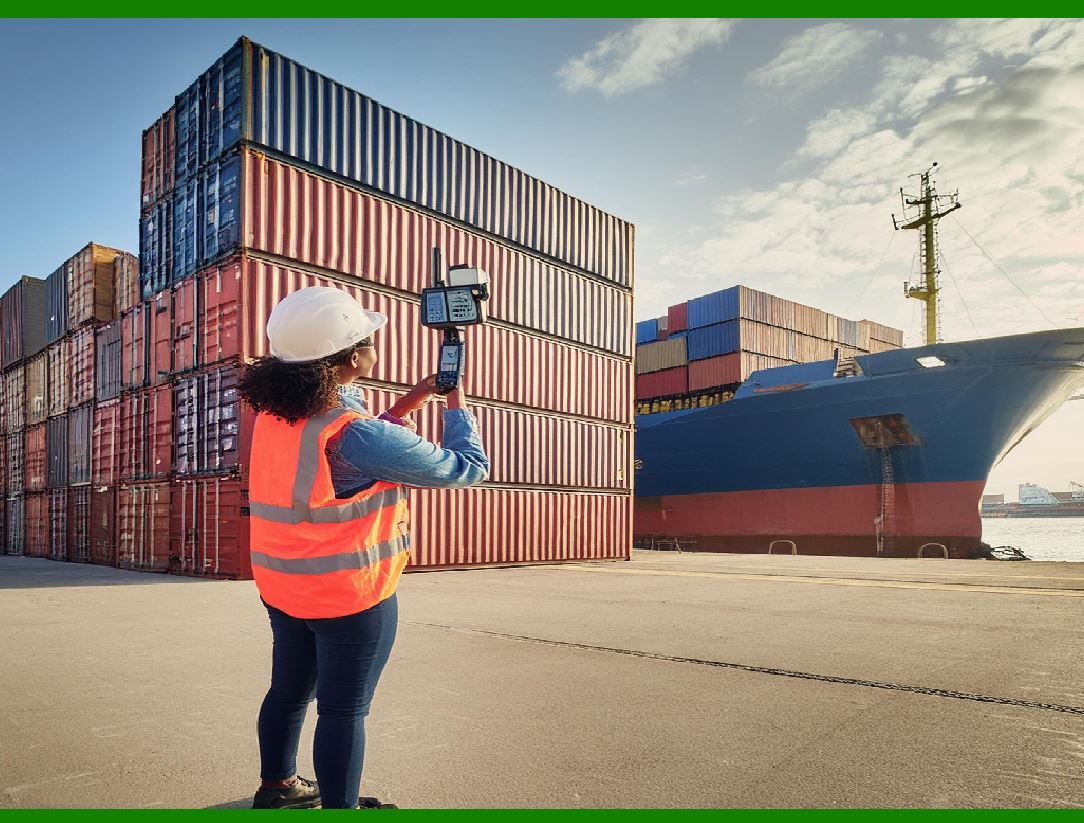
AI will also help improve the operational lifespan of barcode scanning robots through predictive maintenance. By analyzing the data from sensors and robotic systems, AI can detect patterns that indicate potential issues, such as battery degradation, wear and tear on mechanical parts, or software glitches. This allows companies to conduct maintenance proactively, reducing downtime and increasing the reliability of robots. |
|
2. 3D Imaging and Advanced Optical Technology |
Barcode scanning robots have traditionally relied on 2D imaging systems to read barcodes. However, advances in 3D imaging and optical technology will significantly improve their scanning capabilities. |
2.1. Enhanced Scanning Capabilities |
3D imaging systems use depth sensors, lasers, and advanced optics to capture detailed 3D models of objects, which can be used to identify and read barcodes in challenging or cluttered environments. Unlike traditional 2D scanning, which is dependent on the angle and lighting of the barcode, 3D systems can work in complex scenarios, such as scanning barcodes on irregular surfaces, in tight spaces, or from different angles. |
In warehouses or retail environments with high-density shelving and varying levels of clutter, a 3D barcode scanner would be much more effective at reading barcodes that are partially obscured or located in difficult-to-reach places. |
2.2. Multi-Barcode and High-Speed Scanning |
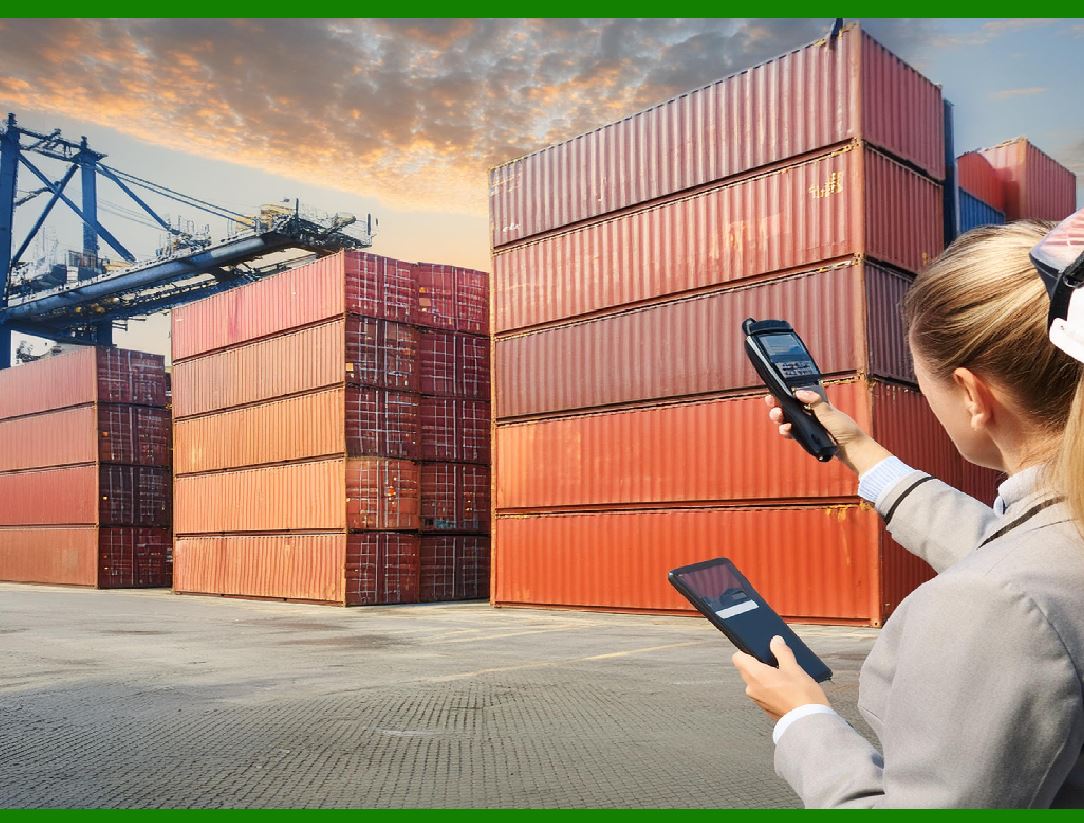
The evolution of multi-camera systems and advanced optical sensors will also make it possible to scan multiple barcodes at once, even when they are located on different items or at various angles. This would significantly improve scanning speed, especially in high-volume environments like distribution centers. Robots equipped with these advanced optical systems would be able to process barcodes much more quickly and accurately, leading to increased throughput and reduced bottlenecks. |
|
3. Robotic Process Automation (RPA) and Autonomous Systems |
Barcode scanning robots will also benefit from advancements in Robotic Process Automation (RPA) and autonomous system technologies. These improvements will enable robots to perform more complex tasks and work more effectively within integrated systems. |
3.1. Fully Autonomous Operation |
While current barcode scanning robots often require human oversight and intervention, future advancements in autonomy will allow robots to operate entirely independently. This includes not only scanning barcodes but also making decisions about the most efficient route to take within a warehouse, identifying which barcodes are ready to be scanned, and recharging or maintaining themselves without human input. |
Advanced algorithms and autonomy systems will allow barcode scanning robots to learn and adapt to changing conditions in real time, meaning they will be able to autonomously navigate new environments, adjust to shifting workflows, and prioritize tasks based on operational needs. |
3.2. Collaboration with Other Robots |
Future barcode scanning robots will be able to collaborate with other robots in a fleet to perform complex tasks. For example, robots could pass items between each other to optimize barcode scanning or coordinate with inventory robots to update stock levels as barcodes are scanned. This inter-robot communication will help streamline operations and reduce inefficiencies, allowing for a more synchronized workflow. |

|
4. Edge Computing and Cloud Integration |
As barcode scanning robots become more autonomous, the ability to process data quickly and efficiently at the point of action becomes increasingly important. Edge computing and cloud technologies are poised to play an important role in improving both the performance and the scalability of barcode scanning robots. |
4.1. Real-Time Data Processing |
Edge computing involves processing data locally on the robot or within a nearby system, as opposed to sending it all to a central cloud server for processing. By using edge computing, barcode scanning robots can reduce latency and make real-time decisions based on the data they collect. For example, the robot can instantly adjust its scanning algorithm based on environmental changes, such as lighting conditions or barcode quality. |
This real-time processing also allows robots to make quick adjustments in complex environments, improving the accuracy and speed of barcode reading. For instance, if the robot detects a barcode that is slightly damaged, it can make immediate adjustments to the scanning method, without waiting for external server feedback. |
4.2. Cloud Integration for Analytics and Optimization |
While edge computing will help robots make decisions locally, cloud computing will still play an essential role in larger-scale optimization. By sending data to the cloud, companies can gain insights into robot performance, usage patterns, and environmental conditions. Cloud platforms will enable businesses to monitor the overall health of their robotic fleets, analyze trends, and implement continuous improvements. |
Cloud-based systems will also allow for easy software updates and the integration of new features, which can be rolled out to a fleet of barcode scanning robots with minimal downtime. For instance, if a new barcode standard or scanning technique emerges, it can be updated centrally and distributed across the robots, ensuring that all systems remain up-to-date without manual intervention. |

|
5. Advanced Sensors and Communication Technologies |
The development of advanced sensors and communication technologies will greatly enhance the capabilities of barcode scanning robots. These technologies will improve navigation, accuracy, and the overall intelligence of robotic systems. |
5.1. LiDAR (Light Detection and Ranging) for Navigation |
LiDAR technology, which uses lasers to measure distances, is increasingly being used in autonomous robots for navigation and object detection. LiDAR-equipped barcode scanning robots will be able to navigate through cluttered environments with precision, avoiding obstacles, and adjusting their path without human intervention. The high-resolution 3D mapping generated by LiDAR will allow robots to build more accurate models of their surroundings, improving their ability to locate and scan barcodes in dynamic environments. |
In warehouses with complex shelving systems or tight aisles, LiDAR technology can also be used to detect free spaces, ensuring that robots do not collide with inventory or other equipment. |
5.2. 5G and Low-Latency Networks |
5G and other low-latency communication networks will improve the speed at which barcode scanning robots exchange data with each other and with centralized systems. The high bandwidth and low latency of 5G will enable real-time data transmission, allowing robots to communicate with each other and share task information instantly. This will be particularly beneficial in large-scale environments where multiple robots need to coordinate their activities, such as in fulfillment centers or factories. |
With faster communication networks, robots will be able to receive updates on inventory status, barcode accuracy, and changes to operational priorities without delay, which will enhance their overall efficiency and adaptability. |
|
6. Blockchain Technology for Data Integrity and Security |
Blockchain technology could play a crucial role in ensuring the integrity and security of the data generated by barcode scanning robots, particularly in supply chain management and logistics. |
6.1. Secure Data Management |
Blockchain's decentralized and tamper-proof nature makes it ideal for applications requiring secure data tracking, such as inventory management and product tracing. Each time a barcode is scanned, the event could be recorded on a blockchain, creating an immutable record of the transaction. This would ensure that the data collected by barcode scanning robots is accurate, tamper-resistant, and easily auditable. |
For industries like pharmaceuticals or food logistics, where regulatory compliance and traceability are critical, blockchain could provide a secure and transparent way to track products as they move through the supply chain. By combining blockchain with barcode scanning robots, businesses can improve trust and accountability in their operations. |
|
7. Augmented Reality (AR) for Enhanced User Interaction |
Augmented reality (AR) will enhance the interaction between human operators and barcode scanning robots, particularly in environments where manual oversight is required. With AR glasses or heads-up displays, operators will be able to see real-time data, robot diagnostics, and barcode information superimposed onto their field of vision. This can help workers monitor and control barcode scanning robots more effectively, while also assisting with troubleshooting. |
|
Conclusion |
The future of barcode scanning robots is bright, with numerous technologies poised to overcome current challenges and unlock new possibilities. AI, machine learning, 3D imaging, edge computing, advanced sensors, and communication technologies like 5G will all contribute to making these robots more efficient, accurate, and autonomous. As these technologies mature, barcode scanning robots will become more integrated into larger automated systems, enhancing productivity and creating new opportunities for businesses to optimize their operations. |
 cs@easiersoft.com