Challenges of Service & Consumer Robots | The development of service and consumer robots has gained significant attention in recent years, with the rise of advanced robotics and artificial intelligence (AI). These robots are designed to perform various tasks in a range of environments, from homes to hospitals, restaurants, and retail stores. Despite their potential to revolutionize industries, the deployment of service and consumer robots comes with a number of challenges. These challenges encompass technical, ethical, social, and economic aspects that need to be addressed in order for these robots to achieve widespread adoption. In this article, we will explore the challenges of service and consumer robots in detail, focusing on their limitations, safety concerns, economic implications, and societal impacts. | 
| 1. Technical Challenges | The development of service and consumer robots involves the integration of advanced technologies such as AI, machine learning, robotics engineering, and human-robot interaction (HRI). However, despite significant advancements, several technical challenges remain. | 1.1 Autonomy and Navigation Service and consumer robots are often required to operate autonomously in dynamic environments. This involves complex tasks such as navigation, obstacle avoidance, and decision-making. For instance, robots deployed in homes, offices, or hospitals must navigate around furniture, people, and unexpected obstacles. While current robots are equipped with sensors like LIDAR, cameras, and ultrasonic sensors to gather data about their surroundings, these systems can still struggle in complex environments. Robots may have difficulty distinguishing between different objects, especially in cluttered spaces. Additionally, changes in the environment, such as moving furniture or new obstacles, can cause robots to lose their sense of direction and disrupt their operations. | 1.2 Human-Robot Interaction (HRI) Service robots are designed to work alongside humans, which requires them to understand and respond to human actions, gestures, and commands. However, effective communication and interaction between humans and robots remain a challenge. One key issue is the robot's ability to recognize human emotions, intentions, and verbal cues. While some robots are equipped with speech recognition software and facial recognition systems, the complexity of human behavior often exceeds the capabilities of current robots. For instance, robots may have difficulty interpreting sarcasm, tone of voice, or ambiguous gestures. Additionally, designing robots that can engage in natural, intuitive conversations with humans remains a significant hurdle. | 1.3 Energy Efficiency and Battery Life Many service robots, especially mobile ones, rely on batteries for power. The battery life of a robot is crucial to its functionality, particularly when it is required to perform long-duration tasks. However, current battery technology is limited in terms of energy density, which affects the robot's ability to operate continuously for extended periods. Furthermore, recharging stations must be strategically placed to ensure that robots can autonomously return to recharge when their battery levels are low. Without significant improvements in battery technology, the autonomy and practicality of service robots will remain limited. | 1.4 AI and Learning Capabilities Artificial intelligence plays a vital role in the functionality of service robots. AI algorithms are used to enable robots to learn from their experiences, adapt to new environments, and make decisions based on data. However, the current state of AI is far from perfect. Robots often struggle with understanding context, handling uncertainties, and making complex decisions in real-time. This is particularly true in environments where robots must interact with unpredictable human behavior or respond to emergencies. While machine learning algorithms have made great strides, the complexity and variety of real-world scenarios present a significant challenge for robots to generalize their knowledge and perform consistently. | 
| 2. Safety Concerns | Safety is a paramount concern when deploying service and consumer robots in human environments. Both physical and cybersecurity issues need to be addressed to ensure the safe operation of robots. | 2.1 Physical Safety Service robots that interact with humans must be designed to avoid causing harm, especially in environments where they are in close proximity to people. Robots with moving parts, such as arms, legs, or wheels, can pose risks if they malfunction or are not programmed with proper safety protocols. There have been cases where robots unintentionally harmed people by striking them or pinching their skin. Additionally, the rapid pace of robot development means that safety standards may lag behind technological advancements. As robots become more integrated into everyday life, rigorous safety testing and certification are required to ensure that they pose no threat to human well-being. | 2.2 Cybersecurity Risks Service robots often rely on cloud-based systems to process data, update software, and interact with other devices. This connectivity creates opportunities for hackers to exploit vulnerabilities in the robot's software or communication channels. For instance, malicious actors could gain control of a robot, causing it to behave erratically or perform harmful actions. As robots become more widespread and connected to other smart devices in homes and workplaces, the risk of cyberattacks increases. Ensuring robust cybersecurity measures, such as encryption and secure communication protocols, is essential to protect both the robots and the users who rely on them. | 2.3 Privacy Concerns Many service robots collect data about their environment and the people they interact with. For instance, home service robots may use cameras and microphones to gather information, which raises concerns about privacy. Users may be uncomfortable with the idea that robots are constantly monitoring their activities or collecting sensitive data. In public spaces, such as airports or retail stores, robots may inadvertently capture personal information about individuals, leading to potential privacy violations. Clear guidelines and regulations surrounding data collection, storage, and usage are necessary to address these concerns and ensure that users' privacy rights are respected. | 
| 3. Ethical and Social Implications | The introduction of service and consumer robots into society raises important ethical and social issues. These robots are designed to perform tasks that were once carried out by humans, which raises concerns about the impact on employment, social interactions, and human dignity. | 3.1 Job Displacement One of the most significant concerns surrounding the adoption of robots is their potential to displace human workers. As robots become more capable of performing tasks such as cleaning, cooking, caregiving, and even customer service, many people fear that automation will lead to widespread job losses. Certain industries, such as retail and hospitality, may see a reduction in the demand for human workers as robots become more efficient and cost-effective. While automation has the potential to improve productivity and reduce costs, it also creates challenges for workers who may be displaced by technology. Governments and businesses must consider policies to retrain workers and provide support to those whose jobs are at risk. | 3.2 Human-Robot Relationships As robots become more integrated into people's lives, the nature of human-robot relationships becomes an area of interest and concern. Service robots are often designed to engage with humans on an emotional level, offering companionship, assistance, or care. However, this raises questions about the emotional and psychological impact of forming relationships with machines. For example, elderly individuals who rely on robots for companionship may develop emotional attachments, which could have negative consequences if the robot malfunctions or is no longer available. Furthermore, as robots become more human-like, there is a risk that people may begin to form unhealthy dependencies on them, reducing their social interactions with other people. | 3.3 Bias and Discrimination AI and machine learning algorithms are only as good as the data they are trained on. If the data used to train service robots is biased or incomplete, there is a risk that the robot will exhibit discriminatory behavior. For example, facial recognition algorithms have been shown to perform less accurately for people with darker skin tones or women. If robots are deployed in public spaces, such as customer service roles or security positions, biased decision-making could lead to unfair treatment of certain individuals or groups. Addressing bias in AI systems is critical to ensuring that robots are designed and deployed in a fair and equitable manner. | 
| 4. Economic and Business Challenges | The commercial viability of service and consumer robots depends on their ability to offer value to consumers and businesses. However, several economic challenges must be overcome before robots can achieve widespread adoption. | 4.1 High Initial Costs The development, manufacturing, and deployment of service robots often involve significant upfront costs. These robots require advanced sensors, processors, and software, which can make them expensive to produce. For consumers, this translates into high purchase prices, which can make robots inaccessible to many people. For businesses, the costs associated with deploying robots in service industries can be a barrier to adoption. While robots can offer long-term cost savings by improving efficiency and reducing labor costs, the initial investment required can be prohibitively high, especially for small and medium-sized businesses. | 4.2 Limited Scalability Currently, many service robots are designed for specific tasks or environments, making it difficult to scale their use across different sectors or industries. For example, a robot designed for use in a hospital may not be suitable for use in a restaurant or retail store. The lack of standardized platforms and interchangeable components limits the ability to scale robot deployments and reduces the potential for mass adoption. To overcome this challenge, manufacturers will need to develop more versatile robots that can be easily adapted to different applications. | 4.3 Consumer Acceptance Consumer acceptance is another significant challenge in the widespread adoption of service robots. While there is growing interest in robots for tasks such as home cleaning and personal assistance, many people remain hesitant about welcoming robots into their homes or workplaces. Concerns about safety, privacy, and reliability are common reasons for this reluctance. Moreover, the public's perception of robots as cold, impersonal machines may limit their appeal. Overcoming these barriers will require manufacturers to address consumer concerns through education, improved user interfaces, and better design. Furthermore, creating robots that are more relatable and capable of forming emotional connections with users could help to increase their acceptance. | 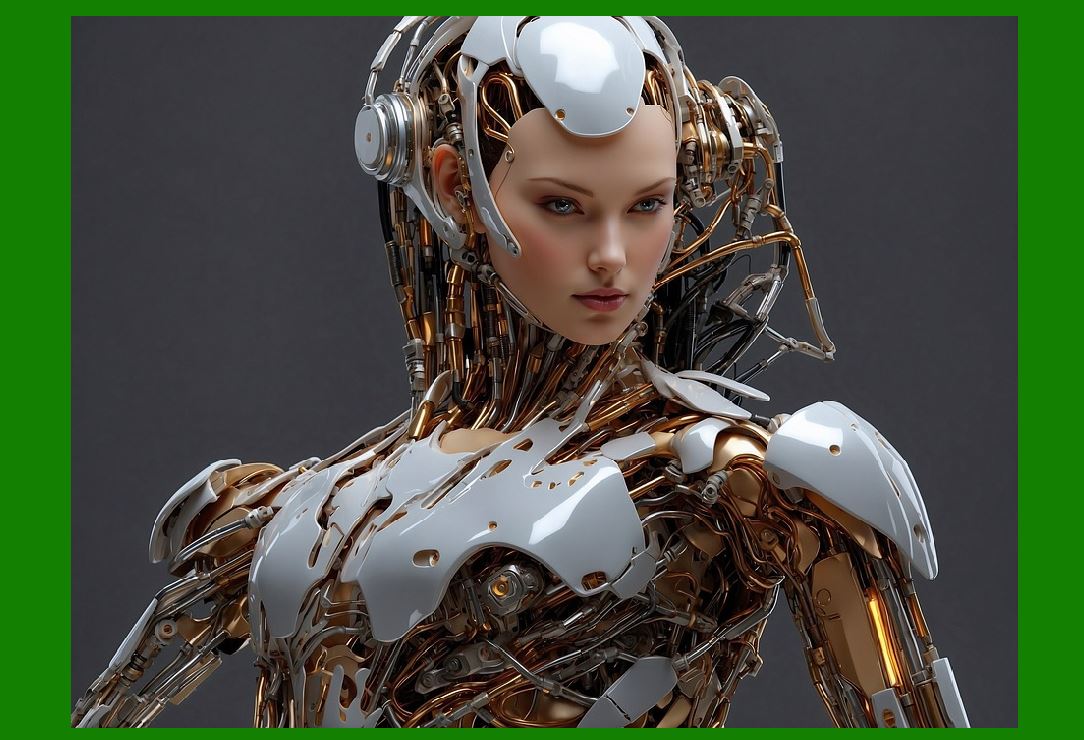
| 5. Regulatory and Legal Issues | As service and consumer robots become more prevalent, governments will need to develop regulations and legal frameworks to govern their use. These regulations must address safety, privacy, liability, and other legal concerns. | 5.1 Safety Standards Given the potential risks associated with robots, safety standards must be developed to ensure that robots operate in a safe and predictable manner. These standards should cover areas such as physical design, motion control, and emergency response. Regulatory bodies will need to work closely with manufacturers to establish guidelines that ensure the safety of both the robots and the people they interact with. | 5.2 Liability and Accountability As robots become more autonomous, determining liability in the event of accidents or malfunctions becomes increasingly complex. For example, if a robot causes harm to a person or damages property, who is responsible for the incident? Is it the manufacturer, the owner, or the robot itself? Legal systems will need to evolve to address these issues and establish clear rules for liability and accountability. Additionally, insurance companies may need to develop new policies to cover risks associated with robotic systems. | 5.3 Intellectual Property As robots become more sophisticated, issues related to intellectual property (IP) will also come to the forefront. Developers and manufacturers of robots may seek patents for their innovations, leading to potential disputes over IP rights. These disputes could hinder the development of new technologies and limit the growth of the robot industry. Clear IP laws and frameworks will be necessary to ensure that innovation is protected while fostering collaboration and competition in the robotics sector. | 
| Conclusion | The development and deployment of service and consumer robots present a host of challenges that span technical, ethical, economic, and regulatory domains. While robots have the potential to transform industries and improve quality of life, addressing these challenges is essential for their successful integration into society. Continued advancements in AI, robotics, and human-robot interaction, along with careful consideration of safety, privacy, and ethical concerns, will be crucial in overcoming the obstacles that currently stand in the way of widespread robot adoption. By addressing these challenges, we can unlock the full potential of service and consumer robots and pave the way for a future where robots and humans coexist harmoniously. | 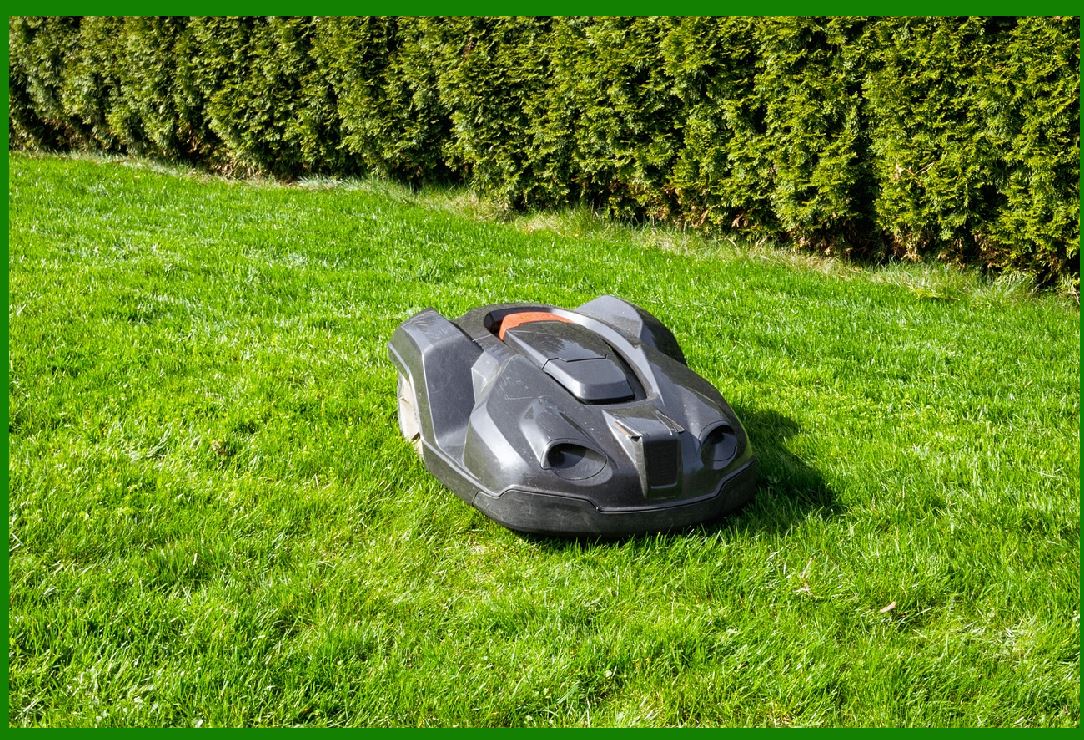
| New Technologies That Will Improve Service & Consumer Robots in the Future | The challenges faced by service and consumer robots are substantial, but significant advancements in various technologies hold the promise of overcoming many of these obstacles. Future innovations in robotics, artificial intelligence (AI), energy storage, human-robot interaction (HRI), and cybersecurity could significantly enhance the capabilities, safety, and acceptance of robots in both service and consumer contexts. Below are some of the emerging technologies that are likely to improve service and consumer robots in the future. | 1. Advancements in Artificial Intelligence (AI) | 1.1 Deep Learning and Reinforcement Learning AI plays a critical role in enabling robots to make intelligent decisions, adapt to new environments, and interact effectively with humans. Deep learning, which involves training large neural networks on vast amounts of data, will continue to improve the ability of robots to recognize objects, understand speech, and make decisions based on context. Reinforcement learning (RL), a type of machine learning where agents learn by interacting with their environment and receiving feedback, will also play a crucial role. RL allows robots to continuously improve their performance by learning from mistakes and adapting their behavior in real-time. | Future breakthroughs in deep learning and reinforcement learning will enable robots to develop more robust and sophisticated decision-making skills. They will be better able to navigate complex environments, recognize patterns, and engage in natural, intuitive conversations with humans. This will improve not only robot autonomy but also their ability to interact meaningfully with users, making them more adaptable and reliable in diverse settings. | 1.2 Natural Language Processing (NLP) Natural language processing (NLP) is an area of AI focused on enabling machines to understand and generate human language. Advances in NLP, powered by large language models like GPT, BERT, and T5, will enhance a robot's ability to interpret, process, and respond to human commands. Future robots will be able to understand subtleties like tone, humor, and context in conversations, allowing them to engage in more natural and fluid interactions with users. NLP improvements will also help robots better understand and respond to multi-step instructions, perform voice-based tasks more accurately, and handle ambiguous or incomplete information. | 
| 2. Improved Robotics and Sensors | 2.1 Soft Robotics Soft robotics is an emerging field that focuses on creating robots made from flexible, deformable materials rather than rigid parts. These robots are typically safer and more adaptable to different environments, which makes them ideal for interacting with humans in dynamic or cluttered spaces. Soft robots could address many current limitations in physical safety, as they are less likely to cause harm when they come into contact with people. For instance, soft robotic arms or grippers could be used in caregiving or healthcare environments where delicate handling of patients is essential. In the future, soft robots may become more capable and efficient, expanding their applications to household chores, hospitality, and other service sectors. | 2.2 Advanced Sensors Robots rely on sensors such as cameras, LiDAR (Light Detection and Ranging), ultrasound, and infrared to perceive their environment. However, current sensor technologies still have limitations in terms of accuracy, range, and the ability to process complex data in real time. Emerging sensor technologies, such as next-generation LiDAR, advanced depth-sensing cameras, and radar sensors, will dramatically improve robots' perception capabilities. These sensors will enable robots to better detect objects, understand depth and distance, and function reliably in low-light or cluttered environments. | Multi-modal sensors that combine different types of sensing technologies (e.g., visual, auditory, and haptic) will also become more common. These systems will allow robots to have a more holistic understanding of their surroundings and adapt more effectively to dynamic environments. Furthermore, these advancements in sensing technology will improve a robot's ability to navigate safely, interact with objects, and avoid obstacles, even in complex and unpredictable spaces. | 2.3 Improved Actuators and Motors Actuators are responsible for a robot's movement, whether it's rolling, walking, or performing delicate tasks with its arms. Improvements in the design and efficiency of actuators, such as the development of quieter, more efficient, and stronger motors, will increase a robot's capabilities. The introduction of bio-inspired actuators, such as those mimicking human muscle movements, will allow robots to perform more delicate, precise, and human-like motions. This is particularly relevant in caregiving, service, and consumer robots, where fine motor skills are needed to interact with objects or individuals in a non-intrusive way. | 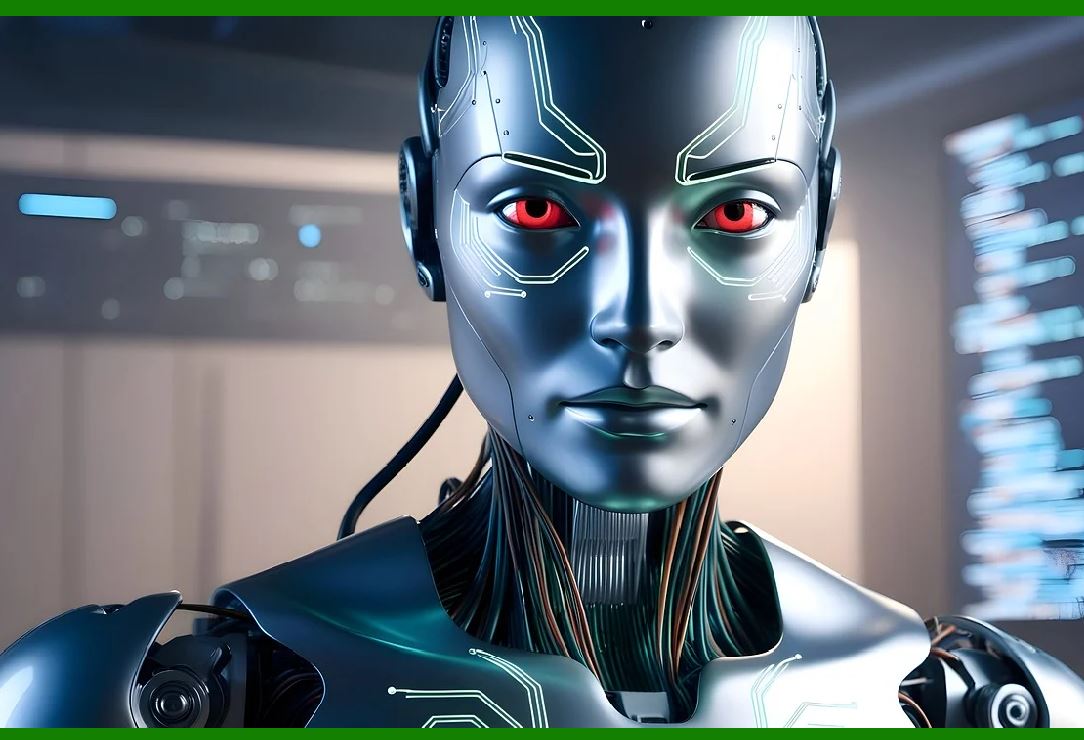
| 3. Energy Storage and Battery Technology | 3.1 Solid-State Batteries One of the most significant challenges for service and consumer robots is battery life and energy efficiency. Traditional lithium-ion batteries have limitations in terms of energy density, lifespan, and charging speed. Solid-state batteries are a promising alternative, offering higher energy densities, faster charging times, and improved safety. Solid-state batteries use a solid electrolyte instead of a liquid one, which reduces the risk of overheating and fire hazards. These batteries could significantly extend the operational time of robots, enabling them to work longer and more efficiently without frequent recharging. As energy storage systems become more efficient, robots can perform tasks autonomously for longer periods, improving their practicality and usefulness. | 3.2 Wireless Charging and Energy Harvesting Wireless charging technologies are improving and may soon be integrated into service robots, allowing them to recharge without needing to physically dock with a charging station. Robots could automatically recharge by simply being in proximity to charging pads or stations, eliminating the need for human intervention and minimizing downtime. Additionally, energy-harvesting technologies-such as robots equipped with solar panels, kinetic energy recovery systems, or thermoelectric generators-could further extend the battery life of robots by allowing them to harvest energy from their surroundings while in operation. This would reduce the need for frequent recharging and increase their autonomy. | 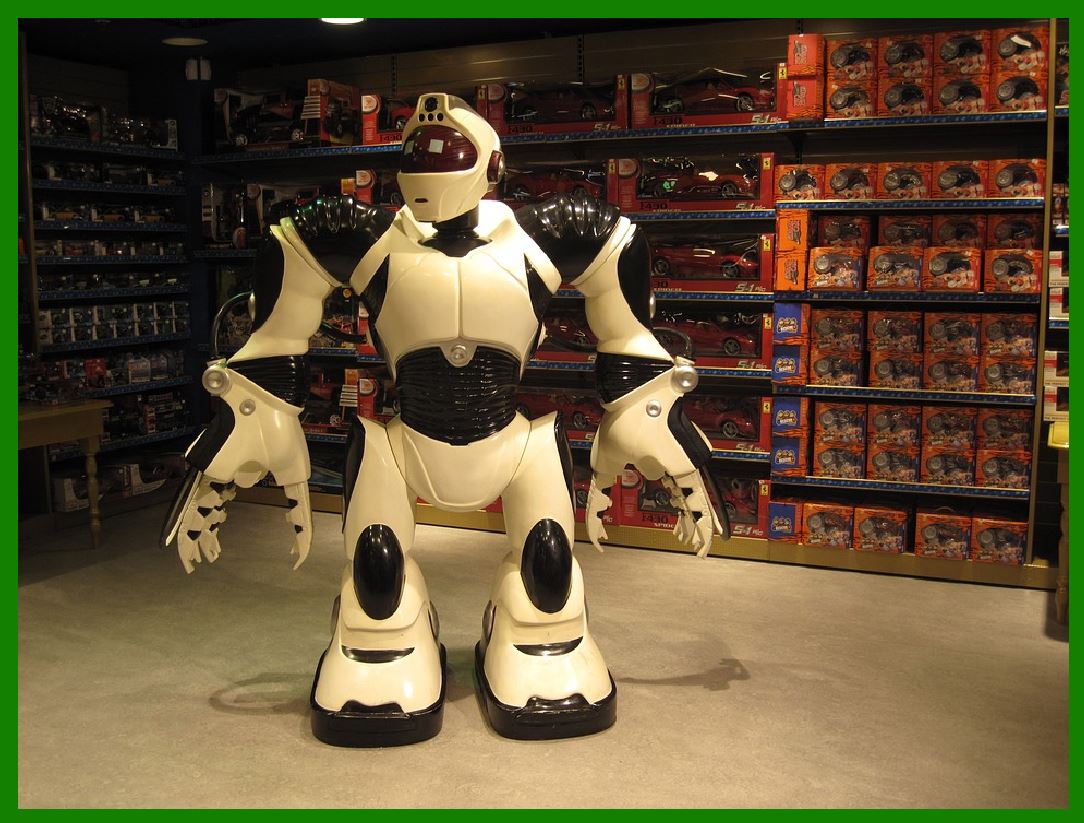
| 4. Human-Robot Interaction (HRI) and Emotional Intelligence | 4.1 Emotion Recognition and Response Future service and consumer robots are likely to have enhanced emotional intelligence (EI), which will enable them to better understand and respond to human emotions. This can be achieved through improvements in emotion recognition technologies, including facial expression recognition, voice tone analysis, and sentiment analysis. By integrating AI with HRI systems, robots will be able to detect and interpret human emotions in real-time, allowing them to adapt their behavior accordingly. For example, a robot might adjust its speech tone to be more comforting if it detects a user is upset, or it might provide encouragement if a user seems frustrated. The ability to interact with robots in an emotionally intelligent manner will improve the quality of interactions and increase user trust and satisfaction. | 4.2 Multi-modal Communication In the future, robots will be able to interact with humans through a combination of verbal, visual, and tactile communication. This multi-modal communication will allow robots to respond more effectively to complex situations and engage with users in a more intuitive manner. For example, robots might use gestures to complement speech, or they could convey empathy through facial expressions or body language. In consumer applications, robots that can communicate seamlessly across multiple channels will be more engaging and relatable, helping to bridge the gap between human and machine interaction. | 4.3 Context Awareness and Personalization One of the key factors that will improve the interaction between humans and robots is the robot's ability to understand and remember the context of its interactions. Through advanced machine learning algorithms and AI, robots will be able to track user preferences, anticipate needs, and adapt their behavior over time. For instance, a robot designed to assist with household chores could learn the specific cleaning preferences of its owner (such as how often certain areas should be cleaned or which tasks are preferred) and act accordingly. This personalization will increase user satisfaction and engagement by making robots more responsive to individual needs. | 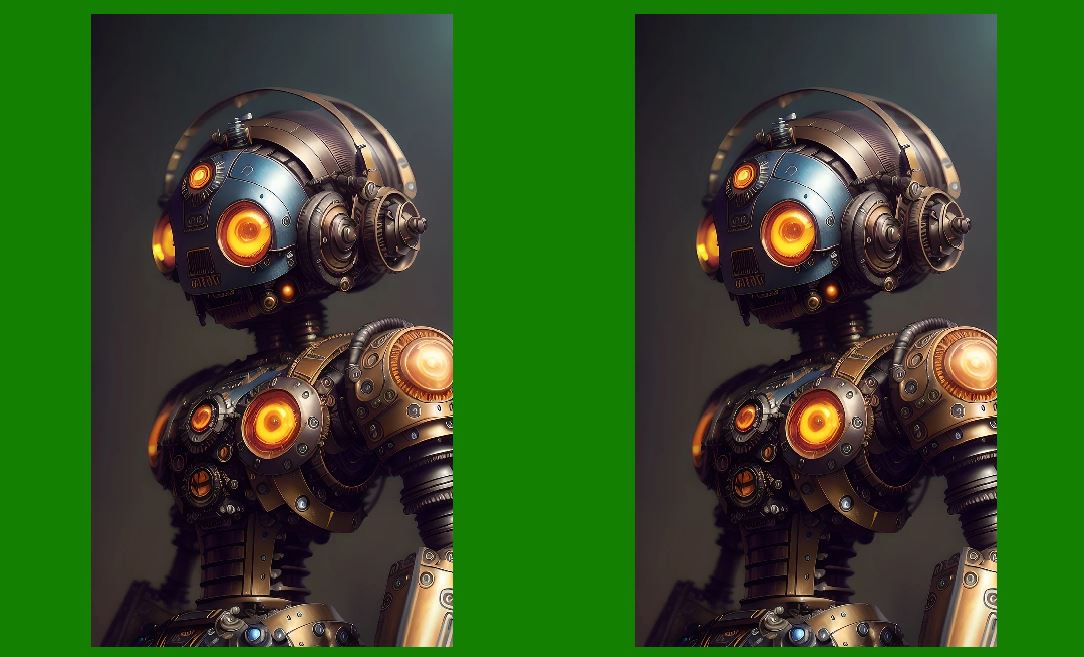
| 5. Cybersecurity and Privacy Protections | 5.1 Blockchain Technology for Secure Transactions Blockchain technology, known for its use in cryptocurrency, could also play a role in securing service and consumer robots. By utilizing blockchain's decentralized and immutable ledger, robots can ensure that their actions, interactions, and data exchanges are securely recorded and auditable. This would address concerns about data tampering and unauthorized access to sensitive information. In service sectors, such as healthcare or finance, where privacy and security are paramount, blockchain could provide an additional layer of trust by ensuring that interactions between robots and users are transparent and verifiable. | 5.2 AI-driven Threat Detection As robots become more connected to networks and cloud services, the threat of cyberattacks will increase. Future robots will be equipped with AI-driven cybersecurity systems that can autonomously detect and mitigate threats in real-time. By leveraging machine learning algorithms, these systems will continuously monitor for suspicious behavior and potential vulnerabilities, enabling robots to respond to cyberattacks before they can cause harm. Such autonomous threat detection capabilities will help safeguard the integrity of robots and protect users' privacy. | 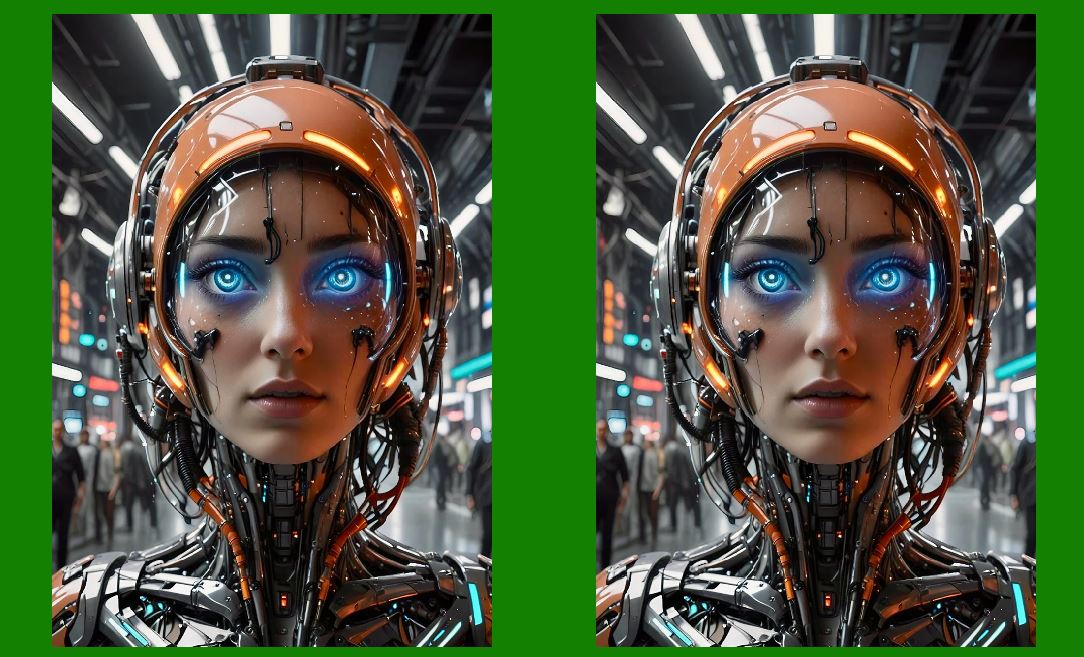
| 6. Regulatory and Ethical Frameworks | 6.1 Ethical AI and Bias Mitigation The future development of service and consumer robots will require the integration of ethical frameworks that ensure fairness, accountability, and transparency in AI systems. AI algorithms will be designed to be more transparent, interpretable, and free of biases, which will help prevent robots from making discriminatory or unfair decisions. Advances in 'explainable AI' will enable robots to provide clear explanations for their actions, increasing user trust. Additionally, the development of global standards for ethical AI will ensure that robots operate in ways that align with human values and social norms. | 6.2 Global Standards and Certifications As robots become more integrated into everyday life, the establishment of international standards and certifications for robot safety, data privacy, and reliability will become increasingly important. These standards will guide manufacturers in designing robots that are safe and effective for users. Future regulatory bodies may require robots to meet specific certifications before they can be deployed in certain industries or environments. The establishment of robust regulatory frameworks will address concerns about the safety, privacy, and ethical implications of robot deployment, helping to build public confidence and accelerate adoption. | 
| Conclusion | The future of service and consumer robots is bright, with numerous emerging technologies set to address the challenges that hinder their widespread adoption today. Advancements in artificial intelligence, robotics, energy storage, human-robot interaction, and cybersecurity will create more capable, safer, and user-friendly robots. These innovations will not only improve the functionality and efficiency of robots but also enhance their ability to interact with humans in more natural and meaningful ways. As these technologies continue to evolve, robots will become an integral part of daily life, transforming industries and offering solutions to a wide range of challenges in both service and consumer contexts. |
|
 cs@easiersoft.com