1. Introduction |
As a product of modern technology, robots play a vital role in many fields. With the advancement of science and technology, robotics has gradually entered our daily lives, changing all aspects of production, work, and medical care. In order to better understand the diversity of robots and their applications, this article will discuss the classification of robots in detail. The classification of robots can be based on different perspectives, such as by purpose, by structure, by control method, etc. |

|
2. Classification by purpose |
According to different application scenarios of robots, robots can be divided into the following categories: |
2.1 Industrial robots |
Industrial robots are usually used in automated production processes to replace manual labor to complete high-precision and high-intensity work. Its main features are high repetitive accuracy and reliability, and the ability to work in harsh environments. |
Features: high precision, high efficiency, and the ability to perform repetitive work. They are often used in welding, assembly, spraying, and other scenarios. |
Applications: Widely used in automobile manufacturing, electronic product assembly, metal processing, and other industries. |
2.2 Service robots |
Service robots are mainly robots that provide services to humans, and are usually used for service work in daily life or specific scenarios. |
Home service robots: such as sweeping robots and window washing robots, which can automatically complete some daily cleaning tasks at home. |
Medical service robots: such as surgical robots and rehabilitation robots, which are used in the medical field to assist doctors in performing surgery or providing rehabilitation treatment. |
Catering service robots: used for automatic food delivery, cleaning and other tasks in restaurants. |
2.3 Educational robots |
Educational robots are robots used in the field of education, designed to assist learning and teaching by interacting with people. They are usually programmable robots with educational functions. |
Programming educational robots: such as Lego educational robots, which are used to help children learn programming, science and mathematical principles. |
Interactive learning robots: such as Pepper robots, which can interact with students and assist classroom teaching. |
2.4 Medical robots |
Medical robots are robots specially designed to provide medical services, covering areas such as surgery, rehabilitation, diagnosis, etc. |
Surgical robots: such as the Da Vinci surgical system, which can assist doctors in minimally invasive surgery and provide higher precision and flexibility. |
Rehabilitation robots: used to help patients recover motor function, commonly used in rehabilitation treatment for spinal injuries, cerebrovascular diseases, etc. |
2.5 Military robots |
Military robots are used in the military field to undertake tasks such as reconnaissance, bomb disposal, and combat. With the advancement of technology, military robots have begun to play an increasingly important role in wars and military exercises. |
Drones: widely used in reconnaissance and strike missions. |
Exploration robots: robots used to handle explosives, reducing the risk of soldiers being exposed to dangerous environments. |
2.6 Entertainment robots |
Entertainment robots are mainly used in the entertainment industry, and the application scenarios involved include performances, games, and interactions. |
Robot dancers: such as robot dancers that appear in stage performances, providing dance and music performances. |
Toy robots: such as robot toys, interactive toys, etc., can interact with children. |
2.7 Exploration robots |
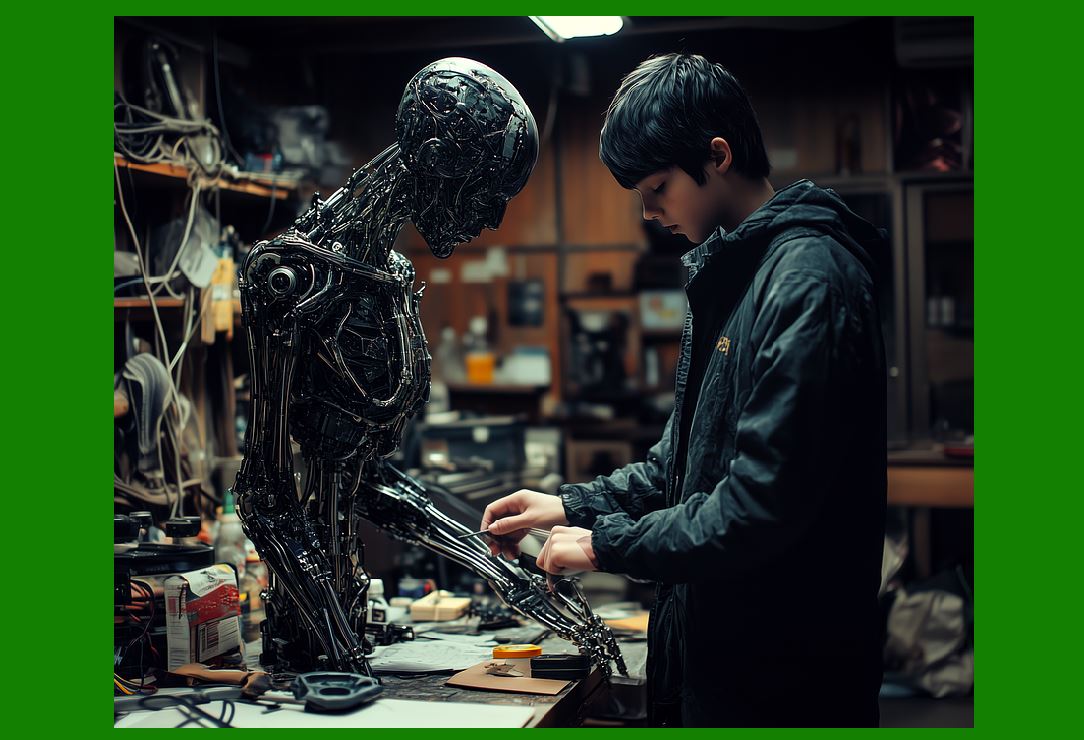
Exploration robots are mainly used for exploration tasks in extreme environments, such as deep-sea exploration, space exploration, volcano exploration, etc. |
Space exploration robots: such as NASA's Mars rover, mainly used to explore extraterrestrial environments. |
Deep-sea exploration robot: used for data collection, exploration and other tasks in deep-sea environments. |
|
3. Classification by structure |
In addition to classification by purpose, robots can also be classified according to their structure. Different robot structures determine their movement mode, work efficiency and applicable scenarios. |
3.1 Fixed robot |
Fixed robots are generally fixed in one position to work, and are usually used in industrial production lines. |
Features: These robots are usually composed of a robotic arm and a control system, and can perform precise work. |
Application: In the automotive manufacturing industry, fixed robots are often used for assembly, welding and other tasks. |
3.2 Mobile robot |
Mobile robots have autonomous mobility and can work in different environments. According to their movement mode, mobile robots can be further classified. |
Wheeled robots: Common in cleaning robots, such as sweeping robots, with good mobility efficiency. |
Tracked robots: Mostly used for work in harsh environments, such as military robots, detection robots, etc. |
Gaited robots: move with a gait similar to that of humans or animals, such as bipedal robots, quadrupedal robots, etc. |
3.3 Soft robots |
Soft robots are robots built with flexible materials, which can usually simulate the movements of organisms and have flexibility and adaptability. |
Features: They have good flexibility and adaptability and can cope with complex and irregular environments. |
Applications: Soft robots are usually used in medical and detection fields, such as simulating the structure of organisms for minimally invasive surgery. |
3.4 Modular robots |
Modular robots are robot systems composed of multiple modules that can work independently. Each module can be reorganized as needed to form different functions. |
Features: They have high scalability and flexibility and can adapt to different working environments. |
Applications: They are widely used in laboratories, industrial production, disaster relief and other scenarios. |

|
4. Classification by control method |
According to the control method of the robot, the robot can be divided into the following categories: |
4.1 Manual control robot |
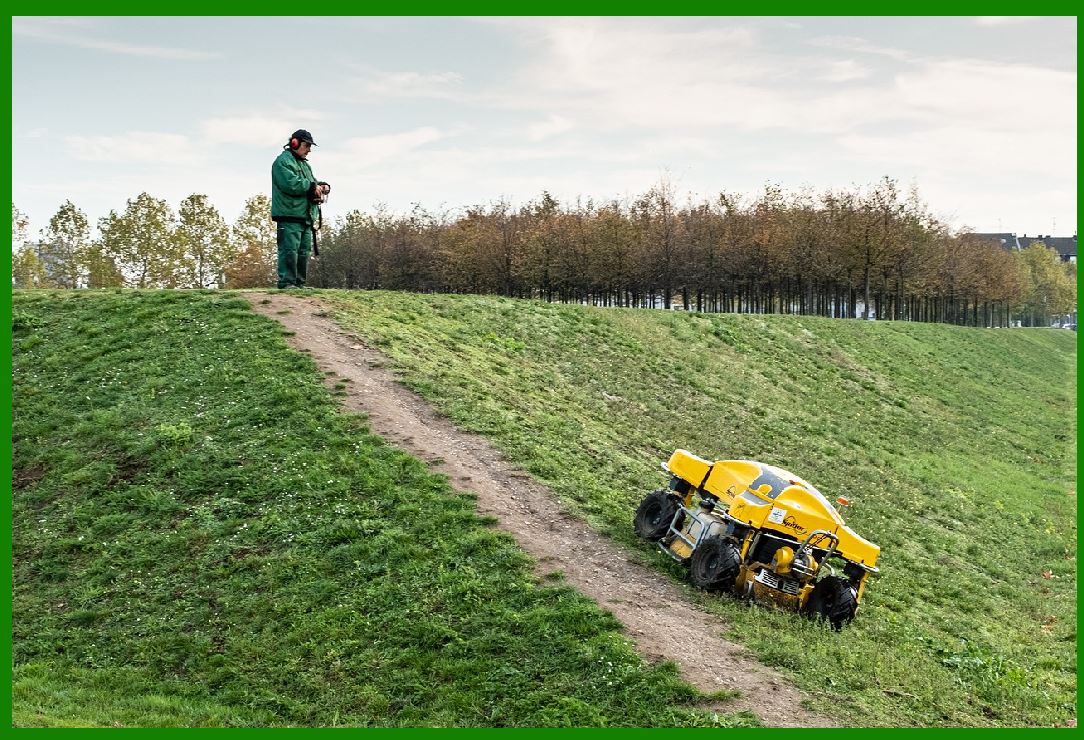
Manual control robot is a robot controlled by a human operator through remote control, usually used for tasks that require flexible adjustment and decision-making. |
Features: simple operation and real-time control. |
Application: widely used in industry, military, medical and other fields. |
4.2 Automatic control robot |
Automatic control robot is controlled by preset programs and can automatically perform tasks according to environmental changes. |
Features: high work efficiency and can complete tasks without human intervention. |
Application: common in production lines, automated warehouses, etc. in manufacturing. |
4.3 Autonomous robot |
An autonomous robot is a robot that can sense the environment and make decisions and actions autonomously. These robots usually have a high level of intelligence and can complete tasks in complex environments. |
Features: capable of self-learning and adaptation, with a high degree of autonomy. |
Application: such as self-driving cars, drones, etc. |
|
5. Classification by intelligence level |
According to the intelligence level of robots, they can be divided into the following categories: |
5.1 Low-intelligence robots |
Low-intelligence robots can generally only perform tasks according to preset programs and lack adaptive and learning capabilities. |
Features: Usually used for repetitive tasks, such as simple material handling and assembly. |
Applications: Commonly found in traditional industrial production lines. |
5.2 Medium-intelligence robots |
Medium-intelligence robots can make decisions and adapt to a certain degree within a preset range, and usually have sensors and simple machine learning capabilities. |
Features: Have a certain degree of adaptive ability and can handle a variety of work tasks. |
Applications: For example, automatic cleaning robots, some medical robots, etc. |
5.3 High-intelligence robots |
High-intelligence robots have strong artificial intelligence algorithms, can make decisions, learn and adapt to complex environments independently, and can even interact with humans. |
Features: Have a high degree of autonomy and intelligence, and can perform complex tasks. |
Applications: For example, self-driving cars, robot assistants, intelligent medical robots, etc. |
|
6. Conclusion |
The rapid development of robotics technology has led to an increasing variety of robots, from simple industrial automation robots to complex autonomous learning robots, all kinds of robots are constantly driving the development of all walks of life. With the continuous advancement of technology, the classification of robots will continue to be refined and expanded. By classifying robots, we can better understand and apply these technologies to meet the growing social needs. |
This classification system is based on the different dimensions of robots, providing a comprehensive perspective to understand the diversity of robotics technology. |
|
What are the subcategories of industrial robots? |
Industrial robots are robots widely used in automated production processes, usually used to replace manual labor to complete repetitive, high-intensity or high-precision work. According to factors such as application areas, working environment, and structural form, industrial robots can be subdivided into the following categories: |
1. Classification by working method |
1.1 Robotic arm type industrial robot |
Robotic arm type industrial robot is the most common type of industrial robot, usually composed of joints with multiple degrees of freedom (such as rotation, telescopic, etc.). Manipulator robots can simulate the movement of human arms and complete tasks such as handling, assembly, and welding. |
Features: multiple degrees of freedom, strong flexibility, and high adaptability. |
Application: suitable for a variety of tasks such as handling, assembly, welding, and gluing. |
Examples: Common manipulator robots include ABB's IRB series and KUKA's KR series. |
1.2 Cartesian robots (Cartesian coordinate robots) |
Cartesian robots, also commonly known as 'Cartesian coordinate robots', have a working platform that can move along the three coordinate axes of X, Y, and Z, and are suitable for completing linear path tasks. |
Features: simple structure, precise control of the motion path, suitable for precision operations. |
Application: used for material handling, stacking, packaging, picking, and other tasks. |
Examples: Common brands such as FANUC's SR series. |
1.3 SCARA robot (selectively synthesizable robot) |
SCARA robot has two parallel rotating joints and a vertical axis. Its movement is similar to that of a robotic arm, but it is more suitable for horizontal movement tasks. |
Features: Suitable for high-precision horizontal operations, fast speed and high precision. |
Application: Widely used in assembly, handling and other tasks in the electronics and automotive industries. |
Example: Common brands such as Yaskawa's MPX series. |
1.4 Delta robot (spider robot) |
Delta robot is a robot with in-plane degrees of freedom driven by three or more servo motors. It is usually lightweight and suitable for high-speed operation. |
Features: It has high movement speed and precision and is usually used for high-frequency operations. |
Application: Suitable for high-speed picking, packaging, sorting and other tasks, commonly used in food, medicine, packaging and other industries. |
Example: Common brands such as ABB's FlexPicker and KUKA's Quantec series. |
1.5 Polar Robot (Polar Coordinate Type) |
Polar robot has a polar coordinate motion mode, that is, it consists of a fixed base, a rotating arm and a telescopic arm, and is often used to cover a large range of working areas. |
Features: It can cover a large working space and is suitable for specific types of production lines. |
Application: It is used for tasks that require a large working space, such as injection molding, welding, and assembly. |
Example: Common brands such as Mitsubishi's RV series. |
|
2. Classification by use |
2.1 Welding robot |
Welding robots are mainly used for automated welding operations and are usually integrated with special welding tools such as arc welding guns and spot welding guns. |
Features: High precision, good repeatability, and can work in complex welding environments. |
Application: It is widely used in industries such as automobile manufacturing, shipbuilding, and building steel structures. |
Example: Common brands such as FANUC's Arc Mate series and KUKA's KR Weld series. |
2.2 Spraying Robot |
Spraying robots are used to automatically spray paint and paint in industrial production. |
Features: It has fine spraying control capabilities and can adjust spraying pressure, spraying angle, etc. |
Applications: Automobile manufacturing, home appliance manufacturing, metal coating and other industries. |
Examples: Common brands such as Yaskawa's Motoman series. |
2.3 Handling Robot |
Handling robots are used to automatically carry and transfer items, usually including conveyor belt robots, stacking robots, etc. |
Features: Fast speed, high efficiency, and can repeat the task of carrying items. |
Applications: Widely used in logistics, warehousing, and material handling on production lines. |
Examples: Common brands such as FANUC's M series and KUKA's LBR iiwa series. |
2.4 Assembly Robot |
Assembly robots are mainly used for automated assembly tasks and can assemble multiple parts into complete products. |
Features: High precision and can complete fine assembly work. |
Application: Used in automated assembly lines in the electronics, home appliances, and automotive industries. |
Example: Common brands include ABB's IRB series and KUKA's KR AGILUS series. |
2.5 Inspection robots |
Inspection robots are mainly used to automatically inspect product quality and are often equipped with visual systems, sensors, force feedback devices, etc. |
Features: High precision, capable of performing visual recognition, dimensional measurement, and other tasks. |
Application: Widely used in quality inspection, assembly accuracy inspection, and other fields. |
Example: Common brands include FANUC's CR series. |
|
3. Classification by working environment |
3.1 Hazardous environment robots |
These robots are usually used in hazardous environments that humans cannot directly enter, such as high temperature, high radiation, toxic gases, and other environments. |
Features: The design emphasizes durability and reliability, and has high protection measures. |
Application: Used for operations in hazardous environments such as nuclear power plants, petrochemicals, and mines. |
Example: For example, robots used for nuclear waste treatment and chemical handling. |
3.2 High-temperature environment robots |
High-temperature environment robots are designed for use in environments that can withstand high temperatures. They are usually made of special materials to ensure that they can still operate normally at high temperatures. |
Features: high temperature resistance, fire resistance, and heat aging resistance. |
Applications: Commonly used in high-temperature processing environments such as casting, metallurgy, and heat treatment. |
Example: For example, industrial robots used for furnace operations. |
3.3 Clean environment robots |
Clean environment robots are usually used in environments that require high cleanliness, such as semiconductors, pharmaceuticals, and food processing. |
Features: Dust-free design is adopted, and the materials do not release any harmful substances. |
Applications: Used for handling, assembly, and inspection work in dust-free workshops, clean rooms, and other environments. |
Example: For example, robots in clean rooms are used for precision parts assembly. |

|
4. Classification by control method |
4.1 Direct control robots |
Direct control robots refer to robots that are directly controlled by human operators through control systems. They are usually used for flexible operations and emergency tasks. |
Features: Strong flexibility and rapid response to external changes. |
Application: Used in scenarios that require rapid adjustment or adaptation. |
Example: A robot that performs special tasks in dangerous environments, usually directly controlled by an operator. |
4.2 Autonomous Control Robot |
Autonomous control robots can complete tasks on their own through programming and sensor systems, and respond to changes in the environment. |
Features: Can be adjusted according to task requirements |
Autonomously decide actions and reduce human intervention. |
Application: Used in highly automated production lines or logistics warehouses. |
Example: Handling robots in automated warehouses. |
|
5. Classification by robot intelligence level |
5.1 Low-intelligence industrial robots |
Low-intelligence industrial robots mainly rely on predetermined programs to perform tasks and lack autonomous decision-making capabilities. |
Features: Simple operation, suitable for highly repetitive tasks. |
Application: Commonly seen in traditional production lines, such as handling, packaging, etc. |
5.2 Medium-intelligence industrial robots |
Medium-intelligence industrial robots can obtain environmental information through sensors and make certain responses. |
Features: Have certain adaptive capabilities, but still require human intervention for task adjustment. |
Application: Used for some tasks that require high flexibility and precision, such as assembly, testing, etc. |
5.3 High-intelligence industrial robots |
High-intelligence industrial robots have technologies such as artificial intelligence and machine learning, can make autonomous decisions, and adapt to complex working environments. |
Features: Able to automatically adjust strategies according to different tasks and environments, with high flexibility. |
Application: Commonly used in autonomous driving, deep learning, intelligent manufacturing and other fields. |

|
These subcategories show the diversity of industrial robots in terms of structure, purpose, environmental adaptability and intelligence. With the continuous development of technology, the types of industrial robots will continue to be enriched and improved to meet the increasingly complex and changing industrial needs. |
 cs@easiersoft.com