1. Introduction to Robots and Robot Technology |
Robots have revolutionized various sectors of modern industry, from manufacturing to healthcare, agriculture, and even customer service. The evolution of robots began with the basic concept of automating repetitive tasks. Today, robots have become essential tools in nearly every industry, particularly in fields requiring precision, speed, and reliability. |
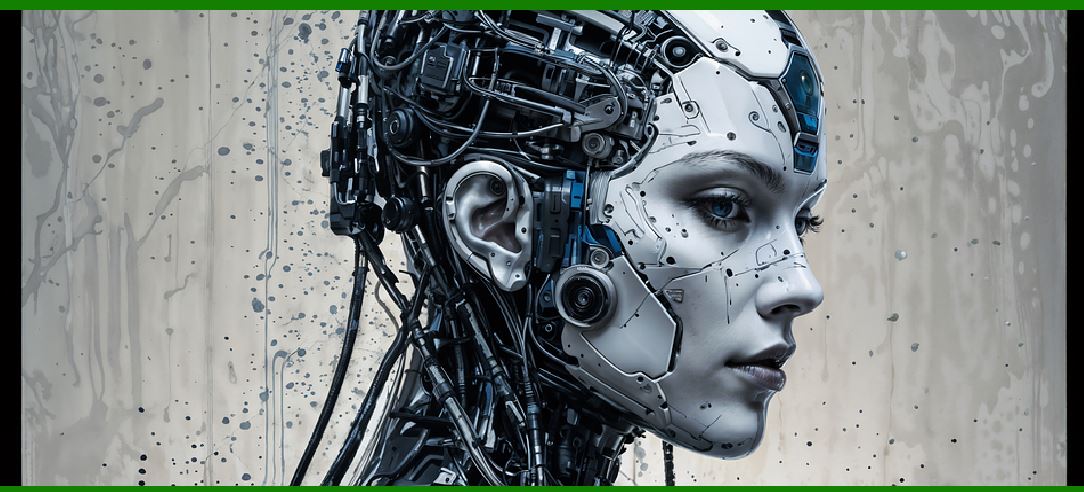
The technology behind robots is diverse and ever-evolving. Over the years, robots have transitioned from simple, manual machines to highly sophisticated systems with advanced artificial intelligence (AI), machine learning, and sensor technologies. These technological advancements have enabled robots to take on more complex tasks and work alongside humans, creating opportunities for new forms of collaboration. One of the most notable innovations in this area is the development of collaborative robots (cobots). |
|
2. What Are Collaborative Robots (Cobots)? |
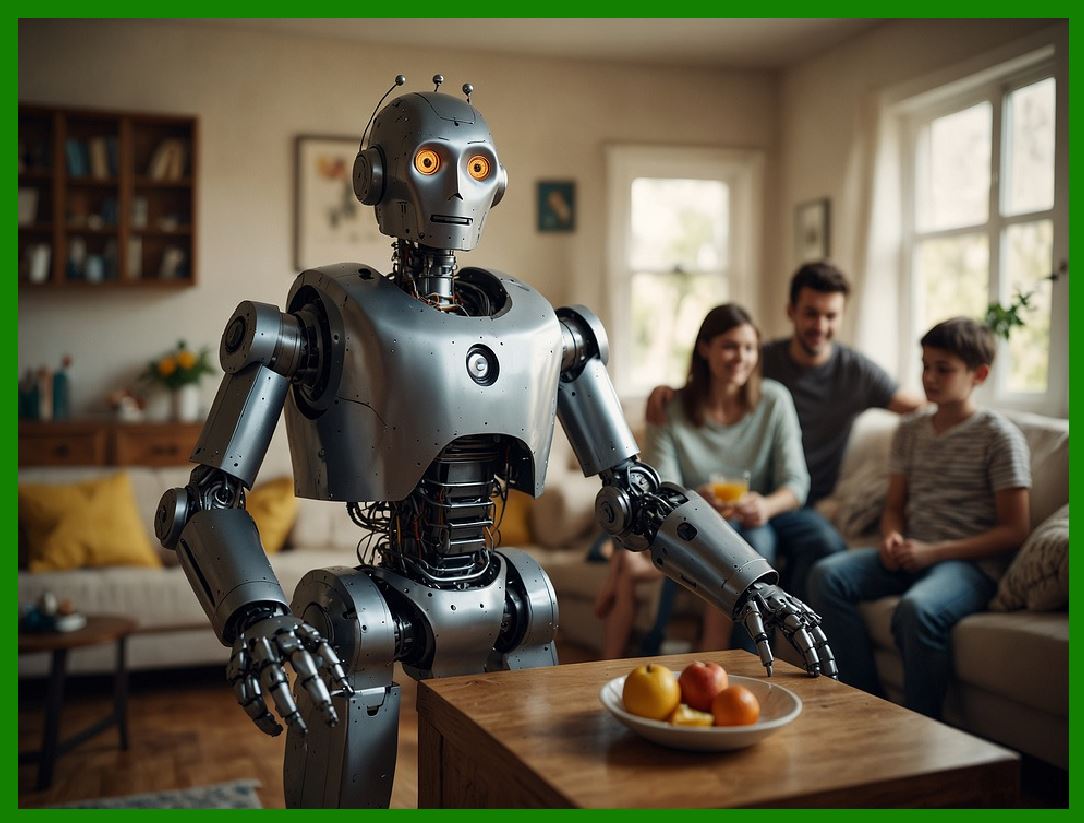
Collaborative robots, or cobots, are robots specifically designed to work in close proximity with human workers within shared workspaces. Unlike traditional industrial robots, which are often separated from human workers due to safety concerns, cobots are built to safely collaborate with people, improving efficiency, flexibility, and safety on the shop floor. Cobots feature advanced safety mechanisms, such as force sensors, which detect contact with humans and immediately stop or slow the robot's movements to prevent injuries. |
Cobots represent a significant shift in how robots are utilized in industries. They are typically smaller, lighter, and more flexible than traditional industrial robots, allowing them to work in environments where space is limited and tasks require a high degree of adaptability. These robots are primarily used in settings where they can complement human workers by handling repetitive, physically demanding, or dangerous tasks, allowing human operators to focus on more complex or decision-making aspects of the work. |

|
3. Key Characteristics of Cobots |
The distinguishing characteristics of collaborative robots make them an attractive option for a variety of industries. These features allow cobots to offer superior performance, flexibility, and safety compared to traditional robots. |
3.1. Safe Interaction with Human Workers |
One of the most critical features of cobots is their ability to work safely alongside humans. Traditional industrial robots often operate within a caged or segregated area to prevent human interaction, due to safety concerns arising from their powerful movements and potential to cause injury. Cobots, on the other hand, are equipped with various safety mechanisms that enable them to work alongside human operators in shared spaces. |
Cobots are designed to sense physical contact with humans through built-in sensors, including force sensors, torque sensors, and vision systems. When a cobot makes contact with a human or a part of the environment that might present a safety risk, it can immediately slow down or stop its movements, significantly reducing the risk of injury. Some cobots are also equipped with padding or softer surfaces to minimize the impact of any accidental contact. |
The safety of cobots is further enhanced by the fact that they are often designed to operate with lower speeds and forces than traditional robots. This makes them safer for use in environments where human workers may be present, even if they are working in close proximity to the robot. |
3.2. Easy to Program and Set Up |
Cobots are typically much easier to program and set up compared to traditional industrial robots. Traditional robots often require specialized knowledge in robotics and programming, and their setup may involve complex hardware configurations and specialized training. In contrast, cobots are often designed to be user-friendly, with intuitive interfaces that make it easier for non-expert users to program and operate them. |
Many cobots come with graphical user interfaces (GUIs) that allow operators to teach the robot by guiding its arm through the desired motions. This 'teach-by-demonstration' method can significantly reduce the learning curve and speed up the process of integrating a cobot into a production line. Additionally, cobots are often equipped with remote control options, enabling users to program them remotely using smartphones, tablets, or computers. |
The ease of programming and setup also means that cobots are highly adaptable. They can be reprogrammed and reconfigured quickly to handle different tasks as the needs of a production line or work environment change. This flexibility makes cobots particularly valuable in industries that require frequent changes in product design, production methods, or work processes. |
3.3. Ideal for Small to Medium-Sized Businesses |
Cobots are often a perfect solution for small to medium-sized businesses (SMBs) that may not have the budget or resources to invest in large, traditional industrial robots. Traditional robots often come with significant upfront costs, including expenses for safety enclosures, installation, and specialized training. In contrast, cobots are typically more affordable, and their easy programming and setup further reduce costs. |
Additionally, because cobots are lightweight, portable, and flexible, they can be moved between different workstations or tasks within a facility. This adaptability makes cobots an excellent option for businesses that require versatile automation solutions but cannot afford the fixed, large-scale setups of traditional robots. |
The cost-effectiveness and flexibility of cobots have led to their widespread adoption across industries ranging from electronics to automotive to consumer goods manufacturing. By using cobots, SMBs can improve efficiency, reduce labor costs, and enhance product quality without needing extensive capital investment. |
3.4. Ideal for Flexible Production Environments |
Another key advantage of cobots is their ability to operate in flexible production environments. Traditional robots are often optimized for high-volume, repetitive tasks in fixed environments, such as automotive assembly lines. However, this rigidity makes them less suited to dynamic, fast-paced environments where the type of work or product changes frequently. |
Cobots, on the other hand, are highly adaptable and can be easily reprogrammed to handle a variety of tasks. They can perform a wide range of functions, from simple assembly tasks to complex inspection and quality control procedures. This flexibility is particularly important in industries where product design changes regularly or where production volumes fluctuate. By using cobots, manufacturers can maintain high levels of productivity without the need for expensive retooling or redesigning production lines. |
In addition to their adaptability, cobots can also work in conjunction with other types of automation and machinery, creating a hybrid approach to production that combines the strengths of both human workers and robots. This is especially valuable in industries that require a balance between precision, flexibility, and human ingenuity. |

|
4. Applications of Collaborative Robots |
The versatility of cobots has led to their adoption in a wide range of industries. They are especially valuable in tasks that are repetitive, physically demanding, or hazardous, where they can take over tasks that might otherwise be performed by human workers. Cobots can work alongside humans, assisting with tasks such as assembly, packaging, machine tending, and quality control. Below are some of the most common applications for cobots: |
4.1. Assembly Tasks |
Cobots are often used in assembly lines, particularly in industries where small-batch production or custom configurations are common. In these settings, cobots can assist human workers by handling parts, placing components, or performing repetitive assembly actions such as tightening screws, applying adhesives, or inserting parts into machines. |
One of the key advantages of using cobots for assembly is their ability to work collaboratively with human workers to improve throughput. While the cobot handles repetitive and physically demanding tasks, human workers can focus on more intricate aspects of the assembly process, such as inspecting parts for quality or solving complex issues that require human dexterity and judgment. |
4.2. Packaging and Palletizing |
Cobots are also widely used in packaging and palletizing tasks. In these applications, cobots can automate the process of packing products into boxes, wrapping goods, and placing them on pallets for shipping. By using cobots, companies can improve packaging accuracy, reduce labor costs, and increase the speed of their operations. |
Cobots are especially useful in packaging environments where products vary in size, shape, or weight, as they can be easily reprogrammed to handle different types of products without the need for specialized fixtures or complex machinery. |
4.3. Machine Tending |
In manufacturing environments, machine tending involves loading and unloading machines, such as CNC machines, injection molding machines, or 3D printers. Cobots can be used to automate this process, reducing the need for human workers to perform repetitive tasks that can be physically taxing or dangerous. |
By integrating cobots into machine tending operations, manufacturers can increase uptime, reduce human error, and improve overall production efficiency. Cobots can work alongside operators to monitor machine performance, detect potential problems, and ensure the smooth running of production processes. |
4.4. Inspection and Quality Control |
Cobots are also being used to perform quality control tasks, such as inspecting products for defects, verifying measurements, or ensuring that assembly processes are carried out correctly. By using cobots for inspection, companies can improve the consistency and accuracy of their quality control procedures, while reducing the burden on human workers. |
Cobots equipped with vision systems can be particularly effective in performing visual inspections. These systems can be programmed to detect minor defects, such as scratches, misalignments, or color variations, and alert human workers if further action is required. |
|
5. Conclusion |
Collaborative robots (cobots) are transforming the landscape of modern industry by enabling more flexible, efficient, and safe work environments. With their ability to work alongside human workers, ease of use, and affordability, cobots offer businesses of all sizes the opportunity to automate tasks that were once performed manually. Whether in assembly, packaging, machine tending, or quality control, cobots are proving to be an invaluable tool for improving productivity, reducing costs, and enhancing safety in the workplace. |
As technology continues to evolve, the role of cobots will likely expand even further, with innovations in artificial intelligence, machine learning, and sensor technology enabling even more advanced forms of collaboration between humans and robots. In the years to come, cobots will undoubtedly play a central role in shaping the future of manufacturing and automation. |

|
What challenges will it face in the future? |
As collaborative robots (cobots) continue to integrate into various industries, they are set to revolutionize workplaces and improve productivity, safety, and efficiency. However, there are several challenges that cobots will face in the future. These challenges span from technological and operational hurdles to social, economic, and regulatory issues. Below are some of the major challenges cobots will encounter: |
1. Technical Challenges and Limitations |
Despite significant advancements in robot technology, cobots still face several technical limitations that could hinder their growth and adoption in the future. |
1.1. Advanced Perception and Sensing Capabilities |
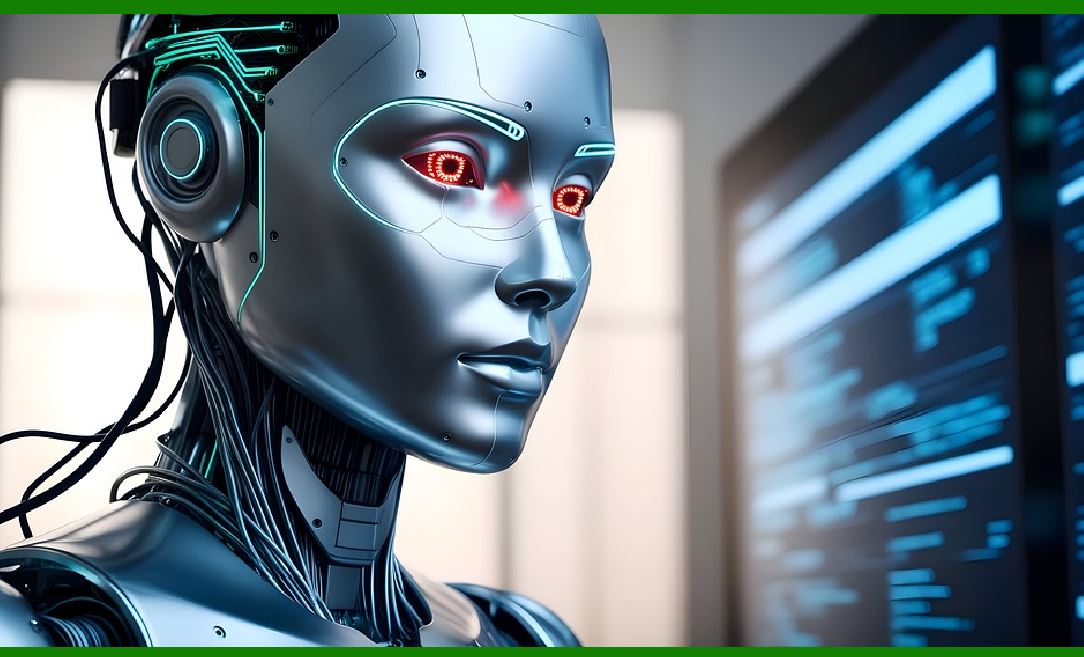
Cobots rely heavily on sensors (e.g., force sensors, vision systems, torque sensors) to interact with their environment and ensure safety when working alongside humans. However, current sensing technology can still be limited in terms of precision, speed, and the ability to interpret complex or ambiguous environments. As the workplace becomes more dynamic and environments become more cluttered, cobots may struggle to accurately detect obstacles or human movements in real-time. |
Solution: Continuous improvement in AI and machine learning, combined with more advanced sensors like 3D cameras, LiDAR, and haptic feedback, will be necessary to enhance the robot's perception. These advancements would help robots better understand their surroundings, respond faster, and adapt to unpredictable situations. |
1.2. Complex Task Execution |
While cobots are highly effective at repetitive or simple tasks, they still struggle with complex, non-standardized, or delicate tasks that require advanced dexterity or decision-making. Tasks that demand nuanced human judgment, creativity, or fine motor skills (like working with intricate, soft, or irregularly shaped objects) are often beyond the capabilities of current cobots. |
Solution: The future development of advanced AI, including deep learning and reinforcement learning techniques, may help cobots make better decisions and adapt to tasks that require a higher level of complexity or customization. However, these advancements will require significant computational power, which may increase the cost of cobots. |
1.3. Limited Autonomy |
Cobots are designed to work with humans, but their autonomy is still limited. While they can perform pre-programmed tasks and follow specific instructions, they cannot fully adapt to changing environments without human intervention or supervision. For instance, if a cobot faces an unexpected issue, such as a damaged part or a malfunction, it may need to rely on human intervention for troubleshooting or reprogramming. |
Solution: Future cobots will need to achieve higher levels of autonomy, with more advanced self-diagnosis, self-correction, and real-time learning capabilities. The development of more robust AI systems that can interpret a broader range of scenarios will be key to improving cobot autonomy. |
|
2. Integration with Existing Systems |
One of the primary reasons for the slow adoption of cobots in some industries is the difficulty of integrating them with existing systems. Many businesses rely on a wide range of machines, tools, and software platforms, which may not be fully compatible with cobots or require extensive customization to function together effectively. |
2.1. Compatibility with Legacy Systems |
Older manufacturing facilities, in particular, may have a range of legacy systems, such as older machinery, factory management software, or control systems that cannot easily communicate with cobots. Integrating cobots into these environments may require substantial upgrades to existing infrastructure, adding to the cost and complexity of implementation. |
Solution: To address this issue, future cobots must be designed with greater flexibility and compatibility with a range of hardware and software systems. Standardized interfaces and universal integration protocols (e.g., Industry 4.0 standards) will help cobots interact seamlessly with a wide variety of systems. Additionally, cloud-based solutions and advanced software platforms can allow for easier integration and scalability. |
2.2. Coordination and Task Allocation |
When cobots are integrated into production lines with multiple robotic and human operators, the challenge of coordination and task allocation arises. Ensuring that robots work together without collisions or delays, while optimizing task division between cobots and human workers, requires sophisticated systems for real-time monitoring and control. |
Solution: Future systems will need to incorporate advanced scheduling algorithms, optimized for human-robot collaboration. AI-powered tools can enhance coordination by analyzing factors such as the availability of resources, task priority, human skill sets, and robot capabilities, ensuring an efficient workflow without delays or inefficiencies. |

|
3. Workforce and Skill Gap |
Cobots may improve efficiency in the workplace, but they also present challenges related to the workforce and skill requirements. |
3.1. Job Displacement Concerns |
While cobots are designed to assist rather than replace human workers, their integration into the workforce raises concerns about job displacement. In industries where manual labor and repetitive tasks are common, cobots could reduce the number of positions available for human workers, particularly in lower-skilled roles. This creates a risk of workforce disruption, especially in regions where reskilling or retraining opportunities are limited. |
Solution: Businesses and governments will need to invest in education and retraining programs to help workers transition into roles that complement cobots rather than compete with them. By upskilling employees in areas such as programming, robotics maintenance, and data analysis, workers can take on more complex and value-added tasks. |
3.2. Human-Robot Interaction and Trust |
As cobots work alongside human employees, building trust in their capabilities and ensuring smooth human-robot interaction (HRI) will be essential for successful adoption. Some workers may feel uneasy about sharing the workspace with robots, particularly if they lack a clear understanding of how the robot operates or if they fear safety risks associated with malfunctions. |
Solution: Increasing transparency in how cobots operate, improving safety features, and providing ongoing training for employees will help build trust. Cobots must be designed with user-friendly interfaces and clear communication mechanisms, allowing workers to easily understand the robot's actions and intentions. Creating a culture of collaboration and providing clear guidelines on how cobots and humans can complement each other will be essential for achieving high levels of worker acceptance. |
3.3. Need for New Skill Sets |
As cobots take on more tasks, the demand for workers with specialized skills in robotics, AI, machine learning, and automation will grow. This presents a significant challenge in ensuring that the workforce has the necessary knowledge and expertise to work with, maintain, and troubleshoot these advanced systems. |
Solution: Educational institutions and vocational training centers will need to evolve to meet the growing demand for specialized skills. Furthermore, businesses will need to invest in continuous learning and development programs for their employees to stay ahead of technological advancements. |

|
4. Economic and Business Challenges |
While cobots are often seen as a way to improve efficiency, reduce costs, and increase competitiveness, there are still significant economic barriers that could limit their widespread adoption, especially for small and medium-sized businesses. |
4.1. Initial Investment Costs |
Despite being more affordable than traditional industrial robots, cobots still represent a significant investment for many businesses. The cost of purchasing, programming, and maintaining cobots can be a barrier to entry, especially for smaller companies with limited capital. |
Solution: Over time, as the technology matures and economies of scale kick in, the cost of cobots is likely to decrease. Additionally, financial incentives such as government grants, tax breaks, or low-interest loans for automation adoption could help businesses offset the initial investment. |
4.2. ROI and Cost-Benefit Uncertainty |
The return on investment (ROI) for cobots is not always immediately clear, especially for small businesses or companies with limited experience in robotics. Cobots require time for integration, fine-tuning, and optimization, and there is often a lack of data on how quickly businesses can expect to recoup their investment. |
Solution: Cobots should be designed to demonstrate clear and measurable ROI from the outset. Manufacturers of cobots will need to provide case studies, success stories, and detailed performance data to show how businesses can achieve efficiency gains and cost savings through automation. Additionally, the adoption of subscription-based or leasing models for cobots could help lower financial barriers. |

|
5. Legal and Regulatory Challenges |
The adoption of collaborative robots will inevitably raise legal and regulatory concerns, particularly as cobots interact more closely with human workers and become more autonomous. |
5.1. Safety and Liability |
As cobots become more prevalent in workplaces, concerns about safety will become more pronounced. If a cobot malfunctions and causes injury to a human worker, the issue of liability will be a complex legal matter. Determining who is responsible for such incidents (the manufacturer, the employer, or the worker) may require new legal frameworks. |
Solution: Clear safety standards and regulations will need to be developed to guide the design and use of cobots. These regulations should cover the proper testing, certification, and monitoring of cobots to ensure that they meet stringent safety standards. Liability frameworks must also be updated to reflect the unique challenges posed by human-robot interactions. |
5.2. Data Security and Privacy |
As cobots become more connected to networks and cloud-based platforms, the risk of data breaches and cybersecurity threats will increase. Cobots may gather and transmit sensitive data about production processes, employee performance, or even consumer preferences, making them potential targets for cyberattacks. |
Solution: Manufacturers will need to implement robust cybersecurity protocols to safeguard data and ensure that cobots comply with privacy regulations. Encryption, secure communication channels, and regular security updates will be crucial in protecting sensitive data. |

|
Conclusion |
While collaborative robots (cobots) hold immense potential for transforming industries by improving productivity, safety, and flexibility, their future will not be without challenges. Overcoming technical limitations, ensuring smooth integration with existing systems, addressing workforce concerns, and navigating economic and regulatory hurdles will require concerted efforts from businesses, governments, and the robotics industry. However, with ongoing innovation and collaboration, cobots have the potential to reshape the future of work, driving greater efficiency and creating new opportunities in the process. |
 cs@easiersoft.com