Companion Robots: A Comprehensive Overview |
1.Introduction to Companion Robots |
In recent years, the field of robotics has made remarkable advances, expanding from mechanical assistants and industrial machines to robots that aim to improve emotional well-being. Among the most innovative applications of robotics are companion robots, designed to provide emotional companionship and support. Unlike traditional robots that serve utilitarian purposes, companion robots are created to interact with users in a way that promotes mental and emotional well-being. They can recognize human emotions, provide comfort, engage in conversation, and respond to social cues. This unique category of robots includes well-known examples such as Pepper, PARO, and Palro, each designed with a specific purpose and targeted at distinct groups of users, especially in sensitive environments like nursing homes or households for the elderly. |
Companion robots represent a new frontier in human-robot interaction (HRI), where the primary goal is not only to provide functional assistance but also to enhance quality of life through social interaction. As human populations age, the need for emotional support systems in settings like healthcare and eldercare has increased, and companion robots are becoming valuable tools in this regard. |

|
2.Overview of Companion Robots |
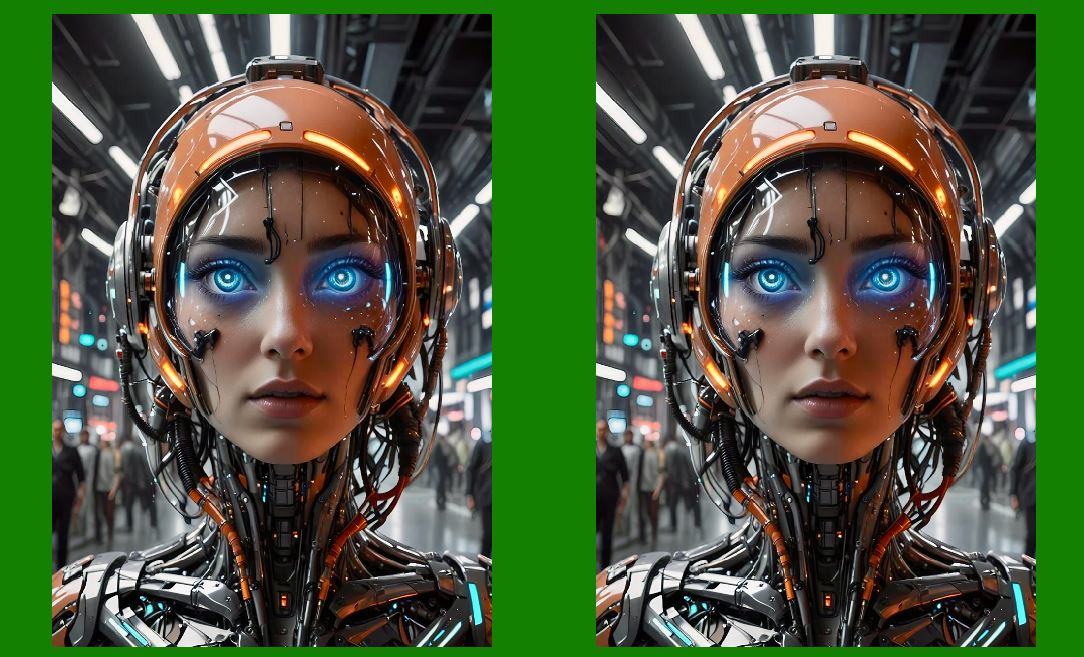
Companion robots are equipped with advanced sensors, AI, and communication technologies that enable them to engage with humans in a more emotionally intelligent manner. These robots can identify emotional states based on facial expressions, vocal tones, and body language, allowing them to tailor their responses to the emotional needs of the user. While these robots may not possess genuine emotions themselves, they are programmed to simulate empathy, offering responses that help alleviate loneliness, anxiety, and depression. |
Unlike traditional robots used in factories or warehouses, companion robots are often designed to resemble pets or humanoid figures, making them more approachable and emotionally relatable. Their ability to provide comfort and companionship is particularly valuable in environments where human interaction may be limited, such as nursing homes, hospitals, and isolated individuals living alone. As human-robot interaction research advances, these robots are becoming increasingly sophisticated in their ability to simulate human-like behavior and emotional responses. |
|
3.Key Characteristics of Companion Robots |
Companion robots come in various shapes, sizes, and functionalities, but they share several key characteristics that enable them to provide emotional support and companionship. |
Emotional Recognition: Companion robots are equipped with sensors and cameras that can detect and analyze facial expressions, voice tone, and body language. By using machine learning algorithms, they are able to recognize emotions such as happiness, sadness, anger, or stress. This allows them to tailor their responses, offering words of encouragement or empathy when needed. For example, a robot may say comforting phrases or provide physical touch like a hug to soothe a distressed individual. |
Natural Communication: Companion robots are designed to engage in natural conversations with users. They can recognize spoken words, understand context, and respond in a manner that feels organic and intuitive. This is often achieved through speech recognition software and AI-powered conversation models, which allow the robots to hold coherent and meaningful dialogues with humans. Some companion robots can even recognize individual voices, enhancing personalization. |
Autonomy and Interaction: While companion robots can function independently to some degree, they are often designed to respond to user input in real-time. For instance, they may approach the user when they are feeling lonely or sit next to them when they are upset. They are also capable of initiating interaction by asking questions or starting conversations, which can encourage users to express their thoughts and feelings. |
Social Cues and Context Awareness: Companion robots are designed to be context-aware, meaning they can adjust their behavior depending on the situation. They can pick up on social cues, such as whether the user is in a positive or negative emotional state, and respond accordingly. For example, a robot might recognize that someone is feeling down and offer comforting words, while in another situation, it may initiate a fun or lighthearted conversation to lift the person's spirits. |
Personalization: Many companion robots are equipped with machine learning algorithms that allow them to adapt to the preferences and emotional needs of their users over time. They can learn about the individual's likes, dislikes, routines, and specific triggers, enabling them to provide more personalized companionship. This level of customization helps create a stronger bond between the robot and the user, making interactions feel more meaningful. |

|
4.Pepper: The Social Robot |
Pepper is one of the most well-known companion robots in the world. Developed by SoftBank Robotics, Pepper is a humanoid robot designed to interact with humans in a socially engaging way. Standing at 120 cm tall, Pepper has a friendly appearance, with a round face, large eyes, and a sleek body that makes it appear approachable and non-threatening. The robot is equipped with an array of sensors, cameras, and microphones, allowing it to detect emotions and recognize people's faces and voices. |
Pepper's primary goal is to engage in conversations, offering companionship and emotional support. It uses voice recognition technology to identify who it is speaking to and can adapt its responses based on the user's emotional state. For example, if Pepper detects that a user is feeling down, it might initiate a conversation about a happy topic, tell a joke, or simply offer words of encouragement. On the other hand, if the user is happy, Pepper might join in with an energetic conversation, share positive news, or dance. |
Pepper's emotional recognition abilities are key to its role as a companion. It uses an AI algorithm that analyzes the user's facial expressions, voice tone, and body language to assess their emotional state. This information is then used to tailor Pepper's responses, ensuring that they are appropriate for the user's mood. This makes Pepper especially useful in settings like nursing homes, where elderly residents may experience loneliness or depression. |
Pepper is also used in various commercial applications, such as in retail environments, where it can interact with customers, provide product information, and create a positive atmosphere. In nursing homes, it has been found to have therapeutic benefits for elderly residents, particularly those suffering from dementia. Studies have shown that Pepper's interactions can help reduce stress, anxiety, and feelings of isolation. |

|
5.PARO: The Therapeutic Robot Seal |
PARO is another popular companion robot designed for therapeutic purposes. Unlike Pepper, which is humanoid in appearance, PARO resembles a baby harp seal, complete with soft fur and expressive eyes. Developed by AIST (the National Institute of Advanced Industrial Science and Technology) in Japan, PARO is specifically designed to provide comfort and emotional support to individuals in nursing homes and hospitals. |
PARO's primary function is to provide therapeutic benefits through physical interaction and emotional bonding. The robot is equipped with sensors that allow it to respond to touch, sound, and light. When petted, PARO moves its head and eyes, making soft sounds like purring and chirping, mimicking the behavior of a real pet. It also responds to voice commands and can recognize the voice of its owner. |
Studies have shown that PARO can significantly improve the well-being of elderly individuals, particularly those with Alzheimer's disease or other forms of dementia. The act of caring for PARO, such as petting or talking to it, can trigger positive memories and emotional responses, helping to reduce feelings of anxiety, agitation, and depression. Moreover, the robot's soothing behaviors have been shown to lower blood pressure and reduce stress in patients. |
One of the key advantages of PARO is that it provides the benefits of animal therapy without the need for actual pets, which can be difficult to care for in a nursing home setting. PARO's robotic nature allows it to be easily maintained and cleaned, making it a practical solution for eldercare facilities. |

|
6.Palro: The Interactive Companion Robot |
Palro, developed by the Japanese company Vstone, is another example of a companion robot designed to interact with users in a meaningful way. Palro is a small humanoid robot, standing at just over 40 cm tall, with a round face and large expressive eyes. It is equipped with a range of sensors, cameras, and microphones that allow it to perceive its environment and recognize human emotions. |
Palro's main strength lies in its ability to engage users through natural conversation. It can recognize faces and voices, respond to questions, and initiate discussions on a variety of topics. Palro is also capable of performing simple tasks, such as telling jokes, playing music, and even providing educational content for children. It can be used in a variety of settings, from nursing homes to homes with elderly individuals, offering both companionship and cognitive stimulation. |
In addition to its conversational abilities, Palro is designed to assist in memory exercises and activities that can help prevent cognitive decline. It can play games, ask questions, and provide prompts for users to recall personal memories or engage in discussions. This makes it a valuable tool for elderly individuals who are at risk of dementia or other cognitive conditions. |
Palro's mobility also enhances its role as a companion. It can move around a room, follow people, and engage in more dynamic interactions. This mobility allows Palro to respond to changes in the environment and interact with users in a more fluid and engaging way. |

|
7.The Role of Companion Robots in Elderly Care |
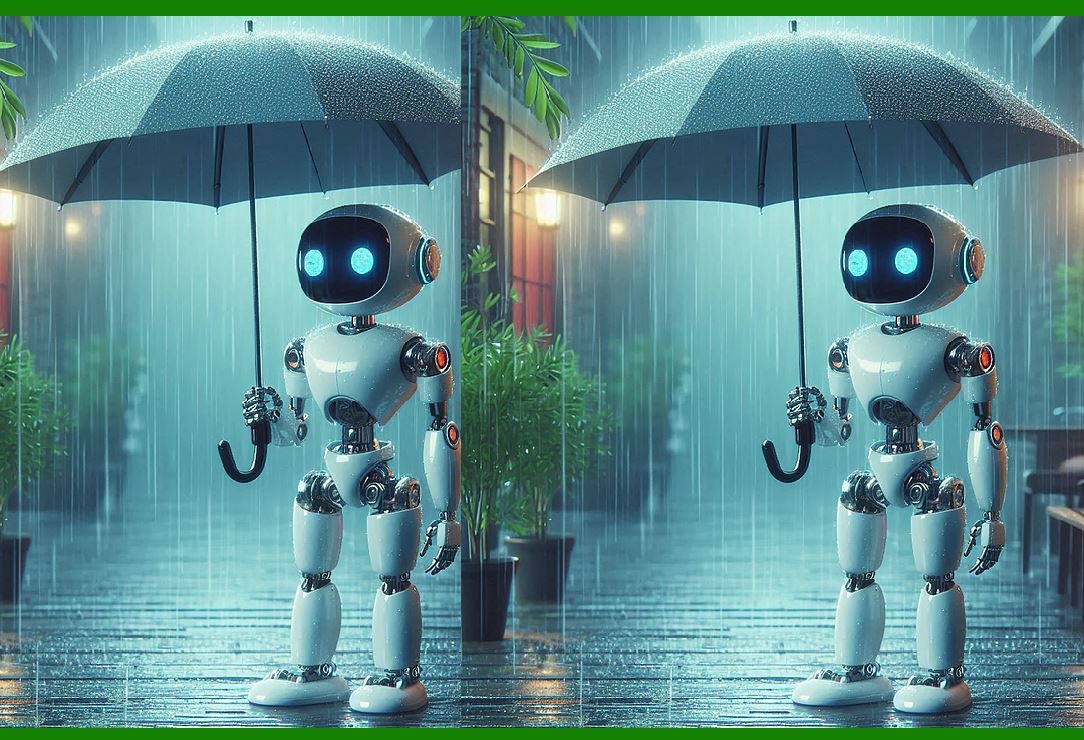
One of the most important applications of companion robots is in the care of elderly individuals, particularly those living in nursing homes or aging in place at home. As the global population continues to age, there is an increasing demand for innovative solutions to support the mental and emotional health of older adults. Companion robots offer a unique approach to addressing issues such as loneliness, depression, and cognitive decline, which are common among elderly individuals. |
Elderly individuals often experience feelings of isolation and loneliness due to physical limitations, loss of social networks, or cognitive impairments. Companion robots can serve as a reliable source of emotional support, providing comfort and companionship when human caregivers or family members are not available. These robots can engage in conversations, provide reminders for medication or appointments, and even offer physical interactions such as holding a hand or giving a hug. |
Research has shown that companion robots can significantly improve the emotional well-being of elderly individuals. For example, studies involving robots like PARO have demonstrated that interactions with these robots can help reduce symptoms of depression, lower stress levels, and improve overall mood. Furthermore, the use of companion robots has been linked to improved social interaction, as these robots can act as a catalyst for conversation and engagement among elderly residents. |
|
8.Challenges and Ethical Considerations |
While companion robots offer promising benefits, there are several challenges and ethical considerations that must be addressed. One major concern is the potential for emotional dependency. While companion robots are designed to provide comfort, there is a risk that users may become overly attached to these machines, potentially leading to feelings of dependence and detachment from human relationships. It is essential for caregivers and healthcare professionals to monitor interactions with these robots and ensure that they complement, rather than replace, human social connections. |
Another challenge is the issue of privacy and data security. Companion robots collect a vast amount of data about users' emotions, behaviors, and preferences. This data must be securely stored and handled to protect the privacy of individuals, particularly in healthcare settings where sensitive information is involved. |
Additionally, there are concerns about the emotional manipulation of vulnerable individuals. While robots like Pepper and PARO are designed to simulate empathy, they do not possess true emotional understanding. This raises questions about whether it is ethical to use robots to provide companionship for people who may not fully comprehend the nature of these interactions. |

|
9.Future of Companion Robots |
The future of companion robots holds exciting possibilities. As technology continues to advance, robots will become more sophisticated in their ability to interact with humans, recognize emotions, and respond in increasingly human-like ways. With advancements in AI and machine learning, companion robots will be able to provide even more personalized experiences, learning from users' preferences and evolving their behavior over time. |
Furthermore, the integration of companion robots into healthcare systems may expand, as they become valuable tools in monitoring and assisting elderly individuals. In addition to providing emotional support, these robots could assist with physical tasks, such as helping individuals with mobility issues or monitoring vital signs. Companion robots may also play a role in reducing caregiver burnout by providing supplementary support and allowing human caregivers to focus on more critical tasks. |
However, for companion robots to reach their full potential, it will be important to address the ethical and societal concerns mentioned earlier. With proper regulation and careful consideration, companion robots can play a transformative role in enhancing the lives of individuals, particularly those who are most vulnerable. |

|
10.Conclusion |
Companion robots, such as Pepper, PARO, and Palro, represent a significant leap forward in the intersection of technology and human emotional needs. By providing emotional support, companionship, and comfort, these robots are helping to improve the well-being of individuals, particularly those in eldercare settings. As technology continues to evolve, the role of companion robots will likely expand, offering even greater benefits in healthcare, home care, and social settings. |
However, as with any technological innovation, the use of companion robots must be approached with caution and ethical consideration. By addressing these challenges, companion robots have the potential to become a valuable part of our social fabric, helping to create a more compassionate and supportive environment for people of all ages. |

|
Practical Applications of Companion Robots |
Companion robots, designed to provide emotional support, engage in conversation, and enhance the quality of life, have found various practical applications across different sectors. From healthcare facilities to homes and even educational environments, these robots are helping to alleviate loneliness, provide mental stimulation, and improve social interaction. Below are some examples of how companion robots are being applied in real-world settings: |
1. Elderly Care and Nursing Homes |
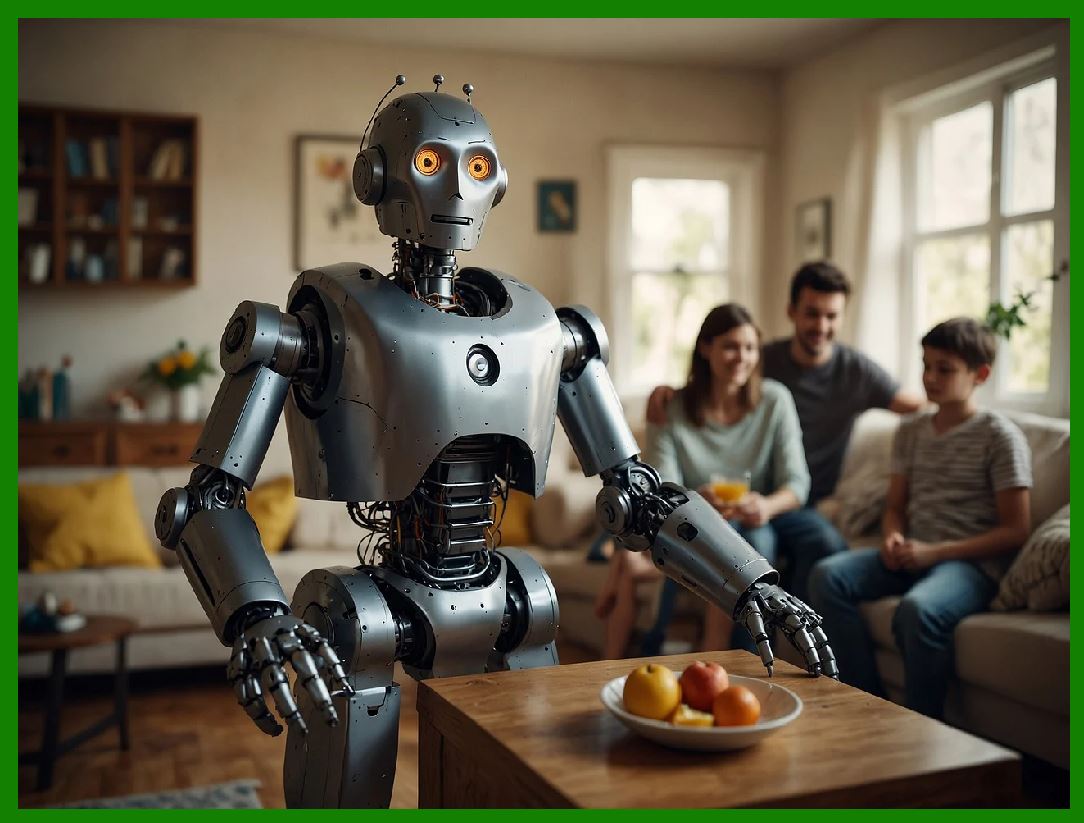
One of the most prominent and growing applications of companion robots is in elderly care, particularly in nursing homes and assisted living facilities. As the global population ages, there is an increasing need for solutions to combat loneliness, depression, and cognitive decline among the elderly. Companion robots can offer emotional companionship and help reduce feelings of isolation by providing social interaction, comforting conversations, and reminders for medication or appointments. |
Pepper: Pepper is used in some nursing homes to engage with elderly residents through conversation, entertainment, and reminders. It can detect changes in mood and adapt its responses accordingly, offering words of encouragement or positive interactions when someone feels down. Pepper has been shown to have therapeutic benefits, reducing stress and anxiety among elderly individuals. |
PARO: This therapeutic robot, designed to resemble a baby harp seal, is especially useful for individuals with Alzheimer's disease or dementia. PARO can be petted and interacted with, providing comfort to patients with cognitive impairments. Research has shown that interacting with PARO can help reduce agitation, anxiety, and depression in elderly residents, providing emotional benefits similar to those of animal therapy without the need for actual pets. |
Palro: Another humanoid robot, Palro is often deployed in eldercare environments to help with daily cognitive stimulation activities. It can play memory games, encourage conversation, and even share anecdotes or jokes. It engages elderly users in activities that keep them mentally active and socially connected. |
|
2. Healthcare and Hospitals |
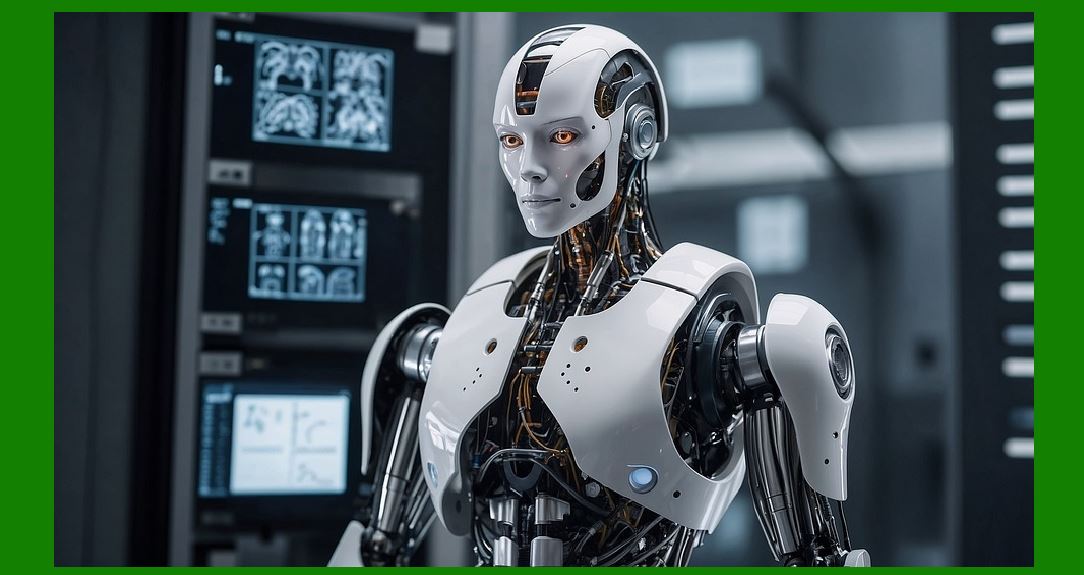
Companion robots are also being used in healthcare settings to provide emotional support to patients undergoing treatment or those recovering from surgery. Hospitals often have high-stress environments, and companion robots can help ease patient anxiety and offer comfort during their stay. These robots can interact with patients in ways that help them feel less isolated, especially in situations where visitors or family members are unavailable. |
PARO in Hospitals: In addition to nursing homes, PARO has been used in hospitals, particularly in rehabilitation or psychiatric units. Patients dealing with trauma, mental health conditions, or recovering from surgery often benefit from the calming presence of PARO, which mimics the soothing effects of pet therapy. The robot responds to touch and sound, offering a sense of comfort and relaxation during an often stressful hospital stay. |
Robotic Therapy for Children: Robots like Jibo or Mabu are used in pediatric healthcare settings to engage children in therapeutic play, provide emotional support, and remind them to take medications. These robots can offer companionship to children who are facing long-term hospital stays or those who are shy about interacting with human therapists. The robots provide emotional support through interactive games and activities, reducing the stress and anxiety often associated with hospital visits. |
|
3. Home Care for the Elderly or Disabled |
In-home care is another area where companion robots have found practical applications, providing support for individuals who may be housebound due to age or disability. These robots help users manage daily tasks, stay engaged socially, and maintain their mental and emotional well-being in the comfort of their own homes. |
Mabu by Catalia Health: Mabu is an AI-powered robot designed for patients with chronic conditions or the elderly who require home-based healthcare. Mabu can provide daily health monitoring, remind users to take medications, and track their well-being. It also engages in conversations to reduce feelings of loneliness and helps users stay connected with caregivers or family members via video calls. Mabu's gentle, conversational tone and personalized health reminders make it particularly beneficial for individuals living independently. |
Elderly Assistance Robots: Some robots, like Care-O-bot and Robear, are designed to assist with physical tasks in the home, including helping individuals with mobility challenges or assisting them in getting out of bed, moving around, or sitting down. These robots can complement the work of human caregivers, providing physical assistance while also offering social interaction. |
|
4. Educational Environments |
Companion robots are increasingly being used in educational settings to help children, particularly those with special needs, learn and engage with others. These robots can provide an interactive, non-threatening environment that encourages children to participate in activities, practice social skills, and build emotional awareness. |
Nao Robot: The Nao robot, developed by SoftBank Robotics, is used in various educational settings, from classrooms to therapy centers. Nao is designed to interact with students, helping children with autism or other social challenges to engage in structured activities and practice communication skills. Nao's ability to perform movements, speak, and respond to emotions makes it an effective tool for developing social interaction skills in children with autism spectrum disorder (ASD). |
Kuri: Kuri is another example of a robot designed for families with young children. While it may not be explicitly focused on therapy, Kuri's ability to respond to touch, voice commands, and facial expressions allows it to serve as an engaging playmate and educational companion. Kuri can interact with children, read stories, and provide a comforting presence that promotes learning and creativity. |

|
5. Retail and Customer Service |
Companion robots are also being used in retail environments, where they serve not only functional purposes (such as guiding customers or providing information) but also act as engaging and entertaining companions that enhance the shopping experience. These robots are particularly useful in environments that aim to create a more human-like interaction with technology. |
Pepper in Retail: In retail stores, particularly in Japan, Pepper has been used to greet customers, answer questions, and guide them through the store. It serves as both an informational tool and a social companion, making customers feel more welcomed and engaged. Pepper can recommend products, provide information on sales, and even entertain customers with jokes or dance routines, creating a more enjoyable shopping experience. |
Mufasa by SoftBank Robotics: In various public spaces such as shopping malls and airports, Mufasa is a robot that engages with customers through personalized interactions. It can provide directions, share information about sales or promotions, and make recommendations based on customer preferences. By serving as both an informational resource and a social companion, Mufasa makes the retail experience more engaging and customer-friendly. |

|
6. Mental Health Support |
Companion robots are increasingly being employed in mental health care to provide emotional support for individuals suffering from anxiety, depression, or other mental health challenges. These robots are designed to engage in conversations, help people process their emotions, and encourage coping strategies. |
Woebot: Woebot is an AI-driven robot designed to help individuals with mental health issues by offering cognitive behavioral therapy (CBT). It is used on mobile devices and interacts with users via text, offering support for mental health issues like anxiety and depression. By engaging in structured conversations, Woebot helps individuals recognize thought patterns and triggers, offering emotional support and coping strategies in a non-judgmental way. |
RoboTh¨¦rapy: In certain clinical settings, robots like RoboTh¨¦rapy are used to assist therapists with therapeutic interventions for patients experiencing mental health challenges. These robots are designed to interact with patients in therapeutic ways, helping them engage in mindfulness exercises, relaxation techniques, and emotional regulation practices. |
|
7. Human-Robot Interaction Research |
Companion robots are often used in research settings to study the impact of robots on human psychology, emotions, and social behavior. These robots help researchers understand how humans interact with machines, how emotions influence interactions with robots, and how robots can improve human well-being. |
Human-Robot Interaction Studies: Robots like Pepper and Nao are frequently used in studies on human-robot interaction (HRI) to assess how robots can be employed to improve social engagement, mental health, and quality of life. Researchers use these robots to simulate different scenarios, allowing them to collect data on emotional responses, social behavior, and the effectiveness of robot-driven interventions in areas like eldercare or mental health. |

|
8. Hospitality and Entertainment |
Companion robots are also being integrated into the hospitality and entertainment industries, where they provide customer service, entertainment, and emotional support. |
Henn-na Hotel (Japan): In Japan, the Henn-na Hotel, also known as the 'Strange Hotel,' features robots that serve as receptionists, concierges, and even room service attendants. These robots provide assistance with check-in, luggage handling, and customer inquiries, creating an efficient and futuristic hospitality experience. Though not designed specifically as emotional companions, these robots serve to entertain guests and provide a unique customer service experience. |
Robo Entertainment in Theme Parks: Robots like Pepper and Nao are used in theme parks and entertainment venues to interact with visitors, provide entertainment, and create fun and engaging experiences. These robots may engage with visitors through games, jokes, and interactive performances, adding an element of technological excitement to entertainment venues. |
|
9. Social Companionship in Isolated Environments |
In various isolated environments, such as space missions or research stations, companion robots can serve to alleviate feelings of isolation by providing social companionship to workers who are away from family and friends for extended periods. |
Social Companionship in Space Exploration: NASA and other space agencies have explored the possibility of using robots as companions for astronauts on long-duration space missions. Robots like CIMON, a floating AI robot, are designed to assist astronauts not only with practical tasks but also with offering social interaction. CIMON has been tested aboard the International Space Station (ISS), providing astronauts with conversation and emotional support during long stints in space. |
|
Conclusion |
Companion robots are being integrated into various domains, from healthcare to retail, education, and mental health care. By offering social interaction, emotional support, and personalized services, these robots are becoming an essential tool in improving the well-being of individuals, particularly those who are vulnerable, isolated, or in need of ongoing care. As technology advances, the potential applications for companion robots will continue to grow, enhancing their role in society and helping to meet the evolving needs of a rapidly changing world. |
 cs@easiersoft.com