1. Introduction to Consumer Robots |
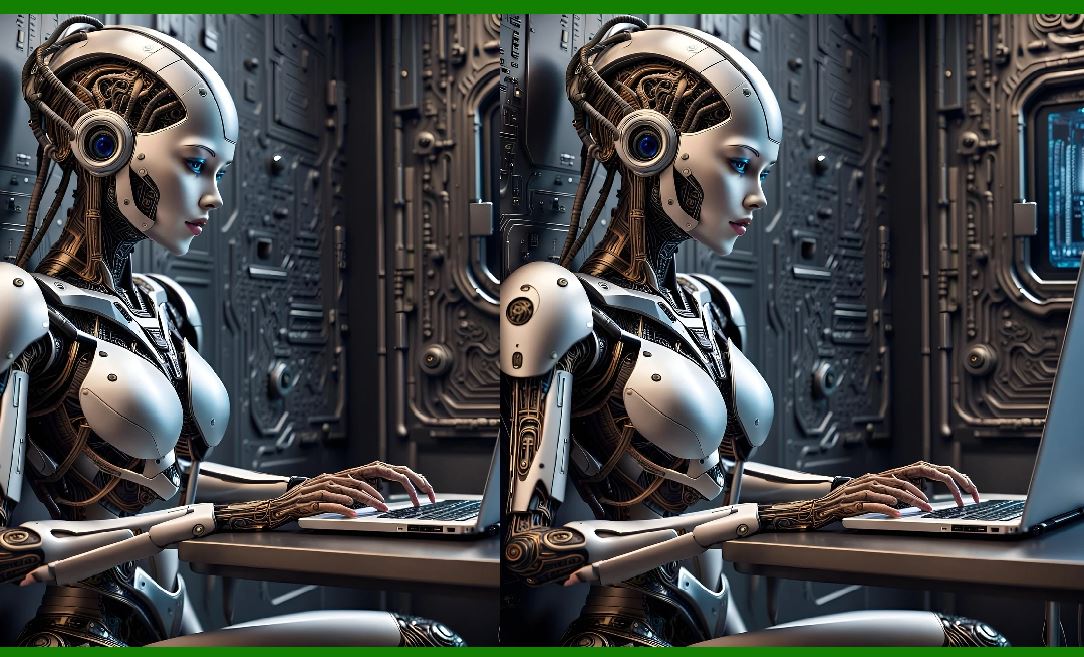
Consumer robots are becoming a ubiquitous part of daily life, particularly in personal and household environments. These robots are designed with the primary goal of assisting individuals in their everyday tasks, making life easier, more efficient, and in some cases, more enjoyable. Whether it's cleaning, personal assistance, entertainment, or even companionship, the diversity and application of consumer robots are growing rapidly. This essay explores the different types of consumer robots, their functionalities, the technologies that power them, and the broader implications they hold for society. |
|
2. Defining Consumer Robots |
Consumer robots, often referred to as domestic robots or home robots, are machines designed for non-industrial use, typically for personal or household applications. Unlike industrial robots, which are primarily used for manufacturing and large-scale production, consumer robots are created to interact with individuals in a home or small business setting. They are characterized by their ability to perform tasks autonomously or with minimal human intervention. These robots are often designed with user-friendly interfaces to ensure they can be easily operated by people of all ages and technical abilities. |
Over the past decade, consumer robots have evolved from simple robotic vacuum cleaners to more sophisticated systems capable of performing a variety of functions. Today, they can clean, cook, provide companionship, monitor homes for security, assist with healthcare, and much more. The expanding capabilities of these robots are revolutionizing personal life and setting the stage for the future of home automation. |

|
3. Types of Consumer Robots |
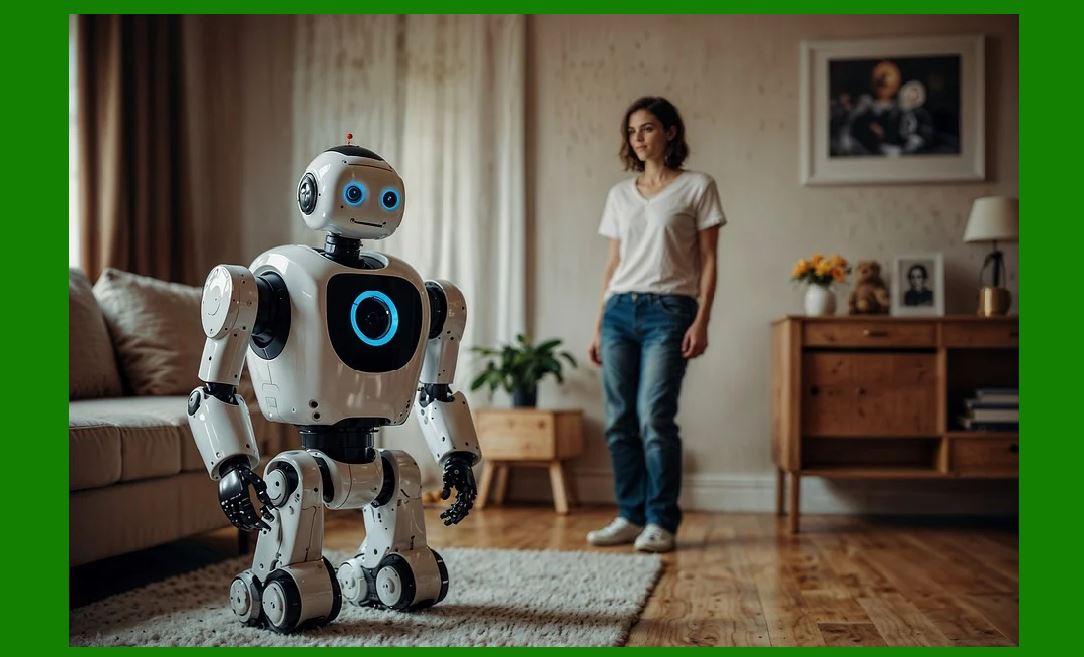
Consumer robots are categorized based on their primary functions. While the number of robot types continues to grow, they can generally be grouped into several broad categories: cleaning robots, personal assistant robots, companion robots, and security robots. Each category serves a unique purpose, and often robots from different categories can have overlapping functionalities. |
3.1 Cleaning Robots |
One of the most popular types of consumer robots is the cleaning robot. These robots are designed to perform tasks like vacuuming, mopping, and even lawn care, making them invaluable for time-strapped individuals. |
Vacuum Robots: Robotic vacuum cleaners, such as the iRobot Roomba and Dyson 360 Eye, have become household staples. These robots use sensors and intelligent navigation systems to map out the layout of a home and efficiently clean floors. The latest models are equipped with advanced features such as scheduling, voice control, and even the ability to self-empty waste bins. Some of these robots can also be integrated with smart home systems like Alexa and Google Home. |
Mopping Robots: Similar to vacuum robots, robotic mops such as the Braava series from iRobot use a combination of water, cleaning solutions, and cloths to clean hard floors. These robots can be used for both wet and dry cleaning and are particularly helpful for people who prefer not to spend time on their hands and knees scrubbing floors. |
Lawn Care Robots: Robotic lawnmowers like the Husqvarna Automower have revolutionized lawn care. These robots are designed to autonomously mow lawns, trim grass, and navigate obstacles like flower beds and trees. Using GPS and advanced sensors, they are able to create a map of the yard and systematically mow the area, returning to a charging station when the task is complete. |
3.2 Personal Assistant Robots |
Personal assistant robots are designed to help manage day-to-day activities, similar to how voice-controlled AI systems like Alexa, Siri, or Google Assistant function, but with added mobility and interactivity. These robots are typically equipped with cameras, microphones, and speakers, enabling them to perform tasks like voice recognition, video calls, and providing reminders or information. |
Robotic Personal Assistants: Robots like Amazon's Echo Show, which features a display for video calls and home automation, or the more advanced personal assistant robots such as the Pepper robot by SoftBank, are capable of more dynamic interactions. Pepper, for example, can interpret human emotions using facial recognition and act accordingly to provide a more personalized interaction. These robots are used in a variety of environments, including homes and businesses, to provide information, schedule appointments, and assist with entertainment and social activities. |
Home Automation: In addition to performing basic tasks, personal assistant robots often integrate with the Internet of Things (IoT) devices in a home, managing smart lighting, thermostats, and security systems. The integration of AI allows these robots to continuously learn about user preferences, which enhances their ability to automate everyday functions. |
3.3 Companion Robots |
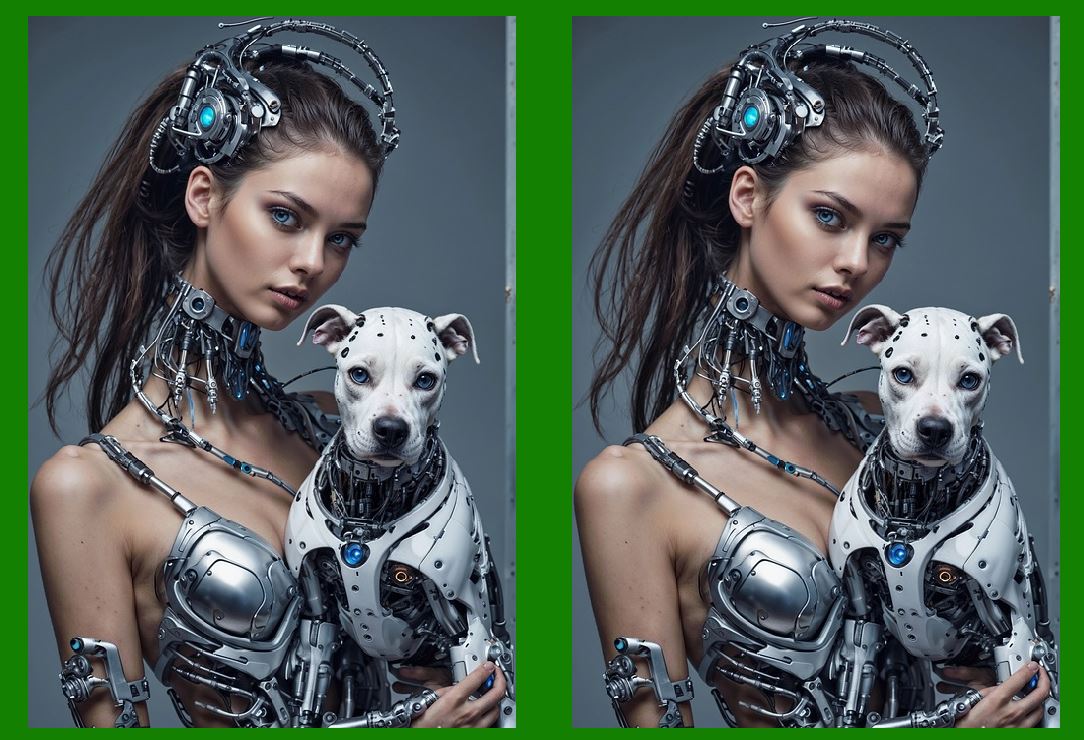
Companion robots are designed to offer emotional support and companionship, particularly for individuals who may experience loneliness or require assistance in daily living. While the idea of a robot serving as a companion may sound like science fiction, these robots are becoming increasingly sophisticated and capable of forming bonds with humans. |
Elderly Care Robots: Companion robots such as the ElliQ and the socially interactive robot called PARO, a robotic seal designed for elderly care, are designed to help older adults maintain social connections. ElliQ, for example, uses AI to engage seniors in conversation, offer reminders for medication, and even suggest activities to improve mental stimulation. These robots often integrate sensors to monitor the health of users and can alert family members or caregivers if something goes wrong, offering peace of mind. |
Social Robots for Children: Robots like the Buddy robot or the Miko robot are designed for children, providing both entertainment and educational content. These robots can engage in simple conversations, play games, and even provide learning exercises, all while adapting to the child's development and interests. Such robots can help children develop social and emotional intelligence, offering an interactive learning experience that goes beyond traditional media. |
3.4 Security Robots |
Security robots are becoming more common in personal environments, offering autonomous monitoring and protection of homes and properties. These robots are typically equipped with cameras, motion sensors, and sometimes even speakers for communication. They can patrol properties, detect intruders, and alert homeowners or law enforcement in case of suspicious activity. |
Surveillance Robots: Robots like the Knightscope K5 are designed for outdoor surveillance. These robots roam properties autonomously, scanning for unusual activity using sensors and cameras. They are programmed to detect potential threats like unauthorized persons or vehicles and provide alerts to property owners or security teams. Some robots can even transmit live video feeds, allowing for real-time monitoring. |
Home Monitoring Robots: Indoor security robots, such as the SimCam or the Ring Always Home Cam, are typically equipped with cameras and sensors to patrol and monitor the interior of a home. They can detect movement, check for open doors or windows, and even interact with family members or intruders via voice communication. These robots can be integrated into broader smart home systems, offering a seamless security experience. |
|
4. Key Technologies Behind Consumer Robots |
Consumer robots rely on a variety of cutting-edge technologies that make them capable of performing their respective functions. Some of the most important technological components include artificial intelligence (AI), machine learning, robotics hardware, sensors, and connectivity. |
4.1 Artificial Intelligence and Machine Learning |
The core of many consumer robots' functionality lies in AI and machine learning. These technologies allow robots to learn from their environment and interactions, improving their performance over time. Machine learning algorithms enable robots to adapt to new tasks, recognize patterns, and even predict user needs. For example, a robotic vacuum cleaner can learn the layout of a home, improve its cleaning efficiency, and avoid obstacles better over time as it gathers more data about its environment. |
AI also enables robots to perform advanced tasks such as natural language processing (NLP) for speech recognition and response. Voice assistants like Amazon Alexa or Google Assistant use NLP to understand and respond to human speech in a conversational manner, improving the user experience and enabling a broader range of interactions. |
4.2 Sensors and Navigation Systems |
Sensors are critical for helping robots navigate their environments and perform their tasks autonomously. LIDAR (Light Detection and Ranging) sensors, ultrasonic sensors, infrared sensors, and cameras are all commonly used in consumer robots. These sensors help robots detect objects, map environments, avoid obstacles, and create efficient navigation paths. |
For example, robotic vacuum cleaners use a combination of LIDAR and infrared sensors to detect dirt and map out areas in the home that need cleaning. Similarly, security robots rely on high-resolution cameras and motion sensors to monitor a property for unusual activity. The development of advanced sensors and the integration of AI allows robots to carry out tasks with greater precision and reliability. |
4.3 Connectivity and IoT Integration |
As part of the broader trend of smart homes, consumer robots are increasingly designed to be connected to the internet and integrated with other smart devices. This connectivity enables remote control, real-time monitoring, and seamless integration with other home automation systems. For instance, many cleaning robots can be controlled via smartphone apps, allowing users to start, pause, or schedule cleaning sessions from anywhere. |
IoT (Internet of Things) integration is another key feature, as robots can be programmed to interact with other IoT devices in the home, such as smart thermostats, lights, and security cameras. This connectivity enhances the robot's ability to serve as a central hub for managing and controlling different aspects of home life. |

|
5. Impacts and Future Prospects |
The increasing integration of consumer robots into everyday life presents both opportunities and challenges. These robots are improving the quality of life for many individuals by reducing the time spent on mundane tasks and offering assistance in areas like healthcare, security, and companionship. |
5.1 Benefits of Consumer Robots |
The primary benefits of consumer robots lie in their ability to enhance efficiency and convenience in the home. For example, cleaning robots can significantly reduce the time and effort needed for chores, while personal assistant robots can help with scheduling, reminders, and home automation. Companion robots, meanwhile, offer emotional support, particularly for vulnerable populations such as the elderly or those living alone. |
Robots also hold the potential to improve safety and security in homes, offering real-time surveillance and alerts that help protect individuals and their properties. In healthcare, robots are increasingly used to monitor the well-being of elderly or disabled individuals, providing early warning signs of health issues or emergencies. |
5.2 Challenges and Ethical Concerns |
Despite the many benefits, the widespread adoption of consumer robots comes with challenges. One of the key concerns is privacy and data security. Robots that are connected to the internet or equipped with cameras and microphones can potentially be hacked or misused to gather personal data. Ensuring the security of these devices is crucial to maintaining user trust. |
Another ethical concern is the potential for job displacement. As robots take over routine tasks like cleaning and security monitoring, there is concern about the impact on employment, particularly for workers in low-skill jobs. Ensuring that the adoption of consumer robots is balanced with adequate social policies and job training programs will be important for mitigating these effects. |
5.3 The Future of Consumer Robots |
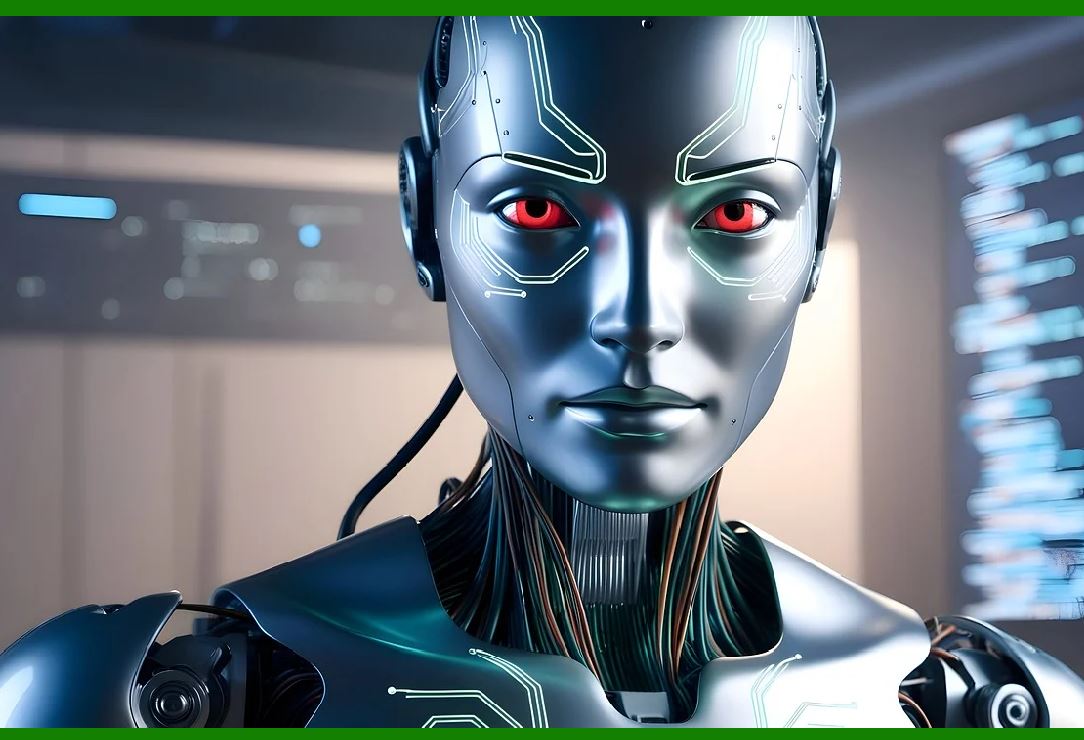
The future of consumer robots looks promising. As technology continues to advance, robots will become more capable and versatile, offering new functionalities that go beyond current limitations. Future robots could have advanced emotional intelligence, enabling them to engage in more natural and meaningful interactions with humans. Additionally, robots may become more integrated into smart cities, helping to manage infrastructure and services. |
One area with significant potential is healthcare, where robots could play a larger role in providing support for aging populations. Autonomous delivery systems, health-monitoring robots, and robots capable of assisting with physical tasks could transform the healthcare landscape in the coming decades. |
|
In conclusion, consumer robots are poised to change the way people live, work, and interact with technology. From cleaning and personal assistance to companionship and security, robots are increasingly becoming an integral part of modern life. As technology continues to evolve, the capabilities and potential applications of these robots will only expand, opening up new possibilities for a more efficient, convenient, and connected future. |
|
Examples of practical applications of this type of robot. |
Consumer robots have a broad range of practical applications that improve efficiency, convenience, and even provide companionship in daily life. Here are some examples of how these robots are used in different household and personal contexts: |
1. Robotic Vacuum Cleaners (e.g., iRobot Roomba, Dyson 360 Eye) |
Application: Home Cleaning |
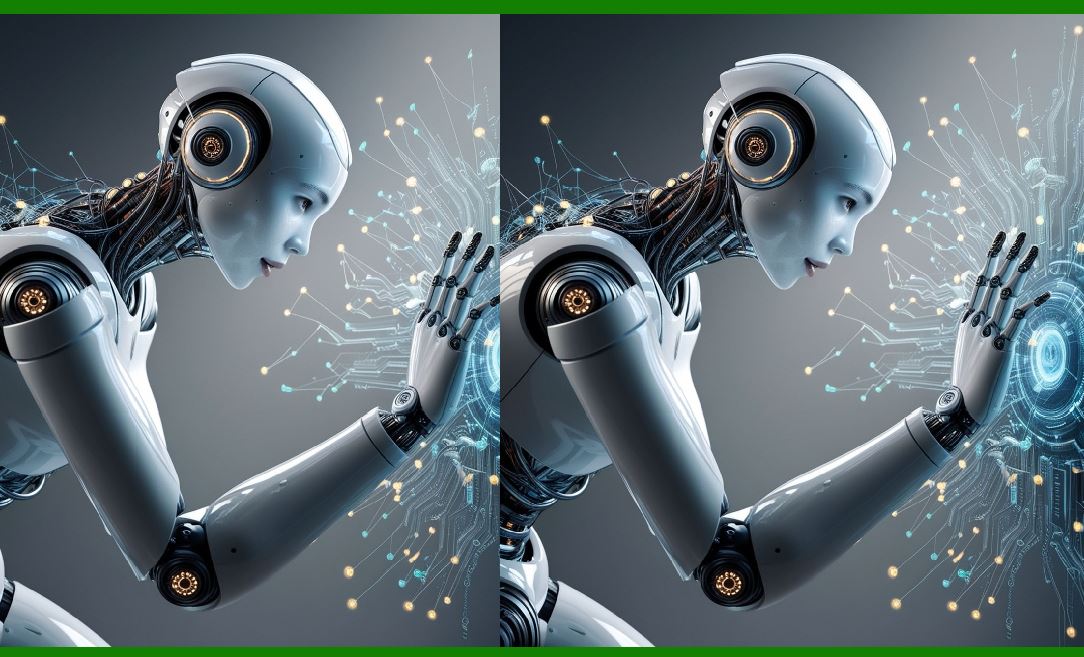
Robotic vacuum cleaners are among the most popular consumer robots, and their primary function is to automate floor cleaning. These robots autonomously move around the house, using sensors to detect dirt and debris while avoiding obstacles such as furniture and walls. They often come with features like scheduling, where users can set the robot to clean at specific times, and advanced models can empty their own dustbins when full. These robots are especially useful for people with busy schedules, those who have difficulty cleaning due to physical limitations, or for maintaining cleanliness in homes with pets. |
Example: The iRobot Roomba 980 uses advanced navigation technology, including a camera and sensors, to map your home and clean more efficiently. It can be controlled via an app or through voice commands using systems like Amazon Alexa. |
|
2. Robotic Lawn Mowers (e.g., Husqvarna Automower) |
Application: Lawn Care |
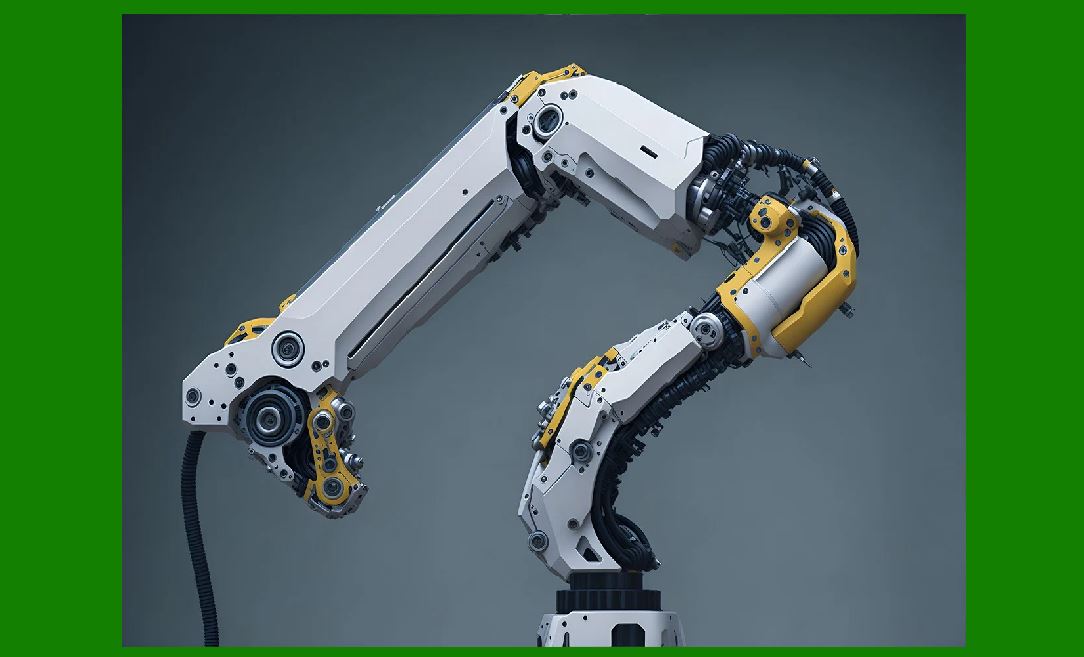
Robotic lawnmowers are designed to autonomously maintain the grass on residential lawns. These robots use GPS and boundary wire systems to navigate the yard, trimming grass to a uniform length. The robot can detect obstacles, avoid collisions, and even return to a charging station when its battery is low. Robotic lawn mowers are an ideal solution for homeowners who want to maintain their lawns without having to spend time on manual mowing. |
Example: The Husqvarna Automower 450X is a high-performance robotic mower that can manage large lawns and complex landscapes. It is equipped with GPS navigation and can be controlled via a smartphone app, allowing users to adjust settings remotely. |
|
3. Personal Assistant Robots (e.g., Amazon Echo Show, SoftBank Pepper) |
Application: Personal Assistance, Home Automation, Entertainment |
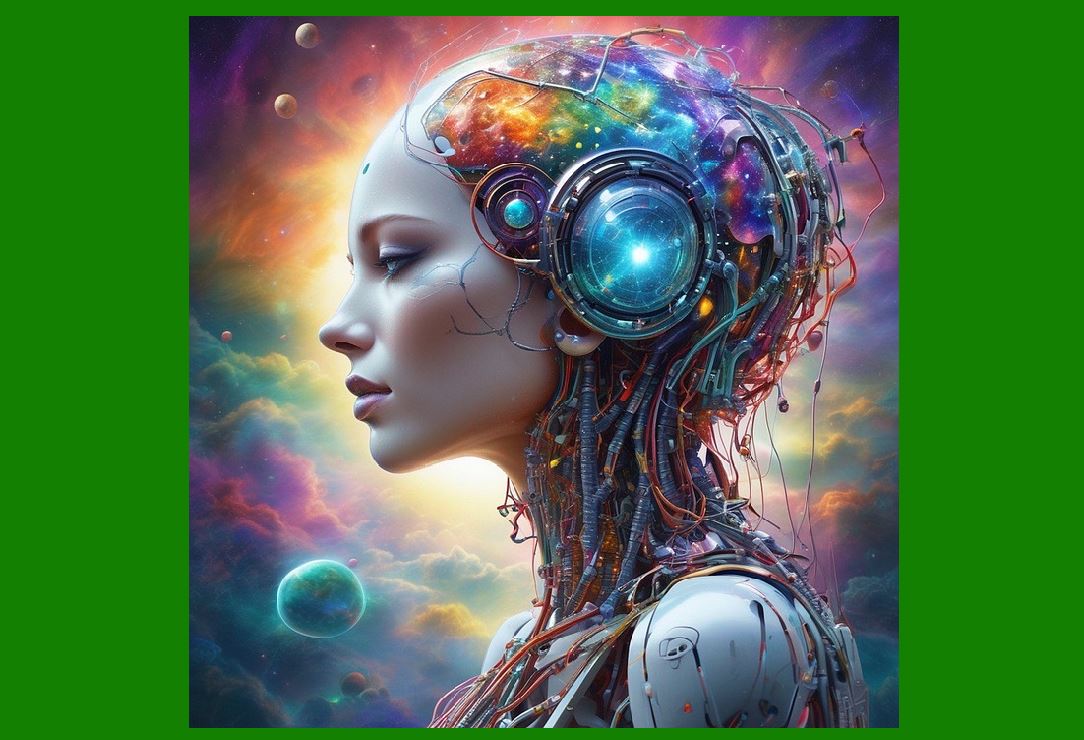
Personal assistant robots are designed to help with everyday tasks, from controlling smart home devices to scheduling appointments and providing weather updates. Many of these robots are equipped with touchscreens, voice recognition, and even facial recognition. They can assist in managing daily activities and offer hands-free convenience for tasks like setting timers, making video calls, or streaming music and videos. |
Example: The Amazon Echo Show is a smart speaker with a screen that allows users to interact via voice commands or touch. It can manage a wide range of tasks such as controlling smart home devices, making video calls, setting reminders, and providing real-time information like news or weather. |
Example: The Pepper robot by SoftBank is a humanoid robot designed to interact with people emotionally and socially. It can read facial expressions and adapt its behavior accordingly. It is commonly used in retail environments but is also capable of helping with home tasks and even providing companionship for the elderly. |
|
4. Companion Robots for the Elderly (e.g., ElliQ, PARO) |
Application: Emotional Support, Healthcare Monitoring |
Companion robots are particularly beneficial for the elderly, providing both emotional support and practical assistance. These robots can interact with individuals, remind them to take medications, and even monitor health conditions. Some robots are designed to help reduce feelings of loneliness, while others assist with more practical tasks like managing appointments and helping with mobility. |
Example: ElliQ is an AI-powered robot designed for seniors. It helps them stay engaged with social activities, reminds them about important tasks (like taking medication), and provides cognitive stimulation through conversations and games. ElliQ is designed to integrate into the user's life in a non-intrusive manner, promoting socialization and independence. |
Example: PARO, a robotic seal, is used in healthcare settings and homes to provide therapeutic benefits for elderly patients, especially those with dementia or Alzheimer's disease. It responds to touch, sound, and light, offering emotional comfort to its users. PARO is known to help reduce anxiety and improve the emotional well-being of its users. |

|
5. Security Robots (e.g., Knightscope K5, SimCam) |
Application: Home and Property Security |
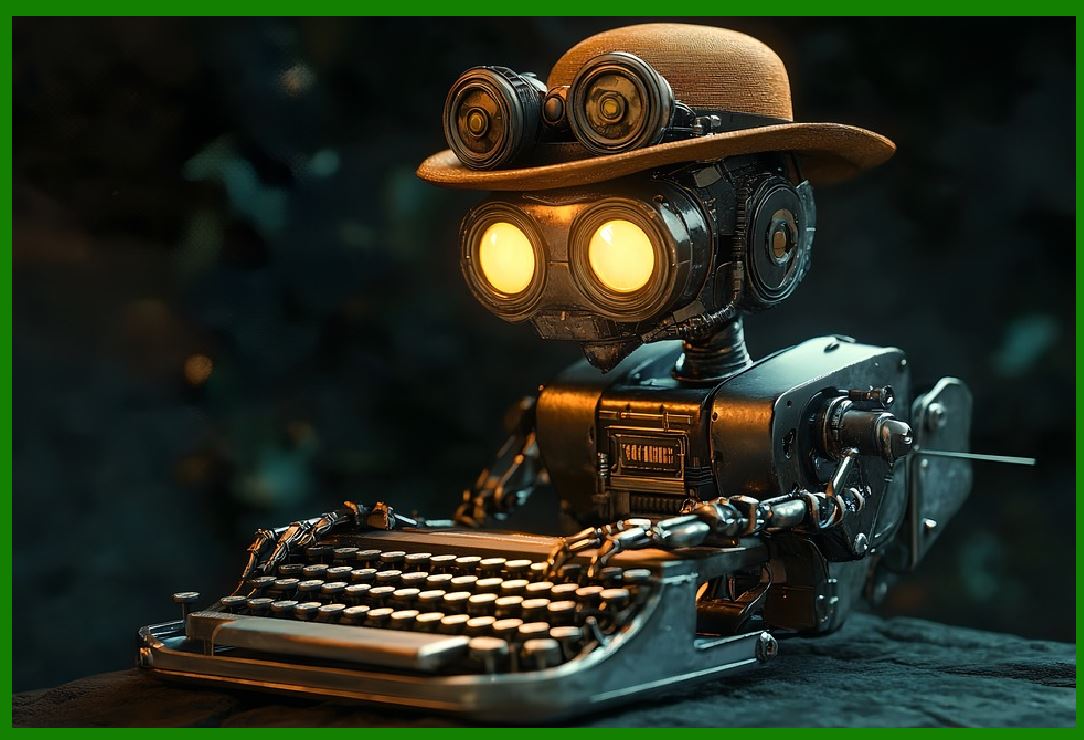
Security robots are used to monitor and patrol residential and commercial properties, offering real-time surveillance and alerts. These robots can move autonomously, monitor for suspicious activity, and even interact with intruders via speaker systems. They provide an extra layer of security, especially in areas where traditional security systems may not be sufficient or are costly to implement. |
Example: The Knightscope K5 is an autonomous security robot that patrols properties, scanning for threats using sensors, cameras, and facial recognition technology. It is often deployed in public spaces but can also be used in residential areas to monitor for potential intruders, vehicle trespassing, or other safety issues. |
Example: The SimCam 1S is a security robot that combines advanced AI with home monitoring. It provides real-time notifications of movement, offers facial recognition for identifying family members or strangers, and integrates with other smart home devices to ensure maximum safety. |
|
6. Robotic Personal Trainers (e.g., Peloton's AI Integration) |
Application: Fitness and Health |
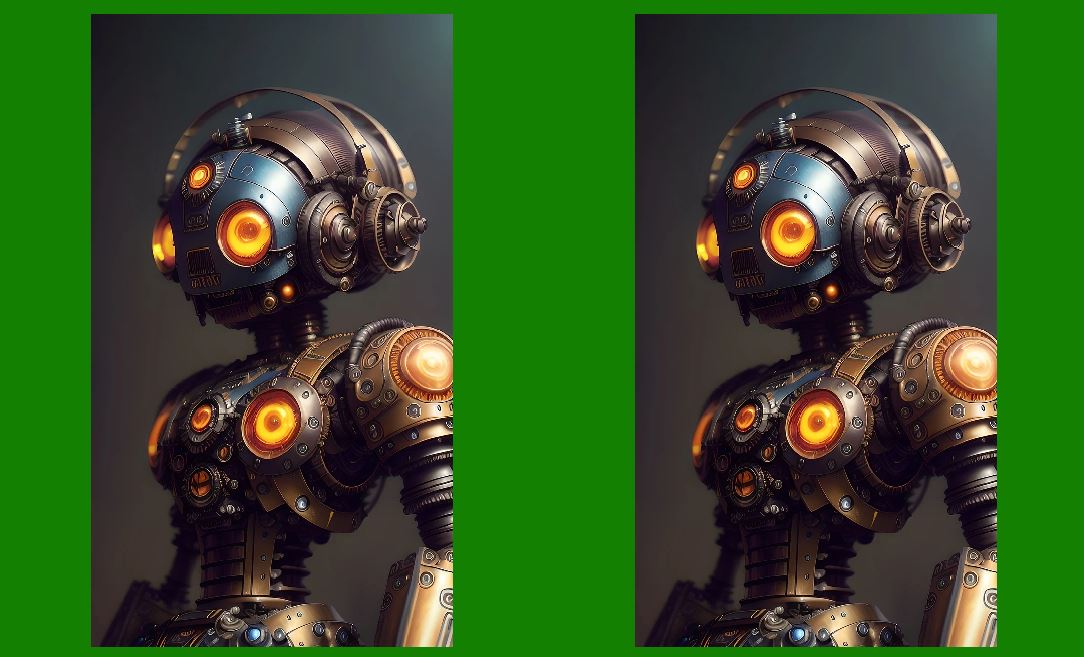
Some robots are designed to assist with fitness by offering virtual personal training or health monitoring. These robots use sensors and AI to track physical performance and give feedback, making them an excellent tool for home workouts. The integration of AI allows these robots to adjust training plans based on individual progress and goals. |
Example: Peloton integrates AI in its fitness platform to offer personalized workout plans. While not a traditional robot, the integration of AI can create a highly interactive experience where the system adapts to the user's needs and provides real-time feedback, similar to a personal trainer. |
|
7. Robotic Cooking Assistants (e.g., Moley Robotics Kitchen) |
Application: Cooking and Meal Preparation |
Robotic kitchen assistants are designed to help prepare meals in the kitchen. These robots can automate cooking processes like chopping, stirring, and even cooking full meals from start to finish. These devices are especially useful for individuals with limited cooking skills or for those who want to save time in meal preparation. |
Example: The Moley Robotics Kitchen is a fully automated kitchen system with robotic arms capable of preparing a wide range of recipes. The system can follow pre-programmed recipes or even adapt to specific preferences. The robot prepares food by chopping, saut¨¦ing, stirring, and plating dishes with minimal human involvement. |

|
8. Robotic Delivery Systems (e.g., Starship Technologies) |
Application: Package and Food Delivery |
Robotic delivery systems are becoming more common in urban environments, especially for small deliveries like groceries, food, or parcels. These robots navigate sidewalks and public spaces autonomously to deliver items to customers, providing a convenient and eco-friendly alternative to traditional delivery methods. |
Example: Starship Technologies has developed autonomous delivery robots that are used by various food delivery services. These robots are equipped with sensors, cameras, and GPS systems to navigate city streets and deliver food or packages to customers' doorsteps. The robots are designed to travel at walking speed and can carry small packages up to about 20 lbs. |
|
9. Interactive Robots for Children (e.g., Miko, Buddy) |
Application: Education and Entertainment |
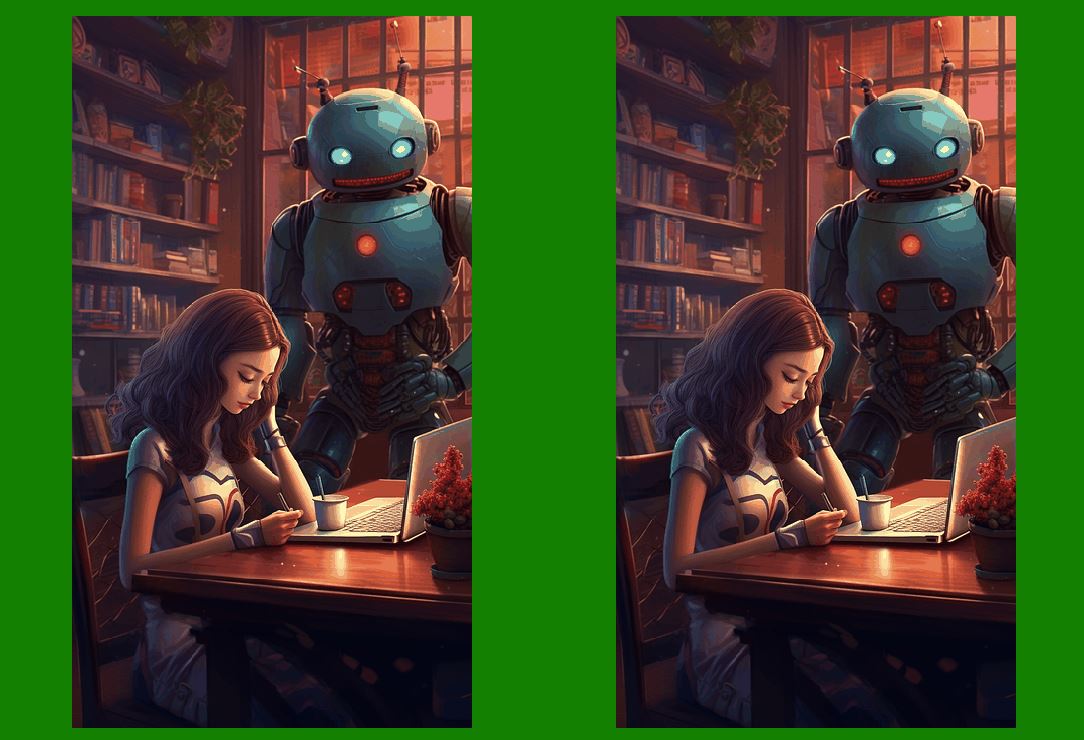
Robots designed for children offer a mix of entertainment and educational content. These robots can engage in conversation, play games, and even assist with learning activities. Many of these robots can adapt to a child's learning pace and provide interactive experiences that enhance cognitive and emotional development. |
Example: The Miko 3 is an AI-powered robot designed for children. It helps with learning by offering interactive lessons, games, and conversations that are both educational and entertaining. It can also recognize emotions, adjusting its responses to the child's mood, making it a unique companion for kids. |
Example: Buddy, a social robot designed for children, can perform a wide range of activities, from playing games and answering questions to helping with homework and offering reminders. Its expressive face and movements help it bond with children, making it both a learning tool and a friend. |
|
10. Robotic Therapy for Mental Health (e.g., Jibo, Mabu) |
Application: Mental Health Support |
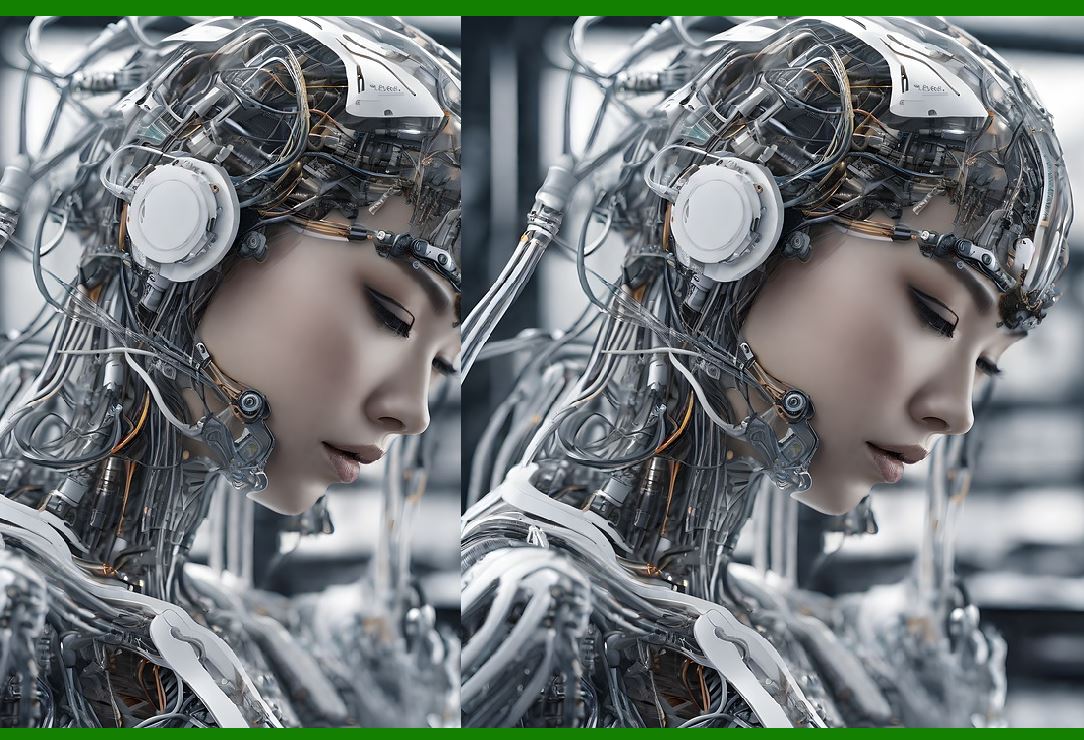
Some robots are designed to assist individuals with mental health concerns, providing emotional support or engaging in therapeutic activities. These robots often have conversational AI and can guide individuals through mindfulness exercises, therapy sessions, or offer emotional support during difficult times. |
Example: Mabu is a healthcare robot that uses AI to provide emotional support and assist with mental health. Mabu can check in with individuals on a regular basis, providing conversation and feedback based on mood or personal data collected via connected devices. |
Example: Jibo, an interactive robot designed for companionship, can help reduce feelings of loneliness and support mental health by offering social interaction, encouraging positive behaviors, and even integrating with therapy apps. |
|
These examples illustrate just a small fraction of the many practical applications of consumer robots in daily life. As technology advances, the range of tasks these robots can perform will only increase, further transforming how we live and interact with the world around us. |
 cs@easiersoft.com