1. Introduction to Industrial Robots |
Industrial robots have become an integral part of modern manufacturing, revolutionizing industries by enhancing productivity, precision, and flexibility. These machines are designed to perform a variety of tasks in automated production environments, often replacing or assisting human workers in repetitive or hazardous tasks. Industrial robots are generally considered to be versatile, efficient, and reliable, providing manufacturers with a competitive edge by reducing costs, improving quality, and ensuring safety. |
An industrial robot is defined as a reprogrammable, multifunctional manipulator that is used to perform a wide range of tasks in manufacturing and other industrial settings. The term 'manipulator' refers to the robotic arm or structure that moves and positions objects or tools to execute tasks. These robots are typically programmed to perform specific operations in an automated environment, such as welding, painting, assembly, packaging, and material handling. The combination of advanced mechanical systems, sensors, and software programming makes industrial robots highly effective in a variety of industries, including automotive, electronics, pharmaceuticals, food processing, and more. |
|
2. Characteristics of Industrial Robots |
To better understand industrial robots, it's essential to examine their key characteristics. These characteristics are integral to their performance, adaptability, and ability to deliver consistent results in a manufacturing environment. Below are the defining features of industrial robots. |
2.1. Programmability |
The ability to program a robot to perform specific tasks is one of the most important features of industrial robots. Programmability allows robots to carry out complex sequences of operations without human intervention. There are two main approaches to programming industrial robots: |
Direct coding: This involves writing a program using a specific programming language (e.g., RAPID, KRL, or VAL3). The program is created in a text editor or integrated development environment (IDE) and uploaded to the robot controller. Direct coding is often used for more complex tasks where precise control and optimization are necessary. |
Teach pendant programming: A teach pendant is a handheld device that allows operators to manually guide the robot through the desired motions. The operator moves the robot arm through various positions, and the robot records the positions and actions. This method is particularly useful for less complex tasks or when a quick reprogramming is required. |
The advantage of programmability is that robots can be quickly reconfigured to perform different tasks without significant downtime. This adaptability makes them ideal for environments where product lines change frequently or where different types of production runs need to be accommodated. |
|
2.2. Multifunctionality |
Modern industrial robots are not limited to a single task but can perform a wide variety of functions. These tasks depend on the type of end-effector (the tool or device attached to the robot arm) used. End-effectors can include tools such as grippers, welding torches, spray nozzles, or specialized sensors. |
For instance: |
Welding robots: Used for tasks like arc welding or spot welding in the automotive industry, providing high-speed, precise, and consistent welds. |
Painting robots: In industries like automotive and aerospace, robots equipped with spray nozzles can perform high-quality paint jobs with precision and efficiency. |
Assembly robots: Used to pick and place components, assemble parts, or even perform tasks like screwing, fastening, or gluing. |
Material handling robots: These robots are equipped with grippers or suction cups and are used to move materials or products between workstations, often in automated storage and retrieval systems. |
Because industrial robots can easily be reprogrammed and outfitted with different tools, their functionality is highly versatile, making them valuable assets in industries with diverse manufacturing needs. |
|
2.3. Precision and Accuracy |
One of the defining characteristics of industrial robots is their ability to perform tasks with a high degree of precision and repeatability. Unlike human workers, who may experience variability in performance due to fatigue, distraction, or physical limitations, industrial robots can perform the same task with the same level of accuracy and precision every time. This is especially important for operations that require a high degree of consistency, such as: |
Assembly of small components: Robots can place tiny parts with sub-millimeter accuracy, reducing the likelihood of errors in assembly. |
Welding and painting: Robots can consistently apply the right amount of heat or paint across surfaces, ensuring uniformity and reducing waste. |
Inspection and testing: Robots can be equipped with sensors to measure product quality, detect defects, and ensure that every item meets precise specifications. |
The repeatability of industrial robots is often measured in microns (thousandths of a millimeter), and this precision is critical in industries such as electronics and medical device manufacturing, where even minor deviations can lead to product failure. |
|
2.4. Automation and Continuous Operation |
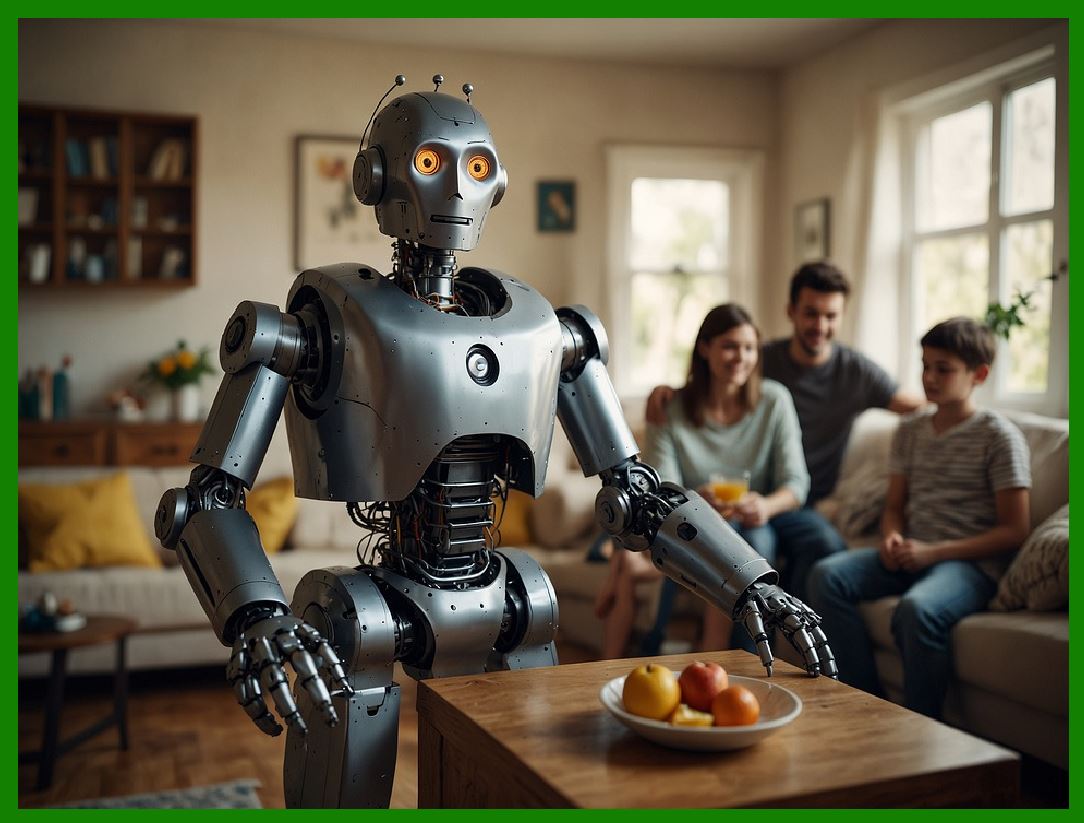
Industrial robots enable automation, allowing manufacturing processes to be carried out with minimal human involvement. The key advantage of automation is that robots can operate 24/7 without needing rest breaks, unlike human workers. This capability leads to increased throughput, reduced production times, and higher productivity. |
The ability to run continuously is particularly advantageous in high-volume production settings, where robots can work around the clock without experiencing fatigue. Automation also helps reduce labor costs by replacing manual labor in repetitive tasks. Furthermore, since robots are often capable of operating with minimal supervision, it allows human workers to focus on higher-value tasks, such as maintenance, quality control, and process optimization. |
|
2.5. Flexibility |
Another key feature of industrial robots is their flexibility. While robots are often designed to perform specific tasks, many can be easily reprogrammed or reconfigured to take on new functions. This flexibility is essential in industries that deal with short production runs, frequent product changes, or customized manufacturing. |
For example, in the automotive industry, robots on an assembly line can be programmed to handle different car models or configurations. Similarly, robots in electronics manufacturing can be easily reprogrammed to assemble various types of consumer devices, such as smartphones, tablets, and computers. |
The ability to quickly change tasks also allows manufacturers to adjust to market demand, reduce downtime, and make production more adaptable to new products or processes. |

|
2.6. Safety Features |
Safety is a critical consideration when deploying industrial robots, particularly in environments where robots work alongside human operators. Many industrial robots are designed with built-in safety features to prevent accidents and protect workers. These safety features include: |
Collision detection: Robots can be equipped with sensors to detect when they are about to collide with an object or human worker. If a collision is detected, the robot can stop or slow down its motion to avoid injury or damage. |
Protective barriers and fencing: Many robots are placed within dedicated enclosures or surrounded by safety barriers to prevent workers from entering the robot's operating area while the robot is in motion. |
Emergency stop systems: Emergency stop buttons or switches are installed on robots or in the work area to allow operators to halt robot operations immediately in case of an emergency. |
Safety protocols and standards: Industrial robots are often built to comply with safety standards such as ISO 10218, which outlines safety requirements for industrial robots. These standards ensure that robots are designed and operated in ways that protect human workers and minimize the risk of injury. |
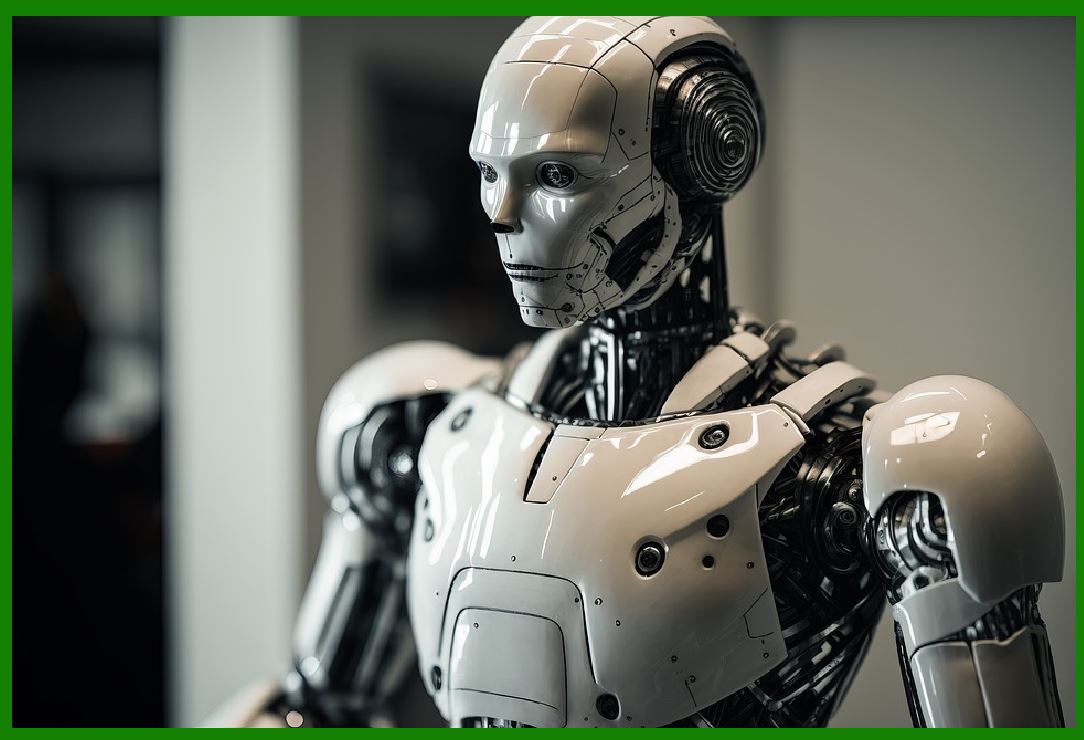
Some modern industrial robots, such as collaborative robots (cobots), are designed to work alongside human operators in shared spaces. These robots are equipped with advanced sensors and safety features that allow them to detect human presence and adapt their behavior to avoid accidents. Cobots are often used in tasks like assembly, packaging, and material handling, where close collaboration with human workers is required. |
|
2.7. Cost and Investment |
While industrial robots offer significant advantages in terms of efficiency, precision, and flexibility, they do come with a considerable initial investment. The costs associated with industrial robots include the price of the robot itself, which can range from a few thousand to hundreds of thousands of dollars depending on the model and capabilities, as well as the costs of installation, programming, training, and maintenance. |
However, the return on investment (ROI) for industrial robots is often substantial. Over time, the increased productivity, reduced labor costs, and improved product quality can offset the initial expenditure. Furthermore, as robotic technology continues to advance, the cost of robots has been steadily decreasing, making them more accessible to a wider range of businesses. |
|
3. Types of Industrial Robots |
Industrial robots come in various types, each designed for specific applications and manufacturing environments. Some of the most common types of industrial robots include: |
3.1. Articulated Robots |
Articulated robots are the most commonly used type in manufacturing. They feature a series of rotating joints, similar to the human arm, which allows them to move in multiple directions. These robots can have anywhere from 3 to 7 axes of motion, with the additional axes providing greater flexibility and range of movement. |
Articulated robots are often used for tasks such as welding, assembly, material handling, and painting. They are highly versatile and can perform tasks that require complex movements, such as manipulating objects in tight spaces or performing intricate assembly operations. |
3.2. SCARA Robots |
Selective Compliance Assembly Robot Arm (SCARA) robots are designed for high-speed, precision assembly tasks. They have two parallel arms that move in a horizontal plane and can perform tasks such as pick-and-place operations, assembly, and material handling. SCARA robots are well-suited for applications that require high-speed, high-precision movements, such as in the electronics or medical device industries. |
3.3. Delta Robots |
Delta robots are parallel robots that feature three arms connected to a fixed base. They are highly precise and are typically used in applications where speed and accuracy are critical, such as in packaging, food processing, or pharmaceuticals. Delta robots excel in tasks that involve picking and placing small objects at high speed. |
3.4. Cartesian Robots (Linear Robots) |
Cartesian robots operate along three linear axes (X, Y, and Z) and are often used for tasks such as material handling, 3D printing, or CNC machine operation. These robots are simple to program and cost-effective for tasks requiring precise linear movement over a fixed workspace. |

|
4. Conclusion |
Industrial robots are a cornerstone of modern manufacturing, offering unmatched precision, speed, and flexibility. They are revolutionizing industries by automating repetitive tasks, improving product quality, and enhancing safety. With the ability to be reprogrammed for various tasks, robots can easily adapt to changing production needs, making them an invaluable asset in today's dynamic manufacturing environment. As technology continues to evolve, industrial robots will become even more advanced, accessible, and integral to industries worldwide. |
|
What new technologies will be related to this in the future? |
As industrial robots continue to evolve, new technologies will emerge to further enhance their capabilities, efficiency, and versatility. Some of the key technological advancements that are expected to shape the future of industrial robotics include: |
1. Artificial Intelligence (AI) and Machine Learning |
AI and machine learning will play a critical role in transforming industrial robots, enabling them to become more autonomous, intelligent, and adaptive. |
1.1. Autonomous Decision Making |
Robots will become more capable of making real-time decisions based on data they gather from sensors, cameras, and external sources. Using AI algorithms, robots will analyze their environment, predict possible outcomes, and make decisions without human intervention. This could revolutionize applications in areas such as quality control, maintenance, and material handling. |
For example, AI-enabled robots could autonomously detect defects in products as they are being assembled or manufactured, allowing for immediate corrections without needing human input. They might also use AI to optimize their movement patterns, minimizing energy consumption or reducing wear on the robot's parts. |
1.2. Deep Learning for Vision and Recognition |
Robots equipped with advanced AI and deep learning techniques will improve their ability to 'see' and recognize objects with greater accuracy. By processing images and data from high-definition cameras and 3D sensors, robots will be able to identify complex patterns, textures, and irregularities in objects that were previously challenging to detect. This advancement will be particularly useful in quality inspection, assembly, and packaging tasks. |
For example, a robot might use deep learning to not only detect defects in products but also classify the type of defect (e.g., scratches, dents, or misalignments), which could significantly improve automated quality assurance processes. |
|
2. Collaborative Robots (Cobots) |
Collaborative robots, or 'cobots,' are already beginning to change the way humans and robots work together. In the future, these robots will become even more integrated into human-centric environments and will evolve to be more capable, safer, and intuitive. |
2.1. Improved Human-Robot Interaction (HRI) |
Advances in sensors, AI, and communication technologies will allow cobots to more seamlessly interact with human workers. These robots will be able to respond to subtle human gestures, movements, and verbal commands, enabling smoother and more intuitive collaboration. |
For example, cobots might be equipped with advanced haptic feedback systems, allowing them to 'feel' when a human worker is guiding them or when pressure is being applied to an object. This will make it easier for workers to guide robots through delicate or complex operations while ensuring safety and minimizing the risk of accidents. |
2.2. Advanced Safety Mechanisms |
As cobots become more autonomous and capable, new safety features, such as real-time proximity sensors and AI-driven safety protocols, will allow them to work more safely in close proximity to humans. They will be able to sense human presence and adapt their speed and force accordingly, avoiding collisions and minimizing the risk of injury. |
Safety standards and regulations, such as ISO/TS 15066 for collaborative robots, will continue to evolve to accommodate these new capabilities and ensure a safe working environment for both robots and humans. |
|
3. Edge Computing and Cloud Robotics |
Edge computing and cloud technologies are already influencing industrial automation, and their role will only grow in the future. |
3.1. Edge Computing for Real-Time Processing |
Edge computing involves processing data locally, near the source, rather than sending it to a centralized cloud server for processing. This approach reduces latency and allows for real-time decision-making. For industrial robots, edge computing will enable them to process sensor data, adjust movements, and make decisions instantly without relying on cloud servers. |
For instance, a robot on a production line can process visual data from cameras, make real-time adjustments to its motion, and immediately report back to the central system. This is particularly important in time-sensitive applications such as material handling or packaging. |
3.2. Cloud Robotics for Data Sharing and Remote Management |
Cloud robotics will enable robots to share data and learn from each other by connecting to a centralized cloud platform. Cloud systems can aggregate performance data from robots across different locations, enabling manufacturers to analyze and optimize their entire fleet of robots. |
Additionally, remote monitoring and management capabilities will allow engineers to diagnose, troubleshoot, and update robots from anywhere in the world. Over-the-air updates could enable the continuous improvement of robot software, ensuring that robots can benefit from the latest algorithms, security patches, and enhancements. |
|
4. Advanced Sensors and Perception Systems |
The development of more advanced sensors will make robots more capable of interacting with their environment and handling complex tasks autonomously. |
4.1. 3D Vision and LIDAR |
Future robots will integrate 3D vision and LIDAR (Light Detection and Ranging) technology to gain a deeper understanding of their surroundings. These sensors can create detailed three-dimensional maps of the robot's environment, helping robots navigate and interact with objects more precisely. |
For example, robots might use LIDAR and 3D cameras to create a digital model of a production floor, identifying obstacles, workers, or parts with high accuracy. This will improve their ability to carry out tasks such as part inspection, picking and placing items, or navigating through warehouses. |
4.2. Force/Torque Sensors |
Force and torque sensors will allow robots to sense physical interactions with objects, providing real-time feedback about how much force or pressure is being applied. This will be particularly valuable for delicate operations, such as assembling fragile components or interacting with sensitive materials. |
For instance, in the assembly of electronic devices, robots could use force sensors to ensure that components are correctly aligned and securely fastened, preventing damage to sensitive parts. |
|
5. Robot Swarms and Distributed Robotics |
The concept of robot swarms is gaining attention, especially in applications where robots can work collaboratively in large numbers to perform tasks more efficiently than individual robots. |
5.1. Cooperative Multi-Robot Systems |
In industries such as logistics, agriculture, and construction, robots could work together in large groups to complete complex tasks. These robots would communicate and coordinate their actions to achieve a common goal. For example, in a warehouse setting, a fleet of robots could collaborate to transport items from one location to another, sharing data on their positions and tasks in real-time to optimize workflows. |
In manufacturing environments, robot swarms could be used for assembly, with multiple robots working on different parts of the product simultaneously, significantly increasing throughput and reducing production times. |
5.2. Distributed Manufacturing with Mobile Robots |
Mobile robots, including autonomous guided vehicles (AGVs) and drones, will play a larger role in distributed manufacturing. In a decentralized manufacturing system, robots will move materials, parts, and products between different stations, adjusting their paths based on real-time data and supply chain needs. |
For instance, in a smart factory, robots might autonomously deliver parts from storage to the assembly line, pick up finished products, and transport them to packaging or distribution areas. |

|
6. Soft Robotics |
Soft robotics, a relatively new field, focuses on robots made from flexible, deformable materials rather than rigid components. These robots are more adaptable and capable of interacting safely with humans and delicate objects. |
6.1. Flexible Grippers and Manipulators |
Soft robots are already being used in applications requiring delicate handling of objects, such as food packaging or medical device assembly. Future advancements will see the development of highly flexible grippers that can conform to different shapes, sizes, and surfaces. These grippers will be used in various industries where precision and gentleness are critical, such as in agricultural picking, pharmaceutical assembly, and electronics manufacturing. |
6.2. Bio-Inspired Robots |
Soft robotics may also be inspired by biological systems. For example, robots could be designed to mimic the flexibility and dexterity of human hands, octopus arms, or insect limbs, which would allow them to perform complex tasks that require precision and adaptability. |
|
7. Energy Efficiency and Sustainability |
With increasing focus on sustainability and energy efficiency, robots in the future will be designed to operate in more environmentally friendly ways. |
7.1. Energy-Harvesting Robots |
Energy-harvesting technologies will enable robots to generate power from their environment, reducing their dependence on external power sources. For example, robots might harvest energy from vibrations, heat, or movement within the manufacturing process itself. This could reduce the overall energy consumption of a factory and make robots more autonomous, especially in remote or energy-scarce environments. |
7.2. Sustainable Manufacturing |
Robots will also contribute to more sustainable manufacturing processes by reducing waste, improving energy efficiency, and enabling more precise material usage. For example, robots in additive manufacturing (3D printing) can reduce material waste by creating complex parts layer by layer, using only the required amount of material. |
|
Conclusion |
The future of industrial robots will be shaped by the convergence of several advanced technologies, including AI, machine learning, cloud computing, collaborative robots, soft robotics, and enhanced sensor systems. As these technologies continue to evolve, robots will become more capable, versatile, and autonomous, allowing them to perform a broader range of tasks more efficiently and safely. These innovations will not only improve productivity but also lead to more sustainable, cost-effective, and flexible manufacturing environments. As the boundaries between humans and robots continue to blur, the role of industrial robots in the future of manufacturing will be transformative, creating new possibilities for industries worldwide. |
 cs@easiersoft.com