1. Introduction to Drone Delivery Technology |
Drone delivery technology refers to the use of unmanned aerial vehicles (UAVs) or drones to transport goods from one location to another, typically from a retailer or warehouse directly to customers. This technology is rapidly evolving as a potential solution to address last-mile delivery challenges, particularly in hard-to-reach or congested areas. Companies such as Wing (a subsidiary of Alphabet) and Zipline are at the forefront of deploying drones for these purposes. Drones are gaining attention not only for their convenience but also for their ability to reduce delivery times, lower costs, and help improve overall logistics efficiency. |
Drone delivery systems typically rely on a combination of autonomous navigation, GPS technology, and sensors to ensure that goods are delivered safely and accurately to the customer's location. While drone delivery is still in the pilot or testing stages in many parts of the world, advancements in drone technology, regulations, and logistics infrastructure are accelerating the deployment of drones for commercial deliveries. |
|
2. The History of Drone Delivery Development |
The idea of using drones for delivery is not entirely new. The use of UAVs in commercial applications dates back to the early 2000s, primarily for military and surveillance purposes. However, the concept of using drones to deliver commercial goods gained attention in the early 2010s. In 2013, Amazon made waves by introducing its vision of Prime Air, a service that would use drones to deliver packages within 30 minutes of an order being placed. This sparked widespread interest in the potential of drones to revolutionize logistics. |
Although Amazon's ambitious vision is still in the testing phase, other companies began to experiment with drone-based delivery systems. In 2014, Google's parent company, Alphabet, launched its Wing division to explore the potential of delivering goods via drone. Wing initially focused on delivering food and small packages in urban and suburban environments, aiming to reduce traffic congestion and carbon emissions while improving delivery efficiency. |
At the same time, Zipline, a company that initially focused on delivering medical supplies to remote areas, began demonstrating the advantages of drone deliveries in places where traditional infrastructure was lacking. Zipline has been particularly successful in countries like Rwanda, where it has used drones to deliver blood, vaccines, and other critical medical supplies to remote and rural locations. |
The ongoing development of drone technology and improvements in regulations and public perception continue to expand the possibilities for drone delivery systems. As of today, drone delivery is in various stages of development and regulatory approval across the globe, with many companies, including Wing and Zipline, conducting real-world tests to refine the technology. |

|
3. How Drone Delivery Systems Work |
Drone delivery systems involve several key components, including the drones themselves, ground control stations, and the infrastructure for taking orders and tracking deliveries. The following sections describe the primary components of drone delivery systems and how they work together. |
3.1 The Drone (UAV) |
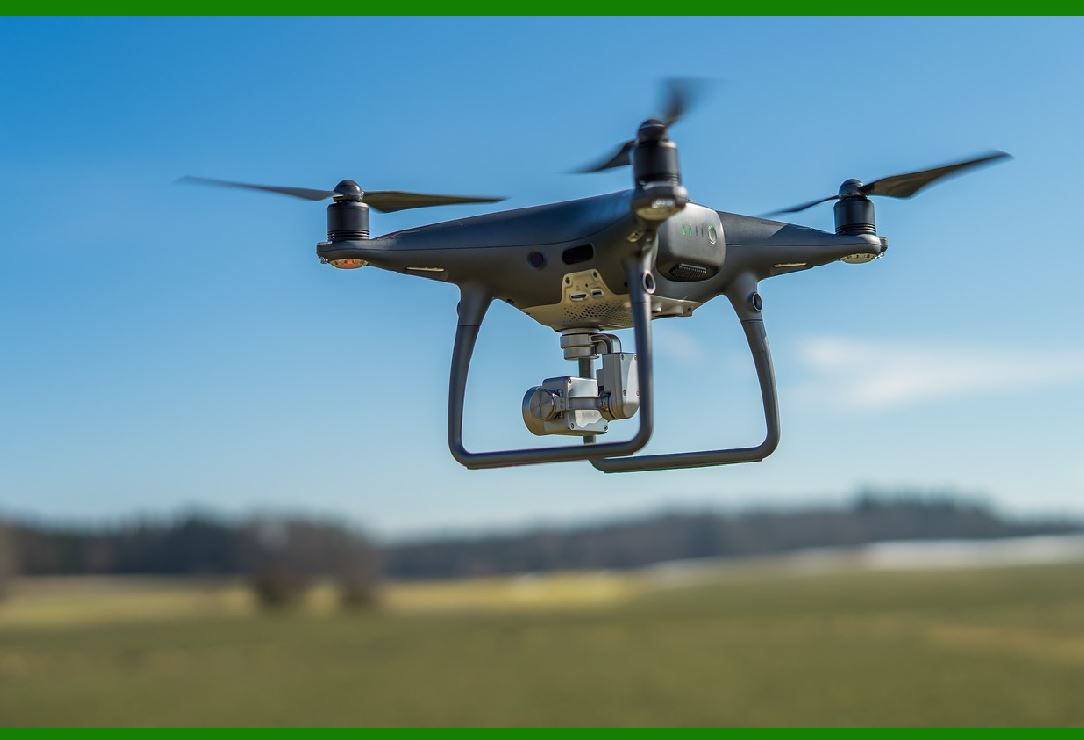
The drone, or unmanned aerial vehicle (UAV), is the centerpiece of the delivery system. Modern delivery drones are typically designed to carry small to medium-sized parcels and are equipped with sensors, cameras, GPS, and communication systems. These drones are typically powered by electric batteries, although there are also hybrid models that use a combination of battery and fuel-powered engines for longer-range deliveries. |
The drone's key features include: |
Flight Control System: The flight control system is responsible for the drone's navigation, stability, and handling during flight. It uses a combination of onboard sensors (gyroscopes, accelerometers, barometers, etc.) to adjust and control the drone's altitude, speed, and direction. |
GPS and Autonomous Navigation: Drones use GPS technology to follow predefined flight paths, allowing them to navigate between origin and destination points autonomously. Some drones are capable of making real-time adjustments to avoid obstacles or changing weather conditions. |
Payload Delivery System: Drones used for delivery are equipped with a payload system that allows them to carry and release packages. The payload delivery system can include a variety of mechanisms, such as hooks or payload bays, that secure the package during flight and drop it off safely at the delivery location. |
3.2 Ground Control Stations |
Ground control stations (GCS) are the nerve centers that manage drone operations. They typically consist of software platforms that enable remote operators to monitor drone flights, adjust flight plans, and troubleshoot any issues. In some cases, drone flights are fully autonomous, with minimal human intervention required. |
At Wing, for example, a ground control station might monitor multiple drones in real-time, ensuring they are on course, managing any potential air traffic, and ensuring safe operations in compliance with local regulations. Operators can override automated flight plans in case of emergencies, such as weather disruptions or technical malfunctions. |
3.3 Order Management and Tracking System |
Once a customer places an order, an order management system processes the transaction and determines which drone will be dispatched. The system uses algorithms to calculate the most efficient delivery route based on factors like weather conditions, airspace restrictions, and the drone's battery life. |
These systems also enable real-time tracking of the delivery. Customers are often able to track the status of their delivery via an app or website, just like traditional parcel tracking. This helps maintain transparency and builds trust in the service. |

|
4. Types of Goods Delivered by Drones |
Initially, drone delivery systems were designed for small parcels and lightweight goods. Over time, the types of products delivered by drones have expanded to include a wide variety of items, such as: |
Food and Beverage: Drones have been used to deliver food, especially in urban environments where traffic congestion might delay traditional delivery methods. For example, Wing has piloted food delivery services in select cities, working with restaurants and fast food chains to provide rapid delivery to customers' doors. |
Pharmaceuticals and Medical Supplies: Drones are ideal for transporting time-sensitive medical supplies, especially to remote or hard-to-reach areas. Zipline has become a leader in this field, delivering blood, vaccines, and other life-saving supplies to rural clinics in countries like Rwanda, Ghana, and the Philippines. |
Consumer Goods: Small electronics, accessories, and clothing items are increasingly being delivered via drones, particularly in regions with dense populations or difficult-to-access locations. |
E-commerce Packages: Larger e-commerce companies are testing drone delivery for a range of consumer goods, including books, household items, and even larger boxes. However, size and weight restrictions mean that only a subset of goods are suitable for drone delivery. |

|
5. Benefits of Drone Delivery |
The widespread adoption of drone delivery technology promises several significant benefits for consumers, businesses, and the environment. These benefits include: |
5.1 Faster Delivery Times |
One of the most attractive features of drone delivery is speed. Drones can travel directly to the customer's location, bypassing road traffic, pedestrian congestion, and other obstacles that traditional delivery methods must navigate. This results in much faster delivery times, often cutting down delivery from hours to minutes. |
5.2 Cost Savings |
Drone delivery can lower delivery costs in the long run. While drones may require significant upfront investment in technology, maintenance, and regulatory compliance, their ability to operate autonomously and deliver goods without requiring drivers or extensive infrastructure makes them more cost-effective over time. This could lead to lower delivery fees for consumers. |
5.3 Environmental Sustainability |
Drones are often seen as a more environmentally friendly option compared to traditional delivery methods that rely on trucks and vans. Electric drones produce fewer carbon emissions than fossil-fuel-powered vehicles, and as battery technology improves, their environmental impact could continue to decrease. In addition, using drones could reduce the number of delivery trucks on the road, alleviating traffic congestion and lowering air pollution. |
5.4 Accessibility in Remote Areas |
In regions where traditional delivery methods are difficult or expensive to implement-such as remote rural areas, islands, or conflict zones-drones provide a viable alternative for fast, reliable deliveries. Zipline's work in Africa is a prime example of how drones can be used to overcome the limitations of existing infrastructure, delivering essential medical supplies to areas that might otherwise be unreachable. |
5.5 Reducing Traffic Congestion |
As cities become more densely populated, traffic congestion is increasingly seen as a major obstacle to timely deliveries. Drone deliveries can help alleviate this problem by taking packages out of the road network altogether, leading to a more efficient delivery ecosystem. |

|
6. Challenges Facing Drone Delivery |
Despite the many benefits, there are several challenges and hurdles that must be overcome before drone delivery becomes a mainstream solution. |
6.1 Regulatory Hurdles |
The regulatory landscape for drone delivery is still evolving. In many countries, aviation authorities like the U.S. Federal Aviation Administration (FAA) and the European Union Aviation Safety Agency (EASA) are working to develop and implement rules for safe drone operations. These regulations cover aspects such as airspace management, flight path restrictions, and no-fly zones, which must be adhered to in order to prevent accidents. |
In many places, drones are only allowed to fly within the operator's line of sight, which limits their effectiveness for long-range deliveries. There are also concerns about privacy and security, as drones could be used to surveil private property or be hijacked for malicious purposes. |
6.2 Safety and Reliability |
Ensuring the safety of drone deliveries is a critical concern. Drones must be equipped with fail-safes to handle malfunctions, loss of GPS signal, or bad weather conditions. They must also be able to avoid obstacles and other air traffic in densely populated environments. |
There are also concerns regarding package drop-off. Since most drone delivery systems involve dropping packages from the air, there is a risk that packages could land in inappropriate or dangerous locations. |
6.3 Battery Life and Payload Capacity |
While drone battery technology has improved in recent years, most delivery drones still face limitations in terms of flight range and payload capacity. This means that drones can only deliver small, lightweight items over relatively short distances before needing to return to a charging station. For longer deliveries or heavier payloads, new innovations in battery technology, fuel cells, or hybrid power systems will be necessary. |
6.4 Public Perception and Trust |
Despite the many advantages of drone delivery, there are still concerns among the general public regarding safety, privacy, and noise pollution. Some people are uneasy about drones flying over their homes or businesses, while others worry about the risk of accidents. Educating the public about the safety and benefits of drones is crucial for their widespread acceptance. |

|
7. Future of Drone Delivery |
The future of drone delivery is bright, with several exciting possibilities on the horizon. As technology advances, drones will become more capable, reliable, and efficient. Future improvements may include: |
Longer battery life and greater range. |
Larger payload capacities. |
Enhanced safety systems for avoiding collisions. |
Fully autonomous drone fleets. |
Integration with AI-driven logistics platforms for more efficient route optimization. |
With regulatory frameworks continuing to evolve, and with companies like Wing, Zipline, and Amazon pushing the envelope on what drones can achieve, we may soon see drone delivery become a standard part of the logistics landscape. While there are still hurdles to overcome, the potential of drones to revolutionize the way goods are delivered is undeniable. |

|
Examples of practical applications of this type of robot. |
Drone delivery robots have a wide range of practical applications, especially in fields that require speed, efficiency, or access to hard-to-reach areas. Below are some notable examples of practical uses for these types of robots in various industries: |
1. Medical Supply Delivery |
Example: Zipline (Rwanda and Other African Countries) |
One of the most successful and impactful applications of drone delivery is in the medical sector. Zipline, a company that pioneered medical drone deliveries, has been operating in countries like Rwanda, Ghana, and the Philippines. In these regions, drones are used to deliver critical medical supplies such as blood, vaccines, and life-saving medications to remote areas with poor infrastructure. |
For example, in Rwanda, Zipline operates a fleet of drones that can fly from central distribution hubs to clinics in hard-to-reach locations, reducing delivery times from hours or days to mere minutes. This is crucial in emergencies, such as when blood or plasma is needed for transfusions, where time is of the essence. |
In other countries, such as the Philippines and Ghana, Zipline continues to provide an essential service, ensuring timely access to medical resources in regions where traditional transportation methods may be too slow or expensive. |

|
2. Pharmaceutical Deliveries |
Example: Wing (U.S. and Australia) |
Wing, a subsidiary of Alphabet (Google's parent company), has been testing drone deliveries for various purposes, including pharmaceuticals. In areas where access to pharmacies may be limited, or during times when delivery drivers are unavailable, drones can deliver prescription medications directly to patients' homes. |
For instance, in Australia, Wing partnered with local pharmacies to deliver essential medicines, ensuring that patients, especially the elderly or those in remote areas, can receive their prescriptions quickly without having to leave their homes. This reduces the time it takes to obtain necessary medication and improves overall convenience for customers. |

|
3. Food Delivery |
Example: Wing and Uber Eats (U.S., Finland, Australia) |
Drone delivery has seen significant adoption in the food and beverage industry, especially for quick, local deliveries. Companies like Wing have partnered with fast-food chains and local restaurants to offer drone deliveries in select urban areas. |
For instance, in suburban Virginia, Wing operates a service where customers can order food from participating restaurants, and drones deliver the food within minutes. This is especially useful for busy urban areas, where traffic congestion can lead to long delays for traditional delivery methods. |
Similarly, Uber Eats has been experimenting with food deliveries via drones in areas like San Diego and Helsinki. Drones are an ideal solution for food delivery because they can navigate the air quickly, bypassing traffic and offering a faster alternative to traditional delivery methods. |

|
4. E-Commerce Package Delivery |
Example: Amazon Prime Air (U.S. and U.K.) |
Amazon has long been one of the most vocal proponents of drone deliveries through its Prime Air service. The goal is to use drones to deliver small packages, such as books, gadgets, and consumer electronics, within 30 minutes of ordering. |
In cities with appropriate regulations and infrastructure, Amazon has been testing drone deliveries of small e-commerce packages. These drones are designed to carry packages weighing up to 5 pounds and can fly at speeds of up to 50 mph. This service would be particularly beneficial for customers looking for fast deliveries and is expected to reduce delivery costs and increase the efficiency of last-mile logistics. |

|
5. Grocery Deliveries |
Example: Wing (Australia) |
Grocery delivery is another practical application for drone technology. Wing has piloted drone-based grocery delivery services in areas like Logan, Australia. Customers can order items like milk, snacks, and everyday groceries through a mobile app, and the drone delivers them to their doorsteps within a short period. |
This service reduces the reliance on traditional delivery methods, offering a faster, more environmentally friendly alternative. For example, when customers need only a few items and don't want to drive to a store or wait for a long delivery window, drone delivery offers a convenient and efficient solution. |
|
6. Disaster Relief and Emergency Supplies |
Example: Humanitarian Drones for Natural Disasters (Various Locations) |
Drones are increasingly being used for disaster relief in areas affected by earthquakes, hurricanes, floods, or other natural disasters. In such circumstances, traditional transportation infrastructure may be damaged or non-functional, making it difficult to deliver supplies by ground vehicles. |
Drones can quickly deliver food, water, first aid kits, and other essential supplies to affected areas, often bypassing roadblocks and damaged infrastructure. For example, after natural disasters in places like Puerto Rico and Nepal, drones have been deployed to deliver medical supplies and other emergency goods to inaccessible regions. |
In the aftermath of the 2017 Hurricane Maria in Puerto Rico, for example, various humanitarian organizations tested drones to deliver aid to isolated communities where roads were impassable. These drones helped reduce the time it took for emergency supplies to reach people in need. |
|
7. Retail Inventory and Stock Management |
Example: Walmart and Lowe's (U.S.) |
While not directly a delivery service, drones are being used by retailers like Walmart and Lowe's for inventory management in large warehouses and stores. Drones equipped with RFID scanners are deployed to track stock levels and perform inventory counts, improving efficiency and reducing human labor. |
For instance, Walmart has been experimenting with drones in its warehouses to monitor inventory and optimize stock management. These drones can autonomously fly through aisles, scan barcodes or RFID tags, and identify any discrepancies in stock levels. This process is much faster than manual stock counts, allowing businesses to quickly assess inventory and replenish goods as needed. |
This application could help retailers more efficiently manage inventory in real-time and prepare for more seamless deliveries using drones in the future. |

|
8. Package Returns and Pickup |
Example: DoorDash (U.S.) |
Some delivery services are now exploring the potential for drones to not just deliver packages but also facilitate the return process. A major convenience in e-commerce is the ability to return items; however, this usually involves the customer shipping items back using traditional carriers. |
In some trials, companies like DoorDash have begun testing drone returns, where customers can send items back to retailers via drones, reducing the need for customers to go to drop-off locations. This system could become a highly efficient way to handle returns in densely populated areas. |

|
9. Remote Surveillance and Delivery of Security Equipment |
Example: DJI Drones (Global) |
Drones are used in a wide variety of security applications, particularly in areas where access may be difficult or when there is a need for real-time surveillance. For example, in remote or hazardous areas, drones are employed to deliver security equipment or even to conduct surveillance over large areas. |
Companies like DJI manufacture drones equipped with high-definition cameras, infrared sensors, and GPS for surveillance. These drones can fly over large areas to monitor security, detect intruders, or even deliver security devices such as cameras or motion sensors to hard-to-reach locations. |
Drones are also used by law enforcement agencies for rapid surveillance during protests or large-scale public events, providing real-time video feeds to help manage crowd control and monitor areas of interest. |

|
10. Agricultural Deliveries |
Example: Agriculture Drones (U.S., Australia, China) |
In agriculture, drones are used for more than just surveillance and crop monitoring. They are also being tested for delivering fertilizers, pesticides, and even seeds. For example, in countries like China and the U.S., drones are used to deliver liquid fertilizers directly to crops, improving precision and reducing waste compared to traditional spraying methods. |
Additionally, in rural farming communities where ground transportation can be slow or expensive, drones can deliver supplies like seeds, plant nutrients, or even parts for farming equipment directly to farms in hard-to-reach locations. This increases efficiency in the farming process and reduces costs associated with transporting goods over long distances. |

|
11. Postal and Parcel Services |
Example: Swoop Aero (Australia) |
Swoop Aero is an Australian company that has been developing and deploying drones for postal and parcel deliveries in remote communities. The company focuses on using drones to deliver both small packages and larger parcels across long distances, particularly in underserved regions with limited transport infrastructure. |
By leveraging drones, Swoop Aero can dramatically reduce delivery times, especially in remote communities, where traditional logistics systems often struggle to provide regular or reliable services. This capability is particularly valuable in regions with difficult terrain, limited roads, or geographic isolation, such as rural islands or desert communities. |

|
12. Construction Material Delivery |
Example: Construction Drones (Global) |
In construction, drones can be used to deliver lightweight materials to building sites. For instance, drones are being used on construction sites to deliver small tools, documents, or parts that workers may need. In large construction projects, drones help reduce downtime by enabling quick deliveries of parts needed for repairs or maintenance, without waiting for a truck or human worker to transport materials. |
Additionally, in urban environments, drones are seen as a potential way to quickly deliver small construction materials, such as bolts, fasteners, or prefabricated components, directly to high-rise buildings or rooftops, reducing transportation costs and making the entire construction process more efficient. |
|
These examples showcase how versatile drone delivery technology can be. Whether for healthcare, e-commerce, food delivery, or even construction, drones are becoming integral to industries that require rapid, efficient, and reliable transportation of goods. As the technology improves, these practical applications are likely to expand even further, transforming industries across the board. |
 cs@easiersoft.com