Drones and Barcode Scanning for Inventory Management |
1. Introduction to Drones in Inventory Management |
In recent years, drones have emerged as an innovative solution for enhancing operational efficiency in warehouse and retail management. Traditionally, inventory management has relied on manual processes such as periodic stocktaking, barcoding, and stock audits, all of which can be time-consuming, prone to human error, and difficult to scale in large spaces. However, with the development of drone technology, warehouses can now automate these processes, dramatically reducing the time needed for stocktaking, minimizing errors, and improving overall accuracy and productivity. |
At the core of drone applications in inventory management is barcode scanning. Drones equipped with cameras, sensors, and barcode scanners can fly through storage areas, scan barcodes on shelves, and update inventory data in real time. This seamless integration of drones with barcode technology allows warehouses to not only streamline their inventory operations but also maintain up-to-date stock records, making it easier for businesses to monitor and manage their stock. |
|
2. Components of Drones Used in Inventory Management |
To understand the specific advantages drones bring to inventory management, it's essential to examine the core components of these drones. Modern inventory drones typically consist of the following key components: |
2.1 Drone Hardware |
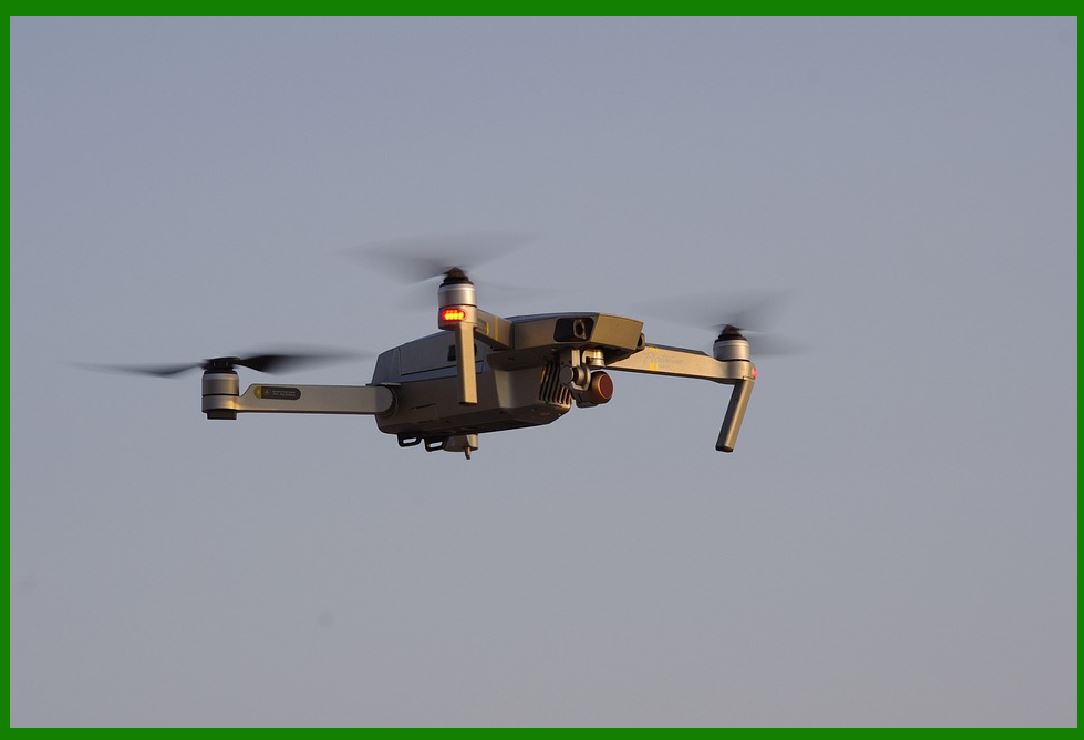
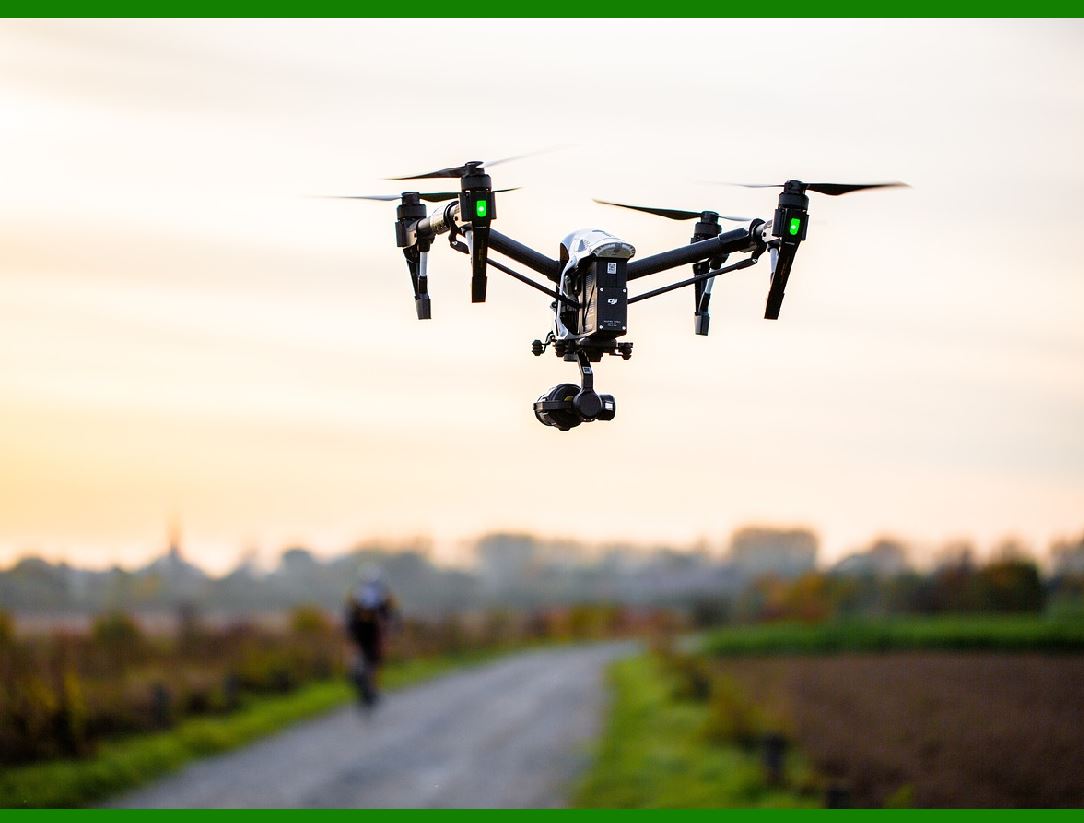
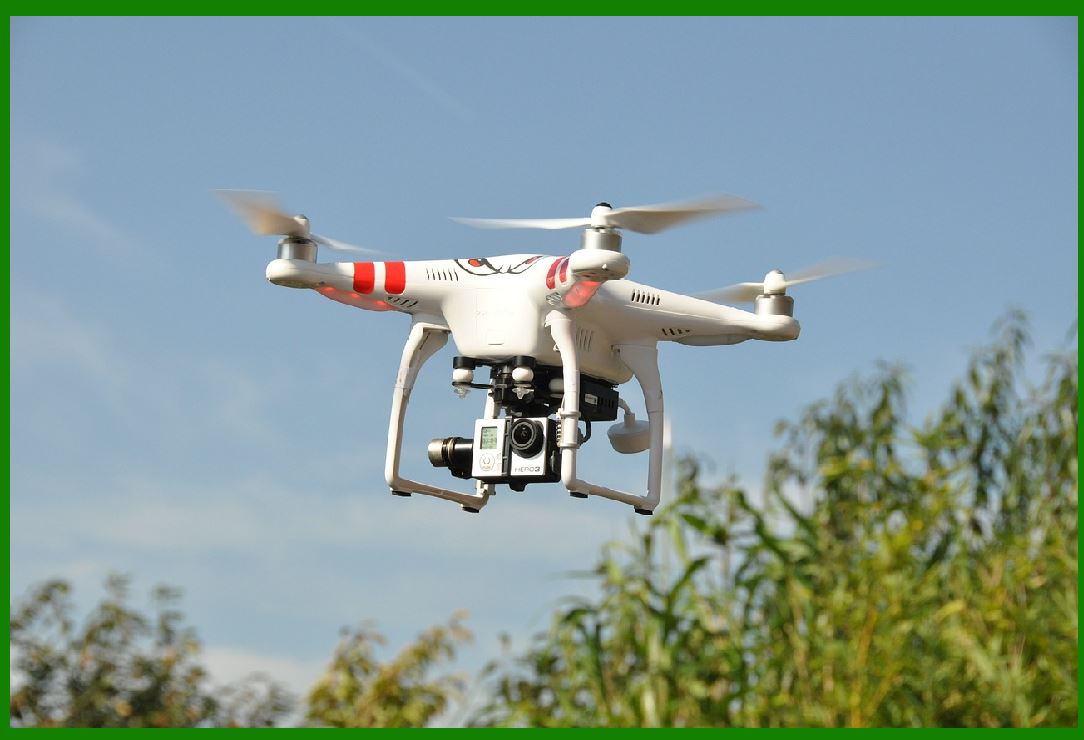
Most drones used in inventory management are quadcopters, which are equipped with four rotors that provide stability and maneuverability. These drones are typically lightweight and designed for indoor flight, making them suitable for navigating within the constraints of warehouse aisles. The hardware is optimized for quick and agile movements, allowing drones to easily fly around shelves and obstacles, and reach high storage areas. |
2.2 Barcode Scanners |
Barcode scanning is the heart of inventory management, and drones are equipped with high-resolution cameras that integrate barcode scanning technology. These scanners use either optical character recognition (OCR) or laser scanning to read barcodes on boxes, products, or shelves. The cameras used for scanning are capable of reading various barcode formats (1D and 2D barcodes), which allows drones to gather detailed product data quickly. Some drones even come with specialized multi-spectral sensors that can read barcodes in low-light conditions, enhancing their ability to operate in dark warehouse environments. |
2.3 Sensors and GPS Technology |
Drones used in warehouses are often equipped with a range of sensors to ensure precise navigation and collision avoidance. These sensors include ultrasonic sensors, LiDAR (Light Detection and Ranging) systems, and infrared sensors, all of which help the drone avoid obstacles and navigate complex environments. GPS technology, combined with indoor positioning systems (IPS), helps the drone to localize itself within the warehouse, allowing it to follow predefined flight paths, return to designated docking stations, and precisely align itself with storage shelves for accurate barcode scanning. |
2.4 Software and Integration Systems |
To operate effectively, drones require sophisticated software that integrates with the warehouse management system (WMS) or enterprise resource planning (ERP) software. The software enables real-time communication between the drone, the barcode scanning system, and the WMS. This integration ensures that once a barcode is scanned, the inventory data is immediately updated in the system, allowing warehouse managers to track stock levels in real time. Additionally, this software often includes features such as flight path optimization, automated reporting, and the ability to create detailed audit logs. |
|
3. Benefits of Using Drones for Inventory Management |
Drones offer a range of benefits that help improve the efficiency, accuracy, and overall performance of inventory management. Some of the most significant advantages of using drones in this capacity include: |
3.1 Increased Efficiency and Speed |
One of the primary reasons drones are becoming so popular in warehouse environments is their ability to perform inventory management tasks much faster than humans. Where manual stocktaking might take several hours or even days, drones can scan an entire warehouse's worth of stock in a fraction of the time. This increased speed helps reduce operational downtime and ensures that stock levels are continuously updated without the need for lengthy interruptions to the daily operations of the warehouse. |
Additionally, drones can perform inventory counts 24/7, as they do not require breaks or shifts, further improving efficiency. They can also cover larger areas in a single pass, even in high or hard-to-reach places that would otherwise require the use of ladders or cherry pickers for human workers. |
3.2 Enhanced Accuracy and Reduced Human Error |
Manual inventory management is prone to human errors, such as incorrect barcode scanning, data entry mistakes, or simple miscounts. Drones, however, are automated systems that can consistently scan barcodes with high precision, ensuring that inventory records are accurate. The use of drones also reduces the risk of missing items or overlooking certain sections of the warehouse. Since drones use optical and infrared sensors to assist in barcode scanning, they are capable of identifying barcodes even in low-light conditions or on damaged packaging, further minimizing potential errors. |
3.3 Real-Time Data Collection |
With drones scanning barcodes and transmitting data back to the inventory system in real time, warehouse managers have access to up-to-the-minute information about stock levels. This real-time data collection allows for more informed decision-making regarding stock reordering, shelf restocking, and warehouse organization. The ability to access real-time inventory data is particularly valuable in fast-paced retail environments, where having accurate, up-to-date information can directly impact sales and customer satisfaction. |
3.4 Improved Safety and Reduced Labor Costs |
By automating the stocktaking process, drones reduce the need for manual labor in potentially dangerous environments. Drones are capable of performing tasks such as scanning high shelves and navigating crowded areas, which would typically require workers to use forklifts, ladders, or scissor lifts. These tasks can be physically demanding and involve significant safety risks. With drones handling the heavy lifting, the risk of injury is minimized, and workers can be redirected to more strategic tasks. Additionally, reducing the reliance on human labor helps companies cut down on labor costs while improving overall efficiency. |
3.5 Scalability |
As warehouses expand, so too does the complexity of inventory management. Traditional methods can become increasingly difficult to scale, requiring more staff, more equipment, and more time to manage a growing inventory. Drones, however, offer a highly scalable solution. Whether the warehouse is small or sprawling, drones can adapt to different environments and quickly scale up operations without a corresponding increase in personnel. This scalability makes drones an attractive option for warehouses and distribution centers with large or constantly changing inventories. |
|
4. The Role of Barcode Scanning in Drones |
Barcode scanning is integral to the success of drones in inventory management. Barcode technology has been used for decades to track products, but the combination of drones and barcode scanners takes this technology to the next level. Let's break down how barcode scanning contributes to drone-based inventory systems. |
4.1 Types of Barcodes and Their Use |
There are two primary types of barcodes used in modern warehouses: 1D barcodes and 2D barcodes (QR codes). |
1D Barcodes: These are the traditional, linear barcodes that store information in a series of vertical lines. They are used to store product identifiers such as SKUs (Stock Keeping Units), serial numbers, and pricing information. |
2D Barcodes: These include QR codes, DataMatrix codes, and others that store data both horizontally and vertically. 2D barcodes are becoming more popular due to their ability to store much more information in a smaller space. They are often used for tracking more complex product details such as batch numbers, manufacturing dates, and expiration dates. |
Drones equipped with high-resolution scanners can quickly read these barcodes from a distance, even when the labels are located in difficult-to-reach places or when they are partially obscured. This capability significantly enhances the speed and accuracy of stocktaking processes. |
4.2 Real-Time Synchronization |
Barcode scanning allows drones to capture inventory data and immediately sync it with the warehouse management system. As each barcode is scanned, the drone's onboard computer sends the information to the WMS, updating stock quantities in real time. This constant flow of updated information eliminates the need for manual entry, reduces the risk of discrepancies, and allows managers to access an accurate snapshot of the warehouse inventory at any given moment. |
The use of barcode scanning also facilitates the detection of issues such as misplaced items, overstocking, or stockouts. For example, if the drone scans a barcode and the system shows a mismatch in stock levels, it can trigger an alert to notify staff to investigate the discrepancy. |
|
5. Drone Flight Path Optimization |
To ensure that drones operate efficiently and safely in warehouse environments, flight path optimization plays a critical role. Drone systems use algorithms that calculate the most efficient routes for scanning barcodes. These algorithms take into account factors such as the layout of the warehouse, obstacles in the environment, and the location of barcode labels. |
Optimization allows drones to minimize unnecessary movements, reduce battery consumption, and complete inventory tasks in the shortest time possible. The drones can be programmed to follow predefined paths or use real-time navigation to adapt to changing conditions in the warehouse. The use of machine learning and AI further enhances flight path optimization, enabling drones to 'learn' and adapt to the best routes based on past data. |
|
6. Implementation Challenges and Considerations |
While the benefits of drones and barcode scanning for inventory management are undeniable, there are several challenges and considerations that businesses must address before adopting this technology: |
6.1 Cost of Implementation |
The initial investment in drones, barcode scanning equipment, and the required software can be significant. While the long-term benefits in terms of improved efficiency, accuracy, and reduced labor costs are substantial, businesses need to carefully evaluate their return on investment (ROI) before making the leap to drone-based inventory management. |
6.2 Infrastructure Requirements |
In order for drones to operate effectively, the warehouse must be equipped with the necessary infrastructure. This includes clear, unobstructed flight paths, charging stations for drones, and potentially new storage systems that are designed to accommodate the scanning of barcodes from various angles. Warehouses with complex layouts or heavily stocked shelves may require further customization to ensure drones can navigate safely. |
6.3 Regulatory Compliance and Safety |
As drones become more common in industrial settings, regulatory bodies are developing standards and guidelines to ensure safe operation. Businesses need to stay informed about these regulations and ensure that their drone systems comply with safety protocols, particularly when drones are flying in shared spaces or near workers. |
|
7. Conclusion |
Drones equipped with barcode scanning technology represent a revolutionary advancement in inventory management. By automating the process of stocktaking, improving accuracy, and reducing the time and labor required for inventory tasks, drones help warehouses operate more efficiently. With the ability to scale, minimize human error, and provide real-time data, drone technology is becoming an essential tool for businesses seeking to improve their inventory systems. However, successful implementation requires careful planning, investment in infrastructure, and an understanding of regulatory requirements. As the technology continues to evolve, it holds the potential to transform how warehouses manage their stock, enabling businesses to stay competitive in an increasingly fast-paced retail landscape. |
|
Case Studies of Drones and Barcode Scanning in Inventory Management |
The use of drones for inventory management has gained significant traction across industries, particularly in large-scale warehouses and distribution centers. Several companies have pioneered the integration of drones with barcode scanning to streamline their operations and improve efficiency. Below are some case studies that illustrate how this technology is being successfully implemented. |
1. Case Study: Walmart's Use of Drones for Inventory Management |
Company Background |
Walmart is one of the largest retailers in the world, with thousands of stores and a vast network of distribution centers. Managing inventory in such a large-scale operation is a complex task, particularly in the company's vast warehouses that store millions of items. In recent years, Walmart has explored the use of drones to automate inventory management and improve stocktaking accuracy. |
Problem |
Walmart's traditional inventory management methods involved manual stocktaking, which was time-consuming, labor-intensive, and prone to human error. The company also faced challenges with stockouts and overstocking, which negatively impacted sales and customer satisfaction. In addition, the complexity of managing a vast product range and the large physical space of their warehouses made it difficult to track inventory in real time. |
Solution |
Walmart has implemented drones equipped with barcode scanners in several of its warehouses. The drones are tasked with scanning the barcodes on shelves, checking stock levels, and transmitting data back to Walmart's warehouse management system (WMS). The drones can fly autonomously through the aisles, performing quick and accurate inventory counts without interrupting the normal flow of operations. |
The drones used by Walmart are also equipped with advanced sensors to avoid obstacles, and they are capable of flying at heights to reach high shelves. The barcode scanning technology ensures that the drones can efficiently read barcodes in real time and update the inventory system immediately. |
Results |
Walmart's use of drones has led to a significant reduction in the time and labor required for stocktaking. In some cases, the drones have reduced the time for a full inventory check from days to just a few hours. The accuracy of inventory data has also improved, as drones eliminate human error in barcode scanning and data entry. |
The automation of stocktaking has also helped Walmart reduce stockouts and overstocking by providing more accurate, real-time information about inventory levels. As a result, the company has been able to improve order fulfillment rates, enhance customer satisfaction, and optimize its supply chain. |
In addition to these operational improvements, Walmart has realized a significant reduction in labor costs, as fewer employees are needed for manual inventory checks. The drones' ability to work continuously, day or night, without needing breaks has further boosted the overall productivity of the warehouses. |
Future Plans |
Walmart plans to expand the use of drones to additional warehouses and distribution centers. The company is also exploring the use of drones for other tasks, such as monitoring warehouse conditions, checking for misplaced items, and even assisting with picking and packing orders. |
|
2. Case Study: DHL's Use of Drones in Automated Warehouses |
Company Background |
DHL is a global leader in the logistics and supply chain industry, operating an extensive network of warehouses and distribution centers worldwide. The company is always looking for innovative ways to improve operational efficiency and reduce costs in its large-scale operations. |
Problem |
DHL faced the challenge of managing a high volume of inventory in their warehouses while maintaining high accuracy levels. Traditional inventory management methods involved manual checks, which were labor-intensive and prone to errors, especially in fast-paced environments where large quantities of goods move in and out of the warehouse daily. |
Solution |
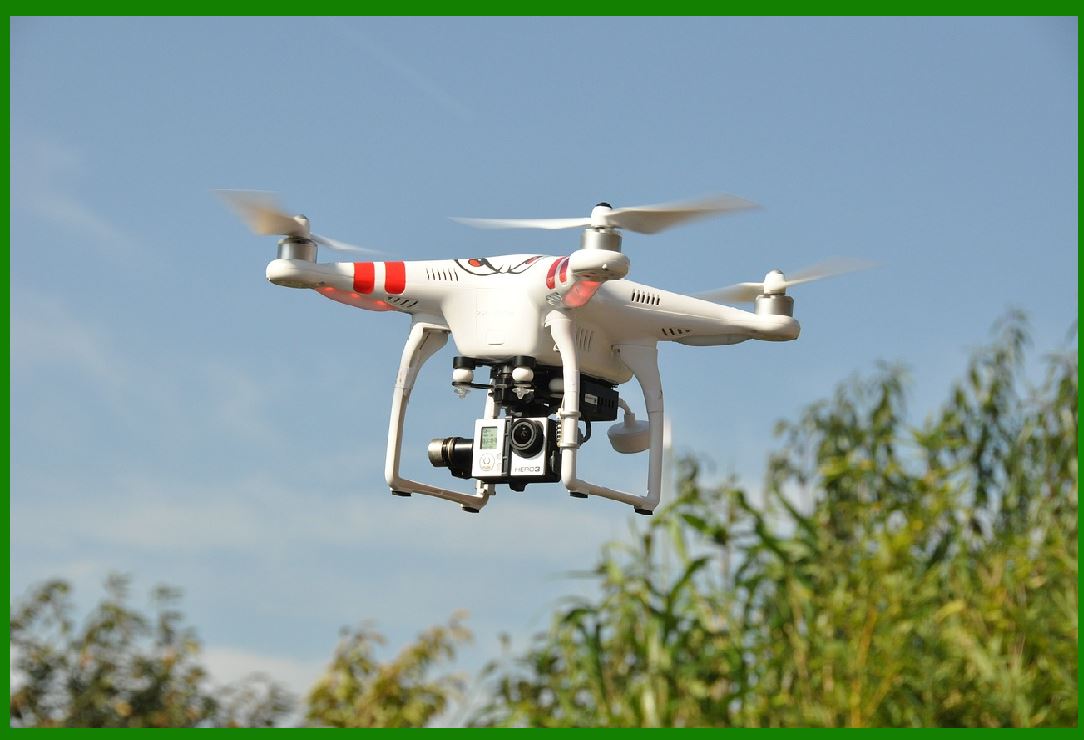
DHL partnered with several drone technology companies to implement drone-based inventory management in their automated warehouses. The drones used by DHL are equipped with advanced barcode scanners and cameras that allow them to autonomously navigate the warehouse, scan barcodes on storage racks, and update inventory data in real time. The drones' navigation systems rely on a combination of GPS, LIDAR (Light Detection and Ranging), and other sensors to avoid obstacles and ensure safe, precise navigation through the warehouse. |
The drone systems are integrated with DHL's WMS, allowing real-time synchronization of inventory data. When a drone scans a barcode, it immediately updates the inventory system with the stock level, helping DHL track inventory movements and reduce errors. |
Results |
Since the implementation of drones in DHL's automated warehouses, the company has reported significant improvements in inventory management efficiency. Drones have reduced the time spent on stocktaking by over 50%, and the accuracy of stock counts has improved dramatically. The real-time updates to the WMS have enabled DHL to manage inventory more effectively, ensuring that products are available when needed and reducing the risk of stockouts. |
The drones' ability to work autonomously has also improved warehouse productivity. Workers are no longer required to spend time manually scanning barcodes or conducting stock audits, allowing them to focus on higher-value tasks. The drones' speed and ability to scan large quantities of barcodes in a short time have made inventory management faster and more efficient. |
Challenges |
While the benefits have been clear, DHL also faced some challenges in the early stages of implementing drone technology. These included the integration of drones with existing warehouse systems, as well as training staff to manage and maintain the drones. Additionally, ensuring that drones could safely operate in busy warehouse environments, alongside workers and other machinery, required careful planning and safety protocols. |
Future Plans |
DHL continues to explore the use of drones for other logistics tasks, such as package delivery and monitoring warehouse conditions. The company is also expanding its drone fleet and intends to implement more advanced drone technologies, such as AI-powered inventory prediction systems, which could further enhance warehouse operations. |
|
3. Case Study: Unilode's Drone-Based Inventory Management in Aviation Logistics |
Company Background |
Unilode is a global provider of aviation logistics and cargo management services. The company handles the movement of goods and materials for airlines and airports, managing a large inventory of cargo containers and other equipment. Ensuring the accurate tracking of this inventory across multiple locations is crucial for maintaining smooth operations in the aviation industry. |
Problem |
Unilode faced significant challenges in tracking the vast number of aviation containers and pallets used to transport goods and luggage. Traditional methods of inventory management, such as manual stocktaking, were time-consuming and prone to errors, especially given the high volume of goods that move through the company's warehouses and cargo hubs. |
Solution |
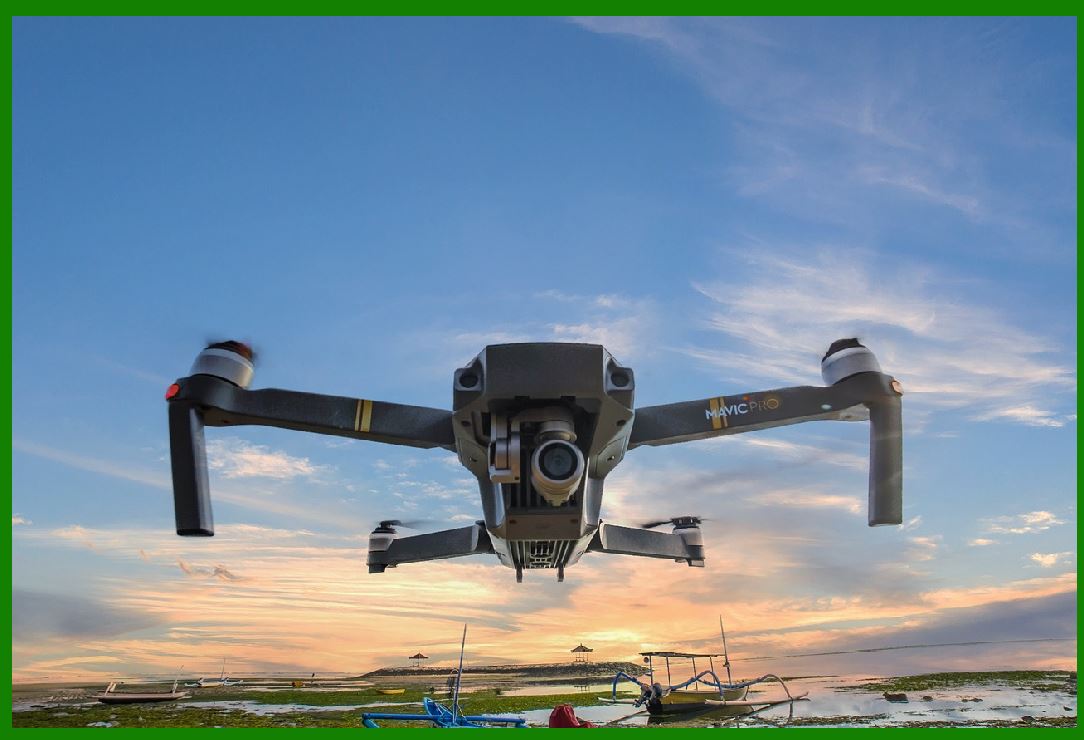
To address these challenges, Unilode began testing drone technology equipped with barcode scanners for inventory management. The drones are deployed in cargo warehouses to scan barcodes on cargo containers and pallets, updating inventory data in real time. The drone fleet operates autonomously, following pre-programmed flight paths to ensure complete coverage of the storage areas. |
The drones are integrated with Unilode's cloud-based inventory management system, which allows real-time synchronization of data between the drones and the WMS. This integration enables the company to track cargo more accurately and efficiently, ensuring that inventory is updated continuously and errors are minimized. |
Results |
Unilode's use of drones for inventory management has led to significant improvements in efficiency and accuracy. By automating the process of scanning barcodes, the company has reduced the time required for inventory checks, which were previously labor-intensive. Drones have enabled Unilode to conduct more frequent inventory audits without disrupting regular operations, allowing the company to keep more accurate records of cargo movements. |
The real-time updates provided by the drones have also helped Unilode streamline its supply chain operations. By knowing the exact location of each cargo container, the company can better plan for shipments, reduce the risk of misplaced items, and optimize storage space in its warehouses. |
Challenges |
Unilode faced some technical and logistical challenges during the implementation phase, such as ensuring that drones could operate effectively in the confined spaces of cargo warehouses and adapt to changing conditions. Additionally, the integration of drones with existing systems required a significant amount of customization and training. |
Future Plans |
Unilode is looking to expand its drone fleet and integrate more advanced technologies, such as AI-driven inventory management systems, which could further optimize the accuracy and efficiency of their logistics operations. The company is also exploring the use of drones for other tasks, such as inspecting cargo and monitoring the condition of goods in transit. |
|
4. Case Study: Nike's Use of Drones for Inventory Auditing in Fulfillment Centers |
Company Background |
Nike is a global leader in the footwear, apparel, and sports equipment market. With fulfillment centers around the world, the company manages a vast inventory of products across various categories. Efficient inventory management is essential to meet customer demand, especially in the fast-moving e-commerce environment. |
Problem |
Nike's fulfillment centers were relying on traditional methods of stocktaking, which involved manually counting products, scanning barcodes, and updating inventory records. This process was time-consuming and often resulted in inaccuracies, particularly during peak periods when the volume of orders was high. |
Solution |
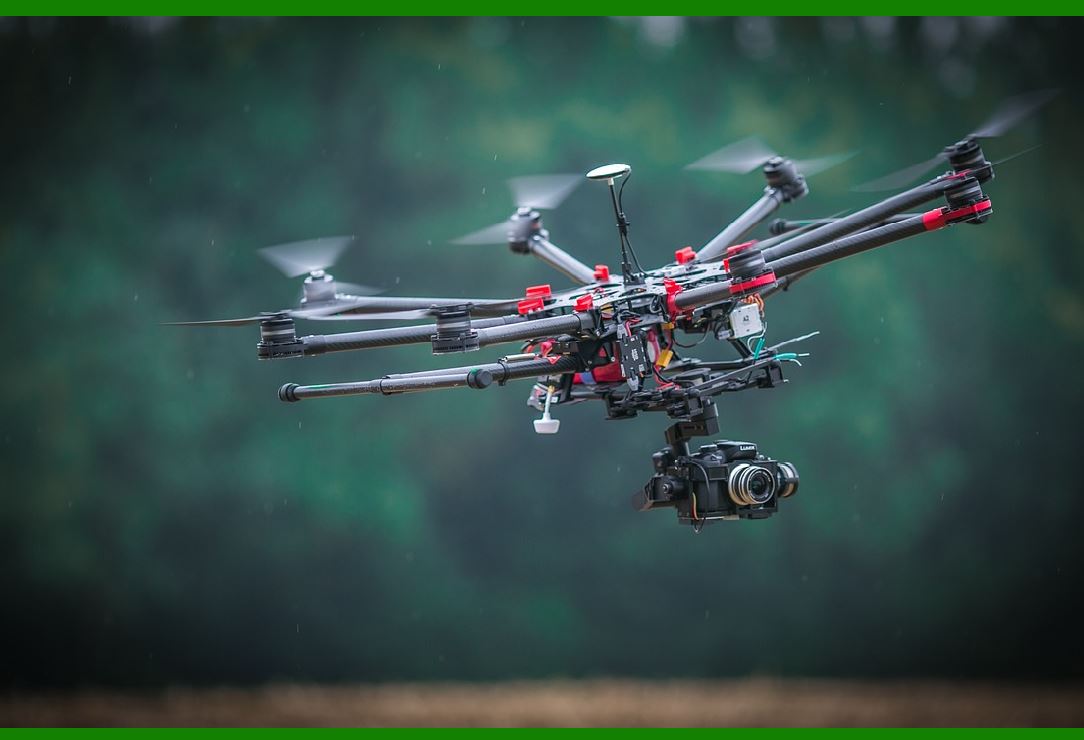
Nike implemented drones equipped with barcode scanning technology in several of its fulfillment centers to automate the inventory auditing process. The drones autonomously navigate the warehouse aisles, scanning barcodes on shelves and products to verify stock levels. This automated process helps Nike maintain accurate inventory records without relying on manual labor. |
The drones are integrated with Nike's cloud-based WMS, which updates inventory data in real time, allowing the company to monitor stock levels and adjust orders accordingly. The drones are also able to access hard-to-reach areas of the warehouse, including high shelves, which would otherwise require ladders or scaffolding for manual audits. |
Results |
Nike has significantly reduced the time required for inventory checks and audits. Drones can scan and update inventory data much faster than human workers, which allows Nike to conduct more frequent audits and maintain accurate records. This has helped the company reduce stockouts and improve order fulfillment accuracy. |
The ability to perform real-time inventory checks has also allowed Nike to improve its e-commerce operations. With accurate and up-to-date inventory data, the company can better manage its online orders and ensure timely deliveries to customers. |
Challenges |
Nike faced some initial challenges with drone integration, including ensuring that the drones could navigate efficiently in busy fulfillment centers and work in harmony with human workers. Additionally, the company had to invest in training staff to manage the drone system and integrate it with existing warehouse operations. |
Future Plans |
Nike plans to continue expanding its use of drones in fulfillment centers and is exploring the potential for using drones in other areas of its supply chain, including transportation and logistics. |
|
Conclusion |
These case studies demonstrate the wide-ranging benefits of drones in inventory management across different industries. Companies like Walmart, DHL, Unilode, and Nike have successfully implemented drones to automate stocktaking, improve accuracy, and streamline their operations. As drone technology continues to evolve, it is likely that even more businesses will adopt these systems, driving further improvements in inventory management efficiency and accuracy. |
 cs@easiersoft.com