1. Introduction to the Role of Robots in the Electronics Industry |
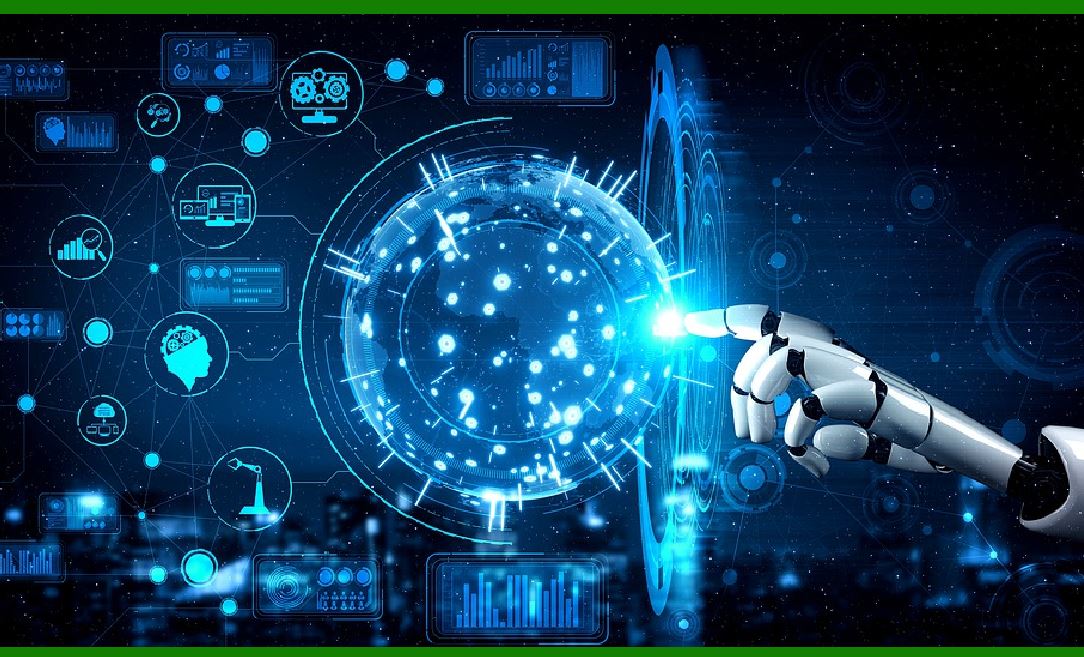
The electronics industry is a highly dynamic sector that demands efficiency, precision, and speed in its manufacturing processes. Over the years, robotics has revolutionized how electronic devices are produced, assembling everything from smartphones and laptops to home appliances and industrial machinery. Industrial robots have become indispensable in performing tasks that involve handling delicate components, assembling complex products, and testing. These robots are equipped with advanced sensors, vision systems, and artificial intelligence to ensure the production process remains both accurate and scalable. |
In the electronics sector, robots help meet the industry's growing demands for high-volume production with consistent quality, ensuring products are assembled and tested with precision. Tasks such as component assembly, Printed Circuit Board (PCB) assembly, and product testing are areas where industrial robots excel. This transformation has allowed companies to stay competitive in an ever-evolving market that requires rapid turnaround times, minimal human intervention, and the ability to work with small-scale, intricate components that are hard for human operators to handle reliably. |
|
2. Types of Robots Used in the Electronics Industry |
Several types of industrial robots are used across the electronics manufacturing sector. These robots are selected based on the type of task they are expected to perform, the precision required, and the speed at which they need to operate. Among the most commonly used robots are: |
2.1 SCARA Robots (Selective Compliance Assembly Robot Arm) |
SCARA robots are widely employed in the electronics industry due to their remarkable speed, precision, and flexibility. These robots are characterized by their rigid arm design that allows for high-speed movements in the horizontal plane, making them ideal for tasks that require rapid assembly. SCARA robots are capable of working with high precision, which is crucial for placing tiny components like surface-mount devices (SMDs) on a PCB. Their four-axis design provides flexibility in movement while ensuring that the assembly process remains both accurate and efficient. |
A typical SCARA robot can operate at speeds exceeding 2000mm per second, which makes them suitable for high-throughput applications in electronics manufacturing. The horizontal movement of the arm is complemented by vertical movement, giving SCARA robots the versatility to handle a range of tasks such as pick-and-place operations, component insertion, and even small-scale testing tasks. |
2.2 Delta Robots |
Delta robots are another type of robot frequently used in the electronics industry, particularly in assembly lines that require high-speed, high-precision movements. These robots are known for their unique three-arm design, which allows for rapid and fluid movement across the workspace. Delta robots are designed to operate with a high degree of precision, handling tasks such as assembling small components and testing electronic devices. |
The key advantage of delta robots in the electronics industry lies in their ability to handle multiple parts simultaneously, often at speeds of 150 picks per minute or more. This makes them highly suited for environments where products are produced in high volumes, and rapid, consistent assembly is essential. |
Delta robots also excel in handling delicate and lightweight components, which is especially critical when dealing with fragile PCBs or small semiconductor parts. Their precision is further enhanced by vision systems that enable them to pick and place components with millimeter-level accuracy, reducing the risk of damage to sensitive electronic components. |
2.3 Articulated Robots |
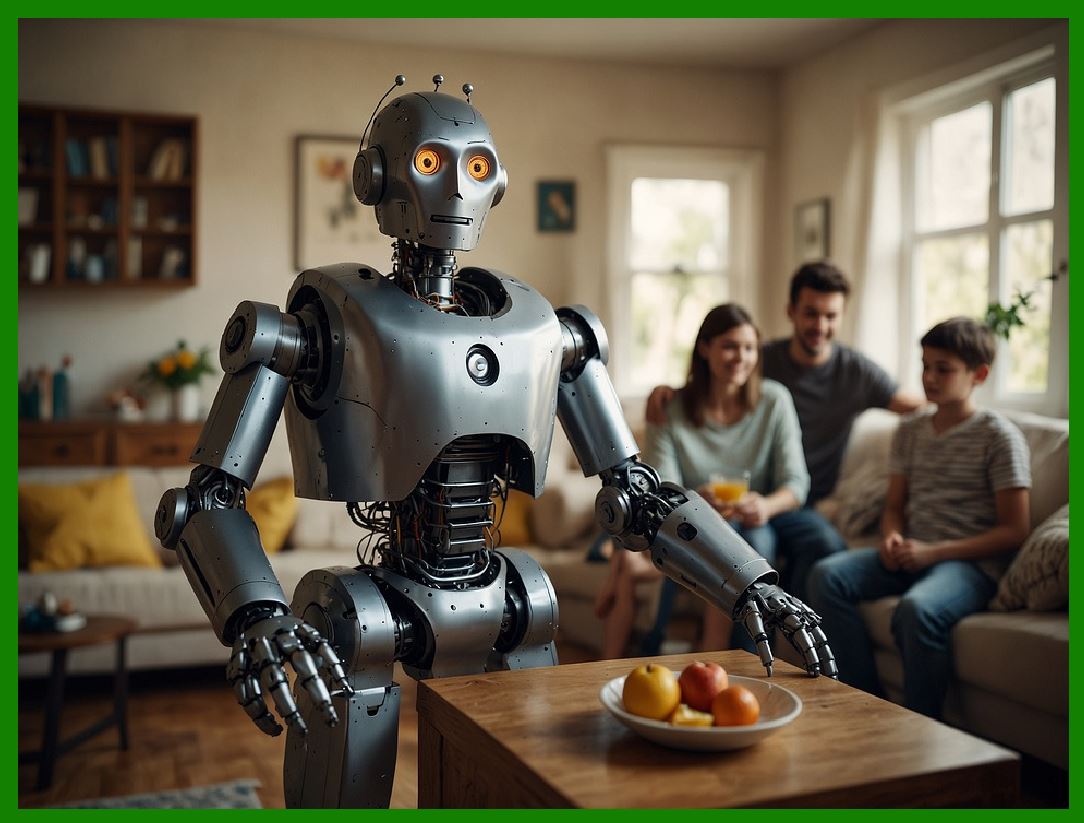
Articulated robots, which typically have six degrees of freedom, are another essential robot type used in the electronics industry. These robots have a flexible arm that can move in various directions, allowing them to perform tasks that require a high degree of versatility. Articulated robots are often used for tasks such as assembly, welding, inspection, and material handling. |
These robots offer greater reach and flexibility compared to SCARA and delta robots, making them ideal for complex assembly tasks where parts need to be positioned at varying angles or where multiple operations need to be performed in a single cycle. In electronics manufacturing, articulated robots are often used to install and secure components on PCBs, ensuring proper placement and alignment. |
|
3. Key Tasks Performed by Robots in Electronics Manufacturing |
Robots in the electronics industry are involved in a wide range of tasks. Their ability to perform repetitive, precise, and delicate tasks with minimal human intervention has made them essential in modern manufacturing processes. Here are some of the key tasks that robots perform in electronics manufacturing: |
3.1 Component Assembly |
Component assembly is one of the most critical tasks in electronics manufacturing. Robots play a crucial role in automating the assembly of tiny and delicate components, such as resistors, capacitors, and integrated circuits (ICs). These components need to be placed accurately on PCBs to ensure the functionality of the final product. |
Robots equipped with high-precision vision systems are used to align and place components onto the PCB surface. Their ability to operate with millimeter-level accuracy ensures that components are positioned correctly, reducing the likelihood of defects caused by misplacement or improper alignment. SCARA and delta robots, due to their speed and precision, are typically chosen for these tasks. |
3.2 PCB Assembly |
Printed Circuit Board (PCB) assembly is a complex process that involves multiple stages, such as soldering, testing, and component placement. Industrial robots are essential in automating this process to ensure consistency and minimize human error. In PCB assembly, robots perform the tasks of placing components onto the board, handling delicate components like surface-mount devices (SMDs), and even applying solder paste in preparation for soldering. |
The process typically involves using vision systems to guide robots in placing components with precision. The robots are also equipped with sensors that enable them to detect the correct orientation of components and ensure that the components are securely attached to the PCB. |
After component placement, robots are often employed to transport PCBs to soldering machines, where the components are permanently attached to the board. Once the soldering process is complete, robots can be used again for testing and inspection, ensuring that the assembled PCB meets quality standards. |
3.3 Testing and Inspection |
Robots are increasingly used in the testing and inspection phases of electronics manufacturing. In the testing phase, robots can be programmed to check for defects in assembled products by performing electrical testing, visual inspections, and functional tests. |
Robotic testing stations are often equipped with specialized sensors, such as cameras, thermal sensors, and force sensors, to detect even the smallest faults. Robots can also be used to perform repetitive tasks like continuity tests or to inspect solder joints for quality and integrity. |
For example, robots equipped with vision systems can examine PCBs for defects like missing components, incorrect component placement, or insufficient solder. Automated optical inspection (AOI) systems, integrated with robotic arms, help speed up this process and improve accuracy compared to manual inspection. |
3.4 Packaging and Material Handling |
After the assembly and testing processes are complete, robots are also employed for packaging and material handling tasks. These robots help move completed products from one stage of production to the next and ensure the products are safely packaged for shipment. |
In high-volume production environments, material handling robots are used to move items efficiently between different production lines or stages. Packaging robots, on the other hand, are responsible for placing finished products into boxes, labeling them, and preparing them for distribution. |

|
4. Benefits of Using Robots in the Electronics Industry |
The integration of industrial robots in electronics manufacturing brings several key benefits that help improve productivity, quality, and cost-effectiveness. Some of the main advantages include: |
4.1 Improved Precision and Accuracy |
Robots are capable of performing tasks with a level of precision and accuracy that is often beyond human capabilities. In electronics manufacturing, this translates to fewer defects, fewer errors in component placement, and a higher-quality final product. Whether it is placing small components onto a PCB or testing an assembled device, robots can ensure that each task is completed with a high degree of consistency. |
4.2 Increased Speed and Efficiency |
Robots are designed to operate at high speeds, significantly reducing the time required to complete repetitive tasks. In the electronics industry, where products are often produced in large quantities, this increased speed helps companies meet tight production deadlines and improve throughput. |
For example, a SCARA robot can perform thousands of pick-and-place operations in a single day, while a delta robot can handle multiple tasks simultaneously, further increasing efficiency. These robots can operate 24/7, ensuring that production lines run continuously, which maximizes output. |
4.3 Reduced Labor Costs |
By automating repetitive tasks, robots reduce the need for human labor, allowing workers to focus on more complex tasks that require creativity, problem-solving, and decision-making. While the initial investment in robotics can be significant, the long-term cost savings in labor and reduced error rates often result in a favorable return on investment. |
4.4 Enhanced Safety and Reliability |
The use of robots in the electronics industry can improve workplace safety by minimizing the risk of accidents caused by human error. Robots can handle dangerous or repetitive tasks in environments where human workers might be exposed to health risks, such as high-temperature soldering or working with chemicals. Additionally, robots help reduce the chances of product defects caused by human mistakes. |
4.5 Flexibility and Scalability |
The integration of robots into the production process makes it easier for companies to scale their operations. Robots can be reprogrammed and adjusted to handle different tasks or products as needed. This flexibility is especially valuable in industries like electronics, where product specifications and designs change rapidly. |
|
5. Future Trends and Developments in Robotics for the Electronics Industry |
As technology continues to evolve, the role of robots in the electronics industry is expected to grow even further. Some of the future trends that are likely to shape the future of industrial robots in electronics manufacturing include: |
5.1 Collaborative Robots (Cobots) |
Collaborative robots, or cobots, are designed to work alongside human operators in a shared workspace. Unlike traditional industrial robots that operate in isolated environments, cobots can work safely in close proximity to humans, assisting with tasks like assembly, material handling, and inspection. This technology is expected to gain traction in the electronics industry as it enhances flexibility and allows human workers to focus on higher-level tasks while robots handle repetitive or physically demanding tasks. |
5.2 Artificial Intelligence and Machine Learning |
The integration of artificial intelligence (AI) and machine learning into robotics is a significant development that will continue to shape the future of electronics manufacturing. AI-driven robots can learn from their environment and adapt to new tasks more efficiently than traditional robots. This capability could lead to smarter robots that can handle complex, unpredictable tasks, improving their efficiency and reducing the need for manual reprogramming. |
5.3 Advanced Vision Systems |
As robots become more advanced, their vision systems are also improving. The use of 3D vision, for instance, can help robots better perceive and manipulate objects in a three-dimensional space, allowing them to perform more intricate assembly tasks. Enhanced vision systems will enable robots to handle more complex components with increased precision, even in low-light or high-contrast environments. |
5.4 Automation and Smart Factories |
The future of robotics in the electronics industry will also be closely linked to the development of smart factories, where robots, sensors, and AI systems communicate with each other to optimize production processes in real-time. In such environments, robots can work autonomously, adjust their tasks based on sensor feedback, and integrate seamlessly into the overall manufacturing process. This level of automation could result in even higher levels of efficiency, lower production costs, and faster time-to-market for new electronic products. |
|
6. Conclusion |
Robots have become an essential part of the electronics manufacturing process, providing significant benefits in terms of speed, precision, cost-effectiveness, and quality. With advancements in robotics technology, including the use of AI, machine learning, and vision systems, robots are becoming even more capable and adaptable. As the demand for electronics continues to grow and evolve, industrial robots will play an increasingly important role in meeting these challenges and ensuring the efficient production of high-quality products. |

|
What challenges will it face in the future? |
The future of robotics in the electronics industry holds significant promise, but it also comes with its own set of challenges. As technology continues to advance and the demand for more sophisticated, faster, and more cost-effective production methods increases, several hurdles need to be addressed. These challenges span across technical, economic, and human factors and will influence the broader adoption of robotic systems in the electronics manufacturing process. |
1. Complexity of Handling Diverse Components |
One of the ongoing challenges for robots in the electronics industry is the ability to handle the increasing variety of components with precision. Electronic products, from smartphones to computer components, consist of an ever-expanding range of parts, many of which are small, fragile, and require specialized handling. |
Miniaturization: As electronic components continue to shrink in size, robots must be able to manipulate these components with extreme precision. The miniaturization of components places stringent demands on robotic arms, grippers, and vision systems to ensure they can handle smaller and more delicate parts without causing damage. |
Component Diversity: Different components, such as resistors, capacitors, chips, and connectors, have varying shapes, sizes, and materials. Developing universal robotic systems that can adapt to these variations while maintaining high levels of efficiency and precision is a significant challenge. |

|
2. Integration of Robotics with Existing Manufacturing Systems |
The seamless integration of robots into existing production lines can be difficult. Many electronics manufacturing facilities have legacy systems that were not designed to accommodate robotics. Integrating robots into these systems involves significant time, effort, and cost to ensure compatibility with existing machinery, sensors, software, and human workers. |
Compatibility Issues: Often, existing machines and tools are not designed to work with robots, which can lead to inefficiencies or even a complete overhaul of the production line. Updating legacy equipment or reengineering the entire workflow can be a major barrier to adoption. |
Communication and Data Flow: Efficiently integrating robots into the broader Internet of Things (IoT) ecosystem is essential for achieving a smart factory environment. Ensuring smooth communication between robots, sensors, vision systems, and production software is necessary to streamline operations, improve data collection, and enable predictive maintenance. However, achieving this level of interoperability can be complex. |

|
3. High Initial Investment Costs |
Despite the clear long-term benefits, the upfront costs associated with purchasing and implementing robots can be prohibitively high for some companies, especially smaller electronics manufacturers or startups. The costs of robotic arms, specialized tools, AI systems, vision systems, and integration into the production line can require significant capital investment. |
Capital Investment: While robots offer long-term savings through increased efficiency and reduced labor costs, the initial expenditure needed for acquisition, installation, and training may be a major hurdle for smaller companies with limited budgets. |
Return on Investment (ROI): Companies may also struggle to calculate the return on investment, especially in industries with fluctuating demand or small-scale production runs. For companies without a guaranteed large volume of production, the costs of automation may not be justified in the short term. |
|
4. Workforce Adaptation and Skills Gap |
The increased use of robotics in manufacturing introduces the challenge of adapting the human workforce. Automation may lead to job displacement, and workers may face the need to retrain and acquire new skills to work alongside robots or maintain and operate robotic systems. |
Job Displacement: As robots take over repetitive or dangerous tasks, certain low-skill jobs may be replaced by machines. This can cause anxiety and resistance among employees, especially in regions where there is a strong reliance on manual labor. The societal impact of job displacement can lead to workforce disruptions if adequate measures are not taken to reskill or upskill workers. |
Skills Gap: There is also a significant skills gap in robotics, as many employees in traditional manufacturing environments may lack the necessary technical expertise to operate, maintain, or troubleshoot robotic systems. Companies may face challenges in hiring and training workers with the requisite skills in robotics, automation, and AI. This includes the need for expertise in machine learning algorithms, advanced vision systems, and AI-based decision-making processes. |
Human-Robot Collaboration: While collaborative robots (cobots) are designed to work alongside human operators, ensuring smooth collaboration and safe interaction between robots and workers requires training and adjustments in the workflow. Worker safety and effective human-robot interaction must be prioritized to prevent accidents and ensure seamless operations. |

|
5. Adapting to Rapid Technological Changes |
The rapid pace of technological advancement in robotics presents both opportunities and challenges. As new technologies, like artificial intelligence (AI), machine learning, and advanced sensors, are integrated into robotics, manufacturers must continually update and adapt their systems to keep up with these innovations. |
Continuous Upgrades: Keeping robotic systems updated with the latest technologies requires regular investment in software, hardware, and training. This constant cycle of upgrades can strain resources and require manufacturers to stay abreast of fast-evolving technological trends. |
AI and Machine Learning: The use of AI and machine learning is growing rapidly in robotics, and while these technologies hold great potential, they also present challenges. For example, AI-driven robots must be continuously trained to improve their performance and adapt to changing production requirements. However, this can introduce risks related to overfitting, lack of data, or system errors in critical applications. |

|
6. Reliability and Maintenance |
While robots are generally more reliable than human workers in terms of performing repetitive tasks with precision, they are not infallible. Maintaining robotic systems and ensuring they continue to function optimally is a critical challenge for electronics manufacturers. |
Breakdowns and Downtime: Like all machines, robots can experience breakdowns or malfunctions. These issues can lead to production downtime, delays, and increased maintenance costs. For electronics manufacturers that depend on high uptime to meet production quotas, any interruptions caused by robotic failures can be costly. |
Predictive Maintenance: To mitigate the risks of downtime, manufacturers need to invest in predictive maintenance systems that can monitor the health of robots and provide alerts when maintenance is required. This relies on the integration of advanced sensors, data analytics, and AI to predict when a component may fail, but ensuring the accuracy of these systems can be challenging. |
|
7. Security Concerns and Data Privacy |
As robots become more connected to the broader manufacturing ecosystem through IoT and cloud-based systems, cybersecurity becomes a significant concern. Industrial robots handle sensitive production data and interact with other machines, creating potential vulnerabilities that could be exploited by cyberattacks. |
Cybersecurity Risks: A breach in the robot's control system could lead to production disruptions, intellectual property theft, or even the manipulation of manufacturing processes. Protecting robots from cyber threats is crucial to maintaining the integrity of the production line and the safety of workers. |
Data Privacy: The use of robots, especially those integrated with AI and machine learning systems, involves vast amounts of data collection, including sensitive information about production processes, materials, and worker performance. Ensuring the privacy and secure handling of this data will be vital to prevent misuse and comply with evolving data protection regulations. |
|
8. Ethical and Regulatory Concerns |
As robots become more advanced and autonomous, they raise several ethical and regulatory concerns, especially in the context of human labor and safety. The pace at which robotic systems are developed and adopted may outpace the ability of lawmakers and regulatory bodies to keep up. |
Ethical Considerations: The displacement of workers due to automation is a significant ethical issue, particularly in regions heavily reliant on manual labor. Companies will need to balance the economic benefits of automation with the social and ethical implications of reducing human employment. |
Regulatory Compliance: Governments and regulatory bodies must ensure that robots meet safety standards and guidelines, especially in environments where workers are present. Ensuring that robots comply with workplace safety regulations, such as the Occupational Safety and Health Administration (OSHA) guidelines in the U.S., is critical for maintaining a safe work environment. However, as new types of robots are introduced, it may take time for regulations to be updated to reflect new capabilities and risks. |
|
9. Sustainability and Environmental Impact |
With the increasing adoption of robots in electronics manufacturing, sustainability and environmental considerations will become more important. The production of robotic systems themselves requires raw materials, energy, and generates waste, all of which have environmental implications. |
Energy Consumption: Some robots, particularly those in high-speed or 24/7 operations, can consume significant amounts of energy. Electronics manufacturers will need to find ways to balance the energy costs associated with automation with the efficiency benefits that robotics provide. |
E-Waste: The rapid pace of technological advancements may lead to the premature obsolescence of robotic systems. Proper recycling and disposal of robotic components will be necessary to prevent the accumulation of electronic waste (e-waste), which can have harmful effects on the environment. |
|
10. Supply Chain Disruptions |
The global electronics supply chain is vulnerable to disruptions, as demonstrated by the recent COVID-19 pandemic and trade tensions between major economic powers. In such an environment, the reliance on robots for production may not be enough to shield manufacturers from external supply chain challenges. |
Material Shortages: The availability of key materials needed for the manufacture of electronics, such as semiconductors, can affect robotic production lines. Any disruptions to the supply of these materials could lead to delays or reduced production capacity, even with fully automated systems in place. |
Global Logistics: The reliance on international supply chains for both raw materials and finished products means that geopolitical factors and logistical challenges may impact robot-assisted manufacturing. Manufacturers will need to adapt their strategies to address these uncertainties, potentially through reshoring, diversifying suppliers, or improving supply chain resilience. |

|
Conclusion |
While the future of robotics in the electronics industry holds vast potential, it also presents several challenges that need to be addressed. Overcoming these hurdles will require continued innovation in robotics, improvements in workforce training and integration, as well as strategic investments in cybersecurity, predictive maintenance, and sustainability. By addressing these challenges, the electronics industry can continue to benefit from the efficiencies and advancements that robotics brings while ensuring the long-term viability and competitiveness of the sector. |
 cs@easiersoft.com