Enhanced Human-Robot Interaction (HRI) |
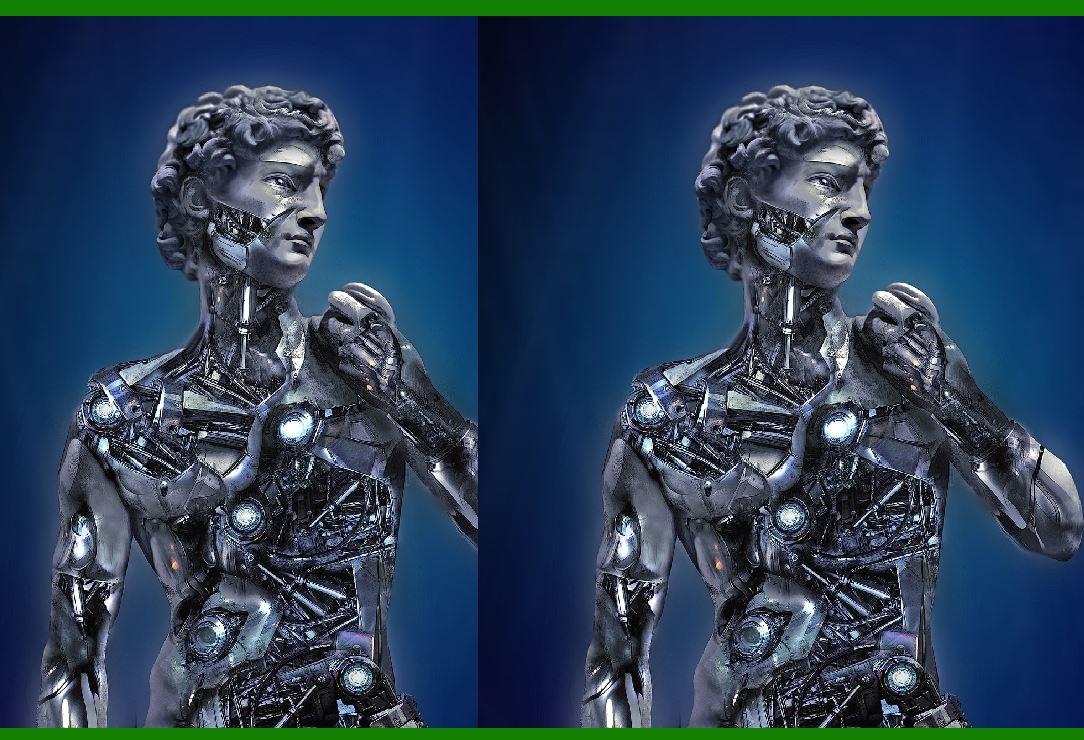
The rapid evolution of robotics has led to an increasing interest in the concept of Human-Robot Interaction (HRI). As robots become more advanced and more integrated into various aspects of life-from industrial manufacturing to healthcare and service industries-the interaction between humans and robots is expected to become more sophisticated and intuitive. In this detailed exploration, we will cover the significance of HRI, its components, advancements in technology that have contributed to its evolution, and how future robots will exhibit enhanced human-robot interaction capabilities. |
|
1. The Importance of Human-Robot Interaction (HRI) |
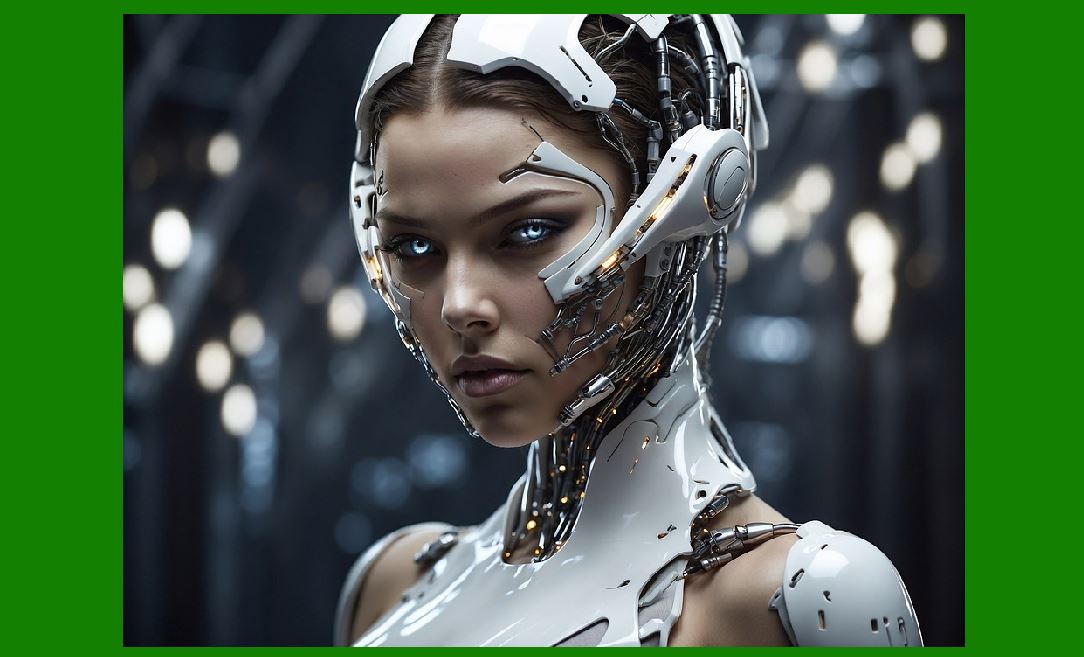
Human-Robot Interaction (HRI) is the field of study that focuses on the interaction between humans and robots. As robots continue to move from strictly industrial applications to more general-use environments, enhancing the way these machines interact with humans is critical. The goal of improved HRI is to ensure that robots are more accessible, efficient, and useful to people across various sectors. A fundamental challenge in HRI is creating robots that are not just tools or machines, but are systems that understand human intent, respond appropriately to human actions, and can adapt to unpredictable human behavior. |
The significance of HRI can be seen in several contexts: |
Safety: In environments where humans and robots work in close proximity, ensuring safe interaction is paramount. This requires the ability of robots to recognize and respond to human movements, signals, and actions, so they can act in ways that do not cause harm. |
Efficiency and Productivity: As robots are integrated into workplaces, they need to collaborate effectively with human workers. Enhanced HRI can help streamline workflows, reduce downtime, and allow workers to communicate with robots seamlessly, enhancing productivity in various domains like manufacturing, logistics, and healthcare. |
Accessibility and Usability: As robots become more advanced, they are likely to enter homes, schools, and hospitals. It is essential that people with no technical expertise are able to use and control these robots intuitively, making HRI an important focus for future developments in domestic and public robots. |
|
2. Evolution of HRI Technologies |
Historically, robots were designed to operate autonomously or be controlled by specialized operators who had technical expertise. The interaction between these early robots and humans was often limited to remote control or pre-programmed commands. However, as robots became more integrated into real-world settings, the need for more natural and intuitive interactions became evident. This drove the development of several key technologies: |
Voice Recognition and Speech Interfaces: Voice recognition has been one of the most transformative technologies for HRI. Modern speech recognition systems, such as natural language processing (NLP) models, allow robots to understand spoken commands in a more conversational way. With advancements in AI and machine learning, robots can not only process voice commands but also interpret context, tone, and intent, enabling more meaningful interactions. |
Gesture Recognition: Gesture recognition is another area that has seen tremendous growth. Robots that can understand and respond to human gestures-whether through hand movements, body posture, or facial expressions-have the potential to create a more immersive and intuitive interaction. For example, in industrial settings, workers might use hand signals to communicate with robots, and the robots would understand these commands through gesture recognition technology. |
Artificial Intelligence (AI) and Machine Learning (ML): AI and ML play a crucial role in enhancing HRI. These technologies enable robots to learn from human interactions, adapting their behavior based on experience. Over time, robots become more proficient at predicting human needs and responding in more natural ways. AI can help robots understand non-verbal cues, contextual information, and complex instructions, allowing them to engage in more dynamic and intelligent exchanges with humans. |
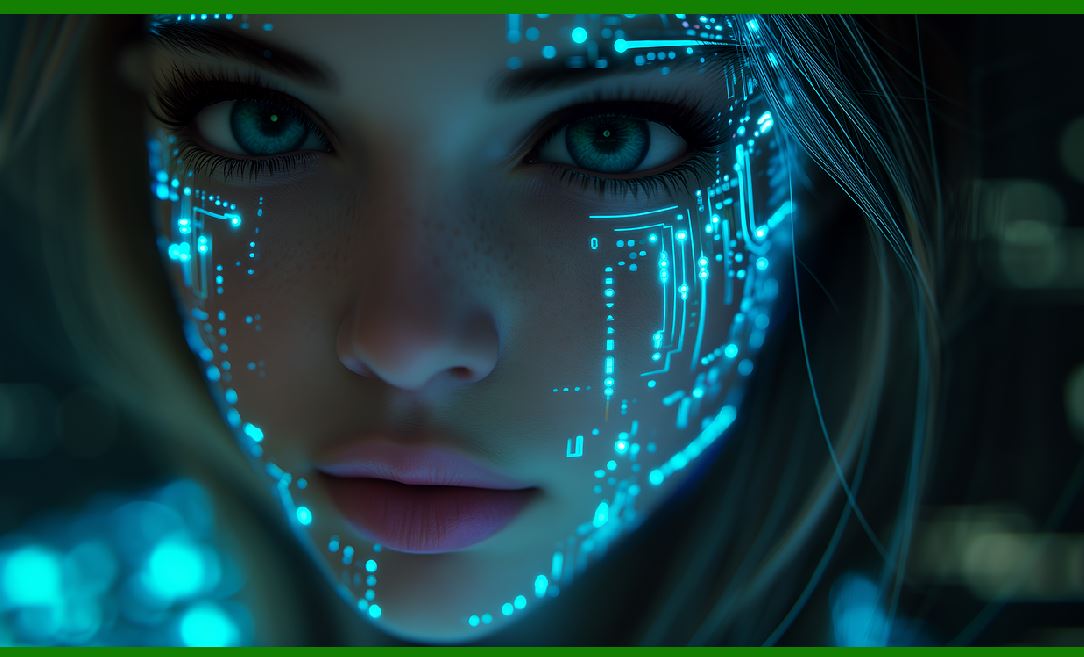
Computer Vision: Robots equipped with computer vision systems can 'see' and understand the world around them, which is vital for effective HRI. Through cameras, sensors, and image processing algorithms, robots can recognize people, objects, and environmental conditions. This allows them to navigate spaces, respond to human actions, and even identify emotional expressions on human faces, facilitating more empathetic interactions. |
|
3. Components of Enhanced Human-Robot Interaction Systems |
Several components are crucial for enabling enhanced HRI, including sensors, user interfaces, and feedback mechanisms. These elements contribute to creating systems that can engage with humans naturally, efficiently, and safely. |
3.1 Sensors and Perception Systems |
The role of sensors in HRI cannot be overstated. Sensors allow robots to perceive their environment, recognize humans, and understand their actions. For example, proximity sensors detect the presence of humans in a robot's workspace, while force sensors can detect physical contact. Some robots are equipped with advanced haptic feedback systems, which enable them to 'feel' and respond to objects or touch. |
LIDAR (Light Detection and Ranging): LIDAR sensors help robots build detailed 3D maps of their environment, which is essential for spatial awareness. Robots with LIDAR can navigate complex environments more effectively while avoiding obstacles and ensuring safe interaction with humans. |
Cameras and Visual Sensors: Cameras allow robots to visually track human movements and gestures. Visual sensors also enable facial recognition and emotional recognition, allowing robots to adjust their behavior based on the emotional state of the human they are interacting with. |
Microphones and Sound Sensors: For voice-based interaction, microphones and sound sensors are crucial for detecting speech and processing it into actionable commands. Advanced systems can even distinguish between different speakers and filter background noise for more accurate voice recognition. |
3.2 User Interfaces |
An intuitive user interface (UI) is essential for easy interaction with robots. Traditional robots often relied on text-based or limited graphical UIs, but as robots become more human-centric, the design of user interfaces has become more sophisticated. Future UIs will be more natural, relying on multimodal input systems that combine voice, touch, and gestures. |
Touchscreens: Many modern robots, especially service robots, now feature touchscreens that allow humans to interact directly with the robot. These interfaces are becoming more intuitive and user-friendly, providing visual cues, feedback, and easy navigation for human users. |
Virtual and Augmented Reality (VR/AR): VR and AR can enhance robot interactions by providing immersive environments where users can interact with robots in a more natural and engaging manner. For example, AR might allow users to see information about a robot's status or give instructions on how to operate it. |
Speech and Dialogue Systems: Advanced dialogue systems, often powered by AI, can simulate natural conversations with robots. These systems allow users to engage in dynamic, context-aware conversations, enabling robots to ask clarifying questions or provide feedback based on ongoing interactions. |
3.3 Feedback Mechanisms |
Feedback is a crucial aspect of human-robot interaction. It informs the user about the robot's actions and status and ensures that the robot is functioning as expected. Feedback can be provided through visual, auditory, or tactile means. |
Visual Feedback: Robots can communicate their status via visual indicators, such as lights, screens, or projections. For example, a robot might display a red light to indicate an error or a green light to signify successful task completion. |
Auditory Feedback: Robots can also use sounds or speech to provide feedback. For instance, a robot might alert a user to an error using a specific sound or use polite phrases such as 'task complete' when a job is finished. |
Haptic Feedback: Haptic feedback allows robots to give physical responses that users can feel. This can be particularly useful in situations where a robot is physically interacting with a human, such as in healthcare or collaborative manufacturing settings. |

|
4. Intuitive Interfaces for Future Cobots |
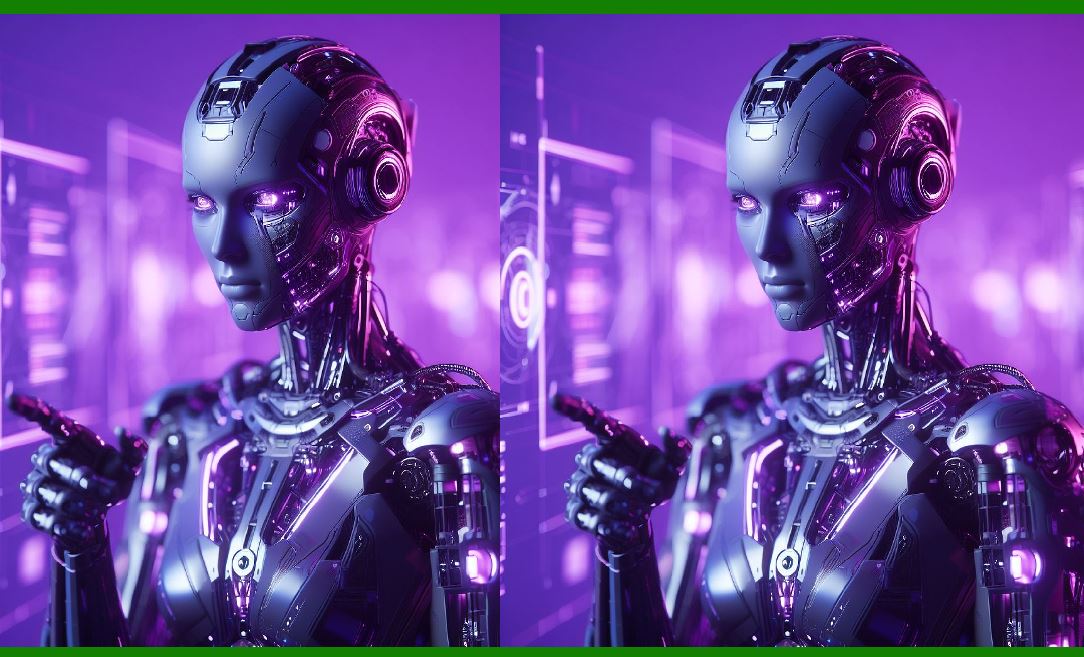
Cobots (collaborative robots) are designed to work alongside human workers in a shared workspace. One of the key challenges for cobots is ensuring that human operators can interact with them without requiring specialized training. Future cobots will be equipped with more intuitive interfaces, such as voice recognition, gesture controls, and even brain-computer interfaces (BCIs), making them more accessible to people with varying levels of technical expertise. |
4.1 Voice Recognition |
Voice recognition is one of the most exciting developments for HRI, allowing humans to communicate with robots in natural language. Advanced NLP models enable robots to not only understand commands but also to recognize context and intent. For example, a worker in a factory might say, 'Start the assembly line,' and the robot will respond by activating the corresponding process. Additionally, voice-controlled robots can interact with workers in a more conversational way, making the experience feel less mechanical and more like working with a human colleague. |
4.2 Gesture-Based Controls |
Gesture-based controls allow humans to interact with robots through physical movements, such as hand signals or body postures. This can be particularly useful in environments where voice communication may be difficult, noisy, or impractical. For example, in a manufacturing setting, a worker might use a hand gesture to indicate that a robot should stop or start its task. Gesture recognition technology, powered by computer vision and machine learning, enables robots to understand and respond to these cues in real-time. |
4.3 Brain-Computer Interfaces (BCI) |
The future of HRI may also include the use of brain-computer interfaces (BCIs). BCIs allow humans to control robots using brain signals, bypassing the need for physical movement or speech. This has the potential to revolutionize the way we interact with robots, particularly for people with disabilities or those in environments where other forms of communication are difficult. BCIs can translate brain activity into commands, enabling direct control over robots by thought alone. |
|
5. Programming and Controlling Robots Without Technical Expertise |
One of the key advantages of enhanced HRI is the ability for operators to control robots without needing in-depth technical knowledge. As robots become more user-friendly, even individuals with minimal technical training can operate them. This is achieved through intuitive interfaces, simplified programming tools, and the integration of machine learning. |
5.1 Simplified Programming Interfaces |
Future robots will be easier to program using graphical interfaces and simplified coding environments. For example, drag-and-drop programming tools allow users to build robot behaviors by arranging blocks or icons that represent different tasks. This enables non-technical users to create and customize robot workflows without needing to write complex code. |
5.2 Machine Learning and Adaptive Systems |
Machine learning enables robots to learn from human behavior and improve over time. As robots observe human actions, they can adjust their responses and better align with human expectations. For instance, a robot in a warehouse might learn to optimize its path based on the way humans move through the space, reducing unnecessary delays. |
5.3 No-Code Platforms |
No-code platforms are emerging as a way for non-experts to build and customize robots. These platforms use simple interfaces where users can drag and drop elements to create custom robot behaviors. No-code solutions democratize robotics, making it possible for anyone to deploy a robot tailored to their specific needs. |
|
6. Conclusion: The Future of Human-Robot Interaction |
The future of HRI is marked by continuous advancements in technology, particularly in the areas of voice recognition, gesture controls, AI, and machine learning. As robots become more intelligent and capable of interacting with humans in natural, intuitive ways, they will become valuable collaborators in various industries, from manufacturing to healthcare. With enhanced HRI, robots will not only be more accessible to individuals without technical expertise but will also become more effective in supporting human workers and improving safety, efficiency, and productivity. The continued evolution of human-robot interaction systems holds the promise of a more harmonious relationship between humans and machines, ultimately benefiting society as a whole. |

|
What new technologies will be related to this in the future? |
The future of Human-Robot Interaction (HRI) is deeply intertwined with emerging technologies that will significantly improve how humans interact with robots. These technologies will enable robots to better understand, anticipate, and respond to human actions, emotions, and needs. Below are several cutting-edge technologies that will be closely related to the future development of HRI: |
1. Artificial General Intelligence (AGI) |
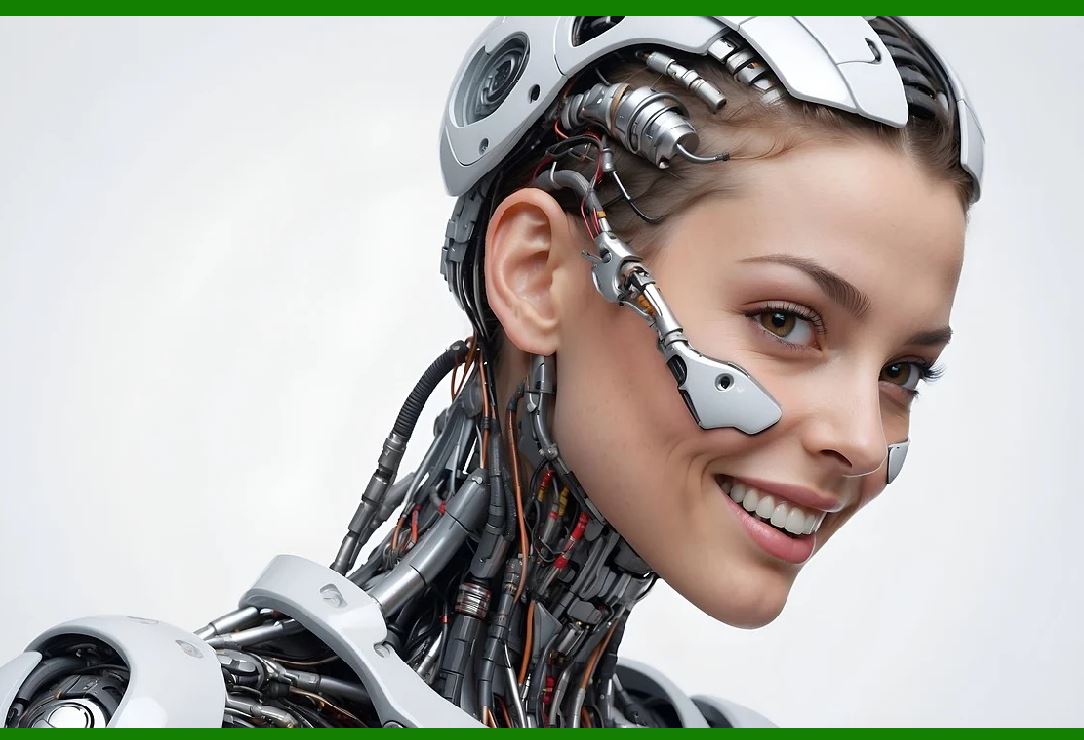
While current AI systems excel in narrow tasks (known as Narrow AI), Artificial General Intelligence (AGI) refers to machines that can perform any intellectual task that a human can. AGI would greatly enhance human-robot interaction by enabling robots to think, reason, and adapt in much more sophisticated ways than current AI systems. With AGI, robots could engage in dynamic, context-aware conversations with humans, offer nuanced emotional responses, and exhibit true understanding of complex human intentions. AGI would also allow robots to perform tasks that require a deeper understanding of the world, making them more autonomous in environments that involve human collaboration. |
|
2. Emotion Recognition and Sentiment Analysis |
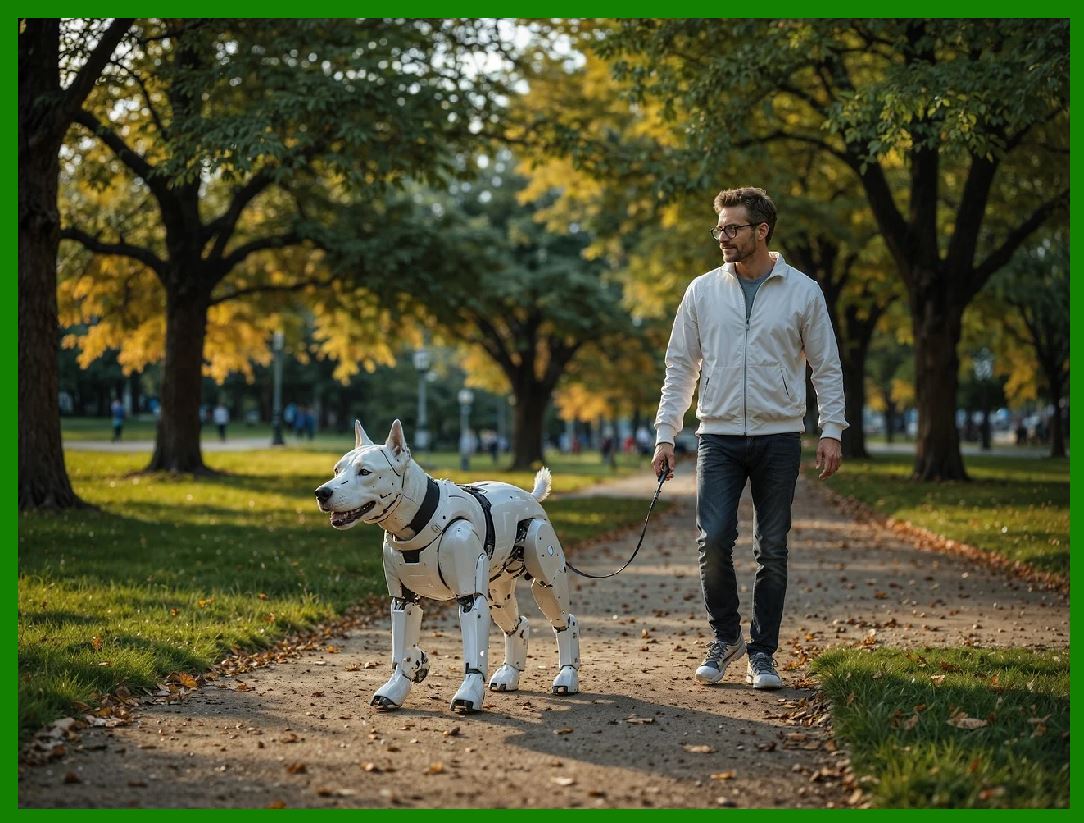
The ability for robots to recognize and respond to human emotions is likely to become a key component of future HRI systems. Emotion recognition technology involves using computer vision, voice analysis, and physiological sensors (such as heart rate or skin conductivity) to detect a person's emotional state. This could enable robots to adjust their behavior accordingly, for example, by offering comforting words to a stressed person, or adjusting their tone of voice to suit a more formal or relaxed environment. |
Sentiment analysis can be applied to voice and text interactions, allowing robots to gauge a person's mood or emotional state based on the content and tone of their communication. This would make robots more empathetic and capable of adapting their responses to the emotional needs of their human counterparts. |
|
3. Brain-Computer Interfaces (BCIs) |
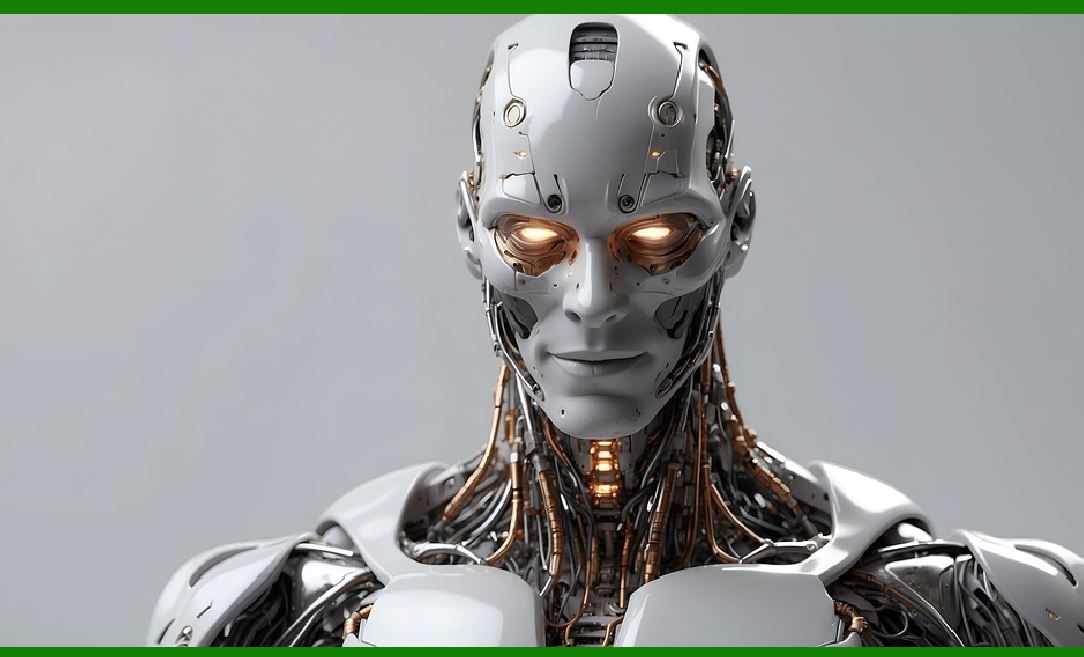
Brain-Computer Interfaces (BCIs) are set to revolutionize HRI by allowing humans to control robots with their thoughts. While BCIs have been used primarily in medical applications (such as enabling individuals with paralysis to control robotic limbs or communicate), future developments will likely bring BCIs into more mainstream applications, where people can control robots without any physical interaction. This will have profound implications for people with disabilities, allowing them to operate robots through mere brain signals. |
Moreover, BCIs could provide direct feedback from robots to the human brain, enabling bidirectional communication between humans and machines. This could allow for seamless, intuitive control of robots in environments like manufacturing, healthcare, or even in everyday home settings. |
|
4. Quantum Computing |
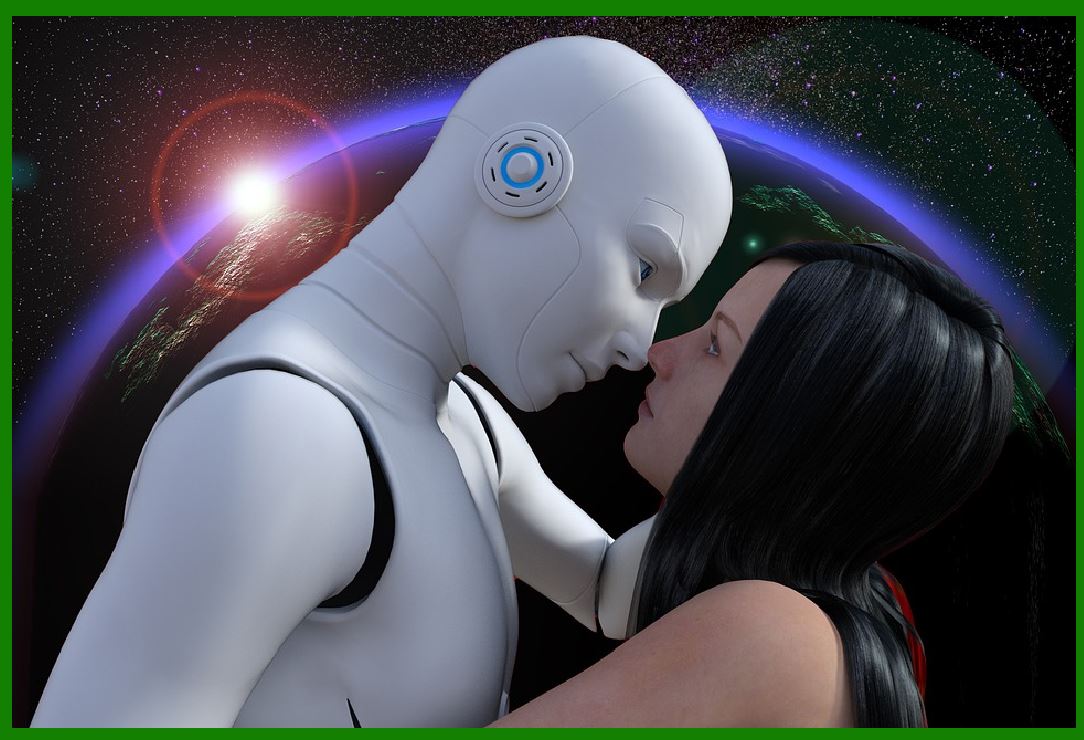
Although still in its early stages, quantum computing has the potential to transform HRI by providing robots with vastly more computational power. Quantum computers can process enormous amounts of data and perform complex calculations exponentially faster than classical computers. This could enable robots to analyze vast amounts of sensory data in real time, improving their ability to navigate environments, recognize human emotions, and learn from human interactions. For instance, quantum computing could enable robots to simulate multiple outcomes of a potential interaction and adapt in real time, making interactions smoother and more effective. |
Additionally, quantum machine learning could enable robots to predict human behavior with more accuracy, further enhancing collaborative work. |
|
5. Advanced Natural Language Processing (NLP) and Multimodal Communication |
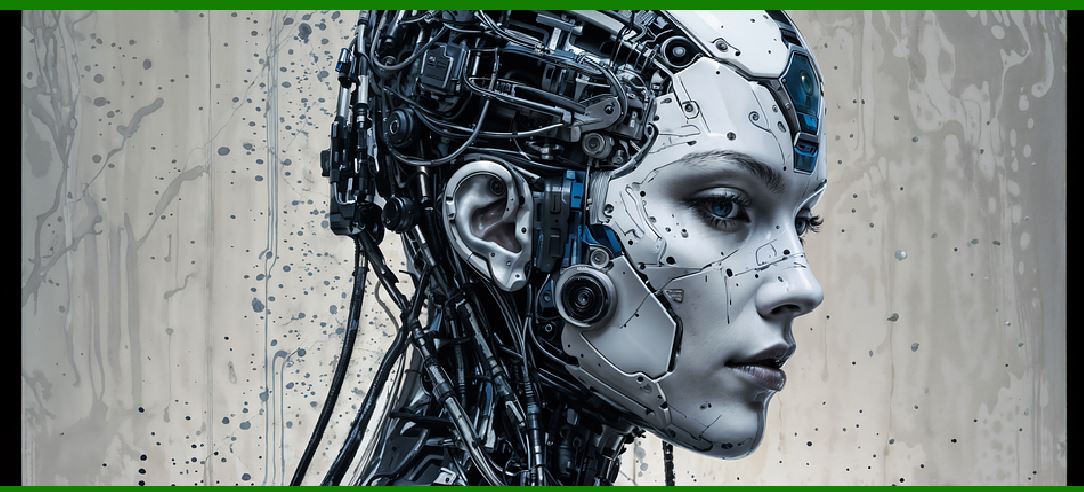
While current NLP technologies are already quite advanced, future developments in Natural Language Processing will enable robots to hold far more natural, context-aware conversations with humans. By leveraging deep learning, robots will be able to comprehend nuance, idiomatic expressions, and complex sentence structures more effectively than ever before. |
In combination with multimodal communication-which integrates different forms of communication like voice, gesture, touch, and eye contact-robots will be able to seamlessly switch between various forms of interaction, depending on the context. For instance, if a person's voice is shaky, the robot might switch from verbal communication to providing physical comfort or assistance through touch (such as patting a hand or providing a gentle nudge). The integration of visual processing (like lip-reading and facial expressions) with NLP will enable robots to respond to both verbal and non-verbal cues more effectively, making interactions more holistic and human-like. |
|
6. Soft Robotics and Flexible Materials |
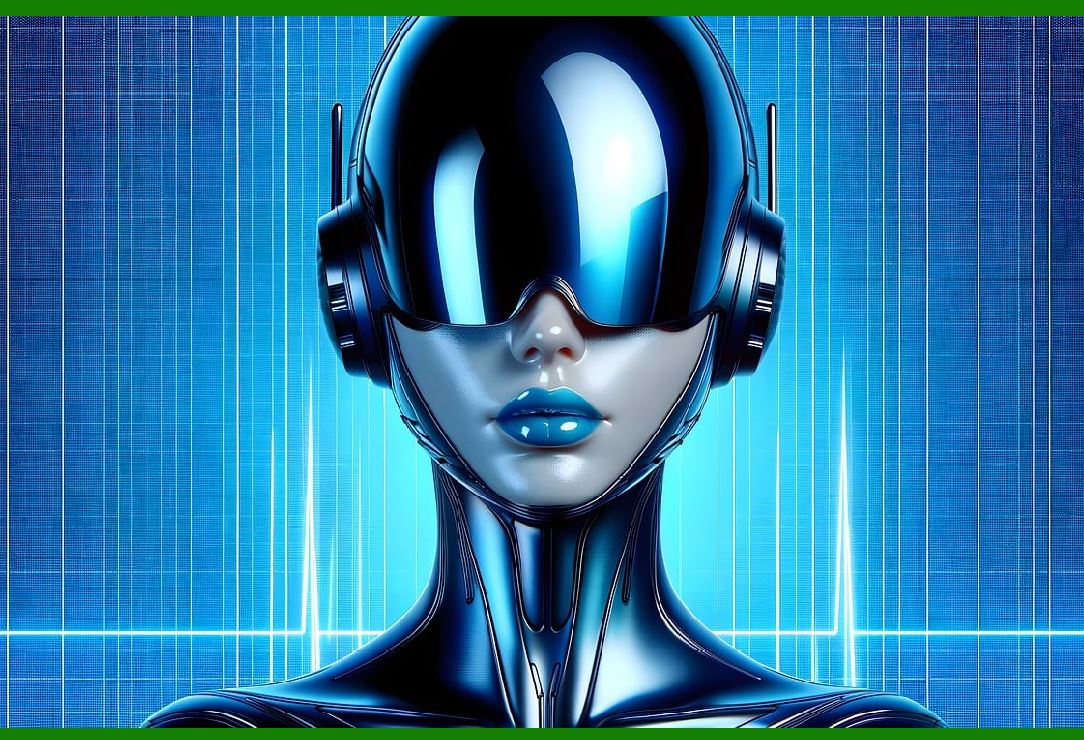
The development of soft robotics-robots made from flexible materials that mimic biological organisms-will revolutionize how robots physically interact with humans. Unlike traditional rigid robots, soft robots can adapt their shape to fit into tight spaces, safely collaborate with humans without fear of injury, and interact with delicate objects. |
For example, a soft robot used in healthcare could gently assist elderly patients, mimicking the flexibility of human limbs while ensuring safety. The advanced sensing capabilities in soft robots will also allow them to 'feel' the human body, responding with varying amounts of pressure or force, based on the context of the interaction. This could make robots more empathetic and responsive, providing a much more natural, tactile form of HRI. |
|
7. Swarm Robotics and Collective Intelligence |
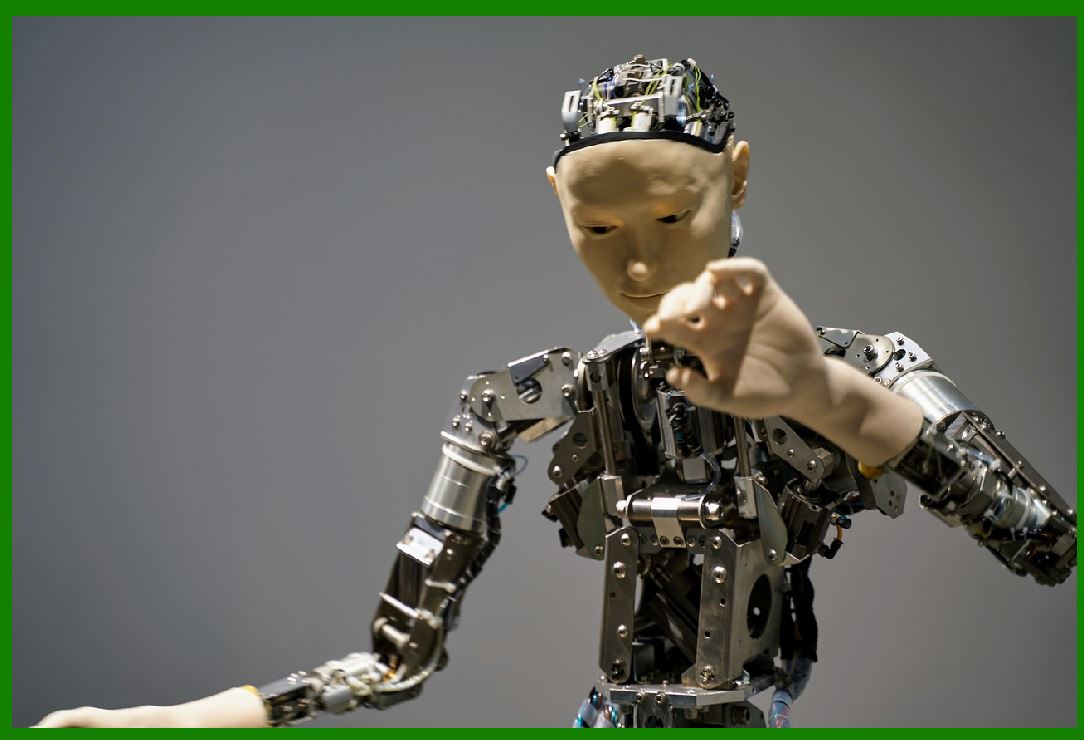
Swarm robotics involves the use of multiple small robots that work together to complete a task, much like a colony of ants or bees. In future HRI systems, robots could be equipped with the ability to operate as a swarm, enabling them to tackle complex problems through collective intelligence. |
Humans could interact with a swarm of robots as a single entity, directing them to complete specific tasks in unison. The use of swarm robotics would open up new possibilities for industries such as agriculture, logistics, and disaster recovery, where large numbers of robots could work together in environments that require flexibility and adaptability. In these scenarios, the robots could collectively analyze and respond to human instructions, with the swarm intelligently adjusting its behavior based on real-time feedback and changing conditions. |
|
8. Autonomous Learning and Self-Improvement |
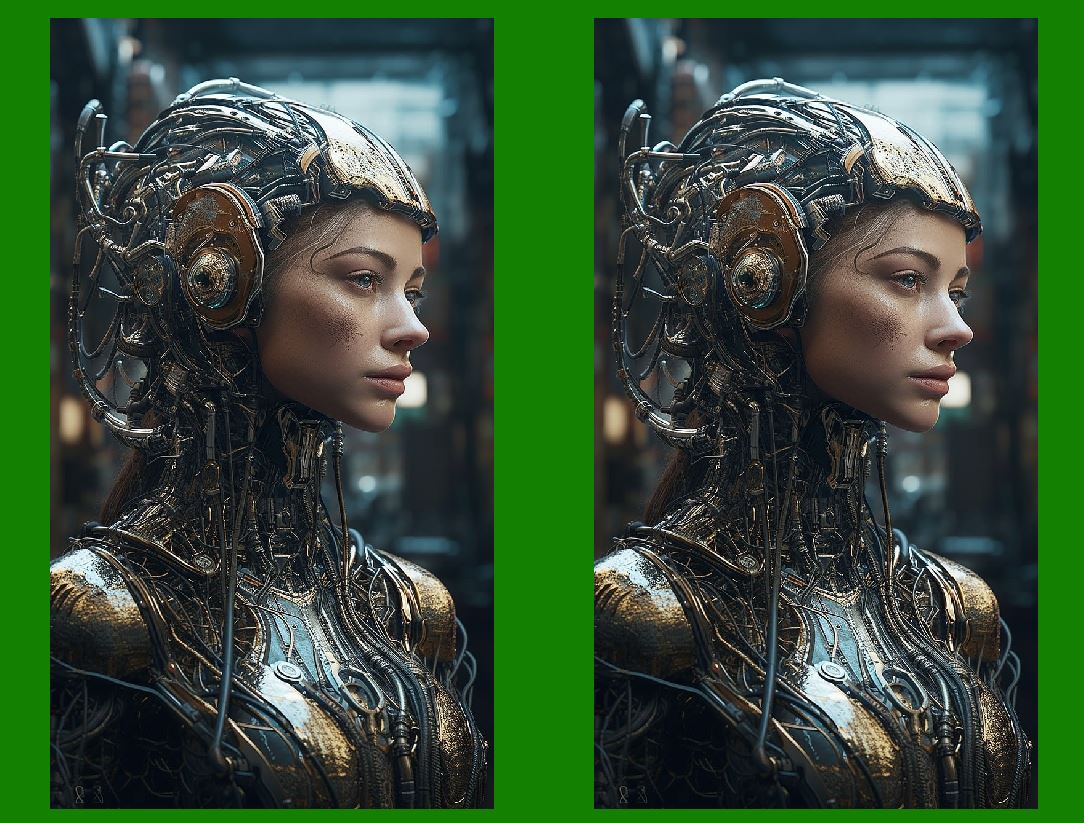
The ability for robots to autonomously learn and improve based on interactions with humans will drastically enhance HRI. Reinforcement learning, a branch of machine learning, enables robots to adjust their behavior based on feedback from their environment (including human interactions). Future robots could continuously improve their understanding of human preferences, emotional responses, and tasks, leading to more efficient and personalized interactions. |
For instance, a robot might initially struggle to understand a human worker's preferred workflow, but through continuous interaction and learning, it could autonomously adapt to the worker's habits, adjusting its behavior and actions accordingly. The concept of lifelong learning will also allow robots to continue developing over time, becoming more adept at human-robot collaboration. |
|
9. 5G and 6G Connectivity |
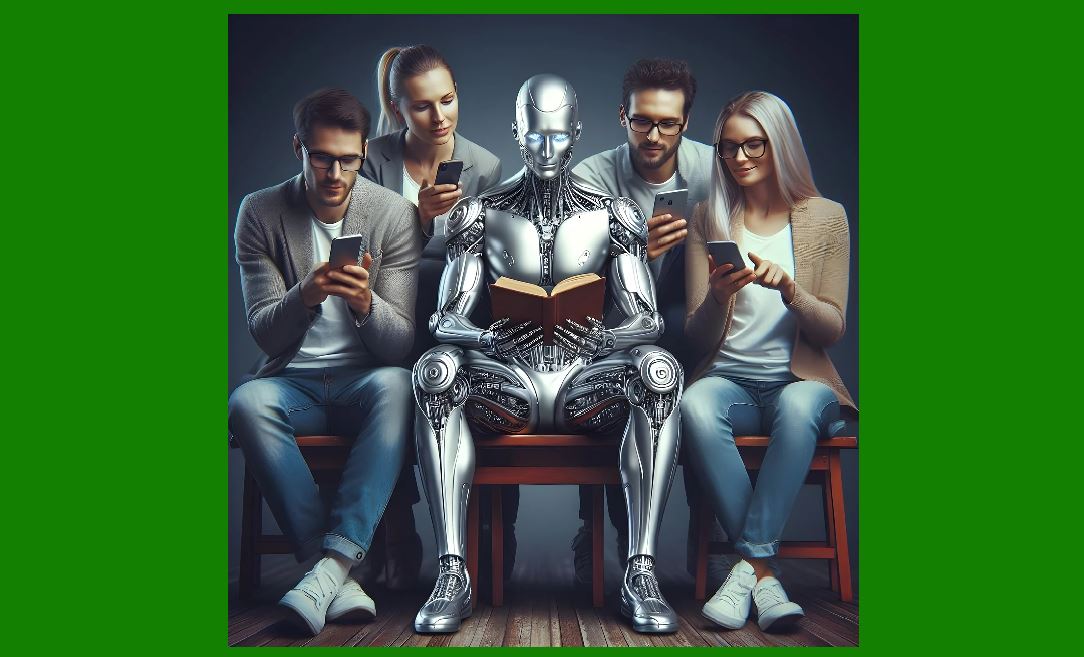
The advent of 5G and future 6G networks will vastly improve the speed, reliability, and bandwidth of robot communication. With ultra-low latency and high-speed data transfer, robots will be able to interact with humans in real-time, even in complex environments with high data demands. |
For example, in collaborative industrial environments, robots will be able to receive and transmit data between machines and humans nearly instantaneously. This will allow for more responsive, precise operations and more seamless coordination between robots and human workers. Additionally, cloud-based AI systems could allow robots to offload processing tasks to external servers, freeing up computational resources for real-time decision-making and adaptive behavior. |
|
10. Personalization and Adaptive Behavior |
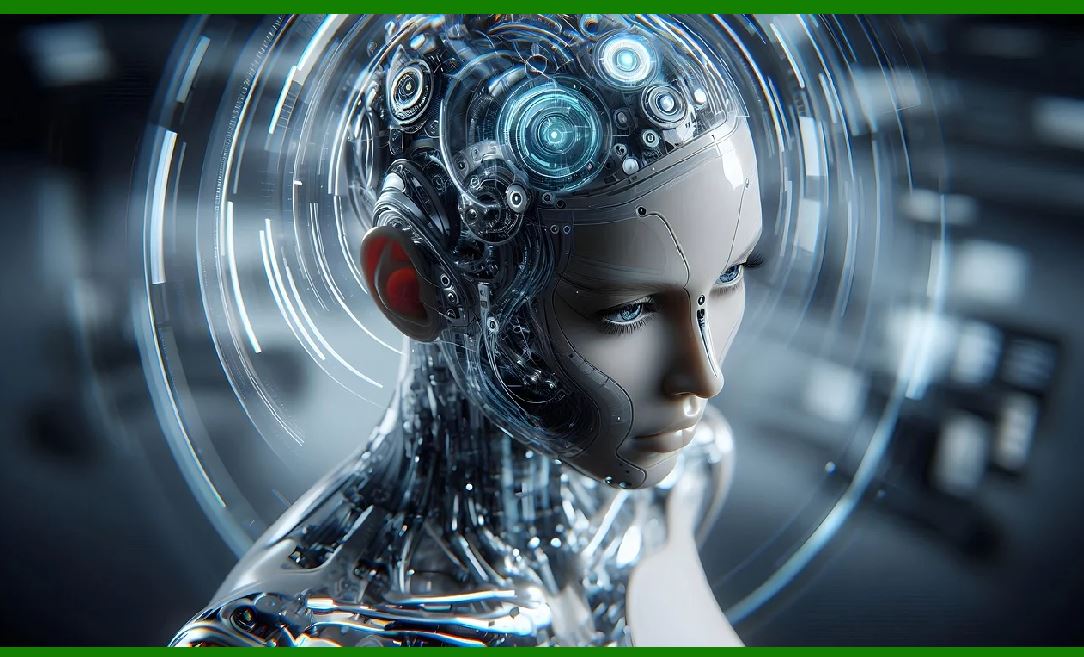
As robots become more integrated into daily life, they will be able to provide personalized interactions based on individual preferences. Through the use of machine learning algorithms, robots will analyze data from past interactions and adapt their behavior to suit each individual user's preferences and needs. |
For example, a personal assistant robot might learn how a user prefers their coffee or the tone of voice they respond best to. Similarly, in healthcare, robots could adapt to the needs of patients based on their medical history and responses to previous treatments, offering more effective support in ways that feel highly personalized. This level of personalization will improve user satisfaction and build trust in human-robot collaboration. |
|
11. Virtual and Augmented Reality (VR/AR) in HRI |
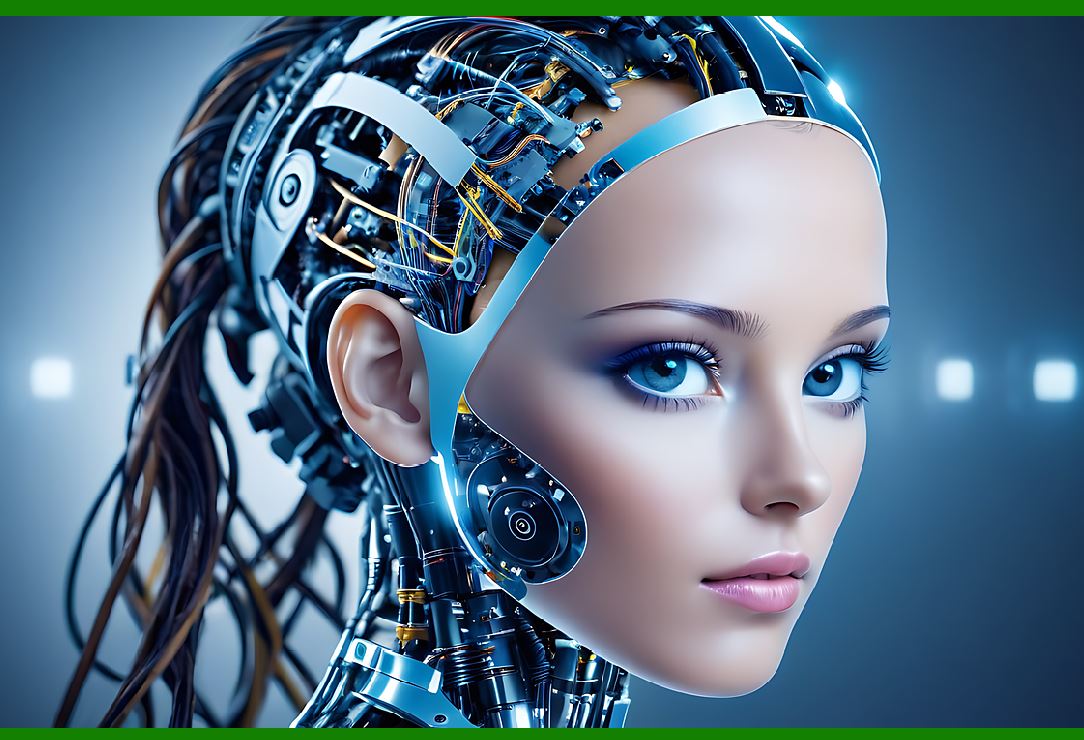
Virtual Reality (VR) and Augmented Reality (AR) will likely play a significant role in the future of HRI. By immersing human users in virtual environments or overlaying digital information onto the real world, VR and AR can create new ways for humans to interact with robots. |
For instance, in AR-based HRI, a technician could use AR glasses to view real-time data from a robot, see its operational status, or receive instructions for repairs while still interacting with the physical machine. In VR-based training environments, robots could be used to train human workers in complex tasks, offering an interactive learning experience that feels both realistic and engaging. |
|
Conclusion |
The technologies shaping the future of Human-Robot Interaction (HRI) are evolving at an exponential rate, driven by advances in AI, robotics, communication networks, and sensory technologies. From more intuitive and adaptive interactions powered by emotion recognition and AGI, to innovations in brain-computer interfaces and swarm robotics, the future of HRI will be characterized by systems that are more intelligent, responsive, and human-centric. As these technologies continue to develop, they will significantly transform how humans and robots coexist and collaborate, improving efficiency, safety, and personal experiences across a wide range of applications. |
 cs@easiersoft.com