1. Introduction to Entertainment Robots for Adults |
In recent years, the development of robots designed specifically for adult entertainment has been gaining significant attention. These robots are sophisticated, highly interactive, and capable of providing various forms of companionship, emotional engagement, and physical interaction. Adult entertainment robots are not only being developed for novelty purposes but are also seen as a bridge to future advancements in human-robot relationships. They combine elements of artificial intelligence (AI), robotics, and human interaction to create immersive experiences. |
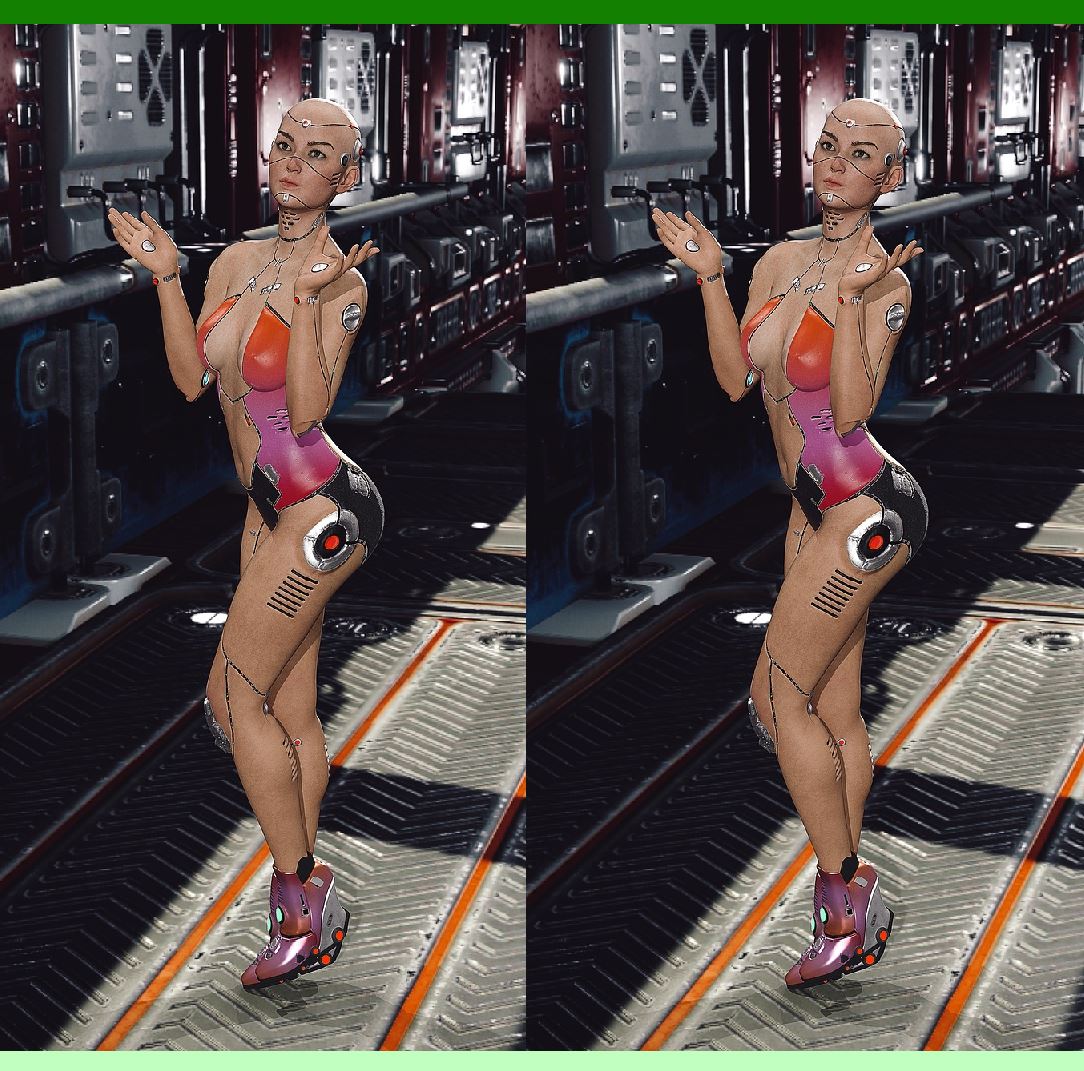
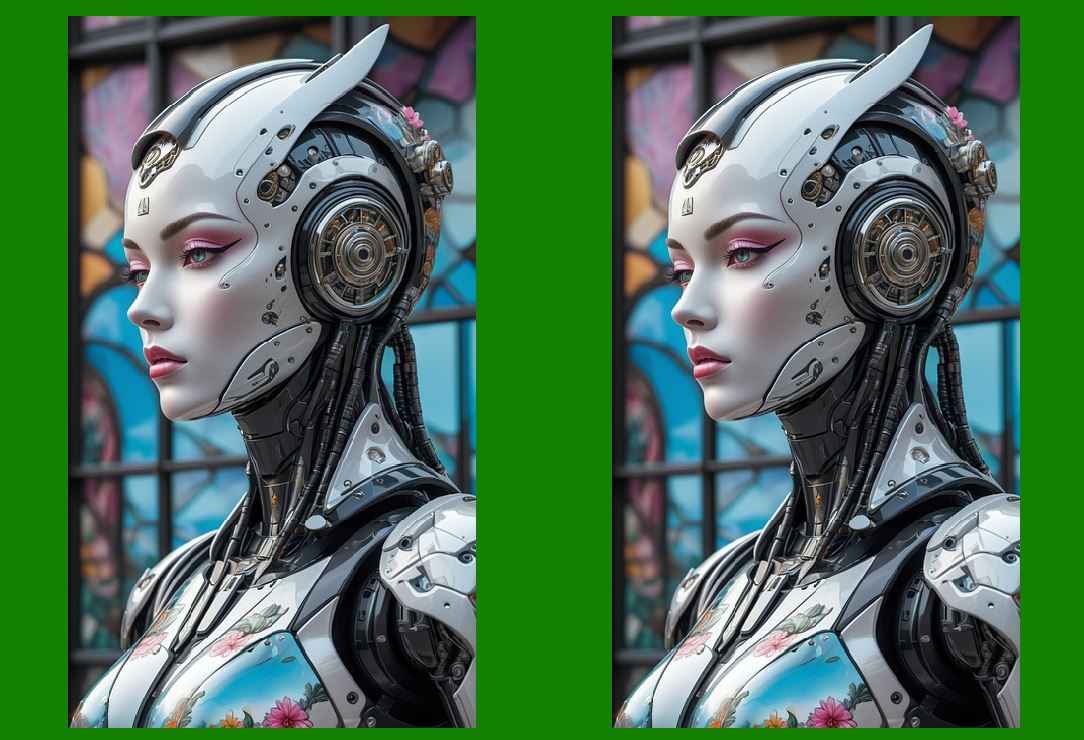
Entertainment robots for adults serve a variety of purposes, from simple companionship to more complex interactions that mimic human behaviors and emotions. One of the most advanced examples in this field is Synthea Amatus, a robot designed for adult companionship and engagement. Synthea, along with other robots in development, represents a convergence of cutting-edge AI and human-like features designed to fulfill emotional, social, and physical needs. |
|
2. Evolution of Entertainment Robots for Adults |
The concept of using robots for adult entertainment is not entirely new. Historically, sex dolls have been used as inanimate objects of companionship, but the addition of robotics and artificial intelligence has led to the creation of more sophisticated systems capable of interacting and responding to users in real-time. Early versions of these robots were relatively simple, relying on pre-programmed responses and minimal sensory input. Over time, however, advancements in AI, robotics, and sensor technology have allowed for the development of highly interactive robots that can engage with users on an emotional, intellectual, and physical level. |
The idea of creating robots specifically designed to cater to human emotional and physical needs has become more viable with developments in several areas of technology. These include machine learning algorithms that enable robots to learn from their interactions with humans, sensors that allow robots to respond to touch or voice commands, and materials that allow robots to feel more lifelike. Synthea Amatus, as an example, represents a leap forward in terms of combining all of these technologies into a seamless, interactive experience. |

|
3. The Design and Technology Behind Entertainment Robots |
Entertainment robots for adults like Synthea Amatus are designed with a combination of human-centered engineering, cutting-edge robotics, and artificial intelligence. The design of these robots incorporates a mix of hardware and software to create realistic interactions and experiences for users. |
3.1 Physical Design |
The physical design of adult entertainment robots is one of the most important aspects in making them seem lifelike and engaging. These robots are designed with highly detailed, human-like features. For example, Synthea Amatus has a body structure made from flexible materials that simulate human skin, complete with artificial muscles that allow for subtle, life-like movements. These robots are typically designed with a skeleton structure composed of lightweight materials such as titanium or aluminum alloys, which provide the necessary mobility without sacrificing durability. |
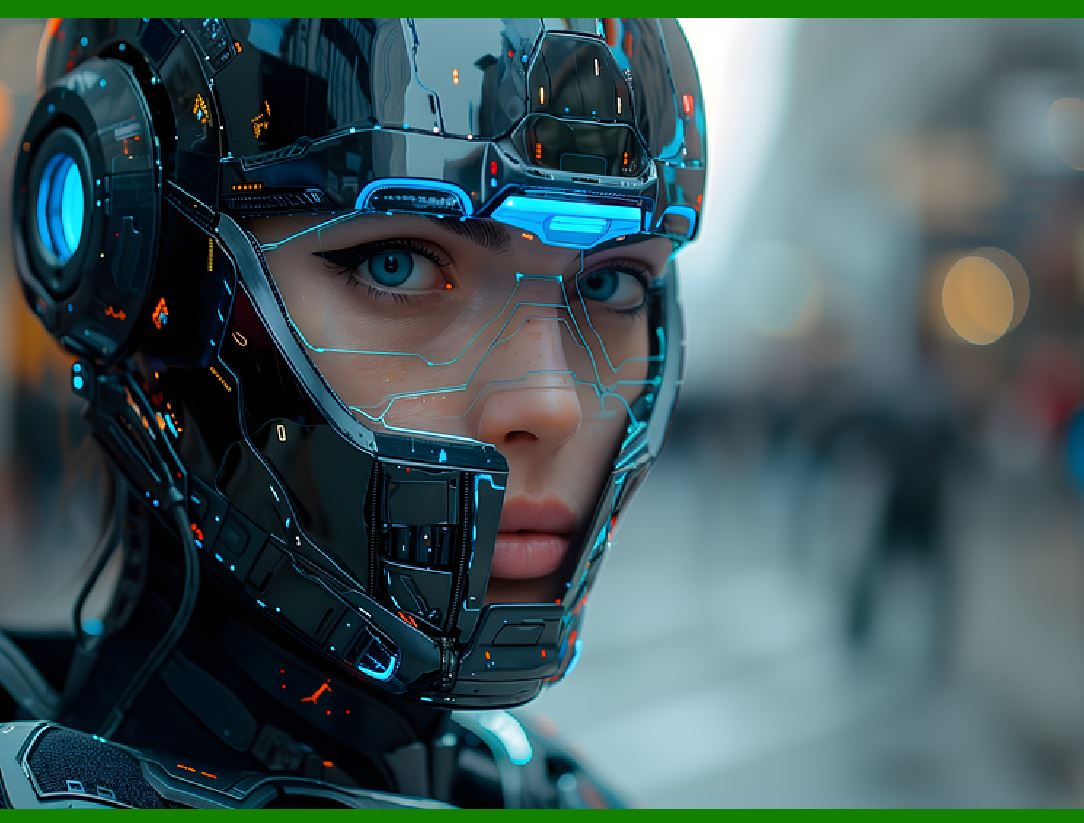
The face of entertainment robots is often designed to resemble human features, with high-definition sensors embedded into the robot's eyes to allow for eye-tracking, facial recognition, and emotional expressions. Many of these robots also come with articulated facial features that mimic human movements, enabling them to smile, frown, or display surprise in response to interactions. Some robots, including Synthea Amatus, may even have pre-programmed emotional expressions that are enhanced by AI algorithms, which help the robots to better react to the user's emotions, creating a deeper connection. |
3.2 Artificial Intelligence and Emotional Interactions |
At the heart of entertainment robots for adults lies their AI programming. Advanced machine learning algorithms enable these robots to learn from their interactions with users and tailor responses accordingly. This means that over time, the robot becomes more adept at understanding user preferences, moods, and behaviors, adjusting its responses to provide a more personalized experience. Synthea Amatus, for example, is capable of engaging in conversation, recognizing speech patterns, and interpreting non-verbal cues like body language. |
These robots are equipped with sophisticated voice recognition software that allows them to understand natural speech, answer questions, and engage in back-and-forth conversations. In addition to verbal communication, many adult entertainment robots, including Synthea, have sensors that can detect physical touch. For example, the robots may respond differently depending on where they are touched or how they are held. Some robots use haptic feedback technology to simulate a sense of touch or warmth, making physical interaction feel more real. |
3.3 Advanced Sensing Technology |
In addition to the robot's AI capabilities, the inclusion of advanced sensors is key to enhancing the interactive experience. Entertainment robots are equipped with a variety of sensors that allow them to detect and respond to environmental stimuli. These sensors include cameras, microphones, infrared sensors, and tactile sensors. |
For example, Synthea Amatus has built-in sensors that allow it to detect the user's presence and adjust its behavior accordingly. If the robot recognizes that a person is standing close, it may engage in conversation or display emotional reactions like smiling. The robot may also adjust its posture or position based on the user's proximity, creating a more engaging and responsive experience. |
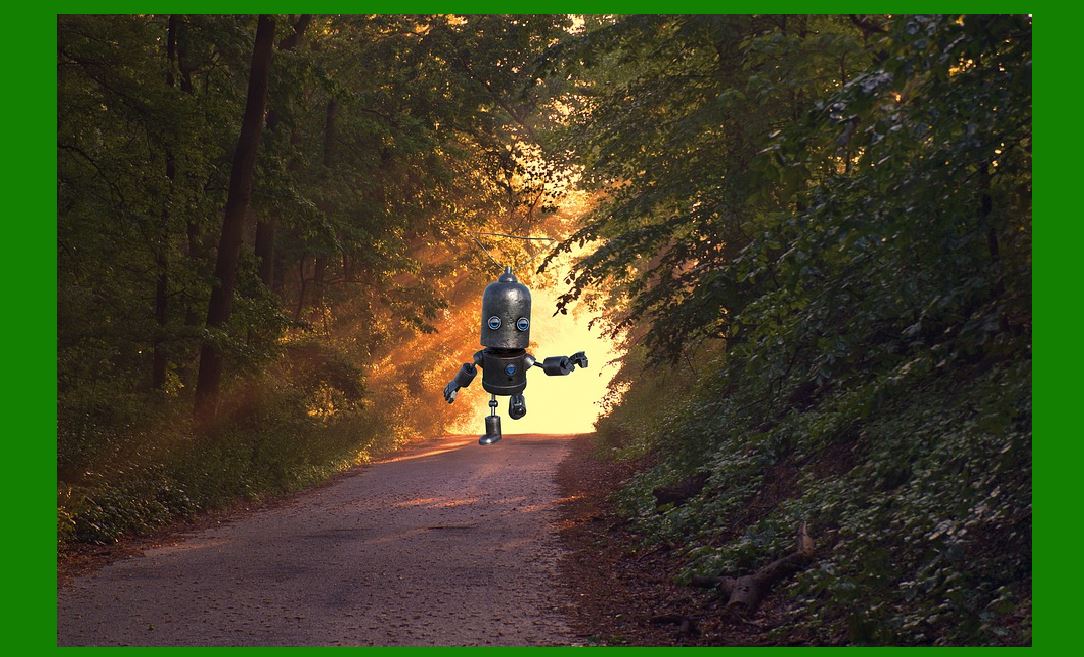
Many of these robots are equipped with motion sensors that track the user's movements. In some cases, robots like Synthea Amatus may be able to move autonomously, responding to user commands or gestures by adjusting their position or angle. Some robots may even be equipped with touch sensors that enable them to respond to a user's touch, with varying degrees of sensitivity, depending on the location and manner of the interaction. |
|
4. Types of Entertainment Robots for Adults |
Entertainment robots for adults can be categorized into different types based on their primary functions and features. These categories include companion robots, sexual robots, and hybrid robots that combine elements of both companionship and sexual interaction. |
4.1 Companion Robots |
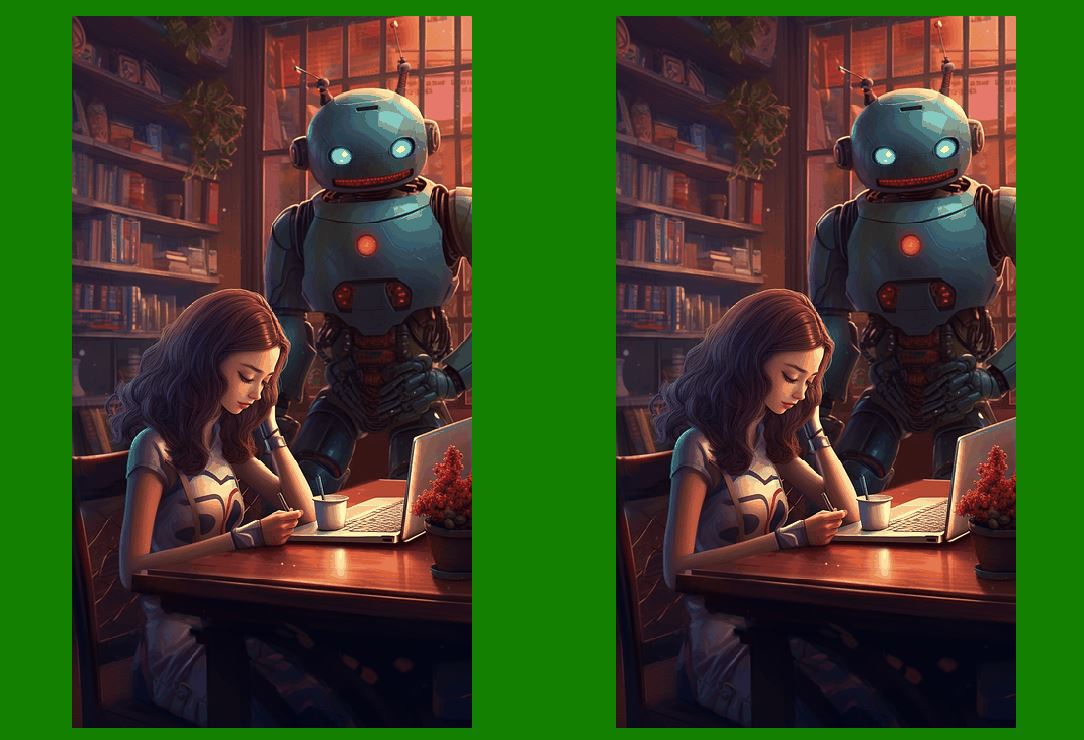
Companion robots are designed to provide emotional and intellectual support, often functioning as conversation partners or personal assistants. These robots are typically equipped with AI systems that allow them to engage in meaningful conversations, remember past interactions, and offer personalized responses based on user preferences. Synthea Amatus, for instance, is capable of holding long, meaningful conversations and adjusting its personality and behavior based on the user's responses. |
These robots may also provide a sense of companionship by engaging in activities like reading together, watching movies, or playing games. Companion robots like Synthea are often designed with a range of emotional states, allowing them to respond empathetically to the user's mood. For example, if a user is feeling down, the robot may engage in comforting dialogue or even offer a virtual hug. |
4.2 Sexual Robots |
Sexual robots are a subset of adult entertainment robots that are specifically designed for sexual engagement. These robots feature lifelike bodies designed for sexual interaction, often including built-in AI that responds to user preferences and behaviors. Sexual robots may include sensory features like heat, motion, and tactile feedback to simulate realistic experiences. In some cases, these robots are designed with highly detailed and articulated bodies to allow for a wide range of sexual positions and interactions. |
While sexual robots have been part of the adult entertainment market for some time, advancements in AI and robotics are making them more sophisticated. Robots like Synthea Amatus may include customizable features that allow users to choose physical traits and behaviors, further enhancing the level of personalization. Additionally, some of these robots can learn the user's preferences and adjust their behavior over time, making each interaction unique. |
4.3 Hybrid Robots |
Hybrid robots combine elements of both companionship and sexual interaction. These robots are designed to fulfill a range of emotional, social, and physical needs, allowing for a more comprehensive experience. A hybrid robot may engage in meaningful conversation, provide emotional support, and offer sexual interaction, depending on the user's needs. Hybrid robots like Synthea Amatus can balance these different aspects, creating a more holistic form of companionship. |
One of the benefits of hybrid robots is that they can adapt to changing user needs, shifting from emotional support to physical interaction or back, depending on the situation. This flexibility makes them particularly appealing to individuals seeking a more dynamic and versatile form of companionship. |
|
5. The Ethical and Social Implications of Entertainment Robots for Adults |
As with any emerging technology, the rise of entertainment robots for adults raises several ethical and social concerns. These concerns encompass a wide range of issues, from the psychological effects on users to the broader implications for society. |
5.1 Impact on Human Relationships |
One of the primary concerns about adult entertainment robots is the potential impact on human relationships. Critics argue that these robots may encourage social isolation or contribute to the erosion of traditional human bonds. If people begin to rely on robots for companionship, there could be a reduction in face-to-face social interactions, which are essential for emotional and psychological well-being. |
Furthermore, there is concern that sexual robots, in particular, may lead to unrealistic expectations about human intimacy. As these robots become more lifelike and capable of simulating human behaviors, users may begin to develop a preference for artificial companionship over real human relationships, potentially leading to social and emotional consequences. |
5.2 Ethical Issues Surrounding Consent |
Another significant ethical issue is the concept of consent. While robots like Synthea Amatus are programmed to engage in specific behaviors, questions arise regarding whether or not robots can truly consent to interactions in the same way humans do. Since robots are essentially machines controlled by their programming, the notion of consent becomes complicated. Critics argue that even though a robot may respond to user input, it is still following a predetermined set of instructions and lacks true autonomy. |
5.3 Privacy Concerns |
Privacy is another major concern when it comes to entertainment robots for adults. These robots often collect data about users' behaviors, preferences, and interactions, which raises the possibility of data breaches or misuse of personal information. As these robots become more advanced, they may record sensitive information, such as emotional states, physical interactions, and even private conversations. Ensuring that this data is kept secure and used ethically is a critical consideration for the future of these technologies. |
|
6. Conclusion |
Entertainment robots for adults, such as Synthea Amatus, represent a fascinating convergence of robotics, artificial intelligence, and human interaction. These robots are becoming increasingly sophisticated, offering users not only physical companionship but also emotional and intellectual engagement. However, the development of these robots also raises significant ethical, social, and psychological questions that society will need to address as this technology continues to evolve. |
As the capabilities of these robots continue to improve, it will be essential for developers, ethicists, and policymakers to work together to ensure that they are used responsibly and that their potential impacts on individuals and society are thoroughly considered. |
|
Examples of practical applications of this type of robot. |
The practical applications of entertainment robots for adults extend beyond purely recreational uses and can touch upon a variety of fields, from personal companionship to more specialized roles in healthcare, therapy, and social engagement. Here are several examples where these robots, like Synthea Amatus and similar devices, could play a significant role: |
1. Personal Companionship for the Lonely or Elderly |
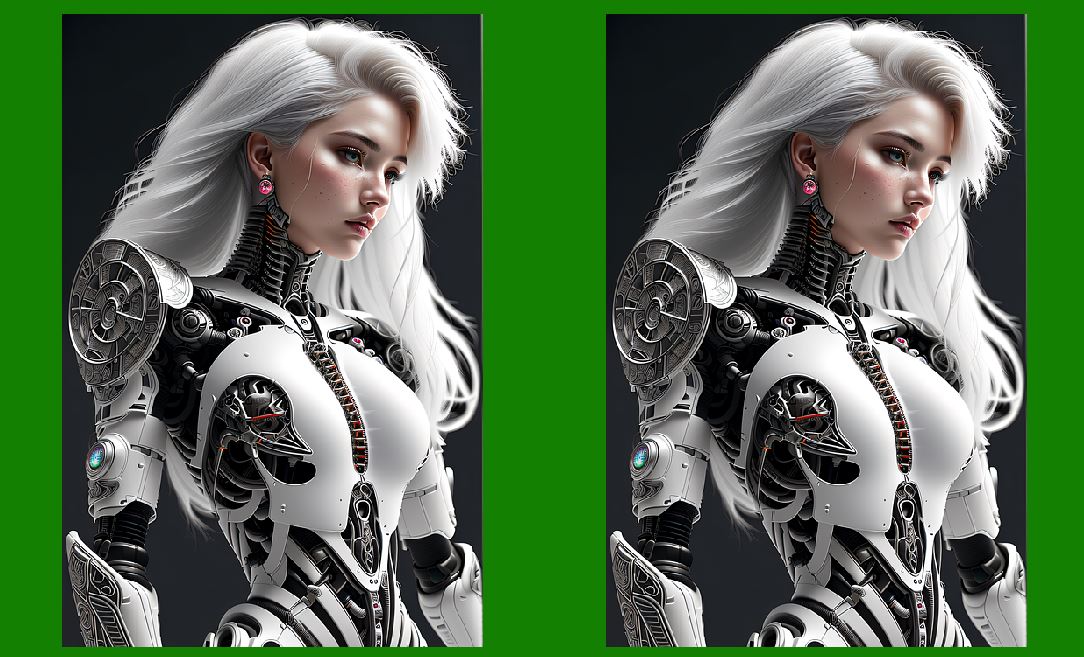
One of the most immediate and practical applications of entertainment robots is in providing companionship, particularly for individuals who are isolated due to age, disability, or social factors. Robots like Synthea Amatus can act as companions, engaging in conversations, providing emotional support, and offering physical comfort. They can help alleviate feelings of loneliness, which are increasingly common in elderly populations or those living in remote areas without access to family or social networks. |
Example: An elderly individual with limited mobility could have a robot like Synthea to talk to, receive reminders for medication, and engage in stimulating activities like reading or playing games. The robot might even respond to the individual's emotional cues, providing companionship during times of stress or sadness. |
|
2. Therapeutic and Emotional Support |
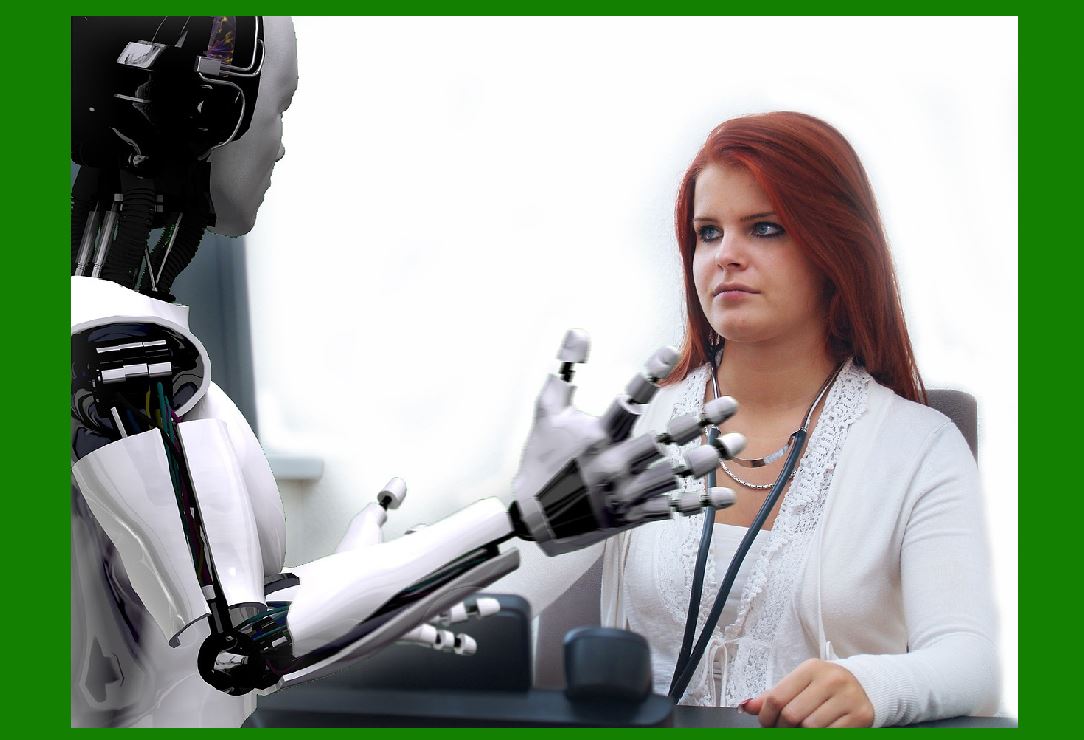
Entertainment robots are increasingly used in therapy settings, particularly for individuals with mental health issues or emotional disorders. These robots can help bridge the gap for people who may find it difficult to communicate with human therapists or social workers due to trauma, anxiety, or social phobias. Through their empathetic interactions and ability to engage in conversations, these robots can help improve the mental well-being of patients. |
Example: A robot like Synthea Amatus could be used in cognitive-behavioral therapy (CBT) or exposure therapy, where it assists individuals in facing anxiety-inducing scenarios in a controlled and safe environment. The robot could simulate social situations, giving the user the opportunity to practice social interactions and receive emotional support in a non-judgmental way. |

|
3. Sexual Health and Therapy |
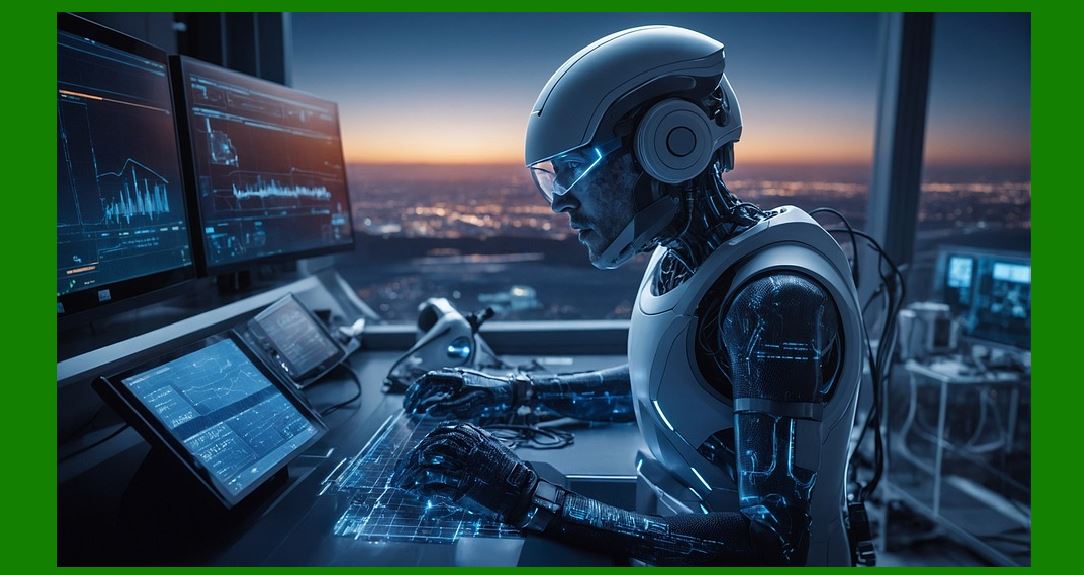
One of the more controversial but practical uses of adult entertainment robots is in sexual health and therapy. These robots can help individuals with disabilities, physical impairments, or trauma-related issues engage in safe, consensual sexual exploration. They can also assist in addressing issues related to intimacy, sexual education, and the therapeutic use of human-robot relationships. |
Example: In the context of sexual rehabilitation, a robot like Synthea could help individuals who have suffered from trauma or have physical disabilities. The robot could help patients regain physical sensation or function through intimate interaction, all while offering psychological support. For individuals who may be hesitant or anxious about intimate human relationships, these robots could provide a safe, stress-free environment to explore sexuality without fear of judgment. |
|
4. Human-Robot Interaction Research |
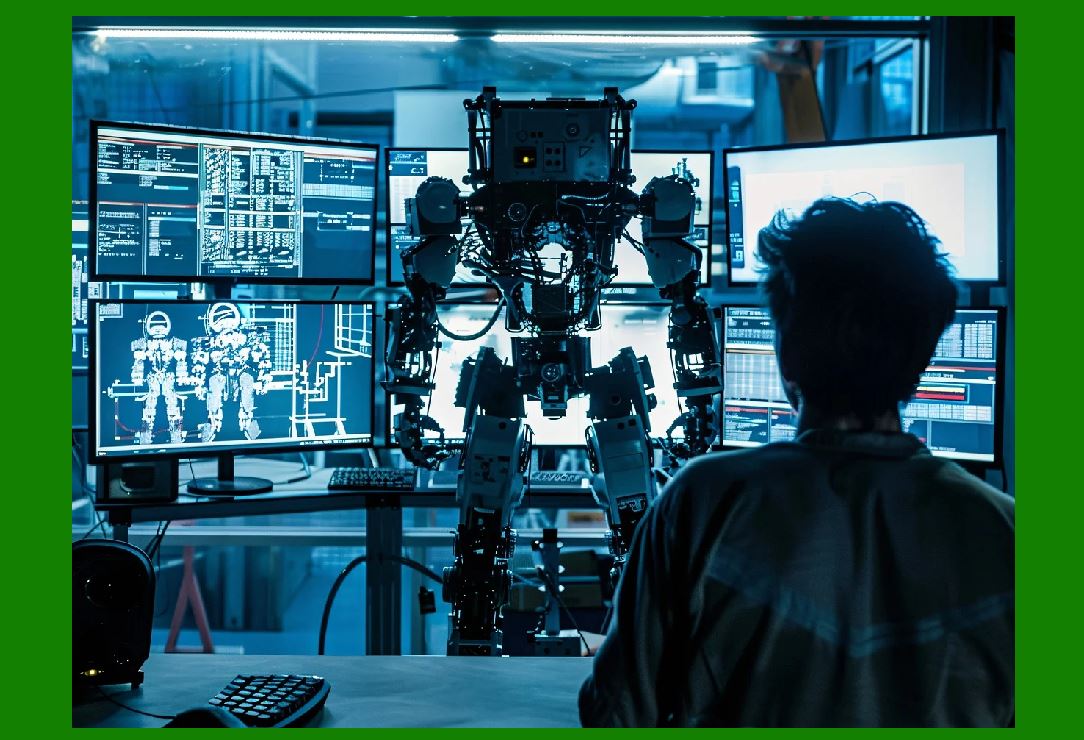
Entertainment robots like Synthea Amatus offer an excellent platform for researchers studying human-robot interactions (HRI). These robots can be used in research to understand how humans react to lifelike machines, how they form emotional attachments to artificial entities, and the psychological effects of these interactions. |
Example: In a research lab, robots like Synthea could be used to study the social, emotional, and behavioral effects of interacting with a human-like machine. Researchers may examine how people respond to a robot's emotional cues, how attachment forms over time, and whether robots can fulfill social roles typically reserved for humans, such as friends or companions. This research can then inform future robot designs and AI programming, as well as help in developing robots for therapeutic purposes. |
|
5. Virtual Assistants with Emotional Intelligence |
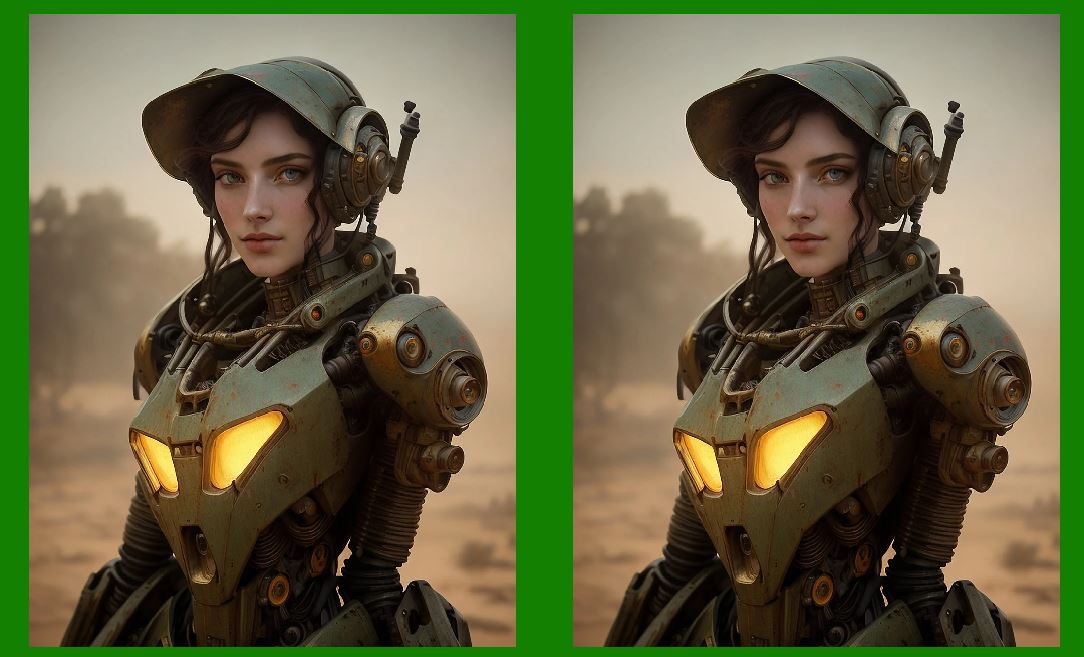
As AI technology progresses, robots like Synthea Amatus could serve as highly personalized virtual assistants with emotional intelligence. Beyond simple tasks like setting reminders or checking the weather, these robots can be trained to interact emotionally with users, becoming virtual companions that not only help with daily chores but also provide emotional support and genuine engagement. |
Example: A person could employ a robot like Synthea to manage their day-to-day tasks, such as scheduling meetings, making shopping lists, or even cooking recipes based on personal preferences. The robot could also detect when the person is stressed or anxious and offer comforting words, motivational reminders, or even guided breathing exercises. Such a robot could provide a higher level of care and attention, almost like an emotional support assistant, enhancing the quality of life for busy or stressed individuals. |
|
6. Educational Tools for Human-Robot Interaction |
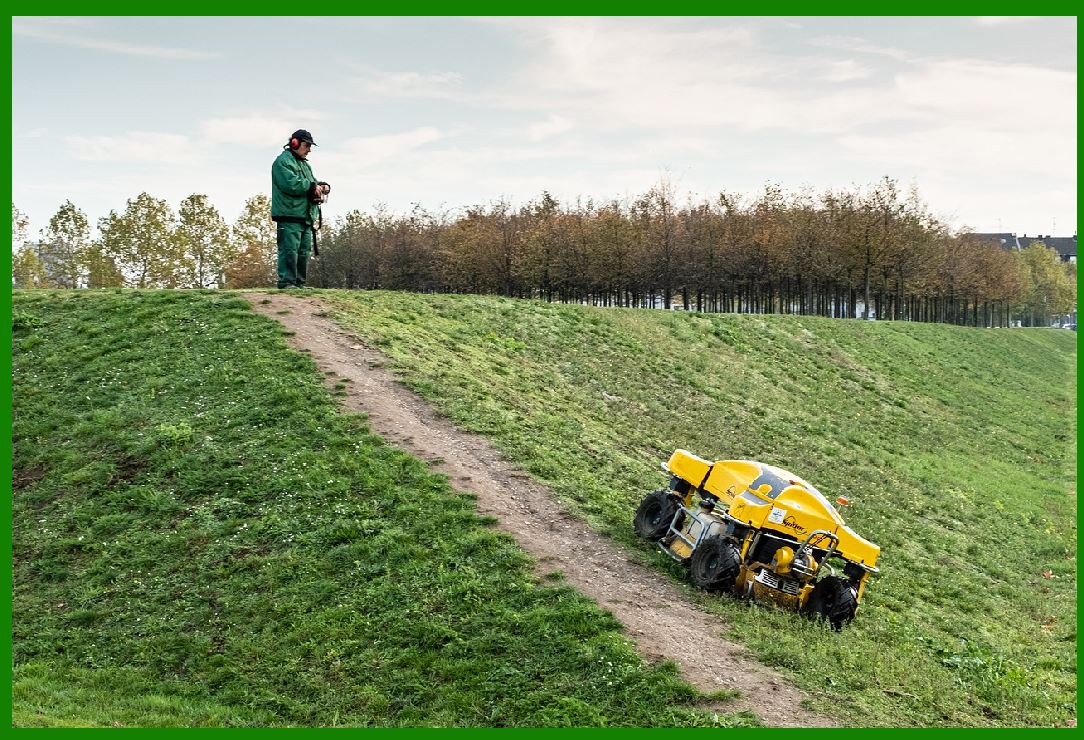
Entertainment robots with AI capabilities can be used as educational tools to teach people about robotics, AI, and human-machine interactions. These robots are often designed with flexible interfaces, allowing students and professionals to interact with them in ways that foster learning and engagement. Robots can be programmed with educational content, or they can be used to teach empathy, social behavior, and communication skills in a controlled, safe environment. |
Example: In educational settings, robots like Synthea could be used to teach children or adults about emotional regulation, social interaction, and even coding. They could be used in classrooms or therapy sessions to simulate situations where students need to learn how to express emotions or react to social cues. In particular, robots could help children with autism spectrum disorders (ASD) practice social interactions without the anxiety or fear that might accompany human interactions. |
|
7. Entertainment and Leisure |
Entertainment robots can be programmed to engage users in interactive experiences like virtual reality (VR) or video games. These robots can serve as game partners, virtual actors in immersive storytelling, or even dance partners in a simulated environment. The more advanced versions, such as Synthea, could provide a high degree of realism in these interactive experiences. |
Example: In an entertainment setting, a robot like Synthea could serve as a co-star in an interactive VR game where the user explores virtual worlds with a lifelike companion. This experience could involve physical movements or conversations, where the robot reacts in real-time to the player's actions, creating a dynamic, engaging narrative. Additionally, robots could act as hosts for interactive theater, providing personalized performances that adjust based on audience responses. |
|
8. Social Integration and Communication for People with Disabilities |
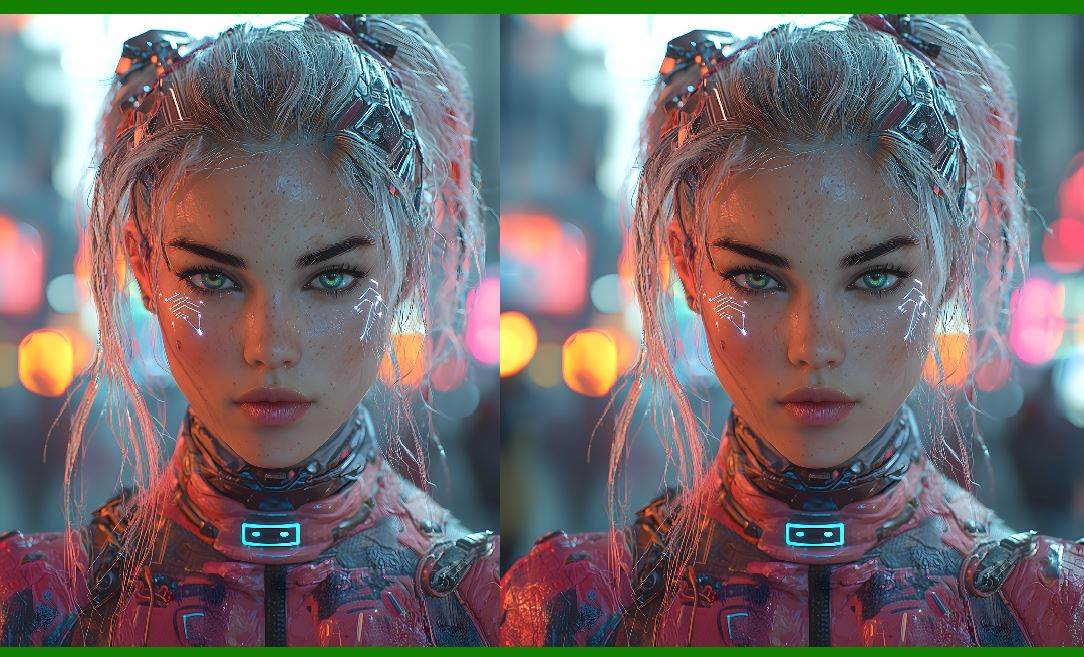
For people with disabilities, especially those who face challenges with mobility, communication, or socialization, entertainment robots like Synthea can provide a means to stay socially engaged. These robots can be equipped with assistive technology, such as speech recognition, sign language interpretation, or visual interfaces that help people with hearing or visual impairments interact more easily with others. |
Example: For individuals with speech impairments or autism, robots like Synthea could be used as intermediaries, helping people communicate with others in a non-threatening way. The robot could translate gestures or sign language into speech, assist with reading and interpreting social cues, or serve as a bridge between people with different communication needs, enhancing social inclusion. |
|
9. Sexual Wellness and Education |
Robots designed for sexual health can play an important role in educating people about healthy sexual practices, consent, and intimacy. These robots may be used in settings where sexual education is part of the curriculum, helping individuals understand sexual dynamics in a controlled, safe environment. Additionally, these robots can help individuals explore aspects of sexuality they may be uncomfortable discussing with human partners, such as consent, communication, or particular sexual interests. |
Example: In a controlled setting, robots like Synthea could be used for teaching safe sexual practices, consent, and communication techniques. These robots could simulate different emotional or physical responses during intimate interactions, providing a practical learning tool for people interested in sexual health. They could also be used in therapeutic settings to assist individuals working through sexual difficulties or trauma by offering personalized interaction in a non-judgmental way. |
|
10. Remote Companionship for Long-Distance Relationships |
Another practical use for entertainment robots like Synthea is in supporting long-distance relationships. These robots can provide virtual companionship, enabling couples to maintain emotional and physical intimacy despite geographic separation. Through live interactions, these robots can simulate a shared experience, such as watching movies together, engaging in physical touch, or even participating in intimate moments that help maintain closeness in relationships. |
Example: For a couple living in different countries, a robot like Synthea could serve as a virtual presence, connecting them through real-time voice, touch, and video interactions. These robots could mimic human actions, such as holding hands, giving hugs, or responding to touch, creating a sense of physical connection that is often lost in long-distance relationships. |
|
Conclusion |
Entertainment robots for adults, like Synthea Amatus, are moving beyond their initial conception as purely entertainment devices. Today, they serve practical purposes in a wide range of fields, from providing companionship and emotional support to aiding in therapy, education, and healthcare. These robots hold significant potential to improve the quality of life for people dealing with loneliness, mental health challenges, and physical disabilities, while also offering a unique tool for human-robot interaction research and entertainment. As technology continues to advance, we can expect even more sophisticated applications that will further integrate robots into various aspects of human life. |
 cs@easiersoft.com