Entertainment Robots: A Comprehensive Exploration |
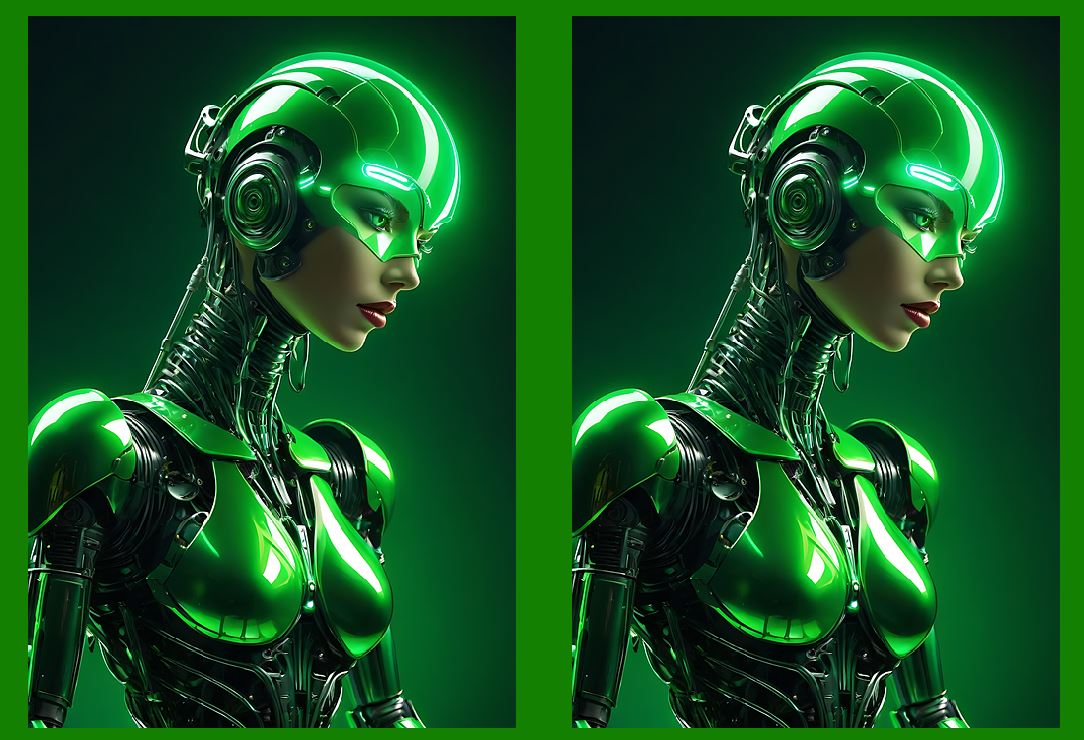
Entertainment robots are a rapidly evolving category of robotic technology designed primarily to engage, amuse, and provide enjoyable experiences for humans. These robots are used in various sectors, from theme parks and movies to gaming and digital media. They can be interactive, intelligent, and even autonomous, functioning in ways that entertain and captivate audiences through physical movement, speech, visual effects, or digital content. This detailed exploration delves into the concept, types, technological components, societal impact, future potential, and ethical considerations of entertainment robots. |
|
1. Introduction to Entertainment Robots |
Entertainment robots are a subset of robots designed for amusement and interaction rather than utilitarian tasks. These robots serve multiple functions depending on the setting, audience, and intended experience. From dancing robots at concerts to AI-powered characters in video games, the entertainment industry has found numerous ways to integrate robotics into its offerings. These robots can be physical, like animatronic figures in theme parks, or digital, such as characters in video games or virtual assistants in interactive media. |
The overarching goal of entertainment robots is to provide an engaging, enjoyable experience. They often leverage advanced technologies such as artificial intelligence (AI), machine learning, speech recognition, motion tracking, and computer vision to interact with humans in ways that feel dynamic and lifelike. The entertainment aspect comes not only from the robots' ability to perform specific tasks but also from their ability to evoke emotions, surprise, and joy in their audiences. |
|
2. Types of Entertainment Robots |
Entertainment robots can be broadly categorized based on their form and function. Some of the key types include: |
2.1. Animatronic Robots |
Animatronic robots are mechanical figures that move and react based on pre-programmed instructions or real-time sensors. These robots are often used in theme parks, movie sets, and live performances. Disney's animatronics, such as the iconic 'Pirates of the Caribbean' characters, are prime examples of robots that bring fiction to life. These robots are usually built with intricate mechanisms that enable them to simulate lifelike movements, such as walking, talking, and expressing emotions. |
Animatronic robots often rely on hydraulic, pneumatic, and servo motors to create realistic motions. Their faces are equipped with articulated features like eyes, lips, and eyebrows that can mimic human expressions. The sensory and motion systems allow them to react to changes in their environment, adding an element of interactivity to their performances. |
2.2. Social Robots |
Social robots are designed to interact with humans in a socially intelligent way. Unlike traditional machines, which perform specific tasks, social robots engage in conversation, express emotions, and can learn from their interactions. These robots are used in various settings, such as homes, schools, and public spaces. For example, humanoid robots like Pepper or Jibo are designed to recognize faces, respond to voice commands, and convey emotions through gestures and speech. |
Social robots are powered by AI algorithms that help them understand and interpret human behavior. They can process natural language and, in some cases, use machine learning to improve their conversational abilities over time. Their primary role is to provide companionship and interactive entertainment. |
2.3. Robot Performers |
Robot performers are robots designed to create or perform art, often for a live audience. These robots may dance, play music, or engage in theatrical performances. The famous 'Robot Band' is an example where a group of robots plays musical instruments in a synchronized manner, entertaining audiences through their performance. Some robots are equipped with the ability to learn and play musical pieces by interpreting sheet music, while others are pre-programmed to follow specific patterns. |
These performers often incorporate advanced motion control systems and precise actuators that allow them to create seamless and intricate movements. The visual effects, sound, and timing of these performances are carefully designed to create an immersive experience for the audience. |
2.4. Robotic Characters in Video Games |
In the digital realm, robotic characters play an integral role in creating immersive and engaging video game experiences. These robots are typically AI-driven characters within virtual environments. They may serve as antagonists, allies, or NPCs (Non-Player Characters) that interact with the player in ways that enhance gameplay. Examples include robotic enemies in sci-fi games like 'Mass Effect' or companion bots in action-adventure games like 'The Legend of Zelda.' |
The role of robotic characters in video games has grown significantly with the development of more advanced AI systems. These systems allow the robots to learn from player actions, adapt to strategies, and respond dynamically to player decisions, making them more engaging and challenging. |
2.5. Robotic Animals |
Robotic animals are another form of entertainment robot, designed to mimic the behaviors and appearances of real animals. These robots are often used in theme parks, zoos, and exhibitions. For instance, robotic dinosaurs like those featured in Jurassic Park-themed attractions are designed to be lifelike in both appearance and movement. These robots can simulate the behavior of real animals, providing visitors with a unique and educational experience. |
Robotic animals often combine animatronics with AI to create responsive behaviors. They can interact with visitors, respond to environmental stimuli, and even perform tricks or other programmed actions. The goal is to create an experience that feels real and immersive, providing a sense of wonder and curiosity. |
|
3. Technological Components of Entertainment Robots |
Entertainment robots combine several advanced technologies to function effectively and provide engaging experiences. The key technological components include: |
3.1. Artificial Intelligence and Machine Learning |
AI is central to many modern entertainment robots, particularly social and robot performers. These robots use AI to interpret human behavior, engage in conversation, and adapt to the environment. AI algorithms allow robots to learn from their experiences and improve their performance over time. For example, an AI-powered robot might learn new dance moves, adapt its responses based on previous interactions, or change its behavior depending on the audience's reactions. |
Machine learning, a subset of AI, allows robots to improve their capabilities by learning from large amounts of data. This is particularly useful in social robots, where continuous learning can enhance a robot's ability to interact with people more naturally and effectively. |
3.2. Motion Control and Actuators |
Motion control systems are crucial for the performance of many entertainment robots, particularly animatronics and robot performers. These systems use a combination of sensors, motors, and actuators to control the movements of a robot. Actuators are mechanical devices that convert electrical energy into movement, enabling the robot to perform tasks such as walking, dancing, or gesturing. |
For instance, animatronic robots use hydraulic and pneumatic systems to create fluid movements. These systems allow robots to simulate lifelike motions like the swaying of a character's head or the opening and closing of its mouth. |
3.3. Speech Recognition and Synthesis |
Speech recognition technology enables entertainment robots to understand human language, while speech synthesis allows them to respond with coherent and contextually appropriate responses. Many social robots, such as personal assistants and robot companions, rely on advanced speech recognition systems to interact with humans in a conversational manner. These robots can recognize commands, respond to questions, and even engage in casual conversations. |
Speech synthesis technology enables robots to generate human-like voices. This is crucial in creating a more immersive experience, as it allows robots to communicate in ways that feel natural and engaging. The voice can be customized in terms of tone, pitch, and accent to enhance the robot's personality. |
3.4. Computer Vision |
Computer vision technology allows robots to perceive and interpret the visual world. In entertainment robots, this technology is used to track objects, recognize faces, and interact with the environment. For example, a robot performer might use computer vision to recognize an audience member and tailor its performance based on their reactions. Similarly, social robots can use computer vision to track facial expressions, identify emotions, and adjust their behavior accordingly. |
Computer vision often relies on cameras, infrared sensors, and machine learning algorithms to process visual data and make real-time decisions. |
|
4. Applications of Entertainment Robots |
The applications of entertainment robots are diverse, spanning a wide range of industries and settings. These robots can be found in theme parks, museums, concerts, film production, video games, and more. |
4.1. Theme Parks and Exhibitions |
Theme parks have long been a venue for animatronic and robotic entertainment. Attractions like Disney's 'Hall of Presidents' and 'The Enchanted Tiki Room' use robots to create immersive, themed experiences. These robots interact with visitors, perform shows, and create an atmosphere of magic and wonder. Similarly, robotic animals in zoos or natural history museums provide interactive, educational exhibits that allow visitors to learn about different species in an engaging way. |
4.2. Music and Live Performances |
Robots have also made their way into the world of live entertainment. Robotic bands, such as those created by Honda and other companies, are now performing music for live audiences. These robots can play instruments, dance, and even interact with the audience during performances. They have been used in concerts, music videos, and other live events to add a futuristic, high-tech element to the show. |
4.3. Movies and Animation |
In the movie industry, robots have been used for both practical and digital effects. Robots like R2-D2 and C-3PO from 'Star Wars' have become iconic characters, combining animatronics with puppetry to bring them to life. More recently, CGI (computer-generated imagery) has allowed robots to be created entirely digitally, though many of the best-known movie robots still have physical counterparts. Robots can also serve as stand-ins for dangerous stunts, or provide on-screen performances that would be difficult or impossible to achieve with human actors. |
4.4. Video Games |
Robotic characters in video games have become an essential part of the gaming experience. AI-driven robots can serve as enemies, allies, or neutral entities in various gaming genres. They can offer dynamic, evolving challenges for players, adapting to their strategies and actions. Robots in games like 'Destiny,' 'Halo,' and 'Titanfall' showcase advanced AI, creating complex interactions and gameplay mechanics. |
4.5. Consumer Products and Home Entertainment |
Robots are also making their way into consumers' homes, offering new forms of entertainment. Robots like the Sony Aibo robotic dog, or home assistants like Amazon's Alexa or Google Assistant, offer forms of companionship and entertainment by playing music, telling jokes, or controlling smart home devices. These robots are designed to enhance everyday life and provide ongoing interactive entertainment. |

|
5. The Future of Entertainment Robots |
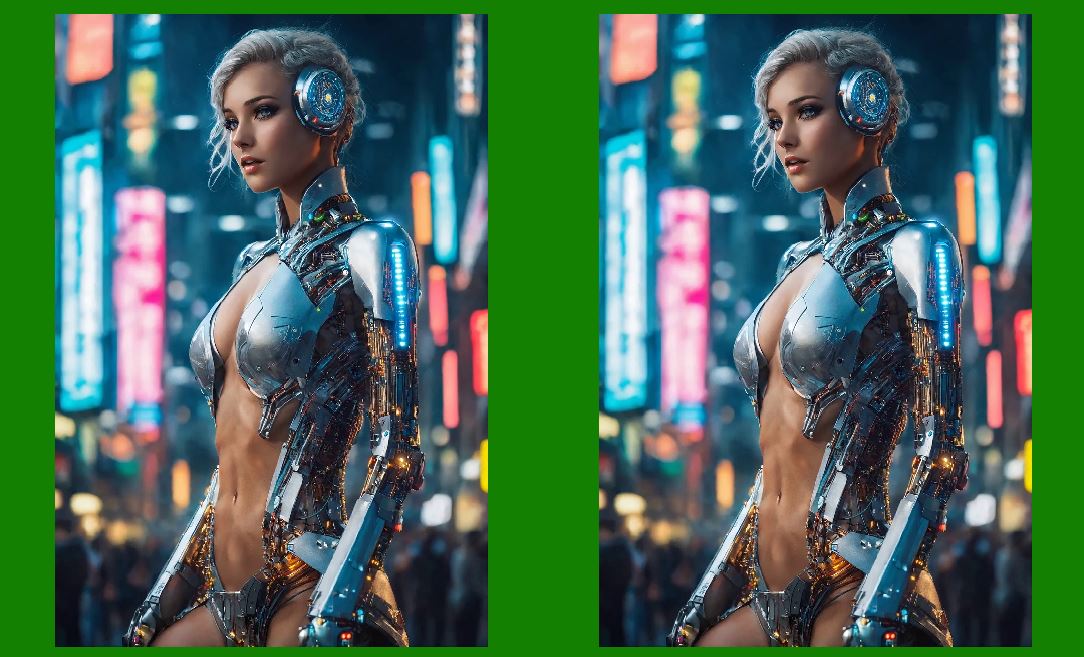
As technology continues to evolve, the future of entertainment robots appears bright. The integration of AI, machine learning, and advanced robotics is expected to enable even more realistic and immersive experiences. We can expect robots to become more lifelike, capable of emotional recognition, and able to adapt to the preferences of individual users. |
The potential for entertainment robots to blend physical and digital experiences is vast. With advancements in augmented reality (AR) and virtual reality (VR), robots could be integrated into immersive, interactive environments that provide entirely new forms of entertainment. Robots may also become central to experiences that blend physical interaction with virtual elements, offering consumers highly customized and dynamic entertainment experiences. |
|
6. Ethical Considerations and Challenges |
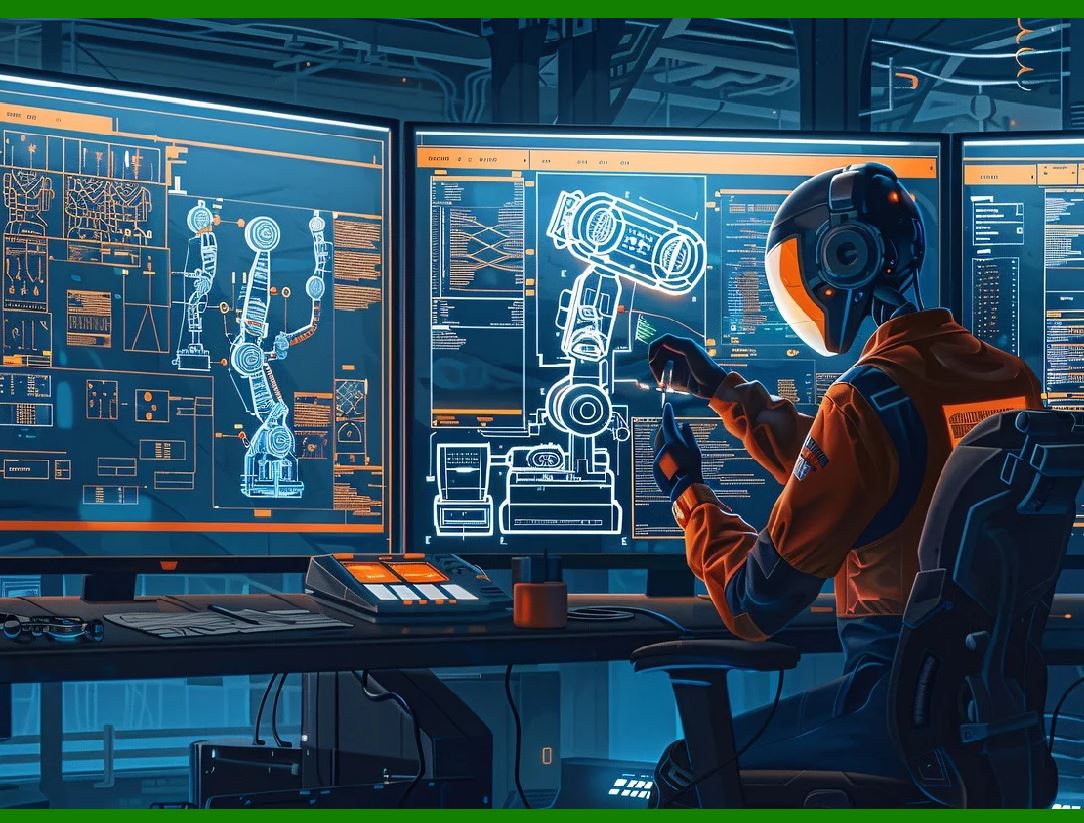
Despite their potential, entertainment robots raise several ethical and societal concerns. One significant issue is the potential for robots to replace human performers or workers in entertainment industries, leading to job displacement. Furthermore, the development of increasingly lifelike robots could blur the line between human and machine, raising questions about the nature of consciousness and identity. |
Another ethical concern is the impact of robots on social interaction. While robots can provide companionship and entertainment, they may also replace meaningful human connections, particularly in vulnerable populations like the elderly or children. The long-term effects of relying on robots for social engagement remain uncertain. |
Lastly, privacy and data security issues arise when entertainment robots are designed to interact with individuals, collect data, and learn from user behavior. Ensuring that data is handled responsibly and ethically is critical as these robots become more ubiquitous. |
|
Conclusion |
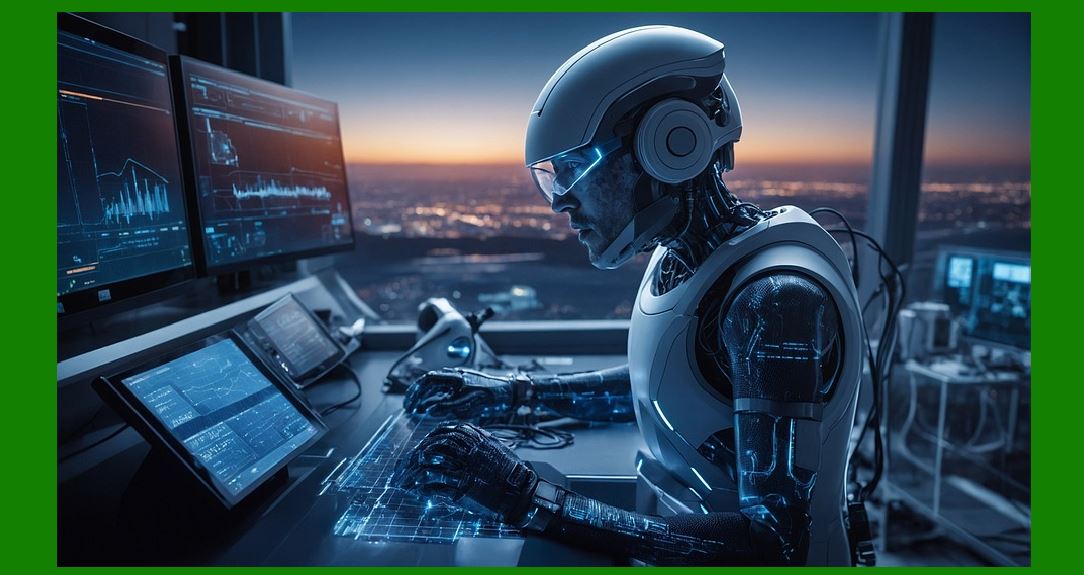
Entertainment robots have transformed the way we experience amusement, blending technology with creativity to create experiences that were once thought impossible. From animatronic figures to AI-driven social companions, these robots have found their place in theme parks, concerts, movies, and homes. As technology advances, entertainment robots will continue to evolve, providing even more engaging and personalized experiences. However, as with all technological innovations, their integration into society must be carefully managed to address ethical concerns and ensure that their impact on human culture and employment is positive. |
|
Examples of practical applications of this type of robot. |
Entertainment robots are being increasingly integrated into various sectors, providing both engaging experiences and practical applications across industries. Below are some notable examples of practical applications of entertainment robots in different fields: |
1. Theme Parks and Attractions |
One of the most well-known applications of entertainment robots is in theme parks, where they enhance the immersive experience for visitors through lifelike performances, interactions, and storytelling. |
Disney's Animatronics: Disney is a pioneer in using robots for entertainment purposes. The famous animatronic figures in attractions like Pirates of the Caribbean and Haunted Mansion create lifelike experiences for guests. These robots, which rely on hydraulic and pneumatic systems, interact with visitors in complex, dynamic ways, and are designed to perform specific movements and behaviors that contribute to the themed environments. |
Universal Studios' Harry Potter Wizarding World: Animatronics are also used in theme parks like Universal Studios to bring fantasy characters to life. In the Harry Potter attraction, robots bring iconic magical creatures like the Hippogriff to life, interacting with visitors through advanced movement and voice systems. |
|
2. Robotic Performers in Concerts |
Robots have also found their place in the world of live music, offering innovative performances that blend technology with art. |
The Honda ASIMO and Robot Band: Honda's ASIMO robot, though more of a humanoid robot designed to assist humans, has also been used as part of performances. In collaboration with other robotic systems, Honda has showcased robotic bands at exhibitions and events. These robotic performers can play musical instruments, dance, and even synchronize their actions with live human performers. |
KUKA Robots at Music Festivals: German engineering company KUKA has collaborated with various musical acts, using its industrial robots as performers at music festivals and concerts. These robots are programmed to move and react in synchronization with the music, often performing mechanical dance routines that amaze audiences and offer a futuristic, technological twist to traditional performances. |

|
3. Interactive Robots for Consumer Entertainment |
Robots are also entering homes and providing entertainment on a personal level, engaging users in a variety of ways. |
Sony Aibo (Robot Dog): The Sony Aibo is an autonomous robotic dog that serves as both a pet and an entertainment device. Equipped with AI, Aibo recognizes its owners, learns their preferences, and can engage in playful behaviors like fetch or tricks. Its responses are based on interactions, and it can even exhibit emotions such as excitement or sadness, making it a highly interactive companion. |
Jibo (Social Robot): Jibo, designed as a social robot, offers entertainment through storytelling, conversation, and interactive games. It responds to voice commands and can engage with users by telling jokes, asking questions, or even playing games. Though Jibo's production was discontinued, it set the foundation for similar robots designed for home entertainment, companionship, and interactive learning. |

|
4. Video Games |
In the gaming industry, robots are incorporated both as digital characters and physical, interactive companions that enhance the gaming experience. |
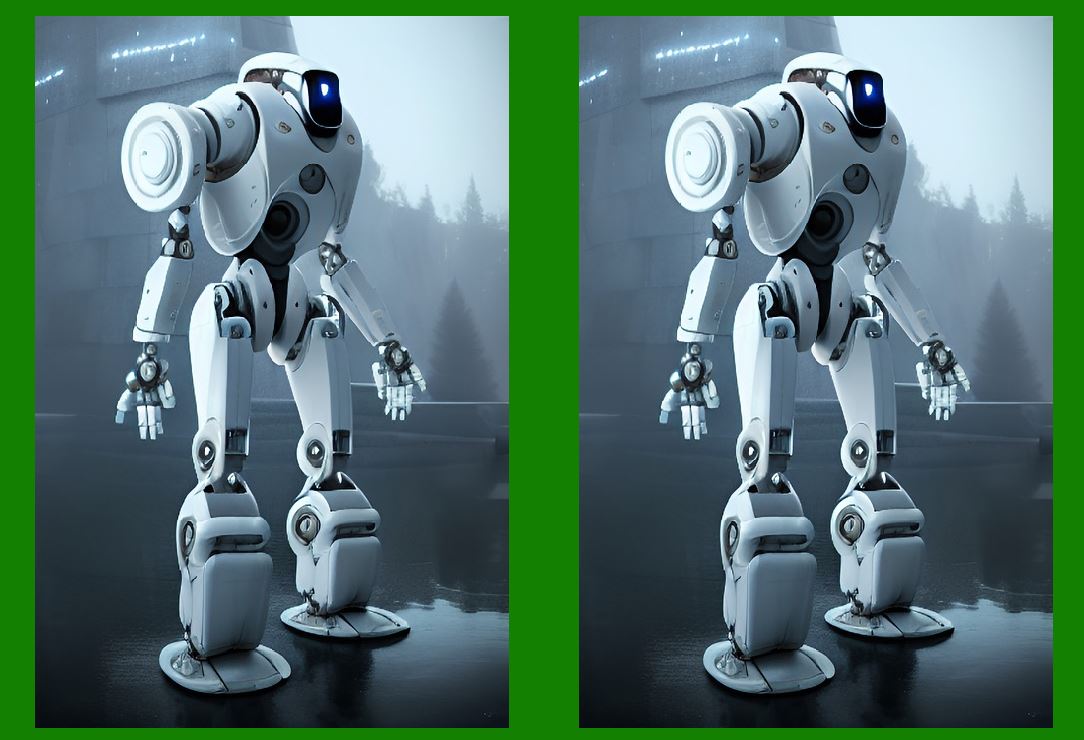
Robotic NPCs in Video Games: In games like Halo, Destiny, and Mass Effect, robotic characters (such as AI-driven soldiers, companions, or enemies) play significant roles. These robots interact with players, adapt to strategies, and often drive the plot forward. Their behavior is often powered by AI algorithms that allow them to learn and evolve based on player choices. |
Sony PlayStation VR and Robotics: As virtual reality (VR) gaming becomes more advanced, robots are being integrated into these systems to create even more immersive experiences. Robotics in conjunction with VR can provide realistic physical feedback, such as haptic feedback from robot-controlled controllers or even robots that move physically in response to the user's actions in the virtual environment. |
|
5. Retail and Customer Service Robots |
Entertainment robots are also used in retail settings to enhance the shopping experience and engage customers, blending entertainment with practical functions like customer service and brand marketing. |
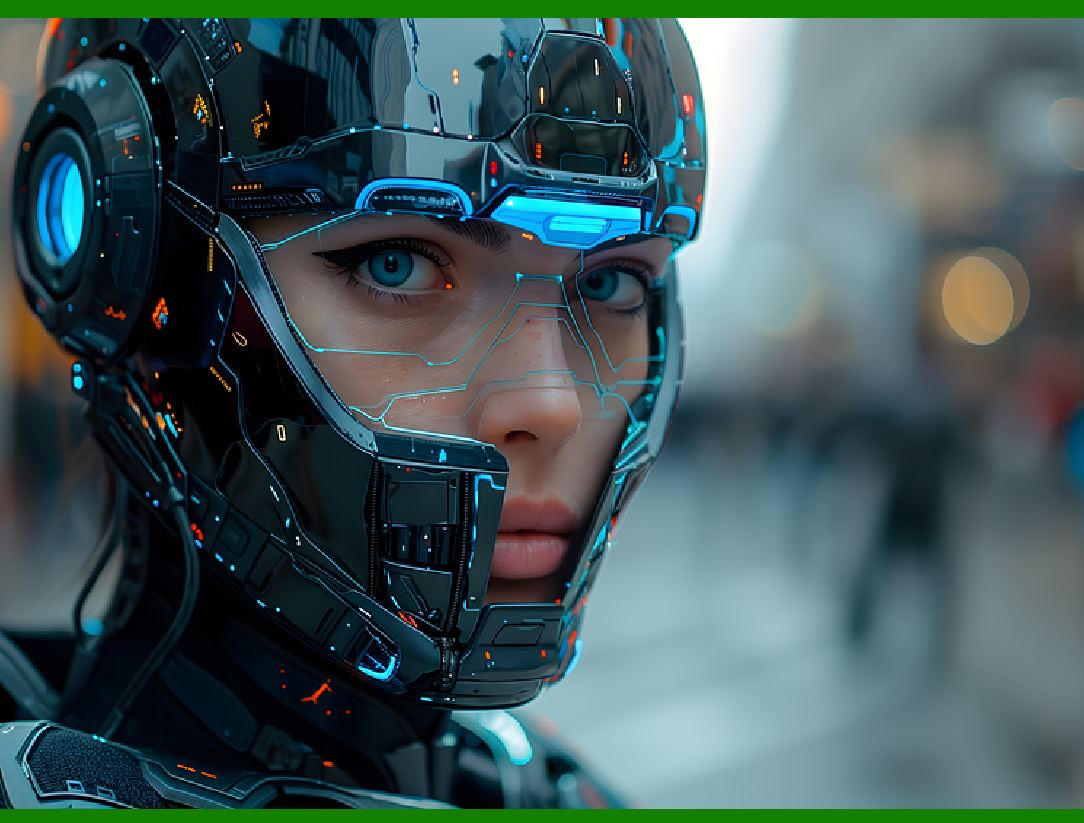
Pepper by SoftBank Robotics: Pepper is a humanoid robot designed to interact with customers in retail environments, offering both entertainment and assistance. It can greet customers, answer questions, and provide product recommendations, all while engaging in friendly conversations. While it is designed primarily for customer service, its entertainment value also lies in its ability to tell jokes, share stories, and entertain shoppers as they browse. |
L'Oreal's Virtual Beauty Advisor: L'Oreal has developed an AI-driven robot that acts as a virtual beauty advisor in stores. This robot can engage customers in conversation, assess their skin type, and recommend suitable beauty products. In addition to its practical function, it provides an entertaining and engaging experience for consumers interested in trying out new beauty products. |
|
6. Robotic Animals and Educational Exhibits |
Robotic animals are increasingly used in educational and entertainment settings, providing interactive, lifelike experiences that inform and entertain visitors. |
Robotic Dinosaurs at Museums: Many natural history museums feature lifelike robotic dinosaurs to educate visitors about prehistoric creatures. These animatronic robots can simulate movements, roars, and behaviors, providing an engaging way for people to learn about the history of life on Earth. These robots often incorporate motion sensors, AI, and sound systems to create a more dynamic and realistic experience. |
Robotic Sea Creatures: At aquariums and marine parks, robotic sea creatures such as sharks, fish, and dolphins have been introduced as part of interactive exhibits. These robots mimic the behaviors of real sea creatures, and some even interact with visitors through motion or sound, enhancing the educational experience while captivating visitors with lifelike simulations. |
|
7. Theatrical and Cinematic Robots |
In theater and film production, robots are used to create performances that require precise movement, sound, and interaction with live actors or digital effects. |
Robot Actors in Movies: In film, robots are not just characters in the story but also tools used to enhance special effects and the realism of digital characters. Famous examples include the use of robots like R2-D2 and C-3PO from the Star Wars franchise. These robots were operated using complex animatronics to achieve lifelike movements and expressions on screen. More recently, CGI (Computer-Generated Imagery) is often used to bring robots to life in films, but many physical robot suits are still used for close-up scenes or to provide actors with real-world interactions. |
Robots in Theater Performances: Some theaters have incorporated robots into live performances to enhance storytelling and stage effects. For example, in War Horse, the use of life-sized robotic horses allowed for more dynamic and lifelike performances. These robots were operated by puppeteers and were designed to simulate the natural movements and behaviors of real horses, adding a dramatic element to the production. |
|
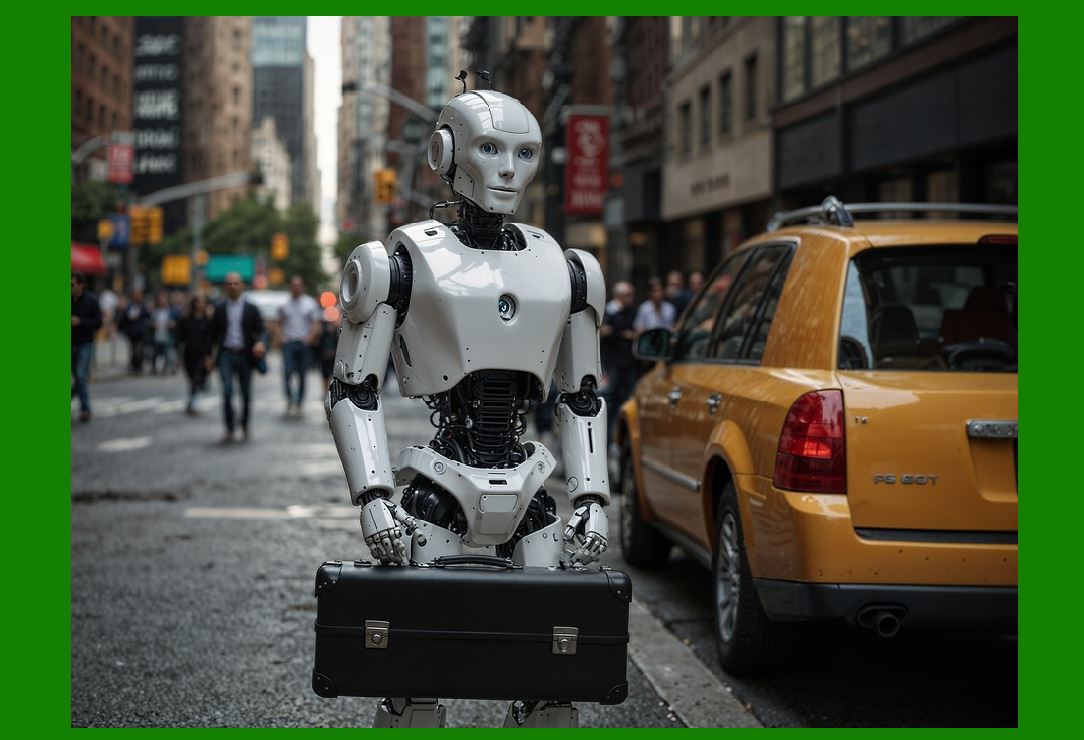
8. Robots in Shopping Centers and Hotels |
Robots are also being integrated into commercial and hospitality settings to provide both entertainment and functional services. |
Henn-na Hotel (Japan): This hotel is renowned for its use of robots as part of its entertainment and service offerings. Robots greet guests at the reception, deliver luggage to rooms, and even assist with check-in. The robots are programmed to interact with guests and provide information in a friendly, entertaining way, often adding a futuristic touch to the guest experience. |
Robot Receptionists and Entertainers in Shopping Malls: In high-end shopping malls, robots are used as both entertainment and service providers. They greet customers at entrances, offer information about sales and promotions, and even perform dance routines or shows to entertain shoppers. These robots serve as both a unique selling point for the mall and a way to enhance the shopping experience. |
|
9. Robots in Social Media and Online Entertainment |
Robots are also used to engage users in online platforms, enhancing the user experience with AI-powered entertainment. |
Social Media Bots (Chatbots and Virtual Influencers): On platforms like Instagram and Twitter, AI-powered robots have been created as virtual influencers. These bots are designed to engage with followers by posting content, replying to comments, and participating in trends or challenges. Some of these virtual influencers are fully animated characters who 'live' on social media, providing entertainment through their personas. |
Virtual Assistants with Entertainment Features: Virtual assistants like Amazon's Alexa and Google Assistant are used for entertainment purposes, such as telling jokes, playing music, and controlling smart home devices. These devices often feature built-in games, trivia, and storytelling abilities that entertain users. The integration of AI allows these robots to learn preferences over time and offer more tailored entertainment. |

|
10. Sports and Fitness Robots |
Robots are increasingly used in sports settings, either as part of training, performances, or as entertainment during events. |
Robot Soccer and Competitions: Robot soccer is an emerging form of entertainment, with teams of robots competing in simulated soccer games. These competitions, such as those held in the RoboCup, feature highly advanced robots that can understand the game's rules, work together as a team, and even demonstrate complex strategies. These events are both entertaining and showcase the potential of robotics in real-time interaction. |
Robotic Gym Trainers: Some fitness companies have developed robots designed to assist users in their workouts. These robots can act as personal trainers, demonstrating exercises, offering motivational feedback, and guiding users through their fitness routines. They make workouts more interactive and entertaining while providing guidance on form and technique. |
|
Conclusion |
Entertainment robots are transforming various sectors by offering engaging, immersive, and interactive experiences. Whether through lifelike animatronics in theme parks, robot performers in concerts, or AI companions in homes, these robots create new ways to entertain, educate, and engage audiences. With continued advancements in AI, robotics, and machine learning, the potential applications for entertainment robots will expand even further, creating a future where the line between reality and entertainment becomes even more fluid. |
 cs@easiersoft.com