1. Introduction to Edge Computing in Industrial Robotics |
Edge computing refers to the practice of processing data closer to the source of generation, rather than transmitting all data to a centralized cloud or server for processing. This method of computing minimizes latency, improves efficiency, and optimizes the use of resources in various sectors, including manufacturing, healthcare, logistics, and transportation. In industrial robotics, the integration of edge computing provides a significant advantage in terms of real-time decision-making, faster responses to changes in the environment, and reduced reliance on constant internet connectivity. |
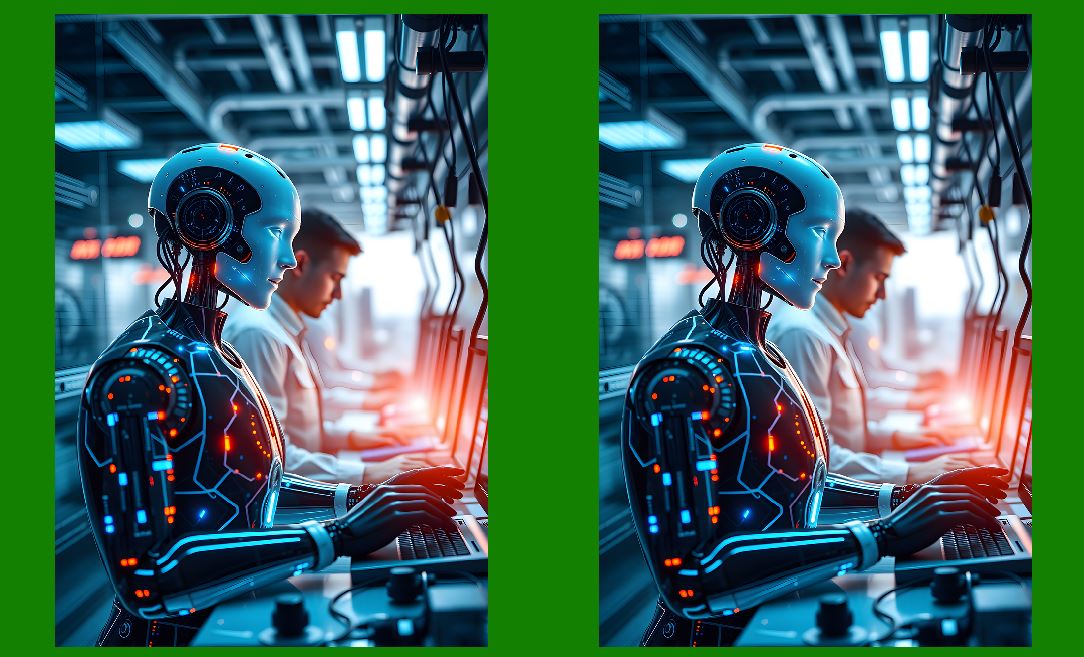
In a manufacturing environment, robots equipped with edge computing capabilities can process and analyze data from their sensors, cameras, and other inputs locally, rather than sending everything to the cloud for analysis. By doing so, robots can make immediate decisions and adapt to the environment, enhancing their performance and contributing to overall efficiency in industrial operations. The combination of robotics and edge computing forms the foundation of an emerging trend known as 'Fobots'-industrial robots that are not only autonomous but are also equipped with the ability to process data on the edge, providing a higher degree of adaptability and decision-making capability. |

|
2. The Basics of Edge Computing in Industrial Robotics |
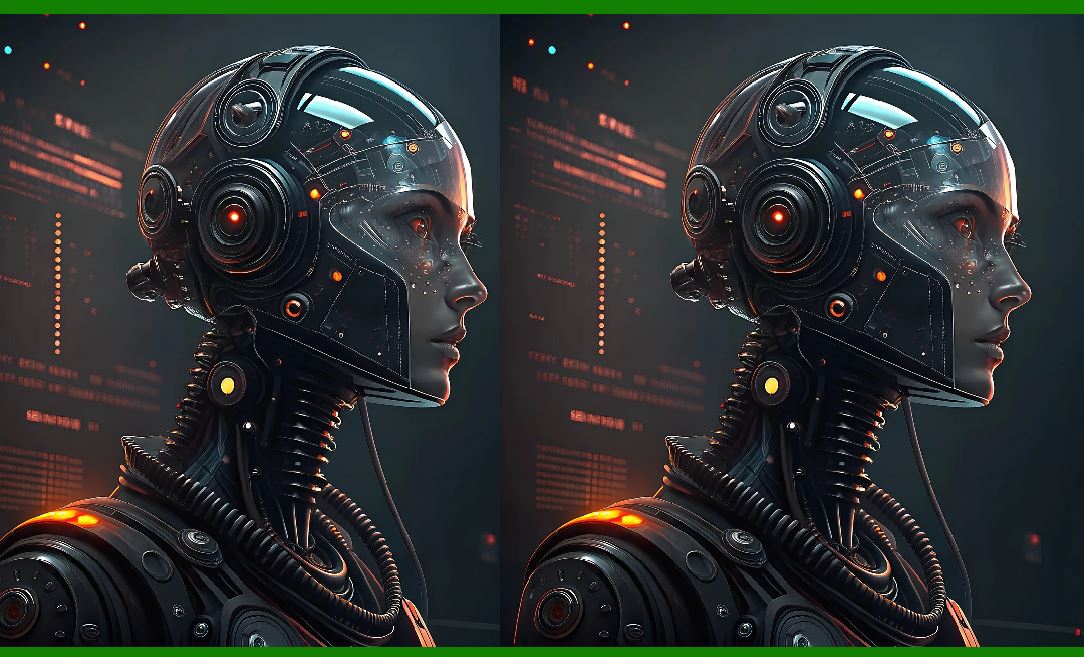
Edge computing aims to decentralize data processing by shifting it away from traditional, centralized cloud systems and placing it closer to the devices and sensors generating the data. This is particularly relevant in industrial settings where robots are embedded with an array of sensors such as cameras, motion detectors, temperature sensors, and force sensors. In this setup, these sensors continuously gather data, which is then processed either in a centralized server or, in the case of edge computing, directly by the robot itself or nearby processing units. |
Edge computing involves using small, local servers or devices-often referred to as 'edge devices'-which can perform computations and data analysis in real-time. In industrial robotics, these devices might take the form of a local server installed on the robot, specialized hardware like an FPGA (Field-Programmable Gate Array) or ASIC (Application-Specific Integrated Circuit), or an edge gateway that integrates multiple robots in the factory. The key advantage of this setup is that robots can make quick decisions based on the data they have received, without needing to rely on external systems or cloud connectivity. |
|
3. The Role of Sensors and Cameras in Edge Computing for Robotics |
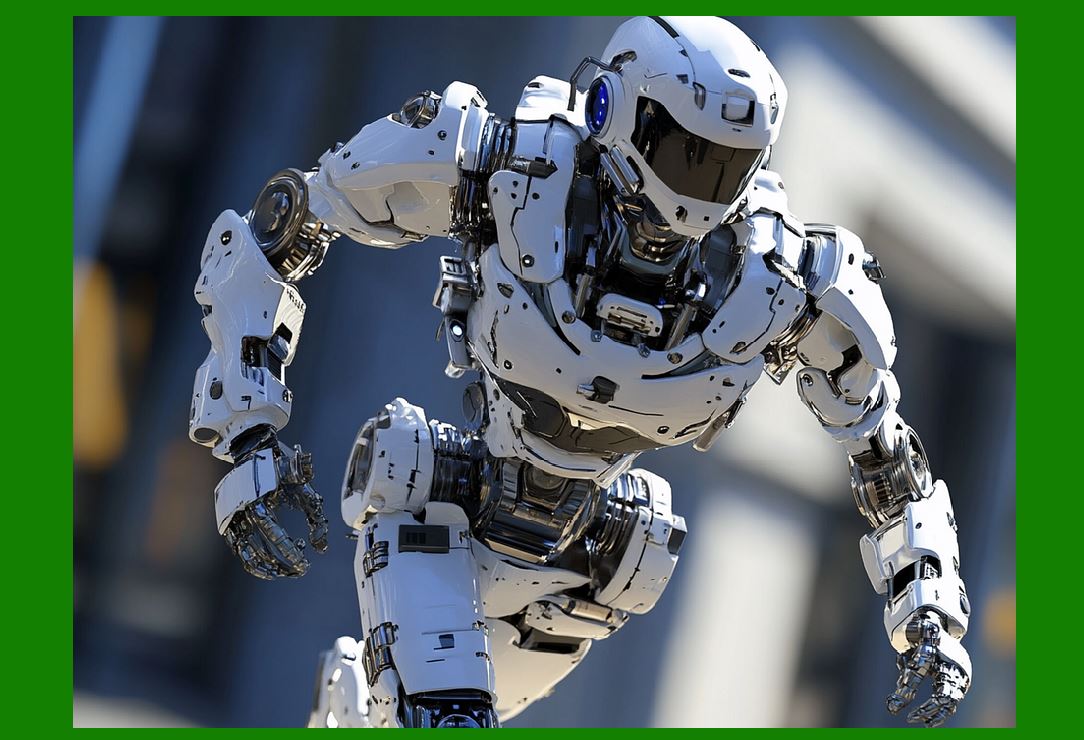
In industrial environments, robots are often equipped with an extensive array of sensors and cameras that enable them to perform a wide range of tasks, from precision assembly to quality inspection. These sensors can include proximity sensors, force sensors, infrared cameras, 3D vision cameras, and accelerometers, all of which generate large amounts of data. This is where edge computing comes in, providing a way to process this data locally and make instant decisions. |
For example, a robot assembling parts on a production line might use a combination of cameras and force sensors to detect whether a component is correctly positioned or aligned. With edge computing, the robot can process the sensor data locally and adjust its actions immediately, without waiting for instructions from a centralized server. This ability to process and analyze data locally is crucial for applications where real-time response is critical, such as high-speed production lines or quality control stations. |
The edge devices on the robot are typically equipped with specialized processing units that can handle complex data streams from these sensors. Some robots may use machine learning algorithms on the edge to interpret visual data, recognize objects, or classify materials in real time. For example, a camera may capture an image of an object, and the robot's edge system will quickly analyze it to identify the object's shape, size, and orientation, enabling the robot to adapt its behavior accordingly. |
|
4. Latency Reduction and Real-Time Decision Making |
One of the most significant advantages of edge computing in industrial robotics is the reduction of latency. Latency refers to the time delay between data collection, processing, and action. In traditional systems, data is often sent to a central cloud or server for analysis, and the response time can be significant, especially when dealing with large volumes of data or requiring constant connectivity. This latency can be a major bottleneck in industries like manufacturing, where robots must operate in real-time and with high precision. |
Edge computing mitigates this problem by allowing robots to process data on-site. By eliminating the need to send data back and forth between the robot and the cloud, the time it takes for the robot to respond to a change in its environment is dramatically reduced. For example, if a robot is working on a production line and an item is misplaced or obstructed, edge computing allows the robot to detect the issue immediately and adjust its actions accordingly. This can include stopping production temporarily, adjusting its movement to avoid the obstruction, or alerting human operators to address the problem. |
In critical applications such as autonomous vehicles, drones, or medical robots, even small amounts of latency can have serious consequences. Edge computing ensures that these robots can make rapid, data-driven decisions without relying on cloud-based systems, thus improving their safety, reliability, and overall performance. |
|
5. Improved Efficiency and Reduced Bandwidth Usage |
In traditional centralized systems, all the data generated by the sensors on industrial robots would need to be transmitted to a cloud server for processing and storage. This creates significant demands on bandwidth and network infrastructure, as high volumes of data are constantly being sent back and forth. This process can be inefficient, especially when many robots are deployed in a manufacturing environment, all generating large amounts of data. |
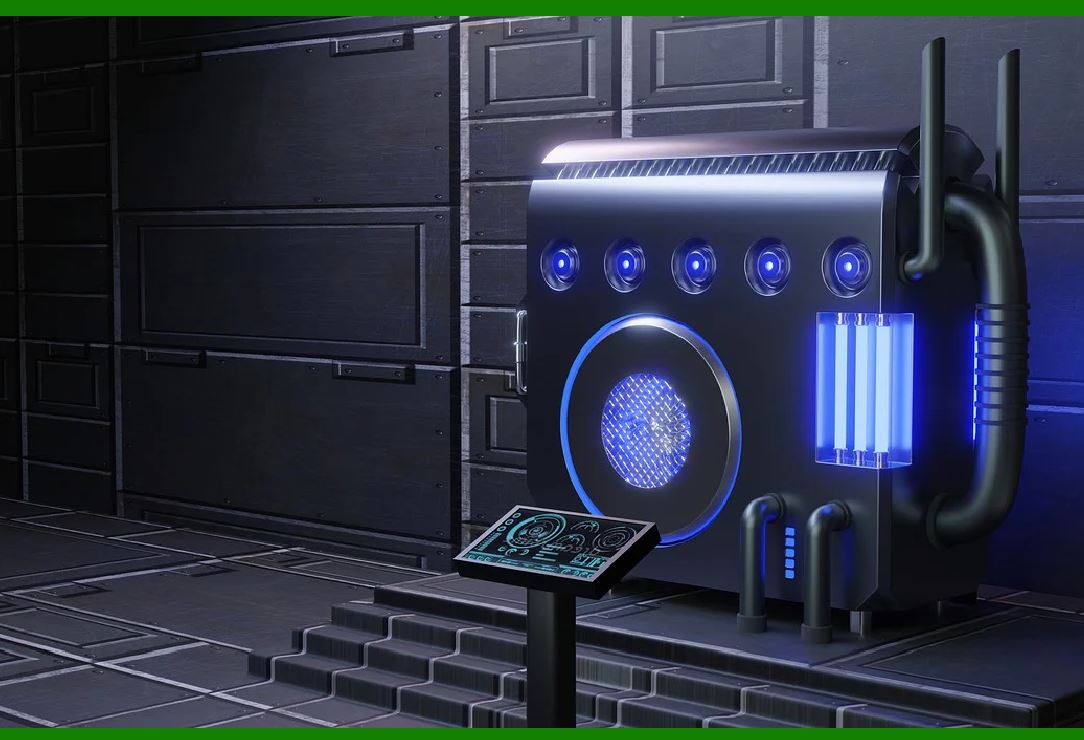
Edge computing helps alleviate this problem by processing the data locally. This reduces the amount of data that needs to be sent to the cloud, lowering the overall network traffic and freeing up bandwidth for other critical tasks. Robots equipped with edge computing capabilities are able to transmit only relevant data-such as summaries or insights-rather than sending all raw sensor data to the cloud. This makes the data pipeline more efficient, reduces operational costs, and helps companies optimize their infrastructure. |
Moreover, by processing data locally, edge computing reduces the reliance on high-bandwidth connections and cloud services, which may be costly and subject to downtime or disruptions. Manufacturing plants with edge computing-enabled robots are better able to operate in environments with limited or intermittent connectivity, ensuring that operations continue smoothly even if the connection to the central server is temporarily lost. |
|
6. Scalability and Flexibility in Industrial Environments |
Manufacturing environments often feature dynamic and rapidly changing conditions. The flexibility of edge computing makes it a perfect solution for such environments, as robots can be easily reprogrammed or updated to accommodate changes in production requirements. In large-scale manufacturing facilities, robots equipped with edge computing can be networked together to form an autonomous system, with each robot processing its own data and coordinating actions based on the local context. |
Edge computing also enables easier scalability in industrial environments. As production lines expand and more robots are deployed, each robot can be independently upgraded or reconfigured to meet new operational requirements without a need to overhaul the entire system. For example, new edge devices can be added to a robot to enhance its processing capacity, or additional sensors can be integrated to expand its functionality, without having to change the entire network infrastructure. |
In environments with multiple robots, edge computing ensures that each robot can operate independently, making decisions based on local data, while also collaborating with other robots as needed. This decentralized decision-making process allows robots to operate more autonomously, reducing the need for central control systems and making the overall system more resilient. |

|
7. Security and Privacy in Edge Computing for Robotics |
Security and privacy are significant concerns in the industrial robotics sector, especially when robots handle sensitive information or operate in environments with potential security threats. Edge computing can enhance security by limiting the amount of sensitive data sent over the network. Since much of the data is processed locally, the need for transmitting large volumes of data to a central server is reduced, lowering the risk of data breaches or cyberattacks. |
In addition, edge devices can be secured with advanced encryption methods, firewalls, and access control mechanisms, ensuring that only authorized personnel or systems can access sensitive information. Moreover, edge devices can be monitored and updated regularly with the latest security patches, ensuring they remain protected from evolving cybersecurity threats. |
Since edge computing reduces reliance on centralized cloud systems, it can also improve system resilience. Even in the event of a network failure or cloud outage, robots can continue to function independently, ensuring that operations are not disrupted. This is particularly important in mission-critical applications where downtime can result in significant financial losses or safety hazards. |
|
8. Artificial Intelligence and Machine Learning in Edge Computing |
One of the key innovations in edge computing for industrial robots is the integration of artificial intelligence (AI) and machine learning (ML) algorithms. By embedding AI models directly into the robot's edge computing system, robots can perform advanced tasks such as predictive maintenance, anomaly detection, and adaptive behavior. |
For example, machine learning algorithms can enable robots to detect patterns in the sensor data that might indicate an impending failure or malfunction. By processing data locally, the robot can make real-time predictions about the health of its components and alert human operators to perform maintenance before a failure occurs. This predictive maintenance capability can reduce downtime, extend the lifespan of robots, and increase overall operational efficiency. |
AI can also be used for decision-making in dynamic environments. A robot equipped with an AI model trained on local sensor data can make real-time adjustments to its behavior based on environmental changes. For instance, if a robot is working alongside human operators, AI can help the robot interpret human gestures or predict the operator's next actions, allowing it to react proactively and avoid collisions. |

|
9. Challenges and Future Directions for Fobots |
Despite the numerous advantages of edge computing in industrial robotics, there are also several challenges to consider. One of the main hurdles is the complexity of designing and maintaining edge devices. These devices must be powerful enough to handle large volumes of data and process complex algorithms in real-time while also being compact, energy-efficient, and reliable. |
Another challenge is the integration of edge computing with existing industrial infrastructure. Many manufacturing facilities still rely on traditional centralized systems and may not be equipped to support edge computing technologies. Implementing edge computing in such environments requires significant investment in new hardware, software, and network infrastructure. |
However, the potential benefits of edge computing in industrial robotics are vast. As technology continues to evolve, we can expect to see more advanced, AI-driven robots capable of processing data locally with even greater efficiency and intelligence. The future of Fobots will likely involve more seamless integration with IoT (Internet of Things) devices, better communication protocols between robots, and even more sophisticated machine learning models. |

|
In conclusion, edge computing is poised to revolutionize the industrial robotics sector by enabling faster, more efficient, and more autonomous robots. By processing data locally, robots equipped with edge computing capabilities can make real-time decisions, reduce latency, and improve overall operational performance. As the technology continues to evolve, the role of edge computing in industrial robotics will only become more significant, leading to smarter, more adaptable robots that can operate in even the most dynamic and complex environments. |
|
Case Studies of Edge Computing in Industrial Robotics |
Edge computing is increasingly becoming a pivotal element in industrial robotics, enhancing real-time decision-making, reducing latency, and improving operational efficiency. Below are a few notable case studies from different industries that showcase how edge computing is transforming the functionality and performance of industrial robots. |
1. Case Study: Automotive Manufacturing - BMW Group |
Industry: Automotive Manufacturing |
Robots Involved: Collaborative Robots (Cobots) |
Challenge: Reducing latency in robotic operations for high-precision assembly tasks |
Solution: Integration of Edge Computing for Real-Time Data Processing |
Outcome: Improved Production Efficiency and Flexibility |
Background: |
BMW Group, a leading global automotive manufacturer, is at the forefront of integrating robotics and edge computing in its production processes. At their facility in Regensburg, Germany, BMW uses collaborative robots (cobots) that work alongside human workers in the final assembly line. These robots are responsible for tasks like installing electrical components and lifting heavy parts, where precision and coordination with human operators are critical. |
Challenge: |
One of the significant challenges in such a setting was the time it took for robots to respond to changes on the assembly line. If a robot needed to adjust its actions based on data from a nearby sensor, sending the data to the cloud for processing and waiting for a response added unnecessary latency. The delay in decision-making could lead to mistakes, reduce operational efficiency, and pose safety risks when working closely with human operators. |
Solution: |
BMW integrated edge computing into their cobots, enabling them to process sensor data locally and make real-time decisions. By incorporating edge devices with computational power directly on the robots, data from sensors like vision cameras, proximity sensors, and force sensors were processed instantly. The robots no longer had to wait for cloud-based processing to make decisions regarding assembly adjustments. |
The cobots could now analyze environmental conditions in real-time, making split-second adjustments to their operations, improving the flexibility of the assembly line. For instance, when a part is slightly misaligned, the robot could immediately detect this, adjust its position, and resume work without waiting for cloud communication. The system also enabled robots to more effectively collaborate with human operators by adapting to their actions in real-time, improving both safety and efficiency. |
Outcome: |
The integration of edge computing has significantly improved the efficiency and flexibility of the BMW assembly line. Robots can now operate with reduced latency, leading to faster production cycles, fewer mistakes, and higher quality products. Furthermore, the real-time processing allows for continuous monitoring and adjustments, which increases both the robots' productivity and their collaborative capabilities with human workers. |

|
2. Case Study: Logistics Automation - Ocado |
Industry: E-commerce & Logistics |
Robots Involved: Automated Guided Vehicles (AGVs) and Picking Robots |
Challenge: Efficiently handling large volumes of orders in real time |
Solution: Edge Computing for Low Latency and High-Speed Processing |
Outcome: Enhanced Order Fulfillment Speed and Accuracy |
Background: |
Ocado, a UK-based online supermarket, utilizes advanced robotics and AI-powered systems to automate its order fulfillment processes in warehouses. The company's fulfillment centers use a fleet of Automated Guided Vehicles (AGVs) and robotic picking systems to transport and pick products efficiently. |
Challenge: |
As Ocado's business expanded, it faced the challenge of managing an increasing volume of orders with high efficiency. These fulfillment centers needed to handle complex tasks like real-time inventory management, robotic navigation, and fast-paced product picking. Traditional cloud-based systems were proving to be too slow for such high-demand operations, as robots needed to react to real-time changes in inventory, warehouse layout, and customer orders without latency. |
Solution: |
To address these issues, Ocado integrated edge computing into its robotic fleet. By adding edge computing capabilities to its AGVs and picking robots, the company enabled the robots to process data locally, eliminating the need to send all sensor data to a remote server for processing. This real-time data processing capability allowed robots to make instant decisions about their next action based on factors like available products, moving obstacles, and customer orders. |
For example, picking robots were able to make real-time adjustments to their actions when an item in the warehouse moved, reducing the risk of collisions or delays. The edge devices processed data from the robots' onboard cameras, lidar sensors, and other input devices in real-time to ensure that they could navigate the warehouse efficiently and pick items with high accuracy. |
Outcome: |
By integrating edge computing, Ocado saw a significant improvement in both the speed and accuracy of its order fulfillment process. The robots were able to respond to changes in their environment instantly, reducing downtime and improving throughput. The fulfillment center's efficiency increased by 30%, and the overall customer satisfaction rate also saw a boost due to faster deliveries. Additionally, the edge computing system ensured that the network bandwidth was used more efficiently, as only relevant data was sent to the cloud for analysis, reducing overall data transmission costs. |
|
3. Case Study: Electronics Manufacturing - Foxconn |
Industry: Electronics Manufacturing |
Robots Involved: Assembly Line Robots, Vision Systems |
Challenge: Enhancing precision and reducing errors in high-speed assembly |
Solution: Edge Computing for Real-Time Quality Control and Automated Adjustments |
Outcome: Increased Production Speed and Reduced Defects |
Background: |
Foxconn, one of the largest electronics manufacturers in the world, assembles products for major companies such as Apple, Sony, and Microsoft. Its production lines are highly automated, with numerous robots performing tasks like welding, screw fastening, and inspection. Precision is crucial in these processes to ensure the highest product quality. |
Challenge: |
Foxconn faced challenges related to the time it took to detect and respond to errors in the assembly process. The robots that handled assembly tasks relied heavily on visual inspection systems to ensure parts were properly placed and secured. However, errors in placement could occur at high speeds, and waiting for data to be processed in a centralized cloud server created a bottleneck that slowed down the production line and increased the risk of defects. |
Solution: |
Foxconn integrated edge computing into its vision systems and robotic controllers to process data locally. This allowed real-time analysis of images from high-speed cameras that monitored the assembly line. The system could instantly detect misplacements or defects, such as misaligned components, broken parts, or faulty assembly. |
With edge computing, the robots could automatically adjust their actions based on the data processed by the vision system, without waiting for a response from the cloud. For instance, if the system detected that a screw was not properly tightened, the robot could immediately stop, correct the issue, and resume the process without requiring intervention from a central server. In addition, local processing of sensor data helped the robots maintain optimal speed, as they no longer needed to rely on centralized cloud systems for decision-making. |
Outcome: |
The deployment of edge computing led to a noticeable increase in production speed and a reduction in errors. The robots could adjust to changes in real time, improving the overall precision and quality of the assembly process. As a result, the production line became faster, with a significant reduction in defects, which translated to higher customer satisfaction and fewer costly product recalls. Additionally, Foxconn was able to optimize its network usage, as less data was being transmitted to the cloud, making the entire system more efficient. |
|
4. Case Study: Smart Warehousing - Amazon Robotics |
Industry: E-commerce & Fulfillment |
Robots Involved: Kiva Robots, Picking Robots, Automated Sorting Systems |
Challenge: Managing large-scale warehouse operations with minimal latency |
Solution: Edge Computing for Enhanced Robotics Coordination |
Outcome: Increased Throughput and Faster Delivery Times |
Background: |
Amazon Robotics, which operates Amazon's vast network of fulfillment centers, uses a fleet of autonomous mobile robots (AMRs) known as Kiva robots to transport products throughout the warehouse. These robots are equipped with sensors and cameras to help them navigate, detect obstacles, and efficiently move products to human workers for packing. |
Challenge: |
As Amazon's fulfillment centers grew larger and its order volumes increased, it became clear that relying solely on cloud-based systems for coordinating thousands of robots was inefficient. Cloud-based processing led to delays in data transmission, particularly when robots were operating in close proximity to each other or when complex coordination was required to manage high traffic in the warehouse aisles. This created bottlenecks, reduced throughput, and could potentially slow down delivery times. |
Solution: |
Amazon Robotics implemented edge computing across its fleet of robots to enable faster, more efficient data processing at the local level. By integrating edge computing capabilities into the robots' onboard systems, Amazon ensured that the robots could process data in real-time, such as adjusting their paths in response to changing traffic patterns or rerouting to avoid obstacles. |
For instance, when a robot detected that an aisle was blocked, the edge computing system immediately processed the sensor data and recalculated the most efficient path, without waiting for cloud instructions. This local decision-making ability allowed the robots to optimize their routes, reduce idle time, and increase overall warehouse throughput. |
Outcome: |
The use of edge computing in Amazon Robotics' fulfillment centers significantly improved the efficiency of its warehouse operations. The robots were able to make real-time adjustments based on local data, increasing the throughput of the system by 20%. This enabled Amazon to fulfill orders faster, improving delivery times and customer satisfaction. Additionally, the system reduced the risk of communication bottlenecks and ensured that the robots could continue operating smoothly even if there were temporary connectivity issues with the cloud. |
|
5. Case Study: Pharmaceutical Manufacturing - Novartis |
Industry: Pharmaceutical Manufacturing |
Robots Involved: Automated Inspection Robots |
Challenge: Improving the speed and accuracy of quality control in drug production |
Solution: Edge Computing for Real-Time Defect Detection |
Outcome: Reduced Production Errors and Increased Quality Assurance |
Background: |
Novartis, a leading global healthcare company, relies on highly automated systems in its pharmaceutical manufacturing plants to ensure the production of high-quality drugs. One critical part of the process involves inspecting drug vials for defects, such as cracks, discoloration, or foreign particles. |
Challenge: |
The inspection process traditionally involved sending images from cameras to a centralized system for analysis. This delayed the detection of defects and slowed down the production line. In an industry where quality assurance is paramount, this latency was unacceptable and posed a risk to patient safety. |
Solution: |
Novartis integrated edge computing into its automated inspection systems. Cameras mounted on robotic arms were able to capture high-resolution images of the vials as they passed through the production line. The data from these cameras was processed in real-time by onboard edge devices, which immediately analyzed the images for defects. |
Edge computing allowed for quick decision-making-if a defective vial was detected, the system could immediately alert operators, or the robot could discard the vial without delay. This process ensured that only quality-controlled products made it to the next stage of production, significantly reducing the risk of defective products reaching customers. |
Outcome: |
The implementation of edge computing greatly enhanced the speed and accuracy of the quality control process. By eliminating the delays caused by cloud-based analysis, Novartis achieved higher throughput without compromising on product quality. The result was a more efficient production line, fewer defects, and a stronger reputation for delivering high-quality pharmaceuticals. |

|
Conclusion |
These case studies demonstrate how edge computing is revolutionizing industrial robotics across a variety of sectors. By enabling robots to process data locally, companies can significantly reduce latency, increase operational efficiency, improve real-time decision-making, and enhance the flexibility of automated systems. As edge computing continues to evolve, we can expect even more innovative applications in industries ranging from automotive manufacturing to logistics, warehousing, and healthcare. |
 cs@easiersoft.com