Future Trends and Developments: Barcode Scanning Robots |
The integration of barcode scanning robots into warehousing and logistics operations is reshaping the industry, driving greater efficiency, accuracy, and scalability. These robots are a vital part of the automation landscape, enabling businesses to streamline their processes and handle the complexities of modern supply chains. With continuous technological advancements, the future of barcode scanning robots is even more promising, offering exciting prospects for automation, human-robot collaboration, and adaptive systems. This article explores the key future trends and developments in barcode scanning robots, emphasizing the role of AI, machine learning, and autonomous capabilities, as well as their potential collaboration with human workers. |
|
1. Increased Use of Artificial Intelligence (AI) and Machine Learning |
AI and machine learning are already influencing the field of warehouse automation, and their integration into barcode scanning robots is expected to accelerate in the coming years. One of the most significant trends is the adoption of AI to enhance robot decision-making, enabling them to make more intelligent choices in dynamic environments. |
a. Autonomous Decision-Making: AI algorithms enable barcode scanning robots to interpret data, identify patterns, and make autonomous decisions in real-time. In a busy warehouse, where various tasks and orders are constantly changing, the ability of robots to adjust their behavior based on new information is crucial. For example, when robots encounter a different arrangement of products or obstacles in their path, AI-powered systems can analyze the situation and determine the most efficient course of action without human intervention. |
b. Improved Efficiency and Accuracy: Machine learning algorithms can enable robots to continuously learn from their experiences, improving their ability to handle complex scenarios. As these robots are exposed to a wider variety of data and situations, their ability to optimize paths, avoid obstacles, and accurately scan barcodes will improve. This results in reduced downtime, fewer errors, and faster processing speeds, significantly enhancing overall warehouse efficiency. |
c. Predictive Maintenance: AI and machine learning also help in predictive maintenance, allowing barcode scanning robots to self-monitor and identify potential issues before they become serious problems. By analyzing historical performance data and detecting patterns in the robots' operation, AI systems can predict when maintenance is needed, reducing the risk of unexpected breakdowns. This capability ensures that robots remain operational for longer periods, minimizing disruptions in the workflow. |
d. Data Integration and Analytics: With the growing use of AI, barcode scanning robots will not only be able to scan barcodes but also gather and analyze large volumes of data. This data can be integrated into warehouse management systems (WMS) to provide insights into inventory levels, stock movement, and order processing. By continuously collecting data and feeding it back into the system, AI-powered robots help improve decision-making and optimize the entire supply chain. |

|
2. Collaboration with Human Workers |
While the primary goal of automation is to increase efficiency and reduce costs, future barcode scanning robots are not designed to replace human workers entirely. Instead, they are evolving to work alongside human employees in a complementary role, where robots take on repetitive, labor-intensive tasks, allowing humans to focus on more strategic and complex functions. |
a. Human-Robot Collaboration: The future of barcode scanning robots lies in their ability to collaborate with human workers in a seamless and efficient manner. Robots can handle the repetitive and physically demanding tasks, such as moving goods, picking items from shelves, or scanning barcodes in large warehouses. Meanwhile, human workers can engage in more cognitive tasks, like problem-solving, decision-making, and handling exceptions. This creates a more balanced workflow, where both human and robot capabilities are maximized. |
b. Intuitive User Interfaces: As robots become more autonomous, the way they interact with humans will also evolve. Future barcode scanning robots are likely to feature intuitive user interfaces that make them easy to control and manage by warehouse operators. These interfaces could involve voice commands, mobile apps, or gesture recognition, enabling workers to interact with robots quickly and effectively. The goal is to ensure that the robots are easy to deploy and integrate into the workflow without requiring extensive retraining or specialized skills. |
c. Safety and Worker Protection: Collaboration between humans and robots in warehouses will require enhanced safety measures. Advances in sensor technologies and AI will allow robots to detect human workers and adjust their behavior accordingly to avoid accidents. For instance, robots can be equipped with proximity sensors or vision systems that allow them to recognize when a human is nearby and slow down or stop to prevent collisions. This development will ensure that robots can safely coexist with human workers, promoting a more cooperative and safe working environment. |
d. Re-skilling and Job Evolution: As robots take over repetitive tasks, human workers will have the opportunity to focus on more specialized roles within the warehouse environment. This evolution of job roles will require re-skilling and up-skilling programs, with warehouse employees being trained in areas like robot programming, system management, and troubleshooting. As a result, workers will shift to higher-value tasks, improving both job satisfaction and productivity. |
|
3. Enhanced Autonomous Capabilities |
Autonomy is a core characteristic of barcode scanning robots, and future developments are expected to further enhance their ability to operate independently. Improved autonomous capabilities will enable these robots to navigate complex environments, avoid obstacles, and adapt to varying warehouse layouts. |
a. Navigation and Path Optimization: One of the most important developments in autonomous barcode scanning robots will be enhanced navigation systems. These systems will allow robots to move throughout the warehouse without relying on pre-programmed paths. By using a combination of AI, machine learning, and advanced sensors, robots will be able to calculate optimal routes in real time, avoiding obstacles, and dynamically adjusting their paths to accommodate changes in the warehouse environment. |
b. Obstacle Avoidance and Dynamic Decision-Making: In a busy warehouse, obstacles like shelves, storage racks, and human workers can obstruct the robot's path. Advanced obstacle avoidance technologies, such as LiDAR, 3D vision, and advanced sensors, will allow robots to detect and navigate around obstacles with greater precision. Additionally, AI algorithms will enable robots to make real-time decisions when they encounter unexpected situations, such as when an item is misplaced or when paths are blocked by other machines or humans. |
c. Adaptability to Warehouse Layouts: Future barcode scanning robots will also have the ability to adapt to different warehouse layouts without the need for significant reprogramming. Using AI and machine learning, robots will be able to 'learn' the layout of a warehouse after only a few passes. Whether the layout is static or constantly changing, robots will adjust their navigation strategies to ensure the most efficient scanning and picking processes. This adaptability will make it easier for businesses to scale their operations and adapt to fluctuating demand without having to redesign their entire automation system. |
d. Improved Energy Efficiency: As autonomous capabilities improve, barcode scanning robots will also become more energy-efficient. Advances in power management and battery technology will allow robots to work longer hours without needing frequent recharges. Additionally, more efficient algorithms will optimize energy consumption, enabling robots to carry out their tasks while minimizing power usage. This will reduce operational costs and ensure that robots remain functional for extended periods. |

|
4. Advanced Sensor Technologies |
Future barcode scanning robots will rely on more sophisticated sensor technologies to improve their functionality and autonomy. These sensors will enhance robots' ability to navigate complex environments, avoid obstacles, and improve the accuracy of barcode scanning. |
a. Multi-modal Sensing: Advanced robots will employ multi-modal sensing systems, integrating a combination of LiDAR, infrared sensors, visual cameras, and ultrasonic sensors to perceive their environment. By combining these different sensing modalities, robots can achieve a more comprehensive understanding of their surroundings, making them more effective at identifying obstacles, detecting damaged items, and scanning barcodes in various conditions. |
b. High-Resolution Imaging for Barcode Scanning: Barcode scanning robots will also benefit from advanced imaging technologies, such as high-resolution cameras and 3D vision systems. These systems will improve the accuracy and speed of barcode reading, even in challenging environments. For instance, barcodes that are damaged, poorly printed, or obscured by packaging can still be accurately scanned with these advanced imaging systems. This capability will ensure that robots can handle a wider variety of products and inventory conditions, further enhancing their utility in warehousing operations. |
c. Real-Time Environmental Mapping: With real-time environmental mapping, robots will be able to create and update dynamic maps of their surroundings. This feature will allow barcode scanning robots to continuously track the location of items in the warehouse, ensuring that they are always aware of where inventory is stored and where they need to go next. This level of situational awareness is critical for improving workflow efficiency and accuracy. |

|
5. Integration with Warehouse Management Systems (WMS) |
The integration of barcode scanning robots with advanced Warehouse Management Systems (WMS) will be another key trend in the future of warehouse automation. WMS platforms are designed to optimize the flow of goods within a warehouse, and integrating barcode scanning robots into these systems will create a more seamless and intelligent warehouse environment. |
a. Real-time Data Synchronization: By integrating robots with WMS platforms, warehouses can achieve real-time synchronization of data. Barcode scanning robots will provide up-to-date information on inventory levels, order statuses, and product locations. This real-time data can be used to adjust warehouse operations dynamically, improving decision-making and resource allocation. |
b. Predictive Analytics and Demand Forecasting: Advanced data analytics, combined with WMS integration, will allow barcode scanning robots to assist in demand forecasting and predictive analytics. By collecting and analyzing data on order patterns, stock movement, and customer demand, robots will help warehouse operators predict future needs and optimize inventory levels. This ability to anticipate demand will reduce stockouts, lower excess inventory, and improve the overall efficiency of the supply chain. |
c. End-to-End Automation: The future of barcode scanning robots will likely see the complete automation of the order fulfillment process. Robots will not only scan barcodes and transport goods but also communicate with WMS systems to ensure that the right items are picked, packed, and shipped to the correct destinations. This level of end-to-end automation will eliminate many of the manual interventions required in current systems, speeding up the order fulfillment process and reducing human error. |
|
Conclusion |
The future of barcode scanning robots in warehousing holds immense potential. As AI and machine learning continue to advance, robots will become more intelligent, autonomous, and adaptable, enabling them to handle a wide variety of tasks with greater efficiency and accuracy. Rather than replacing human workers, these robots will collaborate with them, allowing for a more dynamic and flexible working environment. Enhanced sensor technologies, improved navigation systems, and seamless integration with warehouse management platforms will further streamline operations, making barcode scanning robots an indispensable tool for modern warehouses. |
Incorporating these advancements will not only improve operational efficiency but will also help businesses address the growing demands of global supply chains. By enhancing the capabilities of barcode scanning robots, companies will be better positioned to stay competitive in a rapidly evolving logistics landscape, driving cost savings, faster processing times, and improved customer satisfaction. |
|
What new technologies will be related to this in the future? |
In the coming years, barcode scanning robots in warehousing will see the integration of several new and emerging technologies that will further enhance their capabilities. These technologies will not only improve the robots' operational efficiency but will also enable them to adapt to changing environments, collaborate more effectively with human workers, and provide deeper insights into supply chain processes. Below are some key technologies that will be closely related to the future of barcode scanning robots. |
1. 5G and Advanced Connectivity |
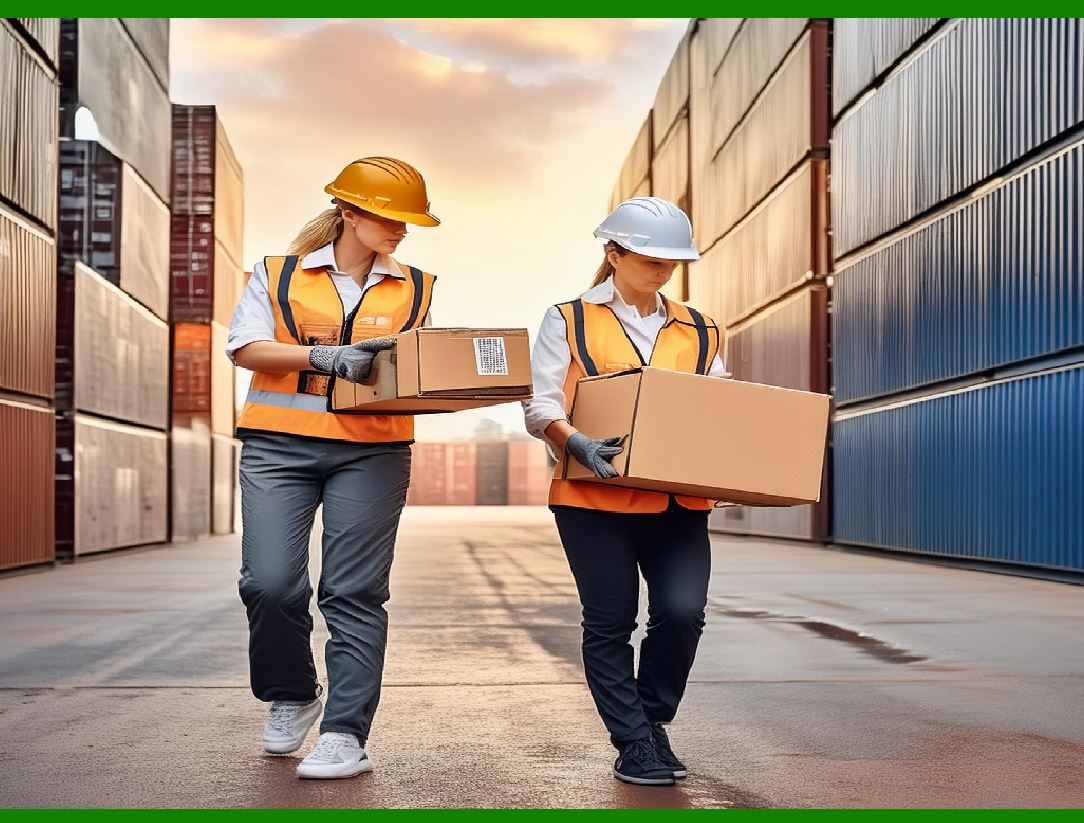
Faster Communication and Real-Time Data Sharing: With the widespread rollout of 5G networks, barcode scanning robots will benefit from faster, more reliable communication. 5G technology can enable real-time data sharing between robots, sensors, and central warehouse management systems (WMS). This will allow robots to make faster decisions based on up-to-the-minute data, ensuring that inventory management, order fulfillment, and task assignment are more efficient. |
Edge Computing: The combination of 5G and edge computing will enable barcode scanning robots to process data locally, reducing the need for cloud-based computations and lowering latency. This means robots can make decisions in real time, improving efficiency and responsiveness, especially in dynamic environments where rapid decisions are crucial. |
|
2. LiDAR and 3D Vision Systems |
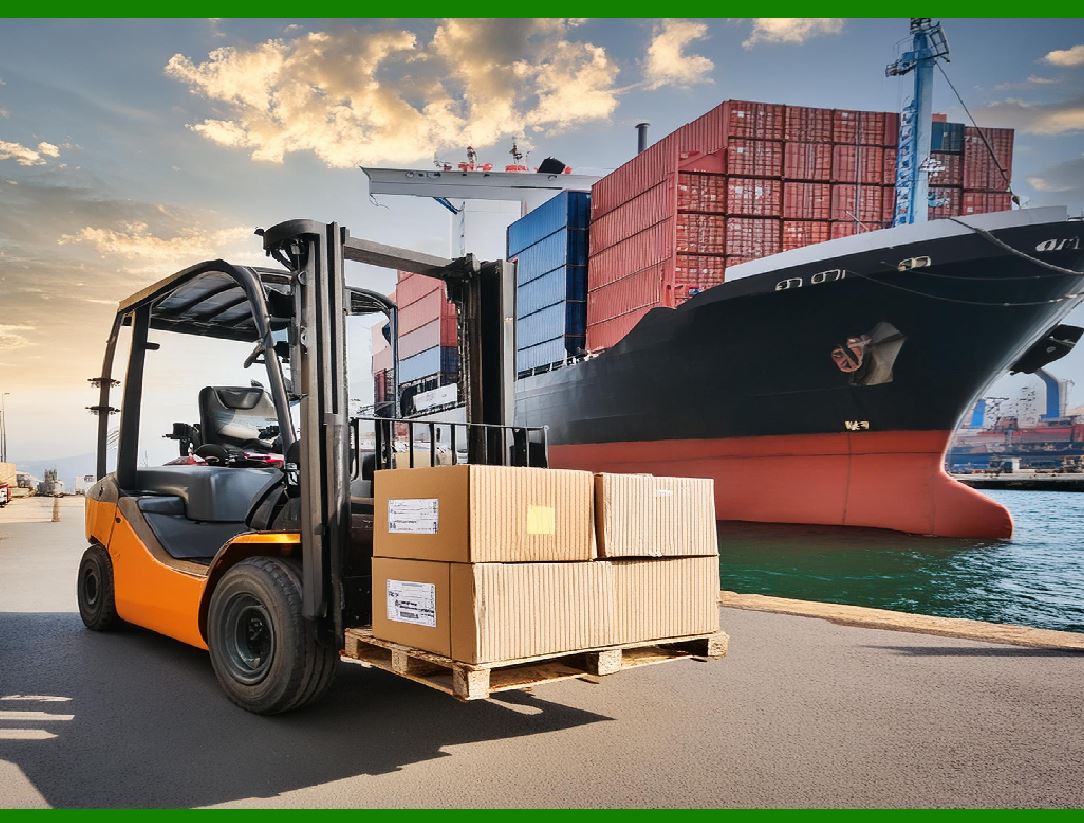
Advanced Perception and Mapping: Light Detection and Ranging (LiDAR) and 3D vision systems will continue to evolve and provide robots with advanced perception capabilities. These technologies create highly detailed, accurate 3D maps of the environment, allowing robots to better understand their surroundings. With enhanced 3D vision and LiDAR, robots will be able to navigate through cluttered environments, detect obstacles, and avoid collisions with greater precision. |
Simultaneous Localization and Mapping (SLAM): SLAM technology enables robots to build and update maps of unknown environments while simultaneously tracking their location within that environment. In the future, barcode scanning robots will rely heavily on SLAM algorithms to autonomously navigate warehouses that are constantly changing or reconfiguring. This will be particularly useful in warehouses with dynamic layouts, where inventory placement is constantly adjusted to meet shifting demands. |
|
3. Robotic Process Automation (RPA) |
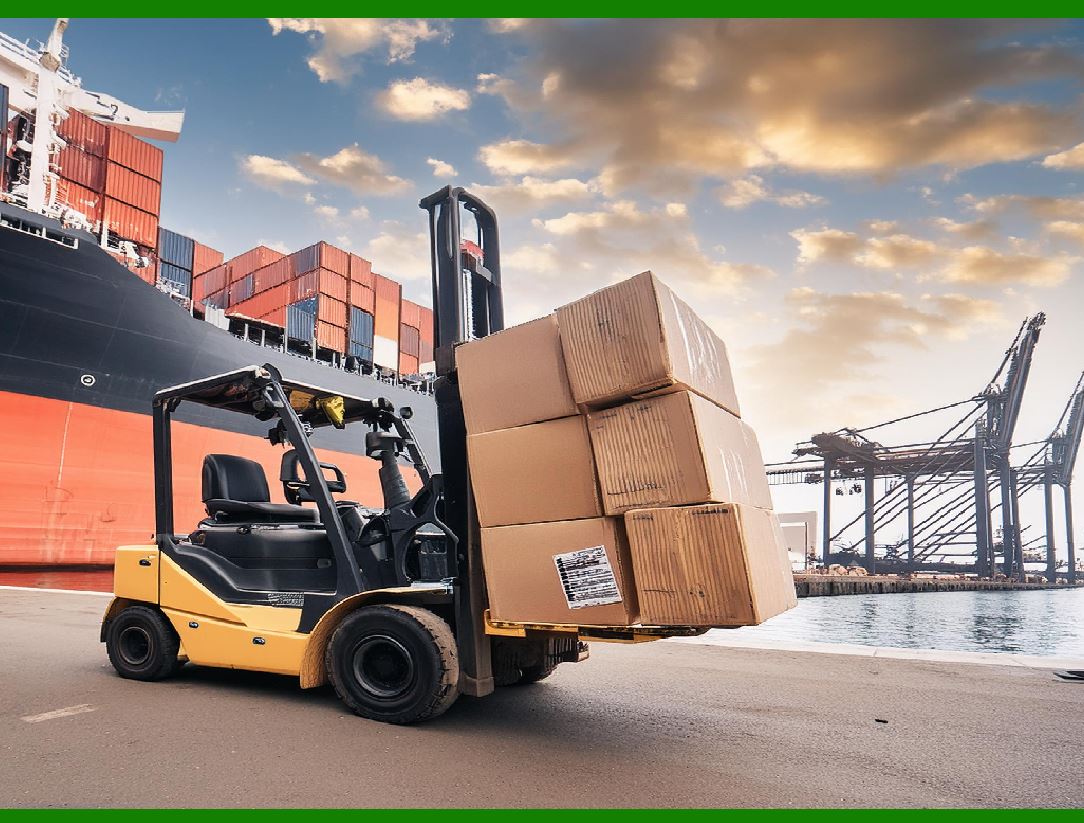
Automating Complex Tasks Beyond Scanning: Robotic Process Automation (RPA) is a technology that allows software robots to handle repetitive, rule-based tasks traditionally performed by humans. In warehousing, RPA can integrate with barcode scanning robots to streamline workflows further. For example, RPA can be used to automate the transfer of scanned data into inventory management systems, the generation of order tickets, or the updating of inventory levels based on scanned information. |
End-to-End Supply Chain Automation: By combining RPA with barcode scanning robots, warehouses can automate entire processes, from receiving goods and scanning barcodes to packing orders and shipping them out. The integration of RPA will ensure that these robots work seamlessly with other automation systems, such as Automated Guided Vehicles (AGVs) or Autonomous Mobile Robots (AMRs), providing a fully automated supply chain solution. |
|
4. Advanced AI and Deep Learning |
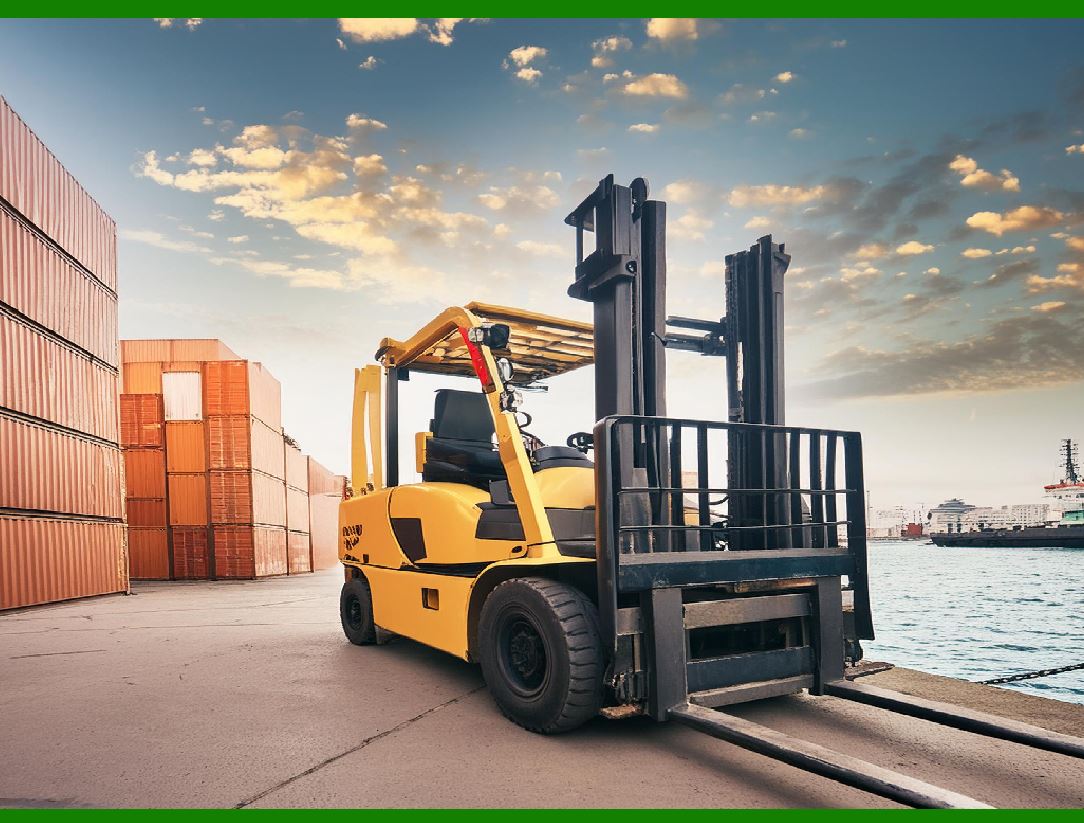
Improved Object Recognition and Quality Control: AI and deep learning algorithms will play a pivotal role in enhancing the capabilities of barcode scanning robots. These technologies will allow robots to improve their recognition of objects and barcodes, even when they are damaged or obscured. Deep learning models can be trained to identify and classify products with high accuracy, regardless of their orientation or condition, reducing errors in inventory management. |
Predictive Analytics and Demand Forecasting: AI will also be used to predict inventory demands, optimize stocking levels, and provide insights into supply chain trends. Barcode scanning robots will be integrated with AI-powered systems that analyze historical data, seasonal trends, and other factors to forecast future demand. This predictive capability will help warehouses avoid stockouts, minimize excess inventory, and optimize their operational capacity. |
Self-Improvement through Machine Learning: Deep learning will enable barcode scanning robots to continuously improve their performance. As robots gather more data from their environment and experiences, machine learning algorithms will allow them to adapt and refine their behavior, such as better route optimization, obstacle avoidance, and even self-diagnosis of potential issues before they cause breakdowns. |
|
5. Augmented Reality (AR) |
Enhanced Human-Robot Interaction: Augmented Reality (AR) will play a crucial role in improving the interaction between barcode scanning robots and human workers. For instance, warehouse employees can wear AR glasses that overlay real-time instructions, such as the location of items to be scanned or picked, onto their field of vision. This will help human workers collaborate more effectively with robots, allowing them to perform tasks more efficiently and reduce the likelihood of errors. |
Real-Time Visual Feedback for Scanning: AR can also provide real-time visual feedback to workers or robots, such as displaying scanned barcode information or indicating the next step in a task. By superimposing digital data onto the physical environment, AR can improve the scanning process, making it easier for robots to confirm if they've scanned the correct items or if additional actions are needed. |
|
6. Quantum Computing |
Speeding Up Data Processing and Optimization Algorithms: Although still in its early stages, quantum computing has the potential to significantly enhance the capabilities of barcode scanning robots, particularly in complex decision-making and optimization tasks. Quantum computers can process vast amounts of data much faster than classical computers, which could lead to more efficient routing, inventory management, and real-time data processing in warehouses. |
Real-Time Simulation and Modeling: Quantum computing could enable barcode scanning robots to simulate complex warehouse environments in real time, making it easier to optimize tasks such as barcode scanning, picking, and inventory tracking. This could allow for continuous adaptation to changes in the warehouse layout, product locations, and demand fluctuations. |
|
7. Blockchain Technology |
Securing Inventory and Supply Chain Data: As supply chains become more automated, security and transparency of data will become a top priority. Blockchain technology, known for its decentralized and immutable record-keeping system, will be increasingly adopted in conjunction with barcode scanning robots to provide secure tracking of inventory and transactions. This can ensure that the data generated by robots (such as scan logs and item locations) is securely stored and tamper-proof, improving accountability and trust in the supply chain. |
Smart Contracts for Automated Transactions: In the future, blockchain-enabled smart contracts will automate inventory transactions. For instance, when a barcode scanning robot scans an item and confirms its delivery or pickup, a smart contract could automatically trigger payment or update the inventory in the warehouse management system. This level of automation will reduce administrative overhead and improve overall efficiency. |

|
8. Swarming and Multi-Robot Systems |
Coordinated Work Between Multiple Robots: In the future, warehouses may deploy fleets of barcode scanning robots that can communicate with each other and collaborate to complete tasks. Swarming technology, inspired by the behavior of insects like ants or bees, will allow multiple robots to work together autonomously, sharing information, coordinating their actions, and optimizing workflows. For example, several robots may work together to scan and transport items across the warehouse, avoiding congestion and ensuring that tasks are completed in the most efficient manner. |
Distributed Task Allocation: Multi-robot systems will also be able to divide tasks dynamically based on current workload, availability, and efficiency. When one robot encounters an issue or becomes overloaded with tasks, others in the fleet will be able to step in and assist. This distributed approach to task management will make warehouse operations more resilient and flexible. |

|
9. Flexible and Modular Robotics |
Customizable Robot Configurations: As warehouses increasingly adopt modular systems, barcode scanning robots will become more customizable. Advances in modular robotics will allow for flexible robot configurations that can be easily adapted to various warehouse layouts or operational requirements. For instance, robots could be quickly reconfigured for different tasks, such as scanning barcodes, picking items, or transporting goods. |
Easily Repaired and Upgraded Robots: Modular robotics will also make it easier to maintain and upgrade barcode scanning robots. Instead of replacing an entire robot, warehouses will be able to swap out individual modules (such as sensors, cameras, or batteries) to improve performance or update functionality. This will reduce the cost of maintenance and ensure that robots stay up-to-date with the latest technologies. |

|
10. Energy Harvesting and Advanced Battery Technology |
Longer-Lasting Power: The continued development of energy harvesting technologies, such as kinetic energy recovery systems, and advancements in battery technology (e.g., solid-state batteries or graphene batteries) will allow barcode scanning robots to work longer without needing to recharge. These improvements will help robots operate continuously, even in large warehouses, without disruptions or downtime due to power issues. |
Wireless Charging and Charging Stations: Robots will increasingly rely on wireless charging systems, which allow them to recharge without needing to dock at specific stations. This will enable barcode scanning robots to maintain their autonomy and minimize downtime. Additionally, charging stations equipped with AI could monitor the robots' energy needs and ensure they are charged efficiently and promptly. |
|
Conclusion |
The future of barcode scanning robots will be closely tied to the development of these emerging technologies. The integration of 5G, AI, machine learning, and advanced sensors will allow robots to become more autonomous, efficient, and intelligent. Meanwhile, technologies such as blockchain, quantum computing, and augmented reality will help optimize workflows, improve security, and enhance collaboration between robots and human workers. The continued evolution of these technologies will not only drive innovation in warehouse automation but will also ensure that barcode scanning robots play a crucial role in the future of logistics and supply chain management. |
 cs@easiersoft.com