Future Trends of Service & Consumer Robots |
The future of service and consumer robots is set to be shaped by advancements in various fields, including artificial intelligence (AI), robotics, human-robot interaction (HRI), and the growing demand for automation in everyday life. These robots, designed to assist in personal tasks, home management, healthcare, and other service-oriented domains, are expected to undergo remarkable changes in the coming decades. Here, we will explore the emerging trends that will define the trajectory of service and consumer robots, focusing on key innovations, challenges, and the broader societal implications. |

|
1. Increasing Autonomy and Intelligence |
One of the most significant trends in the future of service and consumer robots is the increase in autonomy and intelligence. Robots are expected to move from simple task-oriented systems to fully autonomous, self-learning machines that can adapt to new situations without human intervention. |
1.1 Artificial Intelligence Integration |
AI will play a central role in enhancing the capabilities of robots. Machine learning algorithms and natural language processing (NLP) will enable robots to understand complex human commands, process environmental data, and improve decision-making. The ability to learn from experience, make predictions, and respond to unforeseen circumstances will allow service robots to perform a wider variety of tasks more effectively. |
1.2 Context Awareness and Adaptive Behavior |
In the future, robots will be able to perceive their surroundings with a high degree of accuracy, thanks to advanced sensors, cameras, and AI algorithms. This context awareness will allow them to adapt to different environments, perform tasks more efficiently, and collaborate with humans in more intuitive ways. For example, a robot could detect a spill and autonomously clean it up, or it might adjust its actions when encountering a new type of object or obstacle. |
1.3 Natural Language Processing and Interaction |
As robots become more intelligent, their ability to engage in natural conversations with humans will greatly improve. Advanced NLP techniques will enable robots to understand and respond to spoken language, understand context, and even recognize emotions. This will allow robots to assist with a broader range of services, such as answering questions, providing companionship, or offering emotional support in healthcare settings. |

|
2. Personalized Consumer Experiences |
In the future, consumer robots will play a key role in providing personalized services that cater to individual needs, preferences, and routines. Personalization will be a critical feature, allowing robots to integrate into people's daily lives seamlessly. |
2.1 Personalized Assistants |
Robots designed as personal assistants will be able to learn and adapt to individual habits and preferences. This could range from managing daily schedules, making shopping suggestions based on past behaviors, to recommending entertainment options. For example, a robot could learn a person's exercise routine and suggest customized workouts or even automate home tasks like cleaning and cooking based on the individual's preferences. |
2.2 Home Automation and Smart Integration |
As smart homes become more prevalent, robots will be able to interact with a variety of other connected devices. Integration with home automation systems such as lighting, climate control, and security cameras will enable robots to manage these systems more efficiently. For instance, a service robot may turn on the air conditioning when it detects that a person is coming home, or prepare meals based on personalized recipes stored in its system. |
2.3 Adaptive Learning for Enhanced User Interaction |
Consumer robots will leverage data to create adaptive learning models. As the robot spends more time with its user, it will better understand their preferences, routines, and emotional cues. For example, an elderly companion robot could recognize when its user feels lonely or unwell and respond accordingly with personalized actions like playing music, calling a family member, or adjusting the home environment to promote comfort. |

|
3. Expansion of Robot Roles in Healthcare |
The healthcare sector is poised to benefit significantly from the future development of service robots. As the global population ages and healthcare demands increase, robots will increasingly be integrated into healthcare environments to assist both patients and healthcare providers. |
3.1 Assistive Robots for the Elderly |
With an aging population in many parts of the world, robots will play a vital role in supporting elderly individuals who may need help with daily tasks. These robots will assist with mobility, medication reminders, monitoring vital signs, and even providing social interaction to reduce loneliness. Some robots are already capable of helping elderly people get out of bed, move around, or even monitor heart rate and blood pressure. |
3.2 Telepresence Robots in Healthcare |
Telemedicine has become more prominent in recent years, and in the future, telepresence robots will become essential tools for remote healthcare. These robots will allow healthcare providers to consult with patients, monitor progress, and perform virtual check-ups, making healthcare more accessible, especially for those living in remote or underserved areas. Telepresence robots can also facilitate communication between patients and family members, bridging geographical gaps and promoting emotional support. |
3.3 Surgical and Rehabilitation Robots |
Robots in surgery are expected to become even more precise and capable, providing surgeons with enhanced control, visibility, and precision during procedures. The integration of AI and robotic assistance will reduce the likelihood of errors, shorten recovery times, and even enable minimally invasive surgeries. Additionally, rehabilitation robots will assist patients in regaining mobility after surgeries or injuries by providing therapeutic exercises and real-time feedback. |

|
4. Robots in Service Industry: Automation and Efficiency |
As industries strive for efficiency and cost-effectiveness, robots are increasingly becoming indispensable in the service sector. From hospitality and retail to logistics and customer service, robots are revolutionizing the way businesses operate and interact with customers. |
4.1 Robots in Hospitality and Retail |
Service robots are already being deployed in the hospitality industry to assist with tasks such as room service, concierge services, and housekeeping. These robots can provide 24/7 services, increasing customer satisfaction and reducing operational costs. In retail, robots can assist with stock management, customer inquiries, and even personalized shopping experiences. For example, robots might be deployed in stores to greet customers, guide them to specific aisles, or provide personalized discounts based on purchasing habits. |
4.2 Automated Delivery and Logistics |
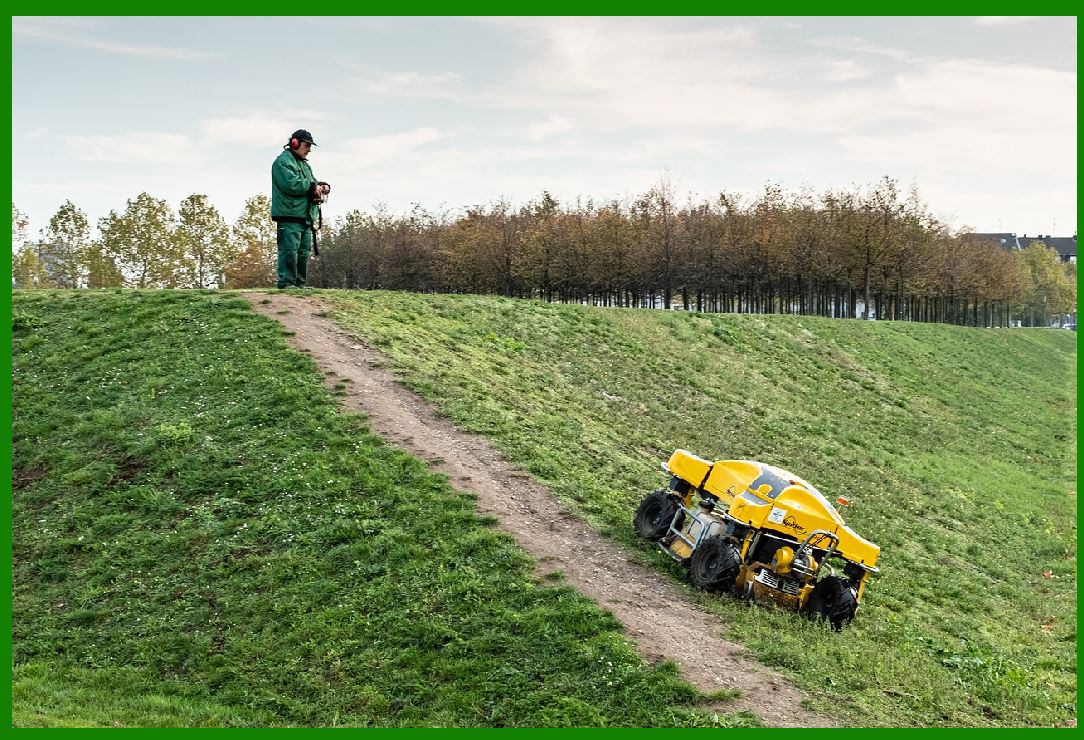
In the logistics and supply chain sectors, robots are expected to handle a growing volume of deliveries. Autonomous delivery robots and drones will be used to transport goods from warehouses to customers' doorsteps, reducing human labor and speeding up delivery times. These robots will be able to navigate urban environments, avoid obstacles, and follow efficient delivery routes autonomously, making last-mile delivery faster and more cost-effective. |
4.3 Customer Service Robots |
Customer service robots will become a common sight in industries like banking, hospitality, and retail. These robots will be able to answer questions, provide product information, guide users through processes, and even assist with transactions. By using AI and speech recognition, robots will deliver more efficient and personalized service, improving customer experience while reducing wait times and human labor costs. |
|
5. Improved Human-Robot Collaboration |
As robots become more integrated into human environments, their ability to collaborate with humans in a productive, intuitive, and safe manner will be essential. In workplaces, particularly, robots will increasingly work alongside humans, complementing their capabilities and improving overall productivity. |
5.1 Collaborative Robots (Cobots) |
Unlike traditional industrial robots that are often separated from humans due to safety concerns, cobots are designed to work in tandem with human workers. Cobots can be used in a variety of settings, from manufacturing plants to healthcare facilities. These robots are typically lightweight, versatile, and safe, and can perform tasks like lifting heavy objects, assembling components, or providing assistance with surgery. Over time, as AI and machine learning algorithms improve, cobots will become more autonomous, requiring less supervision while maintaining their ability to work alongside humans. |
5.2 Human-Robot Interaction and Safety |
For human-robot collaboration to be successful, robots must be able to interact with humans in a safe and intuitive manner. Future robots will be equipped with advanced sensors, cameras, and AI-driven behavior protocols to ensure that they can detect humans in their environment and avoid accidents. Furthermore, the development of soft robotics and advanced safety mechanisms will make interactions more seamless and less risky. |
5.3 Enhancing Workplace Efficiency |
In the workplace, robots will increasingly take over repetitive, physically demanding, or dangerous tasks, allowing human workers to focus on more complex and creative activities. For example, robots in warehouses could handle inventory management and order picking, while humans would focus on customer service, decision-making, and strategy. The collaboration between humans and robots will increase overall workplace efficiency and reduce human error, resulting in higher productivity. |

|
6. Ethical, Legal, and Social Implications |
As service and consumer robots become more integrated into society, ethical, legal, and social considerations will become increasingly important. Ensuring that robots are developed and used responsibly will be a key challenge in the coming years. |
6.1 Data Privacy and Security |
Robots that interact with people, especially in homes and healthcare settings, will collect vast amounts of personal data. This raises significant concerns about privacy and data security. Ensuring that these robots are designed with robust encryption and privacy protections will be essential to prevent unauthorized access and misuse of sensitive data. |
6.2 Job Displacement and Economic Impact |
The widespread adoption of robots in the service and consumer sectors has the potential to displace human workers, particularly in industries like retail, manufacturing, and customer service. While robots can create new job opportunities in tech, engineering, and maintenance, society must address the economic impact of automation and prepare workers for a changing job landscape. Retraining programs and new job creation strategies will be needed to ensure that workers are not left behind. |
6.3 Regulation and Accountability |
As robots take on more autonomous roles, there will be increased pressure to develop regulations that govern their use, particularly in fields like healthcare and transportation. Questions of accountability will arise when a robot malfunctions or causes harm. Who will be held responsible? The manufacturer, the programmer, or the operator? Establishing clear guidelines and accountability mechanisms will be critical for fostering trust and widespread adoption. |
|
7. Conclusion: A Future of Collaboration and Transformation |
The future of service and consumer robots is filled with opportunities and challenges. As technological advancements continue, robots will become more autonomous, intelligent, and integrated into our daily lives. The potential benefits-such as increased productivity, improved quality of life, and enhanced healthcare services-are immense, but these advancements must be approached thoughtfully and responsibly. |
The key to success lies in balancing innovation with ethical considerations, ensuring that robots serve to enhance human well-being while mitigating risks like job displacement and privacy violations. With the right frameworks in place, the future of service and consumer robots will undoubtedly transform industries, improve lives, and usher in a new era of human-robot collaboration. |
 cs@easiersoft.com