1. Introduction |
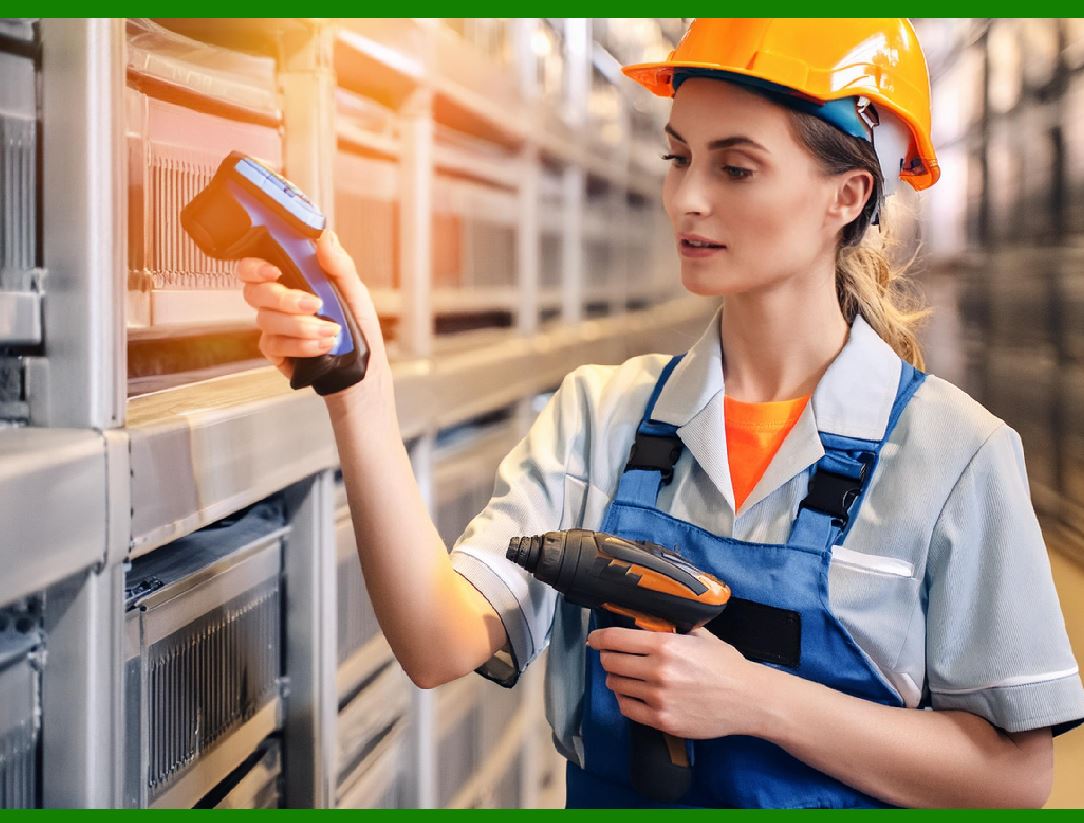
The integration of robotics and barcode scanning technology has revolutionized industries that rely heavily on logistics, manufacturing, and inventory management. The marriage of these two technologies offers a pathway to improving both speed and efficiency in a wide array of operational processes. Robotics, with its advanced mechanisms and automation, can handle tasks such as picking, transporting, and placing items at much faster rates than human workers. Coupled with barcode scanning, which provides real-time data updates and minimizes manual input, businesses can streamline operations and significantly reduce delays, errors, and inefficiencies that often plague manual systems. |
In this comprehensive analysis, we will explore how integrating robotics with barcode scanning technology leads to significant improvements in both speed and efficiency. We will delve into the mechanics of each technology, their synergistic benefits, and real-world applications across industries. Furthermore, we will examine how this integration transforms workflows, reduces operational costs, and ultimately contributes to a more productive and effective work environment. |
|
2. Overview of Robotics in Industrial Applications |
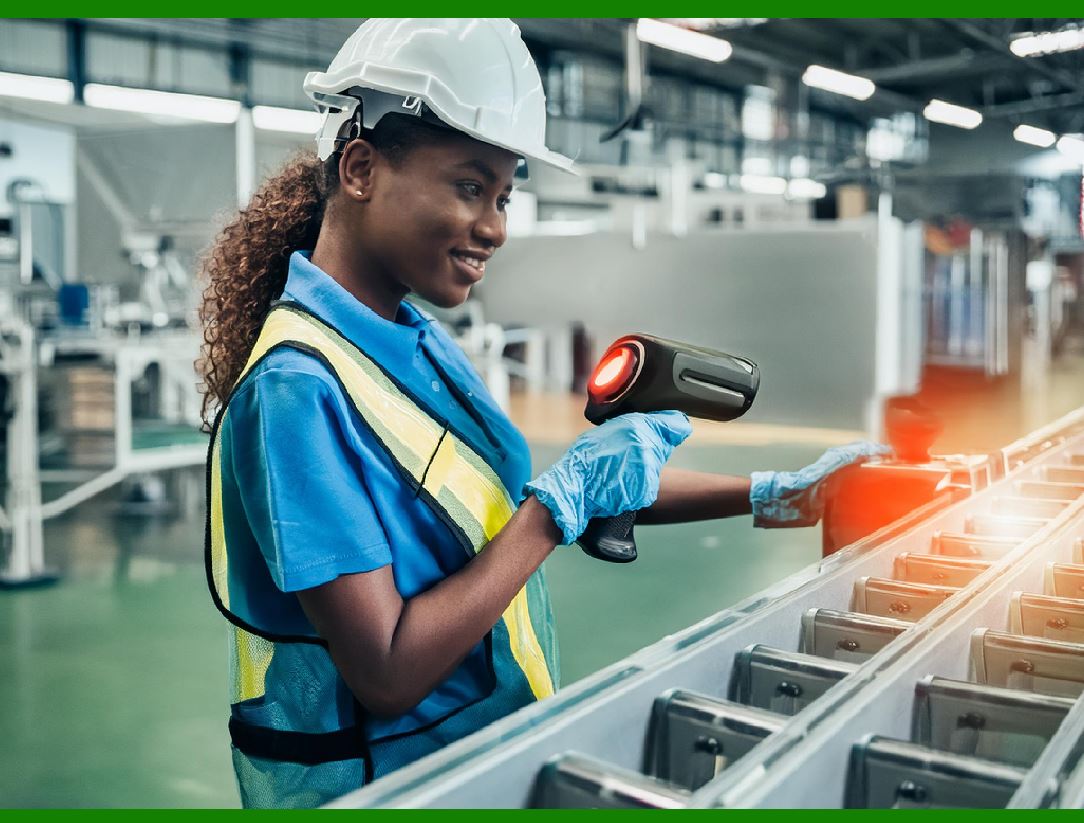
Before discussing the integration with barcode scanning, it is essential to understand the role of robotics in modern industrial settings. Robotics technology has evolved over the last few decades, enabling machines to perform a variety of complex tasks that were traditionally handled by human workers. Industrial robots, in particular, are designed to operate with a high degree of accuracy, consistency, and speed. These robots are commonly used in settings such as warehouses, assembly lines, and fulfillment centers. |
In a typical robotics setup, machines are programmed to perform repetitive tasks such as picking up objects, placing items on shelves, or even performing assembly work. These robots are often equipped with sensors, advanced motors, and computer vision systems that allow them to recognize objects, navigate through spaces, and handle products with precision. |
The speed at which robots operate is one of the most significant advantages of incorporating them into industrial workflows. They can work continuously without the need for breaks, and their actions are often faster and more precise than human workers. Additionally, the adaptability of robots allows them to perform various tasks without requiring significant reprogramming or downtime, making them versatile assets in dynamic and fast-paced environments. |
|
3. Barcode Scanning Technology: Fundamentals and Benefits |
Barcode scanning technology has become a cornerstone of modern inventory management, logistics, and supply chain operations. A barcode is a machine-readable representation of data that typically encodes information such as product identification, quantity, or location. Scanners, whether handheld or integrated into automated systems, read these barcodes and transmit the information to a central database or inventory management system. |
Barcode scanning provides several key benefits that enhance operational efficiency. First, it automates data entry, reducing the risk of human error. By scanning barcodes, businesses can quickly capture accurate information about products and their movement within a warehouse or across a supply chain. Second, it improves tracking and visibility. Each barcode can be linked to detailed information about the product, such as its origin, status, and destination, enabling real-time updates and monitoring. |
One of the most significant advantages of barcode scanning is its ability to speed up data collection processes. Instead of manually entering product details or updating inventory records, barcode scanners can quickly capture and transfer this data to a central system. This reduces the time spent on administrative tasks and helps to keep workflows moving smoothly. |

|
4. Synergistic Benefits of Robotics and Barcode Scanning Integration |
When robotics and barcode scanning technologies are integrated, their combined benefits can lead to exponential improvements in speed and efficiency. While each technology offers individual advantages, the fusion of robotics with barcode scanning results in a seamless, highly efficient system that optimizes various operational processes. |
4.1 Speed Enhancement |
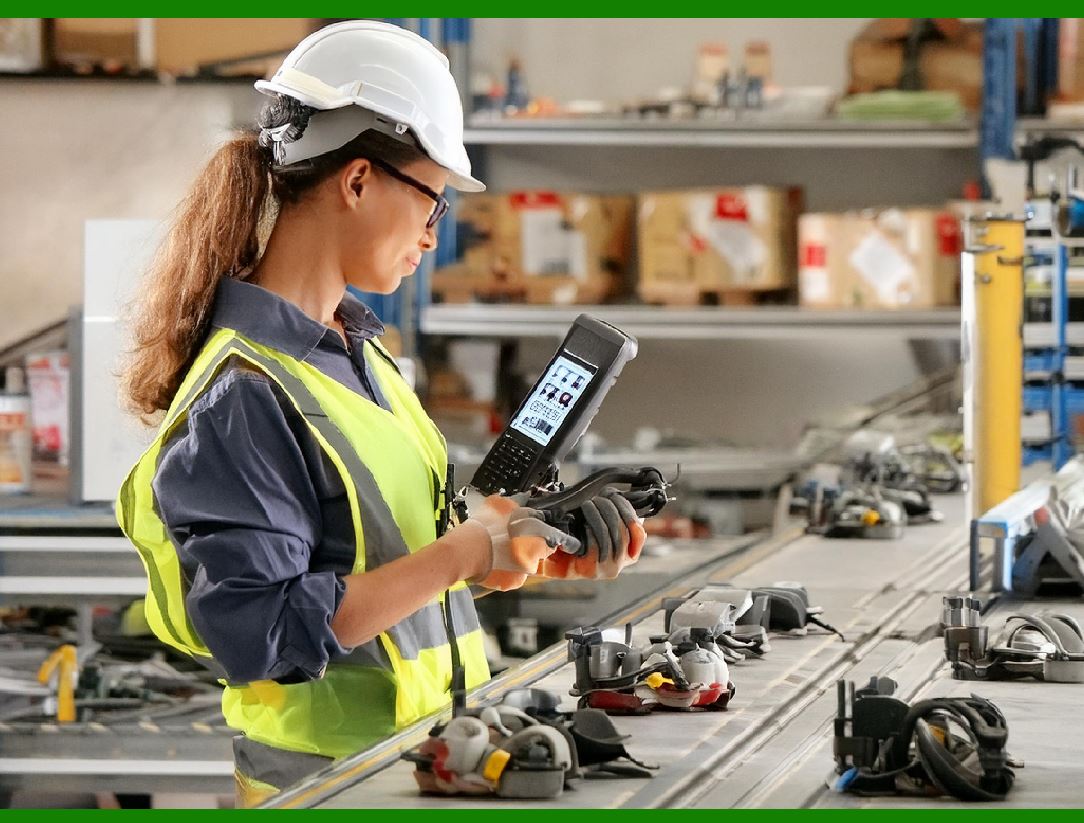
Robots are capable of working at much higher speeds than human workers, particularly when it comes to repetitive tasks like picking and placing items. When paired with barcode scanners, robots can scan items automatically as they handle them. This eliminates the need for human intervention, such as stopping to scan each item manually. The robot can move from one location to the next, scanning items along the way, and instantly transmitting the data to a central system. |
For example, in a warehouse setting, robots can pick up products from storage locations, scan the barcode to verify the item, and transport it to the next stage of the process-all within a matter of seconds. This eliminates bottlenecks caused by manual scanning and accelerates the entire workflow. Furthermore, robots can operate in continuous cycles, reducing the time spent on downtime or breaks, and increasing throughput. |
4.2 Error Reduction |
Human workers, despite their best efforts, are prone to errors in tasks such as manual data entry or scanning barcodes incorrectly. Barcode scanners, however, provide highly accurate readings of product information, and when robots are integrated into the scanning process, the likelihood of mistakes is further reduced. The data gathered from barcode scanning is instantly sent to the system, removing the need for manual data entry and reducing the risk of errors that can result from miscommunication or oversight. |
Additionally, robots can be programmed to follow precise workflows, ensuring that each task is completed with a high degree of consistency and accuracy. For example, robots can be programmed to scan items in a specific order, perform quality checks, or identify products with damaged barcodes, reducing the chances of missing or incorrect data. |
4.3 Real-Time Data Updates and Visibility |
With barcode scanning integrated into the robotics system, inventory and tracking data are updated in real-time. As robots move through a warehouse or fulfillment center, they scan the barcodes of items they pick up or transport, sending the updated information back to the central database instantly. This continuous flow of data enables managers and stakeholders to monitor the status of products and orders with minimal delay. |
Real-time data updates help improve inventory accuracy, reduce stockouts, and prevent overstocking. In addition, these updates provide visibility into the movement of products throughout the supply chain, allowing businesses to respond quickly to changes in demand, disruptions, or potential issues. |
4.4 Streamlining Workflows and Optimizing Processes |
The integration of robotics and barcode scanning allows for the automation of entire workflows, which can be particularly beneficial in environments with high transaction volumes. For example, in a fulfillment center, robots can pick and transport items from different parts of the warehouse based on incoming orders. As they do so, they can simultaneously scan barcodes to verify product details and update the inventory system. |
By automating these workflows, businesses can streamline operations, reduce the need for human intervention, and increase throughput. Moreover, robots can optimize processes by adjusting their movements based on real-time data. If a certain product is running low in a particular area of the warehouse, the system can automatically adjust robot routes to prioritize restocking or order fulfillment for that item. |
|
5. Enhancing Operational Efficiency Through Automation |
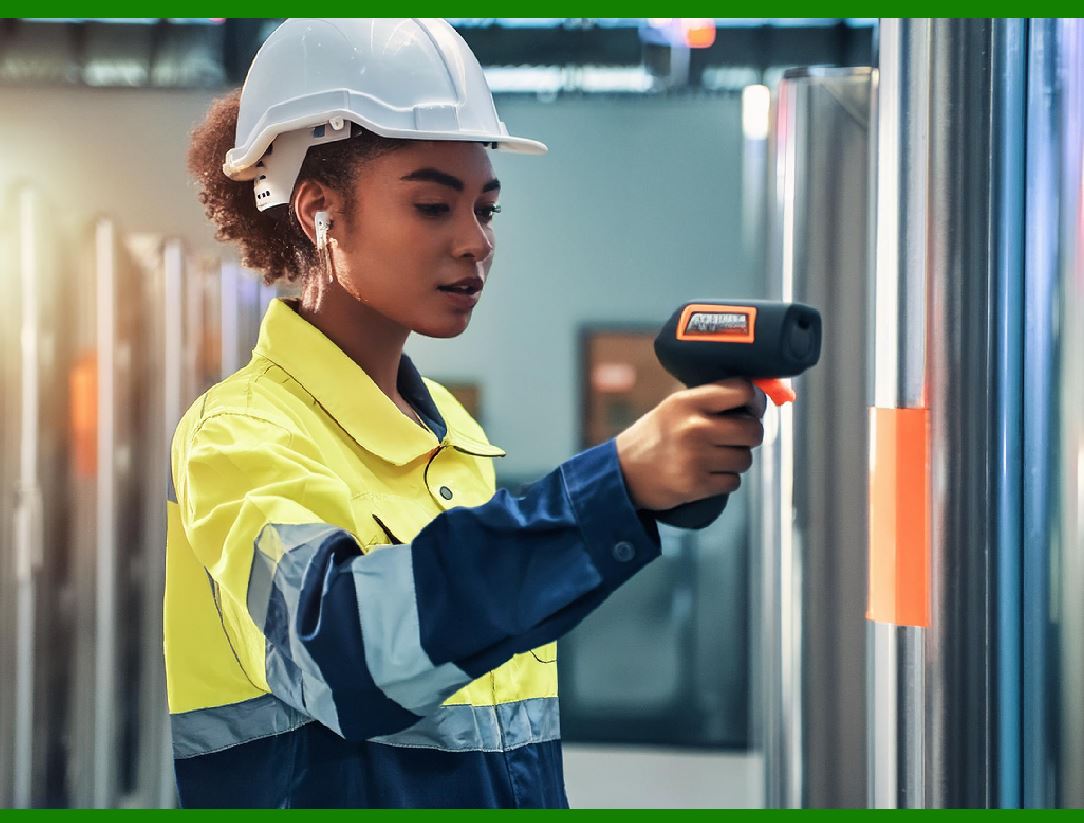
One of the most compelling reasons to integrate robotics with barcode scanning is the enhancement of operational efficiency. Automation, in general, offers significant benefits over manual processes. By automating repetitive and time-consuming tasks, businesses can free up human workers to focus on higher-value activities, such as decision-making, problem-solving, or customer service. |
Robots equipped with barcode scanners can handle tasks such as: |
Picking: Robots can be programmed to identify, retrieve, and deliver items from shelves based on barcode scans, reducing the need for human workers to walk long distances or manually pick products. |
Transporting: Once items are picked, robots can move them efficiently through the warehouse or factory floor, scanning barcodes along the way to ensure accurate tracking. |
Sorting and Placing: Robots can sort items based on predetermined criteria, such as size, weight, or destination, and place them in the correct location. Barcode scans can help verify the accuracy of sorting, ensuring that items are placed where they belong. |
Inventory Management: Robots can continually monitor inventory levels, scanning barcodes to update records and ensure that stock levels are accurate. This eliminates the need for manual stock counting and reduces errors in inventory records. |
By automating these functions, businesses can significantly reduce labor costs, increase throughput, and improve overall efficiency. Additionally, automation systems can be scaled quickly to meet growing demands, without the need to hire and train additional workers. |
|
6. Case Studies: Real-World Applications |
Numerous companies have already adopted the integration of robotics and barcode scanning technology to improve their operations. Some prominent examples include: |
6.1 Amazon Robotics and Kiva Systems |
Amazon is one of the most well-known adopters of robotics in its fulfillment centers. The company acquired Kiva Systems, a robotics firm that developed automated guided vehicles (AGVs), which work in tandem with barcode scanning systems. These robots are used to pick, transport, and place items within Amazon's fulfillment centers. |
The robots use barcode scanning to identify products and ensure that the correct items are picked for orders. By automating the picking and transportation processes, Amazon has been able to significantly reduce the time it takes to fulfill orders, increase the speed at which packages are processed, and enhance overall efficiency. Barcode scanning ensures accurate order fulfillment by automatically verifying product details, reducing the risk of human error. |
6.2 Walmart's Automated Stores and Distribution Centers |
Walmart has also integrated robotics with barcode scanning technology in its distribution centers and some of its stores. In these environments, robots are used to assist with restocking shelves, picking items for online orders, and managing inventory. Barcode scanning plays a critical role in ensuring that robots can accurately identify and track products, while also updating inventory systems in real-time. |
By leveraging robotics and barcode scanning, Walmart has been able to optimize its inventory management processes, reduce human labor costs, and increase the speed at which it can fulfill orders. This integration has allowed the company to improve customer satisfaction by reducing the time it takes to process and ship orders. |
|
7. Conclusion |
The integration of robotics with barcode scanning technology is a game-changer for industries involved in logistics, manufacturing, and inventory management. By combining the speed and precision of robots with the real-time data capture capabilities of barcode scanning, businesses can improve operational efficiency, reduce errors, and accelerate workflows. |
Robots can perform repetitive tasks at speeds far beyond human capabilities, while barcode scanning ensures accurate tracking and data collection. Together, these technologies streamline processes, reduce costs, and allow businesses to operate with a higher level of efficiency. As more companies adopt this integrated approach, the benefits will continue to grow, ultimately leading to more streamlined operations and a more productive workforce. |

|
6. Case Studies: Real-World Applications of Robotics and Barcode Scanning Integration |
The integration of robotics and barcode scanning has already made a significant impact across industries such as logistics, manufacturing, retail, and healthcare. Below are some notable case studies showcasing how this integration has led to substantial improvements in speed, efficiency, and operational effectiveness. |
6.1 Amazon Robotics and Kiva Systems |
Industry: E-commerce and Logistics |
Technology Integration: Robotics (Automated Guided Vehicles) + Barcode Scanning |
Objective: Improve warehouse operations, reduce order fulfillment times, and increase overall efficiency. |
Outcome: Increased speed and accuracy in order picking and fulfillment, optimized warehouse management. |
Overview: Amazon is a pioneer in the use of robotics to streamline its fulfillment operations. The company's acquisition of Kiva Systems (now known as Amazon Robotics) in 2012 helped transform its warehousing and distribution strategies. At the heart of Amazon's fulfillment process is the use of Automated Guided Vehicles (AGVs)-small, mobile robots equipped with advanced sensors, cameras, and barcode scanners. |
These robots are deployed to assist in the picking process by transporting shelves of products (known as pods) directly to human workers. Rather than having human workers walk long distances across the warehouse to locate items, the robots move around the warehouse to bring items directly to workers. As the robots approach a pod, they scan the barcodes on the shelves to verify which items are being picked and ensure that the correct items are delivered to the right location. |
Key Benefits: |
Faster Picking and Sorting: By reducing the need for workers to walk long distances, Amazon Robotics significantly increases the speed at which items are picked, sorted, and packed for shipment. |
Barcode Scanning Accuracy: The robots scan barcodes to identify and confirm each item in real-time, ensuring inventory accuracy and reducing the likelihood of human error. |
Improved Inventory Management: Real-time updates from barcode scans allow Amazon to monitor inventory levels at all times, making it easier to restock shelves and manage orders efficiently. |
Increased Throughput: By automating many of the repetitive tasks in the fulfillment process, Amazon can handle millions of items in its warehouses more efficiently than ever before. |
Results: Amazon's use of robotics and barcode scanning has led to a dramatic reduction in order fulfillment times. The automation systems can pick and transport products within seconds, which has improved overall efficiency and customer satisfaction. As a result, Amazon can ship products faster and maintain low operating costs, even as its volume of orders continues to rise. |
|
6.2 Walmart's Automated Distribution Centers |
Industry: Retail and Logistics |
Technology Integration: Robotics (Automated Guided Vehicles) + Barcode Scanning + Warehouse Management Systems (WMS) |
Objective: Improve distribution center efficiency, reduce labor costs, and enhance inventory management. |
Outcome: Increased inventory accuracy, faster order processing, and reduced operational costs. |
Overview: Walmart, one of the world's largest retailers, has implemented robotics in several of its distribution centers to automate the picking, sorting, and transportation of goods. These robots are integrated with a comprehensive warehouse management system (WMS) and utilize barcode scanning to ensure accuracy at every stage of the process. |
At Walmart's automated distribution centers, robots are used to handle tasks such as retrieving pallets, moving products to sorting areas, and even sorting products for shipment. Each item or pallet in the warehouse is tagged with a barcode, and the robots scan these barcodes as they move items across the facility. This enables real-time tracking of products and seamless coordination between robots and human workers. |
Walmart has also adopted robotic arms for palletizing products, which work alongside the AGVs to automate the storage and retrieval of products. Barcode scanners on these robots read the barcodes on products to ensure that the correct item is picked and placed in the appropriate location. |
Key Benefits: |
Labor Cost Reduction: The automation of manual tasks such as picking, sorting, and transporting products has allowed Walmart to reduce its reliance on manual labor, resulting in significant labor cost savings. |
Improved Inventory Management: Real-time barcode scanning ensures accurate inventory tracking and helps prevent overstocking or stockouts. The system automatically updates the central database as products are moved throughout the warehouse. |
Faster Order Fulfillment: With robots handling repetitive tasks and barcode scanning enabling real-time data updates, Walmart has been able to streamline its order fulfillment process and reduce the time it takes to process orders. |
Scalability: The robotic systems in Walmart's distribution centers can scale to meet growing demand without requiring significant manual intervention. |
Results: By integrating robotics with barcode scanning technology, Walmart has achieved greater operational efficiency in its distribution centers. The automation of manual tasks has reduced the time needed to process orders and the labor costs associated with warehouse operations. Additionally, the use of barcode scanning has improved inventory accuracy, helping Walmart meet customer demand more effectively. |
|
6.3 Ocado: The Grocery Fulfillment Giant |
Industry: Grocery Retail and E-Commerce |
Technology Integration: Robotics (Automated Picking Systems) + Barcode Scanning + Machine Learning |
Objective: Achieve fast, accurate order fulfillment and optimize grocery picking processes. |
Outcome: Enhanced operational efficiency, reduced errors, and increased capacity for online orders. |
Overview: Ocado, a UK-based online grocery retailer, is known for its highly automated fulfillment centers that rely on an integration of robotics and barcode scanning to manage vast inventories and fulfill customer orders. Ocado's system includes a mix of automated robots, AGVs, and automated picking systems, all of which are integrated with barcode scanning to ensure accurate product handling and real-time data updates. |
Ocado's fulfillment centers are equipped with grid-based robot systems, where robots move across a large grid-like system to retrieve products from shelves. Each product is tagged with a barcode, and as the robot picks up an item, it scans the barcode to confirm the product and communicate with Ocado's central database to update stock levels and order details. |
Key Benefits: |
Efficient Order Picking: Ocado's automated robots can pick up to 50,000 orders per week, ensuring that customers receive their groceries faster and with greater accuracy. The barcode scanning system ensures that each item is accurately identified and logged as it is picked. |
Reduced Error Rates: The combination of robots and barcode scanners significantly reduces the likelihood of errors in order picking. Since the robots can verify each item via barcode scans, there is a high degree of accuracy in the fulfillment process. |
Optimized Inventory Management: Barcode scanning allows Ocado to track every item in real-time, making it easier to manage stock levels, predict demand, and reduce waste (especially in perishable goods). |
Enhanced Customer Experience: Faster order fulfillment and fewer mistakes in deliveries have helped Ocado maintain high customer satisfaction levels. The use of robotics and barcode scanning helps ensure that the right items are delivered to customers quickly and accurately. |
Results: Ocado has been able to dramatically increase the speed and efficiency of its order fulfillment processes. The robots, combined with barcode scanning, have enabled the company to handle large volumes of orders with minimal errors. This integration has allowed Ocado to meet the growing demand for online grocery shopping, particularly as e-commerce has surged in popularity. |
|
6.4 DHL's Robotics-Enabled Warehouses |
Industry: Logistics and Supply Chain |
Technology Integration: Robotics (Automated Guided Vehicles) + Barcode Scanning + Warehouse Management Software |
Objective: Enhance warehouse automation, improve speed, and reduce operational costs. |
Outcome: Increased throughput, reduced order processing time, and improved inventory accuracy. |
Overview: DHL, a global leader in logistics and supply chain management, has adopted robotics and barcode scanning technologies to optimize its warehouse operations. DHL's automated warehouses rely on Automated Guided Vehicles (AGVs) to transport goods and robotic arms to pick and sort items. In these facilities, barcode scanning plays a crucial role in ensuring that every item is correctly identified and tracked throughout the process. |
The robots are equipped with barcode scanners that can read product information as they move goods through the warehouse. Barcode scanning ensures that the correct products are picked and sent to the right destination, while the real-time data captured by the scanners helps to update inventory records instantly. |
Key Benefits: |
Speed and Efficiency: The integration of robots with barcode scanning has drastically increased the speed at which goods are picked, sorted, and transported in DHL's warehouses. This has improved throughput and reduced order processing time. |
Reduced Labor Costs: By automating routine tasks, DHL has reduced its dependency on manual labor, lowering operational costs. Robots can work around the clock, and barcode scanning ensures that each item is handled with precision. |
Improved Inventory Accuracy: The barcode scanning system allows for continuous updates to the central database, which improves inventory management. Real-time updates make it easier to track product movement and maintain accurate stock levels. |
Scalability and Flexibility: The robotics systems are highly scalable, allowing DHL to expand its automation efforts in line with increased demand. The flexibility of the robots also enables them to adapt to changing warehouse configurations and requirements. |
Results: DHL has achieved significant improvements in operational efficiency, particularly in terms of throughput and order processing time. By integrating robotics with barcode scanning, DHL has been able to lower costs, reduce errors, and maintain a higher level of inventory accuracy. This integration has been a key enabler in improving the company's supply chain operations. |
|
7. Conclusion |
These case studies demonstrate how the integration of robotics with barcode scanning technology is transforming industries by improving speed, accuracy, and efficiency in logistics, retail, and manufacturing operations. Companies like Amazon, Walmart, Ocado, and DHL are leading the charge in utilizing these technologies to enhance their operational capabilities, reduce costs, and deliver better service to their customers. |
By automating key processes such as picking, sorting, and transporting products, and coupling these processes with barcode scanning for real-time tracking and data accuracy, businesses can optimize their workflows, reduce human error, and improve overall performance. The future of industrial automation is likely to see even more widespread adoption of robotics and barcode scanning, as these technologies continue to evolve and offer even greater benefits. |
 cs@easiersoft.com