Industrial Robot Arm: End-Effector |
Industrial robotic arms have revolutionized manufacturing and automation by providing high precision, speed, and the ability to perform repetitive tasks with minimal human intervention. At the core of their effectiveness is the end-effector, the tool or device at the tip of the robot arm that interacts directly with the environment. The end-effector is a critical component because it is responsible for executing specific tasks, such as picking, placing, welding, painting, or assembling parts. The design of the end-effector depends on the nature of the task, the objects involved, and the environment in which the robot operates. |
This comprehensive exploration of the industrial robot arm's end-effector will cover its types, functions, design considerations, technologies, and the role it plays in robotic systems. The content will be divided into major sections to offer a detailed understanding of how end-effectors function in various industrial applications. |

|
1. Introduction to End-Effector |
The term 'end-effector' refers to the device or tool located at the end of a robotic arm that interacts with objects in its environment. The end-effector's primary role is to execute a task, such as gripping, manipulating, welding, or measuring, depending on the needs of the application. In industrial settings, the design of the end-effector is tailored to the specific task, which ensures that the robot arm performs its job accurately and efficiently. |
Robotic arms are usually equipped with a series of joints or links that allow for a high degree of flexibility in movement. The end-effector is mounted at the end of the robot's last link, or 'wrist,' and can be easily swapped or adjusted to accommodate different tasks. As the end-effector interacts with the workspace, it is influenced by the robot's control systems, which calculate the necessary motions and forces required to perform its designated operation. |
The end-effector serves as the bridge between the robot's mechanical systems and the physical environment. Its versatility in design is one of the reasons industrial robotic arms are so widely used across a variety of sectors, from automotive assembly to electronics manufacturing. |

|
2. Types of End-Effectors |
End-effectors can be broadly categorized based on the type of tasks they perform. These categories include grippers, tools, and special-purpose devices. Below are some of the most common types of end-effectors used in industrial robotics: |
2.1 Grippers |
Grippers are one of the most commonly used types of end-effectors in robotic arms. They are used to pick up, hold, and manipulate objects. Grippers can be further classified based on their design and operation: |
Mechanical Grippers: These grippers use mechanical means, such as fingers or jaws, to grasp objects. The fingers can be pneumatic, hydraulic, or electric, and they are typically designed to open and close to grip an object. Mechanical grippers are often used in applications where objects have regular shapes and the gripping force needs to be controllable. |
Vacuum Grippers: These end-effectors use suction to pick up objects. Vacuum grippers are particularly useful for handling flat, non-porous materials like glass, metal, or plastic sheets. The suction is generated by a vacuum pump or a venturi nozzle, creating a differential pressure between the surface and the vacuum cup, thus enabling the robot to hold the object. |
Magnetic Grippers: Used primarily for handling ferrous materials, magnetic grippers use either permanent magnets or electromagnets to pick up and hold objects. They are commonly used in applications where the object being handled is metal and needs to be moved quickly and safely. |
Soft Grippers: These grippers are made from flexible, often deformable materials, and they adapt to the shape of the object being gripped. Soft grippers are beneficial in tasks that require gentle handling of fragile or irregularly shaped objects, such as in food processing or medical device assembly. |

|
2.2 Welding and Cutting Tools |
For tasks such as welding or cutting, specialized tools are mounted on the robot arm's end-effector. These tools are designed to execute precise operations that require consistency and accuracy. |
Welding Torches: These end-effectors are used in robotic welding operations. They typically consist of a welding gun or torch, which feeds filler material into the welding joint. In some configurations, the torch may be equipped with sensors to monitor the quality of the weld, ensuring that it meets the necessary standards. Robotic arms equipped with welding torches are common in industries like automotive manufacturing, where high-speed, precise welding is required. |
Plasma Cutters: Similar to welding torches, plasma cutters are used for cutting metals. The end-effector uses a high-temperature ionized gas to cut through various materials, typically metals. Plasma cutters are essential in industries such as sheet metal fabrication and shipbuilding. |
|
2.3 Paint and Coating Tools |
In applications where painting or coating is necessary, specialized end-effectors are used to apply consistent coatings to surfaces. These tools often use advanced control systems to regulate the flow of paint or coating material and the robot's movement to ensure uniform application. |
Spray Guns: Robotic spray guns are designed to apply paint or other coatings evenly across a surface. These guns are often equipped with air-assisted spray nozzles and can be automated to handle complex painting tasks, such as those required in the automotive industry. Paint robots ensure high precision in coating thickness, reducing waste and improving consistency. |
Brush Tools: In some scenarios, robotic arms are equipped with brushing or polishing tools, especially in industries where a smooth, refined surface is necessary. These tools are used in applications like cleaning, buffing, or polishing surfaces, ensuring that the final product meets desired quality standards. |
|
2.4 Inspection and Measurement Tools |
Robotic arms are also equipped with end-effectors designed to inspect or measure objects within a manufacturing process. These end-effectors may include vision systems, laser scanners, or probes that can detect small defects or measure dimensional accuracy. |
Vision Systems: Some robots are equipped with high-resolution cameras and sensors, turning the robot arm into a sophisticated inspection tool. These vision systems can inspect a wide variety of products, from ensuring the correct assembly of components to checking for defects in the surface finish of parts. |
Laser Scanners and Probes: Laser-based measuring devices, such as laser triangulation sensors, can be used to capture the 3D geometry of an object. These devices are commonly employed in quality control processes, where the precision of an object's shape or size is critical. |

|
2.5 Specialized End-Effectors |
In addition to the common types of end-effectors listed above, there are several other specialized tools designed for specific tasks. These include: |
Screwdrivers: For automated screwdriving, robots can be equipped with end-effectors designed to drive screws into parts. This is commonly used in the assembly of electronic devices and automobiles. |
Cutting and Shearing Tools: Robotic arms can be outfitted with cutting tools, such as rotary cutters, for tasks that require precision cutting or shearing of materials. |
Extruders: For additive manufacturing processes, robotic arms can be equipped with extruding tools that lay down material in layers, much like a 3D printer. |

|
3. Design Considerations for End-Effectors |
The design of an end-effector is crucial to ensuring that a robot can perform its assigned task efficiently and effectively. Several factors must be taken into account when designing or selecting an end-effector, including: |
3.1 Task Specificity |
One of the most critical factors in selecting an end-effector is the nature of the task at hand. For instance, tasks that require high precision, such as micro-assembly or soldering, may necessitate highly specialized end-effectors. On the other hand, tasks like moving heavy materials may require grippers capable of exerting substantial force. |
3.2 Payload Capacity |
Each robotic arm has a specific payload capacity, which refers to the maximum weight that the arm can carry, including the end-effector. The design of the end-effector should ensure that it does not exceed this payload capacity, as doing so could lead to system failure or instability. |
3.3 Compatibility with the Robot |
End-effectors must be compatible with the robot's interface, typically via a tool flange or wrist connection. Standardization of these interfaces allows for easy swapping of end-effectors between different robots and applications. |
3.4 Material Selection |
The materials used in the construction of the end-effector must be chosen based on the specific task, as well as the environment. For example, grippers may be made of durable metals, while soft grippers may use rubber or silicone materials. The choice of material is also influenced by factors such as weight, strength, wear resistance, and environmental conditions (e.g., temperature, humidity, or exposure to chemicals). |
3.5 Sensory Integration |
Advanced end-effectors often integrate sensors to provide feedback to the robot control system. These sensors can measure variables such as force, torque, pressure, and temperature. This feedback allows the robot to adjust its actions in real-time, ensuring the task is performed with optimal precision and safety. |
3.6 Flexibility and Adjustability |
Some end-effectors need to be highly flexible to accommodate different object sizes, shapes, or tasks. This flexibility can be achieved through adjustable components, such as articulated fingers, extensible suction cups, or changeable tips. |

|
4. Technologies in End-Effector Development |
With advancements in technology, end-effectors have become increasingly sophisticated. Several cutting-edge technologies are being employed to improve the functionality, adaptability, and intelligence of these tools. |
4.1 Artificial Intelligence (AI) and Machine Learning |
AI and machine learning algorithms are being integrated into robotic systems to enhance the capabilities of end-effectors. These algorithms enable robots to learn from experience and improve their task execution over time. For example, AI can help a robot arm adapt to changes in the environment or adjust the force required to handle delicate objects. |
4.2 Haptic Feedback |
In some applications, robots are equipped with haptic feedback systems that provide sensory information to the user or the robot. This technology is essential for tasks that require a high degree of tactile sensitivity, such as surgical robots or robots used for precision assembly. |
4.3 Autonomous Gripping Systems |
Autonomous gripping systems use advanced algorithms and sensors to automatically adjust the grip based on the object's shape, weight, and surface characteristics. These systems are becoming more common in applications where robots are tasked with handling a wide variety of objects. |
4.4 3D Vision and Sensing |
3D vision systems, including stereo cameras and LiDAR sensors, are becoming standard for advanced end-effectors. These systems provide the robot with a 3D map of its environment, allowing it to make more informed decisions regarding object handling, placement, and interaction. |

|
5. Applications of End-Effectors in Industry |
End-effectors play a crucial role in several industries, contributing to automation and efficiency in manufacturing processes. Below are some examples of industries where end-effectors are widely used: |
5.1 Automotive Industry |
In the automotive industry, robotic arms with specialized end-effectors are used for tasks such as assembly, welding, painting, and parts inspection. Welding torches and grippers are commonly used in assembly lines, while vacuum cups are employed to handle large, flat surfaces like car body panels. |
5.2 Electronics Manufacturing |
Robots equipped with soft grippers or vacuum cups are commonly used in electronics assembly, where components like circuit boards need to be assembled with precision. Vision systems integrated into end-effectors help ensure quality control by inspecting solder joints and component placements. |
5.3 Food Processing |
In the food industry, soft grippers and suction cups are used to handle delicate items like fruits, vegetables, or baked goods. These end-effectors ensure that food items are not damaged during handling, packaging, and sorting. |
5.4 Aerospace |
End-effectors are essential in aerospace manufacturing, where precision is critical. Specialized tools are used for drilling, riveting, and assembly of components like fuselages and wings. Robots equipped with advanced vision and inspection tools ensure that aerospace parts meet stringent quality standards. |
5.5 Pharmaceuticals and Medical Devices |
In the pharmaceutical industry, robotic arms equipped with specialized end-effectors are used for tasks such as packaging, sorting, and inspection of products. Similarly, in medical device manufacturing, robotic arms help assemble complex devices with high precision, ensuring they meet regulatory standards. |

|
6. Conclusion |
The end-effector is the interface through which an industrial robot interacts with the physical world. Its design and functionality are essential to the success of the robot in any given application. Whether it is a gripper, a welding tool, a suction cup, or a specialized sensor, the end-effector must be carefully tailored to the specific task it is designed to perform. By considering factors like task specificity, material properties, and technology integration, engineers can create end-effectors that significantly enhance the capabilities of robotic systems. As robotic technology continues to evolve, the development of advanced end-effectors will likely expand the range of tasks robots can perform, leading to even greater automation across industries. |

|
Emerging Technologies in End-Effector Design for Industrial Robots |
The future of end-effectors in industrial robots is set to evolve with advancements in several key technologies. As robots become more capable, adaptive, and intelligent, the end-effectors they use will also need to become more sophisticated. Below are several emerging technologies that are expected to play a pivotal role in shaping the future of end-effectors: |
1. Soft Robotics and Flexible End-Effectors |
Soft robotics has garnered considerable attention in recent years due to its ability to handle delicate and irregularly shaped objects without causing damage. Soft end-effectors, often made from flexible, elastomeric materials, are designed to mimic the natural flexibility of biological organisms. These soft grippers and tools have applications in industries that require precision handling of fragile or irregularly shaped objects, such as food processing, medical device assembly, and electronics. |
Future Trends: Soft robotics technology is expected to evolve with more advanced materials such as self-healing polymers, which can recover from damage, and compliant actuators that enable greater dexterity. Future soft grippers may feature adaptive structures that can change shape based on the object they are handling, reducing the need for specific tooling for each object. |
Impact: These innovations will enable robots to perform tasks that were once considered too intricate or delicate for machines, such as handling fresh produce or delicate glass products. Additionally, the integration of soft robotics into medical applications, such as minimally invasive surgery, could transform healthcare by providing robots that can safely interact with human tissues. |

|
2. Artificial Intelligence (AI) and Machine Learning Integration |
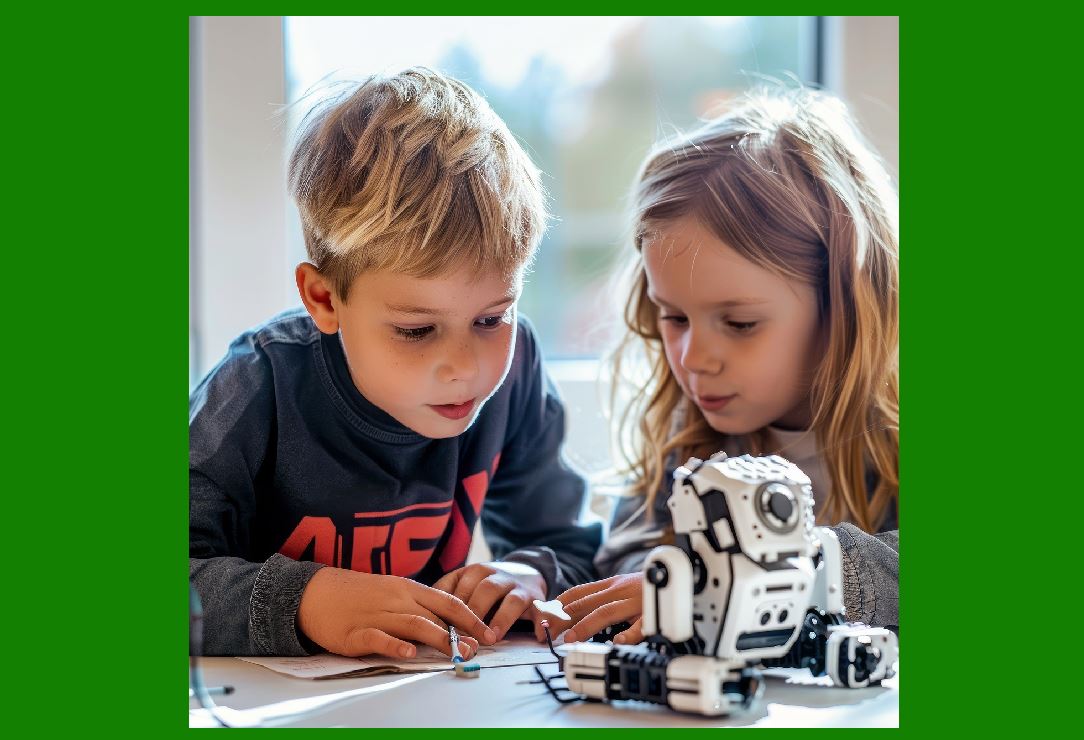
Artificial intelligence (AI) and machine learning (ML) are poised to revolutionize the design and operation of industrial robot end-effectors. AI-driven end-effectors will be able to learn from their environment and adapt to changes in the objects they interact with. |
Future Trends: With the integration of AI, end-effectors will be able to automatically adjust their behavior based on feedback and sensor data. Reinforcement learning algorithms could allow the end-effector to optimize its grip strength or positioning for different objects in real-time, making it more flexible and efficient. |
Impact: AI-powered end-effectors will be able to perform a wider range of tasks with minimal human intervention. For instance, they could learn to handle a variety of objects without requiring custom-designed grippers or tooling. In the automotive industry, robots could be trained to assemble various components even if the design or geometry of those parts changes frequently. |
|
3. Sensor-Integrated End-Effectors |
As robots become more intelligent, the integration of sensors into the end-effector will play a critical role in enhancing task accuracy, safety, and adaptability. End-effectors will increasingly be equipped with a variety of sensors to provide real-time feedback on the objects being handled. |
Future Trends: The future of sensor-integrated end-effectors will see multi-modal sensing systems that combine pressure sensors, force sensors, accelerometers, temperature sensors, and visual systems. These sensors will work together to give the robot detailed information about the object, including its size, shape, surface texture, and fragility. Additionally, sensors will enable the end-effector to adjust its grip in real-time to optimize handling. |
Impact: Enhanced sensory feedback will increase the precision of tasks such as quality control, assembly, and material handling. Robots will be able to detect micro-defects in components or adjust their movement to avoid damaging sensitive materials, increasing efficiency and reducing waste in manufacturing processes. |

|
4. Collaborative Robots (Cobots) with Advanced End-Effectors |
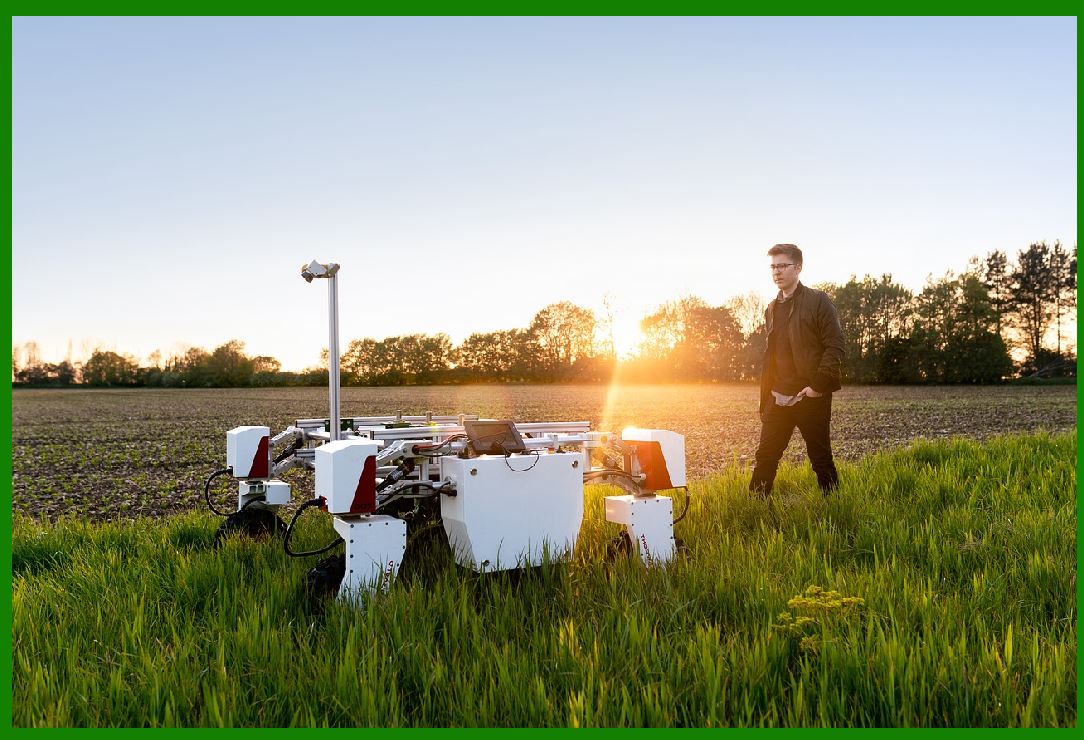
Collaborative robots, or cobots, are designed to work alongside human operators in a shared workspace. These robots are becoming increasingly popular in industries such as electronics, consumer goods, and healthcare. For cobots to be effective in human-robot collaboration, their end-effectors must be designed with additional safety and flexibility in mind. |
Future Trends: Future cobots will feature advanced soft grippers, which are inherently safe for interaction with humans, and force and torque sensors to ensure that the robot's movements are gentle and controlled. Additionally, end-effectors will be equipped with AI-driven vision systems that allow them to visually assess the objects they are handling, making it easier to adjust tasks when working with humans in a dynamic environment. |
Impact: The adoption of advanced cobots will significantly enhance automation in environments where direct human supervision is needed, such as in small-scale assembly lines, packaging, and food processing. Cobots with intelligent end-effectors will ensure that human workers are not put at risk while simultaneously enhancing the efficiency of operations. |
|
5. 3D Printing and Additive Manufacturing for End-Effector Customization |
The rise of additive manufacturing (3D printing) has already had a transformative effect on robot end-effector design. By allowing for the rapid prototyping and production of complex geometries, 3D printing enables manufacturers to create customized end-effectors on demand. |
Future Trends: 3D printing technologies will enable even more customized and specialized end-effectors, including those made from multi-materials that combine rigid structures with flexible elements. Robots could print and change their end-effectors on-site based on the specific needs of each task. |
Impact: The ability to quickly design and manufacture end-effectors tailored to specific tasks will increase the versatility of robotic systems. It will allow manufacturers to rapidly adapt to changes in production demands or product designs, without the need for a long development cycle. For example, a robot could print a specialized gripper for a one-time task and then reprint a different end-effector for a new application, making manufacturing processes more agile and cost-effective. |
|
6. Multi-Functional End-Effectors with Modular Capabilities |
Modular and multi-functional end-effectors are another major trend on the horizon. Instead of having a robot arm dedicated to a single function, future systems may employ modular end-effectors that can easily be reconfigured for different tasks. |
Future Trends: End-effectors may be designed with swappable components, allowing manufacturers to swap out one tool for another, similar to how a human might use different tools for different tasks. These multi-functional end-effectors could also feature integrated actuators and sensors, enabling them to perform a variety of functions, from gripping to measuring, inspecting, and even packaging. |
Impact: The use of modular end-effectors will greatly improve the flexibility and scalability of robotic systems. It will allow robots to handle a wider variety of tasks in a single work cycle, without requiring significant downtime for retooling. This is particularly valuable in environments with fluctuating production needs or low-volume, high-mix manufacturing. |

|
7. Robotic End-Effectors Powered by Artificial Muscles |
Artificial muscles are a type of actuator technology that mimics the natural movements and forces of human muscles. These actuators can expand, contract, and twist, offering more nuanced control and flexibility compared to traditional rigid actuators. |
Future Trends: Artificial muscle technology, using materials like dielectric elastomers, shape-memory alloys, or pneumatic actuators, will enable robots to perform more dexterous and adaptive movements. For example, an end-effector powered by artificial muscles could conform to the shape of the object it is handling, improving both the grip and the precision of movements. |
Impact: Artificial muscles will significantly enhance the dexterity and flexibility of end-effectors, allowing them to handle tasks that require a high degree of finesse, such as assembling fine electronics, conducting medical procedures, or handling fragile materials. In industries like healthcare, this technology could enable robots to perform minimally invasive surgery with highly controlled movements. |

|
8. Energy-Efficient End-Effectors |
Energy consumption is an ongoing challenge in industrial robotics, particularly in environments where robots operate continuously. As the demand for more sustainable and energy-efficient systems grows, there will be an increased focus on developing end-effectors that require less power. |
Future Trends: Researchers are working on creating low-power actuators and energy-efficient sensors for end-effectors. New technologies such as piezoelectric actuators (which convert mechanical energy into electrical energy) and energy-harvesting mechanisms could reduce the overall power consumption of robotic systems. Additionally, lightweight materials will be used to reduce the energy required to move and manipulate objects. |
Impact: Energy-efficient end-effectors will reduce the operational costs of robotic systems, making them more attractive for small and medium-sized enterprises (SMEs) that want to automate their production processes. Moreover, energy savings will contribute to more sustainable manufacturing practices, in line with global efforts to reduce industrial energy consumption. |

|
9. Quantum Technologies and Sensing for Precision |
Quantum technologies, particularly quantum sensors, are an emerging area of research with potential applications in industrial robotics. Quantum sensors are capable of providing extremely precise measurements, far beyond the capabilities of conventional sensors. |
Future Trends: In the future, end-effectors could be equipped with quantum-based sensors that provide unprecedented levels of precision for tasks such as micro-assembly or nanotechnology. These sensors will enable robots to interact with objects on the scale of atoms or molecules, making them highly valuable in industries like semiconductor manufacturing, pharmaceuticals, and precision engineering. |
Impact: The integration of quantum sensors could enable robotic systems to perform highly precise and accurate tasks, improving manufacturing processes for cutting-edge technologies such as quantum computers, advanced electronics, and medical devices. |
|
Conclusion |
The future of end-effectors in industrial robotics will be shaped by innovations in materials, AI, sensory technology, and modularity. As robots become more adaptive, intelligent, and capable, end-effectors will need to evolve to meet the demands of increasingly complex tasks. The integration of soft robotics, AI, multi-functional tools, energy-efficient actuators, and even quantum sensors will enable robots to handle a wider range of tasks with greater efficiency, flexibility, and precision. This technological evolution will make robots more capable of working in diverse industries, from automotive and electronics to healthcare and food processing, ultimately paving the way for a new era of automation. |
 cs@easiersoft.com