Industrial Robot: Central Processing Unit (CPU) |
1.Introduction |
The Central Processing Unit (CPU) in an industrial robot is the brain of the robot's controller. It is a vital component that processes the instructions given to the robot and orchestrates its operations by sending commands to the actuators, sensors, and other peripheral devices. In essence, the CPU interprets high-level commands from the operator or a pre-programmed set of routines and translates them into actions that the robot physically performs. It is responsible for everything from motion control to sensor data interpretation, safety monitoring, and communication with external devices or systems. |
Given its importance in the operation of industrial robots, understanding the detailed architecture, functions, and performance aspects of a robot's CPU is critical for both developers and operators of such systems. This section delves into the intricate role of the CPU, its components, and its functionality in controlling an industrial robot. |
|
2.The Role of the CPU in Robot Control |
The primary responsibility of the CPU in an industrial robot is to process data and execute instructions that drive the robot's operations. These operations generally fall into several key categories: |
Movement Control: The CPU computes the necessary commands to move the robot's actuators, whether it's controlling motors, servos, or pneumatic systems, to achieve specific movements in the robot's workspace. |
Sensor Data Processing: Sensors embedded in the robot, such as vision sensors, proximity sensors, force sensors, and encoders, provide real-time feedback on the robot's environment or status. The CPU processes this data to adapt the robot's actions, detect obstacles, or ensure proper operation. |
Decision Making: The CPU makes decisions based on the robot's sensory input, predefined rules, or algorithms. It can adjust the robot's operations based on changes in its environment, such as altering the robot's path to avoid collisions or changing a process depending on sensor feedback. |
Communication: The CPU manages communication between the robot and external systems, such as a human-machine interface (HMI), a supervisory control system, or other robots in a larger robotic network. This communication often involves both wired and wireless protocols. |
|
3.Architecture of the CPU in Industrial Robots |
The architecture of a CPU used in an industrial robot can vary depending on the manufacturer, the type of robot, and the application. However, there are common architectural elements that most industrial robots share in their CPU systems. |
3.1 Microprocessor or Microcontroller: |
The core of the CPU in an industrial robot is typically either a microprocessor or a microcontroller. A microprocessor is a general-purpose processor designed to handle a wide range of tasks, whereas a microcontroller is more specialized for specific embedded tasks, offering lower power consumption and built-in components such as memory and input/output (I/O) interfaces. |
Microprocessor-Based CPUs: These are used in high-performance robots requiring extensive computational power, such as advanced robotic arms used in manufacturing or research. They can handle multiple complex tasks simultaneously and are more suitable for robots that require complex decision-making, such as vision-based tasks, machine learning applications, and other AI-enhanced features. |
Microcontroller-Based CPUs: For simpler robots or for certain subsystems within larger robotic systems, microcontrollers may be preferred due to their lower cost, smaller size, and simplicity. These are typically used for controlling specific motion axes, managing sensor input, or executing basic control algorithms. |
3.2 Processing Units: |
Modern industrial robots may employ multiple processors, each responsible for a specific aspect of the robot's function. The CPU may include dedicated processors for different functions, such as: |
Motion Control Processor: This processor handles all calculations related to the movement of the robot's joints or actuators, ensuring precise motion and trajectory planning. |
Communication Processor: Responsible for handling communication protocols between the robot and external systems, such as supervisory computers, HMIs, or other robots in the network. |
Sensor Data Processor: This unit processes data from various sensors attached to the robot. It ensures that the robot's actions are in sync with real-time environmental feedback, such as adjusting motion to avoid obstacles based on input from proximity sensors. |
3.3 Memory: |
The CPU contains various types of memory to store instructions, data, and variables required for operation. Memory can be classified as follows: |
ROM (Read-Only Memory): Contains permanent instructions or firmware that dictates how the CPU should operate under all circumstances. This includes the basic operating system and bootloader for the robot. |
RAM (Random Access Memory): This temporary storage is used for storing data that changes frequently during robot operation, such as current sensor values, processing results, or movement parameters. RAM is volatile, meaning the data is lost when the robot is powered off. |
Flash Memory: Often used for storing larger, non-volatile data, such as robot programs, calibration data, and backup configurations. Unlike RAM, the data remains intact even when power is lost. |
3.4 Input/Output (I/O) Interfaces: |
The CPU also interfaces with various I/O systems that allow communication with the robot's actuators, sensors, and external systems. These interfaces include: |
Digital I/O: Used for binary signals such as on/off states from switches or sensors, or for controlling devices that work in discrete states (e.g., turning a motor on or off). |
Analog I/O: Used for continuous signals, such as the voltage output from a force sensor or a temperature probe. Analog I/O allows the CPU to interpret values that are not simply high or low but vary within a range. |
Communication Ports: These include various serial ports (RS-232, RS-485), Ethernet interfaces, or even wireless communication methods like Wi-Fi or Bluetooth, allowing the robot to communicate with other machines or systems in the factory. |
|
4.Software and Control Algorithms |
The software running on the CPU determines how it responds to incoming instructions and feedback from sensors. The software layer typically includes several key components: |
4.1 Operating System (OS): |
The robot's CPU typically runs a real-time operating system (RTOS) that is specifically designed for high-reliability, deterministic tasks. An RTOS is crucial in industrial robots because it guarantees that tasks will be executed within strict timing constraints, which is essential for controlling movements accurately. |
Common RTOS systems used in industrial robots include: |
VxWorks: A real-time OS often found in high-end industrial robotics. |
RTEMS (Real-Time Executive for Multiprocessor Systems): Another popular RTOS, particularly for embedded systems. |
QNX: Used in some critical systems requiring fault tolerance and safety. |
4.2 Control Algorithms: |
The CPU executes control algorithms that dictate how the robot should move or interact with its environment. Common control algorithms include: |
PID (Proportional-Integral-Derivative) Control: A standard feedback loop control system that helps adjust the robot's position or speed based on error signals. |
Inverse Kinematics (IK): Used in robots with multiple joints (like robotic arms) to determine the necessary joint angles to achieve a desired position in space. |
Path Planning Algorithms: These algorithms determine the optimal path that the robot should take to reach a destination while avoiding obstacles and ensuring the most efficient movement. |
4.3 Machine Learning and AI: |
In some advanced industrial robots, machine learning or AI is integrated into the CPU's software stack. These robots can learn from data and adapt their behavior based on patterns they detect in their environment, significantly improving their ability to handle complex tasks like assembly, inspection, or autonomous navigation. |
|
5.Communication with Actuators and Sensors |
5.1 Actuator Control: |
The CPU sends commands to the robot's actuators, which include electric motors, hydraulic pistons, pneumatic cylinders, or other devices that cause movement. For instance, when the robot receives a command to move an arm, the CPU calculates the necessary joint angles or linear positions and sends corresponding signals to the actuators. These signals can vary in type, such as PWM (Pulse Width Modulation) signals to control motor speed or current to control force in actuators. |
5.2 Sensor Feedback Processing: |
The CPU continuously receives data from various sensors embedded in the robot, such as: |
Position Encoders: These measure the position of joints or other movable parts and send this data to the CPU, allowing it to track the robot's movements and adjust them as necessary. |
Force/Torque Sensors: Used for tasks requiring precision and force regulation (e.g., assembly or welding). The CPU processes this data to adjust the robot's movement to ensure proper force application. |
Vision Sensors (Cameras): In robots with vision capabilities, the CPU processes images to perform tasks like object recognition, defect inspection, or navigation. This involves complex image processing algorithms that detect and classify objects in the robot's environment. |

|
6.Performance Factors of the CPU |
6.1 Processing Speed: |
The performance of the CPU directly affects the responsiveness and efficiency of the robot. A fast CPU can handle complex tasks, such as real-time motion planning, sensor data processing, and decision-making, without delays. Robots that perform complex or high-precision tasks benefit from CPUs with higher clock speeds and processing capabilities. |
6.2 Parallel Processing: |
Many modern industrial robots incorporate parallel processing, where multiple tasks are handled simultaneously by different processing units within the CPU. For instance, while one processor controls motion, another may handle sensor data, and a third may manage communication with external systems. Parallel processing significantly improves the robot's overall performance, especially for complex operations. |
6.3 Energy Efficiency: |
Given that industrial robots often operate for long periods, the CPU's power consumption is an important consideration. Some CPUs are designed with power-saving features to ensure that the robot operates efficiently without generating excessive heat or drawing too much electrical power. |
|
7.Safety and Fault Tolerance |
The CPU also plays an essential role in the safety and reliability of industrial robots. It ensures that the robot operates within safe parameters and handles faults or errors gracefully. |
7.1 Safety Protocols: |
The CPU incorporates safety protocols to ensure that the robot stops or reduces speed if it encounters unexpected situations, such as a collision or a malfunction. In safety-critical applications, CPUs may include redundant systems to ensure that the robot remains operational even in the event of a failure. |
7.2 Diagnostics and Error Handling: |
The CPU continuously monitors the health of various components within the robot, such as actuators, sensors, and power supplies. If a fault is detected, it may trigger a safety stop or alert the operator to take corrective action. Diagnostics can range from simple error codes to complex diagnostic tools that predict component failures before they happen. |
|
8.Conclusion |
The Central Processing Unit (CPU) is the backbone of an industrial robot's control system. It integrates a vast array of components, including processors, memory, I/O interfaces, software, and control algorithms, to drive the robot's movements, interpret sensory feedback, and manage communication with external systems. With advancements in technology, industrial robot CPUs have become increasingly sophisticated, enabling robots to perform highly complex and autonomous tasks with precision and reliability. |

|
What new technologies will be related to this in the future? |
The future of industrial robots and their Central Processing Units (CPUs) will be shaped by several emerging technologies that promise to increase efficiency, autonomy, flexibility, and intelligence. These technologies will not only enhance the performance of existing robots but will also open up entirely new possibilities for automation and robotics in various industries. Here are some of the key technological advancements that are likely to influence the development of robot CPUs and their capabilities in the coming years: |
1. Artificial Intelligence and Machine Learning |
1.1. Machine Learning Algorithms for Adaptive Control Machine learning (ML) is one of the most transformative technologies for industrial robots. Future CPUs will increasingly incorporate advanced AI techniques, such as deep learning, reinforcement learning, and neural networks, to enable robots to learn from experience and adapt to new tasks autonomously. |
Learning-Based Motion Planning: Robots will be able to optimize their movements over time based on sensory feedback and experience, allowing them to perform tasks more efficiently and safely. |
Self-Improvement: Robots will improve their performance autonomously, adjusting to new environments or tasks without the need for manual reprogramming. |
1.2. Predictive Maintenance AI-driven predictive analytics will help robots and their CPUs identify and address potential failures before they happen. Using historical sensor data and machine learning algorithms, robots can predict wear and tear on components, identify early signs of malfunction, and initiate proactive maintenance schedules. This technology will reduce downtime and increase the longevity of industrial robots. |
1.3. Computer Vision and Image Recognition Advanced AI-powered computer vision systems will allow robots to 'see' and understand their environment in much more sophisticated ways. CPUs will be integrated with real-time image processing capabilities, enabling the robot to identify and interact with objects, analyze scenes, and even detect faults in products through visual inspection. This will be particularly useful in quality control, inspection, and assembly tasks. |
|
2. Edge Computing |
2.1. Localized Data Processing With the rise of edge computing, industrial robots will no longer need to rely entirely on centralized cloud-based servers for processing. Instead, more processing will be done locally on the robot itself. Edge computing will enable faster decision-making by reducing the latency associated with sending data back and forth to remote data centers. |
Faster Response Times: The ability to process data locally allows for quicker decision-making, which is critical for real-time robotic tasks, such as high-speed assembly or delicate operations requiring fine control. |
Reduced Bandwidth Requirements: By processing data locally, robots will need less bandwidth to communicate with external systems, making them more efficient and less dependent on network connectivity. |
2.2. Real-Time Data Analysis Edge computing will allow robots to continuously analyze large amounts of sensor data in real time, enabling them to make decisions instantly and autonomously. For example, a robot performing assembly tasks will be able to analyze the position of parts and adjust its movements immediately based on real-time sensor input. |

|
3. 5G and Advanced Wireless Communication |
3.1. Low Latency Communication 5G and next-generation wireless technologies will revolutionize how industrial robots communicate with each other and with centralized control systems. The low latency and high bandwidth of 5G will allow real-time, high-speed communication between robots, sensors, and other connected devices in an industrial network. |
Collaborative Robotics: With faster, more reliable communication, robots will be able to work more effectively in collaborative settings, sharing information in real time to optimize task execution. |
Remote Control and Monitoring: Future industrial robots will be able to transmit high-definition video and sensor data to remote operators or maintenance personnel in real time. This will facilitate remote diagnostics, control, and collaboration, expanding the potential for off-site robot monitoring. |
3.2. Edge-to-Cloud Integration The combination of 5G and edge computing will facilitate seamless communication between robots, cloud platforms, and other parts of the industrial ecosystem. Robots will still have the ability to process data locally but can also leverage cloud-based AI models or databases for more advanced computations and insights. |
Hybrid Computing Models: Cloud computing will support more complex calculations and data storage, while the robot's CPU can handle more basic, real-time processing. This hybrid approach will allow robots to access vast computational power when needed, while also ensuring low-latency, real-time actions. |
|
4. Quantum Computing |
4.1. High-Performance Computing for Complex Simulations While still in the early stages, quantum computing holds the potential to revolutionize how CPUs in industrial robots handle complex tasks. Quantum processors can potentially handle computations far beyond the capability of classical processors, enabling robots to solve complex optimization problems (e.g., in motion planning, logistics, or design) much faster. |
Optimization Algorithms: Quantum computing could dramatically speed up algorithms used in robot path planning, minimizing energy consumption, and reducing movement time by finding the most optimal solution more quickly. |
Advanced Machine Learning Models: Quantum computing could power more sophisticated AI models that allow robots to make better decisions in real-time, enhancing their ability to learn from data and adapt to changing environments. |
4.2. Enhanced Data Security Quantum encryption methods may also play a role in the future of industrial robots, particularly for applications involving sensitive data or critical infrastructure. Quantum cryptography could offer ultra-secure communication between robots, CPUs, and external systems, ensuring the integrity and privacy of data. |

|
5. Neuromorphic Computing |
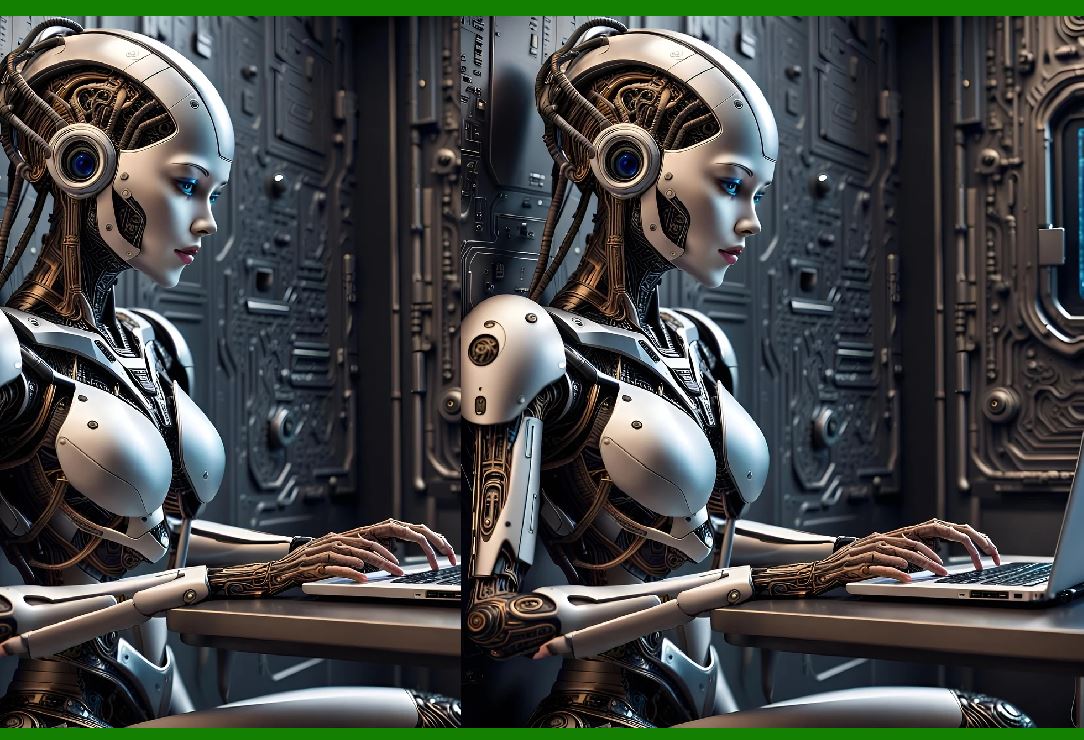
5.1. Brain-Inspired Processing Neuromorphic computing refers to the development of hardware and software that mimics the neural structures and processing methods of the human brain. These systems can process information in ways that are far more efficient and effective than traditional CPUs, especially for tasks that require pattern recognition, sensory integration, and decision-making under uncertainty. |
Adaptive Learning: Neuromorphic CPUs will allow robots to learn and adapt more efficiently to dynamic environments, similar to how humans or animals learn from experience. |
Energy Efficiency: Neuromorphic systems are designed to mimic the brain's ability to process large amounts of data with minimal energy consumption, making them ideal for mobile robots or robots deployed in energy-sensitive environments. |
|
6. Blockchain for Robotics |
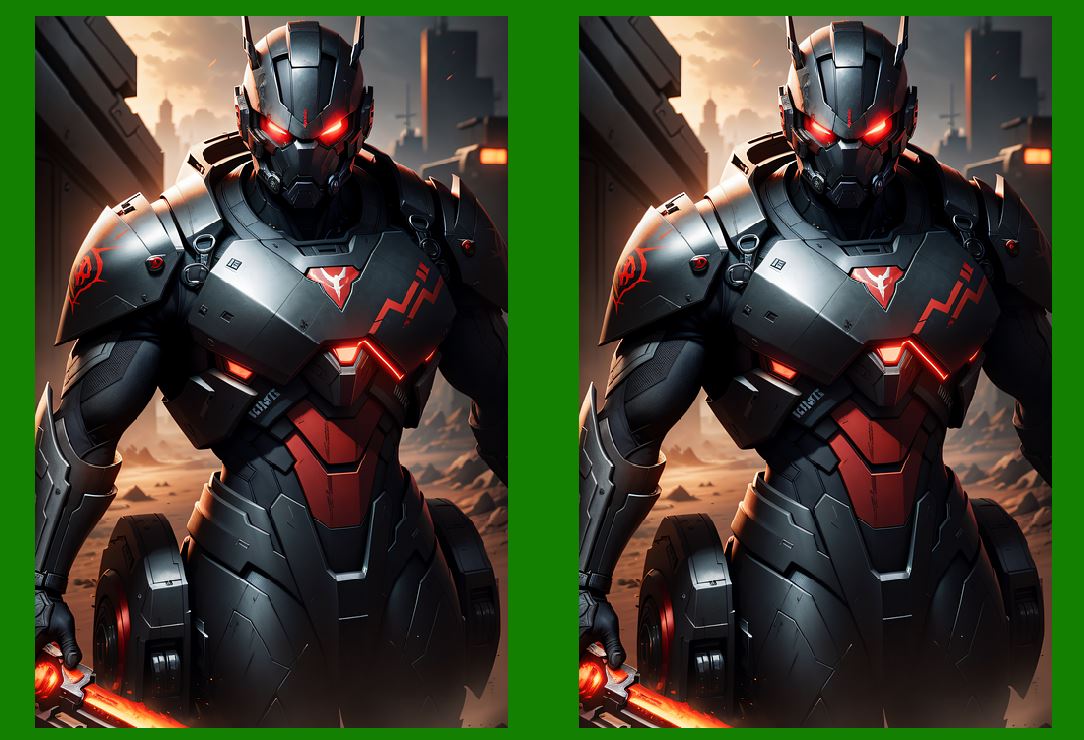
6.1. Decentralized Control and Security Blockchain technology could be used to create decentralized control systems for industrial robots. In a blockchain-powered robotic network, each robot or node could securely store and share data, such as machine maintenance records, robot status, or operational history, in a transparent and immutable way. |
Secure Transactions: Blockchain could help secure the communication and data exchange between robots and other parts of the industrial ecosystem, ensuring data integrity and preventing tampering. |
Collaboration Between Robots: Robots could collaborate in a blockchain-based system by securely sharing task assignments, progress updates, or critical operational data, enabling autonomous decision-making in collaborative tasks. |
|
7. Soft Robotics and Flexible CPUs |
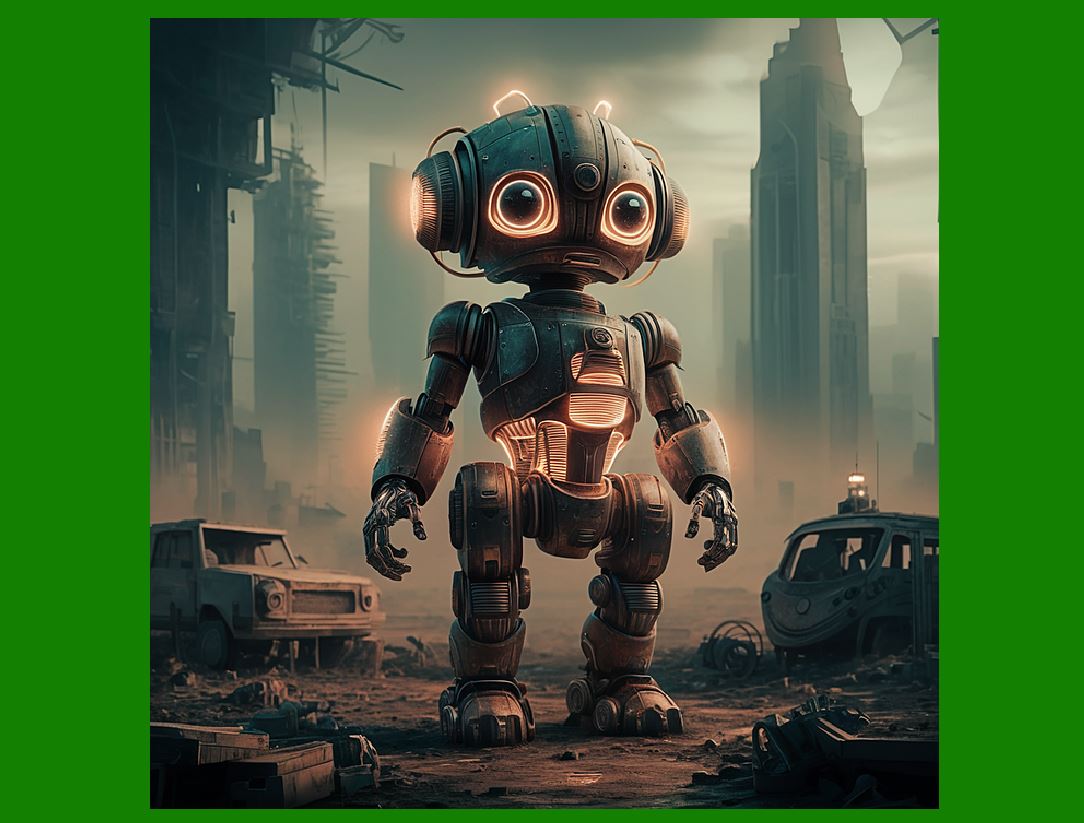
7.1. Flexible, Soft Materials for Actuation The field of soft robotics is focused on developing robots made of flexible materials that can adapt to their environment, much like biological organisms. These robots can work in environments that require dexterity, compliance, and adaptability, such as in agriculture, medical applications, or food production. |
Customizable Actuators: CPUs will need to be able to process signals for new types of actuators, such as pneumatic or hydraulic systems, that control soft materials, enabling more versatile manipulation of objects. |
Sensor Integration for Tactile Feedback: Soft robots will require advanced tactile sensors to feel and adapt to their environment. The CPU will need to process this sensory feedback in real-time and adjust the robot's actions accordingly. |
7.2. Bio-Inspired Control Systems Soft robots will also require control systems inspired by biological organisms, including more sophisticated neuromorphic processors. These systems will need to process multi-modal sensory inputs (e.g., vision, touch, and proprioception) in real-time to enable complex, adaptive behaviors. |
|
8. Autonomous Collaborative Robots (Cobots) |
8.1. Enhanced Robot Collaboration Future industrial robots will increasingly operate alongside human workers and other machines in a collaborative environment. Advanced CPU architectures will be required to enable these robots to understand and react to human actions, avoiding collisions and enhancing productivity in shared workspaces. |
Human-Robot Interaction: CPUs will leverage real-time data from vision sensors, force sensors, and haptic feedback systems to allow robots to 'sense' human presence and intentions, ensuring safe and efficient interaction in collaborative tasks. |
Coordination and Task Allocation: In a mixed team of humans and robots, CPUs will use AI and machine learning to allocate tasks dynamically based on the robot's current capabilities and the human worker's needs. |

|
9. Bio-Inspired and Adaptive CPUs |
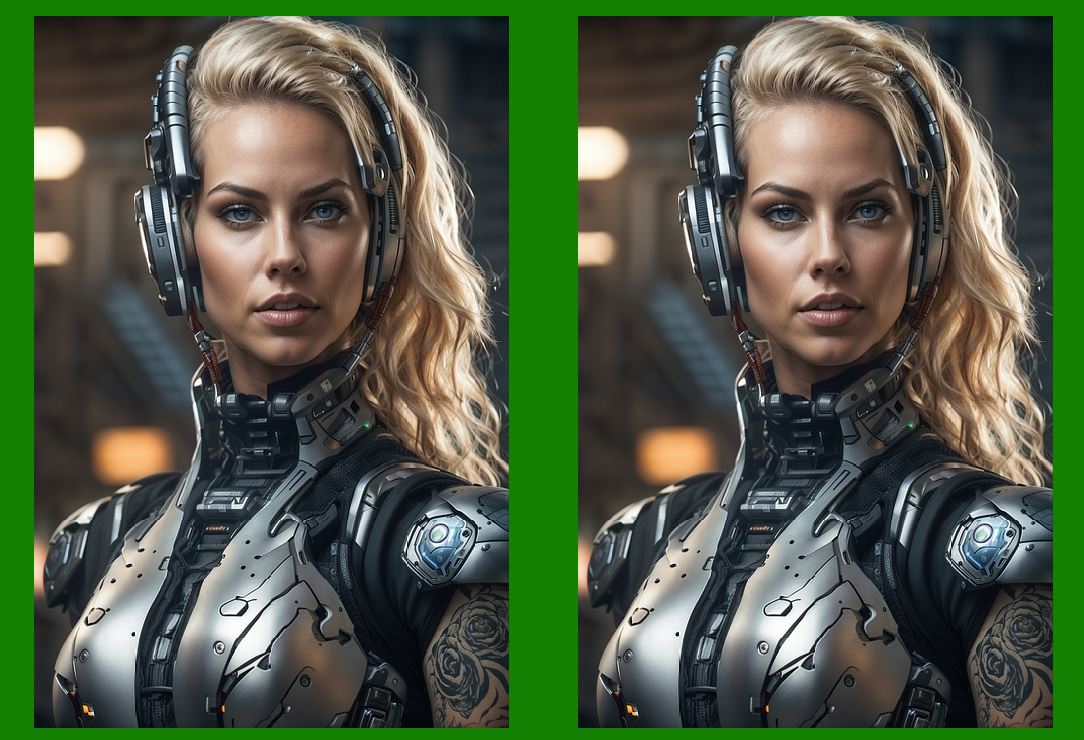
9.1. Self-Healing Systems Inspired by biological systems, future CPUs could have self-healing capabilities. This means that when a component within the CPU or the robot's system fails, the CPU could reroute processing tasks to available resources or initiate backup processes without affecting the robot's performance. |
9.2. Self-Organizing Systems CPUs may evolve to handle self-organizing tasks, enabling robots to autonomously adjust to system failures, changes in environment, or operational demands without human intervention. |
|
Conclusion |
The future of industrial robot CPUs is closely intertwined with advancements in artificial intelligence, edge computing, quantum processing, and other cutting-edge technologies. These innovations will enable robots to become smarter, more autonomous, and capable of performing increasingly complex tasks. With the continuous development of more powerful, efficient, and adaptive CPUs, industrial robots will be able to handle a wider range of applications, collaborate seamlessly with human workers, and evolve to meet the demands of modern manufacturing environments. |
 cs@easiersoft.com