Industrial Robot: Controller |
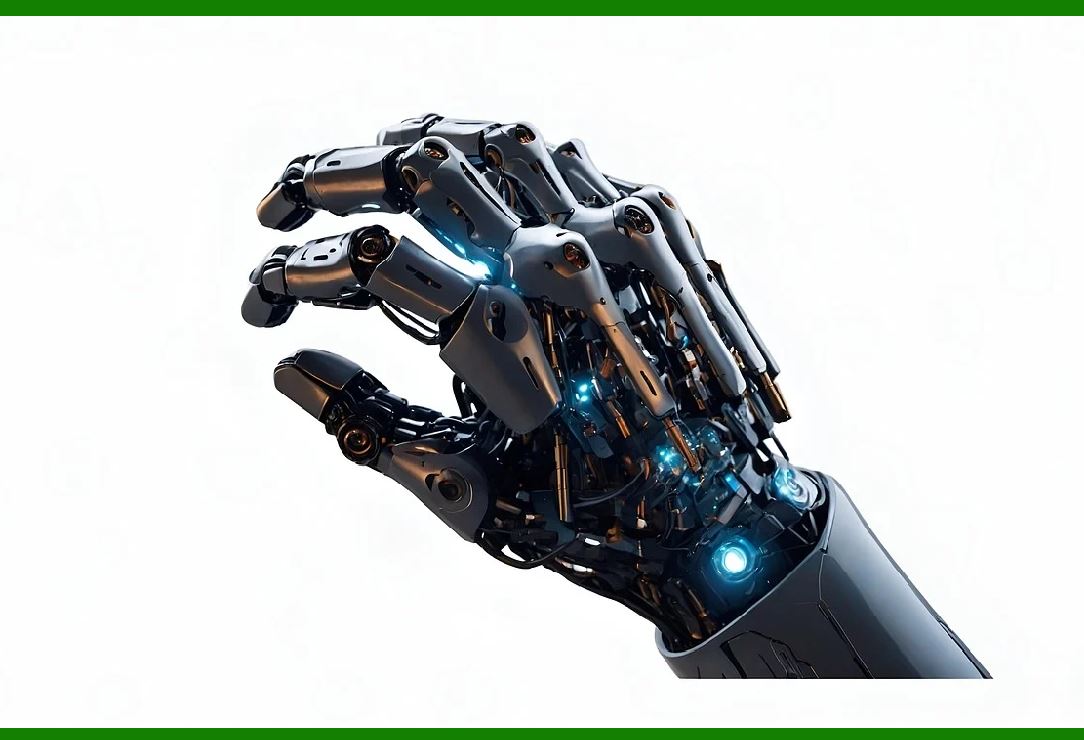
The industrial robot controller is essentially the brain that governs the robot's actions and ensures its operation is efficient, precise, and safe. The controller interprets high-level commands from the operator or pre-programmed routines and converts them into low-level instructions that guide the robot's movements. It also handles communication between various components such as the actuators, sensors, and external devices. This highly complex system is made up of several key components, including the Central Processing Unit (CPU), Input/Output (I/O) interfaces, and the software and programming languages that facilitate communication and operation. Below, we will explore each of these components in detail. |
|
1. Central Processing Unit (CPU) |
The CPU is the heart of the robot controller. It is responsible for executing all the instructions that dictate the robot's behavior. The CPU processes the input data received from sensors, the operator, or other devices, and sends commands to the actuators to carry out actions. Its role is crucial in ensuring that the robot performs its tasks with precision and efficiency. |
1.1. Function of the CPU in a Robot Controller |
The CPU in the industrial robot controller processes data, runs algorithms, and executes control programs. It works by taking commands from the operator or a pre-programmed routine, which typically includes instructions for positioning, speed, force, and sequence of movements. The CPU converts these high-level instructions into low-level machine code that the robot can execute. |
Once the CPU receives a command, it evaluates the input, processes it, and calculates the necessary actions. For example, if a command specifies that the robot arm should move to a specific point in space, the CPU calculates the joint angles, speed, and trajectory required to execute the move. |
1.2. Types of CPU in Robot Controllers |
There are several types of CPUs used in industrial robot controllers, depending on the complexity and performance requirements of the system. These can generally be categorized into the following: |
Single-Core CPUs: These are typically used in simpler robots where the tasks are less computationally demanding. These systems are usually more cost-effective but may not be suitable for more complex applications. |
Multi-Core CPUs: In more advanced robots, multi-core processors are used. They are capable of handling multiple tasks simultaneously, improving efficiency and responsiveness. Multi-core CPUs are essential in systems that require parallel processing, such as robots that need to control multiple arms or process real-time sensor data. |
Embedded CPUs: Some robot controllers use specialized embedded processors that are optimized for control tasks. These processors are often more efficient and can be integrated into custom hardware solutions. |
1.3. CPU Performance Considerations |
The performance of the CPU significantly impacts the overall functionality of the robot. Some of the key factors that affect CPU performance include: |
Clock Speed: The clock speed, measured in Hertz (Hz), dictates how quickly the CPU can process instructions. A higher clock speed typically means faster processing times. |
Processing Power: This refers to the ability of the CPU to execute complex tasks. Robots performing intricate tasks, such as welding, need high processing power to manage multiple sensors and control fine movements. |
Memory: The amount of RAM and storage available in the CPU determines how many tasks and programs the robot can handle at once. More memory allows for more complex programs and real-time decision-making. |
Power Consumption: Lower power consumption is important for energy-efficient robot systems, especially in continuous operation environments. |
1.4. Interaction Between the CPU and Other Components |
The CPU not only processes commands but also communicates with other components of the robot. For example, it sends instructions to the robot's actuators (motors and servos), sensors (which monitor the robot's position, speed, and environment), and the I/O interface. Additionally, the CPU is responsible for managing the timing of the robot's movements, ensuring that all actions are synchronized to avoid errors or collisions. |
|
2. Input/Output (I/O) Interface |
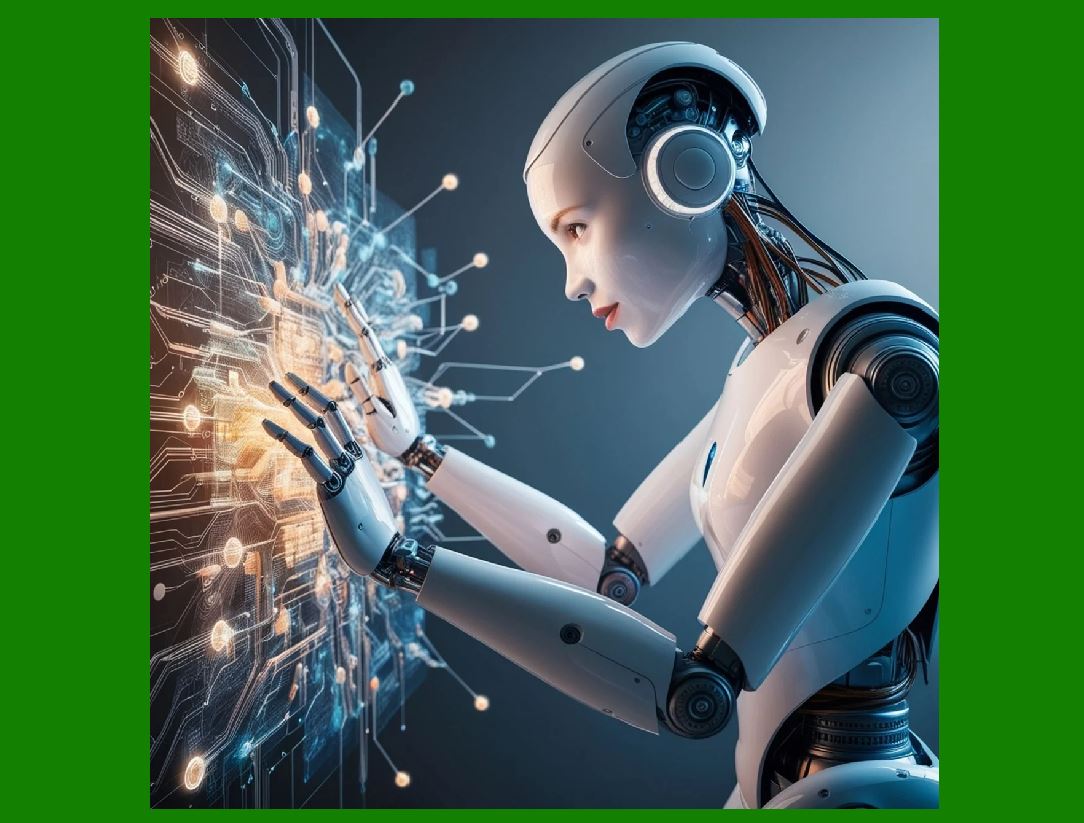
The I/O interface is a critical component that allows the robot controller to communicate with external devices such as sensors, actuators, and operator terminals. It serves as the communication bridge, translating data between the robot and the outside world. |
2.1. Types of I/O Interfaces |
I/O interfaces come in several varieties, depending on the type of robot and the complexity of the system. These can be broadly divided into: |
Digital I/O: These are binary signals (on or off), typically used for simple tasks such as turning motors on or off, detecting the presence of objects, or activating limit switches. |
Analog I/O: These interfaces are used for more complex tasks, where data is continuous. For example, sensors that measure force, temperature, or pressure often use analog signals, which provide a range of values rather than just binary states. |
Serial Communication: Many modern robots use serial communication (RS-232, RS-485, etc.) to interact with other devices or robots. Serial protocols enable the transfer of large amounts of data over long distances and are often used for complex tasks like coordinate-based movement or real-time sensor feedback. |
Fieldbus Communication: Fieldbus systems like Profibus, DeviceNet, or EtherCAT are used in industrial automation environments for high-speed, real-time communication between multiple devices. These systems are particularly useful in environments with many sensors, actuators, or controllers. |
2.2. Role of I/O in Real-Time Interaction |
The I/O interface allows the robot to respond to real-time inputs. For example, a robot may need to stop or change its trajectory if it detects an obstacle via a proximity sensor. The I/O system receives input signals from various sensors and transmits these signals to the CPU for processing. Based on this input, the CPU then sends commands to the relevant actuators, adjusting the robot's behavior. |
In some cases, the I/O system also facilitates communication with external devices such as safety systems, lights, or alarms. These systems may be triggered in response to specific conditions, such as a robot reaching a critical position or a sensor detecting a fault. |
2.3. Digital and Analog Signal Processing |
In a typical industrial robot, sensors and actuators may use both digital and analog signals. Digital signals provide simple on/off feedback (e.g., indicating whether an object is present), while analog signals provide more detailed information (e.g., the exact position of an arm or the force applied to an object). |
The robot's I/O system must be capable of converting between these signals and sending them to the CPU for processing. This often involves the use of digital-to-analog or analog-to-digital converters (DACs or ADCs), which enable the controller to interpret a wide variety of sensor inputs. |
|
3. Software and Programming Language |
The software and programming language used by industrial robots are essential for defining the behavior of the robot. These tools translate human-readable commands into machine code, which the robot controller can execute. The robot's software also defines the interaction between the robot's hardware components, such as sensors, actuators, and the CPU. |
3.1. High-Level Programming Languages |
Industrial robots are typically programmed using specialized programming languages designed to meet the unique needs of automation tasks. These languages allow operators and engineers to specify complex movements, sequences, and decision-making logic for the robot. Some common high-level robot programming languages include: |
RAPID (ABB): RAPID is a high-level programming language developed by ABB for programming its industrial robots. It is known for its simplicity and ease of use, enabling operators to quickly program complex motions and control sequences. RAPID programs can include commands for movements, I/O control, and decision-making logic. |
Karel (Fanuc): Karel is a robot programming language developed by Fanuc for its robots. It is a versatile language that can handle complex automation tasks, including advanced motion control, data processing, and integration with other systems. Karel is designed for both novice and advanced users. |
URScript (Universal Robots): URScript is the programming language used by Universal Robots for its collaborative robots (cobots). It provides a flexible scripting environment that can be used for a wide range of tasks, from simple pick-and-place operations to complex autonomous actions. |
3.2. Low-Level Programming Languages and Motion Control |
In addition to high-level programming languages, industrial robots also rely on low-level programming languages that control the robot's individual components. These languages typically deal directly with the robot's hardware, including the motors, sensors, and actuators. They are used to control the robot's movements with high precision, such as adjusting the joint angles or speed of the robot arm. |
For example, many robot controllers use a proprietary low-level language to define motion profiles, including the speed, acceleration, and deceleration of individual axes. These profiles are crucial for ensuring smooth and accurate robot movements, especially in applications like welding or assembly, where precision is paramount. |
3.3. Real-Time Software and Execution |
Industrial robots often operate in real-time environments, meaning they must respond to inputs and make decisions instantly. To achieve this, the robot controller uses real-time operating systems (RTOS) that prioritize timely execution of tasks. An RTOS ensures that critical tasks, such as motion control or safety monitoring, are completed without delay, even when the system is handling multiple processes simultaneously. |
The programming language used for real-time execution is often designed to handle timing constraints and optimize the robot's performance. Real-time software also allows for feedback loops, where the robot continually adjusts its actions based on input from sensors, ensuring optimal performance and safety. |
3.4. Simulation and Debugging |
Before deployment, robots are often programmed and tested in virtual environments using simulation software. This software simulates the robot's behavior in a virtual space, allowing engineers to test the program and refine the motion paths without risking damage to the robot or the environment. Simulation tools also help identify potential programming errors, providing a safe environment for debugging. |
In addition to simulation, modern robot controllers offer real-time debugging features that allow programmers to observe the robot's actions and adjust the program on the fly. This capability significantly improves the development process, especially for complex tasks that require fine-tuning and optimization. |
|
In conclusion, the industrial robot controller is a sophisticated and essential component of modern robotic systems. The CPU, I/O interface, and software all work together to ensure the robot performs tasks with precision, efficiency, and safety. Advances in hardware and software technologies continue to enhance the capabilities of industrial robots, making them more versatile and capable of handling increasingly complex tasks in a variety of industries. |
|
What new technologies will be related to this in the future? |
The future of industrial robots and their controllers is closely tied to several emerging technologies that are set to revolutionize automation, improve efficiency, and make robots more intelligent, adaptive, and integrated into broader industrial ecosystems. These innovations will likely enhance robot capabilities in areas such as precision, flexibility, communication, and human-robot interaction. Below are several key technologies that will shape the future of industrial robots and their controllers: |
1. Artificial Intelligence and Machine Learning (AI/ML) |
AI and machine learning are poised to become integral parts of industrial robot controllers, enabling robots to make decisions and adapt to new situations autonomously. While traditional robots rely on pre-programmed routines, AI-powered robots can learn from their environment, optimize their behavior, and improve performance over time. |
1.1. Self-Learning and Adaptation |
Industrial robots of the future will be able to learn from their experiences and adapt to new tasks. For example, using reinforcement learning (a branch of machine learning), robots could improve their motion planning and decision-making based on feedback from sensors and previous actions. This means robots won't need explicit programming for every single task or scenario, making them more versatile and easier to deploy in dynamic environments. |
1.2. Predictive Maintenance |
AI can also be used for predictive maintenance, where the robot controller analyzes sensor data to predict failures before they occur. By using machine learning algorithms to detect patterns in the robot's behavior, the controller can notify operators about potential issues, reducing downtime and extending the lifespan of the robot. |
1.3. Vision Systems and AI Integration |
Computer vision integrated with AI algorithms will enable robots to recognize and adapt to complex and unpredictable environments. By using deep learning-based vision systems, robots can 'see' and identify objects, recognize anomalies, and make real-time adjustments to their movements. This is particularly useful in applications like assembly, quality inspection, and packaging, where object recognition and handling are key tasks. |
|
2. 5G and Edge Computing |
The adoption of 5G networks and edge computing will dramatically improve communication and real-time processing in industrial robotics. These technologies will allow robots to interact with other machines and systems more efficiently, enabling a new level of collaboration and coordination. |
2.1. Low-Latency Communication |
5G networks provide ultra-low latency and high bandwidth, allowing robots to communicate with controllers and other devices in real-time without significant delays. This is particularly important for applications requiring high-speed, high-precision movements, such as in autonomous material handling or collaborative robots working alongside human operators. |
2.2. Edge Computing |
Edge computing will bring data processing closer to where the action happens-on the robot itself or within the local network. This reduces the need to send data to centralized servers or cloud-based systems, improving response times and making the system more resilient. Edge computing will enable robots to process real-time sensor data (like vision or force sensors) instantly, which is crucial for tasks that require immediate decision-making. |
2.3. Real-Time Collaborative Systems |
The combination of 5G and edge computing will enable collaborative robots (cobots) to work seamlessly with other robots or machines in a shared environment. For example, robots could work together in a factory, sharing data in real-time to avoid collisions, coordinate movements, and perform complex tasks more efficiently. |
|
3. Cloud Computing and Cloud Robotics |
Cloud computing is already a major force in industrial automation, and its role is set to grow in the coming years. Cloud robotics will allow industrial robots to access vast amounts of computational power, storage, and data analytics remotely, opening up new possibilities for performance optimization and collaboration. |
3.1. Data Sharing and Remote Control |
In cloud robotics, robots can offload computationally intensive tasks, such as path planning, machine learning, and data analysis, to powerful cloud-based servers. This enables robots with limited on-board processing power to perform advanced tasks without requiring significant local hardware upgrades. |
Additionally, cloud connectivity will enable robots to be controlled and monitored remotely. Operators can adjust robot programming, troubleshoot issues, and collect performance data from anywhere in the world. |
3.2. Collaborative Cloud Platforms |
With cloud-based platforms, robots across different factories or industries could share data, learn from each other, and optimize their tasks collectively. For instance, if a robot learns a new skill or optimization in one facility, this information could be shared with other robots through a centralized cloud platform, accelerating the implementation of improvements across a fleet of robots. |
|
4. Internet of Things (IoT) Integration |
The Industrial Internet of Things (IIoT) is transforming factories into highly connected, smart environments. Robots of the future will be part of this interconnected ecosystem, where machines, sensors, and controllers are linked together via networks to share real-time data and make decisions autonomously. |
4.1. Smart Factories |
In a smart factory, robots will be able to communicate with a wide array of other devices, such as conveyors, machines, and even other robots, to streamline operations. For example, a robot might receive real-time data from a sensor on a production line that indicates an error or change in part specifications, prompting it to adjust its operations. |
4.2. Real-Time Data Collection and Feedback |
IoT sensors will allow robots to gather data continuously from their environment, such as temperature, humidity, part orientation, and force feedback. This data can be used to fine-tune robot behavior, improve precision, and optimize performance, creating a more flexible and responsive manufacturing system. |
|
5. Collaborative Robots (Cobots) |
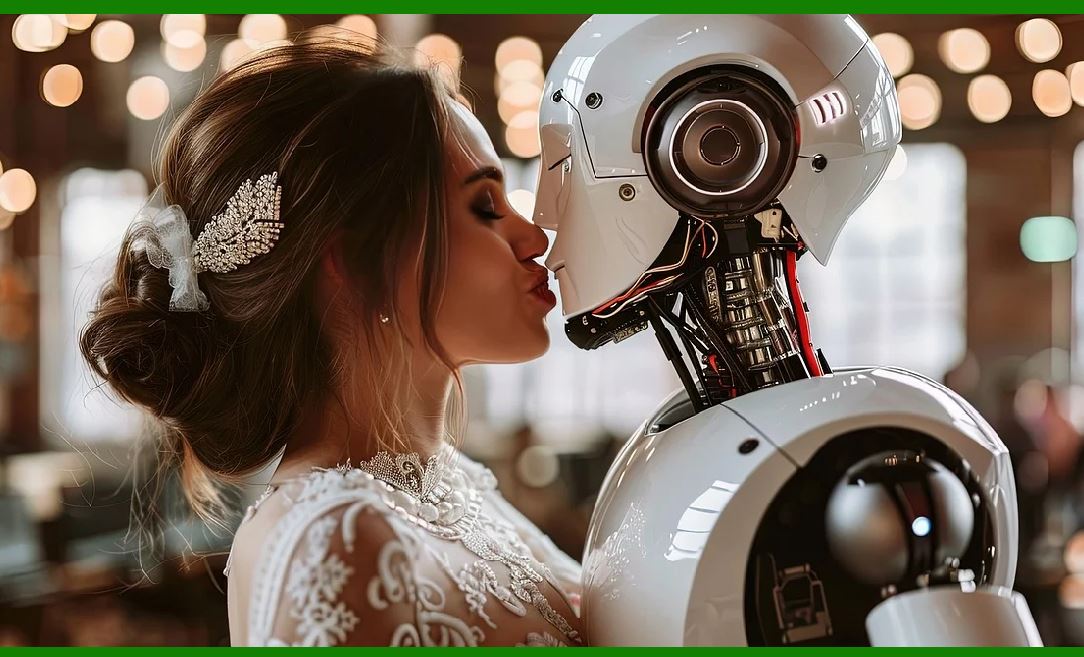
Cobots are designed to work safely alongside humans, and future advancements in robot controllers will make them even more capable of interacting with human operators. As robots become more intelligent and adaptable, their role in collaborative work environments will expand. |
5.1. Improved Human-Robot Interaction (HRI) |
Future industrial robot controllers will incorporate more sophisticated HRI technologies, such as natural language processing (NLP), gesture recognition, and voice control. This will allow human operators to communicate with robots in more intuitive ways, providing commands via voice or hand gestures, or receiving real-time feedback and status updates. |
5.2. Safety Enhancements |
Safety is a major consideration when designing cobots. Future controllers will incorporate advanced safety features such as real-time collision detection, force sensors to stop movement when in close proximity to humans, and machine learning algorithms to predict potential safety hazards. These systems will allow cobots to work more autonomously and safely alongside human workers. |
5.3. Adaptive Learning for Human-Robot Cooperation |
Cobots will increasingly rely on AI to adapt to human actions in real-time, learning from human operators to improve collaboration. For example, if a worker shows the robot how to handle a particular object, the robot can retain that knowledge and apply it in future tasks. This form of adaptive learning will make robots more effective in assembly lines or packing stations where human supervision and guidance are part of the process. |
|
6. Quantum Computing |
While still in the early stages of development, quantum computing has the potential to revolutionize industrial robotics by solving complex optimization problems that are currently too difficult or time-consuming for classical computers. |
6.1. Advanced Motion Planning |
Quantum computing could dramatically improve the speed and efficiency of motion planning algorithms used in robot controllers. By leveraging quantum algorithms, robots could instantly compute optimal paths and movements even in environments with complex constraints or numerous variables. |
6.2. Complex Simulation and Optimization |
Quantum computing could enable robots to simulate and optimize tasks in real-time, allowing for faster design iterations and more accurate decision-making during operation. This could be particularly beneficial in industries such as aerospace, automotive, or medical device manufacturing, where precision and adaptability are critical. |

|
7. Blockchain and Security Technologies |
As industrial robots become more integrated with IoT, cloud computing, and other interconnected systems, cybersecurity will become even more critical. Blockchain technology may play a key role in ensuring data integrity, secure communication, and reliable operations. |
7.1. Secure Data Sharing |
Blockchain technology could be used to ensure that data exchanged between robots, controllers, and other systems is secure and immutable. This would prevent cyberattacks, data manipulation, or unauthorized access to critical system information. |
7.2. Decentralized Control |
Blockchain could also support decentralized control systems, where robot actions and commands are recorded in a distributed ledger, allowing for more transparent and secure interactions between robots and external systems. This would enable better traceability and accountability for robot operations. |
|
Conclusion |
The future of industrial robot controllers is likely to be shaped by a blend of AI, connectivity, advanced computing, and collaborative technologies. Robots will become smarter, more adaptive, and more integrated into the broader industrial ecosystem, with the potential to revolutionize industries such as manufacturing, logistics, and healthcare. As new technologies continue to emerge, industrial robots will become increasingly autonomous, capable of learning from their environment, and more responsive to both human input and external conditions. These innovations will lead to greater efficiency, flexibility, and safety in automated systems, making robots more accessible and effective across a wide range of applications. |
 cs@easiersoft.com