Industrial Robot: Drive System |
The drive system of an industrial robot is one of its most critical components, enabling it to perform a variety of complex movements necessary for different applications. The drive system provides the required power and control to the robot's joints, allowing it to execute tasks such as assembly, welding, material handling, and precision machining. Essentially, the drive system consists of actuators and motors that convert energy (usually electrical) into mechanical motion. These components work together to move the robot's joints in precise ways to carry out its intended tasks. |
In the following sections, we will discuss the different types of actuators that make up the robot's drive system in detail, covering electric motors, hydraulic actuators, and pneumatic actuators. We will also look at their individual characteristics, advantages, and typical applications in industrial settings. |

|
1. Electric Motors |
Electric motors are the most widely used actuators in industrial robots. They are known for their efficiency, reliability, and precision in controlling the motion of the robot's joints. These motors are used in a variety of configurations and are employed in both revolute (rotating) and prismatic (translating) joints. Electric motors typically convert electrical energy into mechanical energy through the interaction of magnetic fields, generating torque and rotational motion. |
There are several types of electric motors commonly used in industrial robots, each offering distinct characteristics that make them suited for specific applications. The primary types include: |
1.1 DC Motors (Direct Current Motors) |
DC motors are among the simplest and most widely used types of electric motors in robotics. They work by using a constant voltage to drive a current through a coil of wire, generating a magnetic field that causes the rotor to rotate. This motion can be controlled by adjusting the input voltage, providing precise control over both speed and torque. |
Advantages of DC Motors: |
Simple Control: DC motors are easy to control with relatively simple electronics. |
Good Speed Control: DC motors can operate at varying speeds, providing flexibility for different tasks. |
Low Inertia: DC motors can respond quickly to changes in speed and direction, which is essential for fast, precise robotic movements. |
Applications: |
DC motors are typically used in smaller robots or in tasks requiring moderate power and speed. They are commonly found in the joints of robotic arms for applications such as light assembly, packaging, and small-scale machining. |
1.2 AC Motors (Alternating Current Motors) |
AC motors are more commonly used in applications where higher efficiency and more power are required. Unlike DC motors, which use a constant direct current, AC motors use an alternating current to generate motion. The primary advantage of AC motors lies in their ability to provide higher torque and operate at higher speeds, making them ideal for heavy-duty and continuous-duty applications. |
There are two main types of AC motors: synchronous and asynchronous (induction) motors. Synchronous motors maintain a constant speed proportional to the frequency of the AC power supply, while induction motors operate at slightly lower speeds, depending on the load. |
Advantages of AC Motors: |
Higher Efficiency: AC motors generally offer better efficiency than DC motors, especially in high-power applications. |
Reduced Maintenance: Since AC motors lack brushes (unlike DC motors), they generally require less maintenance. |
Better Torque for Heavy Loads: AC motors can generate higher torque at higher speeds, which is beneficial for demanding applications. |
Applications: |
AC motors are used in large industrial robots for tasks such as welding, painting, and high-precision machining. These motors are particularly suitable for robotic arms or systems that require high loads and continuous operation. |
1.3 Step Motors (Stepper Motors) |
Stepper motors are specialized motors used in robotics for highly accurate and controlled movements. Unlike standard DC or AC motors, stepper motors rotate in discrete steps, with each step corresponding to a fixed angle of rotation. This feature allows for precise control over the position of the motor's shaft without the need for feedback systems, such as encoders. |
Advantages of Stepper Motors: |
Precise Positioning: Stepper motors are ideal for applications requiring exact positional accuracy, such as in pick-and-place operations. |
Open-Loop Control: Stepper motors can operate without a feedback system, reducing complexity and cost. |
High Torque at Low Speeds: Stepper motors can deliver relatively high torque at low speeds, which makes them useful for applications that require holding positions or incremental movement. |
Applications: |
Stepper motors are commonly used in robots that perform delicate and precise tasks, such as semiconductor manufacturing, laboratory automation, and small-scale assembly. They are also widely used in positioning applications where high precision is needed. |

|
2. Hydraulic Actuators |
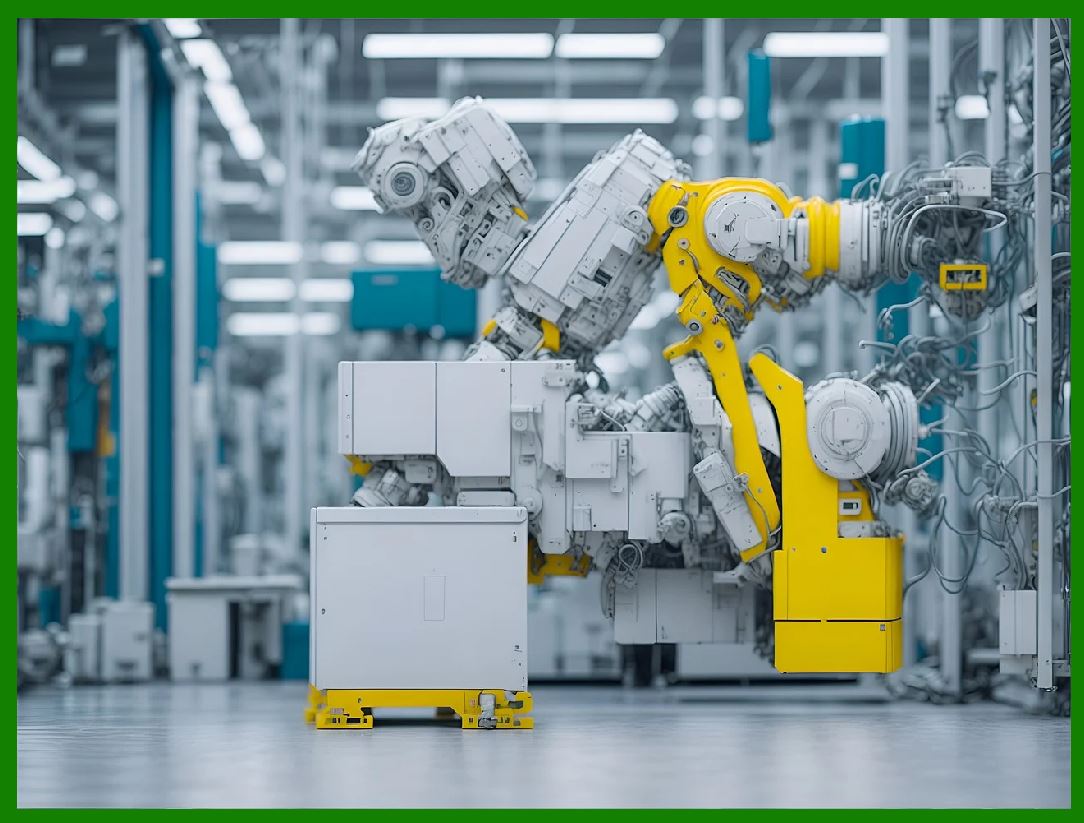
Hydraulic actuators use pressurized fluid (usually oil) to generate force and motion. They are capable of delivering significantly higher power and force compared to electric motors. Hydraulic systems are often used in industrial robots that require a high degree of force, such as in heavy-duty manufacturing, material handling, and automotive assembly. |
Hydraulic actuators operate based on the principle of hydraulics, which relies on the incompressibility of liquids. A hydraulic pump pressurizes the fluid, and the resulting pressure is used to move a piston or hydraulic cylinder. This movement can be precisely controlled, allowing for the manipulation of the robot's joints. |
Advantages of Hydraulic Actuators: |
High Force Output: Hydraulic actuators can produce far more force per unit of size and weight compared to electric motors. This makes them ideal for heavy lifting and tasks that require substantial force. |
Compact and Lightweight for High Force: Despite delivering high force, hydraulic actuators are relatively compact and lightweight, which is beneficial for applications where space and weight are at a premium. |
Smooth and Continuous Motion: Hydraulic systems can provide smooth, continuous motion, especially useful for applications requiring constant force or steady movements. |
Applications: |
Hydraulic actuators are used in industrial robots involved in tasks such as lifting heavy loads, material handling, and automotive manufacturing. For example, they are commonly found in robots designed to work with large metal sheets, molds, or components in factories. |
Hydraulic robots are also used in construction and demolition, where heavy lifting and high precision are critical. |
|
3. Pneumatic Actuators |
Pneumatic actuators use compressed air to produce motion. The air pressure drives a piston or diaphragm within the actuator, converting the pressure into linear or rotary motion. Pneumatic actuators are most commonly found in applications where high precision is not as critical, and the tasks involve relatively lighter loads. |
Pneumatics offer a number of benefits in industrial robot design. Air is an easily available and inexpensive medium, which makes pneumatic actuators both cost-effective and easy to maintain. |
Advantages of Pneumatic Actuators: |
Simplicity and Cost-Effectiveness: Pneumatic actuators are generally simpler and cheaper to produce and maintain compared to hydraulic or electric actuators. |
Fast Response Time: Pneumatic actuators can respond very quickly to changes in input, which is important in applications requiring rapid movement. |
Lightweight and Flexible: Pneumatic actuators are lighter than their hydraulic counterparts, and the use of air allows for easier movement of lightweight robots or for applications where weight is a concern. |
Applications: |
Pneumatic actuators are typically used in light-duty applications such as packaging, assembly, and picking or placing components. They are commonly found in robots used in the food and beverage industry, as well as in packaging and sorting operations. Pneumatic actuators are often used where robots need to perform repetitive tasks quickly but do not need to handle heavy loads or high precision. |
|
Conclusion |
In industrial robotics, the drive system is the fundamental mechanism that enables robots to perform tasks with precision, speed, and strength. The type of actuator used in a robot's drive system depends largely on the nature of the tasks the robot is designed to carry out, as well as factors such as power requirements, precision needs, and cost constraints. |
Electric motors, including DC motors, AC motors, and stepper motors, are the most common and versatile types of actuators in robots, suitable for a wide range of applications from light-duty to high-precision tasks. |
Hydraulic actuators offer high force and power, making them suitable for heavy-duty tasks such as material handling and lifting, while also being compact and efficient in high-force environments. |
Pneumatic actuators are used for lighter tasks, providing fast and responsive movements with the added benefits of simplicity, cost-effectiveness, and ease of maintenance. |
The integration of these different types of actuators into a robot's drive system allows manufacturers to optimize the robot for specific tasks, improving productivity, efficiency, and overall operational effectiveness in industrial environments. |
|
What new technologies will be related to this in the future? |
The field of industrial robotics is constantly evolving, and new technologies are emerging that will significantly impact the development of drive systems and actuators. In the future, advancements in materials, energy efficiency, precision control, artificial intelligence (AI), and hybrid systems will transform the way robots move and perform tasks. Here are several key technologies that are likely to shape the future of industrial robot drive systems: |
1. Advanced Materials and Smart Composites |
The materials used in actuators and drive systems are crucial for improving performance, reducing weight, and increasing durability. Future drive systems will rely on advanced materials and smart composites to achieve better efficiency, greater strength, and lighter weights. |
Carbon Nanotubes and Graphene: These materials offer significant improvements in strength-to-weight ratios, electrical conductivity, and thermal management. For actuators, they could allow for the development of ultra-light yet powerful motors, reducing the overall weight of the robot and improving energy efficiency. |
Shape-Memory Alloys (SMAs): SMAs are metals that change shape in response to temperature changes. These materials could be used in actuators to create more compact and energy-efficient systems that change shape for movement or to generate force without complex mechanical parts. |
Self-Healing Materials: To increase the longevity and reliability of robots, self-healing materials could be incorporated into drive systems to repair themselves after wear and tear or damage, reducing maintenance costs and improving robot uptime. |

|
2. Energy-Efficient Drive Systems |
As industrial robots become more integrated into the manufacturing process, energy efficiency will be a critical factor in their design. The future of robot drive systems will likely include energy-efficient technologies that minimize power consumption while maintaining performance. |
Regenerative Braking Systems: Just as electric vehicles (EVs) use regenerative braking to recover energy during braking, robots could use similar systems to recover energy during deceleration or when stopping at predefined positions. This technology can help extend battery life and improve the overall energy efficiency of robots, especially in mobile robotic systems. |
Wireless Power Transfer: Future robots may rely on wireless power transfer systems to eliminate the need for physical connections like cables or batteries. Technologies like inductive charging or resonant inductive coupling can allow robots to operate continuously without the limitations of wired power supplies, enabling longer runtimes and more flexible operation. |
Piezoelectric Materials: Piezoelectric actuators generate motion when subjected to an electric field. They can be extremely efficient and compact, and future robots may use piezoelectric materials in their drive systems to reduce energy consumption, especially in systems that need small, precise movements. |

|
3. AI-Driven Control Systems and Precision Motion |
The future of industrial robots will involve AI-driven control systems that enhance the precision and adaptability of robotic movements. These technologies will focus on improving the robot's ability to handle complex, unpredictable environments while reducing human intervention. |
Machine Learning for Motion Control: Artificial intelligence (AI) and machine learning (ML) will play a central role in developing adaptive drive systems. By analyzing large datasets from sensors and actuators, AI systems can optimize the robot's movements, anticipate changes in the environment, and adjust its actions accordingly. This will lead to more precise, efficient, and flexible robotic systems that can learn from experience and improve over time. |
Vision-Based Feedback Systems: Advanced vision systems paired with AI can provide real-time feedback to robot drive systems. These systems use cameras and sensors to track the robot's position and its interaction with the environment. For instance, a robot can adjust its arm's position or speed based on visual inputs, ensuring greater accuracy in tasks like assembly or pick-and-place operations. |
Neural Networks for Trajectory Planning: Neural networks could be employed to optimize robotic motion by learning and predicting the most efficient path to complete a task. This would allow robots to move more fluidly and avoid obstacles, even in environments that are constantly changing. |
Quantum Computing for Optimization: In the distant future, quantum computing may be used to solve complex optimization problems related to robotic motion. This could lead to more efficient algorithms for controlling multi-joint robots, improving speed, and accuracy, and minimizing energy consumption. |
|
4. Hybrid Actuation Systems |
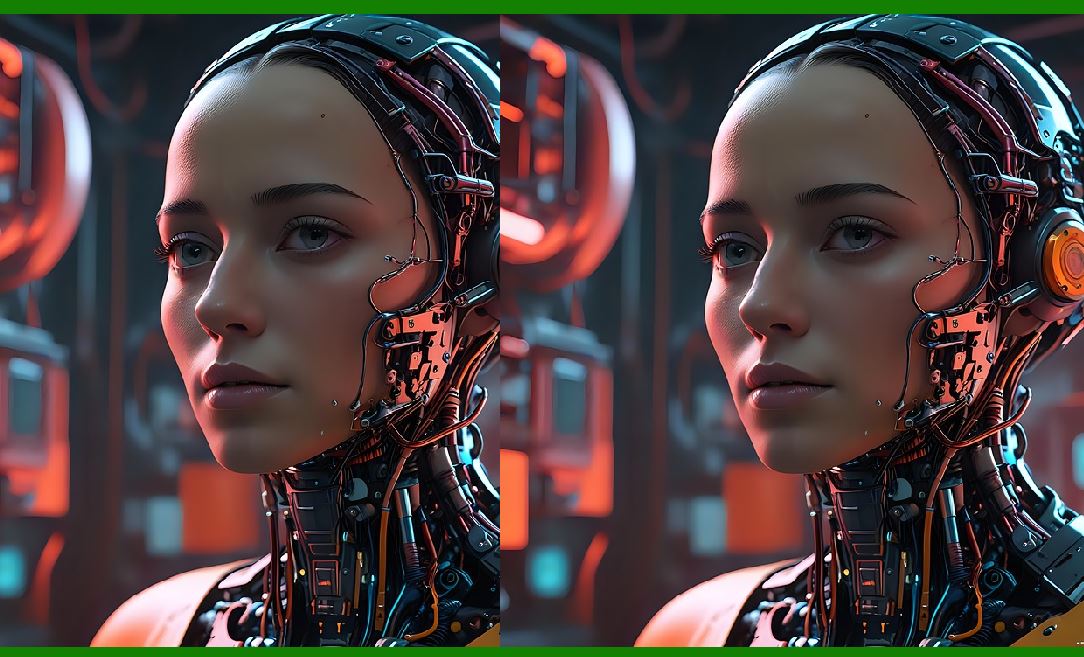
The future of robot drive systems may involve hybrid actuators that combine different types of technologies to leverage the benefits of each. These hybrid systems can provide robots with the versatility to handle a wide range of tasks, from delicate operations to heavy lifting. |
Electro-Hydraulic and Electro-Pneumatic Hybrid Systems: In some cases, combining electric, hydraulic, and pneumatic technologies into a single actuator system could provide the robot with enhanced capabilities. For example, an electro-hydraulic hybrid could offer the precision control of an electric motor with the high power of a hydraulic system. Similarly, electro-pneumatic actuators could be used in tasks that require both fast movement and some level of force, like light material handling or packaging. |
Soft Robotics Actuators: Soft robotics is an emerging field that uses flexible, deformable materials instead of rigid mechanical parts to perform tasks. These robots are often actuated by pneumatic or hydraulic systems, but future developments could incorporate hybrid systems that combine soft materials with traditional actuators, enabling robots to interact safely and delicately with humans and fragile objects. |
Electrostatic Actuators: In specific applications where small-scale motion and flexibility are needed, electrostatic actuators could be used. These actuators rely on the attraction and repulsion of charged surfaces to generate motion. They are extremely energy-efficient and capable of providing highly precise movements in lightweight, compact robots. |
|
5. Advanced Sensor Integration for Real-Time Feedback |
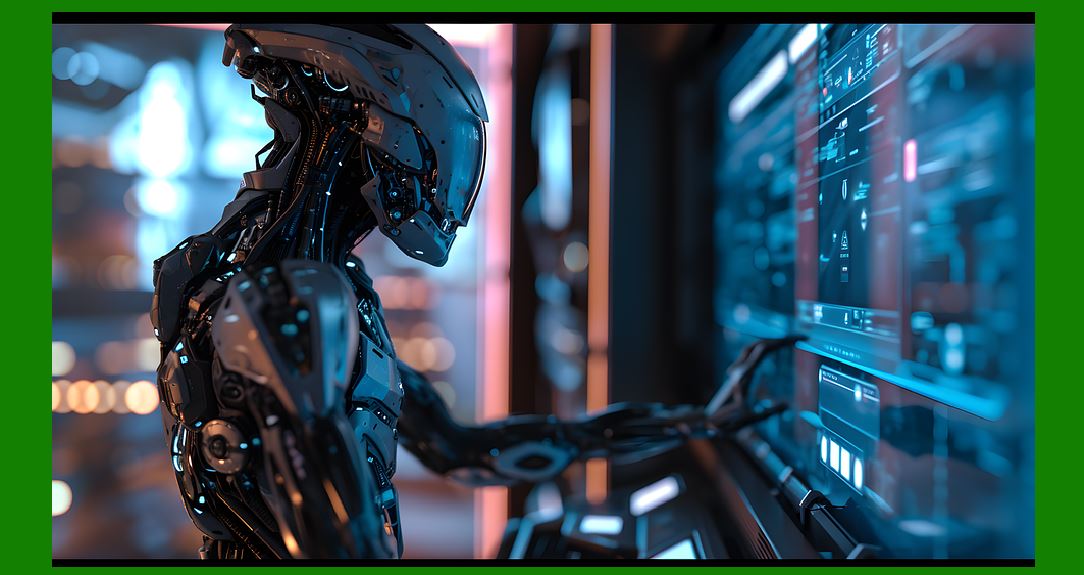
Sensors will become even more integrated into drive systems, enabling real-time feedback that allows robots to adjust their motion continuously. This capability will be essential for increasing the adaptability of industrial robots, particularly in unstructured or dynamic environments. |
Force and Tactile Sensors: By integrating force sensors into robot joints and actuators, robots will be able to 'feel' the force they are applying and adjust their movements accordingly. This is particularly useful in applications requiring delicate touch, such as in the assembly of sensitive electronic components or during human-robot collaboration. |
Inertial Measurement Units (IMUs): IMUs, which measure acceleration and angular velocity, will provide real-time data on the robot's orientation and movement. This will help improve the robot's ability to maintain precision while performing tasks such as painting, welding, or machining, where high levels of accuracy are critical. |
Haptic Feedback for Human-Robot Collaboration: Haptic sensors could enable robots to provide feedback to human operators in real-time, enhancing collaboration in mixed environments. In industries like medical manufacturing or construction, robots may adjust their motion based on tactile feedback from the human operator, enabling more efficient teamwork. |
|
6. Swarm Robotics and Decentralized Control |
Swarm robotics involves the use of multiple robots working together in a coordinated manner, similar to the way ants or bees operate in nature. In the future, decentralized control systems will allow multiple robots to communicate and synchronize their actions without relying on a single central control unit. |
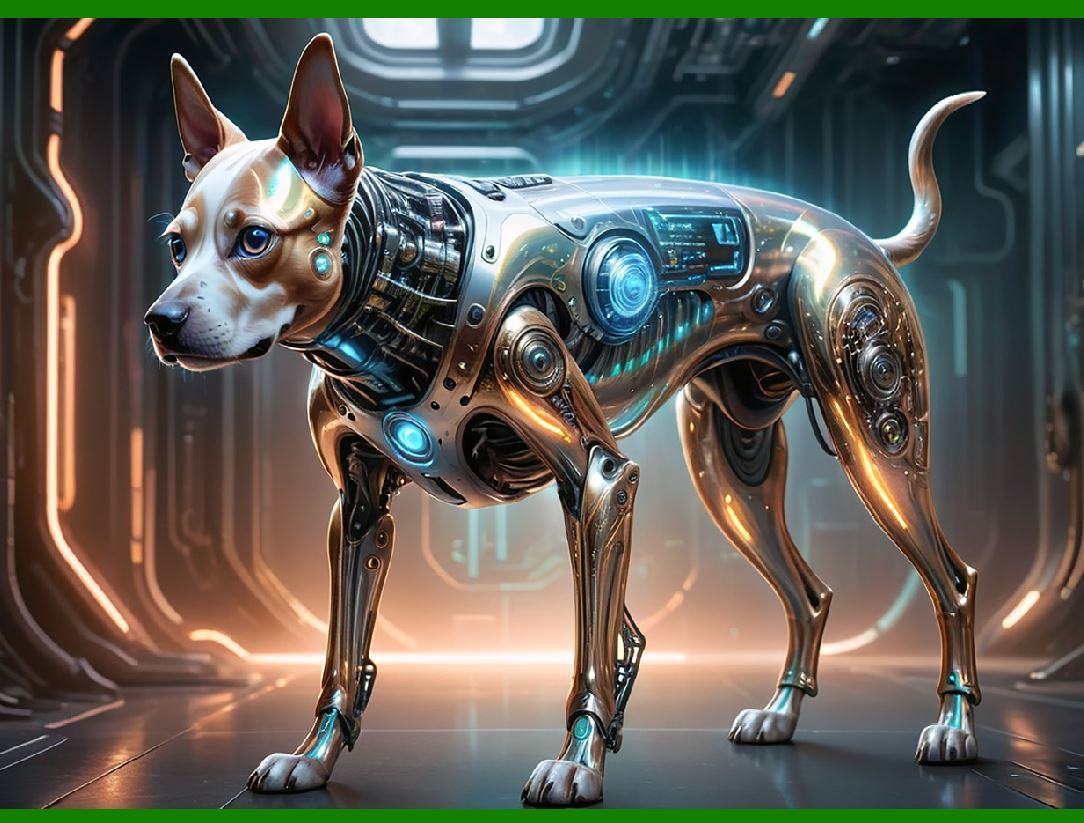
Distributed Drive Systems: In swarm robotics, each robot may be equipped with its own drive system, which will work in parallel with others in the swarm. These drive systems could be highly modular, allowing robots to adapt to different tasks by changing configurations or moving in concert with other robots. |
Cooperative Manipulation: Future robots will be able to cooperate and perform complex tasks collectively, such as lifting heavy objects or assembling large structures. In such cases, hybrid actuators (combining various power sources) and shared sensor networks will enable precise coordination between robots, enhancing efficiency and expanding the range of tasks they can perform. |
Decentralized Control Algorithms: AI-powered decentralized control algorithms will allow robots in a swarm to communicate and make decisions without human intervention. These algorithms will optimize robot movements in real time, allowing robots to work more efficiently and autonomously in complex environments. |
|
7. Biomimetic and Soft Robotics |
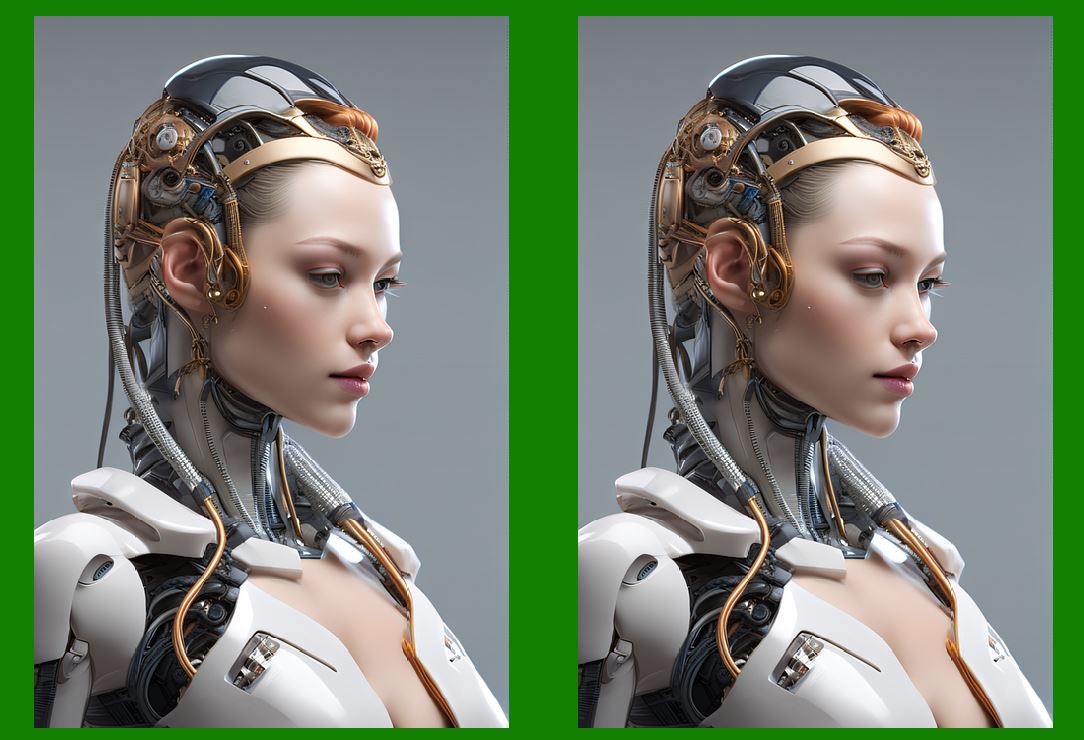
Biomimetic design is an emerging trend where robots are designed to mimic biological systems. The development of biomimetic actuators that replicate the movements of muscles and tendons in animals will lead to robots with greater flexibility and dexterity. These robots will have drive systems capable of performing complex, delicate movements while maintaining strength and adaptability. |
Muscle-Like Actuators: Researchers are exploring the use of artificial muscles made from materials like electroactive polymers (EAPs) that contract and expand when an electrical voltage is applied. These muscles could be used in soft robots, allowing for fluid, natural movements akin to biological organisms. |
Soft Pneumatics: In combination with soft robotics, advanced pneumatic actuators can provide robots with the ability to perform highly adaptable and versatile tasks. These robots could be used in industries requiring dexterity and precision, such as food processing, electronics assembly, or healthcare. |
|
Conclusion |
The future of industrial robot drive systems will be shaped by the integration of advanced materials, more efficient actuators, AI-driven control systems, hybrid technologies, and real-time feedback. These developments will enhance robots' ability to perform tasks with greater precision, adaptability, and efficiency. As robots become more intelligent, energy-efficient, and versatile, they will open up new possibilities for automation across a wide range of industries, from manufacturing to healthcare, logistics, and beyond. |
 cs@easiersoft.com