1. Introduction to Industrial Robots and Electric Power |
Industrial robots are increasingly becoming a vital part of modern manufacturing processes, providing enhanced efficiency, precision, and reliability in various sectors like automotive, electronics, food and beverage, pharmaceuticals, and more. These robots perform a wide range of tasks, from assembly and welding to painting and packaging. For the robotic systems to function optimally, a consistent and reliable power source is required. Electric power plays a crucial role in driving these robots, providing the necessary energy for their movements, sensors, controllers, and other vital components. |
Electric robots typically operate on standard industrial electricity, commonly available in factories and production facilities. This electricity is usually in the form of alternating current (AC), often at voltages such as 240V or 480V AC, depending on the power requirements of the specific robot. The design of industrial robots must be capable of handling the electrical input, transforming it into usable power for the robot's motors, actuators, and other systems. |
This comprehensive breakdown will explain the various aspects of electric power for industrial robots, covering the power supply, voltage requirements, transformers and converters, power distribution, and how the electric power is used throughout the robot's components. |
|
2. Standard Voltage in Industrial Robotics |
Electric robots generally rely on the standard electrical supply in industrial environments. In most countries, industrial electricity is supplied as either 240V or 480V AC, but this can vary by region. These voltage levels are chosen to meet the power demands of industrial equipment, ensuring that machines like robots have a steady and reliable power source. |
240V AC: The 240V supply is common in smaller or less power-intensive robots. These robots might perform tasks such as assembly line work, light material handling, or precision tasks where the power requirements are modest. Smaller robots typically have lower power requirements and are designed to run on lower voltage supplies. |
480V AC: Larger industrial robots, or those with high power requirements (e.g., heavy lifting, large-scale machining, or high-speed operation), require 480V AC for their power supply. This higher voltage is often needed for robots that have heavy-duty motors, advanced actuators, or perform high-load tasks such as welding, material transport, or complex assembly operations. |
|
3. Role of Transformers in Industrial Robots |
Since most industrial robots require a steady and consistent voltage, transformers are critical components in the power supply chain. A transformer is an electrical device that changes the voltage level of AC electricity. Transformers work on the principle of electromagnetic induction to convert the incoming high voltage or low voltage to the desired level needed by the robot's systems. |
In the case of industrial robots, transformers play the following essential roles: |
Voltage Conversion: Transformers adjust the incoming voltage to the level required by the robot. For example, a transformer may convert 480V AC to 240V AC, or vice versa, depending on the robot's requirements. |
Power Distribution: Once the voltage is adjusted, the power needs to be distributed efficiently to various parts of the robot, such as the drive motors, sensors, and control systems. Transformers ensure that the right amount of power is delivered to each of these subsystems. |
Safety and Protection: Transformers also offer isolation from the power supply, ensuring that the robot's internal electrical systems are protected from power surges, spikes, or faults in the supply network. |
Reducing Power Loss: Efficient transformers reduce power loss, which is especially important in large robots or systems that require a significant amount of energy. Less energy lost in the form of heat means that more energy is available to drive the robot's movements. |
|
4. Electric Converters in Robotic Systems |
While transformers adjust the voltage level, electric converters are used to modify the current or to convert the AC voltage into direct current (DC), which is often required by the robot's motors and other components. Converters are critical in ensuring that the robot receives the precise electrical input it needs for accurate and reliable performance. |
There are several types of converters used in industrial robots: |
AC to DC Converters (Rectifiers): Many robotic systems use DC motors, which require a DC power source. An AC-to-DC converter, also known as a rectifier, converts the AC voltage from the standard industrial supply into DC. This is important because DC motors are more efficient for certain types of robotic movements, such as precise control and high torque applications. |
DC-DC Converters: In some cases, even if a DC voltage is already in use, a further step-down or step-up of voltage may be required. DC-DC converters are used to adjust the voltage to the appropriate level for different components of the robot. For instance, one subsystem might need 12V DC, while another may require 24V DC. DC-DC converters provide that flexibility. |
Inverters: Robots that use AC motors, especially for high-speed or high-torque applications, rely on inverters to convert DC voltage back into AC. Inverters enable robots to efficiently control the speed and torque of the motors by adjusting the frequency and voltage of the output AC current. These devices are essential in providing fine-tuned control over the robot's movements. |

|
5. Power Distribution and Control |
The distribution of electrical power within a robotic system is a complex process. Once the necessary voltage is established and converted, it is distributed across the robot's components, including its motors, sensors, controllers, and other electronic systems. This power distribution must be done in a way that ensures reliable and uninterrupted operation. |
Power Distribution Units (PDUs): Robots typically include power distribution units, which are responsible for managing the flow of electrical power to different subsystems. The PDU ensures that each part of the robot receives the correct amount of power at the correct time, minimizing the risk of overloading or damaging sensitive components. |
Wiring and Cables: The power needs to travel from the source to the robot's various components through a network of wires and cables. Industrial robots are equipped with robust, flexible, and insulated wiring that can handle high power levels and environmental stresses. The wiring must be designed to carry the required voltage and current without excessive resistance, which can lead to power loss or overheating. |
Fuses and Circuit Breakers: Protection devices such as fuses and circuit breakers are essential for preventing electrical faults that could damage the robot or its systems. These devices automatically disconnect the power supply in the event of a short circuit or overload, protecting both the robot and the surrounding equipment from electrical hazards. |
Power Consumption Monitoring: Advanced robotic systems are often equipped with sensors and controllers that monitor power consumption in real-time. These sensors can track the robot's energy usage, helping operators identify areas where power efficiency can be improved and preventing unnecessary energy wastage. |

|
6. Electric Power and Actuators |
The actuation system is one of the most critical components of an industrial robot, and it relies heavily on electrical power. Actuators, which convert electrical energy into mechanical motion, allow the robot to perform tasks such as movement, lifting, and manipulation of objects. |
Electric Motors: Most industrial robots use electric motors, which are powered by the robot's electrical system. Electric motors come in various forms, including: |
DC Motors: Used in applications requiring precise speed control and high torque, DC motors are common in smaller robots or those that require fine control over movement. |
AC Motors: For larger robots or those requiring higher speeds and power, AC motors are commonly used. AC motors are ideal for applications like welding, packaging, or material handling, where continuous motion at high speed is required. |
Stepper Motors: These motors are widely used for precision control in robotic arms and other systems requiring incremental movement. They offer fine control over position, speed, and torque. |
Servo Motors: Servo motors, often used in robotic applications, provide precise control over position and speed. These motors are coupled with feedback systems to ensure accurate movement and positioning. |
Linear Actuators: Some robots use linear actuators, which convert electrical power into linear motion. These actuators are commonly used in robotic arms and other systems that need to move along straight paths. |

|
7. Power Efficiency in Robotic Systems |
With the increasing demand for sustainability and energy efficiency in manufacturing, power efficiency has become a crucial consideration in the design and operation of industrial robots. Power efficiency refers to how effectively electrical energy is converted into useful mechanical work, minimizing energy waste and operating costs. |
Energy-Efficient Motors: Modern robots use energy-efficient motors that consume less power while delivering the same or even better performance. These motors are typically designed to reduce losses due to friction, heat, and electrical inefficiencies. |
Regenerative Systems: Some advanced robotic systems incorporate regenerative braking or power recovery systems, which capture energy during deceleration or braking and feed it back into the system. This helps reduce overall power consumption, particularly in robots that frequently move or cycle through repetitive motions. |
Dynamic Power Adjustment: Advanced robots are capable of dynamically adjusting their power consumption based on the task at hand. For example, the robot might consume less power when performing lighter tasks and ramp up its power consumption when performing heavy lifting or high-speed operations. |

|
8. Conclusion |
The integration of electric power into industrial robots is a complex process involving a combination of transformers, converters, power distribution systems, and actuators. The robot's ability to operate efficiently and effectively relies on a stable and properly regulated power supply, which is essential for precise movement, reliable performance, and long-term durability. |
By using transformers and converters to adjust voltage, and by employing power distribution systems to ensure each component receives the correct amount of energy, industrial robots can operate seamlessly across various industries. As technology advances, future developments in power efficiency, regenerative systems, and energy monitoring will continue to improve the sustainability and operational effectiveness of industrial robots, helping manufacturers meet modern production demands while reducing energy costs and environmental impact. |

|
What new technologies will be related to this in the future? |
As industrial robotics continues to evolve, several emerging technologies are likely to shape the future of electric power in robotic systems. These innovations aim to improve energy efficiency, power management, precision, and overall system performance. Below are some key technologies that are expected to play a major role in the future of industrial robots, particularly in relation to electric power: |
1. Wireless Power Transfer |
One of the most transformative developments in the field of industrial robotics is wireless power transfer (WPT). This technology, which uses electromagnetic fields to transfer power between two coils (usually a primary coil and a secondary coil), could eliminate the need for wired connections to supply power to robots. |
How it Works: WPT systems use inductive or resonant inductive coupling to transfer electrical energy without the need for physical connectors or cables. This would allow industrial robots to operate more freely, without being tethered to a fixed power source, which is especially beneficial in environments where mobility and flexibility are crucial, such as in automated guided vehicles (AGVs) or robotic arms. |
Potential Impact: This technology could reduce wear and tear on power cables, improve the mobility of robots, and enable seamless power delivery in dynamic work environments. Additionally, it could facilitate charging robots on the fly, allowing them to stay operational for longer periods. |
Challenges: The key hurdles for widespread adoption of WPT include efficiency, range, and cost. The power loss during wireless transfer can be substantial, and optimizing energy transfer efficiency is still a work in progress. However, as this technology advances, it holds the potential to revolutionize power delivery in industrial robots. |

|
2. Advanced Energy Storage Solutions |
As robots become more autonomous and capable of operating for longer periods, energy storage technologies will need to evolve to provide reliable, high-capacity energy sources. Current batteries often have limitations in terms of capacity, recharge time, and weight, especially for larger robots that require substantial power for movement. |
Solid-State Batteries: Solid-state batteries, which use solid electrolytes instead of liquid ones, could dramatically increase energy density, safety, and longevity. These batteries would be less prone to leakage, offer higher capacity, and charge faster compared to conventional lithium-ion batteries. Solid-state batteries could significantly extend the operational life of robots between charges. |
Supercapacitors: Supercapacitors are energy storage devices that can charge and discharge much faster than traditional batteries, making them ideal for applications that require bursts of power, such as heavy-duty robotic arms or machines that perform fast-paced, high-energy tasks. When integrated with batteries, supercapacitors can improve overall system performance by handling short-term power spikes. |
Hybrid Energy Storage Systems: A combination of batteries, supercapacitors, and possibly fuel cells could optimize energy usage in robots. These hybrid systems would allow robots to handle both long-duration tasks (using batteries) and short bursts of high power (using supercapacitors), providing a more efficient and flexible power solution. |

|
3. Energy Harvesting Technologies |
Energy harvesting, or scavenging, involves collecting ambient energy from the environment and converting it into usable electrical power. This technology is still in its early stages, but it holds significant potential for reducing the dependency on external power sources. |
Vibration Energy Harvesting: Industrial robots often operate in environments where vibrations are common, such as assembly lines or factory floors. Vibration energy harvesters can convert mechanical vibrations into electrical power, which could be used to power low-energy sensors or auxiliary systems in robots. This would reduce the overall energy demands on the main power supply. |
Thermal Energy Harvesting: Robots, particularly those involved in high-temperature processes like welding or metalworking, generate heat. Thermoelectric generators (TEGs) can convert this excess heat into electrical energy, which could then be used to power various systems in the robot, such as its sensors or cooling systems. |
Solar Power Integration: In certain applications, robots could integrate flexible, high-efficiency solar panels to harvest energy from ambient light. This technology could be particularly beneficial for robots operating in outdoor environments or in settings with abundant natural light. |
|
4. Artificial Intelligence for Power Management |
The integration of artificial intelligence (AI) and machine learning (ML) into robotic power management systems has the potential to revolutionize how energy is used and distributed within robots. AI can be used to dynamically adjust power consumption based on real-time data, such as the robot's current workload, battery state, and environmental conditions. |
Adaptive Power Consumption: Using AI, robots can adjust their power usage in real time based on the task they are performing. For instance, if a robot is performing a high-precision task requiring minimal movement, the AI could reduce the power to its actuators, saving energy. In contrast, during heavy lifting or high-speed motion, the system could ramp up power delivery. |
Predictive Maintenance and Power Efficiency: Machine learning algorithms could predict when a robot's power systems are likely to fail, based on historical data and current conditions. Predicting failures allows for preventative maintenance, reducing downtime and improving overall efficiency. Additionally, AI can optimize energy efficiency by analyzing patterns in power consumption and suggesting improvements. |
Energy-Efficient Path Planning: AI algorithms could be used to plan energy-efficient robot movements. By taking into account factors like speed, load, and terrain, AI can optimize a robot's trajectory to minimize energy usage, similar to how GPS systems find the fastest routes for cars. |
|
5. Wireless and Smart Sensors for Power Monitoring |
Sensors will continue to play an important role in the optimization of power consumption in industrial robots. The future of these sensors lies in their integration with wireless networks and their ability to provide real-time feedback on energy usage and system performance. |
Wireless Power Monitoring: By embedding smart sensors within various parts of the robot, real-time data on power consumption and system health can be transmitted wirelessly to a central control system. This could enable remote monitoring, diagnostics, and adjustments of the robot's power systems, reducing the need for physical intervention and improving uptime. |
Smart Grids and IoT Integration: Robots could be part of a larger Internet of Things (IoT) ecosystem, where energy consumption data from robots is sent to a central smart grid system. The smart grid could adjust power delivery based on real-time demand, distributing power more efficiently across all connected machines and robots within a factory. |
Self-Optimizing Robots: By using sensor data in conjunction with AI, robots could optimize their own power usage. For example, a robot could detect if its actuators are becoming less efficient due to wear and tear, and adjust its power usage accordingly. This would ensure that the robot continues to function optimally while minimizing unnecessary energy consumption. |

|
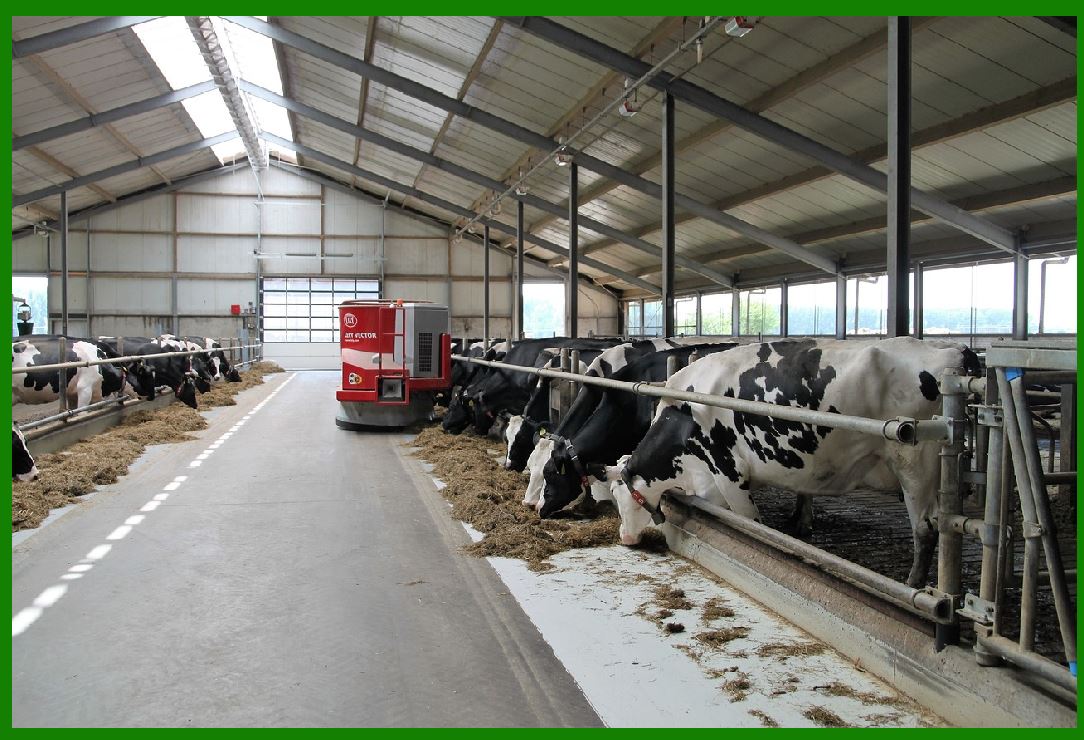
6. Distributed Power Systems |
Future industrial robots may feature distributed power systems, where smaller, more efficient power units are integrated directly into the robot's structure, rather than relying on a single, centralized power supply. |
Distributed Energy Storage: Rather than a single battery or power supply, future robots could be equipped with multiple smaller, distributed energy storage devices that are strategically placed throughout the robot. This would reduce the risk of power loss from a single point of failure and enable the robot to continue functioning even if part of the power system is damaged or fails. |
Local Power Generation: In addition to traditional batteries, robots could incorporate local power generation units, such as micro-fuel cells or small-scale renewable energy generators (e.g., mini wind turbines or solar cells). These localized energy sources would further reduce the robot's dependency on external power supplies. |
|
7. Quantum Computing for Power Optimization |
Though still in the early stages of development, quantum computing holds the potential to revolutionize the way we optimize energy systems, including power management in industrial robots. Quantum computers can solve highly complex problems that are beyond the reach of traditional computers. |
Optimized Energy Distribution: Quantum algorithms could be used to optimize energy distribution within large fleets of robots, ensuring that power is distributed as efficiently as possible across all systems, reducing energy waste and improving overall performance. |
Advanced Control Systems: Quantum computing could also be used to develop advanced control systems that can manage the robot's movements and energy consumption with a level of precision that was previously unattainable. |
|
Conclusion |
The future of industrial robots and electric power is set to be influenced by a variety of exciting technologies. From wireless power transfer and advanced energy storage solutions to AI-driven power management and energy harvesting, these innovations will enable robots to operate more efficiently, autonomously, and sustainably. As the industry continues to evolve, the integration of these technologies will help industrial robots become even more capable and adaptable, further driving the automation of manufacturing processes and other industrial applications. The seamless combination of power optimization, mobility, and smart energy solutions will shape the next generation of industrial robots, making them more reliable, energy-efficient, and cost-effective than ever before. |
 cs@easiersoft.com