1. Introduction to the Industrial Robot Arm (Manipulator) |
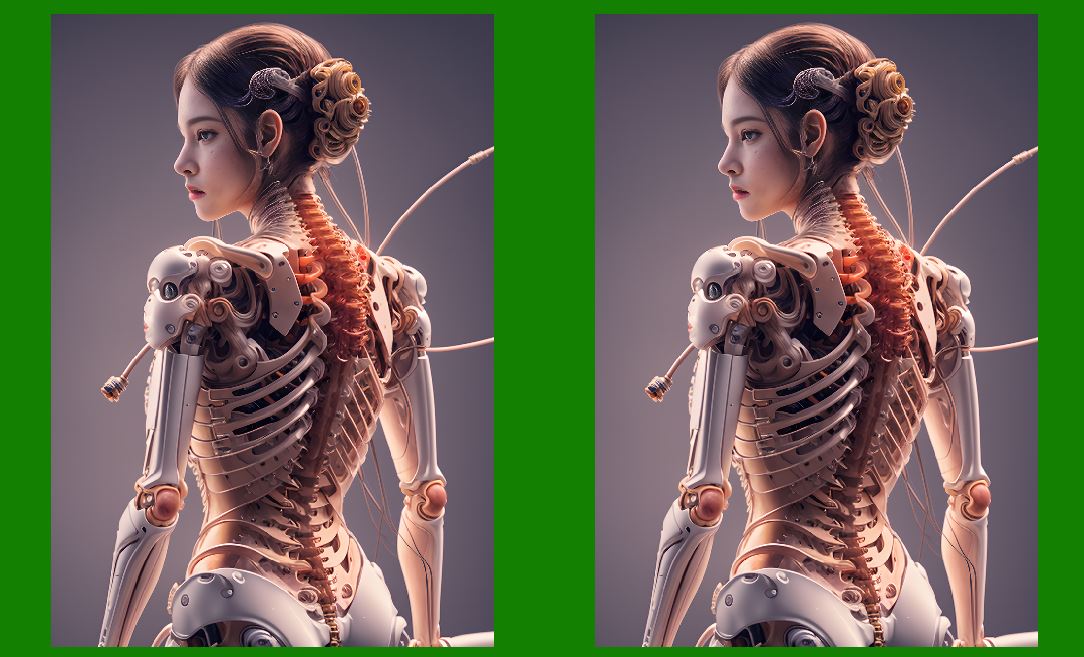
The industrial robot arm, also known as the manipulator, is the fundamental component of an industrial robot system. It is designed to replicate the function of a human arm, utilizing a series of joints and links to provide a flexible and versatile range of motion. These arms are essential in modern automation, performing complex tasks with high precision, speed, and reliability. From assembly lines to packaging, welding, painting, and even medical surgeries, robot arms have revolutionized various industries by improving productivity and reducing human error. |
Industrial robot arms are generally designed to perform repetitive, high-precision tasks, where human intervention might be less efficient or even dangerous. With advancements in technology, these robotic arms have become more sophisticated, enabling them to handle delicate tasks, complex motions, and increasingly demanding work environments. |
|
2. Components of a Robot Arm |
The robot arm is made up of several key components that work together to perform a wide range of tasks. These include: |
1.Links: These are the rigid segments or 'bones' of the arm, typically made from materials such as steel, aluminum, or composite materials. The links provide the structural framework for the robot arm, ensuring it maintains the necessary strength and stability to handle various tasks. Each link connects to another link via a joint, which allows for movement between the links. |
2.Joints: Joints are the movable components that allow the robot arm to perform different motions. They act as the 'elbows' and 'shoulders' of the robot, connecting the links and providing flexibility. The most common types of joints are revolute (rotational) joints, prismatic (linear) joints, and spherical joints. Revolute joints allow the arm to rotate around an axis, prismatic joints enable linear motion, and spherical joints allow multi-axis movement, providing the robot arm with greater dexterity. |
3.End-Effector (Tooling): The end-effector is the device or tool attached to the robot arm's last link. It is the component responsible for performing the task at hand, whether it's picking up an object, welding a joint, or performing quality control on a product. Common end-effectors include grippers, suction cups, welding torches, and spray nozzles. |
4.Actuators: Actuators are the components that generate the movement in the robot arm. They are typically electric motors, pneumatic systems, or hydraulic systems that drive the joints, providing them with the necessary force to move. The type of actuator used depends on the specific application and the required precision and power. |
5.Sensors: Sensors play a crucial role in providing feedback to the robot's control system. These sensors can include position sensors (to detect the location of the robot arm), force/torque sensors (to sense the interaction between the robot and its environment), and vision systems (to help the robot recognize and manipulate objects). Sensors allow the robot to adapt to its environment and complete tasks with higher precision. |
6.Control System: The control system serves as the brain of the robot arm. It processes inputs from the sensors and sends commands to the actuators to control the movement of the arm. Advanced control systems utilize algorithms such as inverse kinematics and path planning to ensure that the robot arm moves smoothly and efficiently while performing its tasks. |
|
3. Degrees of Freedom (DOF) |
The term 'degrees of freedom' (DOF) refers to the number of independent motions that a robot arm can perform. Each joint in the robot arm typically provides one degree of freedom, allowing the arm to move along a specific axis. The more degrees of freedom a robot arm has, the more versatile it becomes. |
For example, a simple two-joint robot arm might have two degrees of freedom, allowing it to move in two directions. A more advanced arm, like a six-joint robotic manipulator, can perform a wide variety of motions, including rotations around multiple axes and linear movements in space. Six degrees of freedom are generally considered the minimum for industrial tasks, as it allows for precise positioning and manipulation of objects in three-dimensional space. |
|
4. Types of Robot Arms |
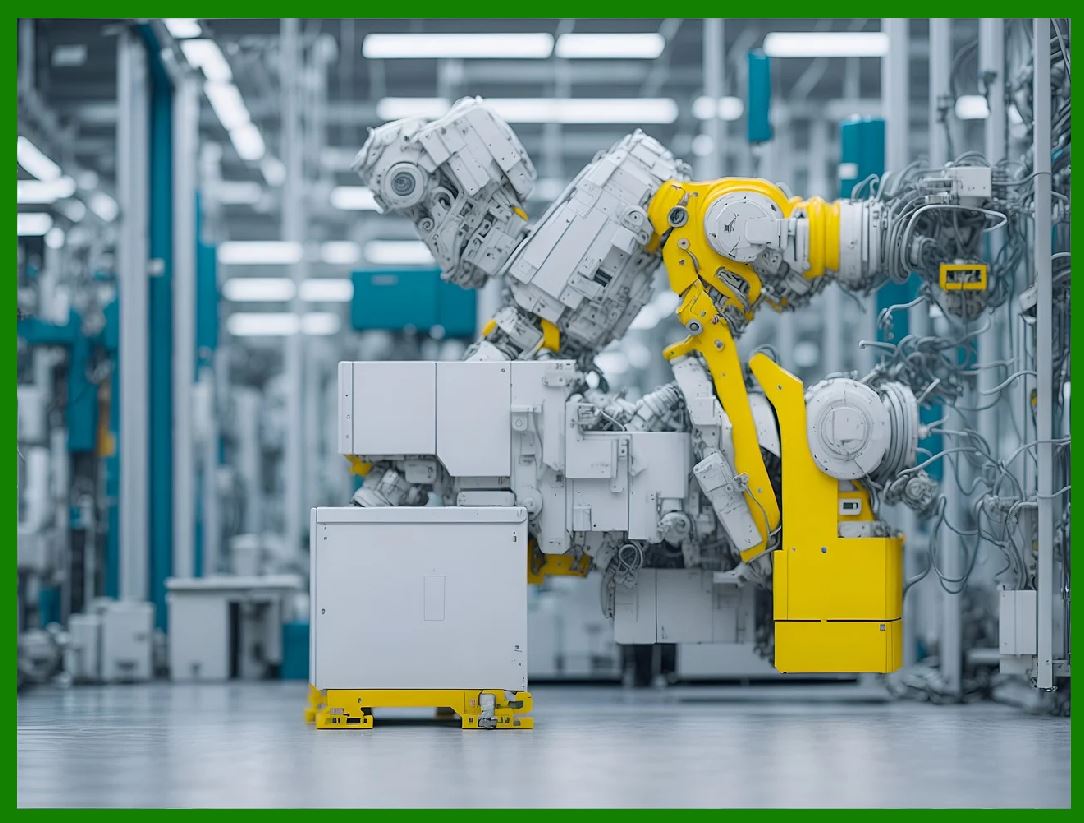
Industrial robot arms can be classified into several types based on their design and the tasks they are intended to perform. The most common types include: |
1.Articulated Robot Arm: This is one of the most widely used robot arm designs. It consists of multiple rotational joints (usually three to six), which give it the ability to perform complex motions. The articulated robot arm can be compared to a human arm, with its shoulder, elbow, and wrist joints allowing for a wide range of movement. These robots are often used in applications such as welding, painting, and assembly. |
2.SCARA (Selective Compliance Assembly Robot Arm): SCARA robots are characterized by their rigid vertical axis and flexible horizontal axis, making them highly effective for tasks that require precise movements in a horizontal plane, such as assembly, pick-and-place operations, and material handling. SCARA robots are known for their speed and accuracy. |
3.Delta Robot Arm: A delta robot consists of parallel arms connected to a single base, providing high-speed movements and precision. These robots are often used for tasks such as picking and packaging in fast-paced environments. Their design allows them to work in constrained spaces and move quickly while maintaining a high level of accuracy. |
4.Cartesian Robot Arm: Also known as a linear robot, this type of robot arm operates along three linear axes (X, Y, and Z). The robot moves in straight lines rather than rotating like articulated robots. Cartesian robots are commonly used in 3D printing, CNC machining, and material handling tasks. |
5.Cylindrical Robot Arm: Cylindrical robot arms have a rotary base combined with a prismatic (linear) joint. This configuration allows the robot to move in both rotational and linear directions, providing a wide working envelope. These robots are suitable for tasks such as assembly, material handling, and machine tool operations. |
|
5. Kinematics of Robot Arms |
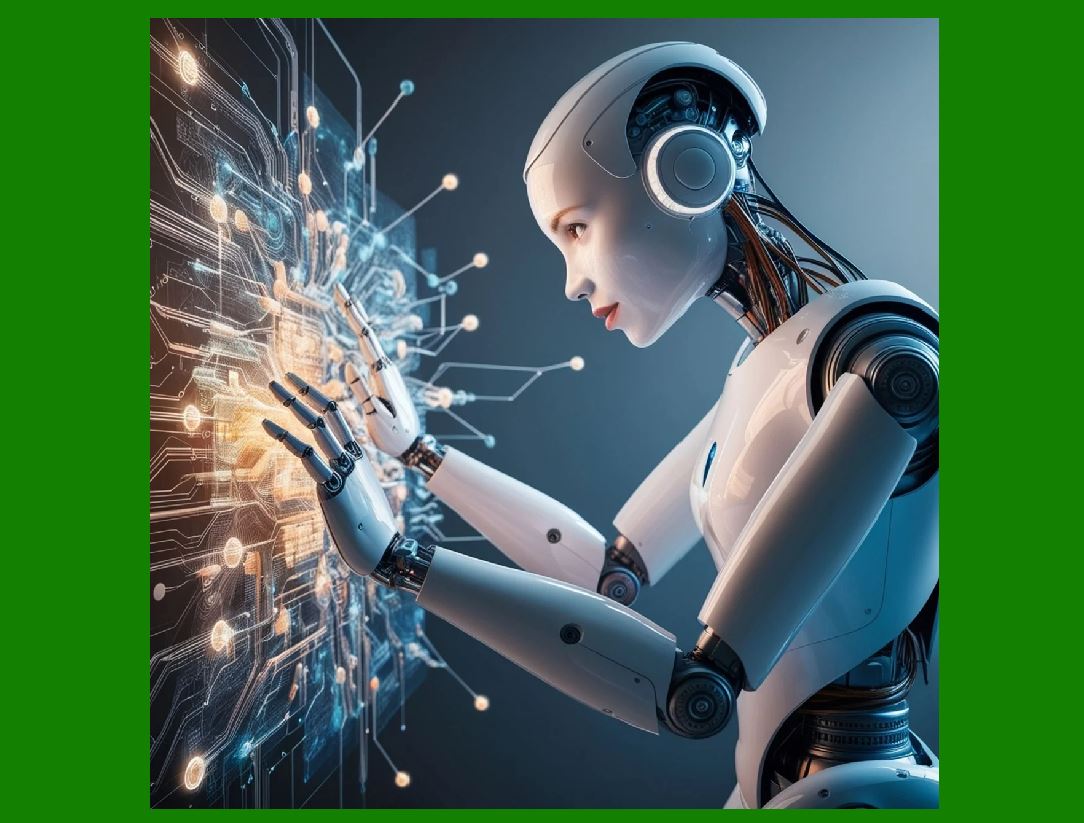
Kinematics refers to the study of motion without considering the forces that cause it. In the context of robot arms, kinematics is essential for determining how the arm moves and how its joints and links interact to position the end-effector at a desired location. |
There are two main types of kinematics used in industrial robot arms: |
1.Forward Kinematics: This involves calculating the position of the end-effector given the joint angles or positions. In forward kinematics, the known quantities are the joint parameters (angles or displacements), and the goal is to find the resulting position of the robot's end-effector in Cartesian space. |
2.Inverse Kinematics: Inverse kinematics is the process of determining the required joint angles or displacements to position the end-effector at a given point in space. This is more complex than forward kinematics because there are often multiple solutions for a given end-effector position. Solving inverse kinematics requires sophisticated algorithms, and it is critical for tasks such as path planning and robotic manipulation. |
|
6. Control and Programming of Robot Arms |
The operation of an industrial robot arm is governed by its control system, which is responsible for interpreting input data from sensors, determining the optimal movements, and sending commands to the actuators. There are two main types of control strategies used for robot arms: |
1.Point-to-Point Control (PTP): In point-to-point control, the robot moves from one predefined point to another without concern for the path it takes between these points. This control method is typically used in applications where the path between points is not critical, such as in pick-and-place operations or assembly tasks. |
2.Continuous Path Control (CPC): Continuous path control allows the robot to move smoothly along a specified path, ensuring that the robot follows a specific trajectory rather than just reaching individual points. This is particularly useful for tasks that require high precision, such as welding or painting. |
Programming a robot arm involves defining the desired motions, actions, and interactions with the environment. Modern robot arms can be programmed using various methods, including: |
1.Teach Pendant Programming: The teach pendant is a handheld device used by operators to manually guide the robot through a series of motions. The robot arm records these motions, which can then be played back automatically for repetitive tasks. |
2.Offline Programming: Offline programming involves creating and simulating the robot's motions on a computer before transferring the program to the robot. This method allows for optimizing the robot's movements, testing the program in a virtual environment, and reducing downtime during the robot's operation. |
3.Robot Programming Languages: Some advanced robot arms can be programmed using specialized programming languages, such as RAPID (used by ABB robots), KRL (KUKA Robot Language), or URScript (for Universal Robots). These languages provide more flexibility and control over the robot's movements, allowing for complex task automation. |

|
7. Applications of Industrial Robot Arms |
Industrial robot arms are employed in a variety of industries, from automotive manufacturing to electronics, food production, and even healthcare. The versatility of robot arms makes them invaluable for performing tasks that are repetitive, dangerous, or require high precision. |
1.Manufacturing and Assembly: Robot arms are widely used in the automotive and electronics industries for tasks such as assembly, part handling, and welding. Their speed and precision allow manufacturers to produce high-quality products with minimal human intervention. |
2.Material Handling and Packaging: In warehouses and distribution centers, robot arms are used for sorting, picking, packing, and palletizing goods. These robots increase throughput, reduce human labor, and minimize the risk of injury. |
3.Medical Robotics: Robotic arms are used in surgeries for tasks such as minimally invasive procedures, where precision is critical. Examples include the da Vinci Surgical System, which uses robotic arms to assist surgeons with greater accuracy. |
4.Painting and Coating: In automotive and aerospace industries, robot arms equipped with spray guns are used for painting and coating parts. Their precision and consistency ensure uniform coating and reduce waste. |
5.Welding: Robotic arms are frequently used in welding operations, especially for tasks such as spot welding and arc welding. Their precision ensures high-quality welds, and they can work in hazardous environments without risk to human workers. |
6.3D Printing: Some robot arms are equipped with 3D printing heads to create complex parts layer by layer. These robots can print with various materials, including plastics, metals, and even biological tissues in medical research. |

|
8. Future Trends in Robot Arm Technology |
The field of industrial robotics is evolving rapidly, and several trends are shaping the future of robot arm technology: |
1.Artificial Intelligence (AI) and Machine Learning: The integration of AI and machine learning algorithms allows robot arms to improve their performance over time. These systems enable robots to adapt to changing environments, learn new tasks, and optimize their actions for efficiency. |
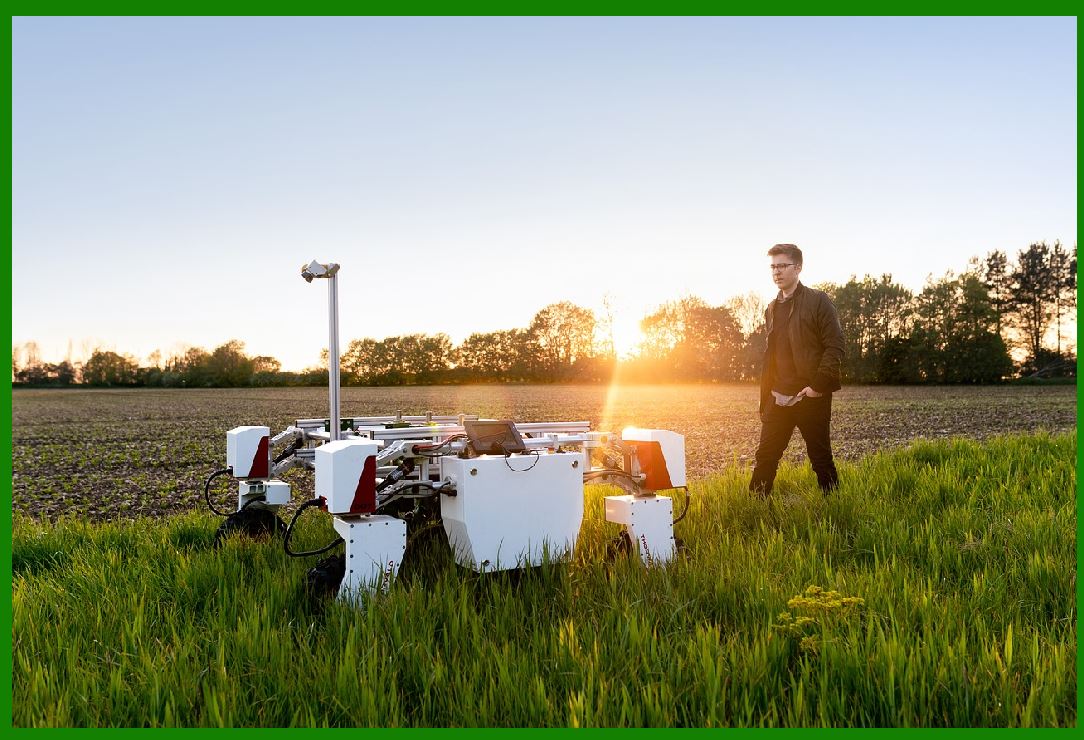
2.Collaborative Robots (Cobots): Cobots are robot arms designed to work alongside human operators in shared workspaces. These robots are equipped with advanced sensors and safety features, allowing them to work safely and efficiently in close proximity to humans. |
3.Edge Computing: With the rise of edge computing, robot arms can process data locally rather than relying on a central cloud server. This allows for faster decision-making and improved responsiveness in real-time applications. |
4.Human-Robot Interaction (HRI): As robots become more integrated into human work environments, the development of advanced human-robot interaction systems is crucial. Future robot arms may feature more intuitive interfaces, such as voice recognition, gesture control, or even thought-controlled systems. |
5.Lightweight Materials: Advances in materials science are enabling the development of lighter, more durable robot arms. These arms will be more energy-efficient and capable of working in environments where traditional robot arms might be too bulky or heavy. |

|
9. Conclusion |
Industrial robot arms (manipulators) play a pivotal role in modern automation, revolutionizing the way products are manufactured and tasks are performed across various industries. With their ability to mimic human arm movements, robot arms provide a versatile, efficient, and cost-effective solution for tasks ranging from assembly and material handling to surgery and 3D printing. As technology continues to evolve, robot arms will become increasingly sophisticated, intelligent, and capable of collaborating with humans in new ways, further enhancing productivity and safety in the workplace. |

|
Future Technologies Related to Industrial Robot Arms (Manipulators) |
The field of industrial robotics, particularly robot arms (manipulators), is evolving rapidly due to advancements in several emerging technologies. These innovations are not only improving the performance, versatility, and safety of robot arms but are also enabling new applications and use cases in various industries. Here are some of the key technologies that will shape the future of industrial robot arms: |
1. Artificial Intelligence (AI) and Machine Learning |
AI and machine learning are perhaps the most transformative technologies influencing industrial robots, including robot arms. These technologies enable robots to 'learn' from their environment, optimize performance, and adapt to changing conditions. |
Key Applications: |
Autonomous Decision Making: AI-powered robot arms can make decisions in real time based on sensor data. For example, in a factory setting, robots could identify defects in parts or adjust their motions dynamically to handle unexpected obstacles. |
Predictive Maintenance: By analyzing data from sensors embedded in the robot arms, machine learning algorithms can predict when components are likely to fail. This helps with preemptive maintenance, reducing downtime and increasing the lifespan of robot arms. |
Task Learning and Adaptation: With reinforcement learning, robot arms can improve their performance over time. They can adapt to new tasks or environments without explicit reprogramming. For example, a robot could learn to adjust its gripper force depending on the type of object it's handling, improving precision and efficiency. |
|
2. Collaborative Robots (Cobots) |
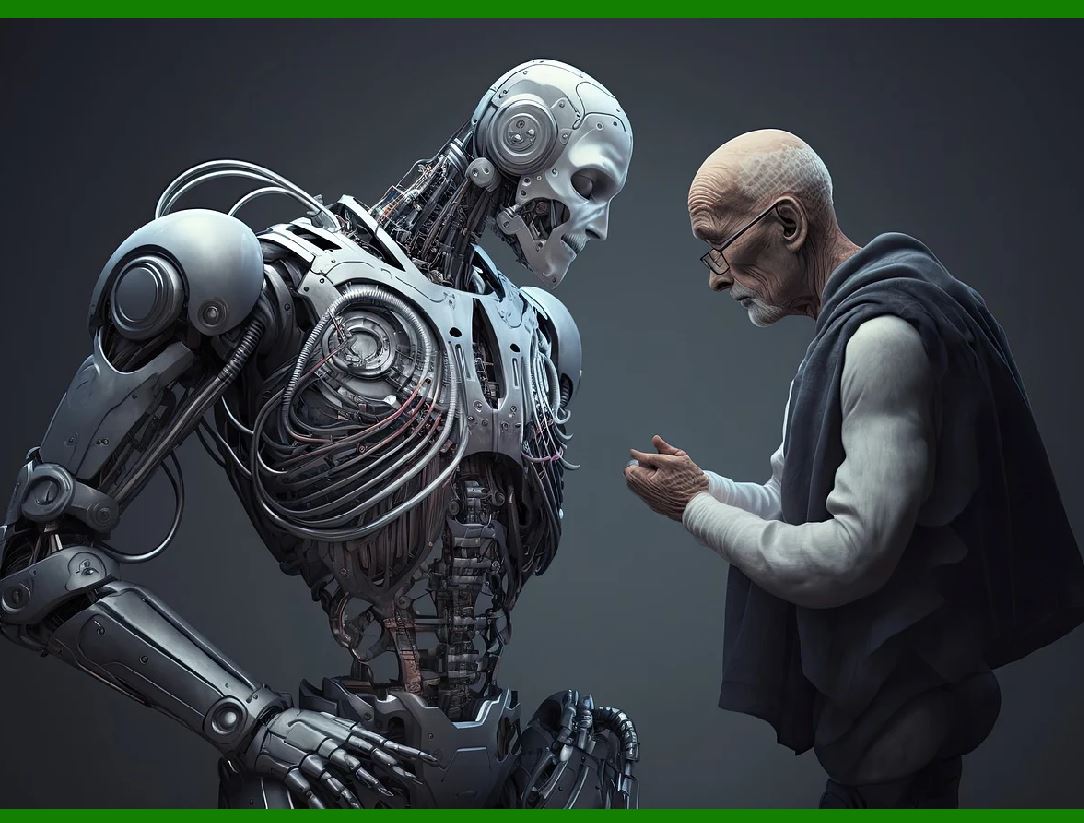
Collaborative robots (cobots) are designed to work alongside human operators in shared environments, without the need for safety barriers. Cobots are becoming increasingly important in industries where flexibility, precision, and human-robot interaction are needed. |
Key Features: |
Safety Features: Cobots are equipped with advanced sensors, force and torque monitoring systems, and algorithms to ensure safe interaction with humans. If a human comes too close to a moving robot, the cobot will slow down or stop to avoid injury. |
Ease of Programming: Cobots are designed to be easy to program, even for non-experts. They often feature intuitive interfaces, such as touchscreens, voice control, or even gesture recognition, making them accessible to workers without specialized robotics training. |
Flexible Work Environments: Cobots can adapt to various tasks and are commonly used in small-batch production, quality control, and assembly lines where traditional, larger industrial robots might be overkill. |
|
3. Human-Robot Interaction (HRI) and Natural Interfaces |
As robots begin working more closely with humans, the ability to communicate and interact intuitively with these machines becomes essential. The future of industrial robot arms will include enhanced human-robot interfaces that make it easier for humans and robots to collaborate. |
Emerging HRI Technologies: |
Voice Control: As voice recognition technologies improve, industrial robots will be able to follow commands through spoken language, providing hands-free control for operators. |
Gesture Control: Advances in computer vision and motion tracking allow robot arms to recognize human gestures. Operators could use simple hand motions to guide robot arms, offering a more natural way of interaction. |
Brain-Computer Interfaces (BCIs): Research is ongoing into using neural signals to control robot arms directly via brain waves. BCIs could enable operators to control robotic manipulators by thought alone, allowing for precise, intuitive control in applications like surgery or hazardous material handling. |
|
4. Edge Computing and Real-Time Data Processing |
Edge computing refers to the processing of data at the location where it is generated, rather than sending all the data to a centralized cloud server. In industrial robotics, this technology is crucial for improving the responsiveness and efficiency of robot arms. |
Benefits and Applications: |
Reduced Latency: By processing data locally, robot arms can make real-time decisions with minimal delay, critical for applications where immediate responses are necessary, such as high-speed assembly or material handling. |
Improved Reliability: Edge computing helps ensure that robots continue to operate even if the connection to the central cloud server is interrupted. This enhances the reliability and robustness of robot arms, especially in critical manufacturing environments. |
Distributed Intelligence: Multiple robots working on the same floor can share processed data locally, enabling decentralized, collaborative decision-making. This is essential for large-scale automated warehouses or production lines. |
|
5. 5G and Next-Generation Connectivity |
The rollout of 5G networks promises to dramatically improve communication between industrial robots, sensors, and central control systems. With ultra-low latency and high bandwidth, 5G will enable real-time, high-speed data transmission between robotic arms and other connected devices. |
Key Advantages: |
Remote Control and Monitoring: 5G will allow industrial robots to be controlled and monitored remotely with minimal lag, opening up opportunities for operations in hazardous environments or distant locations. |
Coordinated Multi-Robot Systems: 5G's high bandwidth and low latency will enable seamless communication between multiple robots working together on complex tasks, such as synchronized assembly or collaborative material handling. |

|
6. Advanced Materials and Lightweight Construction |
The use of advanced materials will play a critical role in the evolution of robot arms. Lighter and stronger materials will make robot arms more efficient, durable, and capable of handling higher payloads without compromising speed or precision. |
Potential Materials: |
Carbon Fiber: Lightweight and incredibly strong, carbon fiber can be used to create more agile and faster robot arms, especially those working in delicate or high-precision applications such as medical surgeries or high-end manufacturing. |
Graphene: Known for its remarkable strength and conductivity, graphene could be used in the construction of sensors or actuators, improving the overall performance and sensitivity of robot arms. |
Soft Robotics Materials: Soft robotics is a rapidly growing field focused on using flexible, adaptable materials to create robots that can safely interact with humans and handle delicate tasks. Soft robotic arms, made from materials like silicone or elastomers, are ideal for applications requiring gentle manipulation, such as in agriculture or healthcare. |
|
7. Quantum Computing and Robotics Optimization |
Although still in its early stages, quantum computing has the potential to revolutionize how robot arms are optimized, particularly for complex tasks that require immense computational power. |
Potential Impact on Robotics: |
Enhanced Simulation and Design: Quantum computing could dramatically speed up the design and simulation of robot arms. It could allow engineers to model robotic systems in ways that would be too computationally intensive with classical computers. |
Complex Path Planning: Quantum algorithms may be used to improve path planning for robot arms, enabling them to make real-time decisions based on vast amounts of data about the environment, reducing errors, and optimizing efficiency. |
Advanced AI Training: Quantum computing could accelerate machine learning training for robot arms, enabling them to learn and adapt to new tasks at unprecedented speeds. |
|
8. Autonomous Robotics and Multi-Robot Coordination |
The future of industrial robot arms will also involve autonomous operations where robots make decisions and perform tasks with minimal human oversight. Advances in AI, sensor fusion, and real-time data processing are facilitating this shift toward fully autonomous robots. |
Key Developments: |
Self-Configuration: Robot arms could autonomously reconfigure their tools or attachments based on the task at hand, allowing them to switch between different roles without human intervention. |
Swarm Robotics: The concept of swarm robotics involves multiple robots working in a coordinated manner to complete tasks more efficiently. In the future, robot arms may work together seamlessly, distributing tasks and sharing information to optimize workflows. |

|
9. Virtual and Augmented Reality (VR/AR) |
Virtual reality (VR) and augmented reality (AR) technologies will enhance robot arm programming, maintenance, and operation. |
Applications in Robotics: |
Robot Programming: Using AR glasses or VR headsets, operators can visualize the robot arm's movements in real-time, allowing for better programming and troubleshooting. This makes it easier to simulate complex tasks and optimize robot actions before implementation. |
Remote Assistance and Training: AR can be used for remote support, allowing technicians to receive real-time, visual guidance when maintaining or repairing robot arms. It also enables operators to be trained in handling robots without direct physical interaction. |
|
10. Biomimicry and Bio-Inspired Designs |
Another promising direction for robot arm technology is biomimicry, where robot arms are designed to mimic the structures, functions, and motions of biological organisms. This could lead to more efficient, adaptable, and versatile robots. |
Examples: |
Soft Robotics: As mentioned earlier, soft robotics, which is inspired by biological organisms like octopuses and snakes, could enable robot arms to perform more delicate and complex tasks that require flexibility and adaptability, such as working with fragile objects or operating in unpredictable environments. |
Muscle-Like Actuators: Bio-inspired actuators that mimic human muscles (e.g., artificial muscles using electroactive polymers or pneumatic actuators) could give robot arms more natural movements and greater dexterity. |

|
11. Sustainability and Green Manufacturing |
As the world increasingly focuses on sustainability, the demand for environmentally friendly robots will rise. Future robot arms will incorporate technologies that reduce energy consumption, use recyclable materials, and minimize waste. |
Sustainable Features: |
Energy-Efficient Motors: Future robot arms will use highly efficient motors, such as those based on permanent magnets or advanced electric drives, to reduce energy consumption during operation. |
Recyclable Materials: As sustainability becomes a central concern in industrial manufacturing, robot arms will be built using eco-friendly, recyclable materials that have a minimal environmental footprint. |
Closed-Loop Systems: Robot arms could be integrated into closed-loop systems where they recycle materials or manage waste products, contributing to more sustainable manufacturing practices. |

|
Conclusion |
The future of industrial robot arms will be shaped by a convergence of various emerging technologies, including AI, collaborative robotics, human-robot interaction, and advanced materials. These technologies will make robot arms more versatile, efficient, and capable of performing increasingly complex tasks, leading to greater automation, safety, and productivity across a wide range of industries. As these innovations continue to develop, we can expect industrial robot arms to become more intelligent, collaborative, and integrated into both human workflows and the broader digital ecosystem. |
 cs@easiersoft.com