Industrial Robot: Safety Sensors |
1. Introduction to Industrial Robot Safety |
Industrial robots are an integral part of modern manufacturing, enabling greater productivity, precision, and efficiency. However, their highly automated and often powerful movements present significant safety risks to human operators and bystanders in the vicinity. The primary focus of robot safety is to protect humans from harm while maintaining the efficiency and effectiveness of automated processes. |
One of the key components in ensuring safe interaction between humans and robots is the use of safety sensors. These sensors are designed to detect the presence of people or objects in the robot's workspace, thus preventing potentially hazardous situations by stopping or modifying the robot's actions. Safety sensors, such as light curtains, area scanners, and laser sensors, form the backbone of a robot's safety system, helping create a secure environment for workers and minimizing the risk of injury. |

|
2. The Role of Safety Sensors in Robot Safety Systems |
Safety sensors are designed to be part of a comprehensive safety system that includes mechanical and software-based safeguards. These sensors perform critical functions, including: |
Detection: Identifying human presence or obstacles within a designated safety zone around the robot. |
Prevention: Triggering the robot to halt or reduce its movement when an object or person is detected within its workspace. |
Monitoring: Continuously observing the robot's environment to ensure safety, even as the robot moves or changes positions. |
Assessment: Determining whether the robot is operating in a safe or unsafe manner and taking necessary actions based on detected anomalies. |
The primary goal of safety sensors is to prevent accidents and injuries caused by unintentional contact with the robot or by the robot's movements in hazardous areas. In the following sections, we will explore the types of safety sensors commonly used in industrial robots, the mechanisms through which they operate, and how they contribute to safety. |

|
3. Types of Safety Sensors in Industrial Robotics |
Several types of safety sensors are commonly used in industrial robots to ensure safety, each with its unique principles and capabilities. These sensors include light curtains, area scanners, laser scanners, and pressure-sensitive mats. Each sensor type is designed to detect specific environmental factors and interact with the robot's control system to stop or adjust its movements when an obstruction is detected. |
3.1 Light Curtains |
Light curtains are one of the most widely used safety sensors in industrial robots. They consist of a series of light beams emitted and received by sensors arranged in an array. These beams create an invisible 'curtain' or 'barrier' around the robot or in its workspace. If any of the light beams are interrupted by a human body, object, or obstruction, the light curtain sends a signal to the robot's controller, instructing it to stop or slow down its motion. |
Working Principle: Light curtains utilize infrared light beams that form an invisible protective barrier. Each beam is typically arranged in a vertical or horizontal configuration. When the sensor detects a break in the beam, it triggers an immediate response from the robot, such as stopping or retracting its arm. |
Advantages: Light curtains are ideal for protecting operators who may need to approach or interact with a robot. They are non-contact sensors, meaning they do not require physical interaction with the human operator. Additionally, they can be configured for various safety zones, allowing for precise control over where the robot operates safely. |
Limitations: Light curtains are limited by their line-of-sight and may not detect obstructions if the beams are blocked by an object. They also typically work best in environments with minimal dust or interference, as particulate matter can affect their functionality. |
3.2 Area Scanners |
Area scanners, also known as safety scanners or safety laser scanners, are another essential type of sensor in industrial robots. These sensors emit laser beams in a 360-degree pattern to detect objects or people in the robot's workspace. The scanning system can map out the environment, identify obstacles, and communicate with the robot's controller to stop or modify its movements accordingly. |
Working Principle: Area scanners use laser beams to scan a predefined area around the robot. When a laser beam encounters an object or human presence, the sensor evaluates the data and determines whether the object is within a predefined danger zone. If so, it signals the robot to stop or change its behavior. |
Advantages: One of the primary benefits of area scanners is their ability to detect objects over a larger area, including both near and distant obstacles. These sensors are also highly accurate, capable of providing detailed information on the exact location of an obstacle, making them useful for dynamic environments. |
Limitations: While effective in detecting objects in open spaces, area scanners can have difficulty identifying very small or low-profile objects that might fall beneath their scanning plane. Additionally, certain environmental factors, such as dust, fog, or direct sunlight, can interfere with the laser beam's accuracy. |
3.3 Laser Sensors |
Laser sensors, also referred to as laser proximity sensors, are similar to area scanners but typically offer more focused sensing capabilities. These sensors emit laser light in a very narrow beam and measure the distance between the sensor and any object in its path. The sensor continuously measures changes in distance and sends alerts if the object enters a predefined danger zone. |
Working Principle: Laser sensors use a laser beam that is reflected back from an object. The sensor calculates the distance to the object based on the time it takes for the light to return. If the distance changes rapidly, indicating that an object is approaching or has entered the danger zone, the system will activate a safety protocol to stop or modify the robot's movement. |
Advantages: Laser sensors are highly accurate, capable of measuring distances with great precision. They are ideal for detecting objects or people in the robot's direct path and can provide early warning to stop or slow down the robot. |
Limitations: Laser sensors are generally limited to line-of-sight detection, meaning that objects not directly in the laser's path may not be detected. They can also be affected by reflective surfaces or ambient lighting conditions, which may reduce their effectiveness in certain environments. |
3.4 Pressure-Sensitive Mats |
Pressure-sensitive mats are used to detect the presence of humans or objects in a robot's workspace. These mats are typically placed on the floor in critical areas where human interaction is most likely. When a person or object applies pressure to the mat, it sends a signal to the robot's control system to stop or reduce its movement. |
Working Principle: Pressure-sensitive mats consist of conductive materials that create an electrical circuit. When pressure is applied to the mat, the circuit is closed, sending a signal to the robot's safety system to initiate a stop action. |
Advantages: Pressure mats are particularly effective in detecting human presence in situations where operators are likely to enter the robot's workspace, such as loading and unloading tasks. They provide an instant response and are simple to install. |
Limitations: One significant limitation of pressure-sensitive mats is that they are less effective for detecting smaller objects. They also require proper calibration to avoid false positives or negatives, especially in environments with heavy equipment or other sources of pressure. |

|
4. Integration of Safety Sensors in Robotic Systems |
To effectively protect workers and ensure the safe operation of industrial robots, safety sensors are often integrated into a broader system that includes both hardware and software. This integration ensures that the sensors communicate with the robot's controller, allowing real-time decision-making and automatic responses to potential hazards. |
Safety Zones and Control Logic: Safety zones define the regions around the robot where certain safety measures must be applied. Depending on the level of risk associated with the task, a robot may be programmed to operate differently based on the proximity of humans or objects. For example, if a person enters a danger zone, the robot may stop completely, whereas if someone enters a warning zone, the robot may slow down or change direction. |
Dynamic Safety: In advanced robotic systems, the safety sensors are part of a dynamic safety system that continuously adjusts the robot's movements based on real-time input from the sensors. For example, if a person approaches the robot's workspace, the system may gradually slow down the robot's speed, providing the operator with sufficient time to move out of the danger zone. This dynamic response helps balance safety with efficiency, minimizing disruptions to the production process. |
Redundancy: Redundancy is a key design principle in robotic safety systems. Critical safety functions, such as stopping a robot in an emergency, are often designed with multiple layers of protection. For instance, if one sensor fails to detect an obstacle, a secondary sensor may provide an additional layer of safety, ensuring that the robot's operation remains secure even in the case of sensor malfunctions. |

|
5. Safety Standards and Regulations |
The design and implementation of safety sensors in industrial robots are subject to various standards and regulations. These guidelines ensure that robots are deployed in a way that minimizes the risk of injury to human workers. Some of the most important standards include: |
ISO 10218: This standard defines the safety requirements for industrial robots and specifies how safety sensors should be incorporated into robotic systems. |
ISO 13849: This standard provides guidelines for the safety of control systems in machinery, including robots, and outlines the necessary risk assessments and safety measures. |
IEC 61508: This standard is concerned with the functional safety of electrical, electronic, and programmable electronic systems, and it applies to robots used in various industries. |
These standards ensure that industrial robots are equipped with appropriate safety features, including sensors, to mitigate risks and protect human workers. Compliance with these regulations is critical for ensuring that robotic systems operate safely and efficiently in industrial settings. |

|
6. Conclusion |
Safety sensors are essential to the operation of industrial robots, ensuring the protection of human workers while enabling robots to perform their tasks efficiently and effectively. Light curtains, area scanners, laser sensors, and pressure-sensitive mats are just a few of the sensor types commonly used in robot safety systems. Each sensor type provides unique benefits and addresses specific safety concerns, helping to create a safe working environment where humans and robots can coexist harmoniously. The integration of safety sensors with control systems, coupled with adherence to industry standards, ensures that robots can operate safely, even in complex and dynamic manufacturing environments. |
As robotic technology continues to evolve, so too will the capabilities of safety sensors, offering even greater precision and responsiveness in protecting workers from harm. |
|
New Technologies Related to Industrial Robot Safety Sensors in the Future |
As industrial automation continues to evolve, so does the need for advanced safety mechanisms to protect human workers and ensure the efficient, effective operation of robots. In the near and distant future, we can expect several emerging technologies to significantly enhance the capabilities of safety sensors and systems in industrial robots. These new technologies aim to improve detection accuracy, reduce the likelihood of false positives, enable dynamic and adaptive safety measures, and allow robots to safely interact with human workers in more complex environments. Below are several key trends and technologies likely to play a role in the future of robot safety sensors: |
1. Advanced AI and Machine Learning Integration |
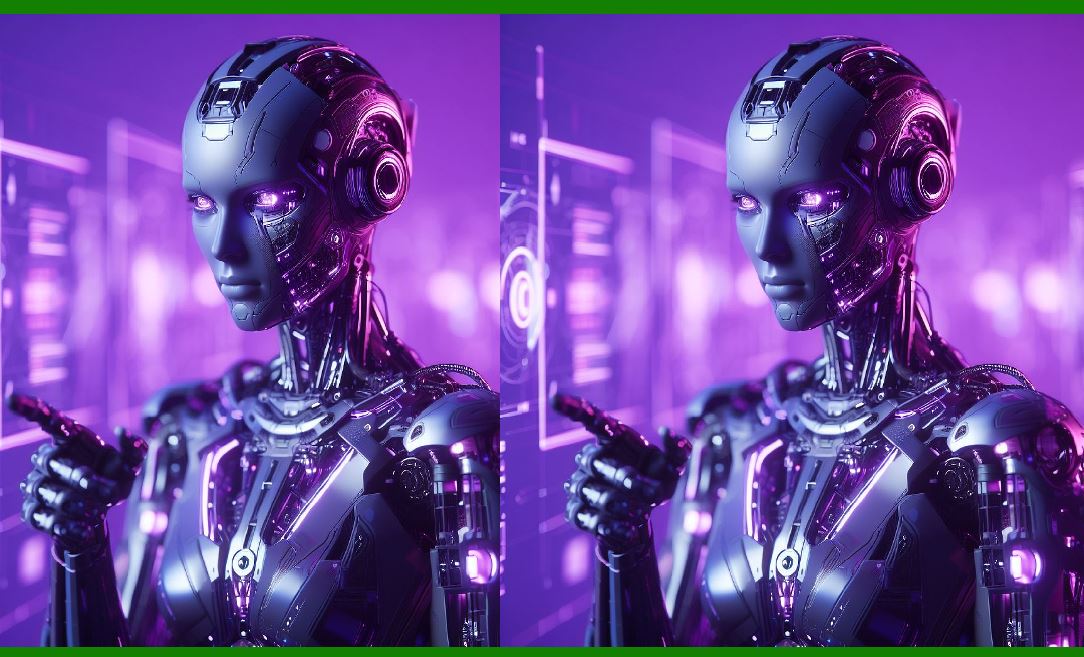
Artificial Intelligence (AI) and Machine Learning (ML) technologies are already beginning to revolutionize industrial automation, and their integration with safety sensor systems is expected to be a game-changer in the future. |
Real-time Learning and Adaptation: Future safety sensor systems will be able to dynamically adapt to changes in the environment and robot behavior. AI-powered sensors can continuously learn from past interactions, adjusting safety protocols based on real-time data to enhance predictive safety measures. For example, the AI could learn an operator's behavior patterns, such as frequently approaching certain zones, and adjust the robot's safety responses to be more proactive and tailored to specific situations. |
Advanced Image and Video Processing: AI algorithms will be increasingly used to process video feeds from cameras and visual sensors. These systems can interpret complex visual data in real-time to identify potential hazards and human presence more accurately. For example, AI can use computer vision to distinguish between humans, tools, and other objects in the workspace and make faster, more accurate decisions regarding robot movements. |
Enhanced Decision Making: AI systems, in combination with safety sensors, will allow for more sophisticated decision-making processes. Robots will not simply stop when an obstacle is detected but may adjust their movement, speed, or even re-route to ensure safety while maintaining productivity. |
|
2. 5G and Edge Computing for Real-Time Safety Data Processing |
The widespread adoption of 5G technology and edge computing will significantly enhance the capabilities of industrial robots in terms of safety, speed, and responsiveness. These technologies enable real-time data processing and faster communication between robots and safety sensor systems. |
Real-time Communication: 5G will facilitate faster, low-latency communication between robots, sensors, and central control systems. This will improve the robot's ability to react to changes in its environment in milliseconds, allowing for immediate responses to any safety hazards, such as stopping the robot when a worker enters a danger zone. |
Edge Computing: With edge computing, data from safety sensors can be processed locally on the robot or at the manufacturing site, rather than being sent to a centralized cloud for analysis. This reduces the delay in decision-making, ensuring that safety protocols are applied as soon as a potential hazard is detected. |
Remote Monitoring and Diagnostics: With 5G networks, operators and safety supervisors can monitor robot performance and sensor data remotely in real-time, receiving alerts and making necessary adjustments from a distance. This allows for continuous optimization and safety monitoring of robotic systems, even in large or hazardous environments. |

|
3. Enhanced Sensing Technologies (LiDAR, Multimodal Sensors) |
As robots become more sophisticated, the safety sensors themselves will evolve to become more precise, adaptive, and capable of detecting a broader range of potential hazards. |
LiDAR (Light Detection and Ranging): LiDAR technology is already in use for autonomous vehicles and is expected to play an increasing role in industrial robots. LiDAR sensors work by emitting laser pulses and measuring the time it takes for them to return after bouncing off an object. This allows the robot to map its surroundings in 3D, providing highly detailed environmental data. LiDAR will enable more accurate detection of obstacles, even in complex or cluttered environments. This enhanced spatial awareness can improve the robot's ability to adjust its actions accordingly, such as slowing down or altering its path. |
Multimodal Sensors: In the future, we will see more integration of multimodal sensors, which combine various types of sensing technologies (e.g., vision, infrared, sound, touch, and vibration sensors) into a single unified system. Multimodal sensors will offer enhanced safety by providing multiple data streams that can be cross-referenced to detect potential threats more accurately. For example, an infrared sensor could detect heat signatures (such as a human body), while a proximity sensor could track the exact distance between the robot and an object in real-time. |
Ultrasonic Sensors: These sensors will gain prominence for near-field detection, especially in environments where optical or laser sensors might be impaired by dust, smoke, or ambient lighting. Ultrasonic sensors emit high-frequency sound waves and measure the time taken for the waves to return after reflecting off an object. Their use will be crucial for improving safety in more challenging or dirty environments. |

|
4. Wearable Safety Systems for Human-Robot Collaboration |
As robots and humans work together more frequently in shared workspaces, the development of wearable safety systems will complement existing sensor technologies. These systems could be used to enhance communication between humans and robots, enabling a safer, more synchronized collaboration. |
Exoskeletons and Wearables: Future wearable technologies, such as exoskeletons or smart vests, can communicate directly with robotic systems. For instance, an exoskeleton worn by a human operator could send signals to nearby robots, indicating the worker's movements, intent, or proximity. This can help robots adjust their behavior in real-time, stopping or slowing down when the operator is too close to the robot, or making space for them to safely maneuver within the workspace. |
Smart Helmets or Safety Glasses: Smart helmets or safety glasses equipped with sensors, GPS, or RFID technology can alert workers to potential hazards nearby and warn them if they are in a high-risk zone. These devices could provide real-time feedback from the robot's safety system, enhancing the collaboration between humans and robots by ensuring both are aware of each other's positions and actions at all times. |
Wearable Vibration Sensors: Sensors embedded into workers' clothing or wearable devices could use haptic feedback (vibration or touch) to notify them of potential robot movements or imminent hazards. This technology can be integrated with the robot's sensor system to trigger alerts when an operator enters a safety zone or comes too close to the robot's work area. |
|
5. Autonomous Safety and Hazard Prediction |
One of the most advanced and future-forward concepts in industrial robot safety is the integration of autonomous hazard prediction and preventive action systems. These technologies will leverage AI, advanced sensing, and data analytics to predict and prevent potential hazards before they even occur. |
Predictive Safety Algorithms: By combining historical data, environmental conditions, and real-time sensor inputs, AI-driven algorithms will be able to predict possible hazards based on certain risk factors, such as the movement patterns of robots and workers. This predictive model could allow robots to anticipate dangerous scenarios and adjust their behavior proactively-slowing down or taking alternate routes to avoid collisions with people or objects. |
Autonomous Collision Avoidance: Future robots will likely employ advanced collision-avoidance systems that don't just react to obstacles but also predict them. This will be especially important in environments where multiple robots are operating simultaneously. Using a combination of sensors and predictive algorithms, the robots could communicate with each other and plan their movements in a coordinated manner to avoid any potential conflict with each other or with human workers. |

|
6. Collaborative Robots (Cobots) with Enhanced Safety Features |
Collaborative robots, or cobots, are designed to work alongside human operators in close proximity. As robots become more integrated into human-centric tasks, safety systems will evolve to prioritize seamless human-robot collaboration. |
Force and Torque Sensors: These sensors allow robots to detect and respond to unexpected contact with a human operator or other obstacles. Future cobots will be equipped with more sophisticated force feedback systems that enable them to gently interact with humans and adjust their movement or force output in real-time, ensuring that no harm comes to a worker even if direct contact occurs. |
Context-Aware Safety: Future cobots will be capable of understanding the context of their surroundings, including the intent and activity of nearby human workers. This will allow them to change their behavior autonomously. For example, a cobot could recognize that a worker is performing a task requiring assistance and modify its actions to accommodate the human worker, such as adjusting its speed or path to ensure safety. |
Integrated Human-Robot Interaction (HRI): Advances in HRI technology will lead to robots with the ability to understand and interpret human gestures, voice commands, or facial expressions, helping to improve the interaction between robots and humans. This communication can then influence the robot's safety system, for example, prompting the robot to slow down or stop when the human operator signals for a pause. |

|
7. Blockchain and Cybersecurity for Robot Safety Systems |
As industrial robots become more interconnected and integrated into larger systems, ensuring the security and reliability of safety data becomes a priority. |
Blockchain for Data Integrity: Blockchain technology could be used to secure safety data generated by robots and safety sensors, ensuring that the data is tamper-proof. This could be critical in high-risk environments where the integrity of safety systems is paramount. Blockchain can ensure that all safety actions taken by robots are logged securely, making it possible to track the safety history of robotic operations in real-time. |
Cybersecurity for Safety Systems: As robots become more connected to the Internet of Things (IoT) and other digital networks, ensuring the cybersecurity of their safety systems will become essential. A cyberattack that compromises a robot's safety features could lead to dangerous malfunctions. Therefore, robust cybersecurity protocols will need to be integrated into both robots and safety sensors to prevent external threats from compromising the safety system. |

|
Conclusion |
The future of industrial robot safety will be shaped by the convergence of multiple advanced technologies. These innovations will not only enhance the capabilities of safety sensors but also create more intelligent, adaptive, and interconnected safety systems. With AI, edge computing, advanced sensing technologies, wearable devices, and predictive analytics, the next generation of robots will be safer, more collaborative, and capable of responding to human workers in real-time. As robots become more autonomous and integrated into human environments, these technologies will play a crucial role in ensuring that robots can operate safely and efficiently without compromising the safety of their human counterparts. |
 cs@easiersoft.com