Chapter 1: Defining the Industrial Robot | 1. Introduction and Chapter Summary | This chapter opens Part I of our technical overview by establishing a clear, practical definition of the industrial robot. The formal definition provided at the outset states that an industrial robot is an automatically controlled, reprogrammable, multipurpose manipulator programmable in three or more axes, designed for manufacturing and logistics environments. That single sentence contains several important ideas, and this chapter unpacks each of them in plain language. We will explore what it means for a machine to be automatically controlled, why reprogrammability separates industrial robots from fixed automation, what multipurpose capability implies for real factories, and why three or more axes of motion matter. We will then survey a wide range of industries where these machines work every day, from automotive assembly to food processing, from electronics to warehousing. The goal is to give readers a solid conceptual foundation before later chapters dive into mechanical design, control systems, sensors, and programming methods. By the end of this chapter, you should be able to look at a machine on a factory floor and judge whether it truly qualifies as an industrial robot under the standard definition. | 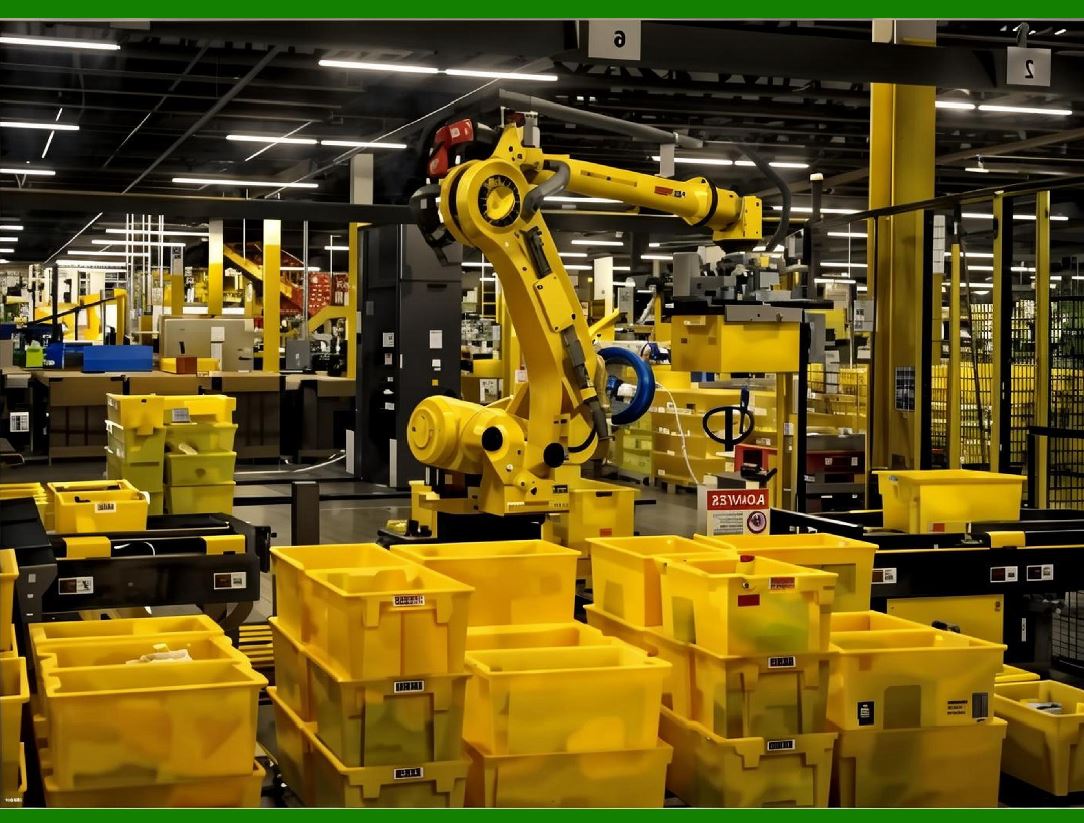
| 2. Breaking Down the Definition | 2.1 Automatically Controlled | The phrase automatically controlled means the robot can carry out its tasks without a human operator continuously guiding it. A human may start the program, load parts, or supervise the cell, but the moment-to-moment motion is directed by a controller. That controller receives a program, interprets it, and sends commands to motors or actuators. Sensors may provide feedback so the robot can adjust its position or speed. In a simple case, the robot follows a fixed path again and again. In a more advanced case, the robot uses vision or force sensing to adapt to slight variations in part position or shape. The key point is that the machine, not a person, executes the motion. This distinguishes an industrial robot from a teleoperated manipulator, where a human directly controls every movement, and from a simple hand tool, where the human provides all the power and control. | 2.2 Reprogrammable | Reprogrammable means the robot's motion sequence can be changed without altering its physical structure. You do not need to rebuild the machine or rewire its mechanics to teach it a new task. Instead, you write or modify a program. That program might be created through a teach pendant, where an operator guides the robot arm to desired positions and records them. It might be written offline in a simulation environment and then downloaded. It might even be generated by an advanced system that learns from demonstration. The important idea is flexibility. A robot that can only perform one fixed sequence, with no ability to change that sequence except by physically rebuilding the mechanism, is not reprogrammable in the sense used here. Such a device is better described as fixed automation. Reprogrammability allows a single robot to switch between different products or processes, which is essential in modern manufacturing where product life cycles are short and customization is common. | 2.3 Multipurpose | Multipurpose means the robot is not dedicated to a single task. With different end effectors, also called tools, and different programs, the same robot arm can weld, paint, pick and place, assemble, inspect, or palletize. The robot's mechanical structure provides a general platform for motion. The end effector provides the specific function. For example, a six-axis robot might carry a welding torch in one shift and a vacuum gripper in the next. This versatility reduces the number of machines needed in a factory and allows a company to reuse the same robot for new products. It also means that the robot's value is not tied to one process. When a product line changes, the robot can often be repurposed rather than scrapped. | 2.4 Manipulator | A manipulator is a device that can grasp, move, and position objects. In the context of industrial robots, the manipulator is usually an articulated arm with a series of links and joints. The joints may be rotary or linear. The arm ends in a wrist or flange where the end effector is mounted. The manipulator is the physical part that moves. It is distinct from the controller, which is the computer that directs the motion, and from the end effector, which is the tool that performs the task. Some industrial robots are not arms at all. They may be gantry systems that move on overhead rails, or delta robots with parallel linkages, or mobile robots that carry manipulators on a base. The definition still applies as long as the device manipulates objects in a controlled, reprogrammable, multipurpose way. | 2.5 Programmable in Three or More Axes | Axes refer to the independent directions of motion the robot can control. A simple linear actuator has one axis. A robot with two axes can move in a plane. Three axes allow movement in three-dimensional space, which is the minimum for reaching most points in a workspace. Many industrial robots have six axes, which allows them to position an object anywhere in space and also orient it in any direction. Some robots have seven or more axes, often including a rail or a mobile base, which adds flexibility. The phrase three or more axes is important because it sets a lower bound. A two-axis machine that only moves up and down and left and right is generally not considered an industrial robot under this definition, because it cannot fully manipulate objects in three-dimensional space. However, a three-axis Cartesian robot that moves in x, y, and z is included. The number of axes also affects the robot's dexterity and the complexity of its programming. More axes generally mean more flexibility but also more challenging control and calibration. | 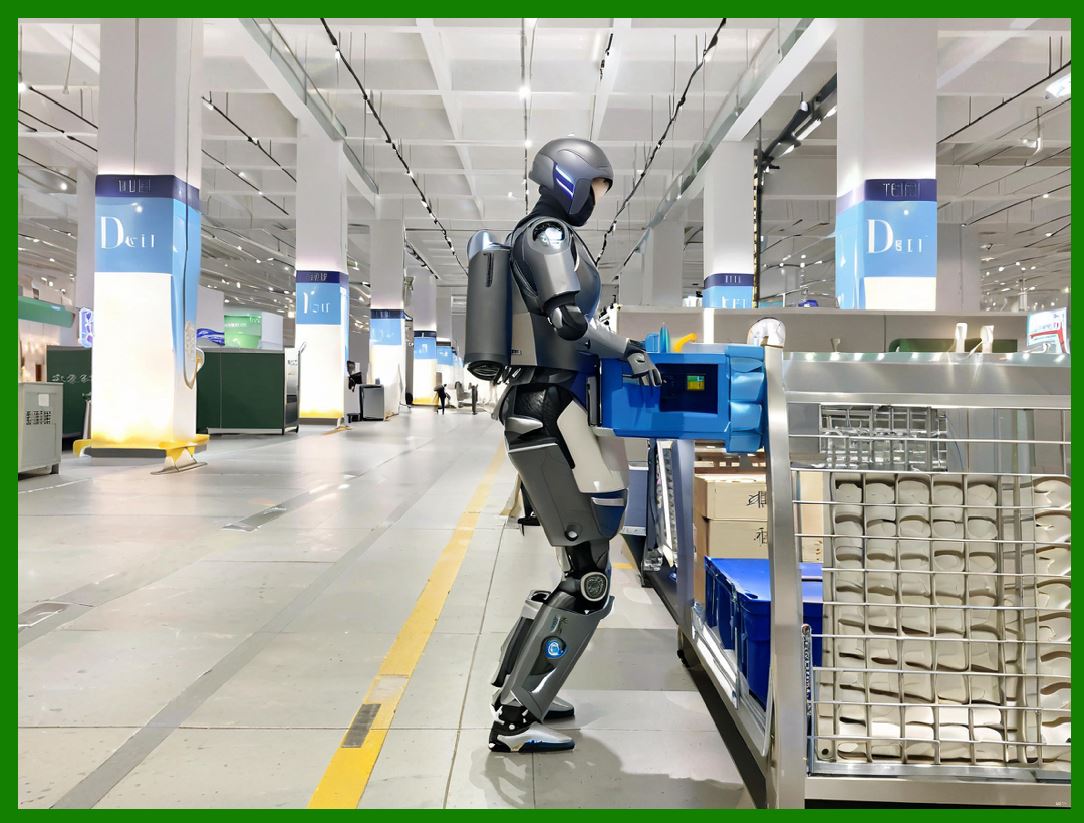
| 3. What the Definition Excludes | 3.1 Fixed Automation | Fixed automation machines are designed to perform one specific sequence of operations. A classic example is a mechanical cam-driven assembly machine. The cams determine the motion, and changing the motion requires replacing the cams or rebuilding the machine. Such a machine is automatically controlled, but it is not reprogrammable in a practical sense. It is also not multipurpose. Therefore, it does not meet the definition of an industrial robot. Fixed automation is still valuable for high-volume production where the product never changes, but it lacks the flexibility that defines a robot. | 3.2 Teleoperated Manipulators | A teleoperated manipulator is controlled directly by a human operator, often from a distance. The operator's movements are captured and replicated by the machine. This is common in hazardous environments, such as nuclear cleanup or deep-sea exploration. While the device is a manipulator and may have multiple axes, it is not automatically controlled in the sense of executing a stored program. The human is in the loop continuously. Therefore, it falls outside the definition of an industrial robot, though it may share much of the same mechanical technology. | 3.3 Numerically Controlled Machine Tools | A computer numerical control (CNC) machine tool is automatically controlled and programmable. It can make parts with high precision. However, it is not a manipulator in the usual sense. It holds a cutting tool and moves it relative to a workpiece, but it does not grasp and move objects from place to place. It is also not multipurpose in the same way a robot is, because its purpose is material removal, not general manipulation. CNC machines are often paired with industrial robots, but they are distinct categories of equipment. | 3.4 Simple Pick-and-Place Devices | Some simple pick-and-place devices have only two axes, such as a pneumatic cylinder that moves a gripper up and down and a second cylinder that moves it left and right. These devices are automatically controlled and may be reprogrammable in a limited way by adjusting mechanical stops. However, they do not have three or more axes, and they are not multipurpose. They are often called 'pick-and-place units' rather than robots. The definition draws a clear line: three or more axes are required. | 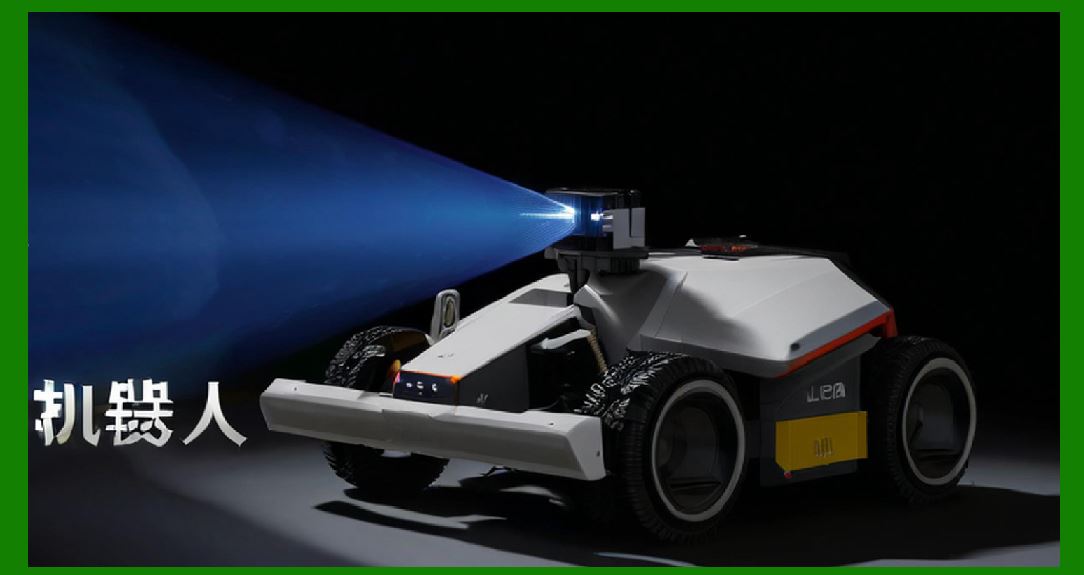
| 4. The Historical Context of the Definition | The definition used in this book reflects decades of evolution. The word 'robot' comes from the Czech word 'robota,' meaning forced labor. It was popularized by a 1920 play. The first industrial robot, Unimate, was installed in a General Motors plant in 1961. It was a hydraulic arm that followed a stored sequence of steps. Early robots were not very flexible by modern standards, but they established the core idea of a reprogrammable manipulator. Over time, the definition became more precise. Standards organizations, including the International Organization for Standardization, helped codify terminology. The definition we use here is consistent with common industrial usage and with the way most manufacturers and integrators talk about their products. It is broad enough to include Cartesian robots, articulated robots, SCARA robots, delta robots, and mobile manipulators, but narrow enough to exclude simple automation and teleoperated devices. | 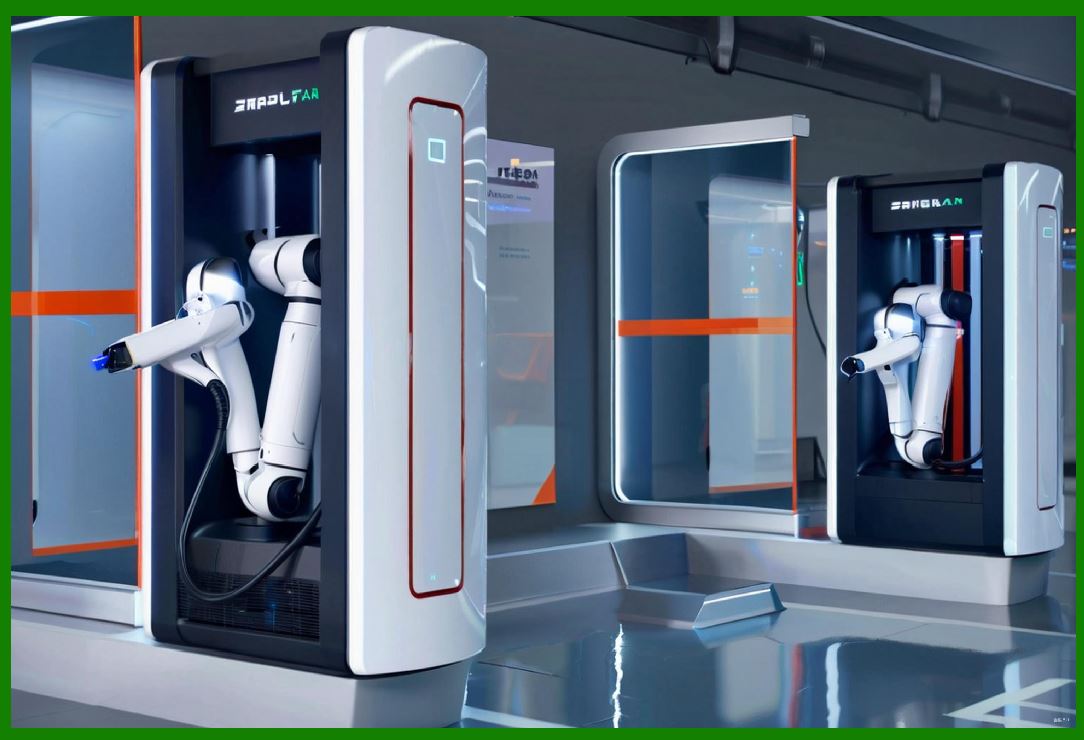
| 5. Why This Definition Matters in Practice | Understanding the definition is not just an academic exercise. It affects how engineers specify equipment, how companies justify investments, and how safety standards are applied. If a machine qualifies as an industrial robot, it may fall under specific safety requirements, such as those dealing with power and force limiting, speed and separation monitoring, or hand guiding. It may also be eligible for certain tax incentives or depreciation schedules in some countries. From an engineering perspective, the definition helps clarify requirements. If a task requires frequent product changes, a reprogrammable robot is likely a better choice than fixed automation. If a task requires movement in three dimensions, a three-axis or higher robot is necessary. If a task requires only simple repetitive motion in a plane, a simpler device may be more cost-effective. The definition also guides research and development. When engineers design a new robot, they aim to meet the criteria of automatic control, reprogrammability, multipurpose capability, and at least three axes. If their design fails one of these criteria, it may still be useful, but it is not an industrial robot in the standard sense. | 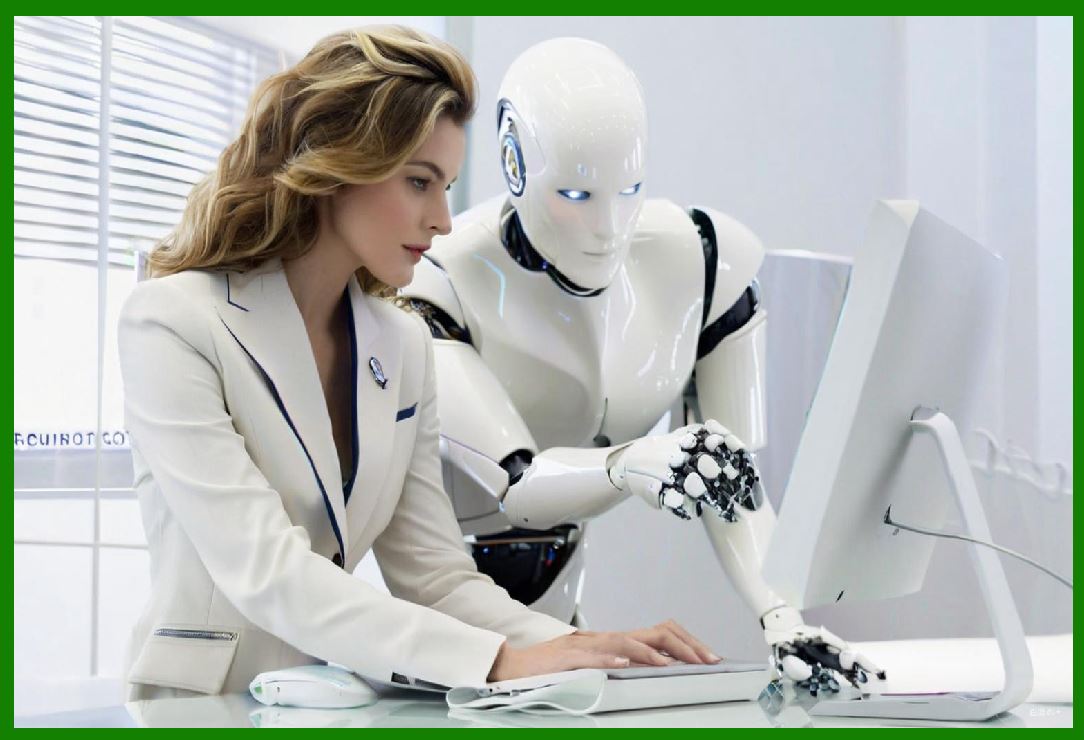
| 6. Real-World Applications Across Industries | The best way to understand the definition is to see how industrial robots work in many different industries. Each example below illustrates the core ideas: automatic control, reprogrammability, multipurpose use, and three or more axes. The examples also show the wide range of tasks that robots perform. Notice that the same basic robot design can appear in many industries with different tools and programs. | 6.1 Automotive Manufacturing | The automotive industry is the largest user of industrial robots. In body shops, robots weld car frames together. A typical welding robot has six axes and carries a spot welding gun. It follows a program that tells it where to weld, how much force to apply, and how long to hold. When the car model changes, engineers reprogram the robot and change the welding gun if needed. The same robot can also be used for material handling, such as moving heavy panels from one conveyor to another. In paint shops, robots apply paint with high uniformity. They are programmed to follow the contours of the car body. In final assembly, robots install windshields, seats, and batteries. The automotive industry uses robots because they are fast, consistent, and strong. They also improve worker safety by taking over repetitive or dangerous tasks. The reprogrammability is crucial because car manufacturers often produce multiple models on the same line. A robot can switch from one model to another by loading a different program. | 6.2 Electronics and Semiconductor Manufacturing | Electronics manufacturing requires precision and cleanliness. Robots are used to pick and place tiny components onto circuit boards. These robots often have four axes, such as SCARA robots, which are fast and accurate in a horizontal plane. They may also have six axes for more complex assembly. In semiconductor fabrication, robots move silicon wafers between process chambers. These robots must be extremely clean to avoid contamination. They often use direct-drive motors and special bearings. The robots are reprogrammable, so when a new chip design requires a different sequence of steps, the robot can be updated. They are also multipurpose in the sense that they can handle different wafer sizes with different end effectors. The electronics industry also uses robots for testing, inspection, and packaging. The small size of many electronic products means that robots must be very precise, often with repeatability measured in micrometers. | 6.3 Food and Beverage Processing | Food processing presents unique challenges. Robots must be able to withstand washdown with water and chemicals. They must also be safe for direct contact with food. Many food robots are made of stainless steel and use food-grade lubricants. They are used for picking, packing, palletizing, and sorting. For example, a delta robot with three or four axes can pick small items like cookies or chocolates from a conveyor and place them into packages at high speed. A six-axis robot might palletize boxes at the end of a line. The reprogrammability allows a food company to switch between different products and package sizes. The multipurpose nature means the same robot can be used for different tasks with different grippers. Food robots also help reduce waste by placing items accurately and reducing human handling. | 6.4 Pharmaceutical and Medical Device Manufacturing | In pharmaceutical manufacturing, robots handle vials, syringes, and blister packs. They must operate in cleanrooms and follow strict regulations. Robots are used for filling, capping, inspecting, and packaging. They are also used in laboratories for sample handling and testing. The precision and repeatability of robots make them ideal for these tasks. The reprogrammability is important because drug formulations and packaging formats change. A robot can be reprogrammed to handle a new vial size or a new tray layout. In medical device manufacturing, robots assemble intricate devices such as catheters and implants. They may use force sensing to ensure that delicate parts are not damaged. The multipurpose capability allows a single robot to perform multiple assembly steps, reducing the number of machines needed. | 6.5 Warehousing and Logistics | Warehousing and logistics have seen rapid growth in robot use. Mobile robots move shelves or pallets around warehouses. These robots have a mobile base and may have a manipulator arm on top. They are automatically controlled and reprogrammable. They use sensors to navigate and avoid obstacles. In sorting centers, robot arms pick items from conveyors and place them into bins or bags. These arms often have three or four axes and use vacuum grippers or mechanical grippers. The multipurpose capability allows them to handle a wide variety of items, from small envelopes to large boxes. The reprogrammability allows the warehouse to change its layout or its sorting rules without replacing the robots. Logistics robots are often connected to a warehouse management system that sends them tasks. This integration of software and hardware is a key trend in the industry. | 6.6 Metalworking and Machining | In metalworking, robots load and unload machine tools. A robot picks a raw casting from a bin, places it into a CNC machine, waits for the machining to finish, and then removes the finished part. This is called machine tending. The robot may also deburr parts, grind surfaces, or polish. These tasks often require force control so that the robot does not damage the part or the tool. The robot is reprogrammable, so when the part changes, the program changes. The robot is multipurpose because it can tend different machines with different end effectors. In foundries, robots handle hot metal parts and perform tasks that would be dangerous for humans. In welding shops, robots perform arc welding, spot welding, and laser welding. They can weld complex shapes with high consistency. | 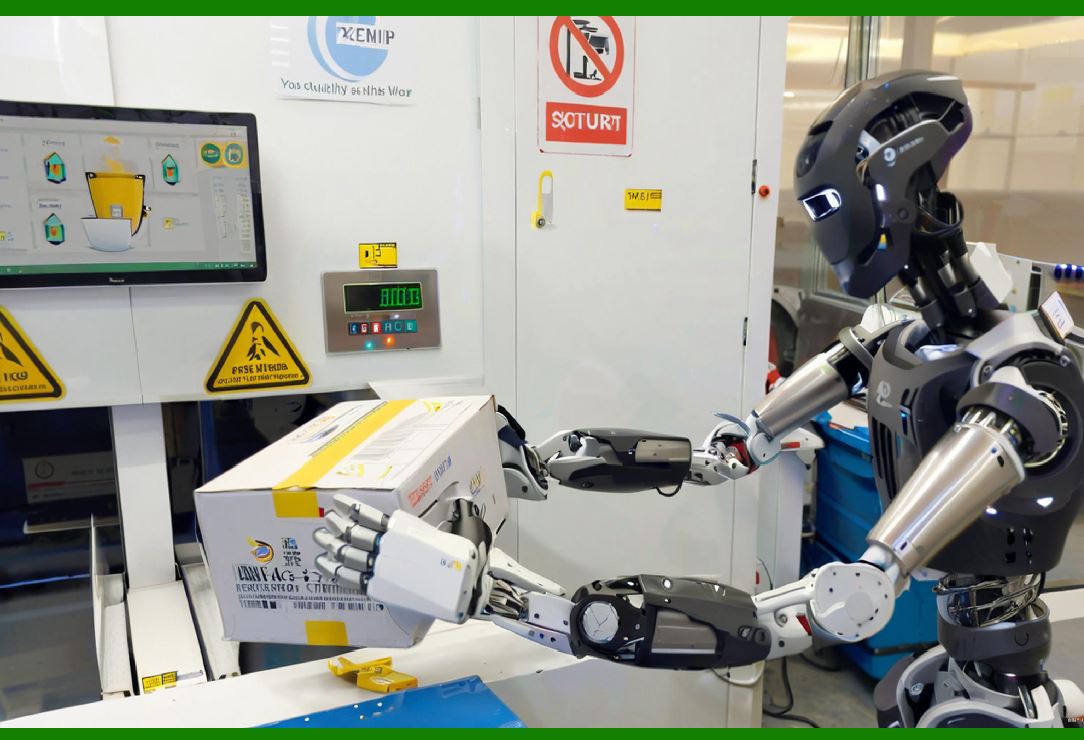
| 6.7 Plastics and Rubber Manufacturing | In plastics manufacturing, robots remove molded parts from injection molding machines. They may also trim flash, assemble components, and place inserts into molds. These robots often have three or five axes and are designed for fast cycles. They are reprogrammable, so when the mold changes, the robot program changes. They are multipurpose because they can handle different parts with different grippers. In rubber manufacturing, robots handle tires, hoses, and seals. They may apply adhesives or perform inspection. The harsh environment of some plastics and rubber processes requires robots with special seals and coatings. | 6.8 Textile and Apparel Manufacturing | The textile and apparel industry has traditionally been labor-intensive, but robots are increasingly used for tasks such as cutting, sewing, and folding. These tasks are challenging for robots because fabrics are flexible and deformable. Researchers have developed special grippers and vision systems to handle fabrics. Robots are also used for inspection, such as detecting defects in fabric. The reprogrammability allows a manufacturer to switch between different garment styles. The multipurpose capability allows the same robot to perform different tasks with different tools. While full automation of sewing is still difficult, robots are making inroads in specific areas such as cutting and material handling. | 6.9 Aerospace Manufacturing | Aerospace manufacturing requires high precision and strict quality control. Robots are used for drilling, riveting, and assembling aircraft structures. They must be very accurate because the tolerances are tight. They often use metrology systems to correct their position in real time. Robots are also used for composite layup, where they place layers of carbon fiber onto a mold. This is a repetitive task that requires consistency. The reprogrammability allows the manufacturer to switch between different part designs. The multipurpose capability allows the same robot to perform drilling, inspection, and coating with different end effectors. Aerospace robots often work in collaboration with human workers, which requires advanced safety systems. | 6.10 Construction and Heavy Equipment | In construction, robots are used for tasks such as bricklaying, welding, and concrete printing. These robots are often mobile and must operate in unstructured environments. They use sensors to map their surroundings and avoid obstacles. The reprogrammability allows them to adapt to different building designs. The multipurpose capability allows them to perform different tasks with different attachments. In heavy equipment manufacturing, robots weld large structures, move heavy parts, and apply coatings. They must be very strong and durable. The same basic robot design can be scaled up or down to handle different payloads. | 6.11 Agriculture and Food Production | Agricultural robots, also called agribots, are used for planting, harvesting, weeding, and spraying. These robots often operate outdoors and must deal with changing lighting, weather, and terrain. They use vision systems to identify crops and weeds. They may have manipulators to pick fruits or vegetables. The reprogrammability allows them to work with different crops. The multipurpose capability allows them to perform different tasks with different tools. In food production, robots are used for milking cows, feeding animals, and cleaning barns. These tasks are repetitive and often unpleasant for humans, making robots a good fit. | 6.12 Healthcare and Service Industries | While the definition of an industrial robot focuses on manufacturing and logistics, robots with similar characteristics are also used in healthcare and service industries. In hospitals, robots transport supplies, medications, and linens. They navigate through corridors and use elevators. They are automatically controlled and reprogrammable. They are multipurpose in the sense that they can carry different payloads with different carts. In surgery, robots assist surgeons with precise movements. These are teleoperated, so they do not meet the strict definition of an industrial robot, but they share much of the same technology. In laboratories, robots handle samples and perform tests. In restaurants, robots cook food, serve customers, and clean floors. These applications show that the core ideas of automatic control, reprogrammability, multipurpose capability, and multiple axes are broadly useful. | 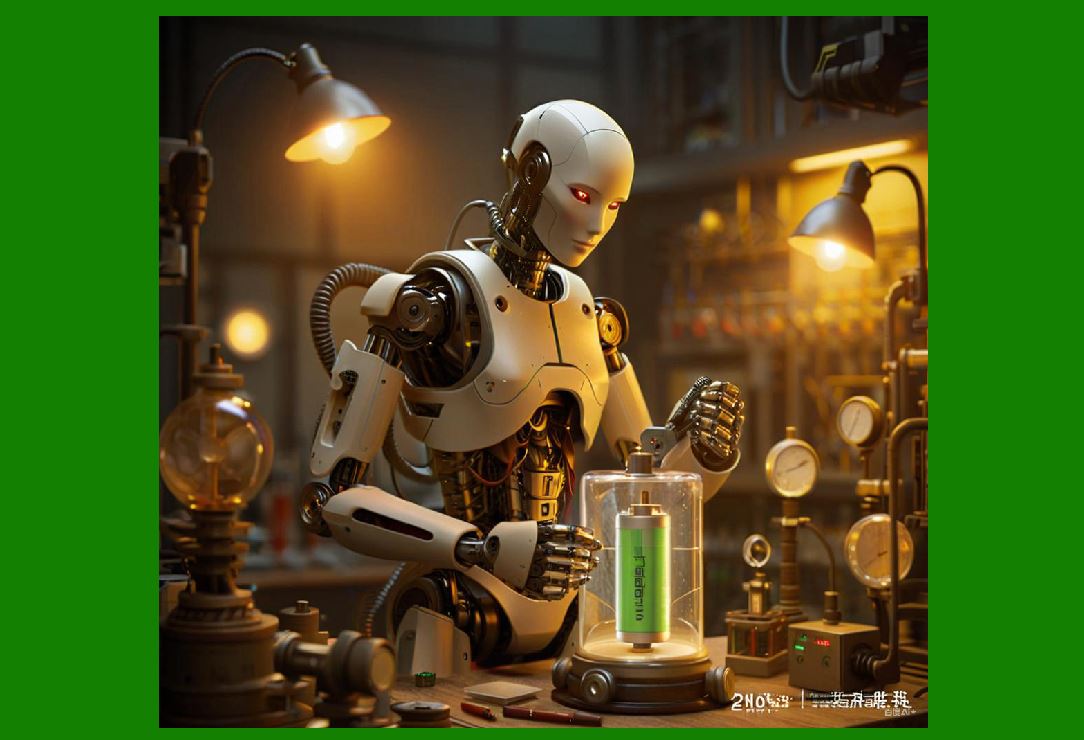
| 7. The Role of Axes in Application Examples | Looking across these industries, the number of axes varies with the task. Three-axis robots are common in simple pick-and-place, palletizing, and machine tending. They can move in x, y, and z, but they cannot easily orient a part. Four-axis robots, such as SCARA robots, add rotation around the vertical axis. They are common in electronics assembly and small parts handling. Five-axis robots add a wrist tilt, which allows some orientation. Six-axis robots are the most common for complex tasks such as welding, painting, and assembly, because they can position and orient a part in any direction. Seven-axis robots add redundancy, which helps them reach around obstacles or work in tight spaces. Mobile robots add axes through their base movement. The definition's requirement of three or more axes ensures that the robot can perform useful manipulation in three-dimensional space, but it does not limit the robot to a specific number. This flexibility in the definition allows for a wide range of designs. | 
| 8. Reprogrammability in Practice | Reprogrammability is not just about changing a program. It also involves the tools and methods used to create and modify programs. Early robots were programmed by physically setting switches or plugging wires. Later, teach pendants became common. A teach pendant is a handheld device with buttons or a touchscreen. The operator jogs the robot to a desired position and records it. This is called online programming. Offline programming uses a computer model of the robot and its environment. The programmer creates a path in simulation and then downloads it to the robot. Offline programming is useful for complex tasks and for reducing downtime. More recently, programming by demonstration has become possible. The operator physically guides the robot through a task, and the robot records the motions. This is called hand guiding or kinesthetic teaching. It requires the robot to have sensors that measure force or torque. Some robots can also learn from human demonstrations using machine learning. These advances make reprogrammability easier and more accessible, which expands the range of tasks that robots can perform. | 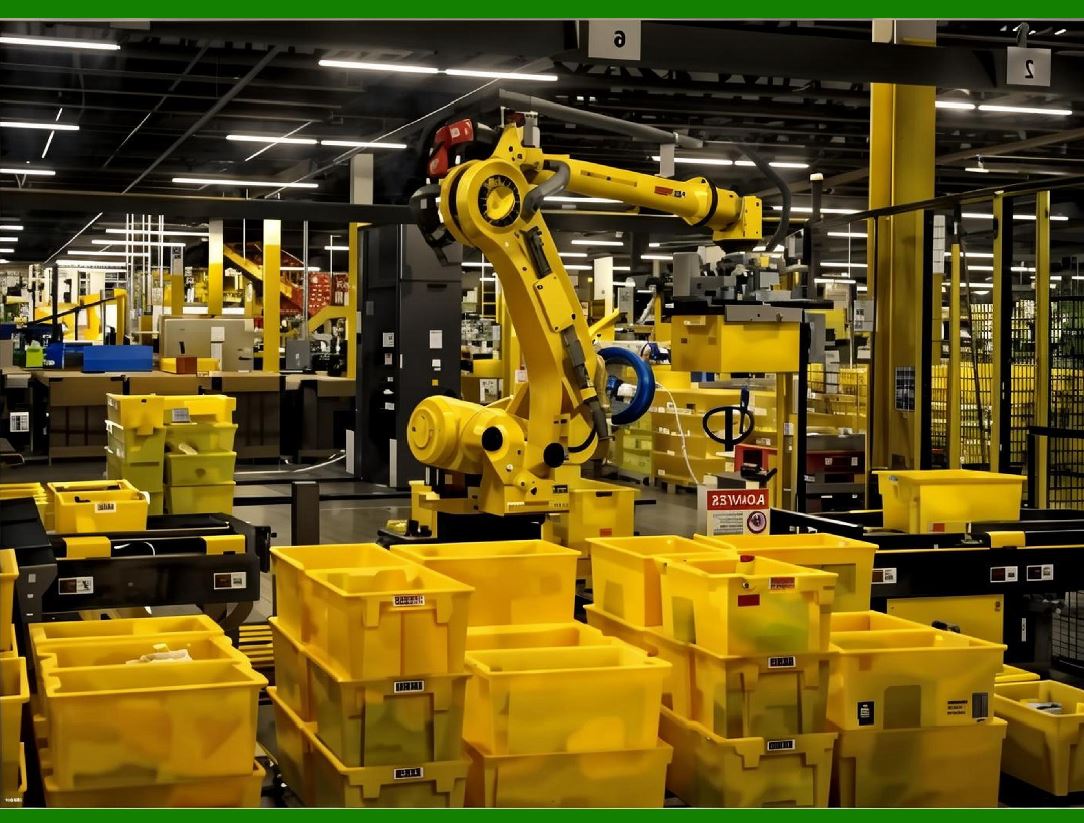
| 9. Multipurpose Capability in Practice | Multipurpose capability depends on the end effector and the robot's ability to use it. A robot with a single gripper can only pick and place. A robot with a tool changer can switch between a gripper, a welding torch, a paint gun, and a measuring probe. Tool changers allow a robot to perform multiple tasks in one cell. They also allow a robot to be used for different products without manual intervention. The robot's controller must support multiple programs and tool definitions. The robot's mechanical interface, usually a flange with mounting holes and electrical connections, must be standardized so that different tools can be attached. Many industrial robots use a standard flange size, such as ISO 9409-1, which makes it easy to mount different end effectors. The multipurpose capability also depends on the robot's payload and reach. A robot with a large payload can carry heavy tools, while a robot with a long reach can access large workpieces. The definition does not specify payload or reach, but these factors determine what tasks a robot can perform. | 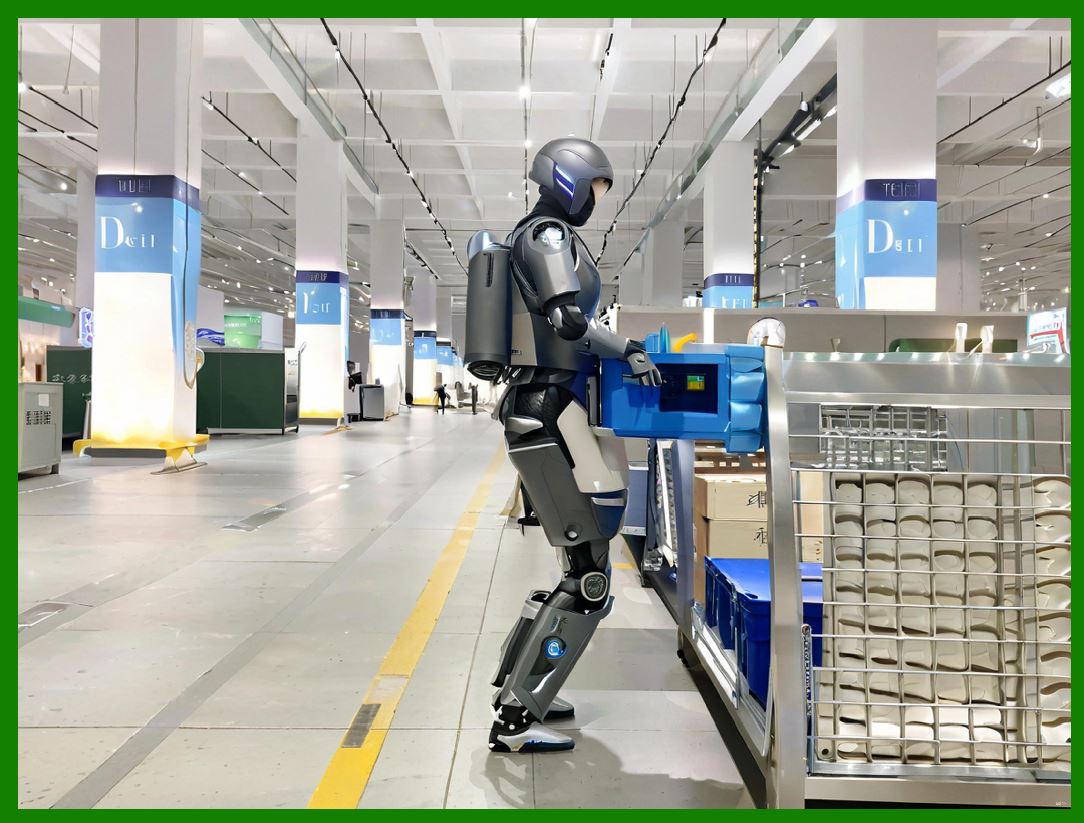
| 10. Automatic Control in Practice | Automatic control means the robot can execute a program without continuous human input. The controller is the brain of the robot. It reads the program, computes the desired motion, and sends commands to the amplifiers that drive the motors. The controller also reads feedback from encoders or resolvers to verify that the robot is following the commanded path. If there is an error, the controller can correct it. The controller may also manage safety systems, such as emergency stops, light curtains, and safety-rated monitored stops. Modern controllers are often based on industrial PCs or specialized hardware. They run real-time operating systems to ensure precise timing. They support communication protocols such as Ethernet/IP, PROFINET, and EtherCAT, which allow them to exchange data with other machines and with factory information systems. Automatic control also includes higher-level functions such as path planning, collision avoidance, and adaptive control. Path planning determines the sequence of motions to reach a goal without hitting obstacles. Collision avoidance uses sensors to detect obstacles and stop or reroute the robot. Adaptive control adjusts the robot's motion based on sensor feedback, such as force or vision. These functions make the robot more capable and more autonomous. | 
| 11. The Boundary Between Industrial Robots and Other Automation | The definition of an industrial robot draws a boundary, but the boundary is not always sharp. Some machines have some but not all of the characteristics. For example, a collaborative robot, or cobot, is designed to work alongside humans. It is automatically controlled, reprogrammable, multipurpose, and has three or more axes. It meets the definition of an industrial robot, but it also has additional safety features that allow it to share space with humans. A mobile manipulator is a robot arm on a mobile base. It meets the definition, but its mobility adds new challenges for control and safety. A reconfigurable robot can change its mechanical structure, such as by adding or removing modules. It meets the definition if it can still be programmed in three or more axes. The boundary also depends on the application. A robot used in a laboratory for research may not be designed for manufacturing and logistics, but it may still be called an industrial robot if it has the same characteristics. The definition is a guide, not a rigid law. In practice, engineers and standards organizations use it to classify machines and to apply appropriate requirements. | 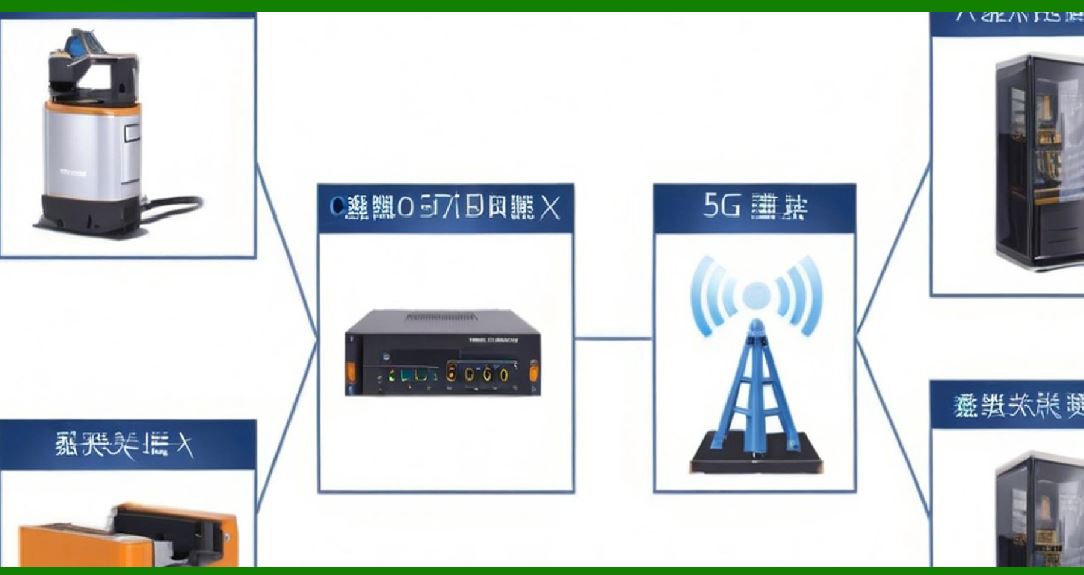
| 12. Detailed Summary | This chapter has defined the industrial robot as an automatically controlled, reprogrammable, multipurpose manipulator programmable in three or more axes, designed for manufacturing and logistics environments. We have explored each part of this definition in detail. | Automatically controlled means the robot executes tasks without continuous human guidance. The controller reads a program and sends commands to the motors. Sensors provide feedback for correction and adaptation. This distinguishes robots from teleoperated manipulators and hand tools. | Reprogrammable means the robot's motion sequence can be changed without altering its physical structure. Programs can be created online with a teach pendant, offline with simulation software, or by demonstration. This flexibility allows a robot to switch between products and processes, which is essential in modern manufacturing. | Multipurpose means the robot can perform different tasks with different end effectors and programs. The same robot arm can weld, paint, pick and place, assemble, inspect, or palletize. Tool changers and standard flanges make it easy to switch tools. This versatility reduces the number of machines needed and extends the robot's useful life. | Manipulator means the robot can grasp, move, and position objects. The manipulator is usually an articulated arm, but it can also be a gantry, a delta, or a mobile base. The manipulator is distinct from the controller and the end effector. | Programmable in three or more axes means the robot can move in at least three independent directions. Three axes allow movement in three-dimensional space. Six axes allow full position and orientation. More axes add flexibility. The requirement of three or more axes excludes simple two-axis pick-and-place devices. | We also examined what the definition excludes: fixed automation, teleoperated manipulators, CNC machine tools, and simple pick-and-place devices. These machines may share some characteristics with industrial robots, but they fail at least one criterion. The definition helps distinguish robots from other types of automation. | We then surveyed applications across many industries. In automotive manufacturing, robots weld, paint, and assemble cars. In electronics, they pick and place tiny components and handle wafers. In food and beverage, they pick, pack, and palletize. In pharmaceuticals, they handle vials and assemble medical devices. In warehousing, they move shelves and sort packages. In metalworking, they tend machines and weld. In plastics and rubber, they remove molded parts and apply adhesives. In textiles, they cut and handle fabric. In aerospace, they drill, rivet, and lay composite materials. In construction, they lay bricks and print concrete. In agriculture, they plant, harvest, and weed. In healthcare and service, they transport supplies and assist with surgery. These examples show the wide range of tasks that industrial robots perform and the importance of reprogrammability, multipurpose capability, and multiple axes. | We discussed the role of axes in applications. Three-axis robots are common in simple tasks. Four-axis SCARA robots are common in electronics. Six-axis robots are common in complex tasks. Seven-axis robots add redundancy. Mobile robots add axes through their base. The definition's lower bound of three axes ensures useful manipulation in three-dimensional space, while allowing a wide range of designs. | We explored reprogrammability in practice, including online programming, offline programming, and programming by demonstration. We explored multipurpose capability in practice, including tool changers, standard flanges, and the importance of payload and reach. We explored automatic control in practice, including controllers, feedback, safety systems, communication protocols, path planning, collision avoidance, and adaptive control. | 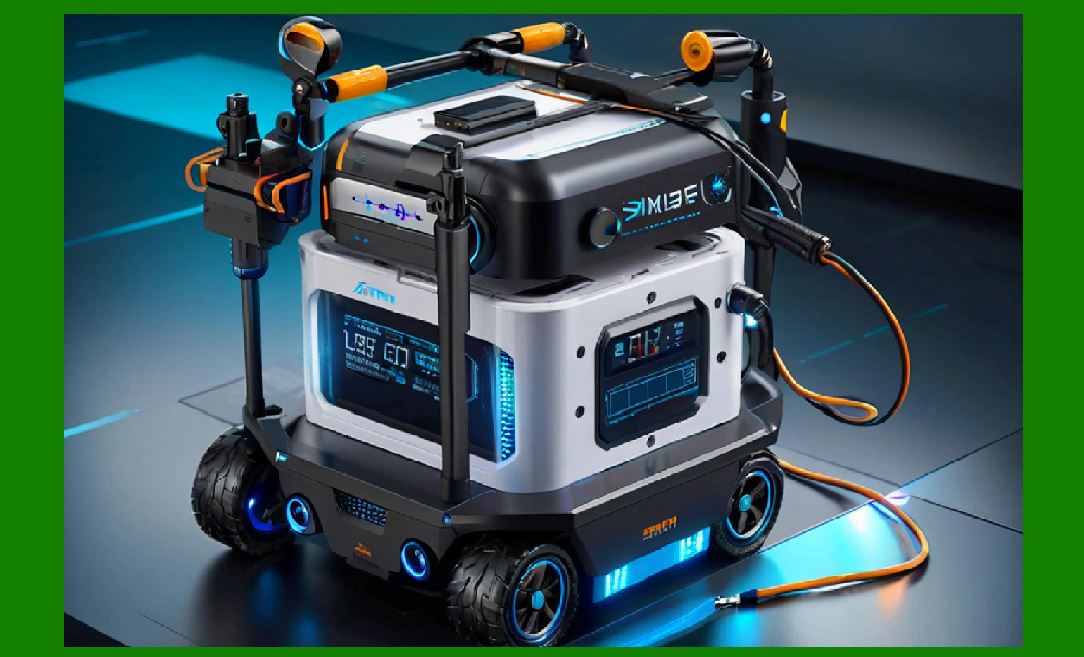
| Finally, we discussed the boundary between industrial robots and other automation. Collaborative robots, mobile manipulators, and reconfigurable robots meet the definition but add new features. The definition is a guide for classification and for applying safety and performance requirements. It is not a rigid law, but it provides a common language for engineers, integrators, and users. | In the chapters that follow, we will build on this foundation. We will examine the mechanical design of industrial robots, including joints, links, actuators, and transmissions. We will examine control systems, including kinematics, dynamics, and trajectory planning. We will examine sensors, including encoders, force sensors, and vision systems. We will examine programming methods, including teach pendant programming, offline programming, and advanced methods. We will examine safety standards and risk assessment. We will examine integration with other machines and with factory information systems. And we will examine emerging trends, including collaborative robots, mobile manipulators, artificial intelligence, and cloud robotics. With the definition from this chapter in mind, you will be able to understand how each of these topics relates to the core idea of an industrial robot: an automatically controlled, reprogrammable, multipurpose manipulator programmable in three or more axes, designed for manufacturing and logistics environments. |
|
 cs@easiersoft.com